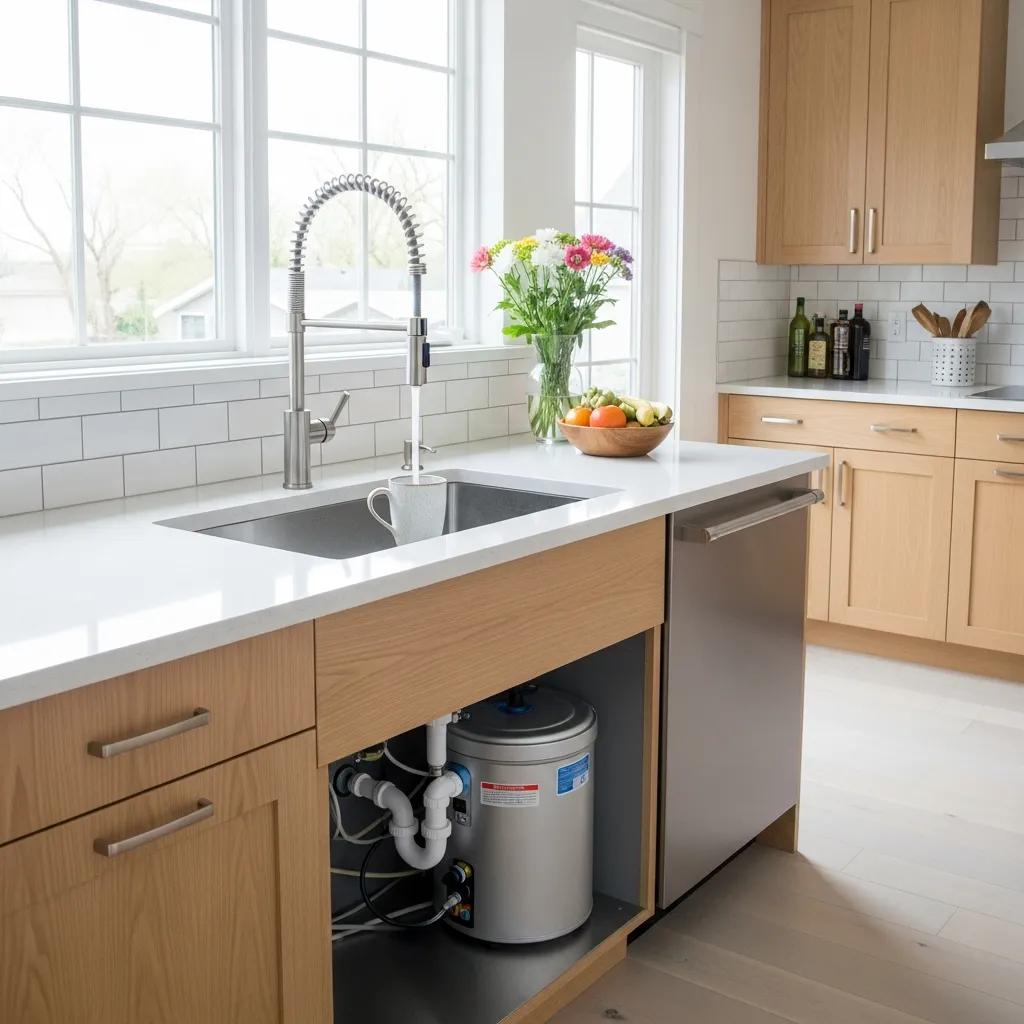
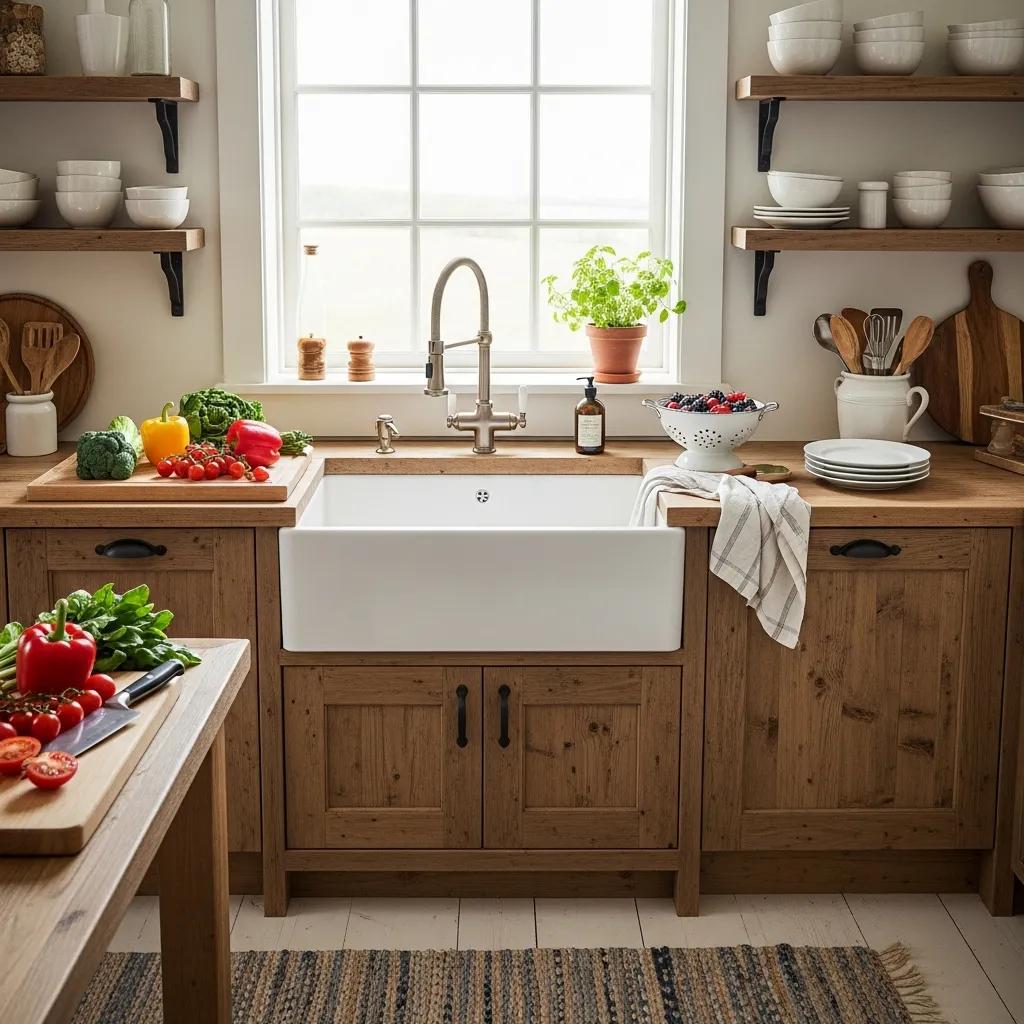
Farmhouse Sinks: Rustic Charm and Practicality
Farmhouse Sinks: Timeless Charm and Practical Plumbing Solutions in Grosse Pointe Farmhouse sinks — also called apron-front sinks — combine a warm, rustic look with deep, work-ready basins that make large pots and food prep easier. The sink’s front panel extends past the cabinet face, which creates a focal point but also changes how the sink sits in the cabinet and how the plumbing lines up. Homeowners get roomy capacity and a distinctive style, but they should plan for weight support, proper drain alignment, and fixture compatibility to avoid leaks or cabinet damage. In this guide we explain what an apron-front sink is, why its plumbing can differ from a standard kitchen sink, and how professionals in the Grosse Pointe area handle installation, repairs, and routine care. You’ll find clear advice on styles and materials, local cost considerations, common drain problems and fixes, and material-specific maintenance so your sink looks and works great for years. At the end we outline local service options and how to request a free estimate from a trusted plumber. What Are Farmhouse Sinks and Their Unique Plumbing Requirements? An apron-front or farmhouse sink features a forward-facing panel and a deeper basin than most standard sinks. Because the bowl sits ahead of the cabinet, the sink’s weight and depth often require added support and precise drain placement to keep connections watertight. The exposed apron can change where faucets and supply lines go, and a deeper tailpiece may push P-trap and venting adjustments. Knowing these differences before you buy helps prevent surprise costs and ensures the sink’s look matches reliable plumbing performance. Before you purchase, plan for these typical farmhouse sink considerations: Structural support: Heavier materials like fireclay or cast iron often need reinforced cabinet framing or brackets. Drain alignment and depth: A deeper bowl can lower the drain outlet, requiring longer tailpieces and careful P-trap placement. Cabinet modification and counter cutout: The apron-front profile can mean trimming or rebuilding the cabinet face or adjusting the toe-kick. Faucet and supply line spacing: A wider or forward-mounted basin may shift where faucets sit and need extended supply connections. Those plumbing needs influence the parts and materials required for a solid, long-lasting installation — topics we cover next. Defining Farmhouse and Apron Front Sinks: Styles and Materials Farmhouse sinks come in single- and double-bowl layouts and some models include an integrated drainboard to suit different kitchen workflows. Common materials include fireclay and enameled cast iron for a classic look, stainless steel for a lighter, modern option, and composite quartz for a durable, low-maintenance choice. Fireclay and cast iron look and last great but are heavy and often need cabinet reinforcement. Stainless steel is lighter and easier to align with drains but can show scratches more readily. Choosing the right style and material means balancing appearance, weight, and upkeep to match your kitchen layout and plumbing rough-in. Key Plumbing Components for Farmhouse Sink Installation A reliable farmhouse sink install depends on a few critical plumbing parts and accurate measurements: an appropriately sized tailpiece, a P-trap set at the correct inlet height, a durable sink flange, accessible shutoff valves, and correctly routed supply lines. Installers will also check garbage disposal compatibility and whether the deeper basin changes the drain slope enough to require venting updates. Typical tools and materials include a basin wrench, plumber’s putty or neutral-cure silicone suited to the sink surface, threaded tailpieces for extended depths, and reinforcement brackets or platforms for heavy sinks. Matching components to the sink’s dimensions and local code lowers leak risk and simplifies future repairs. How Much Does Farmhouse Sink Installation Cost in Grosse Pointe? Installation costs in the Grosse Pointe area depend on the sink material, any cabinet changes, plumbing rework, and whether a garbage disposal or new faucet is added. Expect the final installed price to include the sink itself plus labor for removal, cabinet reinforcement, plumbing adjustments, and finish work. Knowing the main cost drivers helps you budget and compare quotes accurately. Factors that most influence local installation pricing include: Sink material and unit cost: Heavier, premium sinks raise both product and handling costs. Cabinet modification: Cutting, reinforcing, or rebuilding cabinet faces increases carpentry time. Plumbing reconfiguration: Extending tailpieces, relocating the P-trap, or rerouting supply lines adds complexity. Disposal or accessory installation: Adding or adapting a garbage disposal or special faucet adds parts and labor. Below are common service components and how they typically affect a local estimate. Service Component Typical Price/Factor Local Explanation Sink removal and disposal Low–Moderate labor cost Removing the existing sink varies by mounting method; undermounts or glued flanges take more time. Cabinet modification Moderate–High depending on scope Reinforcement, cutting the apron opening, or rebuilding the face adds carpentry labor and materials. Plumbing adjustments (tailpiece/P-trap) Moderate Deep basins often need extended tailpieces and P-trap repositioning; vent checks may be necessary. Garbage disposal installation Moderate Disposal compatibility with deep sinks may require extended flanges and different mounts. Fixture installation (faucet/supply lines) Low–Moderate Faucet type and supply routing affect labor — wall-mounts and deck-mounts have different needs. This breakdown shows where budgets typically go and helps you prioritize upgrades that matter most for your remodel. Being prepared makes in-person estimates more accurate. Factors Influencing Installation Pricing and Local Estimates Local labor rates, permit needs, and the amount of in-home work change final costs. Older homes sometimes need venting upgrades or code-related fixes that add work. Sink material affects handling time: heavy fireclay or cast iron takes more effort than stainless steel. Contractors also consider travel, permit timelines, and unknown conditions — like hidden water damage or outdated rough-ins — that can expand the scope. You can reduce surprises by sending photos of the current sink area and noting cabinet construction before a site visit; that speeds assessment and improves quote accuracy. Value of Professional Installation and Free Estimates Hiring licensed professionals helps avoid common mistakes — misaligned P-traps, inadequate cabinet support, or loose flange seals — that lead to leaks and costly repairs. A proper estimate includes a
Farmhouse Sinks: Rustic Charm and Practicality Read More »