Hydro Jetting — Fast, reliable high‑pressure cleaning for stubborn drains & sewers
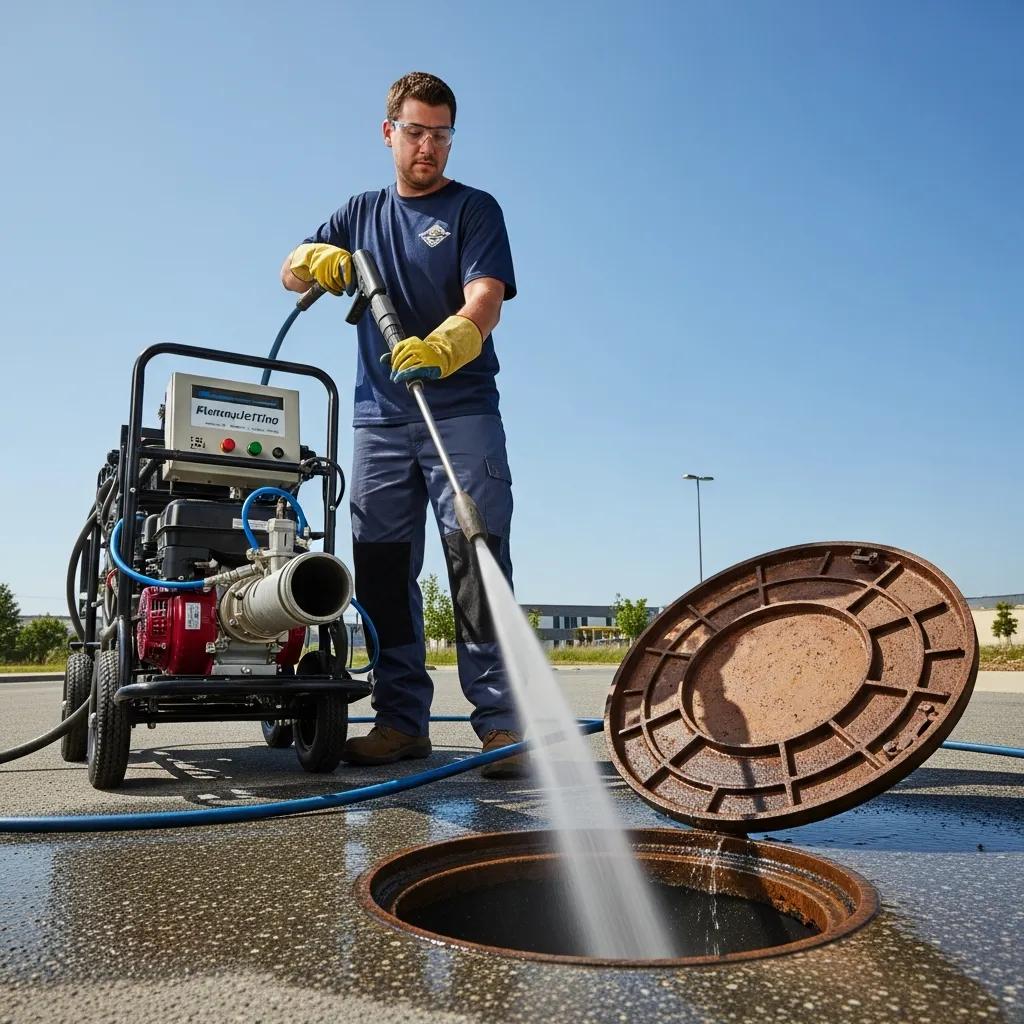
Hydro jetting uses concentrated streams of high‑pressure water to mechanically cut away and flush roots, grease, scale and other debris from sewer and drain lines.
This guide shows how hydro jetting works, when it’s the right solution for stubborn clogs, how a professional crew performs a safe, code‑compliant job in Grosse Pointe, and what commercial customers should expect on price. You’ll get an overview of the equipment, typical pressure ranges, common nozzle types, and how jetting compares to snaking or chemical cleaners. We also include a practical step‑by‑step workflow, a quick diagnostic checklist to help decide if jetting is needed, and maintenance tips to keep lines healthy after service. Throughout, we add local notes and clear guidance on requesting estimates so building managers and homeowners can make informed, timely decisions.
What is hydro jetting and how does it clear stubborn drain clogs?
Hydro jetting means sending controlled, high‑pressure water through specially designed hoses and nozzles to cut and wash away blockages inside pipes.
The process combines impact and shear: pressurized jets break deposits into small pieces and the flow carries them downstream, restoring full bore and flow capacity.
Unlike chemicals or a snake that only bores a channel, hydro jetting cleans the entire pipe circumference — which usually lowers the chance of the same clog coming back.
Here are the main benefits property managers and operators notice after a proper hydro jetting service.
Hydro jetting delivers immediate, practical advantages:
- Thorough internal cleaning: High‑pressure water removes build‑up across the full pipe wall, not just a narrow path.
- Non‑corrosive method: It relies on water, not harsh chemicals, so it’s gentler on pipe materials over time.
- Fewer repeat clogs: Removing roots and grease completely reduces how often you need emergency service.
Those outcomes lead directly into technical choices: nozzle type and pressure settings decide what gets removed and how safely the work proceeds.
Locally, Frost & Kretsch Plumbing Inc. serves as a resource to arrange inspections and on‑site estimates for hydro jetting. Contacting a local specialist after persistent blockages speeds diagnosis and scheduling — their role is to inform customers and coordinate camera inspections and jetting when appropriate.
Understanding high‑pressure drain cleaning techniques
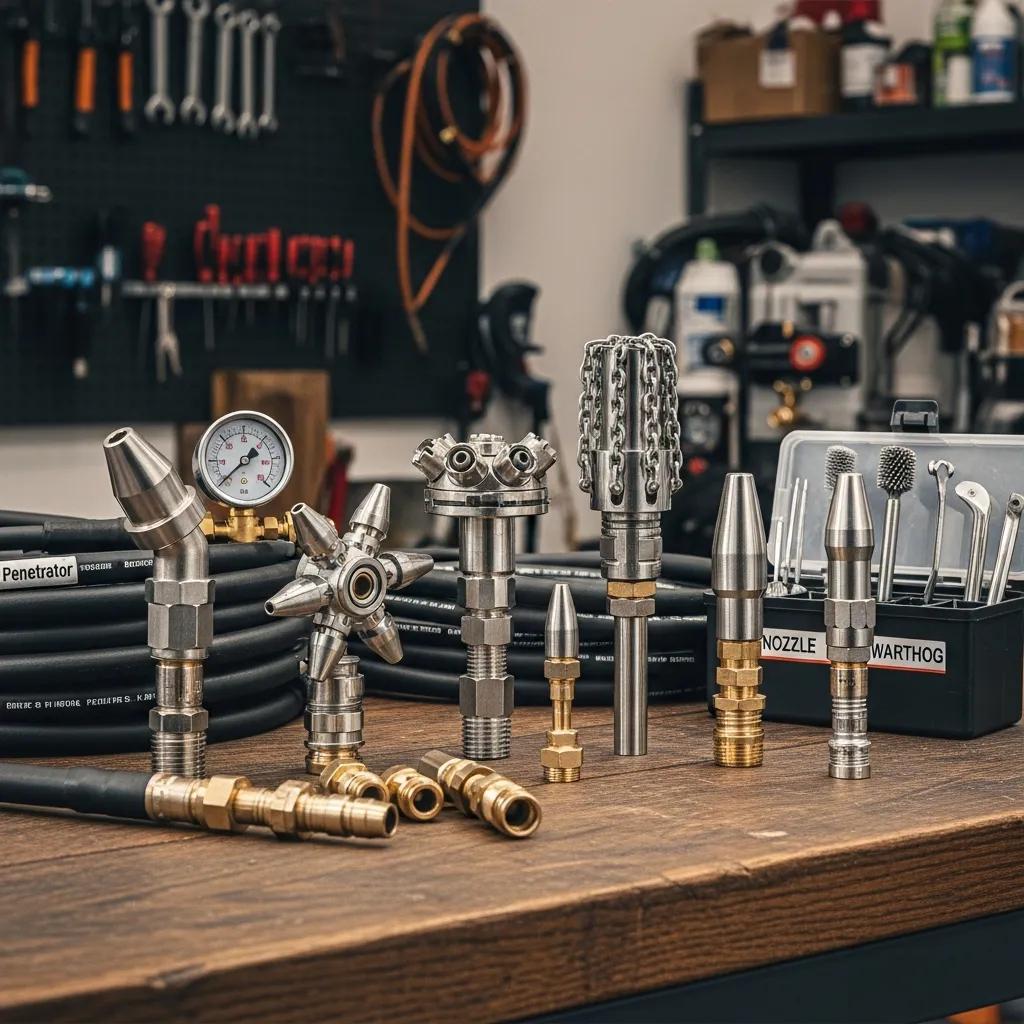
High‑pressure drain cleaning uses different nozzle types and pressure ranges to target specific obstruction types while protecting pipe integrity.
A typical setup includes a water pump, high‑pressure hose, a specialized nozzle, an operator control panel and safety gear. Nozzles send forward and rear jets to both cut material and push debris out.
Wider‑angle, lower‑pressure nozzles work well on grease and sediment; cutting nozzles at higher pressures are used for root intrusion and hard scale.
Technicians dial pressure and flow to match pipe material, diameter and condition, and they pair jetting with camera inspection to confirm results and avoid accidental damage.
Knowing nozzle choice and operator skill explains why trained crews always run diagnostics before applying maximum pressure.
Why hydro jetting is the better choice for tough sewer line blockages
Hydro jetting often outperforms chemical treatments and basic snaking because it removes the full circumferential deposit instead of just opening a narrow bore.
The method treats the root cause — grease, scale and roots — rather than temporarily clearing a channel, so clogs are less likely to return quickly.
Jetting is especially effective for heavy grease in commercial kitchens and for root intrusion in older sewers. That said, a prior camera inspection is important: badly damaged or collapsed pipes may need repair or relining instead of aggressive jetting.
Combining camera diagnostics with targeted jetting gives immediate flow restoration plus longer‑term maintenance benefits.
How does a hydro jetting service work in Grosse Pointe?
Hydro jetting jobs in Grosse Pointe follow a clear workflow to ensure proper diagnosis, safety and verification: technicians perform a camera inspection, set up the pump and hose with the right nozzle, run the jetting while monitoring pressure and flow, and finish with a post‑jet camera check and a customer report.
The process focuses on minimizing disruption and making sure wastewater and debris are handled responsibly. The steps below summarize what customers can expect when scheduling a professional hydro jetting job.
The hydro jetting workflow typically follows these stages:
- Booking and pre‑inspection: We schedule an evaluation and review access, system history and symptoms.
- Camera diagnostics: A closed‑circuit camera maps pipe condition, locates obstructions and spots vulnerable areas.
- Setup and safety checks: We position the rig, test pumps, select the nozzle and confirm PPE and containment plans.
- Jetting operation: Technicians run progressive pressure passes while watching for breakthrough and debris flow.
- Verification and reporting: We re‑run the camera, document before‑and‑after footage and give clear recommendations.
| Service Step | Purpose | Customer Expectation |
|---|---|---|
| Booking & Assessment | Gather history and prepare access | Short scheduling call and arrival window |
| Camera Inspection | Locate and identify the blockage | Visual report; usually 20–45 minutes |
| Equipment Setup | Configure pump, hose, nozzle and containment | Site prep and safety measures in place |
| Jetting Operation | Remove obstruction and flush debris | Real‑time monitoring; operator adjusts pressure |
| Post‑jet Verification | Confirm clearance and document results | Before/after footage and next‑step advice |
This step‑by‑step overview explains what customers will see and why diagnostics before jetting are essential for both effectiveness and safety. Property owners in Grosse Pointe can rely on Frost & Kretsch Plumbing Inc. to coordinate scheduling and provide thorough follow‑up documentation for transparent decision‑making.
Step‑by‑step process of a sewer line hydro jetting service
An on‑site jetting job starts with preparing access and inserting a camera to choose the right nozzle and pressure plan for the main run.
After diagnostics, the operator sets the pump and feeds the high‑pressure hose into the line, advancing the nozzle while controlling pressure to cut and remove deposits.
Technicians often make multiple passes — a lower‑pressure pass to loosen material, then higher pressure to cut roots or stubborn scale — followed by flushing to carry debris downstream to a safe discharge or capture point.
A final camera pass documents the cleaned pipe and helps decide whether relining or repairs are needed. The operator then presents clear recommendations to the property manager.
This sequence keeps the work effective and verifiable, reducing surprises after the job is done.
Safety measures and environmental considerations in Grosse Pointe
Safety during hydro jetting protects people, property and the environment through proper PPE, pressure control and debris containment.
Technicians wear eye and hearing protection, gloves and other PPE, and they use pressure relief and regulated flow rates to avoid pipe damage and surface blowback.
Environmentally, crews capture displaced solids, prevent uncontrolled wastewater discharge and follow local rules for disposing of greasy or contaminated runoff.
These safeguards protect landscaping and municipal systems and ensure work complies with local expectations. Proper planning shows you can get effective cleaning without unnecessary environmental impact.
| Safety Measure | Purpose | Expected Outcome |
|---|---|---|
| Operator PPE | Protect staff during operation | Lower risk of injury |
| Pressure Regulation | Match pressure to pipe condition | Reduce chance of pipe damage |
| Debris Containment | Capture solids and grease | Controlled disposal |
| Post‑jet Verification | Confirm removal and no collateral damage | Visual proof of success |
These controls show how disciplined procedures and the right equipment protect infrastructure and the environment, helping facility teams balance effective cleaning with regulatory and community responsibilities.
What are the costs associated with commercial hydro jetting?
Commercial hydro jetting pricing depends more on job complexity than a flat hourly rate — pipe network size, access difficulty and the severity of obstructions change the resources required.
Main cost drivers include pipe length and diameter, the extent of root or grease buildup, site access and safety needs, and whether extras like camera inspection or bypass pumping are required.
The table below breaks common service elements into categories to help facilities estimate relative cost impacts and ask focused questions when requesting quotes.
Factors that commonly affect commercial hydro jetting pricing include:
- Job scale and complexity of the pipe network
- Access constraints and need for traffic or area control
- Special equipment or nozzles for hardened obstructions
Below the table is a short guide on what to request from contractors to get transparent, comparable estimates.
| Service Element | Influence on Cost | Expected Impact |
|---|---|---|
| Pipe Length & Diameter | Larger, longer runs take more time and water | Significant increase |
| Access Difficulty | Confined or restricted access slows work | Moderate to significant increase |
| Degree of Obstruction | Roots, heavy grease and scale need more passes | Significant increase |
| Camera Inspection | Adds diagnostic time but lowers risk | Moderate increase; high value |
Ask contractors for a line‑item estimate that separates diagnostics, jetting time, mobilization and disposal. That makes comparisons clearer and supports better procurement decisions.
For organizations in Grosse Pointe, Frost & Kretsch Plumbing Inc. can help arrange transparent estimates and explain which items drive the final scope of work.
Factors influencing commercial hydro jetting pricing
Concrete variables that determine price include the size of the sewer network, pipe wall condition, the need for bypass pumping or traffic control, and any hazardous materials that require special handling.
Complex networks with multiple laterals or tight structural runs increase labor hours and equipment handling time.
When heavy root removal or extensive grease is present, crews may need cutting nozzles and extra passes, which lengthen the job.
Clients should request equipment documentation and an estimate of hours so they can compare vendors on an apples‑to‑apples basis.
Comparing hydro jetting costs to traditional drain cleaning methods
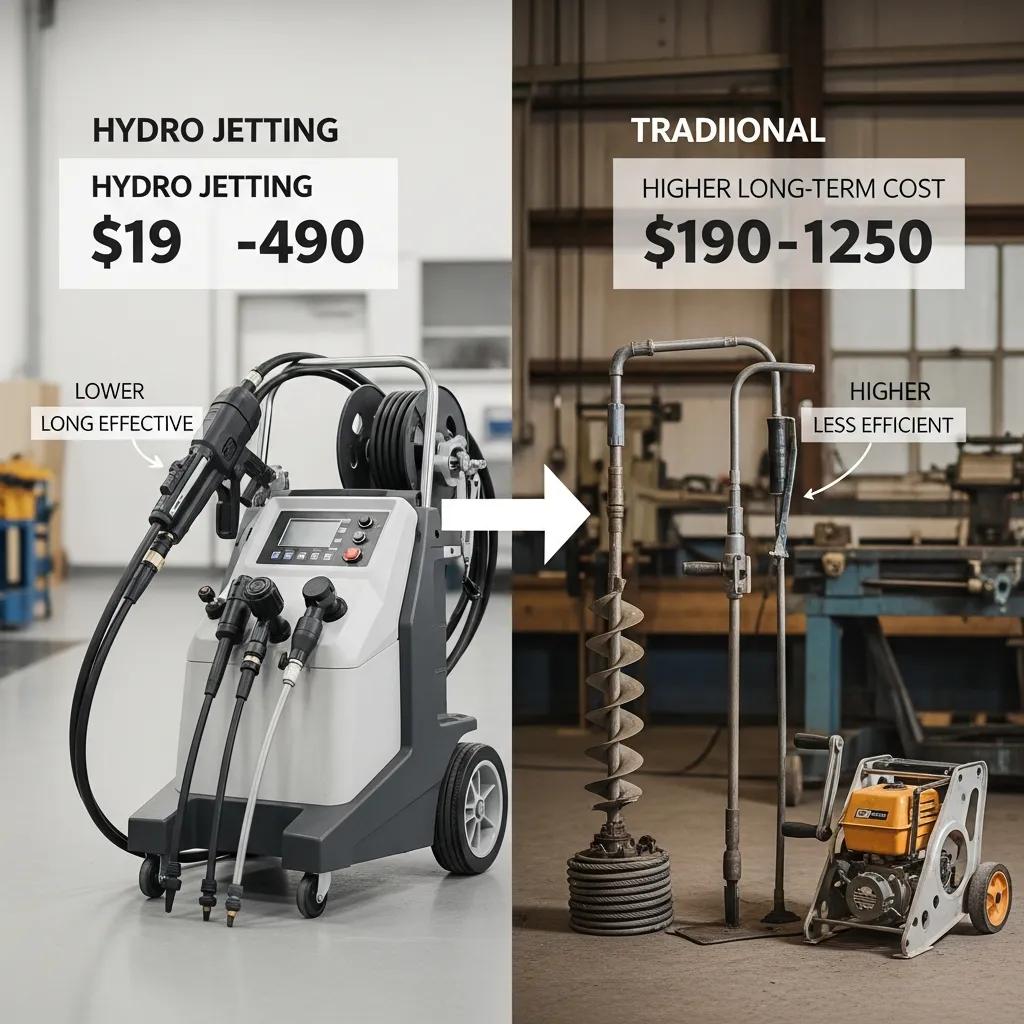
Hydro jetting usually has a higher upfront cost than snaking or chemical cleaners, but it often delivers longer‑lasting results.
Snaking can clear a temporary channel but leaves deposits that lead to quick recurrence; chemical cleaners may soften organic material but can damage pipe linings and won’t remove roots or heavy scale effectively.
Because jetting cleans the whole pipe circumference, it can cut downtime and reduce repeat service — often giving better lifecycle value for commercial systems where continuity matters. Consider recurrence rates and long‑term records when choosing the most economical approach.
| Method | Effectiveness | Best Use Case |
|---|---|---|
| Hydro Jetting | High for roots, grease and scale; full circumference cleaning | Large commercial systems and recurrent clogs |
| Mechanical Snaking | Moderate; opens a channel but leaves deposits | Localized blockages and short‑term fixes |
| Chemical Cleaners | Low to moderate; softens some organic buildup but can harm pipes | Minor organic clogs where pipes are robust |
This comparison helps procurement teams weigh short‑term budget savings against the long‑term operational value of a more complete cleaning solution.
When should you choose hydro jetting for stubborn clogs?
Choose hydro jetting when diagnostics point to circumferential build‑up, repeated clogs across multiple fixtures, or root intrusion that snaking can’t fully resolve.
Use this quick checklist to decide whether to call for jetting now or try a less intensive fix first.
The checklist below offers simple yes/no indicators with a short recommendation to guide decisions.
- Multiple fixtures backing up: Yes — Schedule a camera inspection and consider jetting.
- Recurring need to snake drains: Yes — Jetting is likely a better long‑term fix.
- Foul sewer odors or slow drains despite snaking: Yes — Get a camera inspection and targeted jetting.
- Camera shows root intrusion or heavy grease/scale: Yes — Hydro jetting is recommended with verification.
A targeted camera inspection remains the decisive step: if visuals confirm circumferential deposits or roots, hydro jetting usually gives the most durable remediation.
| Cleaning Method | Effectiveness | Risks / Best Use Case |
|---|---|---|
| Hydro Jetting | High for full‑pipe cleaning | Best for roots and heavy grease; requires intact pipe structure |
| Chemical Cleaners | Low to moderate | Risk of pipe corrosion; temporary relief |
| Mechanical Snaking | Moderate | Quick for local blockages; may leave deposits |
This table clarifies trade‑offs and helps property teams pick the method that fits their operational needs and pipe condition.
Identifying signs that hydro jetting is needed
Spotting the right symptoms saves time and prevents repeated small repairs. Key signs include:
- Slow drainage or backups at multiple fixtures at once
- Frequent need to use a drain snake
- Persistent foul odors that suggest trapped waste
- Camera evidence of root growth or circumferential grease coatings
These symptoms point to system‑level issues rather than single‑fixture problems. When you see them, schedule a camera inspection to confirm and then plan for jetting if the pipe condition allows.
Benefits of hydro jetting over chemical and mechanical alternatives
Hydro jetting removes deposits from the entire pipe circumference, which reduces recurrence and helps maintain flow capacity longer.
It avoids corrosive chemicals that can damage older materials and doesn’t rely on cutting arcs that leave residual films, as some mechanical snakes do.
In commercial kitchens, jetting is particularly useful for grease control; in older sewer systems, pairing jetting with inspection helps decide whether relining or structural repair is needed.
Applied appropriately, these benefits improve operational stability and lower lifecycle maintenance costs.
How to maintain drains after hydro jetting to prevent future clogs?
After hydro jetting, consistent maintenance and small behavior changes help keep lines clean longer. Recommended steps include scheduled camera inspections for commercial sites, routine grease management in food service, and root monitoring in tree‑lined areas.
The checklist and suggested frequencies below help teams build a practical maintenance plan that protects the jetting investment and extends sewer life. Consider light preventive jetting at intervals instead of waiting for symptoms to return.
- Daily: Don’t pour grease, coffee grounds, or non‑degradable items down drains.
- Monthly: Maintain grease traps and schedule cleanouts for commercial kitchens.
- Quarterly/Yearly: Run camera inspections for commercial systems and do light preventive jetting as needed.
These practices lower the load on sewer lines and let you catch developing problems early, so the benefits of a full hydro jetting service last longer and reduce emergency calls.
Recommended drain maintenance practices post‑hydro jetting
Post‑jet maintenance focuses on preventing grease, roots and sediment from returning and on creating a predictable inspection schedule.
Combine daily operational controls — like proper grease capture and staff training — with periodic technical checks such as camera inspections and light preventive jetting.
For commercial kitchens, strict grease trap protocols and scheduled disposal reduce sewer load. Landscaped properties benefit from root‑zone management and selective root barriers.
Recording maintenance activities and inspection findings supports preventive budgets and helps schedule targeted interventions before blockages become serious.
Tips for extending the life of sewer lines in Grosse Pointe
Local conditions — mature trees, seasonal ground movement and older pipes — make proactive management especially important in Grosse Pointe.
Monitor tree roots and arrange selective trimming where municipal rules allow to slow intrusion rates.
Avoid flushing non‑degradable items and limit grease discharges, and schedule regular professional inspections to catch small defects early.
If inspections show structural wear, consider pairing jetting with relining or targeted repairs to prevent repeated emergencies and extend pipe life.
When property managers are ready to put a maintenance plan in place, Frost & Kretsch Plumbing Inc. can coordinate preventive visits and help arrange free estimates for periodic jetting. Regular scheduling and documentation protect asset value and reduce unplanned downtime for commercial operations.
Frequently Asked Questions
1. How often should hydro jetting be performed for commercial properties?
Frequency depends on the business type and waste volume. High‑traffic sites like restaurants often benefit from hydro jetting every 6–12 months. Lower‑use properties may need it every 1–2 years. Regular inspections help dial in the right schedule so clogs are caught before they become emergencies.
2. Can hydro jetting damage older pipes?
Hydro jetting is very effective but can harm older or weakened pipes if done improperly. A camera inspection before jetting is essential to assess pipe condition. If significant deterioration is found, technicians may recommend repairs or gentler alternatives. Proper pressure settings and nozzle choice minimize risk.
3. What types of blockages can hydro jetting effectively clear?
Hydro jetting clears heavy grease buildup, tree root intrusions, mineral scale and a wide range of accumulated debris. High‑pressure streams remove deposits around the full pipe wall, not just a channel, which helps prevent future clogs and restores flow.
4. Is hydro jetting safe for the environment?
Yes. Hydro jetting primarily uses water and avoids harsh chemicals, reducing environmental harm and preserving pipe materials. Proper debris containment and disposal during the job prevent contamination of local water sources, making jetting a responsible choice for sewer and drain maintenance.
5. What should I do if I notice recurring clogs after hydro jetting?
Recurring clogs may indicate an underlying issue. Start with a follow‑up camera inspection to check for remaining blockages or structural problems. Review maintenance practices like grease handling and disposal. A plumbing professional can recommend targeted fixes to improve system longevity.
6. How does hydro jetting compare to other drain cleaning methods?
Hydro jetting cleans the entire pipe circumference, which reduces the chance of future clogs compared with snaking, which often leaves deposits behind. Chemical cleaners can offer short‑term relief but may damage pipes. For commercial systems with frequent blockages, jetting usually provides a more durable solution.
7. What are the signs that indicate I need hydro jetting?
Signs include multiple fixtures backing up at once, persistent foul odors, frequent clogs despite snaking, and camera evidence of heavy grease or root intrusion. If you notice these symptoms, schedule a camera inspection to confirm pipe condition and determine whether hydro jetting is the appropriate remedy.
Conclusion
Hydro jetting is a powerful, chemical‑free way to remove grease, roots and debris and restore reliable flow in drains and sewer lines. When paired with proper inspection and safe operating practices, it reduces repeat clogs and helps protect pipe integrity. For property managers and homeowners in Grosse Pointe, timely action can prevent costly repairs and keep systems running smoothly. Contact Frost & Kretsch Plumbing Inc. to schedule a hydro jetting service and see the difference professional, local care makes.