
Sewer Camera Inspection in Grosse Pointe — Precise Drain Diagnostics, What to Expect, and Cost Guide
Sewer camera inspection is a non‑invasive service that uses a high‑resolution video camera to inspect the inside of underground drain and sewer pipes, giving clear answers without unnecessary digging. This guide walks through how a drain video inspection works, the types of problems a pipe camera can reveal, the main cost drivers, and which residential and commercial services are a good fit for Grosse Pointe properties. Homeowners and building managers frequently face recurring clogs, unexplained backups, or uncertainty during real‑estate transactions — a sewer scope removes guesswork and helps prevent disruptive, costly repairs. Continue for a step‑by‑step overview, common camera findings, straightforward cost explanations, and practical service options for both homes and businesses. You’ll also find targeted lists and tables that define equipment and cost drivers, plus clear guidance on when to schedule a sewer scope or request a site estimate.
What Is Sewer Camera Inspection and Why Is It Essential for Drain Diagnostics?
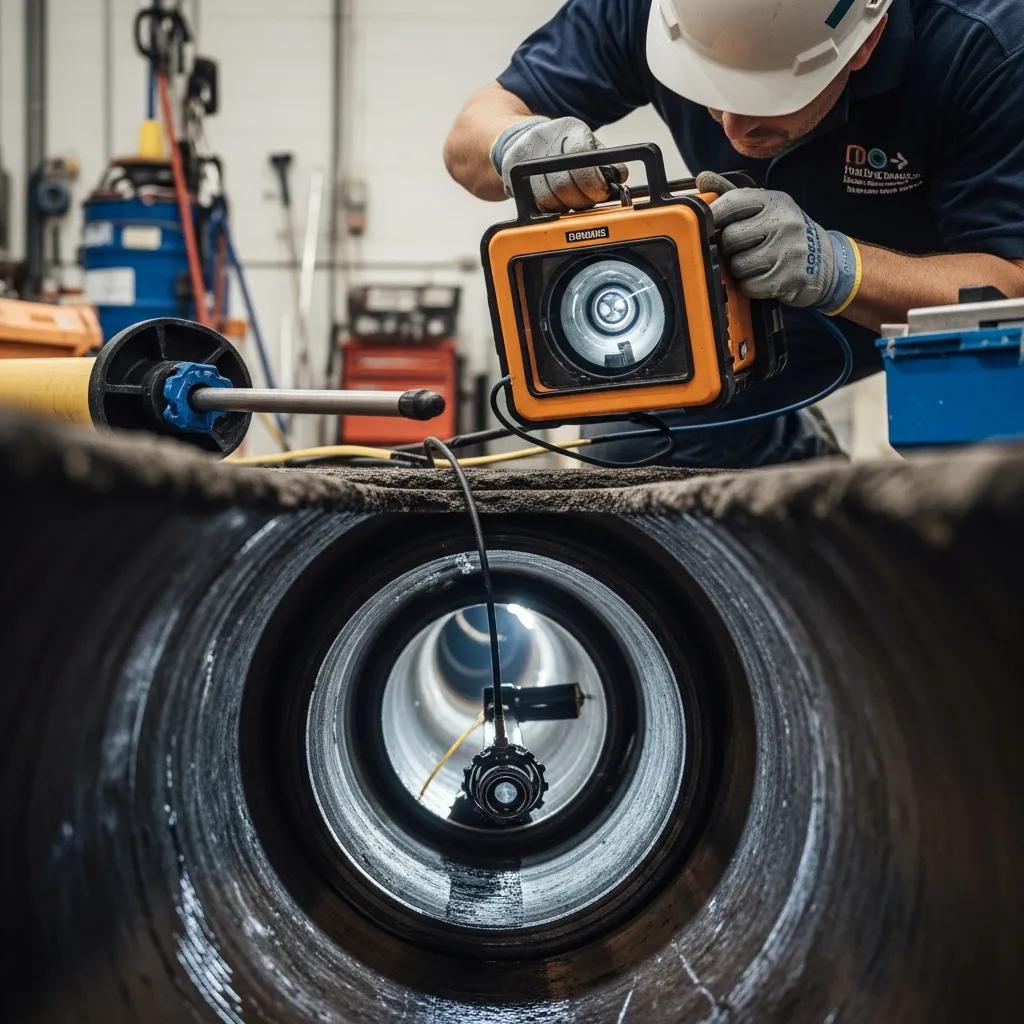
A sewer camera inspection places a small, waterproof video camera into your drain lines to capture continuous footage and pinpoint blockages, structural problems, or infiltration points. Technicians push a camera head down the line on a fiber‑optic or push cable while a locator transmits position data above ground, producing video and a mapped route of the pipe. The main advantage is precise diagnosis — crews see exactly where the issue is and can recommend targeted repairs instead of broad excavation. The table below outlines the core components of a typical inspection and the value each provides.
The table below summarizes essential inspection components and what they deliver for diagnostic clarity.
| Component | Function | Diagnostic Value |
|---|---|---|
| Video camera head | Captures continuous, high‑resolution footage | Shows blockages, cracks, roots, offsets and other visible defects |
| Fiber optic / push cable | Feeds the camera through pipe runs | Allows inspection through long laterals and around bends without digging |
| Locator transmitter | Tracks the camera’s position from above ground | Pinpoints the surface location of defects for targeted repairs |
| Monitor / recording unit | Displays and saves the live video | Creates a permanent record for reports, insurance, or real‑estate disclosure |
Knowing these parts helps explain why video inspection is usually faster, less disruptive, and more accurate than exploratory digging.
How Does Drain Pipe Video Inspection Work?
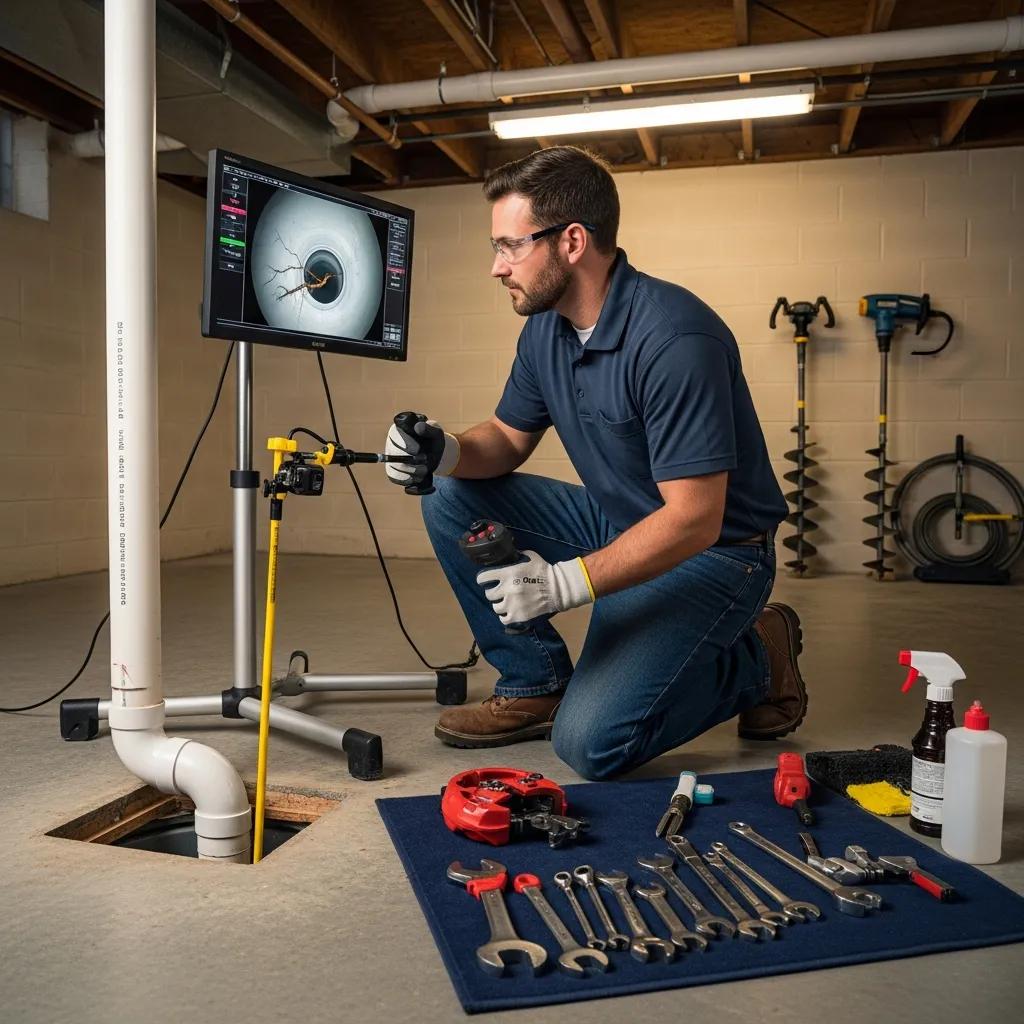
Drain pipe video inspection follows a clear, repeatable workflow: access, camera traversal, and reporting. Technicians find a cleanout or access point, remove light obstructions if needed, and feed the camera head on its push cable while watching live footage on a monitor. The locator provides above‑ground coordinates so crews can map where any defect sits relative to the surface. The inspection is recorded and timestamps note anomalies; the final deliverable is a reviewable video plus a diagnostic report that explains condition, severity, and recommended next steps. Understanding this sequence helps homeowners and property managers see how the evidence drives repair decisions.
What Are the Key Benefits of Using Plumbing Camera Inspection in Grosse Pointe?
Plumbing camera inspection brings several practical benefits for Grosse Pointe properties, especially where older infrastructure and mature landscaping make excavation expensive. The chief advantages are accurate diagnosis, minimal property disturbance, and faster resolution because technicians fix the true cause rather than guessing. Camera surveys protect lawns, gardens, and hardscapes by avoiding trial‑and‑error digging. They also supply objective video documentation useful for real‑estate transactions and maintenance planning. These benefits make camera inspections an efficient first step before committing to larger repairs.
Which Common Plumbing Issues Can Underground Pipe Camera Surveys Detect?
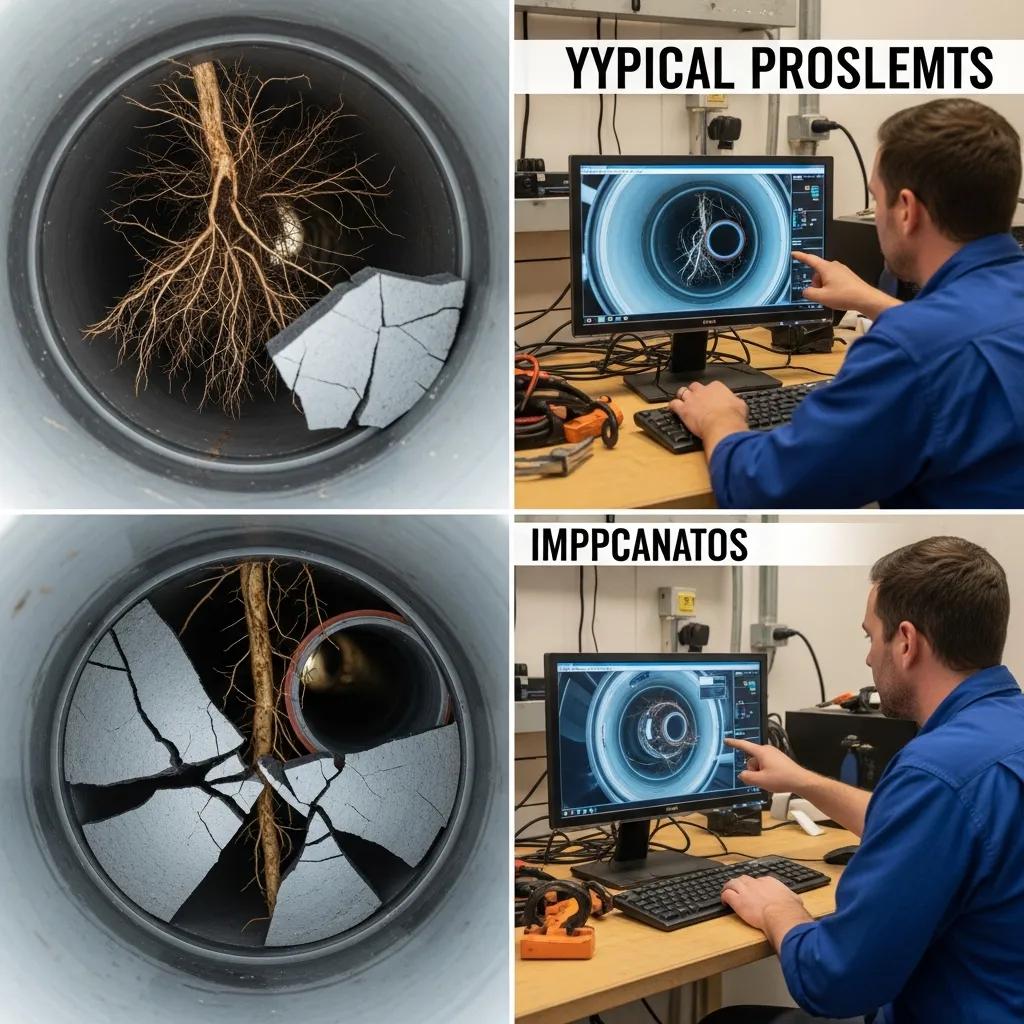
Sewer camera surveys reveal a wide range of subsurface problems that often show up as backups, slow drains, or intermittent odors. Typical findings include tree root intrusion that narrows the pipe, cracks and offsets that leak or trap debris, bellies (sags) that collect solids, grease and debris buildups, and collapsed sections that cause total failure. Each visual finding points to a recommended response — from root cutting and hydro‑jetting to trenchless sectional repair or excavation. The table below links common camera observations to likely causes and follow‑up actions.
Below is a quick-reference table linking camera findings to likely problems and recommended follow-up actions.
| Observed Condition | How It Appears on Camera | Recommended Next Step |
|---|---|---|
| Root intrusion | Fibrous fronds or recurring blockage points | Mechanical root cutting, then targeted sealing or repair |
| Cracks / offsets | Hairline gaps, misaligned joints or visible separations | Structural assessment for trenchless repair or section replacement |
| Bellies (sags) | Solids pooling at a low spot in the pipe | Regrading or localized repair to restore proper slope |
| Grease / debris blockages | Thick internal coatings or compacted material | Hydro‑jetting followed by a confirmatory camera pass |
Seeing how these problems look on camera helps property owners choose effective solutions and avoid repetitive quick fixes like repeated snaking without a proper inspection.
How Does Sewer Camera Inspection Identify Tree Root Intrusion?
Tree roots show up on camera footage as fibrous, frond‑like material pushing into the pipe, often at joints or cracks where roots can enter. Roots seek moisture and exploit weak points; the camera reveals both the root mass and the exact penetration location. That detail tells technicians whether cutting and chemical treatment will be sufficient or whether a structural repair is needed. Technicians will document recurring growth patterns and recommend actions like mechanical root removal, focused repairs at the entry point, and follow‑up inspection intervals to prevent recurrence.
What Signs of Pipe Damage Are Revealed by Drain Video Inspections?
Drain video inspections expose structural issues such as hairline cracks, displaced joints (offsets), crushed or collapsed sections, and corrosion that shows as thinning or pitting inside the pipe. On camera, these appear as linear fractures, abrupt alignment changes, deformed pipe profiles, or surface erosion. Severity is typically classified as minor (repairable in place), moderate (sectional trenchless repair likely), or severe (full replacement recommended). Matching the visual damage to available repair options helps teams recommend the most efficient approach while protecting landscaping where possible.
How Much Does Sewer Line Camera Inspection Cost and What Influences Pricing?
Camera inspection prices vary based on several factors, but they generally depend on accessibility, pipe length, and whether additional services are required. Major cost drivers include total footage inspected, hard‑to‑reach access or long lateral runs, prep work to clear heavy blockages, and any above‑ground locating needed to mark defect positions. Other factors are whether recorded footage and a full report are provided, and whether cleaning or repairs are done the same day. The table below explains common cost factors and how they typically affect price.
Below is a table summarizing cost drivers, the aspect they affect, and a typical impact explanation to set transparent expectations.
| Cost Factor | What It Affects | Typical Impact on Price |
|---|---|---|
| Pipe length / footage | Time and equipment use | Longer runs take more time and increase equipment wear; costs rise accordingly |
| Accessibility / cleanouts | Labor and prep time | Limited access or no cleanouts requires extra labor and may increase price |
| Blockage severity | Pre‑inspection clearing | Severe obstructions often need clearing before a clear inspection can proceed |
| Reporting / locational mapping | Deliverables provided | Detailed mapping and recorded footage add to the final invoice |
Clear pricing starts with identifying these variables so homeowners know what to expect and why costs can vary.
For readers wanting straightforward estimates, Frost & Kretsch Plumbing follows transparent pricing practices and encourages on‑site quotes because site conditions determine the scope. Their approach emphasizes upfront estimates with no hidden fees, clear reporting of findings, and practical recommendations based on camera footage. If you want a tailored quote after we assess access and line complexity, request an on‑site estimate so the price reflects the actual inspection scope and any immediate follow‑up work.
What Factors Affect the Cost of Residential Sewer Scope Services?
Residential sewer scope prices reflect the same variables outlined above, plus homeowner‑specific issues that can add time — mature landscaping that limits access, older pipe materials that complicate navigation, and multiple laterals in multi‑line systems. Homes without convenient cleanouts may need temporary access created, which raises labor costs; older clay or cast‑iron pipes can require slower, more careful camera passes. Additional same‑day services like hydro‑jetting or locational marking also increase cost. Reviewing these residential specifics helps homeowners plan budgets and decisions more accurately.
How Does Frost & Kretsch Plumbing Ensure Transparent Pricing for Sewer Camera Inspections?
Frost & Kretsch Plumbing promotes transparency by providing clear, upfront estimates and by spelling out what the inspection includes — video recording, location mapping, and a written diagnostic report — so homeowners and managers understand the deliverable. The company flags extra‑cost drivers such as heavy obstruction clearing or the need to create access before inspection, and explains next steps with reasons based on the footage. This no‑surprises approach helps customers compare options and decide with confidence. For site‑specific pricing, Frost & Kretsch invites requests for personalized assessments so estimates reflect real conditions.
What Residential Sewer Scope Services Are Available for Homeowners in Grosse Pointe?
Common residential sewer scope services for Grosse Pointe homeowners include preventative maintenance inspections, pre‑purchase or pre‑listing sewer scope reports for real‑estate transactions, and diagnostic surveys before repair or drain cleaning. Preventative inspections catch early issues like root intrusion or developing corrosion so you can plan small repairs instead of emergency work. Pre‑purchase scopes give buyers and sellers objective footage for negotiations and disclosures, while diagnostic inspections before cleaning or trenchless work help contractors target the exact problem. The list below outlines typical residential services and their main purpose.
- Preventative Maintenance Inspections: Periodic camera surveys to spot problems early and schedule minimal interventions.
- Pre‑Purchase / Real Estate Sewer Scopes: Full footage and a report to inform buyers, sellers and agents during transactions.
- Diagnostic Inspections Before Repair: Targeted surveys to identify the exact repair area and the best method (hydro‑jetting, trenchless repair, or excavation).
Each service supports a different homeowner goal — maintenance, transaction clarity, or repair precision. Frost & Kretsch Plumbing offers local scheduling, licensed technicians, and clear reporting to help families protect landscaping and avoid unnecessary digging.
Why Is Sewer Camera Inspection Important for Preventative Maintenance and Real Estate?
Sewer camera inspection is a preventative tool because it finds small issues — root infiltration, early cracks, or initial corrosion — before they become full backups or collapses that require costly excavation. In real estate, a camera scope provides objective evidence of a sewer line’s condition so buyers avoid hidden liabilities and sellers can address repairs before closing. Regular inspections or pre‑listing checks reduce emergency calls and support transaction transparency. Inspection intervals depend on property age and nearby trees, but keeping a video history improves long‑term maintenance planning and lowers surprise costs.
How Does Sewer Camera Inspection Help Save Money on Sewer Repairs?
Camera inspection saves money by enabling targeted repairs instead of full‑line replacement and by preventing emergency situations that raise costs. When footage shows a localized defect, technicians can recommend trenchless sectional repair, a limited replacement, or root management — options that are typically less expensive and less disruptive than wholesale replacement. Recorded footage also lets owners prioritize and phase work to match budgets, avoiding repeat service calls for unresolved issues. That precision cuts both immediate repair bills and long‑term lifecycle costs for underground piping.
How Do Commercial Drain Video Inspections Support Businesses in Grosse Pointe?
Commercial drain video inspections meet business needs by minimizing downtime, helping meet health and safety codes, and supporting preventative maintenance for higher‑usage systems. Accurate diagnostics reduce disruption by locating the exact problem area so cleaning or repairs can be scheduled during slow periods and focused on affected segments. For regulated industries and multi‑tenant properties, recorded footage and reports support compliance and provide documentation for property managers or regulators. The list below highlights typical commercial benefits and how they translate into operational continuity.
- Minimized Downtime: Fast, targeted diagnosis limits the time systems are out of service.
- Compliance Documentation: Clear footage and reports help satisfy health‑code inspections and regulatory needs.
- Preventative Programs: Scheduled camera surveys support proactive maintenance and predictable budgeting.
These advantages make drain video inspection a strategic tool for commercial owners who need to protect revenue and meet regulatory obligations.
Frost & Kretsch Plumbing schedules commercial work to fit business hours and offers emergency response when required, ensuring licensed technicians perform inspections and provide reporting that reduces operational impact. Businesses should request a commercial quote tailored to facility size, peak hours, and system complexity.
Which Types of Commercial Properties Benefit from Sewer Camera Diagnostics?
Many commercial properties benefit from camera diagnostics, each with unique concerns: restaurants and foodservice operations need regular checks for grease build‑up; multi‑family buildings need inspections of shared lines that affect many residents; retail and office centers prioritize minimal disruption for tenants and customers. Camera inspections find grease accumulation, recurring blockages, or structural issues in shared mains that, if left alone, cause tenant complaints and outages. Tailoring inspection frequency to property type lets managers focus on high‑risk lines and meet regulatory or operational expectations.
How Does Sewer Camera Inspection Minimize Downtime and Ensure Compliance?
Camera inspection reduces downtime by identifying the exact pipe section that needs attention so technicians can perform targeted cleaning or trenchless repairs during planned maintenance windows rather than full system closures. Timestamped footage and location data provide documentation for compliance reviews or insurance claims, and clear maps reduce on‑site guesswork. For facility managers, this means predictable scheduling, fewer emergency premium charges, and reliable records for regulators — balancing service continuity with responsible infrastructure care.
Frequently Asked Questions
What should I do if my sewer camera inspection reveals a problem?
If the inspection finds an issue, review the technician’s report and video to understand the severity and recommended fixes. Typical next steps include targeted cleaning, localized repair, or a follow‑up assessment. Depending on urgency, schedule repairs promptly to avoid escalation. Your technician can explain options, timelines, and cost estimates so you can choose the best path forward.
How often should I schedule a sewer camera inspection?
Inspection frequency depends on pipe age, material, tree proximity, and any history of problems. As a rule of thumb, many homeowners benefit from an inspection every 1–3 years for preventative maintenance, especially on older systems or properties with mature landscaping. Also consider a scope before buying or selling a home or if you notice recurring drainage issues.
Can I perform a sewer camera inspection myself?
DIY sewer cameras exist, but professional services deliver higher resolution, experienced interpretation, and reliable reporting. Pros use sturdier gear, locators, and recording systems and can spot subtle signs that an untrained eye might miss. For dependable results and a usable report for repairs or real‑estate needs, we recommend a licensed technician.
What are the risks of not addressing issues found during a sewer camera inspection?
Leaving identified problems unaddressed can lead to worsening damage, complete blockages, backups, costly replacements, and health hazards from sewage exposure. Small issues can become emergency repairs that cost significantly more than planned maintenance. Prompt attention reduces risk, protects property, and lowers long‑term costs.
Are there any environmental benefits to using sewer camera inspections?
Yes. Camera inspections reduce the need for invasive excavation, protecting landscaping and minimizing soil disturbance. Targeted repairs based on video findings also reduce material waste and the chance of leaks that could contaminate local water. In short, accurate diagnostics lead to more responsible, less disruptive repairs.
What technology is used in sewer camera inspections?
Inspections use high‑resolution video cameras mounted on flexible cables that navigate pipes, often paired with bright LED lighting for clear visuals. Many systems include locators to map the camera’s above‑ground position and recording units to save footage for review. Combined, these tools let technicians diagnose issues precisely and produce usable reports for repairs or disclosures.
How Long Does a Sewer Camera Inspection Take?
A typical residential sewer camera inspection for one lateral usually takes about 30 to 90 minutes, depending on line length, access, and whether obstructions must be cleared first. Heavy roots, major blockages, or multiple laterals increase the time. If cleaning or small repairs are performed during the same visit, plan for a longer service window. Leaving some scheduling flexibility helps ensure a complete diagnostic pass.
Can a Sewer Camera Find Leaks and Blockages Effectively?
Sewer cameras excel at finding visible leaks, structural cracks, blockages, and intrusions that are open to the pipe interior. They’re especially effective for diagnosing backups, recurring clogs, and root intrusion. Very fine, hairline leaks that seep through pipe material without clear interior signs may need complementary methods — pressure testing or acoustic leak detection — to confirm. When a suspected leak isn’t visible on camera, technicians will recommend follow‑up testing to locate the source.
Is a Sewer Scope Inspection Worth the Investment?
In many cases, yes. A sewer scope replaces guesswork with direct visual evidence, enabling precise repairs, reducing emergency calls, and supporting clearer decisions in real‑estate deals. For homes with mature trees, older pipe materials, or a history of clogs, an inspection can prevent expensive excavation by making trenchless or sectional solutions possible. For buyers and sellers, the footage provides transparency that can speed transactions and limit surprises — often making the upfront cost worthwhile.
Conclusion
Sewer camera inspection provides a precise, non‑invasive way to diagnose underground pipe issues and avoid costly surprises. By showing blockages, damage, and infiltration on video, inspections let property owners make informed decisions about repairs and maintenance. For Grosse Pointe homeowners and managers, regular scopes protect landscaping, support real‑estate transparency, and extend the life of sewer lines. Schedule a sewer camera inspection to protect your investment and gain peace of mind.