
Frost and Kretsch Plumbing

Knowledge Base

Emergency Gas Leak Detection Services

Emergency Gas Leak Detection Services: How to Identify, Respond, and Prevent Gas Leaks Quickly Immediate recognition and rapid response to an emergency gas leak can mean the difference between a contained repair and a catastrophic event; emergency gas leak detection services specialize in identifying, isolating, and helping remediate hazardous gas releases to protect people and property. This article explains what those services do, how they operate, and why rapid detection matters for both natural gas and propane systems. You will learn how to spot early warning signs, follow a prioritized emergency checklist, understand the technologies professionals use for accurate gas leak detection, and adopt preventive maintenance practices that reduce risk. The guide also covers how costs are determined and how to find reliable providers while clarifying when to call professionals versus taking immediate safety steps yourself. Throughout, we use clear, actionable language for homeowners and small businesses, integrating practical steps, comparison tables of detection technologies, and checklists you can use immediately. What Are Emergency Gas Leak Detection Services and Why Are They Critical? Emergency gas leak detection services are specialized responses that locate and verify hazardous gas releases using trained technicians and detection technology to reduce safety and property risks. These services combine rapid on-site assessment, sensor-driven detection, and coordination with utilities to isolate leaks and advise on mitigation, which lowers the chance of fire, explosion, or health exposure. Early detection shortens the interval between a leak’s onset and corrective actions, protecting occupants and limiting property damage while documenting findings for utilities or insurers. Understanding how these services operate helps property owners recognize when a situation requires professional intervention rather than amateur attempts at repair, which can worsen conditions. The next section details the typical workflow technicians follow once a call is received to illustrate the practical steps behind detection and repair. How Do Gas Leak Detection Services Work? A professional gas leak detection workflow starts with intake and safety triage, proceeds with on-site assessment using portable or fixed sensors, and ends with isolation, repair coordination, and verification testing to confirm the leak is resolved. Technicians begin by assessing obvious hazards, ventilating where safe, and confirming evacuation if concentrations suggest danger, then sweep the area with calibrated portable gas leak detectors that measure hydrocarbons or specific gases. If sources are identified at meters, pipes, or appliances, professionals coordinate shutoff and repair steps with utilities or licensed trades, applying pressure tests or tracer methods as needed to verify integrity. Post-repair, verification includes re-testing and documentation to ensure the atmosphere and infrastructure are safe, and this reporting supports insurance or utility follow-up. This practical sequence clarifies what happens on-site and why trained technicians and appropriate equipment are essential to a safe resolution. What Types of Gas Leaks Require Emergency Detection? Not every odor or hissing requires the same response; emergency detection is warranted for large pressure leaks, persistent gas odor inside occupied spaces, visible signs of gas migration near ignition sources, and any leak causing symptoms in occupants. Leaks at meters, main pipelines, or where gas is pooling in confined spaces present high explosion or health risk and should trigger emergency protocols immediately. For homeowners, an indoor persistent rotten-egg smell or physical symptoms like dizziness indicates urgent evaluation; for businesses, leaks near boilers, commercial appliances, or storage tanks necessitate rapid detection and utility coordination. Recognizing these scenarios helps prioritize professional dispatch and prevents exposure while moving toward isolation and repair. The following section shows how to recognize early signs before escalation is necessary. How Can You Recognize Signs of a Gas Leak Early? Early recognition of a gas leak combines sensory observation, environmental clues, and attention to occupant symptoms to prompt timely detection and response. Understanding common cues—odorized gas smell, hissing noises, dead vegetation near buried lines, or unexplained physical symptoms—lets occupants act before conditions escalate. Professional-grade detectors and routine inspection practices supplement human observation, but knowing what to look for and how to react is the first line of defense. The next subsections list common symptoms and explain how detectors contribute to early warning and what limitations to expect from consumer devices. What Are the Common Symptoms and Smells of Gas Leaks? Gas leaks often produce a distinct sulfur or rotten-egg odor where odorants are added, but some gases may lack odorants or can be masked by other smells, so relying only on scent can be misleading. Audible signs include hissing, whistling, or bubbling sounds near pipes, while environmental indicators can manifest as dead or discolored vegetation above buried leaks or continuous bubbling in standing water. Human symptoms from exposure—headache, nausea, dizziness, or eye and throat irritation—should prompt immediate evacuation and professional evaluation if they appear without other explanation. Because symptom presence and intensity vary with concentration and exposure time, any combination of these signs should lead to cautious action and, when appropriate, calling for expert gas leak detection services. Common sensory and environmental signs include odorized gas smell, hissing noises, and dead vegetation. Physical symptoms to watch for include headache, nausea, dizziness, and throat irritation. Absence of smell does not guarantee safety; consider audible and environmental clues as well. These signs form an integrated picture that helps occupants and managers decide whether to follow emergency procedures or perform further investigation with detectors. How Do Gas Leak Detectors and Sensors Help in Early Warning? Gas leak detectors range from consumer-grade battery-powered units to professional portable detectors and fixed sensor networks, each offering different sensitivity, response time, and maintenance requirements. Consumer detectors provide basic alarm functions and are useful as an added layer of protection, while professional portable detectors offer calibrated, gas-specific measurements and data logging for reliable on-site diagnostics. Fixed sensors provide continuous monitoring for critical areas but require proper placement, periodic calibration, and integration into alarm systems to be effective; installers should follow manufacturer guidance and professional inspection schedules. Though useful, detectors have limits—sensor drift, placement blind spots, or interference can cause false negatives or positives—so combine detectors with visual checks and professional inspection when needed. Consumer detectors are

Emergency Gas Leak Detection Services Read More »
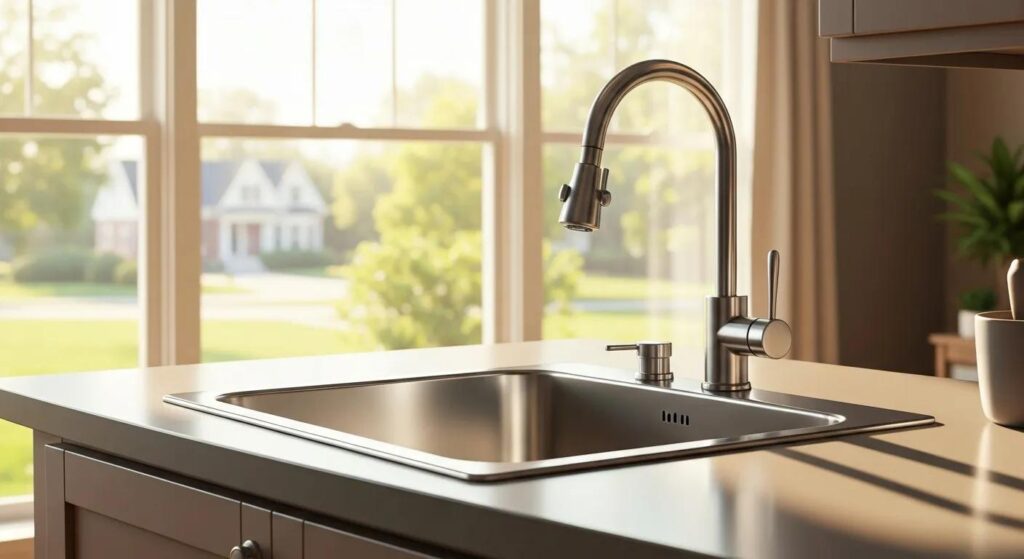
Expert Sink Repair in Grosse Pointe

Residential Sink Repair Services

Expert Sink Repair in Grosse Pointe Residential sink repair covers diagnosing and fixing issues that prevent sinks from draining, sealing properly, or functioning safely; common problems include clogs, leaks, garbage disposal failures, and low water pressure. This guide explains how these faults occur, practical DIY checks homeowners can perform, and when to escalate to professional sink repair services in Grosse Pointe. You will learn step-by-step troubleshooting for a clogged kitchen sink, how to spot hidden under-sink leaks, safe disposal troubleshooting, and maintenance routines that prolong fixture life. The article also outlines diagnostic techniques used by licensed plumbers, common repair and replacement options, and how transparent estimates are delivered locally. Later sections describe emergency warning signs and immediate actions to limit damage, plus clear prevention strategies to reduce future service calls. Throughout, this content integrates local context for Grosse Pointe homeowners while noting how Frost & Kretsch Plumbing can assist with diagnosis, repair, and emergency response when professional help is needed. What Are the Most Common Residential Sink Problems in Grosse Pointe? Most residential sink problems in Grosse Pointe fall into four categories: mechanical blockages (clogs), water leaks (visible or hidden), garbage disposal malfunctions, and low or inconsistent water pressure. Each category has characteristic symptoms and diagnostic checks that reveal whether a simple homeowner fix will suffice or if professional sink repair is required. Understanding these categories helps homeowners prioritize immediate steps to limit damage and choose the shortest path to restoration. Below we define each problem, explain why it occurs, and give an initial homeowner action; these descriptions also reference how Frost & Kretsch Plumbing can diagnose and repair each issue when professional intervention is needed. What Causes a Clogged Kitchen Sink and How Can It Be Fixed? A clogged kitchen sink typically results from grease buildup, food scraps, coffee grounds, or foreign objects blocking the drain, tailpiece, or P-trap. The mechanism is gradual accumulation that narrows flow until water slows or pools; pressure from trapped air can cause gurgling and slow draining. Homeowner checks include removing and cleaning the sink strainer, plunging the drain with a standard sink plunger, and using a plumber’s snake to clear the tailpiece or P-trap. For recurrent clogs, odors, or slow draining throughout multiple fixtures, a professional drain inspection or hydro-jetting is often necessary because the issue may be in the main line. Frost & Kretsch Plumbing’s licensed technicians can perform camera inspections to locate blockages precisely and recommend targeted drain cleaning or P-trap replacement when needed. This list explains common DIY steps for initial clog troubleshooting: Clean the strainer and run hot water for one minute. Plunge the sink for short bursts to dislodge soft clogs. Use a hand auger to snake the trap or tailpiece safely. These simple steps resolve many ordinary clogs, but persistent problems usually require a professional diagnostic to avoid damage from repeated chemical use or incorrect disassembly. Intro to comparison table: The table below helps homeowners compare common sink problems with typical causes and the usual fixes or indicators to call a professional. It simplifies decision-making and mirrors the diagnostic approach used by experienced local plumbers. Problem Common Causes Typical Fix / When to Call a Pro Clogged kitchen sink Grease, food, soap buildup, foreign objects Plunge, snake, clean P-trap; call pro for recurring or main-line clogs Leaky bathroom sink Worn cartridge, loose supply lines, failing seals Tighten fittings, replace cartridge/aerator; call pro for under-sink or structural water damage Garbage disposal issue Jammed impeller, electrical fault, seal leak Reset & clear jam; call pro for motor failure or persistent leaks Low water pressure Aerator clog, partially closed valve, supply line restriction Clean aerator, check valves; call pro for systemic pressure problems Summary paragraph: This comparison clarifies immediate homeowner actions and the threshold for professional help, emphasizing that visible symptoms like persistent backups, sewage odor, or signs of structural water damage are strong reasons to contact a licensed plumber. Correlating symptoms to likely causes shortens repair time and reduces unnecessary part replacement when professionals are engaged. How Do You Identify and Repair a Leaky Bathroom Sink or Faucet? A leaky bathroom sink often shows as a dripping spout, moisture under the cabinet, or water stains on countertops; these signs indicate either worn internal parts (washers, O-rings, cartridge) or failing supply lines and seals. Identification begins with visual inspection, isolating the source by drying surfaces, and using the paper-towel test to find hidden drips; homeowners can also check for continuous meter movement to confirm concealed leaks. Repairs commonly involve replacing faucet cartridges, tightening or replacing supply lines, or reseating the drain assembly; a sink P-trap replacement can be necessary when joints leak. Because leaks can lead to mold or cabinet rot, professional leak detection and prompt repair reduce long-term costs; Frost & Kretsch Plumbing can perform a targeted diagnosis and replace the failing component with licensed workmanship to prevent recurrence. Quick homeowner checklist for leak diagnosis: Dry suspect areas and observe for new moisture over 30–60 minutes. Run the faucet and inspect supply lines, shut-off valves, and the P-trap. Tighten visible fittings; replace simple washers only if you can access them safely. Understanding the leak’s source helps determine whether a DIY repair is safe or a professional under-sink leak repair is warranted to address hidden damage. What Are the Signs of Garbage Disposal Issues and How Are They Resolved? Garbage disposal problems present as humming without grinding, no power, unusual vibrations, leaks underneath the unit, or frequent jams that stop the impeller. Safety-first checks include disconnecting power, using the unit’s reset button, and inspecting the splash guard for lodged objects; homeowners should never insert hands into the disposal and should use a hex key at the motor shaft to free a jam when safe. Common professional repairs include motor replacement, seal repair where disposals leak at the flange, or full unit replacement when motors fail or corrosion is extensive. For electrical faults, persistent odor, or recurring jams, a professional disposal repair or replacement is the safest option; Frost &

Residential Sink Repair Services Read More »

Commercial Grease Trap Cleaning Services

Commercial Grease Trap Cleaning Services: Cost, Compliance, and Expert Solutions for Businesses Commercial grease trap cleaning is a specialized wastewater service that removes fats, oils, and grease (FOG) from kitchen drainage systems to prevent blockages, sanitary overflows, and regulatory violations in the Grosse Pointe area. This guide explains why professional grease trap maintenance matters for restaurants and other food-service operations, how the cleaning process works, what drives cost, and how to stay compliant with Michigan regulations. Businesses that understand grease interceptor pumping, hydro jetting, and video inspection can reduce downtime, avoid fines, and extend the life of plumbing assets. The article covers essential diagnostics, the step-by-step cleaning workflow, signs that require emergency service, and recommended maintenance frequencies for different establishment types. You will also find practical checklists, EAV comparison tables for cost drivers and cleaning methods, and local service considerations so managers can make informed procurement decisions and prepare for inspections. Why Is Professional Commercial Grease Trap Cleaning Essential for Your Business? Professional commercial grease trap cleaning removes accumulated FOG and solids that otherwise reduce flow capacity, cause sewer backups, and threaten health-code compliance for food-service operations. Technically, grease interceptors separate lighter oils and floating solids from wastewater, and professional pumping combined with diagnostics prevents those components from forming blockages or fatbergs that damage downstream pipes. Regular service preserves throughput in dishwashing and food-prep drains, reduces odors that attract pests, and helps operations avoid emergency closures that harm revenue. Understanding these operational and regulatory benefits makes it easier to prioritize scheduled maintenance and plan for minimal disruption during service. Neglecting routine cleaning increases the likelihood of acute failures, which often require more invasive repairs and longer downtime. The next subsection explains the specific risks a business faces when grease traps are not maintained and provides an anonymized example of the consequences. What Are the Risks of Neglecting Grease Trap Maintenance? Neglecting grease trap maintenance leads to progressive FOG accumulation that reduces hydraulic capacity, increasing the chance of backups into kitchen areas and municipal sewers. These blockages create direct operational impacts such as interrupted service, sink overflows, and emergency repair costs that typically exceed preventive maintenance spending. There are also regulatory consequences: health departments and environmental agencies can issue fines or mandatory corrective actions when records are missing or traps exceed allowable FOG levels. For example, a medium-volume kitchen that skipped scheduled pumping experienced a prolonged drain outage and temporary closure while contractors removed hardened grease from downstream lines, illustrating how deferred maintenance translates to lost revenue and remediation fees. How Does Regular Cleaning Ensure Compliance with Michigan Regulations? Regular cleaning supports compliance with Michigan environmental and local health regulations by keeping FOG levels below thresholds used by regulators and by maintaining inspection-ready records that demonstrate due diligence. The commonly referenced “25 percent rule” for grease interceptors means that when FOG plus solids occupy a defined portion of the interceptor’s effective volume, cleaning is required; this rule informs typical service intervals and inspection triggers. Maintaining simple logs of pumping dates, volumes removed, and disposal manifests helps businesses respond to EGLE or municipal inquiries and demonstrates consistent preventive management. Creating a basic compliance checklist—record service date, technician name, pumped volume, disposal method, and photographic proof of clean conditions—simplifies audits and reduces the likelihood of fines or enforcement actions. This compliance readiness naturally connects to cost considerations, since frequency and documentation practices influence long-term lifecycle cost of grease management. How Much Does Commercial Grease Trap Cleaning Cost? Costs for commercial grease trap cleaning depend on measurable factors such as trap capacity, accessibility, frequency of service, and disposal requirements; understanding these drivers helps businesses evaluate quotes without relying on arbitrary price comparisons. Instead of listing flat prices, focus on components that influence total cost: larger interceptors require more pumping time and may need hydro-jetting; difficult access increases labor time; emergency callouts often carry premium rates; and disposal manifests or environmental fees vary by jurisdiction. Clear communication with providers about these factors will yield accurate on-site estimates and reduce surprise fees. Below is a table to clarify common cost drivers and how they affect pricing. Cost Factor What It Measures Typical Impact on Price Trap size / capacity Gallons or interceptor rating Larger traps increase pump time and disposal volume Accessibility Surface access, lid condition, confined space Difficult access raises labor hours and equipment needs Frequency of service Scheduled preventive vs emergency More frequent service lowers per-visit FOG volume but increases periodic cost Emergency response After-hours or urgent callouts Premium labor rates and mobilization fees may apply Disposal & compliance Disposal manifests, transportation, treatment Regulatory disposal can add handling and tipping fees What Factors Influence Grease Trap Cleaning Prices? When evaluating quotes, ask providers to break down the estimate by measurable attributes: pumping volume, labor hours, any hydro-jetting required, disposal fees, and travel time to your site. Trap/interceptor size directly scales removal and transport costs, while access complexity can double labor if equipment or confined-space protocols are necessary. Emergency or weekend service typically carries higher labor multipliers, and regulatory disposal manifests or treatment options add fixed fees depending on local facilities. Comparing itemized estimates rather than flat rates reduces the risk of hidden charges and enables apples-to-apples procurement decisions. Use this cost-awareness to compile a short checklist for vetting providers, which follows in the next subsection. How to Find Affordable Grease Trap Pumping Near Me? Finding affordable, reliable grease trap pumping requires a procurement checklist focused on transparency and compliance rather than simply the lowest bid. Ask prospective vendors for itemized quotes, proof of compliant disposal practices, service logs they will provide after each visit, and evidence of coverage in your county or municipality. Verify the provider’s ability to perform video inspections and hydro-jetting if needed, since bundled diagnostics often reduce repeat service costs. Avoid very low bids lacking documentation; those offers often omit disposal or inspection charges that appear later. Obtain at least three itemized quotes to compare specifics. Confirm disposal manifests and transportation methods. Check service area coverage and emergency response capability.

Commercial Grease Trap Cleaning Services Read More »

Scroll to Top