Sewer Line Repair & Replacement in Grosse Pointe — Expert Excavation, Trenchless Options, and 24/7 Emergency Service
Sewer line trouble can show up as slow drains and repeated backups or as sudden collapses that put your property and health at risk. Spotting problems early helps homeowners and businesses limit damage and control costs. This guide explains how sewer pipes fail, how we diagnose issues with sewer camera inspections and high‑pressure jetting, and when trenchless repairs or careful excavation are the better choice. Frost & Kretsch Plumbing delivers focused sewer replacement, reliable repairs, and expert excavation using licensed crews, minimally invasive diagnostics, and 24/7 emergency response to stabilize urgent situations and plan lasting fixes. You’ll learn common warning signs and root causes, how trenchless methods like CIPP lining and pipe bursting work, practical cost and insurance tips, emergency triage steps, and preventive maintenance including tree root management. We use industry terms such as main sewer line, house sewer lateral, CIPP pipe lining, and sewer camera inspection so property owners in Grosse Pointe and nearby communities can clearly weigh repair options.
Common Signs and Causes of Sewer Line Problems
Sewer issues usually announce themselves with clear household or yard signs that point to flow problems or structural failure. Spotting these symptoms early narrows diagnostics and helps set the right response level—because a persistent backup or a soggy yard can mean anything from a clog to a collapsed pipe. Below are the most common warning signs to watch for and report to your technician. Early recognition shortens the diagnostic process and reduces the chance of larger, costlier damage.
The most common observable signs are:
- Slow drainage in multiple fixtures — a likely sign of an obstruction or partial collapse in the main sewer line.
- Repeated sewage backups into sinks, tubs, or toilets — often caused by a downstream blockage or severe flow restriction.
- A strong sewage odor in the basement or yard — usually indicates a leak or a broken lateral letting gases escape.
- Wet or sinking spots in the yard with no surface runoff — symptoms of a leaking or collapsed pipe under the soil.
- Gurgling toilets and drains — commonly caused by trapped air from restricted flow or damaged pipe sections.
These observations help prioritize inspections and point crews to targeted diagnostics like sewer camera inspection and jetting to find the exact problem area.
Warning Signs That Point to Sewer Line Damage
Which signs matter most depends on where they appear and how widespread they are. Slow drainage at a single sink rarely means the main line is failing; slow drains throughout the house plus gurgling points to the main sewer lateral. Soggy patches directly above the buried pipe route often signal a leak or collapse that can worsen quickly. Repeated overflows or sewage surfacing are red flags for immediate professional attention because they indicate a contamination risk. Noting which fixtures are affected and where yard symptoms appear helps technicians plan camera inspections and decide if trenchless repair is possible or if excavation is required.
Main Causes of Sewer Line Failure
Sewer lines fail from mechanical wear, biological intrusion, and environmental stress that often act together over time. Tree roots are a top cause: roots seek moisture, enter pipe joints, then expand and crack clay or older cast‑iron lines. Corrosion and material breakdown affect older metal pipes and can be accelerated by chemical exposure. Ground movement, heavy surface loads, and poor installation can shift joints and create low spots where solids collect, speeding blockage and structural failure. Knowing these causes guides preventive choices like routine inspections, root control, and selecting the right repair method.
How Frost & Kretsch Handles Sewer Line Repair and Replacement
Effective sewer repair starts with a clear diagnostic plan, thorough cleaning, and a decision process that matches the failure to the least disruptive repair. Our typical workflow begins with a sewer camera inspection to pinpoint damage, followed by cleaning and high‑pressure jetting to remove roots and buildup. From there we evaluate trenchless options like CIPP lining or recommend targeted excavation when collapse or severe offsets rule out no‑dig fixes. Frost & Kretsch employs licensed, insured technicians, uses minimally invasive excavation practices when needed, offers transparent upfront pricing, and backs work with a satisfaction guarantee. A diagnostic‑first approach reduces unnecessary digging and ensures the repair addresses the actual failure the inspection uncovered.
Technicians verify results with follow‑up camera passes and documentation so property owners understand the repair scope and the expected lifespan of the chosen solution.
| Tool | Diagnostic Purpose | What It Reveals |
|---|---|---|
| Sewer camera | Visual inspection inside the pipe | Shows cracks, offsets, root intrusions, collapses and records severity |
| High-pressure water jetter | Cleaning and clearing blockages | Removes roots and deposits that hide defects and restores flow for inspection |
| Excavator (minimally invasive) | Access for replacement when structural failure exists | Exposes external pipe condition, bedding, and connection points for permanent replacement |
This tools table shows how inspections, cleaning, and careful excavation work together to build a complete picture and guide the best repair choice. Using the right tools in concert reduces guesswork and helps select the least disruptive permanent solution.
What Role Does a Sewer Camera Inspection Play?
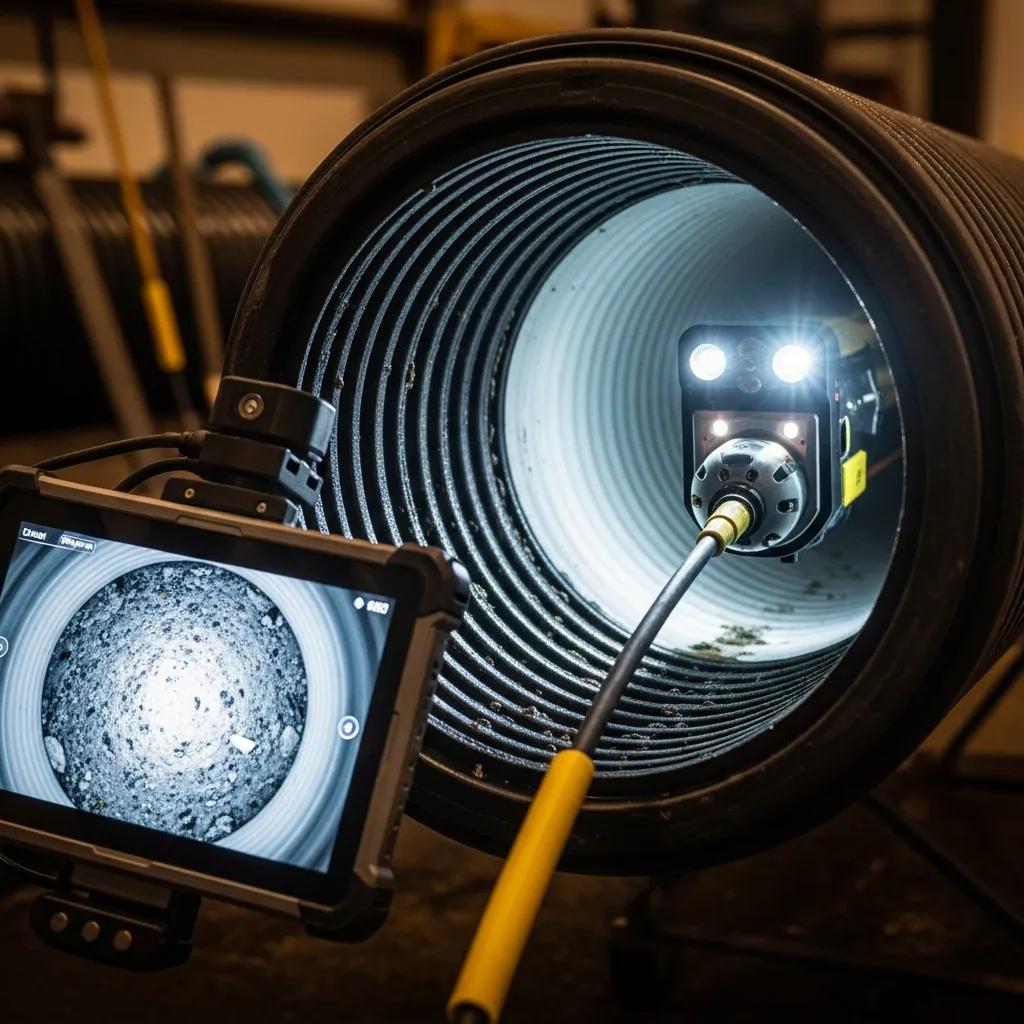
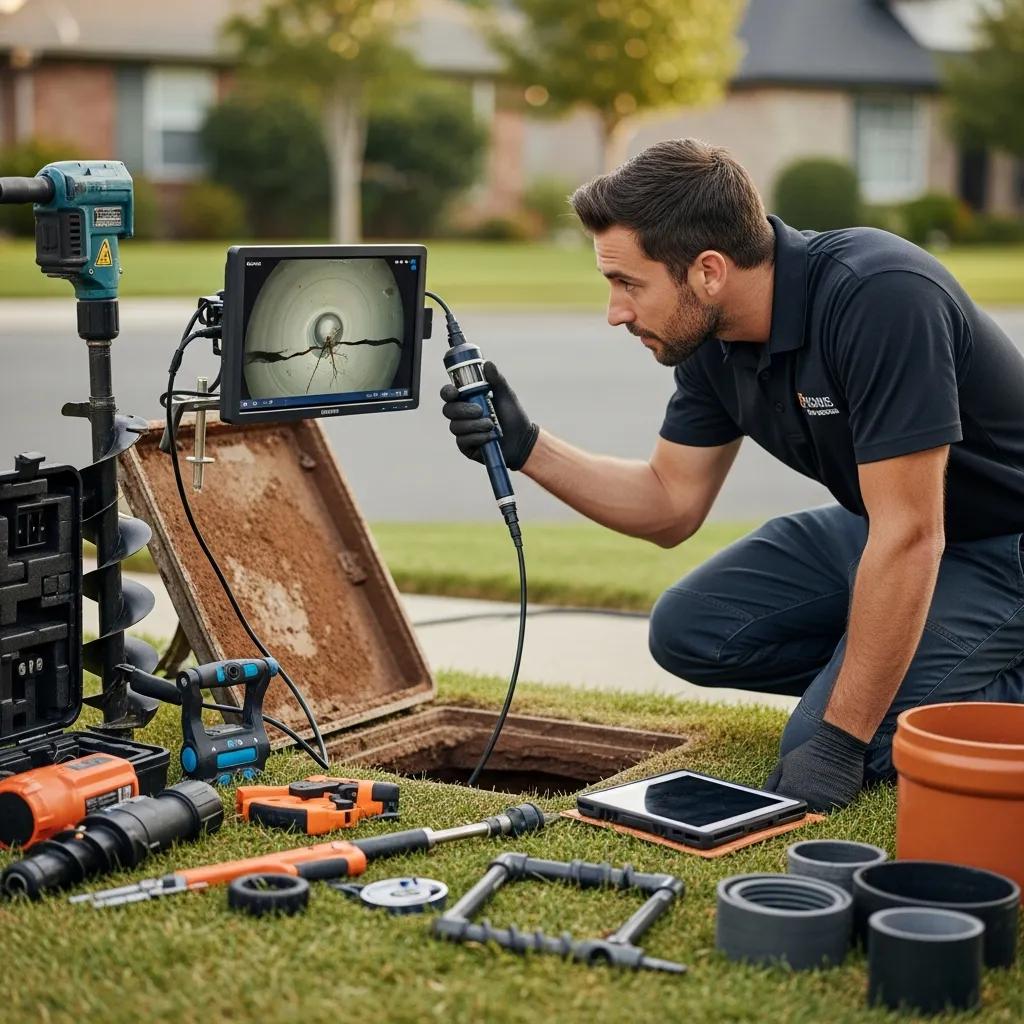
Sewer camera inspection gives a clear, real‑time view inside the pipeline and is the foundation of modern sewer diagnosis. A flexible camera is fed through a cleanout or manhole to record joint integrity, pipe material condition, root intrusion, cracks, and collapses; the results show whether the issue is isolated or systemic. Accurate camera footage lets us plan the right repair—favoring trenchless lining when the pipe is continuous and repairable, or excavation when collapse or severe offsets make no‑dig methods unsafe. The inspection also documents conditions for insurance claims and any required municipal permitting.
Accurate diagnosis reduces unnecessary excavation and helps pick cost‑effective repairs that restore function while protecting landscaping and hardscape.
When Is Expert Excavation Required?
Excavation is necessary when damage exceeds what trenchless methods can reliably fix—examples include collapsed pipes, severely offset joints, or widespread breaks that compromise structural integrity. Excavation is also the right choice when access prevents lining equipment from being used or when the pipe route has tight bends or obstacles that block no‑dig methods. Safety and utility coordination—such as verifying depth relative to other buried services—also make controlled excavation the safer long‑term choice. When excavation is planned, we use minimally invasive techniques and careful restoration planning to limit property impact and speed landscape recovery.
Knowing these criteria helps homeowners set realistic expectations for timeline, disruption, and restoration needs before work begins.
Benefits and Methods of Trenchless Sewer Line Repair
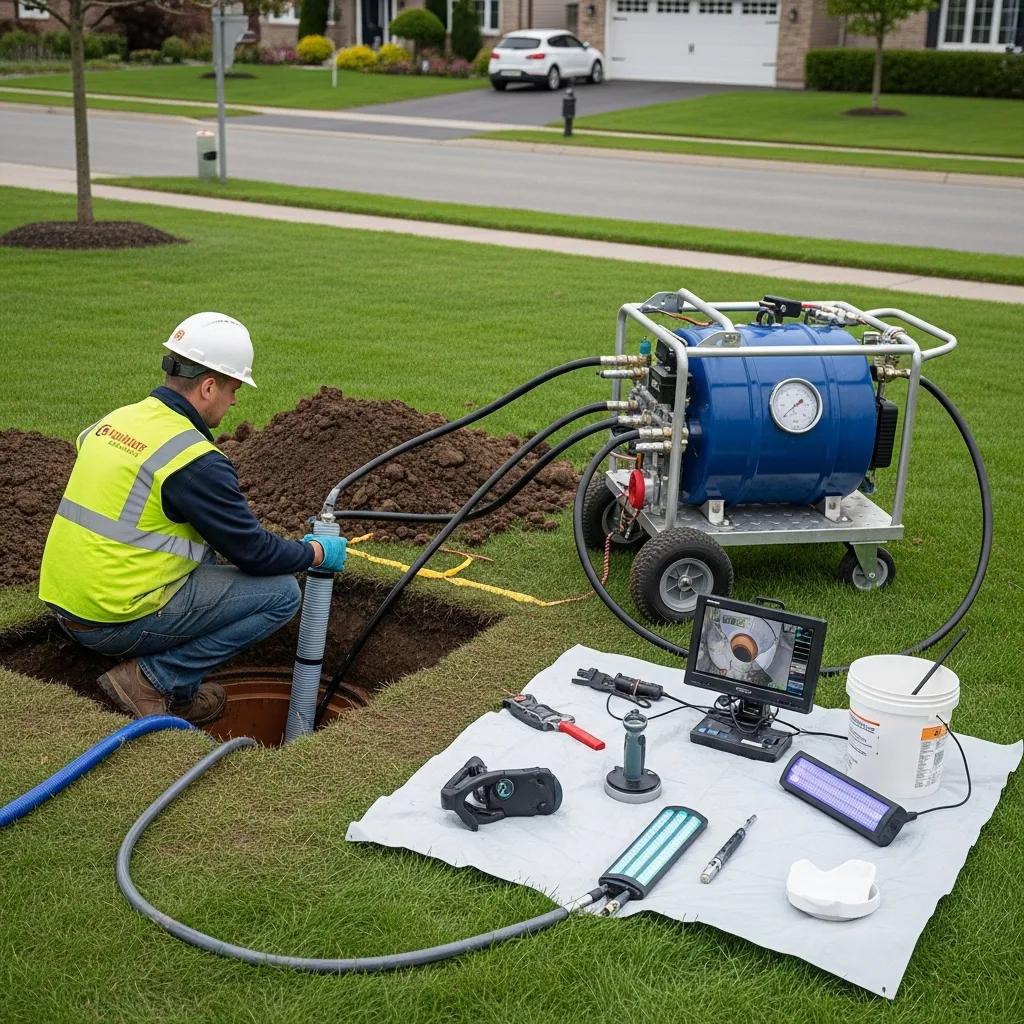
Trenchless methods restore flow and structural integrity with far less surface disruption than full excavation, making them ideal for driveways, landscaped yards, and tight urban lots where restoration costs are high. The two primary trenchless options are pipe lining (CIPP) and pipe bursting; each has distinct mechanics, use cases, and lifespan expectations that affect the choice. Trenchless repairs are often faster, avoid extensive restoration, and deliver long service lives when conditions allow. The table below compares key trenchless attributes to help property owners and technicians weigh options.
Different trenchless approaches compared:
| Method | Characteristic | Typical Outcome |
|---|---|---|
| Pipe lining (CIPP) | Inserts and cures a resin‑saturated liner inside the host pipe | Creates a jointless new interior with minimal surface impact |
| Pipe bursting | Fractures the old pipe while pulling in new pipe | Replaces the line without continuous trenching—good for heavily damaged pipes |
| Localized spot repair | Installs short cured patches at defect locations | Cost‑effective for isolated defects and preserves most of the original pipe |
How Pipe Lining and Pipe Bursting Work
CIPP pipe lining restores the existing conduit by installing a resin‑impregnated flexible liner that is inverted or pulled into place and cured to form a seamless new pipe inside the old one. Typical steps: inspection, cleaning and jetting, liner insertion and cure, and a final camera pass to verify the bond and flow. Pipe bursting replaces the failed pipe by pulling a bursting head through the old pipe while simultaneously pulling the new continuous pipe into place; steps include access pit excavation, bursting setup, and verification. Both methods reduce surface damage compared with full trenching and can provide many years of service when applied to suitable pipe conditions.
If the camera shows a continuous but deteriorated pipe, CIPP often restores service efficiently; if the pipe has collapsed or the diameter must be increased, pipe bursting can deliver a full replacement without long trenches.
Why Choose Trenchless Over Traditional Excavation?
Trenchless repair cuts landscape and hardscape disruption, speeds project completion, and often lowers total costs once restoration is considered. Property owners benefit from less damage to driveways, lawns, and gardens and a faster return to service—important in neighborhoods where disruptions affect neighbors and traffic. Trenchless isn’t always possible: severe collapses, extreme offsets, or conflicts with other utilities may require excavation to restore proper alignment and bedding. A camera inspection and a clear estimate that includes surface restoration help determine which approach is the smarter investment for your property.
Assessing site constraints and long‑term performance expectations helps decide whether a minimally invasive approach or a full excavation replacement offers the best value.
Managing Sewer Line Repair Costs and Insurance
Repair cost drivers include run length, depth, chosen method (trenchless vs. excavation), access constraints, and restoration needs; understanding these factors makes estimate comparison easier. Camera inspection footage and contractor reports strengthen insurance claims where coverage applies, and transparent upfront pricing helps avoid surprises. Frost & Kretsch provides clear estimates, licensed crews, and practices designed to avoid hidden costs; our 24/7 emergency availability also helps prevent escalation that can raise repair bills. The table below explains how different methods influence costs and what homeowners can do to manage expenses.
| Repair Method | Cost Drivers | Practical Guidance |
|---|---|---|
| Full excavation replacement | Length/depth, landscaping/hardscape restoration, permits | Budget for surface restoration and factor permit timelines into scheduling |
| Trenchless lining (CIPP) | Pipe diameter, access points, liner material | Compare liner lifespan against excavation + restoration costs for true value |
| Localized repair | Extent of defect, accessibility | Choose spot repairs when defects are isolated to limit cost |
This table helps property owners compare likely drivers; in many cases trenchless becomes cost‑competitive once restoration is included.
Typical Cost Factors for Main Sewer Line Replacement in Grosse Pointe
Costs vary widely. Key factors are the run length to the municipal connection, pipe depth, local permit requirements, and whether driveways or mature landscaping need restoration. Trenchless lining can reduce surface restoration costs but may have higher material or equipment charges; full excavation becomes costly when hardscaping must be replaced. To manage expenses, start with a sewer camera inspection, get written estimates that specify restoration scope, and ask contractors about transparent pricing and written guarantees. Frost & Kretsch emphasizes clear estimates and licensed, insured crews so you can compare realistic total project costs rather than low bids that omit restoration or permitting fees.
Does Homeowners Insurance Cover Sewer Line Repairs?
Insurance coverage depends on your policy and the cause of failure. Sudden, accidental damage may be covered by some policies, while wear‑and‑tear, corrosion, and gradual failure are often excluded. If you pursue a claim, document the problem with dated camera inspection video, photos, and contractor reports that describe cause and recommended repairs. Keep receipts and estimates, follow insurer guidance, and if coverage is denied ask for the denial reasons so you can appeal with documented diagnostics. If insurance doesn’t apply, financing options and phased repairs—such as spot fixes or temporary measures—can reduce immediate out‑of‑pocket costs.
24/7 Emergency Sewer Repair Services in Grosse Pointe
Emergency sewer work focuses on fast mitigation to protect health and property. Crews use triage tactics like temporary bypass pumping, spot repairs, and containment measures to control sewage until a permanent repair is planned. Immediate response stops active backups, isolates the affected area, and prevents further hazards while documenting conditions for the repair plan. Frost & Kretsch provides 24/7 emergency response with no extra weekend or holiday rates and rapid dispatch for urgent situations. On arrival, technicians assess safety, perform temporary containment if needed, and schedule permanent repairs based on camera inspection findings. The list below summarizes homeowner steps and what to expect from emergency crews.
- Shut off water to reduce flow if backups are severe and it’s safe to do so.
- Stay away from visible sewage; keep children and pets clear of affected areas.
- Don’t try to clear overflowing fixtures unless a professional instructs you—doing so can spread contamination.
- Document symptoms with photos and timestamps to help technicians and support any insurance claim.
Following these steps lowers immediate risk and moves the situation from emergency mitigation to a documented plan for permanent repair.
How Frost & Kretsch Responds to Emergency Sewer Calls
When we’re dispatched for a sewer emergency, safety, containment, and quick diagnosis come first. Our team typically runs a camera inspection or targeted jetting to locate the failure, applies temporary measures like bypass pumping or a short‑term patch if appropriate, and provides a clear plan and estimate for permanent repair. Our licensed, insured crews document all temporary and permanent actions and offer transparent pricing to avoid surprise charges. That structured workflow stabilizes the problem quickly and transitions to scheduled replacement or trenchless repair based on what the diagnostics reveal.
When to Call for Immediate Excavation Services
Call for immediate excavation when sewage is surfacing in the yard, when there’s a risk of sinkhole or cave‑in, or when a camera inspection shows a collapsed or severely offset line that can’t be stabilized. Other red flags include structural instability near foundations, repeated overflows despite temporary fixes, or large depressions in turf along the pipe route. In these emergencies, avoid the area, keep children and pets away, and contact emergency professional services to mitigate hazards and begin permanent repair planning. Rapid, controlled excavation resolves severe structural failures and prevents secondary damage to your property.
Preventive Maintenance and Tree Root Management for Sewer Lines
Preventive maintenance preserves pipe function, extends service life, and reduces the chance of sudden, costly repairs. Routine steps include scheduled camera inspections, periodic high‑pressure jetting to clear buildup, and targeted root control for properties with nearby trees. Landscape choices—keeping new plantings away from sewer easements and selecting less invasive species—also help reduce root intrusion. Combining regular professional maintenance with homeowner monitoring creates a cost‑effective strategy focused on early detection and timely intervention.
| Approach | Attribute | Value |
|---|---|---|
| Periodic camera inspection | Early detection | Annual or biannual checks spot defects before they become failures |
| High-pressure jetting | Routine cleaning | Removes grease and roots to reduce blockages and emergency calls |
| Chemical root inhibitors | Root growth control | Use selectively and according to local rules to slow root intrusion between cleanings |
These maintenance steps form a layered defense that preserves pipe integrity and lowers the risk of sudden, expensive failures.
Effective Methods for Tree Root Removal and Prevention
Mechanical root cutting paired with high‑pressure jetting removes intrusive roots and clears organic debris—this restores flow immediately and allows for a proper inspection. Chemical root inhibitors can slow regrowth when used correctly and within regulations, but they’re not a permanent fix and should be paired with scheduled cleaning. Long‑term prevention includes planting non‑invasive species away from sewer lines, installing root barriers where practical, and keeping routine inspections to catch regrowth early. If roots have caused structural damage, repair or replacement is the lasting solution rather than repeated cutting.
Routine Maintenance Tips to Avoid Sewer Line Damage
Build a consistent maintenance plan: schedule camera inspections (annual or biannual for older systems), use periodic jetting to clear buildup, and watch for early signs like recurring slow drains or odors. Avoid flushing grease, non‑degradable wipes, and other solids that cause blockages, and keep heavy planting away from known sewer routes. Record maintenance and inspection results to simplify long‑term planning and insurance conversations. A preventive rhythm reduces emergencies and spreads repair costs over time instead of forcing sudden full replacements.
For reliable diagnostics, timely repairs, and emergency response in Grosse Pointe and surrounding counties, Frost & Kretsch Plumbing provides licensed, insured professionals, minimally invasive excavation options, transparent upfront pricing, and 24/7 emergency service. To discuss an inspection or schedule service, contact Frost & Kretsch Plumbing at (313) 881-2818 or visit our local office at 20315 Mack Ave, Grosse Pointe, MI 48236.
Frequently Asked Questions
What should I do if I suspect a sewer line problem?
If you suspect a sewer issue, act quickly. Note signs like slow drains, backups, or foul smells, take photos and timestamps, and avoid using water fixtures if possible. Call a professional like Frost & Kretsch Plumbing for a camera inspection so the problem can be identified and the right fix recommended.
How often should I schedule sewer line inspections?
We recommend at least one inspection per year, especially for older systems. Properties with large trees nearby may benefit from more frequent checks. Regular inspections catch small problems before they become emergencies.
What are the environmental impacts of sewer line failures?
Sewer failures can contaminate soil and groundwater, posing health risks to people and wildlife and damaging local ecosystems. Prompt repairs and proper containment protect public health and the environment.
Can I perform my own sewer line maintenance?
Homeowners can handle basic tasks like monitoring symptoms and avoiding harmful items down drains, but specialized work—jetting, camera inspections, and repairs—requires professional equipment and training. Attempting major repairs without expertise can worsen the problem and increase costs.
What are the advantages of trenchless sewer repair methods?
Trenchless methods minimize surface disruption, speed project timelines, and often reduce total costs when restoration is included. They provide long‑lasting solutions with less impact to landscaping and hardscapes—when the pipe condition makes them feasible.
How can I prevent tree roots from damaging my sewer lines?
Plant trees away from sewer lines, consider root barriers, and maintain a schedule of jetting and inspections. Chemical root inhibitors can help between cleanings when used properly. Early detection and landscape planning are key to prevention.
What should I expect during a sewer line repair process?
Expect a structured process: a sewer camera inspection to locate the issue, cleaning as needed, a discussion of repair options (trenchless or excavation), the repair itself, and a follow‑up inspection to confirm the job. Clear communication about scope, timeline, and costs is standard practice.
Conclusion
Knowing the signs and causes of sewer line trouble helps you act early and avoid bigger problems. With accurate diagnostics and options like trenchless repair or targeted excavation, you can minimize disruption and get a long‑term solution. For dependable inspections, clear estimates, and emergency support, contact Frost & Kretsch Plumbing today to protect your sewer system and your property.