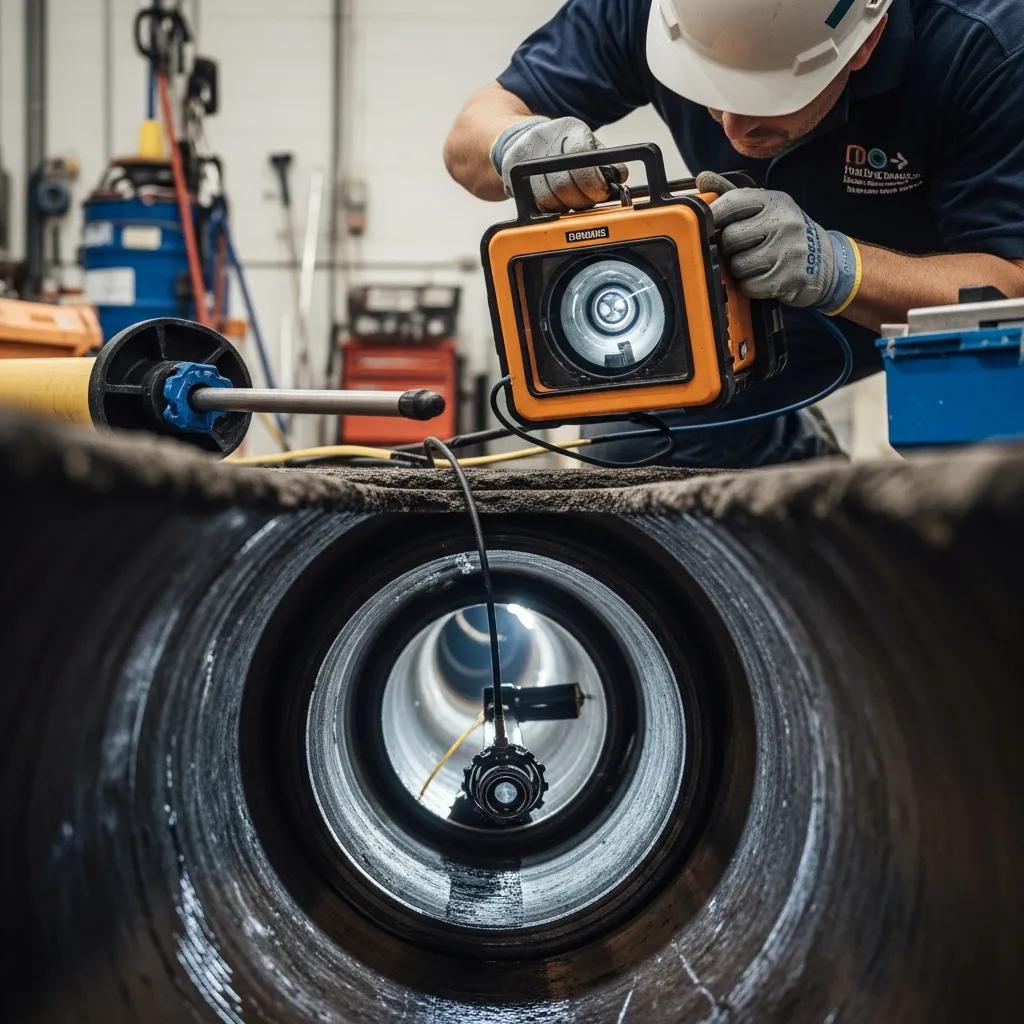
Sewer Camera Inspection for Accurate Drain Diagnostics
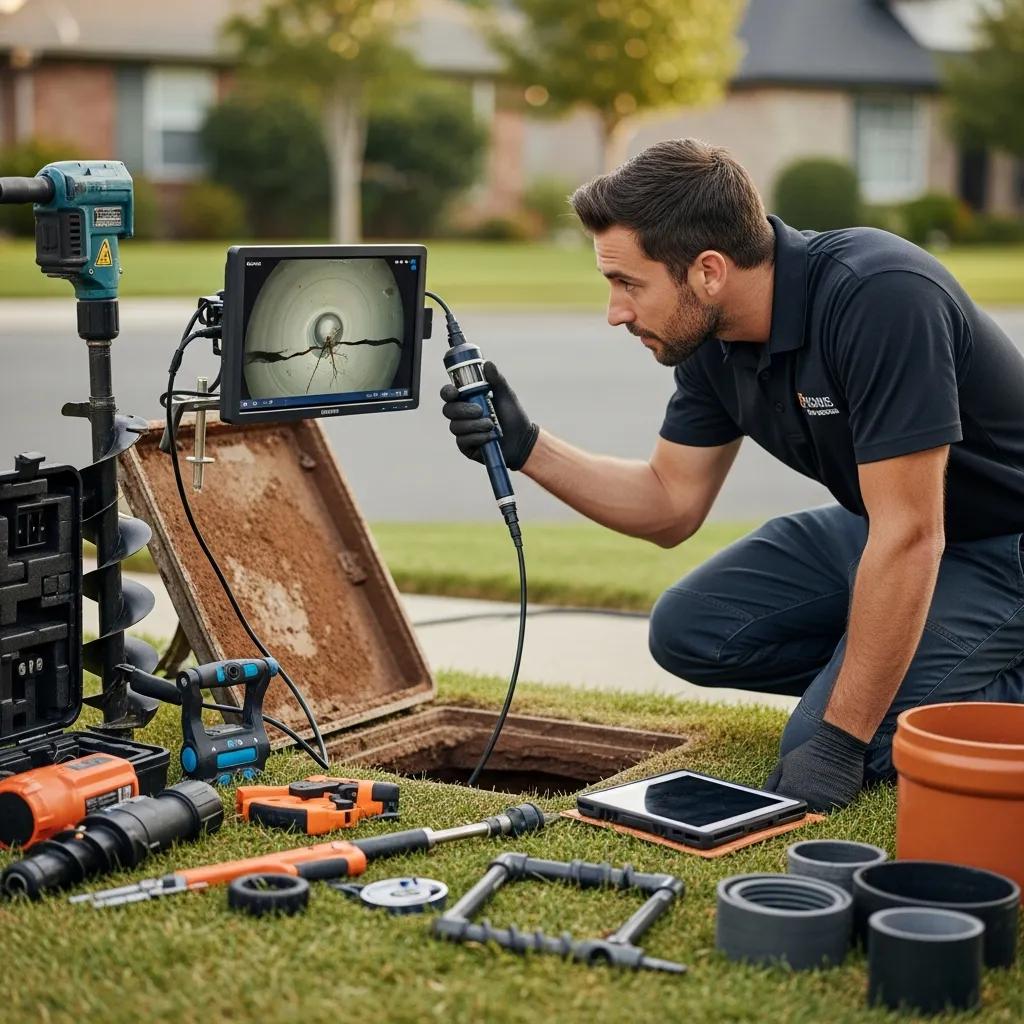
Sewer Camera Inspection in Grosse Pointe — Precise Drain Diagnostics, What to Expect, and Cost Guide Sewer camera inspection is a non‑invasive service that uses a high‑resolution video camera to inspect the inside of underground drain and sewer pipes, giving clear answers without unnecessary digging. This guide walks through how a drain video inspection works, the types of problems a pipe camera can reveal, the main cost drivers, and which residential and commercial services are a good fit for Grosse Pointe properties. Homeowners and building managers frequently face recurring clogs, unexplained backups, or uncertainty during real‑estate transactions — a sewer scope removes guesswork and helps prevent disruptive, costly repairs. Continue for a step‑by‑step overview, common camera findings, straightforward cost explanations, and practical service options for both homes and businesses. You’ll also find targeted lists and tables that define equipment and cost drivers, plus clear guidance on when to schedule a sewer scope or request a site estimate. What Is Sewer Camera Inspection and Why Is It Essential for Drain Diagnostics? A sewer camera inspection places a small, waterproof video camera into your drain lines to capture continuous footage and pinpoint blockages, structural problems, or infiltration points. Technicians push a camera head down the line on a fiber‑optic or push cable while a locator transmits position data above ground, producing video and a mapped route of the pipe. The main advantage is precise diagnosis — crews see exactly where the issue is and can recommend targeted repairs instead of broad excavation. The table below outlines the core components of a typical inspection and the value each provides. The table below summarizes essential inspection components and what they deliver for diagnostic clarity. Component Function Diagnostic Value Video camera head Captures continuous, high‑resolution footage Shows blockages, cracks, roots, offsets and other visible defects Fiber optic / push cable Feeds the camera through pipe runs Allows inspection through long laterals and around bends without digging Locator transmitter Tracks the camera’s position from above ground Pinpoints the surface location of defects for targeted repairs Monitor / recording unit Displays and saves the live video Creates a permanent record for reports, insurance, or real‑estate disclosure Knowing these parts helps explain why video inspection is usually faster, less disruptive, and more accurate than exploratory digging. How Does Drain Pipe Video Inspection Work? Drain pipe video inspection follows a clear, repeatable workflow: access, camera traversal, and reporting. Technicians find a cleanout or access point, remove light obstructions if needed, and feed the camera head on its push cable while watching live footage on a monitor. The locator provides above‑ground coordinates so crews can map where any defect sits relative to the surface. The inspection is recorded and timestamps note anomalies; the final deliverable is a reviewable video plus a diagnostic report that explains condition, severity, and recommended next steps. Understanding this sequence helps homeowners and property managers see how the evidence drives repair decisions. What Are the Key Benefits of Using Plumbing Camera Inspection in Grosse Pointe? Plumbing camera inspection brings several practical benefits for Grosse Pointe properties, especially where older infrastructure and mature landscaping make excavation expensive. The chief advantages are accurate diagnosis, minimal property disturbance, and faster resolution because technicians fix the true cause rather than guessing. Camera surveys protect lawns, gardens, and hardscapes by avoiding trial‑and‑error digging. They also supply objective video documentation useful for real‑estate transactions and maintenance planning. These benefits make camera inspections an efficient first step before committing to larger repairs. Which Common Plumbing Issues Can Underground Pipe Camera Surveys Detect? Sewer camera surveys reveal a wide range of subsurface problems that often show up as backups, slow drains, or intermittent odors. Typical findings include tree root intrusion that narrows the pipe, cracks and offsets that leak or trap debris, bellies (sags) that collect solids, grease and debris buildups, and collapsed sections that cause total failure. Each visual finding points to a recommended response — from root cutting and hydro‑jetting to trenchless sectional repair or excavation. The table below links common camera observations to likely causes and follow‑up actions. Below is a quick-reference table linking camera findings to likely problems and recommended follow-up actions. Observed Condition How It Appears on Camera Recommended Next Step Root intrusion Fibrous fronds or recurring blockage points Mechanical root cutting, then targeted sealing or repair Cracks / offsets Hairline gaps, misaligned joints or visible separations Structural assessment for trenchless repair or section replacement Bellies (sags) Solids pooling at a low spot in the pipe Regrading or localized repair to restore proper slope Grease / debris blockages Thick internal coatings or compacted material Hydro‑jetting followed by a confirmatory camera pass Seeing how these problems look on camera helps property owners choose effective solutions and avoid repetitive quick fixes like repeated snaking without a proper inspection. How Does Sewer Camera Inspection Identify Tree Root Intrusion? Tree roots show up on camera footage as fibrous, frond‑like material pushing into the pipe, often at joints or cracks where roots can enter. Roots seek moisture and exploit weak points; the camera reveals both the root mass and the exact penetration location. That detail tells technicians whether cutting and chemical treatment will be sufficient or whether a structural repair is needed. Technicians will document recurring growth patterns and recommend actions like mechanical root removal, focused repairs at the entry point, and follow‑up inspection intervals to prevent recurrence. What Signs of Pipe Damage Are Revealed by Drain Video Inspections? Drain video inspections expose structural issues such as hairline cracks, displaced joints (offsets), crushed or collapsed sections, and corrosion that shows as thinning or pitting inside the pipe. On camera, these appear as linear fractures, abrupt alignment changes, deformed pipe profiles, or surface erosion. Severity is typically classified as minor (repairable in place), moderate (sectional trenchless repair likely), or severe (full replacement recommended). Matching the visual damage to available repair options helps teams recommend the most efficient approach while protecting landscaping where possible. How Much Does Sewer Line Camera Inspection Cost and What Influences
Sewer Camera Inspection for Accurate Drain Diagnostics Read More »