Bloomfield Hills Plumber: Premium Plumbing Solutions
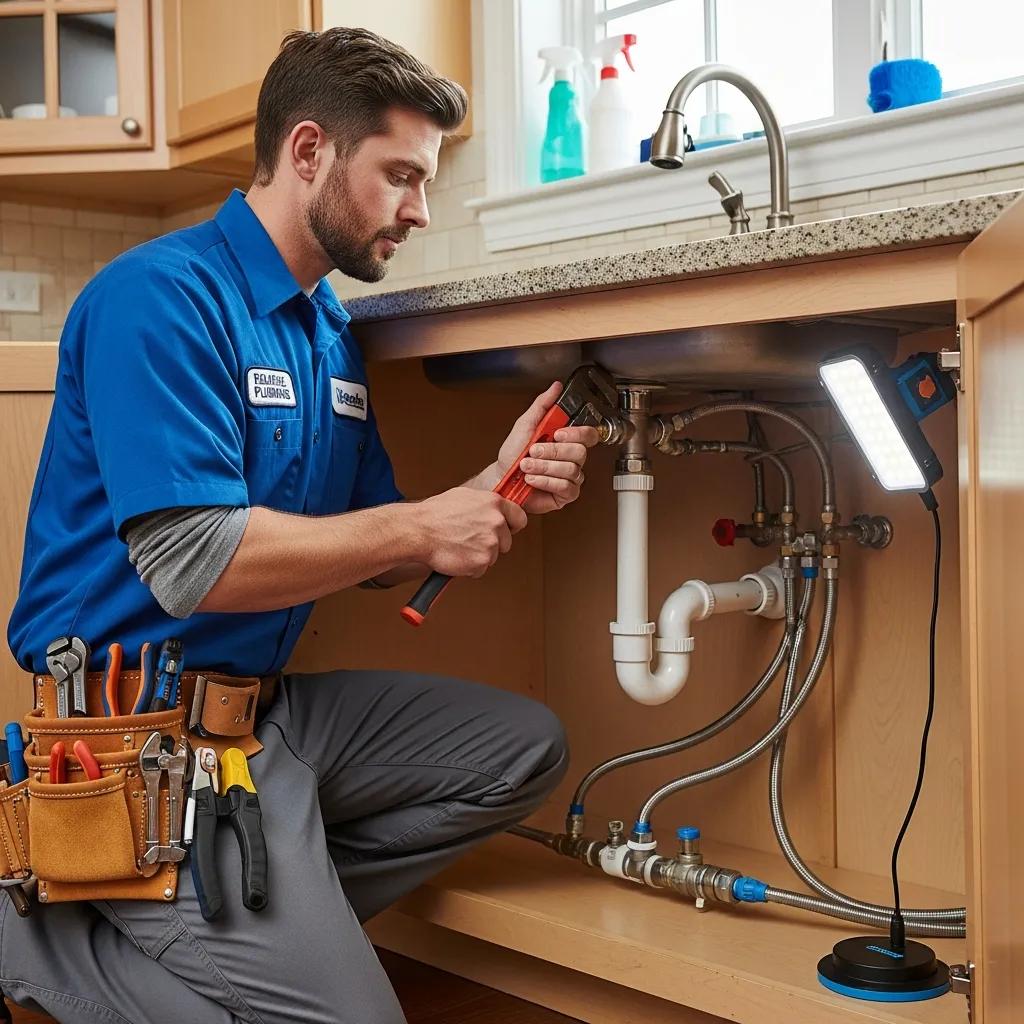
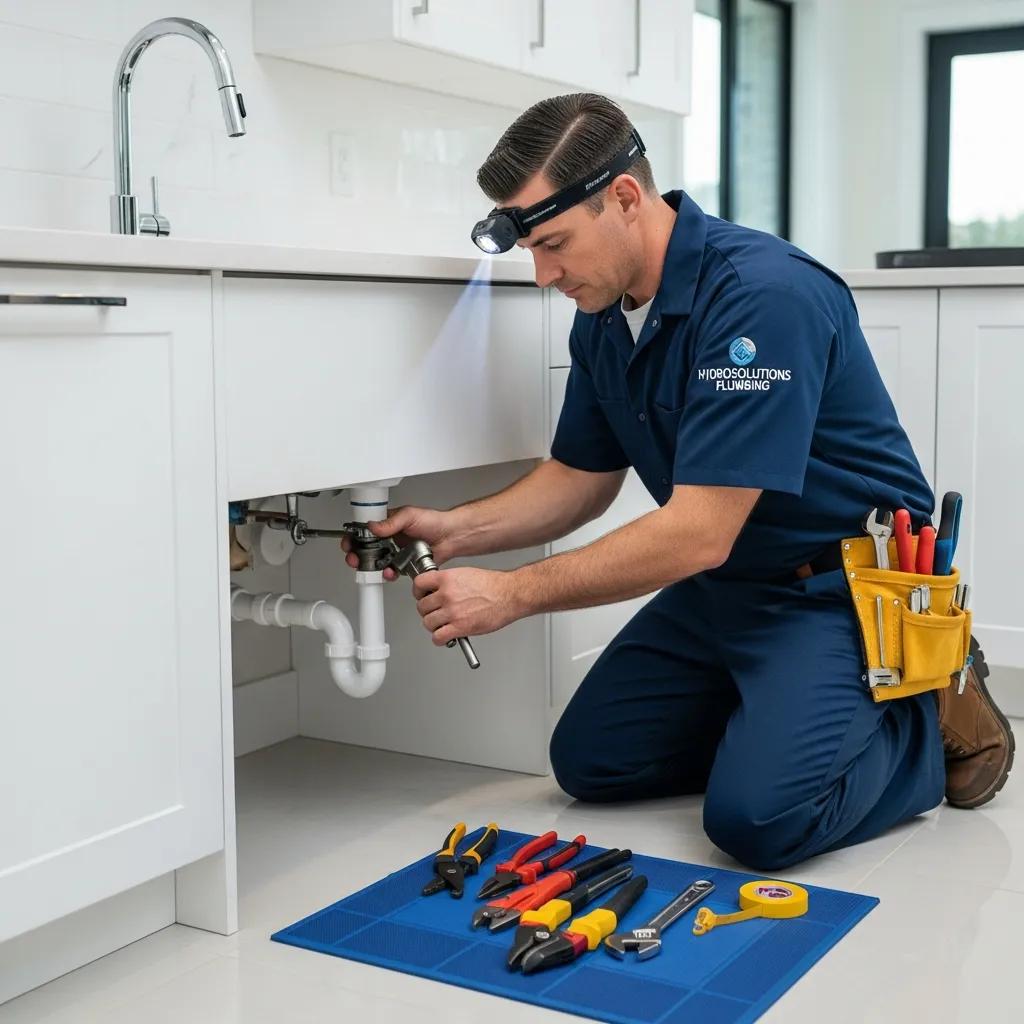
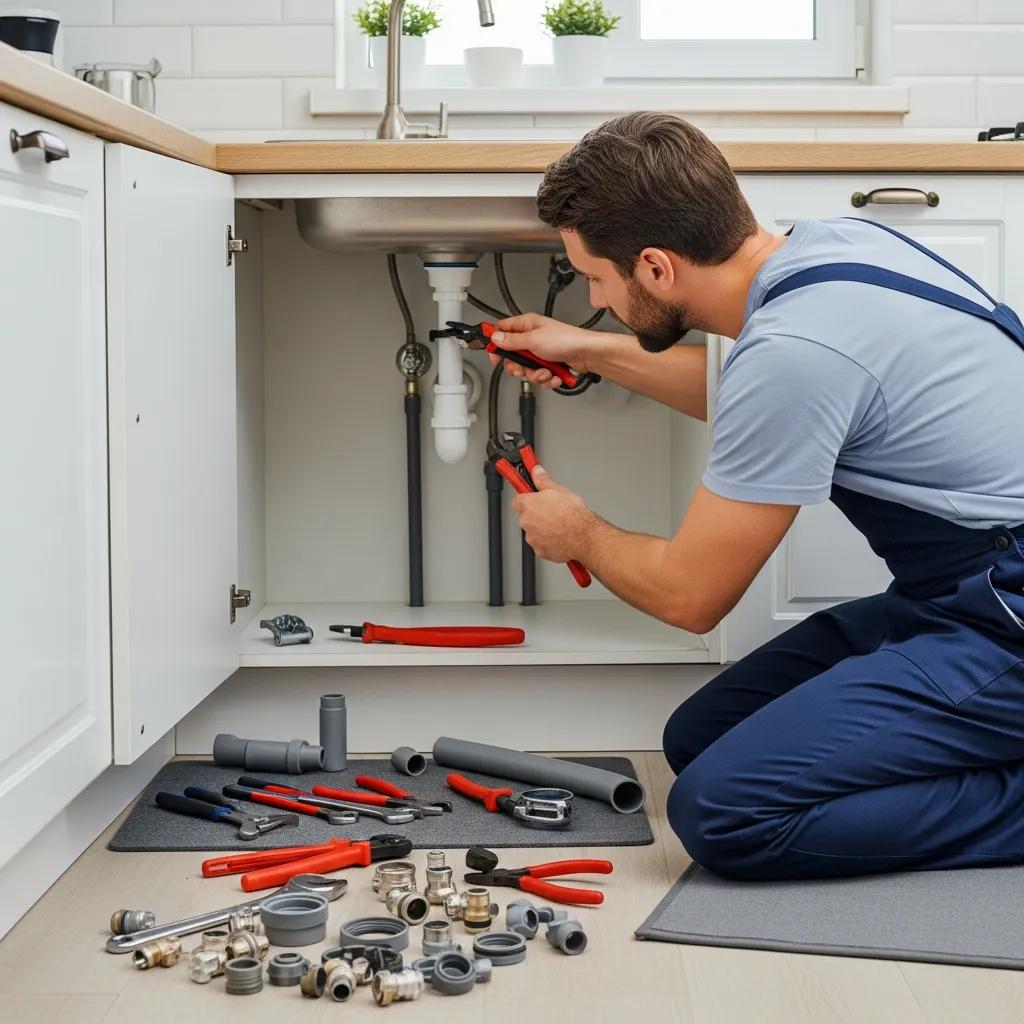
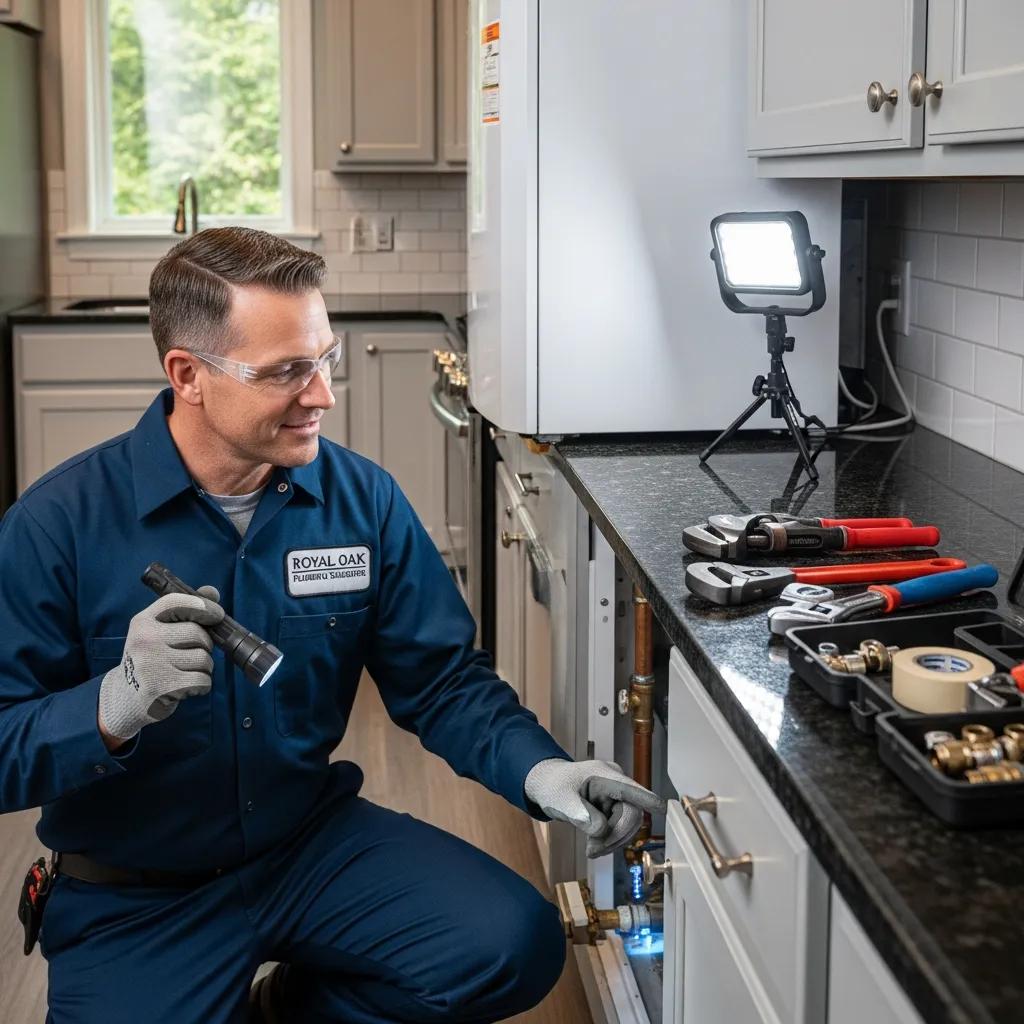
Bloomfield Hills Plumber — Discreet, High‑End Plumbing for Homes and Businesses Frost & Kretsch Plumbing delivers thoughtful, minimally invasive plumbing solutions for Bloomfield Hills estates and commercial properties. We combine advanced diagnostics with careful workmanship to protect finishes, landscaping, and your schedule while restoring dependable water and sewer service. This guide explains what makes luxury plumbing different from routine repairs and why techniques like video inspection, hydro‑jetting, and trenchless repair matter for high‑value homes. If you worry about disruption, surprise costs, or repeat visits, read on — we map the decisions that cut downtime, preserve property, and improve long‑term system performance. You’ll find which services solve common estate problems, how tank and tankless heaters compare for high‑demand households, when trenchless work or hydro‑jetting is the right call, and what to expect from phased commercial upgrades and maintenance plans. Practical checklists, three comparison tables, and clear next steps make it easy to evaluate options and request a free estimate with confidence. Throughout, service terms relevant to Bloomfield Hills appear naturally in the guidance so homeowners and facility managers can decide quickly and sensibly. Why work with Frost & Kretsch for premium plumbing in Bloomfield Hills? Premium plumbing in Bloomfield Hills means precision work that protects aesthetics and performs under heavy use. At Frost & Kretsch we focus on accurate diagnostics and minimally invasive repairs so the job is done right without unnecessary demolition. Early, precise detection reduces exploratory damage and keeps landscaping, flooring, and millwork intact — which saves time and money. For homeowners and property managers who need reliable outcomes, we provide straightforward communication and clear estimates so you can plan phased work around events or occupancy. Below are the core reasons clients choose premium service for luxury properties. 24/7 Emergency Response: Fast arrival for burst pipes, backups, and other urgent failures to limit water and property damage. Satisfaction Guarantee: We stand behind our work and make sure the job meets your expectations and functional needs. Transparent Pricing: Upfront estimates and scoped work help avoid surprises and simplify budgeting for larger projects. Licensed, Insured Technicians: Professionals who follow safety and quality standards appropriate for high‑end homes and commercial sites. Minimally Invasive Methods: Sewer cameras, trenchless options, and targeted repairs that protect finishes and mature landscaping. Those benefits apply whether we’re handling an emergency or planning a long‑term upgrade — and they set the stage for the specialized services described next. What specialized skills does Frost & Kretsch bring to luxury plumbing? We install high‑end fixtures, handle custom plumbing for remodels, and integrate smart water management systems to protect finishes and add convenience. Our techs work with designer faucets, concealed valves, and bespoke bath systems, following manufacturer tolerances to preserve warranties and performance. Smart leak detection, whole‑home monitoring, and automated shutoffs reduce the risk of unseen leaks behind walls or under cabinets — a real concern in finished, high‑value spaces. Careful pre‑installation measurements, coordinated scheduling with other trades, and protective measures on site cut rework and keep projects on track. That combination of aesthetic care and technical skill means installations that look right and last — and it naturally extends to the emergency work that protects estates when things go wrong. How does our 24/7 emergency service protect Bloomfield Hills residents? When a pipe bursts, a drain overflows, or a sewer backs up, fast action limits damage. Our emergency workflow begins with a quick intake and remote triage to prioritize the call, then we dispatch technicians with the right diagnostic tools to stabilize the situation. On site we contain the problem — shut valves, isolate systems, and protect finishes — then provide a clear estimate for permanent repairs. Open, calm communication during emergencies helps homeowners make informed decisions about temporary versus long‑term fixes. Knowing what to expect before we arrive — and taking a few simple steps at home — can reduce restoration work and protect your finishes compared with waiting to address the issue. Which premium plumbing services are available in Bloomfield Hills? Our premium offering blends routine repairs with advanced options built for high‑performance homes and businesses: designer fixture installs, trenchless sewer rehabilitation, tankless water heating, and preventive maintenance that keeps systems dependable and discreet. These services aim to reduce visual disruption, save water, and meet the hot water demands common in luxury properties. Here’s a concise overview of core service areas and what each provides for estate‑level systems. Premium plumbing services we provide: Luxury Residential Plumbing: Precision installation of designer fixtures, custom bath and kitchen plumbing, premium repiping, and whole‑house filtration for taste and equipment longevity. Water Heater Solutions: Tankless systems, high‑efficiency tanks, and smart controls sized to your household’s needs to cut waste and improve comfort. Sewer & Drain Expertise: Video inspection, hydro‑jetting, trenchless repairs, and targeted excavation only when necessary to restore flow while preserving landscaping. Commercial Plumbing & Maintenance: Phased upgrades, temporary bypasses, and preventive service plans to minimize downtime and protect operations. To make heater choices easier, the table below compares common attributes so owners can pick the right approach for comfort, efficiency, and space. Heater Type Characteristic Best Use Case Conventional Tank Large stored volume; straightforward installation Homes with occasional simultaneous peaks where space allows for a storage tank Tankless On‑demand heating; smaller footprint; higher operating efficiency High‑demand homes seeking continuous hot water and to save mechanical room space Hybrid / Condensing Tank Improved efficiency with faster recovery Properties wanting storage plus better energy performance Choosing the right water heater affects long‑term costs, comfort, and equipment layout — we’ll help weigh those tradeoffs for your home. Which residential upgrades make the biggest difference in Bloomfield Hills homes? Luxury plumbing upgrades focus on fixtures, water quality, and leak prevention to protect finishes and improve daily life. Designer fixture installation improves function and appearance but requires precise alignment, pressure balancing, and compatible concealed valves. Whole‑house filtration and softening protect appliance life and improve taste — useful in homes with many bathrooms and specialty appliances. Smart leak detectors and automatic shutoffs spot trouble early and
Bloomfield Hills Plumber: Premium Plumbing Solutions Read More »