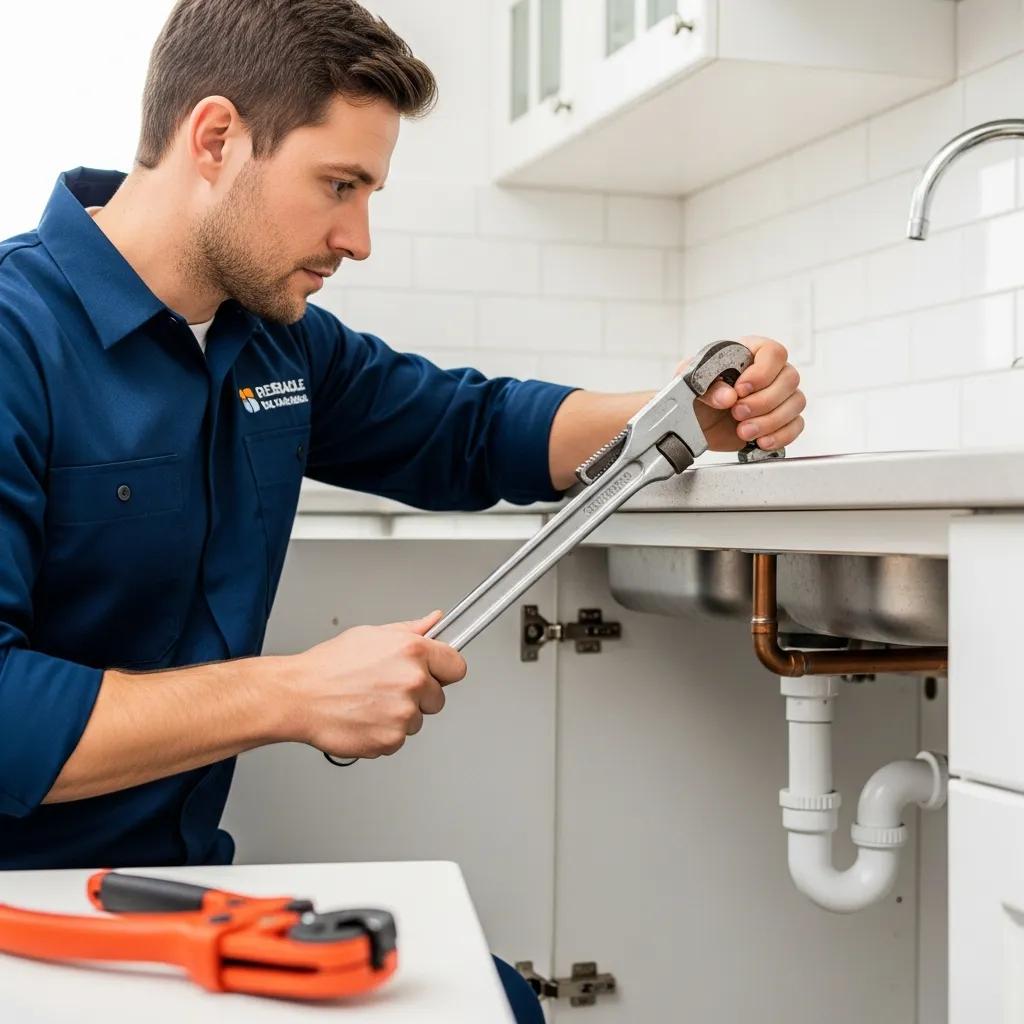
Clinton Township Plumber — Fast, Reliable Solutions for Emergencies and Everyday Needs
Plumbing problems rarely give warning. For Clinton Township homeowners and businesses, quick, dependable service matters — to limit damage and get systems back to normal. This guide walks you through common emergencies, simple maintenance steps, and trustworthy repair options so you can make smart choices when something goes wrong. You’ll learn how emergency response works, what to expect for water heater repair or installation, and which drain and sewer approaches give lasting results. We also cover residential priorities like preventing frozen pipes and upgrading fixtures, plus commercial services that help businesses stay open. Terms like plumber Clinton Township, emergency plumber Clinton Township, water heater repair Clinton Township, and drain cleaning Clinton Township are woven throughout to help you find practical, local help.
What Emergency Plumbing Services Are Available in Clinton Township?
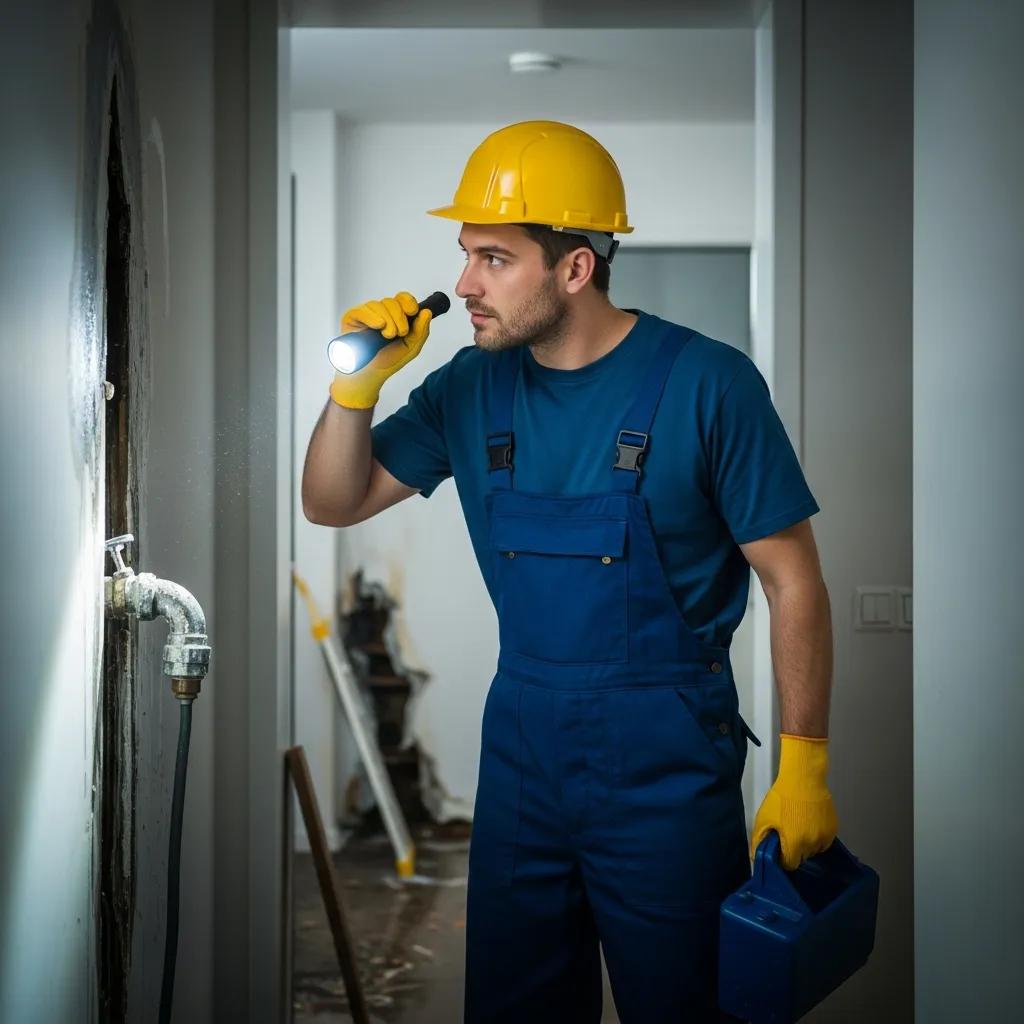
Emergency plumbing covers sudden, serious issues that threaten property, health, or safety and need fast attention. Typical work includes isolating leaks, helping with emergency shutoffs, extracting water, making temporary repairs to stop loss, and completing repairs or replacements to fully restore service. Teams use leak detectors and minimally invasive methods when possible to reduce disruption and prevent secondary problems like mold or structural damage. Knowing which situations are true emergencies helps homeowners call the right service and speeds up the crew’s work on site.
Common emergency services you’ll find locally include:
- Burst pipe containment: Quickly isolate and make temporary repairs to stop heavy water flow and protect your home’s structure.
- Sewage backup response: Contain contamination, clean up safely, and restore sanitary flow.
- Major leak mitigation: Locate leaks, stop the flow, and remove standing water to reduce moisture and mold risk.
- Water heater failure: Shut off and fast-track repairs when lack of hot water affects health or operations.
- Sump pump failure: Pump out water and install temporary measures to protect basements from flooding.
Dispatchers triage calls by severity and safety risk. When safe, shut off the main water supply to limit damage — doing a few simple things first can cut response time and improve outcomes for the crew when they arrive.
How Quickly Can a Clinton Township Emergency Plumber Respond?
Response time depends on time of day, traffic, and crew availability, but local emergency plumbers usually aim to reach critical calls within an hour when a team is nearby. Dispatchers prioritize life-safety issues (smelling gas, major flooding, sewage in living spaces) and send technicians with the right tools for fast containment and mitigation. When you call, give a clear address, a short description of the problem, and any immediate risks — that helps dispatch send the right crew. Having basic details ready (home layout, shutoff locations, any past plumbing work) speeds on-site assessment and reduces the time to get systems stable or repaired.
Technicians typically do a quick triage, put temporary safety measures in place, then explain the scope and timeline for permanent repairs so you can decide the next steps with confidence. This keeps immediate risks low while moving efficiently toward full restoration.
What Common Plumbing Emergencies Require Immediate Attention?
Some issues can get worse fast or pose health hazards and should be handled immediately. These include burst pipes, active sewage backups, gas-scent events (contact utility providers for gas), and major leaks flooding living areas. Burst pipes can damage structure; sewage backups bring contamination that needs professional cleanup. Follow basic do’s and don’ts: do shut off the main water if it’s safe, do cut power to flooded areas, and don’t attempt complex repairs yourself — that can be unsafe and may violate codes.
Immediate homeowner steps that help until pros arrive:
- Shut off the water to the affected area or the main supply when necessary.
- Move valuables and electronics away from flood zones to minimize loss.
- Avoid contact with sewage-contaminated water and ventilate enclosed spaces if possible.
- Document damage for insurance without delaying emergency mitigation.
How Does Frost & Kretsch Plumbing Handle Water Heater Repair and Installation in Clinton Township?
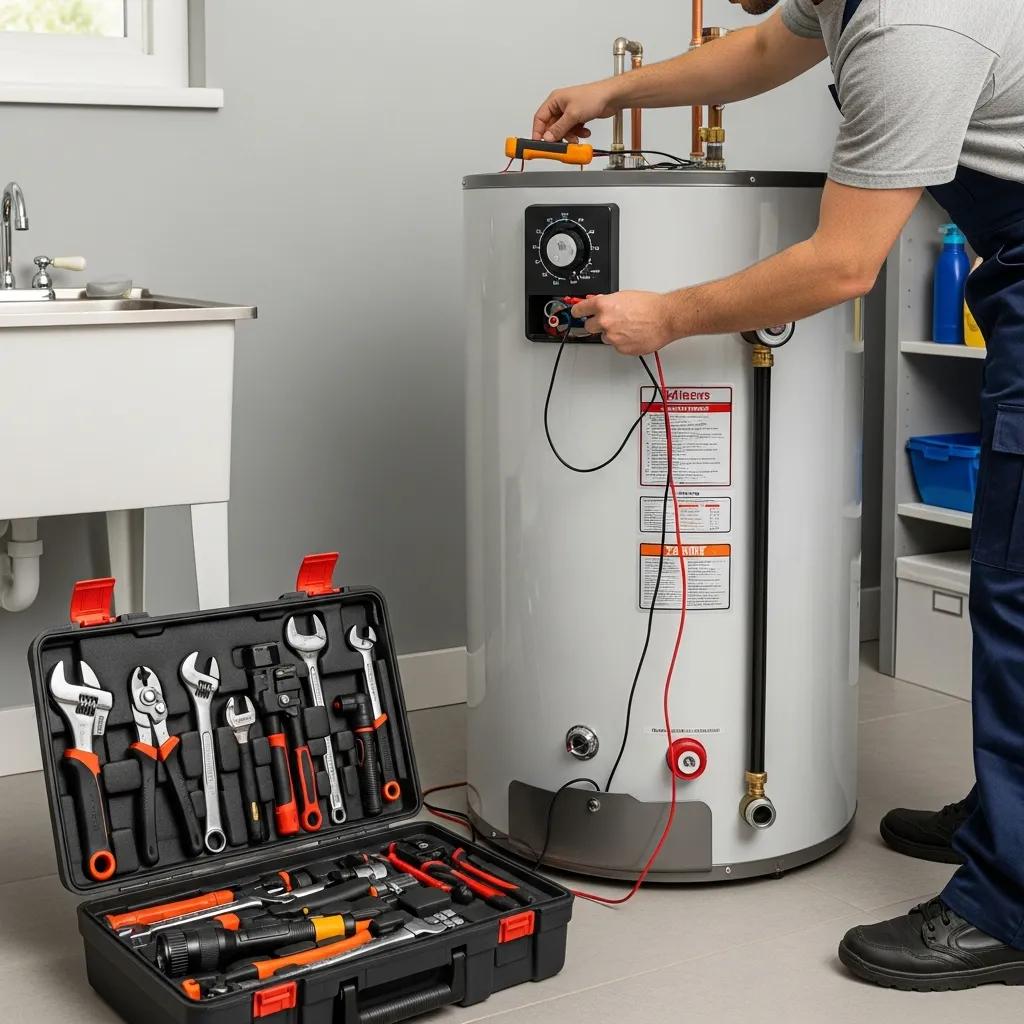
Water heater work starts with a clear diagnostic approach to find the root cause — tank leaks, failed heating elements, sediment build-up, or gas control issues — before recommending repair or replacement. Technicians inspect tanks or tankless heat exchangers, test thermostats and pressure relief valves, and use pressure checks and leak detection to decide if repair is safe and cost-effective. Installations follow code: site assessment, safe removal and disposal of the old unit if needed, correct venting and electrical or gas connections, and final commissioning with performance checks. This diagnostic-first method helps avoid unnecessary replacements and ensures any new system is sized and set up for your household’s needs.
To compare options, consider these core water heater types and typical outcomes.
| Water Heater Type | Key Characteristic | Typical Outcome |
|---|---|---|
| Conventional Tank | Stores hot water; has standby heat loss | Good for high simultaneous demand; needs space for the tank |
| Tankless (On-demand) | Heats water when flow starts | More energy-efficient, less standby loss, compact footprint |
| Hybrid Heat Pump | Uses ambient air to heat water | High energy savings in the right conditions; longer payback period |
What Types of Water Heaters Are Installed and Repaired Locally?
Local technicians work on conventional tank units, tankless systems, gas and electric models, and hybrid heat pump water heaters. Each type has its own installation needs and common failure modes: tanks fail from corrosion, leaks, or sediment; tankless units can suffer scale on the heat exchanger and need descaling; hybrid units rely on the right ambient conditions and placement. During assessment, techs check gas lines, venting, and electrical capacity to ensure safe, code-compliant installs and to recommend the system that matches your household’s usage.
Choosing the right system balances upfront cost, energy use, and expected lifespan — and proper sizing plus attention to water quality will minimize future service needs.
How Do Energy-Efficient Water Heaters Benefit Clinton Township Homeowners?
Energy-efficient heaters lower utility bills by cutting standby loss and improving recovery efficiency, which often offsets higher installation costs over time. Tankless and hybrid systems reduce energy use by heating on demand or using heat pumps instead of generating heat directly. These systems can also reduce maintenance: tankless units avoid large sediment buildup common in tanks, and hybrids lower energy draw during moderate demand. Homeowners gain more consistent hot water and can add smart controls or leak-detection features for added convenience and protection.
When considering an upgrade, look at lifecycle costs, local incentives, and proper sizing to get the best long-term value.
What Are the Best Solutions for Drain Cleaning and Sewer Line Repair in Clinton Township?
Good drain and sewer work begins with accurate diagnosis. A sewer camera pinpoints blockages, sagging (bellies), root intrusion, or structural damage so technicians can recommend hydro-jetting, pipe lining, or excavation as appropriate. Combining camera inspection with targeted treatment reduces unnecessary digging and matches the repair to the actual problem. Hydro-jetting blasts away grease, sludge, and roots; mechanical snaking tackles isolated clogs. When inspection shows structural problems — heavy corrosion, bellied pipe, or repeated failures — replacement or excavation may be needed. Trenchless options like cured-in-place lining preserve landscaping and driveways when the pipe wall can be rehabilitated.
Diagnose first to avoid repeat, short-term fixes that raise long-term costs and disruption.
- Camera inspection first: Find the exact cause, length, and severity of the issue.
- Hydro-jetting for deposits and roots: Thoroughly clears lines when soft obstructions dominate.
- Pipe lining for structural defects: Trenchless option when the bore is sound but the wall is compromised.
How Does Hydro Jetting and Sewer Camera Inspection Improve Drain Cleaning?
A sewer camera shows the location and type of blockage — biological buildup, grease, roots, or collapsed sections — so crews can pick the right treatment. Hydro-jetting then uses high-pressure water to cut roots and flush grease and scale from pipe walls, where snaking often leaves residue behind. The camera-plus-jetting approach addresses both the obstruction and the pipe’s interior condition, reducing the chance of recurrence. It’s far less invasive than full excavation when lining or a spot repair will do the job, and it improves long-term flow reliability.
When Is Sewer Line Repair or Replacement Necessary in Clinton Township?
Replacement is needed when camera inspection shows structural failure — collapsed sections, widespread root intrusion with breaches, bellied areas that trap solids, or age-related deterioration beyond spot repair. Factors in the decision include damage extent, cost comparison of lining versus replacement, expected lifespan after repair, and site constraints like big trees or buried utilities that can affect trenchless options. If blockages keep coming back or inspections reveal cracks and offsets, replacement often delivers the most durable result. Local soil movement and root-heavy landscapes can make long-term replacement more cost-effective than repeated fixes.
Choosing durable repairs based on solid diagnostics lowers lifetime service costs and keeps your property from repeated disruption.
| Diagnostic Approach | Accuracy / Time-to-Diagnose | When Recommended |
|---|---|---|
| Camera Inspection | High accuracy; quick localization | First step for persistent or unknown blockages |
| Hydro Jetting | Very effective on grease and roots; moderate setup time | When inspection shows soft obstructions and intact pipe walls |
| Excavation / Replacement | Permanent structural correction; longer timeline | When camera shows severe failure or multiple breaches |
What Residential Plumbing Services Does Frost & Kretsch Offer in Clinton Township?
Residential plumbing covers many services: fixture repair and installation, leak detection, routine maintenance, sump pump inspection and replacement, frozen pipe repairs, and water heater service. Preventive maintenance — inspections, drain cleaning, and pressure checks — cuts down on emergency calls and extends appliance life by fixing small problems before they grow. Seasonal prep for winter (pipe insulation, pre-winter sump pump checks) is key in this area to prevent frozen pipes and basement flooding. Homeowners who keep up with scheduled maintenance usually avoid costly emergencies and enjoy steadier system performance.
Use this homeowner checklist to turn services into simple, effective actions.
- Annual inspection: Book a thorough plumbing check to spot leaks and wear early.
- Sump pump testing: Test and replace pumps or add battery backup before winter if needed.
- Drain maintenance: Schedule regular cleanings to prevent buildup and repeat clogs.
Regular maintenance reduces emergency calls and stretches the life of your plumbing systems.
How Are Frozen Pipes and Sump Pump Issues Addressed Locally?
Frozen pipe fixes start with safe thawing techniques, repair of any burst sections, and steps to prevent repeats — adding insulation or rerouting exposed runs. Technicians review pipe runs, exposure to cold, and system pressure to design fixes that lower the chance of future freezing. For sump pumps, techs check motor and switch operation, confirm discharge paths, and may recommend battery backup or a redundant pump for high-risk basements. Until help arrives, homeowners should shut off water if needed, isolate the frozen section if possible, and reduce pressure on the plumbing to limit damage.
Long-term protection combines good insulation, correct heat routing, and reliable sump systems to keep homes safe through cold snaps and heavy rain.
What Fixture Repairs and Installations Are Available for Clinton Township Homes?
Fixture services include faucet repair and replacement, toilet repair and upgrades, shower valve service, garbage disposal installation or replacement, and ADA-compliant upgrades for accessibility. Common failures are worn seals, corroded valves, and mineral buildup that cuts flow; techs fix these with targeted parts swaps or full replacements depending on condition and homeowner goals. Switching to low-flow fixtures saves water and cuts bills, while modern valve cartridges improve durability and user experience.
Single-fixture installs are usually quick. Larger projects (bathroom remodels, kitchen updates) begin with a site assessment and coordinated sequencing to keep downtime minimal. We present options and trade-offs so you can balance efficiency, reliability, and style when choosing new fixtures.
How Does Frost & Kretsch Support Commercial Plumbing Needs in Clinton Township?
Commercial plumbing needs scalable, reliable solutions: preventive maintenance contracts, grease trap service, backflow testing, commercial-grade water heater installs, large-bore drain maintenance, and fast emergency response focused on business continuity. Preventive programs cut unexpected downtime by scheduling inspections, grease trap cleanings, and condition-based repairs to stay code-compliant and avoid shutdowns. For restaurants and multi-tenant buildings, commercial installs use durable components and redundancy so operations can keep running during peak times. The aim is plumbing reliability that supports business goals — fewer closures and dependable, code-compliant performance.
A focused maintenance plan delivers consistent service levels and the documentation businesses need for regulations and insurance.
- Preventive maintenance contracts: Regular visits to inspect, clean, and record system condition.
- Grease trap and drain programs: Scheduled service to prevent clogs and health-code problems.
- Backflow and compliance support: Testing and paperwork to meet regulatory standards.
These recurring services protect revenue by reducing emergencies and showing proactive facility management.
What Maintenance and Installation Services Are Provided for Businesses?
Commercial services include planned maintenance, commercial water heater replacements sized for heavy loads, piping upgrades, grease management, and compliance documentation. Regular maintenance catches worn parts and capacity issues before they fail. Installations use commercial-grade pumps, larger heat exchangers, and reinforced piping built for higher throughput and continuous use. Planning around hours of operation, peak demand, and redundancy ensures systems meet continuity needs and local codes.
Keeping a documented maintenance history also makes inspections easier and supports insurance claims if incidents occur.
How Are Emergency Plumbing Services Tailored for Commercial Clients?
Commercial emergency response focuses on fast triage, temporary fixes to restore some service, and plans that minimize revenue loss while permanent repairs are scheduled. Dispatch may include escalation paths, an on-site coordinator, and after-hours coverage to limit business interruption. Temporary measures — bypass pumps, temporary valves, or localized patches — let businesses operate in a limited way until comprehensive repairs are completed. Clear timelines, coordinated communication with facility managers, and transparent estimates help leaders choose between quick fixes and longer-term solutions.
This approach keeps emergency work aligned with operational priorities and maximizes usable service during repairs.
For Clinton Township homeowners and businesses looking for a local, dependable partner, Frost & Kretsch Plumbing provides licensed pros, modern diagnostic tools, and service commitments that focus on clear pricing and customer satisfaction. Need emergency help, a water heater installed, drain diagnostics, or a commercial maintenance plan? Request a free estimate or schedule service and ask for Dave Kretsch as your contact. Their blend of sewer camera inspection, hydro-jetting, and practical maintenance programs aims to reduce future emergencies and protect your property’s value. Choosing a provider that gives clear estimates, prefers minimally invasive fixes, and stands behind their work helps ensure plumbing issues are fixed efficiently and predictably.
Frequently Asked Questions
What should I do if I experience a plumbing emergency at night?
If a plumbing emergency happens at night, first make sure everyone is safe. If it’s safe, shut off the main water supply to stop the flow. Don’t try complicated repairs yourself — that can make things worse or be dangerous. Call a local 24/7 emergency plumber, explain the issue clearly, and note any immediate hazards. Take photos for your insurance, but focus on steps that limit damage until help arrives.
How can I prevent plumbing emergencies in my home?
Preventing emergencies is mostly about regular upkeep. Schedule annual inspections, insulate pipes in cold areas, and keep drains clean to avoid clogs. Don’t flush non-biodegradable items or pour grease down drains. Installing water leak detectors gives you early warnings so small issues don’t turn into big ones.
What are the signs that my water heater needs repair?
Watch for inconsistent water temperature, strange noises like popping or rumbling, leaks around the unit, or discolored water. A drop in hot water supply or odd smells can also signal trouble. Regular maintenance helps catch these issues early — call a pro if you notice any of these signs.
How often should I have my plumbing inspected?
We recommend an annual plumbing inspection. Yearly checks uncover leaks, corrosion, and wear before they become emergencies. Also consider a seasonal check before winter to prevent frozen pipes. Older homes or properties with prior issues may benefit from more frequent inspections.
What are the benefits of regular drain cleaning?
Regular drain cleaning prevents clogs and backups that can cause costly damage. It keeps water flowing smoothly, reduces odors from buildup, and can extend the life of your pipes by preventing corrosion. Investing in routine cleaning gives you peace of mind and fewer emergency repairs.
Are there any local plumbing codes I should be aware of?
Yes — local plumbing codes vary and exist to keep installations safe and compliant. Codes cover pipe materials, installation methods, and fixture requirements. If you’re planning renovations or new installs, work with a licensed plumber who knows local rules to avoid fines and ensure everything passes inspection.
What should I consider when upgrading my plumbing fixtures?
When upgrading fixtures, think about water efficiency, compatibility with your current plumbing, and the look you want. Look for WaterSense-rated fixtures to save water. Consider durability and maintenance needs, and consult a pro to confirm proper installation and any plumbing changes required. Balancing function, style, and efficiency leads to the best outcome.
Conclusion
Choosing Frost & Kretsch Plumbing means Clinton Township residents get prompt, reliable service for both emergencies and routine needs. Our team pairs modern diagnostic tools with a commitment to clear pricing and customer satisfaction, helping prevent future problems and protect your property. Whether you need emergency help or want to set up a maintenance plan, contact us for a free estimate today. Count on efficient, effective plumbing service tailored to your needs.