Natural Drain Cleaners: Eco-Friendly Alternatives to Chemicals
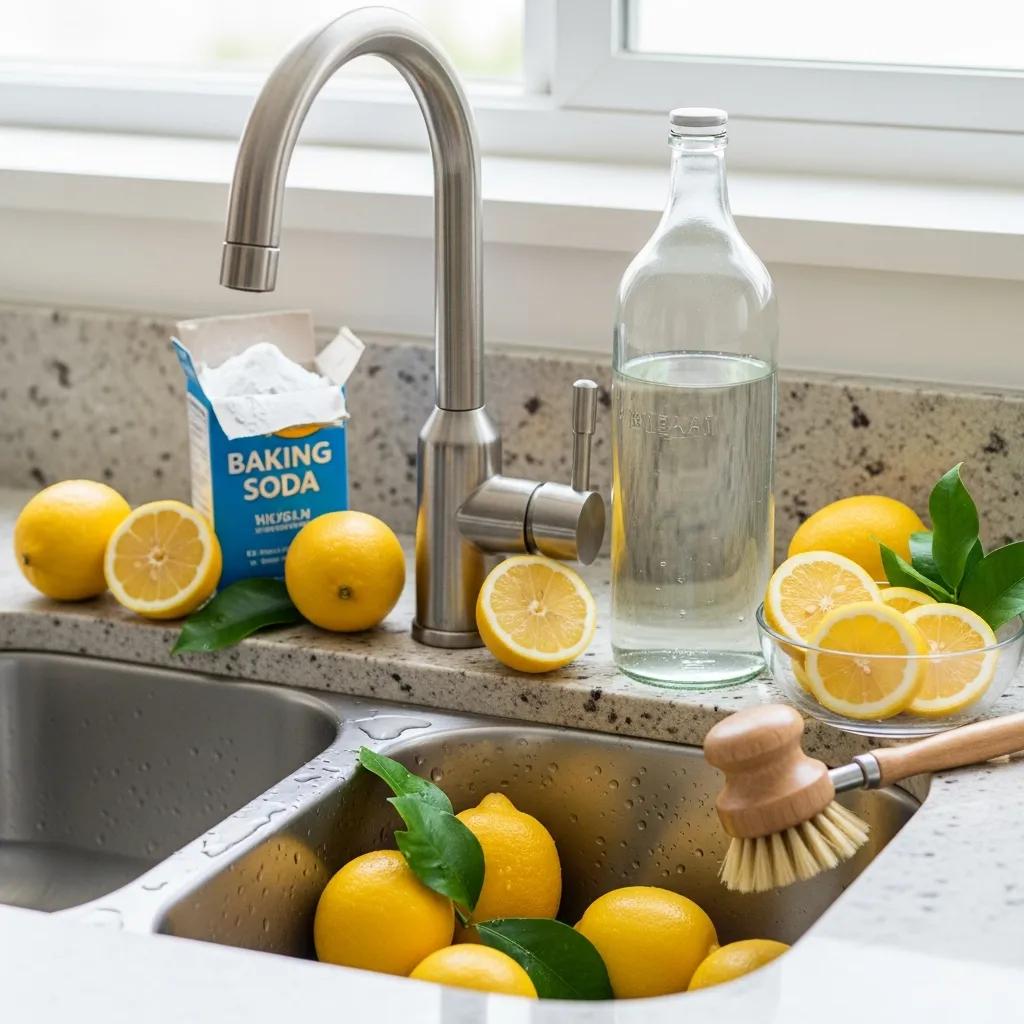
Natural Drain Cleaners: Eco-Friendly Alternatives to Chemicals for Safe, Effective Drain Care Natural drain cleaners remove or prevent clogs without harsh, corrosive chemicals — a safer choice for your family, your pipes, and the environment. This guide walks through trusted, low‑toxicity options: from easy baking soda and vinegar fixes to enzymatic products and professional, chemical‑free services like hydro‑jetting. You’ll learn when these approaches are appropriate, step‑by‑step DIY recipes, how to pick eco‑friendly commercial cleaners, mechanical and thermal alternatives, and a practical decision plan for when to call a plumber. We also compare product types in a clear table, share prevention habits that reduce future blockages, and explain how a local plumbing pro can perform chemical‑free diagnostics and cleaning when home remedies aren’t enough. Throughout, we connect hands‑on tips with longer‑term pipe health using terms like natural drain cleaner, homemade drain unclogger, enzymatic drain cleaner, and hydro‑jetting Grosse Pointe. What Are the Best Natural Drain Cleaner Recipes Using Baking Soda and Vinegar? The baking soda and vinegar approach uses a simple acid‑base reaction plus gentle abrasion to loosen soft organic deposits. When sodium bicarbonate meets acetic acid, carbon dioxide bubbles form, agitating residue so it’s easier to flush away; the baking soda also provides mild scrubbing action and helps cut light grease. This is a maintenance‑level method — ideal for slow drains or occasional buildup, not for thick hair clogs or compacted grease. Use it sparingly on older, corroded pipes and never mix it with commercial drain chemicals. Below we explain the science in plain terms and give clear, safe recipes you can try at home. How Does the Baking Soda and Vinegar Reaction Unclog Drains Safely? That fizz you see is carbon dioxide doing the heavy lifting: bubbles create gentle mechanical agitation while the baking soda’s mild abrasive action dislodges thin films of grease, soap scum, and loose organic matter. Because this reaction isn’t caustic, it’s far less likely to harm PVC or metal pipes than strong commercial chemicals. For older cast‑iron or visibly corroded sections, spot‑test or avoid frequent use — persistent or multi‑fixture slow‑drains usually need mechanical removal or a professional inspection. What Are Step-by-Step Homemade Drain Unclogger Recipes? Use these tested recipes and timings to get the most benefit with the least risk. Baking soda + vinegar method: Pour 1 cup baking soda down the drain, add 1 cup white vinegar, cover the drain and wait 10–15 minutes, then flush with 2–3 liters of hot water (not boiling if you have PVC). Hot water + dish soap for grease: Put 1/4 cup liquid dish soap into the drain, wait 5 minutes, then carefully pour two kettles (about 1.5–2 liters each) of very hot water to melt and carry away grease. Salt + baking soda abrasive mix: Combine 1/2 cup coarse salt with 1/2 cup baking soda, pour into the drain, wait 30 minutes, then flush with hot water to help scour minor buildup. If the drain improves, repeat the same method once more. If there’s no meaningful change after two attempts, or multiple fixtures are slow, stop and move to mechanical tools or professional service to avoid pushing the clog deeper. Which Eco-Friendly Drain Cleaning Products Are Safe for Plumbing and the Environment? Eco‑friendly drain cleaners usually fall into two groups: enzymatic formulas and plant‑based surfactant blends. Both avoid strong caustics and biodegrade more readily than traditional lye or acid cleaners. Enzymatic products use enzymes or friendly bacteria to slowly digest organic matter (fats, proteins, starches) — great for routine maintenance. Plant‑based cleaners use botanical surfactants and mild solvents to lift grease and suspend debris; they act faster but vary by formula. Which you choose depends on the clog type, your pipe material, and environmental priorities. The table below makes the differences easy to compare. Use this quick reference to match product type to the problem and your pipes. Product Active Component / Mechanism Best For (Type of Clog) / Pipe Safety / Environmental Impact Enzymatic drain cleaner Enzymes or benign bacteria that digest organic matter Recurring organic buildup; safe on most pipes; high biodegradability Plant-based surfactant cleaner Botanical surfactants and mild solvents Light grease and soap scum; generally safe—check label for stronger solvents Baking soda + vinegar (DIY) Acid‑base fizz plus mild abrasion Light maintenance; safe for most pipes when used occasionally; low environmental impact Hot water + dish soap Thermal melting and surfactant emulsification Effective for kitchen grease; avoid very hot/boiling water on older PVC joints In short: enzymatic cleaners are the gentlest long‑term choice, plant‑based products act faster on surface grease, and DIY recipes are low‑impact for routine upkeep. Always pick products with transparent ingredient lists, biodegradability claims, and instructions that suit your pipe materials. What Are Enzymatic and Plant-Based Drain Cleaners? Enzymatic cleaners contain enzymes like lipase, protease, and amylase — or live cultures — that slowly break down fats, proteins, and starches into soluble pieces. They work over hours or days and are safe for regular use because they don’t corrode metal or plastic and they limit harmful effluent. Plant‑based cleaners rely on surfactants and natural solvents from vegetable oils or fruit acids to lift grease and suspend debris for flushing; they’re faster but read labels because some formulas include stronger solvents. For mineral scale, metal debris, or collapsed pipes, neither class will clear the problem — call a pro for mechanical solutions. How to Choose Safe and Effective Eco-Friendly Drain Cleaning Products? Match the product mechanism to the clog: enzymatic for recurring organic films, plant‑based for light grease. Verify pipe compatibility, confirm biodegradability claims, and avoid anything listing harsh caustics or concentrated acids. In environmentally sensitive areas, enzyme‑based products minimize hazardous runoff. Test a new product on a small scale, follow manufacturer frequency guidance, and if clogs persist despite proper use, escalate to mechanical cleaning or a professional inspection to prevent repeated chemical exposure. What Are Natural Ways to Clear Clogged Drains Without Chemicals? Non‑chemical drain clearing uses mechanical tools, thermal methods, and mild household ingredients to remove blockages while
Natural Drain Cleaners: Eco-Friendly Alternatives to Chemicals Read More »