
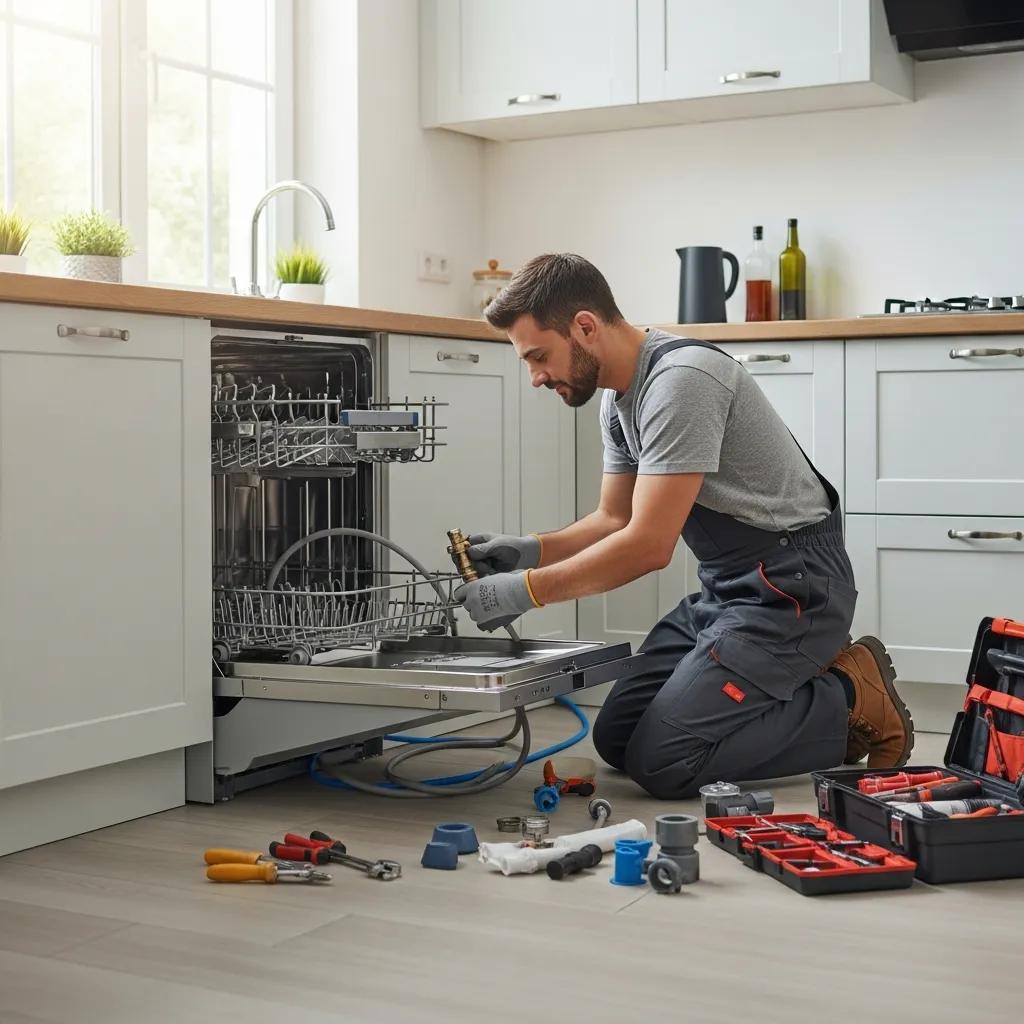
Dishwasher Plumbing: Installation, Drains, and Leaks — Reliable Solutions for Grosse Pointe Homes
Good dishwasher plumbing means a watertight supply, a clear drain, and an appliance that won’t surprise you with leaks or clogs. This guide walks Grosse Pointe homeowners through professional installation steps, how to troubleshoot and clear common drain blockages, and how to spot and repair leaks before they cause damage. You’ll get a clear overview of the main parts—water supply line, drain hose, air gap or high-loop, drain pump, and door gasket—how they work together, and what to check during routine maintenance. We’ll also list quick safety actions you can take, practical DIY checks, and clear signs that it’s time to call a licensed plumber. Finally, learn why Frost & Kretsch Plumbing is a local option for installations, drain work, and leak response, plus how to schedule an inspection or estimate. Read on for step-by-step installation guidance, troubleshooting checklists, symptom-to-fix tables, and local service options when professional help is the right choice.
What Are the Key Steps in Professional Dishwasher Installation Services?
A professional installation follows a clear workflow to ensure safe water connections, proper drain routing, and code‑compliant work that prevents leaks and drainage problems. Technicians start with pre‑installation checks—confirming cabinet space, power and plumbing rough‑ins, and accessible shutoff valves and drain access—to avoid surprises. Next comes the hookup: attach the water supply (usually a 3/8″ fitting or braided flexible line), route the drain hose to the garbage disposal or standpipe with an air gap or a secured high‑loop, and finish electrical and system tests. After installation we run multiple cycles to verify the drain pump, float switch, and inlet valve work correctly and to watch for vibrations or leaks. Following these steps reduces callbacks and gives you steady, reliable operation from a new or replacement dishwasher.
Before we get into component details, here’s a short checklist installers use—handy for homeowners to confirm a solid install:
- Verify cabinet space, electrical access, and shutoff availability before starting.
- Attach the water supply with a certified flexible line and secure fittings.
- Route the drain hose with a high‑loop or air gap and connect to the disposal or standpipe.
- Secure and level the dishwasher, run test cycles, and check for leaks and proper drainage.
This checklist breaks the install into practical checkpoints. The next section explains the water and drain connections in a bit more technical detail.
How Does a New Dishwasher Hookup Ensure Proper Water Line and Drain Connections?
A correct hookup gives the dishwasher a secure supply and an unobstructed drain to prevent leaks and backflow, protecting both the appliance and your home’s plumbing. The water supply usually connects with a braided flexible line to a 3/8″ angle stop, using thread sealant or plumber’s tape where appropriate for a watertight joint. The drain hose needs a high‑loop or an air gap above the sink to stop siphoning; when tying into a garbage disposal, the knockout must be removed and the hose clamped firmly. Common mistakes we see are kinking the drain hose, leaving the disposal knockout in place, or not checking the inlet valve seating—each can cause slow drains or leaks. Correct components plus pressure‑tested connections reduce the chance of hidden leaks under cabinets.
Below is a quick reference comparing common components and best‑practice specs.
| Component | Typical Specification | Purpose |
|---|---|---|
| Water supply line | 3/8″ braided flexible supply | Supply water to the inlet valve reliably |
| Drain hose | 5/8″–7/8″ corrugated or smooth hose with clamp | Carry wastewater to the disposal or standpipe |
| Air gap / High-loop | Air gap above sink or high-loop secured under counter | Stops backflow or siphoning into the dishwasher |
What Are the Dishwasher Plumbing Code Requirements in Grosse Pointe?
Dishwasher plumbing in Grosse Pointe generally follows Michigan practice with an emphasis on backflow prevention and correct trap and disposal connections to protect drinking water and sanitary drains. Most local interpretations require either an air gap or an equivalent high‑loop to prevent sewer water from siphoning back into the appliance. Drain connections must discharge into a proper trap or disposal fitting to preserve the trap seal. Permit needs vary by scope—simple replacements that don’t change plumbing routing often don’t need a permit, but moving drains, rerouting hookups, or altering electrical work may require permits and inspections. Because local rules and enforcement can change, check permit requirements with a licensed plumber before you start to avoid rework or municipal issues.
These basics help you decide when an install is complete and when a licensed verification is smart; next, we cover how to find and clear the common drain clogs that can affect even a well‑installed dishwasher.
How Can You Identify and Fix Common Dishwasher Drain Clogs Effectively?
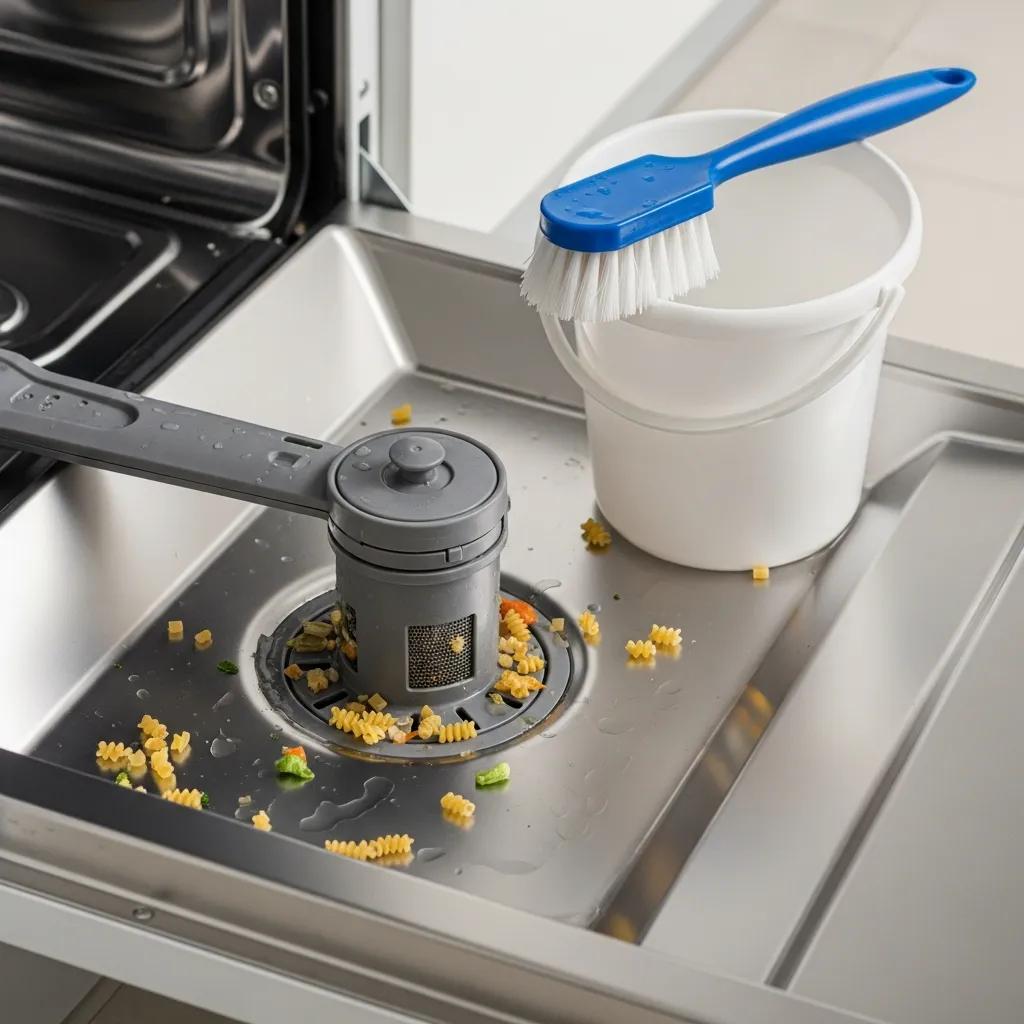
Clogged dishwasher drains usually show up as standing water, slow draining, or error codes. Start with a systematic check of the easy‑to‑reach parts before trying anything more invasive. First, clean the dishwasher filter and sump area—food and grease here often block the pump inlet. Next, check the air gap (if present) and the garbage disposal: clear trapped food and make sure the disposal knockout is open. Inspect the P‑trap and sink drain under the sink—clogs there commonly back up into the dishwasher. If your DIY checks clear the issue, run a hot‑water cycle and a short wash to confirm things are back to normal. If not, professional tools and diagnosis may be needed.
Work through this troubleshooting checklist in order:
- Clean the dishwasher filter and remove visible debris from the sump.
- Clear the air gap and garbage disposal inlet of trapped food.
- Inspect and, if safe, remove blockages from the sink P‑trap or drainpipe.
- Run a short hot cycle to see if the drain pump clears the line.
These steps prioritize safety and practicality. If the clog involves the main sewer line, multiple fixtures, or persistent odors, read on—next we map symptoms to likely causes and fixes to speed troubleshooting.
| Symptom | Likely Cause | Immediate Fix / Professional Action |
|---|---|---|
| Dishwasher not draining | Clogged filter, sump, or drain hose | Clean filter/sump; inspect hose; call a plumber if the pump is faulty |
| Slow drain or standing water | Partial blockage in disposal or trap | Clear disposal, remove and clean trap, or snake the drain if needed |
| Odors from dishwasher | Food buildup in filter or disposal | Deep clean filter, run disposal, and sanitize the interior |
What Causes Dishwasher Drain Hose Blockages and How Are They Cleared?
Drain hose blockages usually come from food solids, grease buildup, or kinks and physical restrictions. Clearing them safely focuses on removing the obstruction without damaging the hose or clamps. Debris and grease often collect where the hose meets the disposal or standpipe—disconnect the hose and flush it with warm water or use a flexible brush to remove the clog. Be cautious when snaking corrugated hoses; a damaged hose is better replaced with a smooth‑walled replacement. Avoid caustic drain chemicals—they can harm rubber parts and gaskets. If the pump is blocked or damaged, call a pro for a proper inspection.
These methods protect parts and restore flow. The next section explains when it’s time to bring in professional drain removal.
When Should You Call Professionals for Dishwasher Drain Clog Removal?
Call a professional if clogs come back after DIY attempts, if multiple fixtures are affected, or if persistent smells and slow drainage point to a deeper sewer or disposal issue that needs powered equipment. Pros use mechanical snakes, inspection cameras, and sometimes hydro‑jetting to remove hardened grease or root intrusion—tools and techniques not safe for most homeowners. If you see pump error codes, electrical faults, recurring backups, or signs of water damage under cabinets, schedule a licensed service. Professionals can identify the true cause and prevent further damage more reliably than piecemeal DIY fixes.
Frost & Kretsch Plumbing offers the equipment and expertise for these situations; their licensed technicians can recommend snaking, camera inspection, or controlled cleaning as appropriate. Next, we move from clogs to leak detection and repair—an issue with higher immediate risk to your home.
What Are the Signs and Solutions for Dishwasher Leak Detection and Repair?
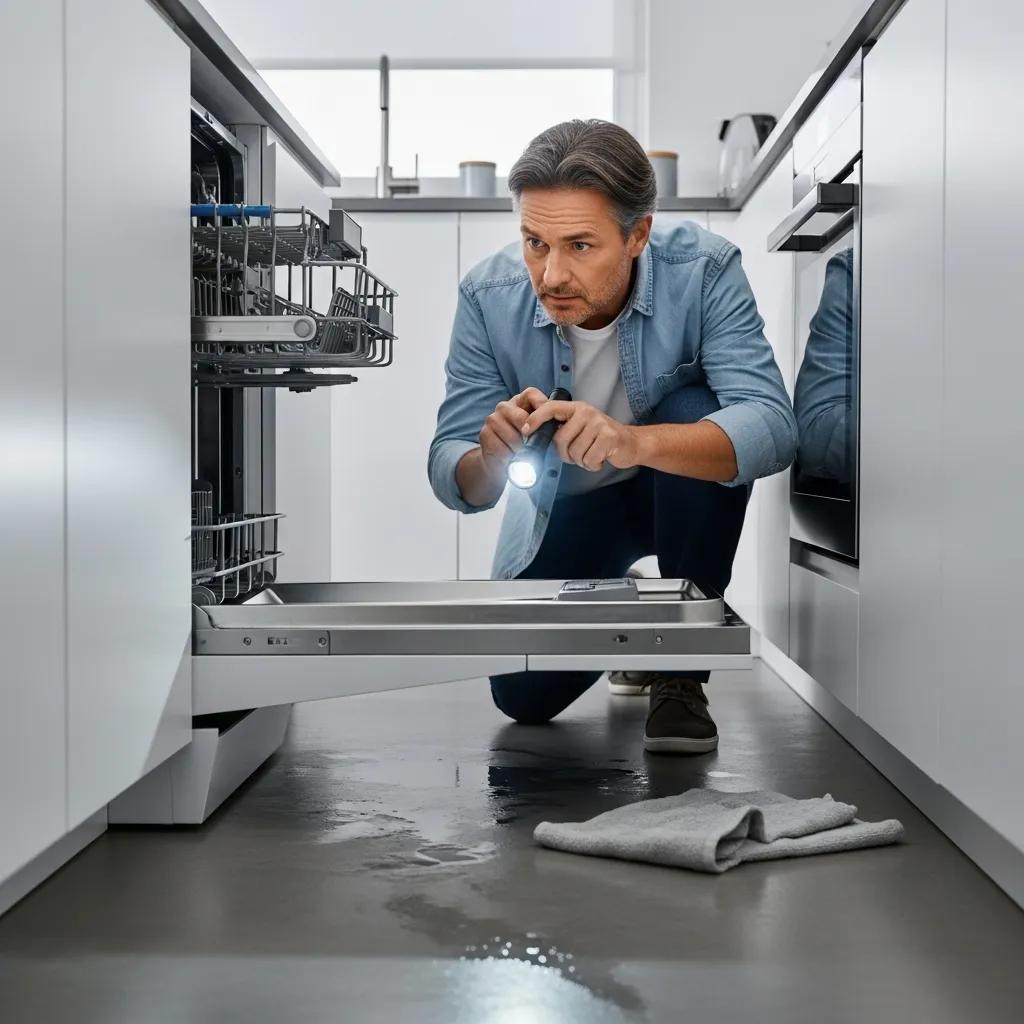
Finding a dishwasher leak early prevents floor damage, mold, and rotten cabinets. Watch for puddles, water stains under cabinets, soft or discolored flooring, and odd sounds during cycles. If you find a leak, act immediately: shut off the dishwasher’s water supply, turn off power at the appliance or breaker if it’s safe, and contain the water. Repairs can range from simple part swaps—like inlet valves, hoses, or door gaskets—to pump or tub repairs that may mean parts replacement or even replacing the appliance. Professionals use pressure testing and focused inspection to find hidden leaks; prompt repair reduces secondary damage and restoration costs.
Use the table below to quickly match leak locations with common causes and recommended next steps.
| Leak Location | Common Cause | Recommended Action |
|---|---|---|
| Under dishwasher (base) | Failed hose clamp, loose supply line, leaking pump seal | Tighten clamps, replace hose; call a pro for pump seal leaks |
| Front door area | Worn door gasket, misaligned door, debris in latch | Clean or replace gasket, realign door; seek pro help if it continues |
| Behind unit | Loose inlet valve or connection | Inspect and tighten; replace valve if it’s faulty |
Which Common Dishwasher Leak Sources Should Homeowners Watch For?
Common leak sources include worn door gaskets, split or loose drain hoses, failing pump seals, faulty inlet valves, and tub cracks. You can often locate a leak with a short test: place paper towels around the door and under the unit, run a short rinse, and watch where moisture appears. Front leaks usually point to the door seal or latch; pooled water beneath the unit often means a hose or connection issue. Keep basic spare parts—clamps, hose segments, gaskets—and replace small items promptly to avoid bigger problems. For pump or tub failures, professional repair is usually the right call.
Finding the leak during a test helps you decide whether a simple DIY fix will do or if you need a pro. The next section covers emergency leak response steps.
How Does Emergency Dishwasher Leak Repair Protect Your Home from Water Damage?
Emergency leak repair is about fast containment—shut off water and power, contain the water, and stabilize the area—to prevent structural damage and mold, then perform targeted repairs. Quick homeowner steps help: turn off the dishwasher water supply, unplug or trip the breaker, and use pans or towels to control runoff. These actions buy time until a technician arrives. Pros will locate the source, make the repair—hose or seal replacements, for example—and advise on drying and restoration; if saturation is extensive they’ll coordinate with water‑damage specialists. Fast, expert intervention limits repair costs and gets your appliance back to safe operation faster.
This emergency approach pairs well with local providers who offer around‑the‑clock response. Read on for guidance on choosing local service.
Why Choose Frost & Kretsch Plumbing for Your Dishwasher Plumbing Needs in Grosse Pointe?
Frost & Kretsch Plumbing serves Grosse Pointe homeowners with licensed technicians, clear pricing, and emergency response options designed to protect your home from improper installs, hidden clogs, and sudden leaks. Their services match what this guide covers—installation, drain cleaning and repair, leak detection, and emergency mitigation—with a focus on clear estimates and minimally invasive solutions when possible. Local experience means crews know common plumbing setups and failure points in area homes, which speeds diagnosis and repair. To schedule an inspection or request an estimate, contact them for an on‑site evaluation and a tailored recommendation.
Here are the main benefits homeowners can expect from their service model:
- 24/7 Emergency Service: Fast response for leaks and drainage emergencies.
- Transparent Pricing: Upfront estimates with no hidden fees.
- Licensed & Insured Professionals: Work done to meet local code and quality standards.
What Are the Benefits of 24/7 Emergency Service and Transparent Pricing?
Round‑the‑clock emergency service lets you stop leaks and major clogs quickly to limit water exposure and damage, which matters most when flooring or cabinets are at risk. Transparent pricing—clear estimates and scoped work—helps you make fast, informed decisions during stressful situations and avoids surprise charges. In emergencies, quick containment plus clear cost communication reduces the chance of secondary damage and lengthy remediation. Homeowners who value fast response and predictable billing usually shorten restoration time and lower overall costs.
How Do Licensed and Insured Professionals Ensure Quality Dishwasher Plumbing?
Licensed, insured plumbers bring accountability, technical skill, and protection in case of accidental damage. Licensing shows the technician meets exam and code requirements; insurance covers property damage or injuries that might occur during service. Expect clear workmanship standards, itemized receipts, and documentation of any repairs or replacements. Hiring licensed pros lowers the risk of noncompliant work that could cause trouble during future home sales or insurance claims.
These protections reduce homeowner risk and support long‑term reliability. The final section answers common homeowner questions about leaks, installations, and costs.
Frequently Asked Questions
What maintenance should I perform on my dishwasher plumbing?
Do a few simple checks regularly: clean the dishwasher filter, inspect the drain hose for kinks or blockages, and make sure the air gap or high‑loop is working. Check the door gasket for wear and wipe it clean. Run a hot‑water cycle occasionally to help clear buildup. An annual professional inspection is a good idea to catch small issues before they become big problems.
How can I tell if my dishwasher is properly installed?
Look for a few clear signs: the dishwasher sits level and secure, water and drain connections are tight, and the drain hose has a high‑loop or air gap. Run a test cycle—no leaks, no odd noises, and proper draining are good indicators. If anything looks off, have a plumber check the connections and routing.
What should I do if my dishwasher is making unusual noises?
Noises like grinding, rattling, or humming often come from debris in the spray arm or a failing drain pump. Start by checking the filter and spray arm for blockages. If the noise continues, the motor or pump may need professional attention—don’t ignore it, as it can lead to larger failures.
Can I install a dishwasher myself, or should I hire a professional?
If you’re handy and the hookup matches the existing rough‑ins, some owners can install a dishwasher themselves. But for most people we recommend a professional—plumbers ensure connections are secure, code compliant, and leak‑free, and they handle unexpected plumbing or electrical issues that can arise during installation.
What are the risks of ignoring dishwasher plumbing issues?
Ignoring problems can lead to water damage, mold, and expensive repairs. Small leaks can soak cabinetry and flooring; clogs can cause backups and unsanitary conditions; and unresolved issues can shorten the life of the appliance. Timely maintenance and quick repairs prevent escalation.
How can I prevent dishwasher leaks in the future?
Prevention means regular checks and quick parts replacement: keep the door gasket clean and in good shape, inspect hoses and clamps for wear, and replace compromised parts right away. Avoid overloading the machine, and schedule yearly professional inspections to catch slow‑developing problems.
Why Is My Dishwasher Leaking from the Bottom and How Can It Be Fixed?
Bottom leaks usually come from door‑gasket failure, split or loose hoses, a leaking pump seal, or debris that blocks proper drainage. Diagnose with a short test cycle and a visual check under and around the unit. If water shows at the front, start with the door seal and latch; if water pools beneath, check hose clamps, the drain hose, and the pump housing. Simple fixes include replacing gaskets, tightening or replacing clamps, and clearing debris. Pump seal failures typically need a technician and replacement parts. If a short test doesn’t pinpoint the leak or cabinets are soaked, schedule professional leak detection to avoid missed damage.
How Much Does Dishwasher Installation and Leak Repair Cost in Grosse Pointe?
Costs vary with parts, accessibility, whether plumbing or electrical changes are needed, and whether you require emergency or after‑hours service. Key cost factors include replacement hoses and gaskets, pump or inlet valve parts, drain rerouting complexity, and disposal or trap work; emergency calls and after‑hours service usually raise labor rates. The most reliable way to get a price is an on‑site inspection so a licensed technician can provide an itemized estimate. Contact Frost & Kretsch Plumbing to request an on‑site assessment and a transparent estimate for your specific dishwasher needs.
- Request an inspection to get a written, site‑specific estimate.
- Compare parts and labor to decide whether to repair or replace.
- Act promptly to avoid water damage or mold that raises costs later.
These steps help homeowners make cost‑effective choices and wrap up the practical guidance in this article.
Conclusion
Knowing the basics of dishwasher plumbing helps you prevent leaks, clear clogs, and avoid costly repairs while keeping your appliance running smoothly. Follow the installation and maintenance tips here to protect your home from water damage. If you’d like expert help, Frost & Kretsch Plumbing is available for inspections and repairs. Schedule an inspection today to keep your dishwasher—and your home—working as it should.