
Trenchless Sewer Repair — No‑Dig Options for Faster, Cleaner Sewer Replacement
Trenchless sewer repair uses no‑dig methods—most commonly cured‑in‑place pipe (CIPP) lining and pipe bursting—to fix or replace underground sewer lines while keeping yard and hardscape disruption to a minimum. This guide explains how those no‑dig techniques work, when each is the right choice, and the homeowner advantages you can expect: faster schedules, smaller restoration bills, and longer service life versus full‑dig replacement. You’ll also learn how modern sewer camera inspections steer the method choice, which job factors typically drive costs in Grosse Pointe and nearby counties, and the step‑by‑step workflow from diagnosis to final testing. Comparison tables and clear decision points make it easier to weigh lining against bursting for common failures like root intrusion, corrosion, or collapse. Finally, we explain how a local team like Frost & Kretsch Plumbing can evaluate trenchless options, provide transparent estimates, and respond quickly when time matters.
What is trenchless sewer repair — and how do no‑dig technologies work?
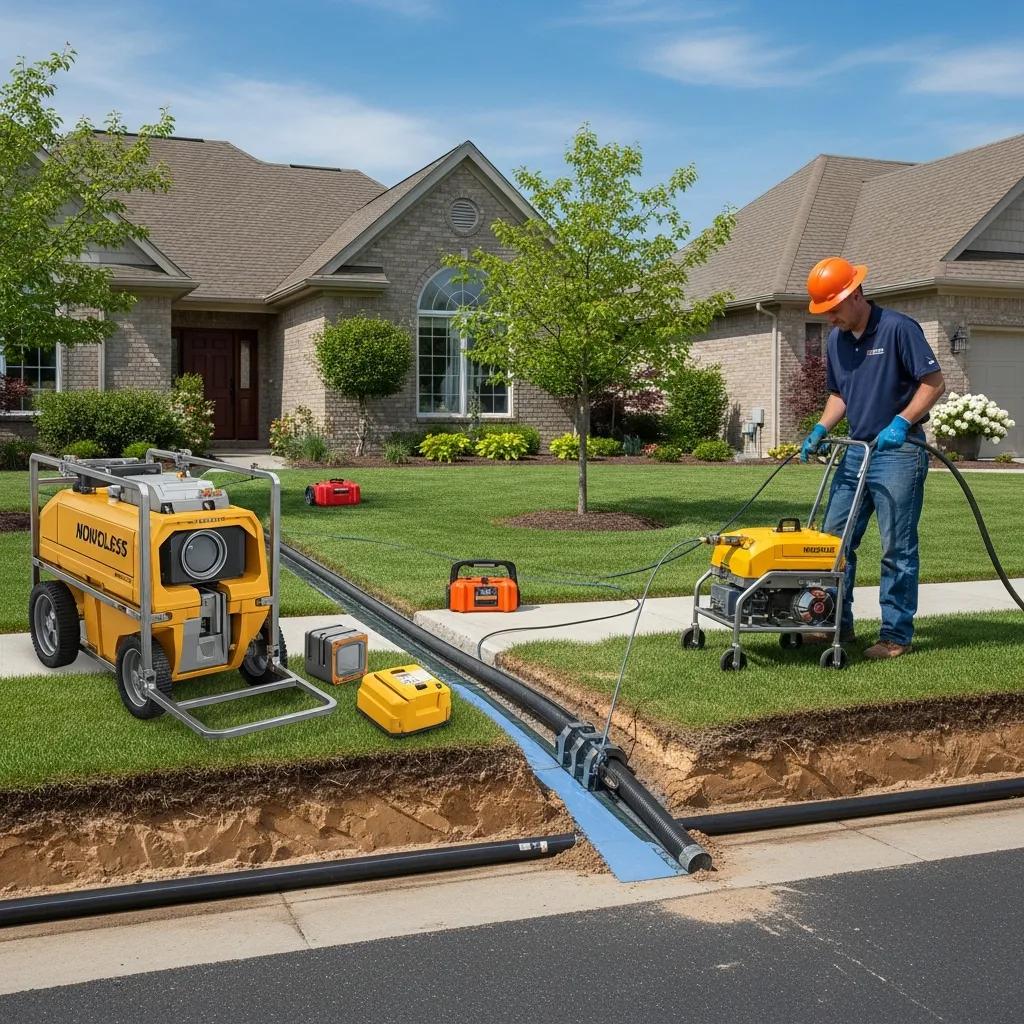
Trenchless sewer repair is a group of techniques that restore or replace underground pipes without digging long trenches. Instead of continuous excavation, crews work from small access points and either install a cured liner inside the existing pipe (CIPP) or fracture the old pipe while pulling a new one through the void (pipe bursting). The main value is protecting landscaping, driveways and other hardscapes while cutting excavation time and restoration costs. No‑dig methods also shorten downtime for your home or business and reduce the heavy‑equipment impacts of a traditional dig. For homeowners around Grosse Pointe, trenchless options often mean a quicker project and a durable outcome compared with open‑trench replacement.
What trenchless repair includes and why it matters to homeowners
Put simply, trenchless repair rehabilitates pipe from the inside so the original alignment stays intact while structural strength and flow are restored. CIPP installs a resin‑saturated sleeve that cures into a new seamless pipe; pipe bursting removes the old pipe and pulls in a new line, and can increase diameter when needed. The homeowner benefits are tangible: less yard damage, faster completion, lower restoration expense, and longer expected service life. Trenchless options are especially useful when mature trees, paved surfaces, or narrow lots make open trenching impractical. Because of these benefits, the right first step is almost always a diagnostic camera inspection to confirm whether a no‑dig solution is feasible.
With less surface disruption, the next priority becomes a precise inspection to pick the right no‑dig method.
How sewer camera inspection guides a no‑dig diagnosis
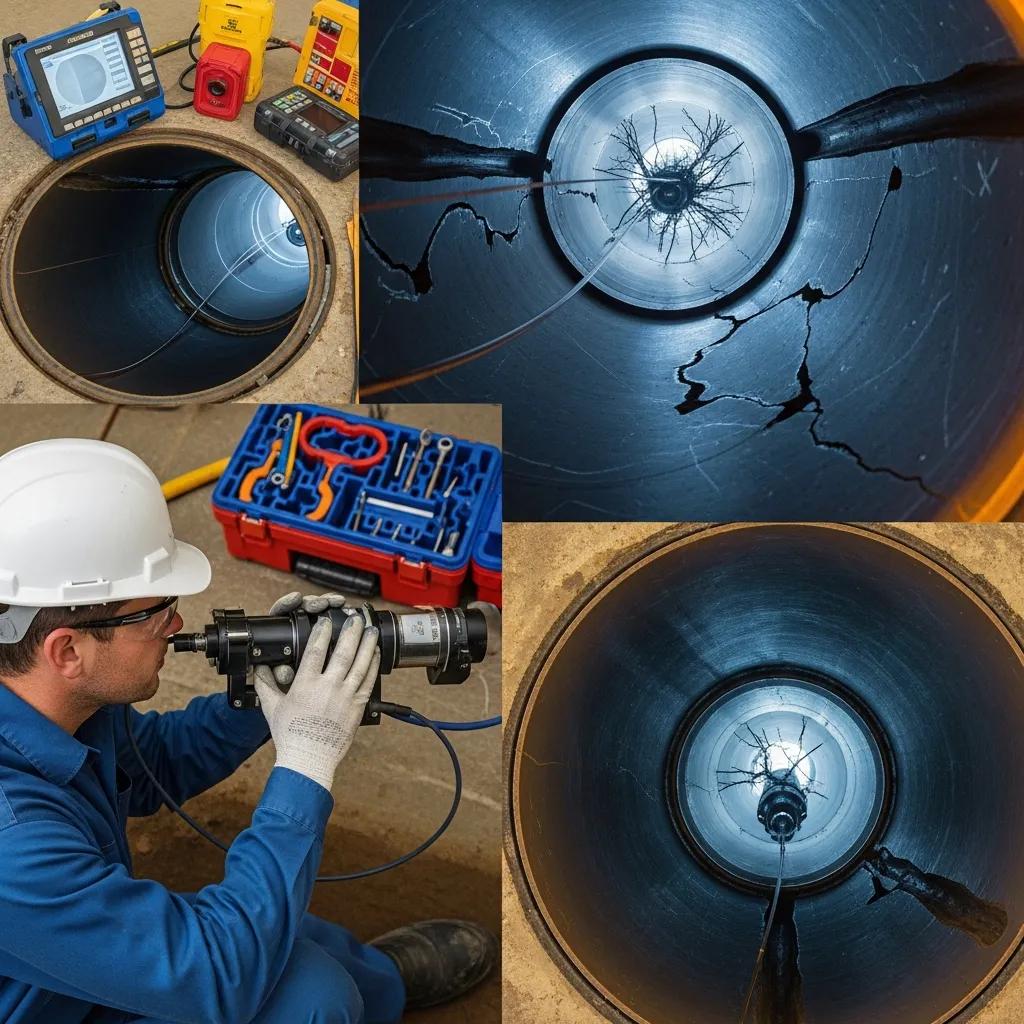
Sewer camera inspection sends a fiber‑optic or push camera through the line to record the interior condition, with distance markers and timestamps that help map defects exactly. Cameras show cracks, offsets, root intrusion, corrosion and collapses so we can choose lining or bursting based on real data instead of guesswork. That accuracy reduces unnecessary digging and helps prevent surprise costs. For homes in Grosse Pointe and nearby counties, an early camera inspection speeds decision‑making and supports a transparent, evidence‑based estimate. Frost & Kretsch Plumbing offers on‑site camera inspections and no‑obligation feasibility assessments if you’d like a local evaluation.
Which trenchless methods are available: pipe lining vs. pipe bursting?
The two primary no‑dig approaches—CIPP lining and pipe bursting—work differently and suit different pipe conditions. CIPP restores strength by inserting and curing a resin‑saturated liner inside the existing pipe; pipe bursting fractures the old pipe and pulls a new line into place, often upsizing the run. Factors that affect the choice include how badly the pipe is damaged, whether you need a larger diameter, how laterals connect, and site access. The short list below shows typical use cases and trade‑offs so you can match the method to your sewer condition.
- If the pipe is mostly intact but leaking or vulnerable to roots, CIPP lining often wins because it’s seamless and returns to service quickly.
- If the pipe is collapsed or you want greater capacity, pipe bursting replaces the line and can increase diameter.
- Access, lateral reconnections and surface restoration preferences also shape the final decision.
Method comparison: the table below summarizes common uses, benefits, limitations, and expected lifespans for quick homeowner reference.
| Method | Best For / Use Case | Pros | Cons | Typical Lifespan |
|---|---|---|---|---|
| CIPP (Cured‑in‑Place Pipe Lining) | Cracks, corrosion, root intrusion, small leaks | Seamless new pipe inside existing line; minimal excavation; preserves alignment | Small loss of internal diameter; needs a reasonably intact host pipe for installation | 50+ years (under normal conditions) |
| Pipe Bursting | Collapsed pipes, severe structural failure, upsizing needs | Full replacement with new material; can increase pipe diameter and capacity | Requires two small pits and careful utility coordination | 50+ years (new pipe life) |
| Sectional Point Repair / Spot Repair | Localized defects, lateral connection fixes | Targeted and less invasive for small problem areas | Not a good fit for widespread or repeated failures | 20–40 years depending on materials |
That comparison shows how lining and bursting address different failure modes. If you want both options evaluated, Frost & Kretsch Plumbing can run camera diagnostics and recommend the solution that fits your property.
How cured‑in‑place pipe lining actually restores a sewer
CIPP lining rehabilitates a pipe by pulling a flexible fabric tube saturated with epoxy or polyester resin into the host pipe, then expanding and curing it to form a new, jointless inner pipe. We start with thorough cleaning to remove roots and debris, then invert or pull the liner into place and cure it using steam, hot water or UV light. The cured liner bonds to the old pipe, stops infiltration and root entry, resists corrosion and usually improves flow. Lifespans commonly exceed several decades when installed under the right conditions. CIPP is a great choice when the existing alignment is acceptable and minimizing surface restoration is important—especially on residential runs where access is limited and laterals must be accurately reinstated.
What is pipe bursting and when should you consider it?
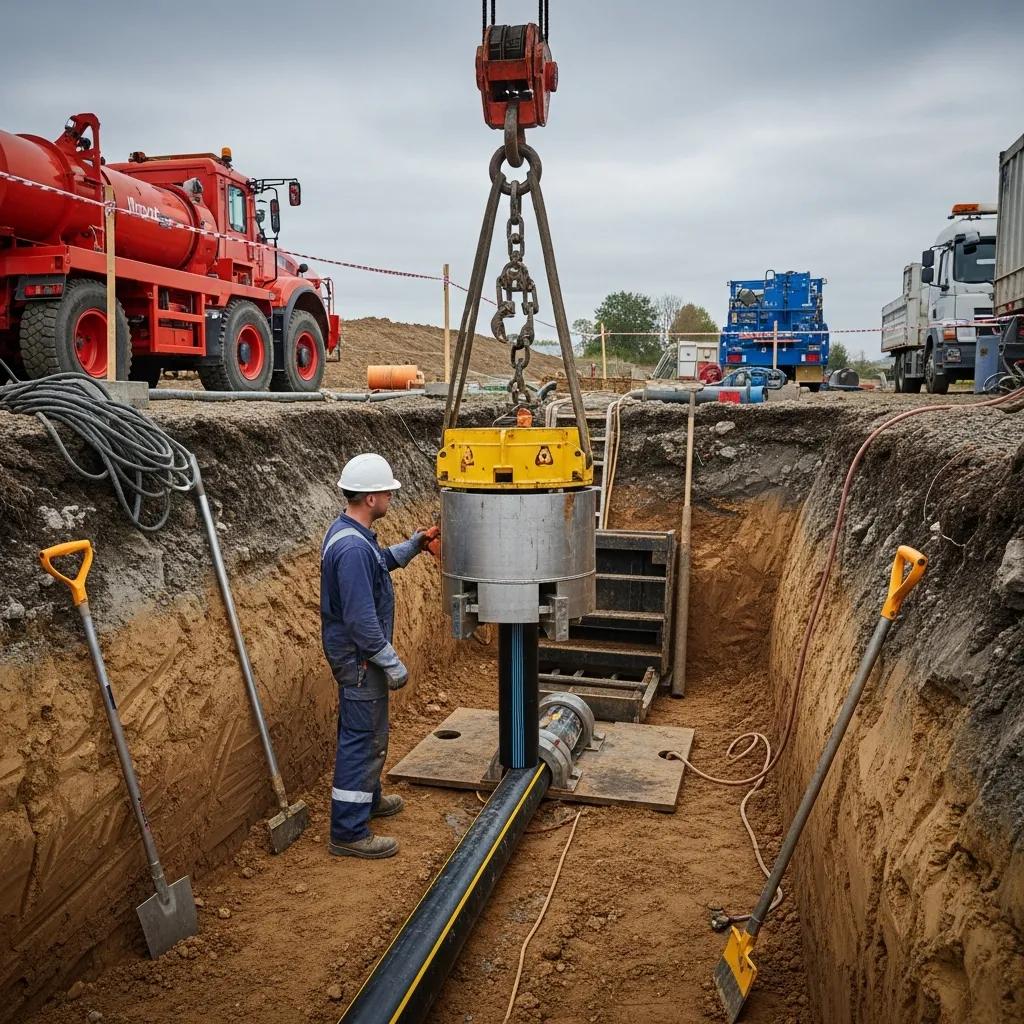
Pipe bursting replaces a failing sewer by pulling a bursting head through the old line, which fractures the existing pipe outward while a new pipe is pulled into the created space. The process uses two small pits—a launch and a receiver—and an expander or bursting head to displace the old material into the surrounding soil as the new pipe is installed. Pipe bursting is recommended for collapsed or heavily damaged pipes and when upsizing is desired to reduce future blockages. It requires careful utility locating and planning but delivers a full replacement without a continuous trench—especially useful for older clay or cast‑iron lines that have failed structurally.
Benefits and cost drivers for trenchless sewer repair in Grosse Pointe
Trenchless repair gives homeowners clear benefits: less damage to landscaping, faster project timelines and lower restoration costs, which often offset higher equipment or material costs per foot. Environmentally, it means less soil disturbance, fewer truck trips and lower emissions from heavy excavation—advantages that resonate in residential neighborhoods. Typical cost drivers in Grosse Pointe include pipe length and diameter, pipe material, depth and access, the severity of damage, and whether lateral reconnections or permits are required. Knowing these drivers helps you read estimates more clearly and weigh trenchless against open‑trench alternatives.
Below is an organized look at common cost factors and how they affect pricing.
| Cost Driver | How it Affects Cost | Example / Value Range |
|---|---|---|
| Pipe Length and Diameter | Longer runs or larger diameters mean more material and labor | Short runs (10–30 ft) are less expensive; costs scale with length |
| Access Requirements | Tight access or deep mains increase labor and pit preparation costs | May need extra excavation or specialized equipment for deep lines |
| Damage Severity | Collapsed or badly corroded pipe usually requires replacement rather than relining | Replacement (pipe bursting) generally costs more than relining |
| Lateral Reconnection Needs | Reinstating or repairing laterals adds time, parts and inspection work | Multiple laterals increase labor and overall project cost |
That cost breakdown shows why a clear camera inspection is essential before committing to a method. When inspection finds isolated cracks, relining is often the most economical route; when collapse or major offsets are present, bursting may avoid repeat work and offer better long‑term value.
How trenchless repair reduces disruption and environmental impact
Trenchless techniques keep most work in small access pits rather than a long open trench, which cuts the need to remove and replace lawns, driveways and mature vegetation. With less excavation there are fewer heavy‑equipment crossings that can compact soil and damage tree roots. Environmentally, that means less erosion, less restoration waste and fewer truck trips hauling spoil and bringing materials—making trenchless a greener option in many neighborhoods. For homeowners, the practical benefits are less time without outdoor access and smaller out‑of‑pocket restoration bills. Those lifecycle advantages often outweigh higher upfront equipment costs.
What drives relining cost and where long‑term savings come from
Key cost factors include liner or pipe material and diameter, run length, lateral complexity and any permitting or utility coordination. Long‑term savings come from avoided landscape and hardscape restoration, reduced maintenance when high‑quality liners or new pipe are used, and less disruption during construction. When reviewing bids, ask contractors to itemize camera inspection fees, materials, access pit work, lateral work and final testing so you can compare offers fairly and see true long‑term value.
Step‑by‑step: how a trenchless sewer repair project is executed
Trenchless projects follow a straightforward sequence from diagnosis to testing and minimal restoration. Knowing the steps helps you plan for timing and access. Typical phases are: camera inspection, cleaning and prep, choosing lining or bursting, opening small access pits, executing the method (liner inversion or bursting), curing or installing the new pipe, camera re‑inspection, pressure/flow testing and final surface restoration. Each step uses specific tools and produces clear milestones you can track. The table below maps phases to tools and expected timeframes so you know what to expect on site.
| Step | Action | Tool/Entity Involved | Typical Timeframe |
|---|---|---|---|
| Inspection | Video the pipe interior to identify issues | Sewer camera inspection | 1–3 hours |
| Cleaning | Remove roots and debris to prepare the host pipe | Hydro‑jetting, mechanical root cutters | 2–6 hours depending on severity |
| Access | Open small pits for equipment insertion | Small excavator, hand tools | 2–6 hours |
| Execution | Perform CIPP lining or pipe bursting | Inversion drum or bursting head | 4–10 hours (project dependent) |
| Verification | Camera re‑inspection and pressure/flow testing | Inspection camera and testing gear | 1–3 hours |
This sequence gives a clear how‑to timeline so homeowners can set realistic expectations. Accurate inspection guides the whole process, which is why many contractors prioritize camera evaluation before issuing firm estimates and schedules.
What happens during the initial inspection and site prep?
Initial work starts with a full camera pass to document defects, distance markers and any blockages that could affect lining or bursting. After inspection we schedule cleaning—usually hydro‑jetting and mechanical root removal—to clear the line. Site preparation includes picking launch and receive pit locations and marking utilities to avoid conflicts during limited excavation. Expect the crew to walk you through access plans and temporary landscape protection; clear communication at this stage reduces surprises and helps keep the estimate accurate. Once permits and approvals (if needed) are in place, crews move forward with the chosen trenchless method.
How are pipe lining and bursting applied and finished?
For CIPP lining, a cleaned pipe receives the resin‑saturated liner which is inverted or pulled into place and cured by steam, hot water or UV to form a new inner pipe; crews then reinstate lateral connections and perform a final camera inspection. For pipe bursting, crews dig two small pits, run the bursting head to fracture the old pipe outward and pull the new pipe into place, then reconnect laterals and test for leaks and flow. Both methods finish with camera re‑inspection, flow testing and minimal surface work such as backfill and turf replacement. For short runs many projects complete in a single day; longer segments may take a few days.
Why choose Frost & Kretsch Plumbing for trenchless work in Grosse Pointe and nearby areas?
Frost & Kretsch Plumbing serves Grosse Pointe and surrounding counties with residential and commercial plumbing services that include trenchless sewer repairs, modern diagnostics and straightforward pricing. Our team uses sewer camera inspection to guide method selection and offers both CIPP lining and pipe bursting so we can match the fix to the condition. Led by owner Dave Kretsch, we prioritize clear communication, thorough diagnostics and minimizing disruption during repairs. If you want a local provider who will perform a camera‑first evaluation and present a clear no‑dig estimate, we offer scheduling and 24/7 emergency assessments to handle urgent sewer problems.
Local experience and our customer satisfaction promise
We bring local expertise across Grosse Pointe, Macomb, Oakland and Wayne counties and use a diagnostic‑first workflow so homeowners get the right trenchless recommendation. Our approach is customer‑focused: transparent pricing, a 100% satisfaction commitment and estimates based on camera findings to reduce surprises. Owner‑led crews and experienced technicians oversee fieldwork to ensure quality and accountability. Expect a clear explanation of options—lining or bursting—backed by inspection footage and a written estimate that lays out the scope of work.
How our 24/7 emergency services support no‑dig repairs
Frost & Kretsch Plumbing responds 24/7 for rapid camera inspections and temporary mitigation when sewer failures threaten property or health, allowing quick diagnosis without unnecessary excavation. In emergency cases we can do urgent cleaning or short‑term flow restoration and then schedule a full trenchless repair once conditions are stable. That approach limits escalating damage and helps prioritize permanent no‑dig fixes that avoid repeated disruption. For urgent sewer problems, fast diagnostics followed by the right trenchless solution often reduce long‑term repair costs and prevent more invasive work.
Common questions about trenchless sewer repair — FAQs and expert answers
This FAQ answers typical homeowner questions about lifespan, value and how trenchless compares with traditional excavation. Each Q&A gives a short, practical answer followed by supporting details so you can decide with confidence based on inspection data, cost drivers and long‑term performance. Our goal is to reduce uncertainty and encourage a diagnostic‑first approach.
How long does trenchless sewer repair last, and is it worth the investment?
Quality trenchless repairs—well‑installed CIPP liners or new pipe from bursting—typically last for decades, often 50 years or more under stable conditions. Short answer: yes, trenchless can be worth the investment when it avoids costly restoration and inspection confirms it’s suitable. Benefits include fewer repeat repairs, preserved landscaping value and the long service life of modern resins and polyethylene pipe. Regular inspections and basic maintenance help maximize lifespan and keep warranties valid.
How does trenchless differ from traditional open‑trench repair?
The main differences are surface impact, timeline and restoration cost. Trenchless minimizes surface disruption and usually finishes faster, while open‑trench replacement lets you fully remove and replace the line but requires significant landscape and hardscape restoration. Trenchless methods use smaller access points and typically lower restoration expenses; open trenching can be more practical for extremely complex lateral networks or when full replacement is required by codes. Both can be durable; lining is excellent for rehabilitating a structurally sound host pipe, while bursting is best when a full replacement is needed. The right choice depends on camera inspection findings, property limits and long‑term goals.
- Key takeaway: Start with a camera inspection — it tells you whether relining or replacement gives the best balance of cost, disruption and longevity.
- Decision principle: If the host pipe alignment is acceptable and defects are localized, CIPP lining usually minimizes cost and disturbance; if the pipe is collapsed or capacity must increase, pipe bursting is preferable.
- Practical advice: Ask for inspection footage and an itemized estimate so you can compare true costs including restoration.
These points reinforce a diagnostic‑first approach and give clear criteria for homeowners evaluating trenchless options.
- Inspection first: Camera data drives method selection and cost transparency.
- Compare restoration costs: Make sure estimates include landscape and hardscape replacement, if needed.
- Plan for lifespan: Factor in long‑term performance when weighing upfront costs.
These lists and tables give structured, actionable guidance so property owners in Grosse Pointe and nearby areas can make informed trenchless repair decisions without unnecessary excavation or surprise expenses.
Frequently Asked Questions
What are the environmental benefits of trenchless sewer repair?
Trenchless methods reduce environmental impact versus full excavation. By limiting surface disturbance they help prevent soil erosion and protect existing vegetation, including mature trees. Fewer heavy‑machinery movements lower carbon emissions and noise, and the reduced need for major restoration cuts waste from removed materials. For homeowners who value greener choices, trenchless repairs are often the preferred option.
How do I know if trenchless repair is suitable for my property?
The best way to know is a sewer camera inspection. The inspection shows the pipe condition—cracks, collapses, root intrusion—and helps determine if lining or bursting will work. Other factors like pipe material, access and the extent of damage also matter. Talk with a local expert like Frost & Kretsch Plumbing for a tailored recommendation based on your situation.
What is the typical timeline for a trenchless sewer repair project?
Timelines vary with pipe length, chosen method (CIPP or bursting) and damage severity. From inspection to final testing, short runs can be completed in a single day; more complex or longer jobs may take a couple of days. Your contractor should give a clear schedule once the camera inspection and prep work are complete.
Are there any risks associated with trenchless sewer repair?
Trenchless repair is generally safe and effective, but risks arise if the initial inspection is incomplete. An unsuitable method can lead to partial repairs or future issues. Complications can also occur if underground utilities aren’t properly located. Reduce risk by working with experienced professionals who prioritize thorough diagnostics and clear communication throughout the project.
How can I maintain my sewer system after trenchless repair?
After trenchless repair, schedule periodic camera inspections to monitor pipe condition. Avoid flushing non‑biodegradable items, limit harsh chemical use and manage tree roots near sewer lines. Proper drainage around your property also helps maintain system health. These simple steps extend the life of your repair.
What should I expect during the trenchless repair process?
Expect a clear, step‑by‑step workflow: initial camera inspection, cleaning, small access pits, the chosen repair (CIPP lining or pipe bursting), re‑inspection and minimal surface restoration. Good contractors keep you informed from inspection through testing so you know what’s happening and when the work will be complete.
Conclusion
Trenchless sewer repair offers major advantages: less disruption to your property, faster completion and long lasting results. With modern techniques like CIPP lining and pipe bursting, homeowners get efficient, eco‑minded solutions that often cost less over the long run when you include restoration and downtime. If you’re facing sewer issues, schedule a sewer camera inspection with Frost & Kretsch Plumbing to see whether a no‑dig option fits your home. Contact us to arrange an evaluation and get a clear, written estimate.