
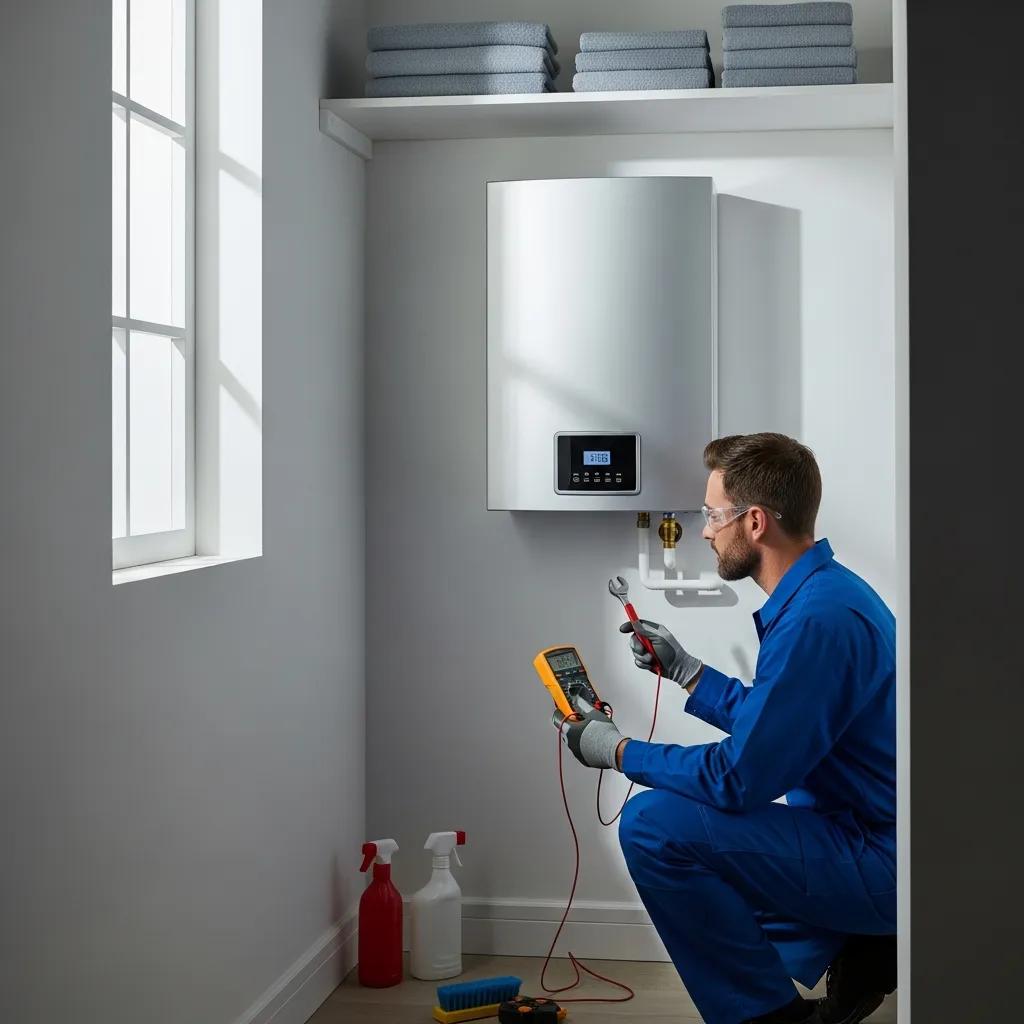
No Hot Water? Troubleshooting Your Water Heater in Grosse Pointe
Losing hot water unexpectedly is more than an annoyance — it affects baths, dishes and daily routines. The cause can be as simple as a tripped breaker or as involved as a failed element or gas ignition issue. This guide walks you through what “no hot water” usually means, why it happens on different systems, and safe checks you can do at home that often restore service without an emergency call. You’ll get the most common causes, a safety-first troubleshooting sequence, type-specific checks for gas, electric and tankless units, and clear signs for when to call a professional. Frost & Kretsch Plumbing serves Grosse Pointe and nearby Macomb, Oakland and Wayne counties with 24/7 emergency service, licensed and insured technicians, and free estimates for maintenance, repair and installation of gas, electric and tankless water heaters — included as a local resource if you need expert help. The guide ends with prevention tips to cut down on future failures and a short FAQ for quick answers about resets and DIY limits.
What Are the Most Common Causes of No Hot Water?
No hot water usually comes from one of three sources: a supply interruption, a failed heating component, or a control-system problem. Supply issues — like a tripped breaker, a closed gas valve, or an interrupted fuel supply — usually cause a sudden, total loss of hot water. Component failures (burnt elements, bad thermostats, a clogged dip tube) more often cause weak or inconsistent hot water. Control and sensor faults, especially on tankless units, include failed flow sensors, ignition control errors, or scale-triggered codes that stop heating. The quick comparison below helps match symptoms to likely causes and the next step to take.
This table lists common causes, telltale symptoms, and quick actions to try before calling a pro.
| Cause | Typical Symptoms | Quick Fix / When to Call a Pro |
|---|---|---|
| Tripped breaker or power loss | No hot water at all; other appliances may be without power | Reset the breaker; if it trips again, call an electrician |
| Pilot light or ignition failure (gas) | Cold water, possible smell of gas, pilot out | Follow the manufacturer’s safe relight steps; call a pro if you still smell gas |
| Failed heating element (electric) | No hot water or very little hot water | Check / reset breaker; if power is present, element replacement may be needed |
| Thermostat or control fault | Temperature swings or cycling | Try a reset; schedule a licensed technician for diagnosis |
| Sediment buildup | Less hot water, rattling or popping sounds, uneven heat | Flush the tank; arrange a professional flush if heavy sediment is present |
| Flow sensor / scale (tankless) | Error codes, intermittent heat, unit shuts off | Run the manufacturer reset; call for descaling or sensor repair if problems persist |
| Pressure relief valve / drain valve leaks | Visible leaking or loss of pressure | Tighten or test the valve; replace with a pro if it keeps leaking |
This table helps you see which problems you can safely address and which need a licensed technician. Next up: checks tailored to each water heater type.
Which Gas Water Heater Problems Cause No Hot Water?
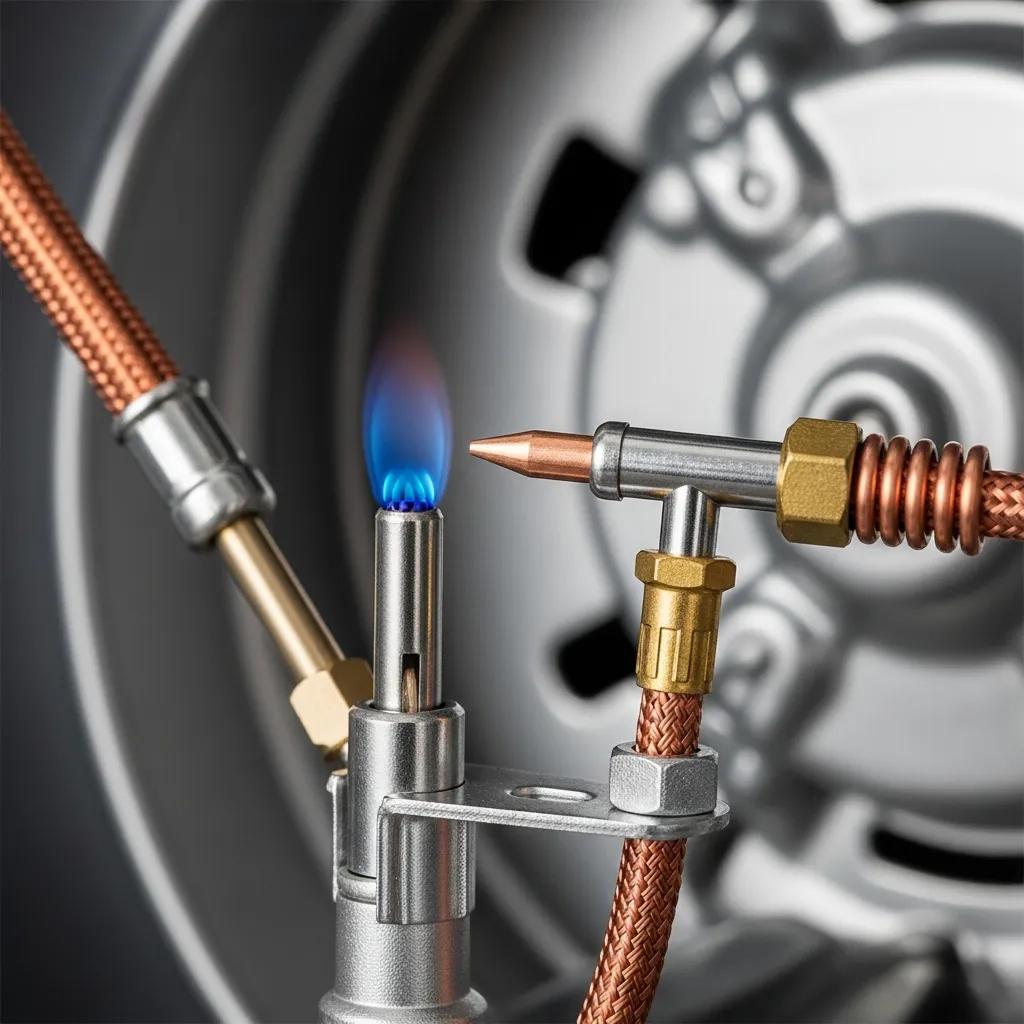
Gas heaters most often fail when the pilot light goes out, the thermocouple stops sensing flame, or the gas control valve malfunctions — any of these will prevent the burners from firing. If the pilot is out and there’s no gas smell, a safe relight following the manufacturer’s instructions will often restore service. If the pilot lights but won’t stay lit, the thermocouple is a common culprit and usually needs replacement by a qualified technician. If you detect a gas smell, strange combustion odors, or repeated ignition failures after safe relighting attempts, evacuate the area and contact emergency services and a licensed professional right away.
These gas-specific checks move you from a basic look-over to safe relighting attempts or professional intervention when necessary.
What Electric Water Heater Issues Lead to No Hot Water?
Electric water heaters usually stop heating because a breaker tripped, an internal high-limit switch tripped, or one or both heating elements failed; bad wiring or a failed thermostat can also be the cause. Start with the breaker panel and look for a reset button on the heater—resetting power can restore service after a temporary overload. If the unit has power but the water stays cold, a heating element or thermostat is likely at fault and needs testing with a multimeter after power isolation. Element or thermostat replacement, and any wiring work, should be done by a licensed electrician or plumber to stay safe and meet code.
These checks help you figure out whether a simple reset will do or whether a pro should handle the component work.
How Can You Troubleshoot Your Water Heater Step-by-Step?
A safety-first, step-by-step approach resolves many no-hot-water problems while keeping people and property safe. Start with general safety and supply checks, then move to type-specific tests and basic resets homeowners can do without special tools. Stop and call a licensed professional if you find a gas leak, burning smells, visible corrosion, or recurring failures. The numbered steps below walk you through the most common causes in a logical order.
- Safety and awareness check: Smell for gas, note any burning odors, and make sure the area is ventilated before you get close to the unit.
- Power and fuel verification: Confirm breakers are on for electric heaters and that the gas supply valve is open for gas units.
- Visual inspection: Look for leaks, standing water, rust, or obvious damage to valves, fittings and venting.
- Simple resets and relights: Use the heater’s reset button for electric units and follow the manufacturer’s pilot relight steps for gas models — stop immediately if you smell gas.
- Monitor and isolate: If a fix restores heat temporarily, watch for recurrence; if the problem returns, schedule a professional diagnostic.
Following this order reduces risk and quickly shows whether the issue is something a homeowner can fix or if a licensed technician is required. Next are more detailed, type-specific diagnostics.
What Safety Precautions Should You Take Before Troubleshooting?
Safety first. Turn off electrical power at the breaker for electric heaters and shut off the gas supply for gas units unless you’re doing a manufacturer-approved pilot relight. If you smell gas, stop, ventilate the area by opening doors and windows, evacuate people and pets, and call emergency services or a gas technician — do not attempt repairs. Wear gloves and eye protection when working with drains or valves, and keep flammable materials away from the unit when inspecting burners or venting.
These precautions protect you and help avoid turning a small problem into a dangerous situation.
What Are the Initial Checks for All Water Heater Types?
Do a quick, noninvasive checklist that catches most simple faults: confirm power or gas, check breakers and shutoff valves, and scan for leaks or damage. Reset a tripped breaker once; if it trips again right away, stop and call an electrician. For gas units, make sure the gas valve is open and look at the pilot for flame or soot that could block ignition. Check for pooling water, dripping pressure relief valves, and unusual noises — these signs often point to needed maintenance like flushing or valve replacement.
These basic checks are fast and usually show whether you’re dealing with a supply issue or something that needs targeted diagnostics.
How Do You Diagnose Specific Water Heater Types for No Hot Water?
Diagnosing by type lets you apply the right tests and fixes more quickly. Gas, electric and tankless systems have different parts and failure modes: gas units rely on pilot, thermocouple, burner and venting; electric units need checks of breakers, thermostats and heating elements; tankless systems depend on flow sensors, ignition controls and scale-free heat exchangers. The compact matrix below compares likely faults, needed observations or tools, and next steps for each system type.
| Water Heater Type | Likely Faults | Diagnostic Steps / Tools Needed |
|---|---|---|
| Gas (tank) | Pilot out, thermocouple, gas valve, burner obstruction | Check pilot visually, smell-test for gas, follow safe relight steps, inspect burner and venting |
| Electric (tank) | Tripped breaker, failed elements, thermostat, wiring | Check breakers, reset high-limit, visually inspect wiring, multimeter testing of elements and thermostats |
| Tankless (on-demand) | Flow sensor, ignition control, scale buildup, error codes | Read error codes, run manufacturer reset, confirm minimum flow rate, arrange professional descaling if needed |
This comparison helps you select the correct diagnostic path and decide whether you need basic tools like a flashlight and pliers or professional instruments for deeper testing.
How to Troubleshoot Gas Water Heater Pilot Light and Ignition Issues?
Begin with a safe visual check of the pilot assembly and only relight following the manufacturer’s instructions if there’s no gas smell and the area is ventilated. Relighting will often fix a pilot that blew out. If the pilot lights but the main burner won’t stay on, the thermocouple may not be sensing flame and usually needs replacement by a technician. Blocked burners or a clogged flue can stop proper combustion and require cleaning by a pro. Persistent ignition failures, a lingering gas odor, or soot around the combustion area are red flags — stop DIY repairs and call a licensed technician immediately.
These steps put safety first and identify when component-level repair or replacement is necessary.
What Are Common Electric Water Heater Heating Element and Thermostat Problems?
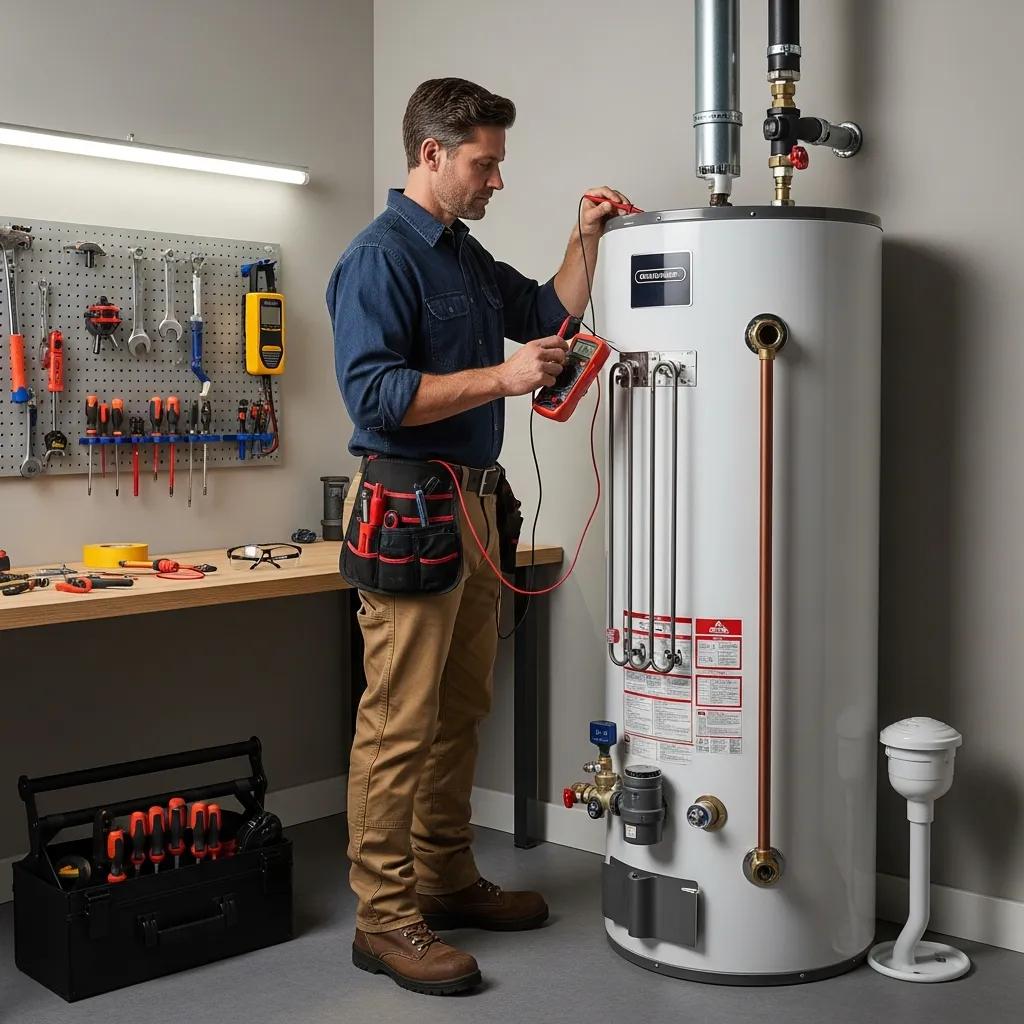
Electric units often fail when one or both heating elements burn out, thermostats stop regulating temperature, or heavy sediment shortens component life. A homeowner can check the breaker and reset the high-limit switch, but element resistance testing requires power isolation and a multimeter and is best left to a licensed pro. If one element is out, you may still get some hot water from the other until it’s replaced. Recurrent element failures often point to sediment buildup or voltage problems that a professional should investigate to avoid repeat breakdowns.
This helps you tell the difference between a temporary electrical reset and a component failure that needs safe professional repair.
What Tankless Water Heater Problems Cause No Hot Water?
Tankless heaters depend on sensors, ignition modules and sufficient water flow to fire the burner or element. Common problems include faulty flow sensors, ignition errors, and scale build-up on the heat exchanger. If the unit shows error codes, check the manufacturer’s guide — many codes can be reset, while persistent scale or sensor faults require professional service. Low incoming flow from closed valves or clogged aerators can prevent activation, so check flow first. Regular descaling and service keep tankless units working well, and professional flushing is often needed where limescale is heavy.
Knowing these tankless-specific failure modes helps you test the simplest triggers first and schedule descaling or sensor repair when required.
When Should You Call a Professional for Water Heater Repair?
Call a licensed professional right away for suspected gas leaks, electrical burning smells, ongoing failures after basic checks, visible corrosion, or active water pooling around the unit. Units that repeatedly trip breakers, have frequent element or thermocouple issues, or show tank leakage need professional diagnostics because these signs often point to deeper problems or safety risks. Also consider professional inspection or replacement planning for older units or systems with heavy sediment that reduce efficiency and increase failure risk. Frost & Kretsch Plumbing offers emergency water heater repair with licensed, insured technicians and free estimates when professional service is the right next step.
This guidance helps homeowners know when DIY attempts are unsafe or ineffective and when to hire a licensed pro.
What Are the Warning Signs You Need Expert Water Heater Repair?
Urgent signs that require pro attention include a clear gas odor, electrical burning or scorch marks, water steadily pooling beneath the tank, and no hot water after resets or relights. Repeated breaker trips or the need for frequent resets point to serious electrical or control issues that can present a fire hazard and need a licensed electrician and plumber. Visible corrosion on the tank, valves or fittings often means the tank is near the end of its life and may need replacement. If you see any of these signs, stop troubleshooting and schedule licensed service to prevent damage or danger.
Spotting these high-risk signs keeps you safe and shows the value of timely professional help.
Why Choose Frost & Kretsch Plumbing for Emergency Water Heater Service in Grosse Pointe?
Frost & Kretsch Plumbing offers 24/7 emergency response and specializes in maintenance, repair and installation of gas, electric and tankless water heaters. Our local focus means our technicians know neighborhood needs and how local water quality affects equipment. We stock common parts and work with trusted brands like Lochinvar and Bradford White. We also provide transparent pricing, free estimates, licensed and insured technicians, and a satisfaction guarantee — so you know what to expect. Expect an initial diagnostic, a clear repair or replacement estimate, and prioritized safety when you call us — hiring a licensed, insured team reduces liability and ensures code-compliant work.
This explains why professional help is the right next step after homeowner checks and leads into preventative maintenance options.
What Preventative Maintenance Tips Help Avoid No Hot Water Issues?
Regular maintenance cuts the chance of sudden no-hot-water events by reducing sediment buildup, keeping burners and elements working properly, and ensuring controls are calibrated. For most homes an annual or every-other-year inspection is enough. Flushing a tank yearly removes sediment that wears elements and reduces heating efficiency; checking and replacing the anode rod prevents premature tank corrosion. For tankless units, scheduled descaling keeps flow and heat-exchange efficiency where hard water is an issue. Professional maintenance plans bundle these tasks into one visit and catch early warning signs before they turn into outages.
These preventative steps extend equipment life and reduce emergency calls. If you prefer professional care, local providers offer scheduled service and free estimates.
How Does Regular Flushing and Inspection Extend Water Heater Life?
Sediment in tank-style heaters lowers heat transfer, makes noise, and speeds corrosion — all of which shorten service life and raise energy use. Flushing removes sediment, improves heating efficiency, and reduces strain on elements or burners, delaying component failure. For tankless units, mineral scale on heat exchangers and flow sensors reduces performance and triggers error codes; professional descaling restores proper operation. Regular inspection during a flush also lets a technician spot failing valves, weak fittings or a worn anode rod before they become emergencies.
Understanding how sediment affects parts makes it clear why scheduled maintenance is a cost-effective way to avoid sudden outages.
What Are Simple Maintenance Steps Homeowners Can Perform?
Homeowners can safely do a few routine tasks to prevent common failures and catch problems early: test the pressure relief valve, drain a gallon or two to check for sediment, look for leaks around the unit, and confirm thermostat settings to avoid overheating. Briefly lifting the pressure-relief lever should produce flow; if it won’t release or keeps dripping afterwards, call a pro. Draining a small amount shows how much sediment is present; heavy sediment means it’s time for a professional flush. Keeping the thermostat near 120°F reduces scald risk, lowers energy use and takes stress off heating elements.
These easy steps are safe, helpful and pair well with professional maintenance for long-term reliability.
Frequently Asked Questions
What should I do if my water heater is leaking?
If you find water pooling under the heater, act quickly. Turn off power to electric units or shut off the gas for gas units. Try to identify the source — common causes are the pressure relief valve, drain valve or a failing tank. A tank leak usually means replacement is needed. Call a licensed plumber right away to assess the problem and prevent further damage.
How often should I flush my water heater?
Flush tank-style heaters at least once a year to remove sediment. In hard-water areas, you may need to flush more often. Regular flushing helps keep your heater efficient and extends its life. If you’re unsure how to flush safely, schedule a pro to do it for you.
What are the signs that my water heater needs to be replaced?
Consider replacing your heater if it’s old (most tanks last 8–12 years), needs frequent repairs, delivers inconsistent temperatures, or shows rust and corrosion. Water pooling at the base or loud internal noises can also indicate serious internal damage. If you notice these signs, have a licensed technician evaluate repair versus replacement.
Can sediment buildup affect my water heater's efficiency?
Yes. Sediment builds up on the tank bottom and insulates water from the heating element, forcing the heater to work harder. That raises energy costs and shortens component life. Regular flushing helps prevent this and keeps your heater running efficiently.
Is it safe to relight the pilot light on my gas water heater?
Relighting the pilot can be safe if you follow the manufacturer’s instructions and there’s no gas smell. If you detect gas, evacuate and call a professional. If the pilot goes out repeatedly, the thermocouple or gas valve may need service — call a licensed technician.
What maintenance tasks can I perform on my water heater?
You can check the pressure relief valve, drain a small amount to inspect for sediment, look around the unit for leaks, and confirm thermostat settings. For flushing, replacing elements or any gas or electrical work, hire a licensed professional to be safe and code-compliant.
How can I improve the lifespan of my water heater?
Regular maintenance is the best way: annual flushing, checking and replacing the anode rod as needed, and keeping the thermostat at a safe setting. Address small issues quickly and schedule professional inspections every few years to catch problems early and keep the unit efficient.
Why Is My Water Heater Not Producing Hot Water?
Most often, no hot water means a power or fuel interruption, a failed heating element or pilot/ignition, sediment-reduced heat transfer, or a control failure. Start with simple checks — breakers, gas valve and visible leaks. If power and fuel are present but the unit stays cold, the fault is likely internal (elements, thermostat, thermocouple) and needs component testing. Temporary fixes like resetting breakers or relighting a pilot can help, but persistent problems require professional diagnosis. If you notice gas odor, electrical burning or pooling water, stop and call a licensed technician immediately.
This short answer points you to the detailed diagnostic sections above for step-by-step instructions and safety guidance.
How Do I Reset My Water Heater Safely?
For electric heaters, turn off the circuit breaker before pressing any reset button and do not keep resetting if the breaker trips again — call an electrician. For gas heaters, only follow the manufacturer’s pilot relight steps when there’s no gas smell and the area is ventilated; if relighting fails repeatedly or you detect gas, evacuate and call professionals. Always consult your heater’s manual for model-specific guidance and avoid improvised methods.
These quick reset tips help you attempt safe, approved fixes while clarifying when to stop and seek professional help.
Can I Fix My Water Heater Myself or Should I Call a Plumber?
Simple tasks — checking breakers, relighting the pilot per the manual, testing the pressure relief valve and draining a small amount to look for sediment — are reasonable DIY checks for many homeowners. Complex, hazardous or code-sensitive work — electrical element replacement, gas valve or control replacement, major piping changes, and combustion or venting repairs — should be done by licensed, insured professionals. When in doubt, put safety first and schedule a licensed diagnostic to avoid risk and ensure code compliance.
This helps you balance safe DIY maintenance with professional intervention for dangerous or complicated repairs.
Final action: if you see high-risk symptoms or prefer expert help, Frost & Kretsch Plumbing has licensed, insured technicians, stocked parts for common brands like Lochinvar and Bradford White, transparent estimates and 24/7 emergency service for Grosse Pointe and nearby Macomb, Oakland and Wayne counties.
Conclusion
Knowing the common causes of no hot water and following a safety-first troubleshooting process lets you handle many issues and decide when to call a pro. Use the checks here to minimize disruption and keep your water heater running safely and efficiently. If you’d rather have an expert handle it, Frost & Kretsch Plumbing is ready to help with emergency repairs, maintenance and free estimates in Grosse Pointe and surrounding communities. Reach out anytime to get your hot water back reliably.