Westland Plumber: Fast & Reliable Plumbing Solutions by Frost & Kretsch
Frost & Kretsch Plumbing delivers fast, dependable plumbing service to Westland, MI — from 24/7 emergency response to drain and sewer repairs and water‑heater work designed to limit disruption and protect your property. This page is written for Westland residents and business owners: you’ll find clear descriptions of common plumbing problems, simple steps to reduce immediate damage, and straightforward repair and maintenance options. Many calls we see involve burst pipes, sewer backups, and failing water heaters that threaten daily life and property. Below we explain what to watch for, how technicians diagnose issues, and the fixes that restore safe, lasting service. You’ll also find comparisons of repair methods, practical maintenance checklists, and guidance on when to call a licensed pro. Need help now in Westland? Call Frost & Kretsch at (313) 881-2818 and we’ll dispatch a licensed technician to your property.
What Emergency Plumbing Services Are Available in Westland?
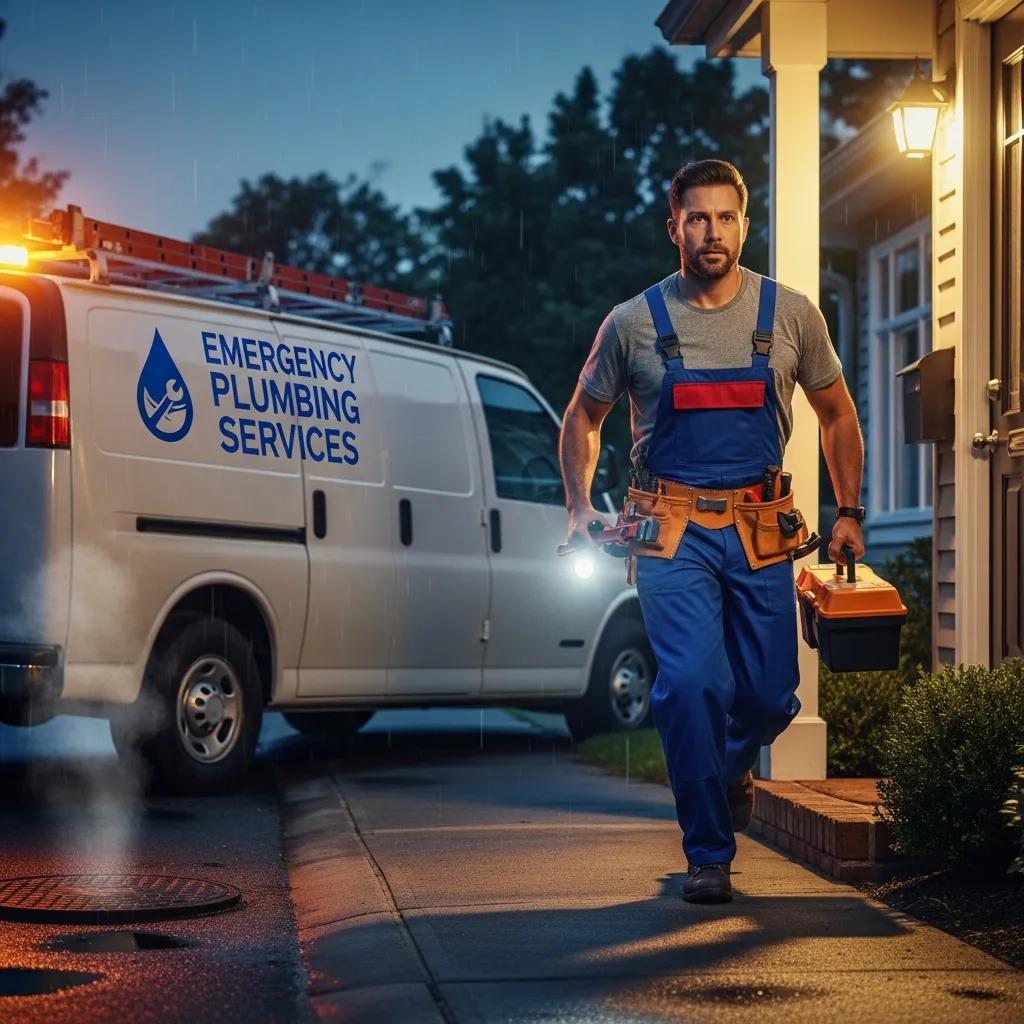
Emergency plumbing covers sudden failures that cause flooding, sewage exposure, or a total loss of hot water and drainage. Our emergency teams focus on fast containment (shutting mains or isolating affected fixtures), temporary measures (patches, clamps, or bypasses) and priority repairs that restore safe operation while we plan a permanent fix. Common emergency situations include burst pipes, major leaks, sewer backups and water‑heater failures. Technicians triage risk, stop active leaks and protect structural elements like floors and drywall. Prompt professional action limits mold, structural damage and business downtime. Technicians use visual checks, moisture meters and targeted camera inspection to choose the right next steps. You can take temporary actions, but when structural harm or sewage is involved, calling a licensed emergency plumber ensures safe mitigation and local code compliance.
Before help arrives, homeowners can use a few simple checks to reduce damage and buy time.
- Shut off the main water valve to stop flooding if a pipe has burst.
- Turn off breakers if water reaches electrical fixtures to lower shock risk.
- Contain sewage or raw‑water backups with towels and sandbags to limit spread.
- Document visible damage and avoid using appliances that could worsen leaks.
Those steps reduce immediate harm and give technicians a safer, clearer starting point for permanent repairs and system testing.
How Does Frost & Kretsch Provide 24/7 Emergency Plumbing in Westland?
We run an on‑call dispatch system that delivers 24/7 coverage for Westland and nearby communities, prioritizing life‑safety and severe property risks. When you call, our dispatchers gather key details, send the nearest licensed technician, and give an estimated arrival window — plus advice on safe actions you can take right away. On arrival the technician performs a rapid assessment, isolates the source (for example, locates a burst pipe or identifies a water‑heater leak), applies temporary containment (shutting valves, installing a clamp) and lays out options and timing for permanent repair. Communication is practical and direct: you’ll get clear choices, cost expectations when possible, and the next steps to restore normal operation. This workflow balances quick response with careful diagnosis to prevent repeat failures and protect your home.
Our dispatch-and-triage process is designed to minimize disruption and hand the job smoothly from emergency stop to long‑term repair planning.
What Are Common Emergency Repairs Like Burst Pipe and Water Heater Failures?
Burst pipes often result from sudden pressure spikes, corrosion, or freezing and show up as active flooding, loud pipe noises, or loss of supply to parts of the house. First actions for homeowners are to shut off the main water and move valuables out of the affected area. Technicians stop the leak, drain lines to relieve pressure and apply temporary repairs (clamps, couplers) to stabilize the system before scheduling durable replacements or re‑piping where needed. Water‑heater failures may present as leaks at fittings, no hot water or strange noises; emergency measures include cutting power or gas to the unit and isolating the incoming water to prevent scalding or continued leakage. A trained technician will inspect tank components — inlet/outlet fittings, drain valve, pressure‑relief valve — perform temporary containment or replace failing parts, and recommend whether a full replacement or targeted repair best restores reliable hot water. Knowing these immediate fixes helps you work with the technician and prioritize repairs that protect your home and health.
When technicians apply temporary fixes, ask about how long those fixes should hold and the timeline for permanent work so you can plan effectively.
Which Drain Cleaning and Sewer Repair Services Does Frost & Kretsch Offer in Westland?
Our drain cleaning and sewer repair services solve slow or blocked drains, recurring clogs and damaged sewer lines using diagnostics and cleaning methods that restore flow and hygiene. Technicians select mechanical snaking, hydro‑jetting or camera inspection based on the type of blockage, pipe condition and desired long‑term result — each method has clear benefits and trade‑offs. Snaking removes local obstructions like hair or small debris with minimal disruption. Hydro‑jetting uses high‑pressure water to cut through grease, roots and heavy buildup across long runs. Camera inspection shows the interior of the pipe so we can plan repairs or replacements. Proactive camera work finds fractures, root intrusion and offsets that indicate spot repair, pipe lining or full replacement. Choosing the right method reduces repeat clogs and prevents unnecessary excavation by matching the technique to pipe material, age and blockage cause.
Here’s a quick overview of common drain cleaning options to help homeowners decide:
- Snaking works well for small, localized clogs and usually restores flow quickly with little downtime.
- Hydro‑jetting tackles heavy buildup, grease and roots and often prevents repeat blockages when the pipe structure is sound.
- Camera inspection diagnoses hidden damage and guides whether repair, lining or replacement is the correct next step.
Below is a comparison table that clarifies when each approach is most appropriate.
| Method | Use-case | Effectiveness |
|---|---|---|
| Snaking (Mechanical) | Local clogs like hair, soap, small debris | High for localized stoppages; limited for grease/root buildup |
| Hydro Jetting | Grease, mineral buildup, tree roots across long runs | Very high for thorough cleaning when pipe walls are intact |
| Camera Inspection | Diagnostic evaluation for recurring issues or unknown causes | Essential for identifying cracks, roots, offsets or collapsed sections |
Inspection plus the right clearing method produces the best long‑term outcome and helps avoid unnecessary digging.
How Is Drain Cleaning and Hydro Jetting Performed in Westland Homes?
Hydro‑jetting starts with a camera inspection or manual diagnosis to confirm the pipe walls can handle high pressure — jetting can stress brittle lines. A high‑pressure nozzle is inserted into the drain and focused water streams shear away grease, scale and roots while the technician monitors flow and pressure to avoid damage. We protect nearby fixtures, alert occupants to short service interruptions and manage wastewater discharge; disruption is usually limited to the service window and flow is restored immediately after cleaning. Compared with snaking, hydro‑jetting gives deeper, longer‑lasting cleaning and cuts down on repeat clogs in many clay or plastic lines when done correctly. Properly executed jetting with camera verification provides a reliable return‑to‑service and a clear record of pipe condition.
Technicians typically recommend hydro‑jetting when repeated clogs point to heavy buildup and camera images show intact pipe walls — it’s often the most cost‑effective long‑term fix.
What Are the Signs and Solutions for Sewer Line Repair in Westland?
Sewer line issues often show up as repeated clogs, slow drains across multiple fixtures, gurgling noises, sewage odors in the yard or basement, or sinkholes in the lawn — signs of a systemic problem rather than a simple trap clog. Diagnosis usually combines camera inspection with targeted excavation only when required; the camera tells us whether spot repair, cured‑in‑place lining or full open‑trench replacement is needed. Spot repairs and pipe lining can fix cracks or root intrusion with minimal disruption, while full replacement is necessary for collapsed pipes, severe offsets or when lining isn’t feasible. Homeowners should weigh cost, expected lifespan and disruption: lining protects landscaping and reduces downtime, while replacement restores full pipe integrity when damage is extensive.
A targeted plan based on inspection keeps costs and landscape impact down while restoring reliable sewer flow and protecting your property.
What Water Heater Repair and Installation Services Are Provided in Westland?
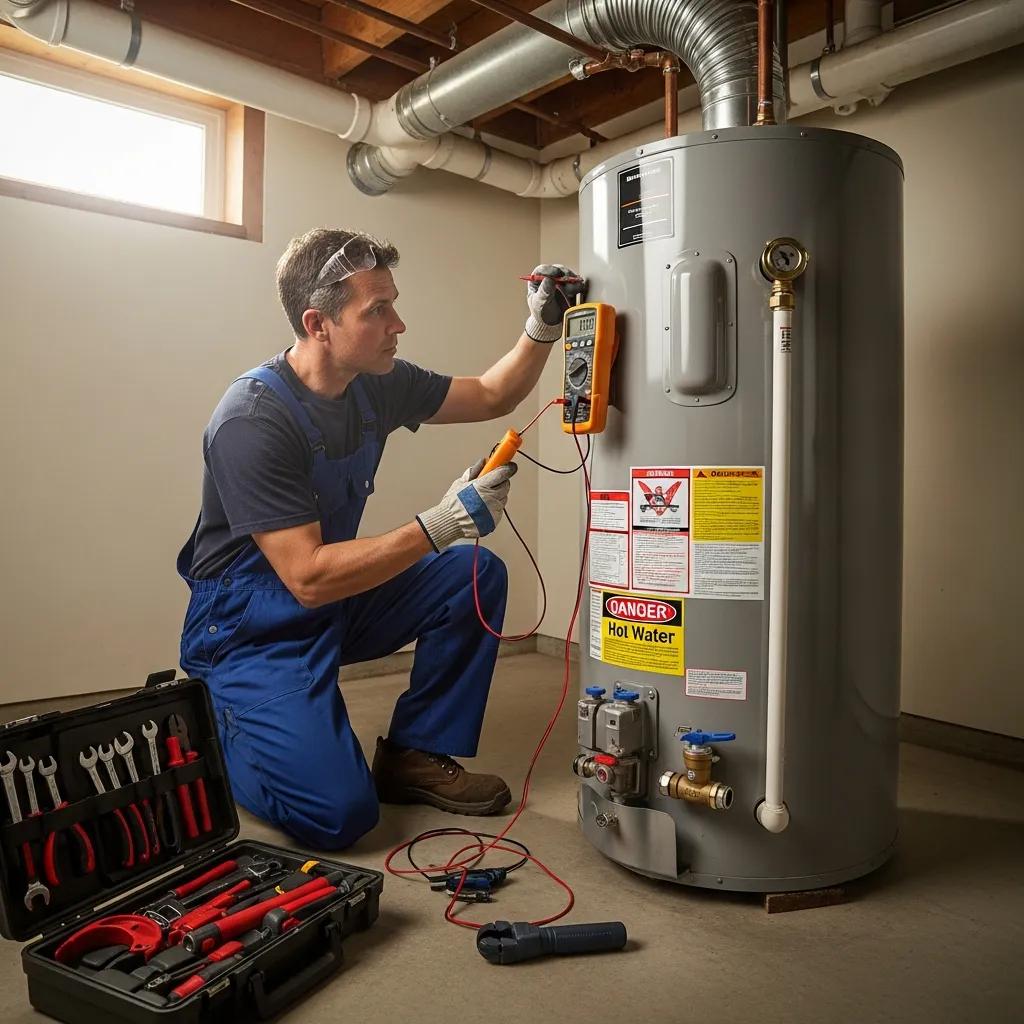
We provide diagnosis, repairs and full replacement or installation for tank and tankless water heaters to match household hot‑water demand and energy goals. Technicians evaluate capacity needs, available energy source (electric or gas) and the existing plumbing to recommend durable, efficient solutions that balance upfront cost with operating efficiency. Regular maintenance — flushing tanks, checking pressure‑relief valves and inspecting connections — reduces emergency calls and extends service life. Proper sizing and installation prevent inadequate hot water or rapid mineral buildup. When considering replacement, homeowners can compare tank, tankless and hybrid options by lifespan, efficiency and space needs to pick the best fit. Clear diagnostic reports help you choose between targeted repairs and replacement based on expected longevity and performance.
| Water Heater Type | Typical Capacity / Source | Typical Lifespan | Common Service Needs |
|---|---|---|---|
| Tank (Electric/Gas) | 30–80 gallons; electric or gas | 8–12 years | Flushing to remove sediment; element or burner replacement |
| Tankless | On‑demand; gas or electric | 20+ years | Scale prevention; periodic service for flow sensors |
| Hybrid (Heat pump) | 40–80 gallons equivalent; electric | 10–15 years | Filter maintenance; refrigerant system check |
This comparison shows tankless units offer longer life and on‑demand efficiency, while tank systems need routine flushing to limit sediment‑related issues.
Which Types of Water Heaters Does Frost & Kretsch Service in Westland?
We service tank and tankless water heaters across Westland and can evaluate hybrid options based on your home’s layout and energy goals. Tank systems are familiar and give predictable storage capacity but need periodic flushing and part replacement to avoid leaks and efficiency loss. Tankless units provide on‑demand hot water and lower standby losses — a good fit for homes with limited utility space or owners focused on long‑term energy savings — though they need scale control in hard‑water areas. Our technicians assess peak demand, venting or electrical capacity and maintenance expectations to recommend the most reliable option for your budget and use. Regular preventive maintenance and correct installation extend performance for any heater type and cut emergency callouts.
An informed choice balances installation complexity, operating costs and your willingness to keep up with routine maintenance.
How Does Tankless Water Heater Installation Benefit Westland Residents?
Tankless water heaters supply hot water on demand, reduce energy lost to standing heat and free up storage space — attractive benefits for Westland homeowners pursuing efficiency. Their longer lifespan and lower standby losses can mean long‑term savings for households with steady hot‑water needs, though upfront costs and installation complexity are often higher than tank units. Proper installation requires checking gas‑line capacity or electrical service, adding scale‑prevention measures and sizing the unit for peak simultaneous demand to avoid shortfalls. Maintenance focuses on descaling in hard‑water areas and keeping vents and sensors clear to prevent flow reduction or burner problems. For many homeowners, the higher initial cost is offset by improved efficiency and space savings when the unit matches household demand.
When weighing tankless, factor installation requirements against projected energy savings and maintenance needs to find the best long‑term value.
What Residential Plumbing Solutions Are Available for Westland Homeowners?
Our residential services include leak detection and repair, fixture servicing (faucets, toilets), sump pump installation and frozen‑pipe repair to keep Westland homes comfortable, safe and dry. Leak detection uses focused tools — listening devices, moisture meters and camera inspection — to find hidden leaks that cause high water bills, mold or structural damage. Fixture repairs and replacements restore function and efficiency, while correctly sized sump pumps protect basements from groundwater during heavy rains. Winterization and safe thawing protocols lower the risk of frozen pipe failures, and regular maintenance prevents seasonal crises. Combining accurate diagnostics with preventive service reduces emergency calls and protects home value.
Use this short checklist to prioritize residential plumbing needs:
- Inspect visible fixtures monthly for drips, loose fittings or changes in flow.
- Schedule leak detection if you notice unexplained water use or damp spots in walls or floors.
- Install or maintain sump pumps in low basements to prevent storm‑related flooding.
- Winterize vulnerable piping and insulate exposed lines before freezing weather arrives.
Following these steps lowers the chance of costly emergency repairs and extends the life of your plumbing system.
How Are Leak Detection and Faucet or Toilet Repairs Handled in Westland?
Leak detection starts with a homeowner interview and visual check, then moves to targeted diagnostics like acoustic listening, moisture meters and camera inspection where line access is needed. After locating the leak, technicians recommend the least‑invasive repair that reliably stops it — from fixture reseals and valve replacements to targeted pipe repairs or localized re‑piping when corrosion is severe. Fixture work often includes replacing cartridges, seals or flappers to restore function and conserve water; toilet repairs commonly address fill valves, flush mechanisms and base seals to stop unseen seepage. We explain the repair scope and expected lifespan so you can decide whether to repair or replace, and we share maintenance tips to help prevent recurrence.
Good leak repair combines precise diagnostics with durable materials so the problem stays fixed.
What Services Are Offered for Sump Pump Installation and Frozen Pipe Repair?
Sump pump work begins with a site assessment to determine pump capacity, basin sizing and proper discharge routing to meet local drainage needs and protect the foundation. Installation includes electrical and backflow considerations, and we recommend primary and battery‑backup pumps where needed. We test under load to confirm reliable operation during storms. For frozen pipes we use controlled thawing methods and pressure management to avoid ruptures; if freezing has caused splits, technicians perform targeted repairs or rerouting. Preventive measures include insulating exposed lines, keeping indoor temperatures steady and installing freeze‑protection loops in vulnerable areas. Properly sized sump pumps and winterization are cost‑effective ways to protect basements and keep plumbing reliable year‑round.
Right‑sized upgrades and correct installation lower the likelihood of emergency calls and limit structural water damage.
What Commercial Plumbing Services Does Frost & Kretsch Provide in Westland?
Our commercial plumbing services scale up diagnostics and repairs to meet business demands — large‑capacity drain cleaning, grease‑trap servicing and commercial water‑heater solutions that minimize downtime and meet regulations. Commercial work requires bigger equipment, coordinated scheduling and a focus on uptime; our crews coordinate with building staff to perform off‑hours service and preventive maintenance that avoids peak disruption. Service agreements often include routine inspections, scheduled drain maintenance and priority emergency coverage to protect revenue. Backflow prevention, grease‑trap maintenance and high‑capacity hot‑water systems are common commercial priorities that require compliance and consistent performance. Tailored commercial plans combine diagnostic rigor with efficient execution to keep facilities running smoothly.
How Are Commercial Drain Cleaning and Water Heater Services Tailored for Westland Businesses?
Commercial drain cleaning uses heavy‑duty snaking and industrial hydro‑jetting for larger sewer mains and grease‑laden lines, with crews scheduling work to limit interruptions during business hours. Commercial water‑heater services emphasize capacity planning, fast component replacement and options tuned to peak loads — multiple tanks or large boilers where appropriate. Technicians work within building regulations, coordinate with property managers and provide documentation for compliance and warranties. Preventive maintenance programs spot wear and buildup before failures occur and schedule service at times that minimize impact on customers and operations. Tailored solutions help businesses maintain consistent service while controlling maintenance costs.
Proactive maintenance and correct equipment sizing are key to keeping commercial plumbing reliable and code‑compliant.
What Is Backflow Prevention and Why Is It Important for Westland Commercial Properties?
Backflow prevention keeps potable water safe by stopping reverse flow from cross‑connections — a vital public‑health safeguard for commercial properties with irrigation systems, boilers or chemical processes. Mechanical backflow preventers are installed at service connections and require regular testing and certification to ensure they work under changing pressure conditions. Neglecting backflow devices can expose building occupants and customers to contamination and may violate local rules, creating liability and health risks. Regular testing, timely repairs and documented maintenance are part of a comprehensive commercial plumbing program that protects water quality and regulatory compliance. Businesses should track testing dates and keep records that demonstrate they meet safety standards.
Proper backflow prevention preserves public health and shields businesses from regulatory penalties and reputational damage.
Why Should Westland Customers Choose Frost & Kretsch Plumbing?
Frost & Kretsch brings licensed, insured technicians, 24/7 emergency coverage and a 100 percent satisfaction guarantee — the trust signals homeowners and businesses look for in a local plumbing partner. We provide transparent, upfront estimates and plain‑spoken explanations of repair options so you can weigh quick fixes against longer‑term investments like pipe lining or water‑heater replacement. Our service area includes Grosse Pointe and surrounding counties, and review ratings reflect strong customer satisfaction across service types — evidence of timely response and solid workmanship. Hiring a licensed, insured provider helps protect you from liability and ensures work meets code; our guarantees give you recourse if expectations aren’t met. For urgent service or to schedule maintenance, call (313) 881-2818 to request an appointment or estimate.
Here are three trust factors customers most often prioritize when choosing a plumber:
- Licensed and Insured Technicians: Protects customers and ensures code‑compliant work.
- 24/7 Emergency Response: Limits damage and restores safe operation fast.
- Transparent Pricing & Satisfaction Guarantee: Reduces surprises and builds confidence in the result.
These elements lower the risk of hiring the wrong contractor and speed recovery after plumbing emergencies.
Are Frost & Kretsch Plumbers Licensed, Insured, and Experienced in Westland?
Yes — our technicians are licensed and insured, which means work follows regulatory standards and customers have protection against on‑the‑job incidents. Licensing verifies training in local codes and safe installation practices; insurance covers accidental damage or injury during service and provides an important layer of financial protection for property owners. Local experience with Westland issues — aging service lines, seasonal freezing and municipal sewer conditions — helps our techs pick the right diagnostics and long‑term solutions. Before major work, confirm credentials and request a written estimate that details scope, materials and warranty expectations to clarify responsibilities and outcomes. These steps follow best hiring practices and reduce the chance of disputes after the job is complete.
Clear credentials combined with local knowledge deliver predictable, code‑compliant outcomes and better long‑term system performance.
How Does Transparent Pricing and Satisfaction Guarantee Benefit Westland Clients?
Transparent pricing starts with a clear, itemized estimate showing labor, parts and any possible extras so you can compare options and budget confidently — reducing surprise invoices. Our 100 percent satisfaction guarantee aligns our incentives with yours by committing to correct issues that don’t meet expectations, increasing accountability and simplifying dispute resolution. Upfront estimates and guaranteed workmanship make it easier to approve necessary repairs quickly, especially during emergencies when delays raise costs and damage. For Westland clients, predictable pricing and a clear guarantee remove common hiring barriers and speed recovery from plumbing failures. Ask for a written estimate and read the guarantee terms so you know what to expect during urgent or complex work.
Transparent pricing and clear guarantees improve the customer experience and make recovery from plumbing problems faster and less stressful.
Frequently Asked Questions
What are the common causes of plumbing emergencies?
Plumbing emergencies often stem from burst pipes caused by freezing, severe clogs from grease or debris, and water‑heater failures due to age or sediment buildup. Other causes include improper installation or neglected maintenance that leads to leaks or malfunctions, and tree roots invading sewer lines which cause backups. Regular inspections and preventive service help catch these issues before they become emergencies.
How can I identify a hidden leak in my plumbing system?
Hidden leaks can be hard to spot, but look for telltale signs: unexplained spikes in your water bill, damp spots on walls or ceilings, mold in unusual areas, a musty smell, or the sound of running water when no fixtures are on. A moisture meter or a professional inspection with targeted diagnostics can locate hidden leaks accurately.
What should I do if my sump pump fails during a storm?
First, stay safe and avoid contact with standing water, especially near electrical appliances. If you can, check for power issues or blockages. A backup pump or a wet/dry vacuum can remove water temporarily. Contact a licensed plumber right away to repair or replace the sump pump and prevent further flooding or damage.
Are there any plumbing issues that I can fix myself?
Some minor tasks are homeowner‑friendly — unclogging a sink, tightening loose fittings or replacing a toilet flapper, for example. But complex jobs like sewer‑line repairs, major leaks or water‑heater replacement are best left to licensed professionals to ensure safety and code compliance. Always assess your comfort level and the risk before attempting a repair.
What is the average lifespan of common plumbing fixtures?
Lifespans vary by fixture: faucets often last 15–20 years, toilets 20–30 years with proper care. Water heaters typically run 8–12 years for tank models and 20+ years for tankless systems. Regular maintenance extends service life, but leaks or poor performance are signs it may be time to replace a fixture. Tracking age and condition helps you plan for upgrades.
How can I ensure my plumbing system is winter-ready?
To winterize, insulate exposed pipes (especially in basements and attics), disconnect and drain outdoor hoses and shut off exterior faucets. Consider heat tape for vulnerable pipes and keep indoor temperatures steady. Make sure your water heater is serviced and flushed if needed. A pre‑winter inspection can identify weak spots and reduce the risk of freeze‑related failures.
Conclusion
Choosing Frost & Kretsch Plumbing means Westland residents get fast, reliable service from licensed professionals who prioritize safety and satisfaction. We handle everything from emergency stops to routine maintenance, helping protect your home or business from costly disruption. With clear diagnostics, transparent pricing and a commitment to quality, we help you make smart, lasting decisions for your plumbing. Call us today at (313) 881-2818 to schedule service or learn how we can help keep your plumbing running smoothly.