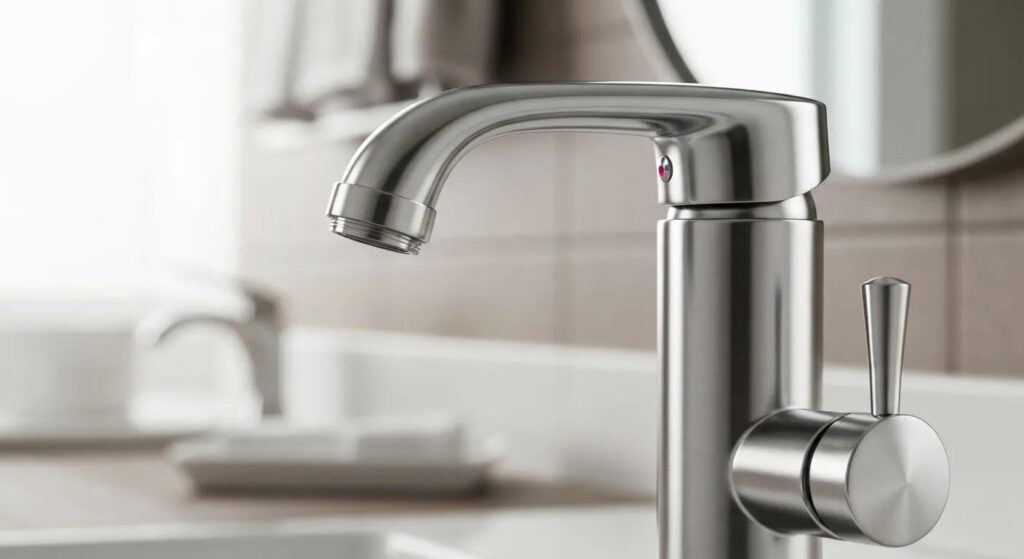
Commercial Fixture Installation
Expert Commercial Plumbing Fixture Installation in Grosse Pointe, MI for Businesses Commercial fixture installation covers the planning, selection, and professional fitting of plumbing fixtures used in business properties—everything from toilets and urinals to commercial sinks, faucets, and high-capacity water heaters. This guide explains how commercial plumbing fixture installation protects operations, ensures code and ADA compliance, and delivers measurable benefits like water efficiency, improved hygiene, and reduced downtime for businesses in Grosse Pointe and surrounding counties. Many facility managers and business owners face uncertainty about fixture types, installation timelines, and cost drivers; this article lays out clear, actionable guidance for selecting fixtures, managing installation projects, and understanding post-installation support. For business owners seeking a local partner for estimates or project logistics, Frost & Kretsch Plumbing offers lead-generation support and can provide on-site or remote estimates—contact them directly to request a quote. Below you’ll find sections on why to choose a professional installer, the types of fixtures commonly installed, the step-by-step installation process, benefits and ROI, cost considerations for Grosse Pointe projects, and concise answers to the most common commercial fixture questions. Why Choose Frost & Kretsch for Your Commercial Fixture Installation Needs? Professional commercial fixture installation requires licensed technicians, strict code knowledge, and clear communication to avoid costly downtime; Frost & Kretsch Plumbing provides local, licensed service with transparent pricing that aligns with these needs. Skilled installers minimize disruption by coordinating permits, verifying ADA and local plumbing-code requirements, and scheduling work to fit business hours. Transparent estimates and upfront scope documents reduce surprises and help managers plan budgets and operations during installation. For businesses seeking reliable installations and follow-up support, Frost & Kretsch can provide estimates and coordinate inspections to keep projects on schedule and compliant. Frost & Kretsch integrates local knowledge and responsive scheduling to limit operational impact while ensuring installations meet Michigan codes and accessibility standards. Their approach emphasizes documentation and clear change-order policies so scope and costs remain transparent throughout a project. The next section breaks down what licensed experience means on-site and why that matters for complex commercial installations. What Makes Our Licensed and Experienced Plumbers Stand Out? Licensed commercial plumbers combine training in code-compliant installation with practical experience across business settings such as offices, restaurants, and retail spaces, enabling efficient diagnosis and installation planning. Technicians focus on safety, correct mounting, and the proper integration of components like supply lines, shutoff valves, and backflow preventers to prevent future failures. On-site staff document measurements, fixture cutouts, and load requirements, which shortens procurement lead time and avoids rework. This operational rigor translates into fewer callbacks and a smoother handoff to inspections and building maintenance teams. Our team’s experience reduces project risk by anticipating supply-chain and site-access issues, which improves uptime for businesses during installations. That operational foresight leads naturally into how we ensure every installation meets ADA and local plumbing requirements. How Do We Ensure Code Compliance and ADA Standards in Installations? Code compliance begins at assessment: installers verify clearances, fixture heights, control types, and routing for accessible fixtures to meet ADA guidance and local plumbing codes. The process involves checking fixture components—mounting brackets, flush valves, and access panels—against clearance and performance specifications to ensure inspectors can sign off without costly revisions. Permitting coordination and documentation accompany installations so businesses receive the records needed for inspections and ongoing maintenance. For site-specific questions about local code nuances in Grosse Pointe, a focused on-site review during the consultation phase confirms exact requirements and timelines. Maintaining code alignment reduces the likelihood of failed inspections and ensures fixtures perform reliably over time. The following subsection explains the transparent pricing practices and satisfaction commitments that support compliance and client trust. What Are Our Transparent Pricing and Customer Satisfaction Guarantees? Transparent pricing starts with a clear estimate that lists fixture types, parts, labor hours, permit fees, and any anticipated plumbing modifications so business owners can compare options and budget accordingly. Estimates clarify scope-of-work, proposed materials, and potential change-order triggers, which reduces misunderstandings during installation. Frost & Kretsch emphasizes communication and post-install follow-up to verify fixtures operate as intended and to address any adjustments quickly. For businesses needing an accurate cost projection, requesting a site assessment is the best next step to receive a detailed, no-surprise quote. A clear estimate combined with documented scope and timely follow-up helps businesses avoid hidden fees and ensures satisfaction through accountability and responsive service. What Types of Commercial Plumbing Fixtures Do We Install and Service? Commercial fixture portfolios include bathroom and kitchen fixtures, specialty touchless fixtures, and high-capacity water heating systems; each category targets different operational needs such as durability, sanitation, and water efficiency. Selection emphasizes components like commercial sinks and commercial urinals, and parts such as flush valves and mounting brackets necessary for long-term reliability. Businesses evaluating upgrades should weigh material options—stainless steel or vitreous china—alongside water-efficiency credentials like WaterSense-compatible faucets. The table below summarizes common fixture types, their use cases, material choices, and efficiency notes to aid quick comparison. Fixture Type Typical Use Case Typical Materials / Options Water-Efficiency Notes Commercial Toilet Restroom fixtures for high-traffic spaces Vitreous china, flushometer or low-flow options Low-flow and flushometer options reduce water per flush Commercial Sink Kitchens, prep areas, and utility sinks Stainless steel (18–22 gauge), integrated faucets Larger basins with pre-rinse faucets improve efficiency Commercial Faucet Lavatories, kitchen, and prep sinks Manual, sensor (touchless), heavy-duty valves Sensor faucets and flow restrictors lower water use Commercial Urinal Male restrooms in high-use facilities Sensor-enabled or manual, porcelain Waterless or low-flow urinals offer significant savings Grease Trap / Interceptor Commercial kitchens to meet health codes Stainless steel, concrete, or modular units Proper sizing reduces clogs and environmental fines This comparison helps facility planners match fixture capabilities to operational needs and prepares them to discuss specific models during procurement. The following subsections describe bathroom, kitchen, and specialty fixture options in more detail. Which Commercial Bathroom Fixtures Are Available for Installation? Commercial bathroom fixtures include low-flow toilets, flushometer systems, sensor faucets, commercial lavatories, and urinals designed for durability and high throughput. Material selection—porcelain for
Commercial Fixture Installation Read More »