Frost and Kretsch Plumbing

Residential Plumbing

Reliable Plumbing Solutions for Homes

Essential Residential Plumbing Services for Every Home

Reliable Plumbing Solutions for Homes Residential plumbing services encompass the full range of systems and interventions that keep a home’s water delivery, wastewater removal, and fixtures functioning safely and efficiently. These services address everything from routine maintenance and fixture upgrades to urgent repairs that stop leaks, clear sewer backups, and restore hot water, protecting property value and preventing costly water damage. Homeowners in Grosse Pointe face particular challenges—aging housing stock, cold Michigan winters, and tree-root intrusions—that make proactive service and fast response critical. This guide explains common local plumbing issues, how professional diagnostics and repair methods work, when to call for emergency help, and practical preventative steps homeowners can take. You’ll find clear symptom checklists, actionable triage steps for emergencies, comparisons of drain-cleaning and water-heater options, and an overview of leak-detection technologies so you can make informed decisions about repairs and maintenance. Read on to learn how to spot problems early, compare repair approaches, and pair smart, seasonal habits with professional services for long-term system reliability. What Are the Most Common Residential Plumbing Issues in Grosse Pointe Homes? Residential plumbing systems in Grosse Pointe commonly suffer from leaks, clogged drains, frozen pipes, low pressure, and sewer backups due to older infrastructure and seasonal stresses. These issues arise because pipe materials age, tree roots invade sewer lines, and winter freeze-thaw cycles place thermal and mechanical stress on piping, producing slow-developing failures that become urgent if unaddressed. Recognizing early signs and responding promptly reduces repair scope and preserves finishes and structural elements. The next subsections list clear symptom checklists, explain freeze risks, and highlight why historic homes need specialized attention. Homeowners should watch for a few recurring warning signs that warrant inspection: Visible water stains on ceilings or walls, which indicate active or prior leaks. Persistent slow drains or recurring clogs in multiple fixtures, suggesting a main sewer issue. Sharp drops in water pressure or sputtering faucets that may point to pipe corrosion or partial blockages. These observable symptoms lead directly into practical homeowner actions and professional diagnostic options, which the next subsection covers in detail. How to Recognize Signs of Leaks, Burst Pipes, and Clogged Drains A leak or burst pipe often begins with subtle performance changes before visible damage appears, so early detection relies on both observation and routine checks. Look for damp spots, peeling paint, warped baseboards, and unexplained spikes in water usage; listen for running water when fixtures are off and check under sinks for small drips. For clogged drains, notice how long water takes to clear, whether multiple fixtures are affected, and odors near floor drains—these point to mainline issues rather than isolated traps. Immediate homeowner actions include shutting off the nearest fixture valve, locating the main shut-off, and placing buckets under active drips to limit damage while you prepare for professional help. Recognizing these early indicators reduces repair complexity and often avoids wall or floor demolition, which is why timely diagnostics are so valuable. What Causes Frozen Pipes and How to Prevent Them in Michigan Winters Frozen pipes occur when water in supply lines or exposed piping drops below freezing, which is a common risk in cold Michigan winters and older homes with uninsulated exterior walls or unheated crawlspaces. Causes include inadequate insulation, drafts around sill plates, unprotected outdoor faucets, and extended cold snaps that leave little thermal margin in vulnerable cavities. Prevention focuses on insulating exposed pipes, using pipe wrap or foam, closing crawlspace vents, allowing low faucets to drip during extreme cold, and protecting exterior valves; for long-term protection consider heat-tracing in critical runs. If a pipe freezes, homeowners should avoid open flames and try controlled thawing with a hairdryer or space heater applied gradually from the faucet toward the frozen section; however, when freeze-related cracking is suspected, a professional inspection prevents hidden water damage. Seasonal prep and simple insulation steps dramatically lower freeze risk and interrupt the cascade from frozen pipe to burst pipe and emergency repairs. Why Do Older Homes in Grosse Pointe Require Specialized Plumbing Attention? Older homes in Grosse Pointe frequently contain legacy materials and system layouts—such as galvanized steel, lead service segments, or undersized sewer lines—that increase the chance of corrosion, scale buildup, and joint failures over time. These properties also often have unique architectural features and limited access that make standard repairs invasive unless targeted trenchless or retrofit techniques are applied. Specialized attention includes materials analysis, code-compliant upgrade recommendations, and minimally invasive diagnostics like camera inspections to map hidden conditions before work begins. Properly matching repair methods to historic construction prevents repeated failures and preserves architectural finishes, making local expertise essential for durable outcomes. Understanding how older materials behave under stress leads naturally into descriptions of professional repair scopes and trustworthy service processes. How Does Frost & Kretsch Plumbing Provide Comprehensive Residential Plumbing Repairs? Comprehensive residential plumbing repairs combine accurate diagnosis, code-compliant repair methods, and clear communication so homeowners understand options and outcomes. Frost & Kretsch Plumbing is a premier plumbing company serving Grosse Pointe and surrounding areas (including Macomb, Oakland, and Wayne Counties). Primary services relevant to this topic: comprehensive residential plumbing services including leak detection & repair, pipe repair & replacement, fixture installation & repair (toilets, tubs, showers, sinks, faucets), water heater maintenance & installation, sump pump & sewage ejection pump services, sewer video camera inspection, sewer & drain cleaning, garbage disposal services, frozen pipe thawing, trenchless excavation/repair capabilities. Unique value propositions cited in the SERP report: 24/7 rapid emergency response, licensed and experienced professionals, transparent pricing and guarantees, local expertise in Grosse Pointe older homes and seasonal challenges, and meticulous cleanup. This combination of diagnostic tools, repair options, and local knowledge helps homeowners move from problem recognition to safe, permanent resolution. The typical service flow begins with targeted diagnostics—visual inspection, pressure tests, or video camera runs—followed by a transparent estimate that outlines options, timelines, and expected disruption. Repairs proceed with licensed technicians using durable materials and approved methods, and the job finishes with system testing and cleanup to restore function and minimize homeowner inconvenience.

Essential Residential Plumbing Services for Every Home Read More »
Essential Drain Cleaning in Grosse Pointe

Drain Cleaning Services: Why You Need Them Now

Essential Drain Cleaning in Grosse Pointe Professional drain cleaning removes blockages and restores proper flow in household and commercial plumbing systems by using diagnostic tools and mechanical or hydraulic methods to clear obstructions. This process addresses the root cause of slow drains, sewage backups, and persistent odors, preventing property damage and health risks while reducing recurring repair costs. In Grosse Pointe, local conditions such as mature trees, older pipe materials, and seasonal groundwater shifts make timely drain service especially important for protecting basements, yards, and connected sewer lines. This article explains how to recognize when a drain needs professional attention, compares methods like hydro jetting and snaking, and outlines preventative maintenance schedules and eco-friendly options that save time and money. You’ll also learn what to do in an emergency, how costs are determined in the area, and when to call a licensed plumber for inspection and repair. Practical checklists, comparison tables, and localized guidance will help you decide the right approach for your home or business in Grosse Pointe. What Are the Common Signs You Need Professional Drain Cleaning? A professional drain cleaning is warranted when observable symptoms indicate an internal obstruction or sewer problem that simple DIY measures cannot safely fix. Early recognition depends on noticing flow changes, noises, and odors that signal progressive buildup, root intrusion, or pipe damage. Timely diagnosis and cleaning reduce the risk of backups and structural damage, and a professional inspection can recommend the most appropriate non-invasive remedy. Below are clear signs that should prompt a professional assessment rather than repeated home repairs. How Can You Recognize a Clogged Drain in Your Home or Business? Clogged drains show specific, fixture-dependent signs that help determine scope and urgency. Kitchens often reveal slow draining and standing water from grease buildup, while bathrooms typically show slow showers or hair-clogged tubs and recurring sink backups. Commercial floor drains or utility drains may emit gurgling sounds or foul odors when trapped debris and biofilm accumulate. Simple checks—such as observing whether multiple fixtures back up simultaneously or whether plunging temporarily restores flow—help distinguish a localized clog from a mainline issue that needs camera diagnostics. What Are the Dangers of Ignoring Drain Issues? Ignoring drain problems allows minor blockages to escalate into sewage backups, water intrusion, and health hazards from bacteria and pathogens. Repeated slow-drain events can weaken pipe joints, accelerate corrosion in older materials, and lead to costly excavation or full-line replacement if roots or collapse occur. Beyond direct repair costs, prolonged dampness and sewage exposure damage finishes, insulation, and personal property, and may necessitate mold remediation. Early professional intervention limits these cascading costs and reduces downtime for homes or businesses. How Do Main Sewer Line Clogs Differ from Regular Drain Blockages? Main sewer line clogs typically affect multiple fixtures at once and often produce yard or basement signs such as soggy patches or sewage pooling. Unlike localized fixture clogs, mainline problems usually require diagnostic camera inspection to locate root intrusions, offsets, or collapsed sections before choosing a remedy. Professionals use this diagnosis to select targeted solutions—such as hydro jetting for root and scale removal—rather than repetitive snaking that treats symptoms but not underlying damage. Detecting mainline issues early preserves system integrity and avoids emergency excavation. Which Drain Cleaning Methods Are Most Effective for Grosse Pointe Residents? Drain cleaning methods vary by severity and pipe condition, and the right choice depends on an accurate diagnosis to maximize effectiveness while minimizing invasiveness. Professionals match tools—hydro jetter, sewer camera, drain snake, or excavation—to the problem type so that homeowners see lasting results. Selecting an appropriate method restores flow, prevents recurrence, and protects aging pipe assets, which is especially important in neighborhoods with mature trees and older sewer infrastructure. The table below compares common methods, their best uses, and typical outcomes to guide decision-making. Method Best For / Limitations Typical Result Hydro jetting Best for grease, roots, scale; not ideal for severely collapsed pipes Thorough cleaning, restores near-new flow Sewer camera inspection Diagnosis for any persistent or recurring issue; low invasiveness Accurate problem mapping, informs targeted repair Drain snaking / augering Quick fix for hair, soap, and minor debris; may not remove scale or roots Immediate flow restoration, temporary in many cases Excavation / trenchless repair Needed for collapsed or irreparably damaged pipes; trenchless limits digging Permanent repair or replacement depending on condition This comparison highlights why diagnostics matter; choosing the most effective method reduces repeat calls and conserves long-term costs and materials. Understanding these options helps homeowners weigh short-term fixes against long-term solutions. What Is Hydro Jetting and How Does It Clear Stubborn Clogs? Hydro jetting uses high-pressure water streams delivered through a specialized nozzle to scour the interior of sewer and drain pipes, removing grease, mineral scale, and root material that mechanical snaking may leave behind. The mechanism combines force and flushing action—water pressure breaks deposits into flushable fragments while clearing lateral buildup—resulting in restored diameter and improved flow. Hydro jetting is especially effective where recurring clogs stem from organic buildup or intrusive roots, yet it requires pipe-condition awareness because very old or fragile lines may need different approaches. A brief camera inspection usually precedes hydro jetting to confirm pipe integrity and ensure the method is safe. How Does Sewer Camera Inspection Help Diagnose Drain Problems? Sewer camera inspection deploys a flexible camera head through cleanouts or fixtures to visualize the pipe interior, revealing cracks, offsets, root intrusions, and exact clog locations without digging. This diagnostic method clarifies cause and scope, allowing technicians to plan targeted treatments like focused jetting, localized repairs, or trenchless rehabilitation. Deliverables typically include time-stamped video and still images that document findings for repair decisions and insurance or municipal reporting when needed. Using camera inspection reduces guesswork, lowers the chance of unnecessary excavation, and often shortens the overall repair timeline. When Is Traditional Drain Snaking or Augering Appropriate? Drain snaking or augering remains a practical first-line response for many common, low-severity clogs such as hair, soap scum, and small debris lodged near fixtures. The auger mechanically

Drain Cleaning Services: Why You Need Them Now Read More »

Expert Residential Pipe Repairs

Residential Pipe Repair Services

Expert Residential Pipe Repairs Residential pipe repair covers diagnosing and fixing water-carrying pipes inside and around the home, including leaks, burst pipes, frozen lines, and failing joints that threaten property and safety. Homeowners facing a leaky pipe or sudden burst need fast assessment, accurate diagnosis, and a repair path that minimizes water damage while restoring reliable service. This article explains common local pipe problems in Grosse Pointe housing stock, step-by-step emergency actions homeowners can take, modern detection and repair methods, material-specific decisions for copper and PEX, freeze-risk reduction strategies, and main water and sewer line options. You will learn how to spot visible and hidden leaks, what to do immediately during an emergency, how advanced detection tools work, and when replacement is preferable to repair. Practical checklists, comparison tables, and decision rules are included so you can act quickly and choose the right professional service when needed. Read on for clear action steps and technical guidance that prepares you for both routine repairs and urgent pipe failures. What Are the Most Common Residential Pipe Repair Issues in Grosse Pointe? Common residential pipe problems in Grosse Pointe include visible leaks, hidden slab leaks, burst pipes from freezing, age-related corrosion in older copper or galvanized lines, and joint failures where fittings degrade. These issues occur because of material fatigue, seasonal freeze-thaw cycles, shifting foundations, and sudden pressure spikes that exploit weak points in the system. Each problem carries risks: water damage to finishes and structure, mold growth from slow leaks, contamination risk from compromised supply lines, and costly emergency excavation or repiping if left unchecked. Understanding the local climate and common construction eras in Grosse Pointe helps homeowners prioritize inspections and preventative work. The next section explains practical signs and homeowner checks to find both visible and hidden leaks before they escalate. How to Identify Signs of Leaky Water Pipes and Hidden Leaks Visible and hidden leaks show different symptom sets, and recognizing both is critical to early intervention and lower repair costs. Visible signs include dripping fixtures, wet stains on ceilings or walls, and pooling water near pipe runs; hidden leaks often reveal themselves through an unexplained rise in the water bill, musty odors, localized mold, or warm spots on floors and walls. A simple homeowner check is to read the meter with all water off; an active meter indicates a leak, and listening for running water behind walls can confirm hidden flow. Documenting signs with photos and notes speeds professional diagnosis and supports insurance claims when applicable. Knowing these indicators leads directly into understanding the root causes that produce burst pipes and early warning signs for imminent failure. What Causes Burst Pipes and How to Recognize Them Early Burst pipes most commonly result from freezing water expanding inside a confined pipe, progressive corrosion that weakens walls, or sudden pressure surges that open fractures at joints and thin sections. Early warning signs include intermittent low pressure followed by sudden high flow, unexplained wet spots after cold snaps, metallic tastes or discoloration from corroded copper, and noises such as banging or hissing within walls. Monitoring pressure, insulating vulnerable runs, and observing performance after cold weather events can reveal vulnerable sections before catastrophic rupture. Quick identification allows homeowners to isolate and minimize damage by shutting off mains and preparing for emergency repair, as explained in the upcoming emergency response section. How Does Frost & Kretsch Plumbing Handle Emergency Pipe Repair in Grosse Pointe? Emergency pipe repair begins with homeowner safety actions, then rapid triage by professionals who stabilize the situation and plan permanent repair. Homeowners should first shut off the main water supply and isolate affected zones, then cut power to flooded areas when electrical hazards exist while documenting damage for insurance and repair planning. Professional response centers on rapid dispatch, temporary stabilization—such as clamp or patch application and controlled drainage—and diagnostic testing to determine whether a localized repair, relining, or replacement is required. The company’s model emphasizes licensed and insured technicians, transparent upfront estimates with no hidden fees, and a satisfaction guarantee to ensure homeowners understand options and costs before work begins. These protocols reduce secondary damage and set the stage for a permanent, code-compliant repair. What Steps to Take Immediately During a Burst or Frozen Pipe Emergency Immediate homeowner steps are simple, prioritized, and focused on safety and containment to limit damage before the professional arrives. First, locate and shut off the main water valve to stop flow; then open faucets to drain the system and reduce pressure on the failed section. Next, turn off electrical breakers to flooded areas if water reaches outlets or appliances to prevent shock and document the condition with photos for repair planning and claims. Contain leaking water with towels, buckets, and pumps if available, then contact an emergency plumbing service that offers 24/7 response so a licensed technician can stabilize and diagnose the failure. Taking these steps speeds stabilization and reduces the extent of restoration needed after the repair. How Our 24/7 Emergency Pipe Repair Service Ensures Fast, Reliable Solutions A reliable emergency service provides rapid dispatch, a clear triage workflow on arrival, and temporary measures that prevent further water intrusion until a permanent repair is completed. Technicians begin with a safety assessment, temporary isolation or clamping of the leak, and controlled water removal; they then run focused diagnostics—such as pressure testing and visual inspection—to determine the scope of repair. Transparent estimates are presented before major work begins so homeowners choose the preferred permanent solution, and satisfaction guarantees ensure follow-up inspections confirm repair integrity. Frost & Kretsch Plumbing operates with licensed and insured professionals who deliver these emergency protocols and honor upfront pricing and satisfaction commitments to provide predictable outcomes during stressful events. What Are the Best Methods for Residential Leak Detection and Repair? The most effective leak-detection approaches combine non-invasive tools and targeted inspection to locate leaks accurately with minimal demolition. Common high-accuracy detection methods include electronic acoustic detection that listens for water flow, thermal imaging that finds temperature anomalies, and video inspection

Residential Pipe Repair Services Read More »

Grosse Pointe Water Softener Solutions

Residential Water Softener Installation

Grosse Pointe Water Softener Solutions Residential water softener installation replaces or augments a home’s plumbing feed with a device that reduces hard water minerals, typically using ion exchange or conditioning methods to prevent scale. This guide explains how water softeners work, why Grosse Pointe homeowners notice scale and spotting, the main system types available, the professional installation steps, expected cost ranges in Michigan, and practical maintenance advice to keep systems performing. Hard water—with dissolved calcium and magnesium—causes scale on pipes and appliances, reduces soap effectiveness, and leads to more frequent repairs; a correctly sized softener restores appliance efficiency and improves cleaning performance. Read on for a step-by-step installation walkthrough, a clear comparison of salt-based, salt-free, and dual-tank systems, transparent cost factors relevant to Michigan installations, and a maintenance checklist so you can spot issues early. If you live in Grosse Pointe and want local water quality testing or a free estimate, this article also explains when to consult a licensed professional and what to expect from a site visit. Understanding these topics will help you choose the right residential water treatment system and know when to call in expert help for installation or repairs. What Is Residential Water Softener Installation and Why Is It Important? Residential water softener installation is the process of fitting a device—typically a salt-based ion exchange system or a salt-free conditioner—into a home’s plumbing to reduce hardness minerals that form scale, restore soap performance, and protect appliances. The key mechanism for most softeners is ion exchange, where calcium and magnesium ions are swapped for sodium or potassium on a resin surface, resulting in softened water downstream; this reduction in dissolved hardness prevents scale accumulation in heaters and pipes. For Grosse Pointe households, local water utility reports and homeowner experience commonly show visible scale, spotty dishes, and reduced heating efficiency, all of which installation directly addresses. Proper installation also includes site assessment for space, drain and electrical access, and a bypass valve so homeowners retain untreated water access when needed. These installation prerequisites lead naturally into the specific hard-water problems Grosse Pointe homes experience and how softeners improve household systems. What Problems Does Hard Water Cause in Grosse Pointe Homes? Hard water in Grosse Pointe primarily manifests as scale buildup inside water heaters and plumbing, mineral spots on glassware, and persistent soap scum on tubs and fixtures. Scale is formed when calcium and magnesium precipitate out of hot water, creating insulating layers on heating elements that reduce water heater efficiency and increase energy use, while pipe scale narrows flow and can lead to more frequent repairs. Homeowners also report increased detergent and soap usage because hard water prevents suds and leaves residue on skin and fabrics, which can make laundering less effective. These visible and operational issues combine into higher maintenance needs and shorter appliance lifespans, increasing the economic case for softening and prompting many residents to consider a system assessment or water quality test. How Does a Water Softener Improve Water Quality and Home Appliances? A water softener improves water quality by removing or conditioning the hardness ions that cause scale, which directly protects water heaters, dishwashers, and plumbing from deposits that reduce efficiency and flow. In ion-exchange systems, resin beads capture calcium and magnesium, exchanging them for sodium or potassium; this chemical change prevents solid scale formation and results in clearer, cleaner rinse performance for dishes and laundry. Reduced scale also helps heating elements transfer heat more efficiently and lowers the frequency of descales and repairs, extending the useful life of appliances. Improved soap performance and less residue on skin and hair are additional household benefits that follow from the chemical and mechanical protection softeners provide, which sets the stage for choosing the right system type for your home. Which Types of Water Softeners Are Best for Your Home? Choosing the best water softener depends on household water hardness, space, maintenance tolerance, and environmental preferences; options include salt-based ion-exchange units, salt-free conditioners, and dual-tank systems that ensure continuous service. Salt-based ion-exchange softeners are the workhorse for high hardness levels because they remove hardness ions effectively, while salt-free conditioners alter mineral crystal structure to reduce scale without ion removal—each approach fits different homeowner priorities. Dual-tank systems provide continuous soft water during regeneration and are suited to large families or homes with high simultaneous demand. Understanding these system types helps homeowners match performance needs to maintenance expectations and budget, which is detailed in the following subsections comparing mechanisms and practical trade-offs. While this guide focuses primarily on residential solutions, Frost & Kretsch Plumbing also extends its expertise to businesses. For commercial properties requiring robust water treatment or other specialized services, their team provides comprehensive commercial plumbing services tailored to business needs. Different system types, how they work, and typical situations where they make sense: System Type How It Works / Pros Typical Situations / Avg Cost Range Salt-based ion exchange Removes hardness ions by exchanging them for sodium/potassium; highly effective at preventing scale Best for homes with high hardness and where true soft water is required Salt-free water conditioner Alters mineral crystal formation to reduce scale without removing ions; low chemical use Good for moderate hardness, low-maintenance preference, or environmental concerns Dual-tank softener Two resin tanks allow continuous soft water while one regenerates; ideal for 24/7 demand Suited for large households or small commercial/residential hybrid uses This comparison highlights that salt-based systems excel at hardness removal while salt-free units trade absolute softness for simpler upkeep; next we detail salt-based mechanics and maintenance expectations. What Are Salt-Based Ion Exchange Water Softeners? Salt-based ion exchange water softeners operate by passing hard water through a resin bed where calcium and magnesium ions bond to the resin and are replaced by sodium or potassium ions, producing water with reduced hardness. These systems require periodic regeneration—flushing the resin with brine from a brine tank—to restore ion-exchange capacity, and homeowners must monitor salt levels and keep the brine tank free of bridging to maintain performance. Advantages include proven effectiveness at eliminating scale

Residential Water Softener Installation Read More »

Expert Garbage Disposal Repair Solutions

Residential Garbage Disposal Repair

Expert Garbage Disposal Repair Solutions A residential garbage disposal repair is a compact motorized unit beneath the kitchen sink that grinds food waste and moves it into the drain line; repair involves diagnosing mechanical, electrical, or plumbing faults and restoring safe operation. This guide explains common failure modes—jamming, humming, leaking, clogging, and motor failure—why they occur, and practical steps homeowners can take to diagnose issues and decide between repair or replacement. You will learn safe troubleshooting techniques, simple reset and unjamming procedures, how internal parts like the impeller and motor affect performance, and local replacement cost ranges for Grosse Pointe. The article also outlines maintenance best practices to prevent repeat problems and describes when to call a professional for same-day or emergency service. Sections cover common problems and fixes, a decision checklist for repair versus replacement with a comparison table, step-by-step troubleshooting and reset instructions, advantages of hiring a plumber, maintenance routines, and emergency response recommendations tailored to Grosse Pointe homeowners. Throughout, keywords like garbage disposal repair, jammed garbage disposal, garbage disposal leaking, and emergency garbage disposal repair are used to help homeowners find and apply the right solution. What Are the Most Common Residential Garbage Disposal Problems? Most residential garbage disposal problems fall into predictable categories: mechanical jams, leaks, humming without rotation, clogs in the drain, and electrical failures that cause no power. These issues arise because disposers combine electrical motors, moving parts (impeller, flywheel), and plumbing connections that can deteriorate or become obstructed over time. Understanding the root cause helps homeowners perform safe initial troubleshooting and avoid worsening damage. The following list highlights the top problems with a concise homeowner action for each to maximize safety and effectiveness. Common disposal problems and quick homeowner actions: Jammed Disposal: Power off and use an appropriate hex wrench or manual rotation to free the impeller. Humming Without Spin: Reset unit, check breaker and outlet, and test again before probing internal parts. Leak at Flange or Pipe: Temporarily place a bucket under leak and inspect sink flange bolts and hose clamps. Clogged Drain: Run cold water and try a plunger, but avoid chemical drain cleaners that can damage seals. Intermittent Power Loss: Check reset button and circuit breaker; persistent electrical faults require a pro. These quick actions reduce immediate risk and often restore function; if symptoms persist, a deeper inspection of the motor, bearings, or mounting is typically needed. Learning safe unjamming and basic leak containment leads naturally into step-by-step unjamming techniques and leak diagnosis that follow. How to Identify and Fix a Jammed Garbage Disposal A jammed garbage disposal is when the grinding chamber is obstructed and the motor cannot rotate the flywheel, often producing a locked or humming feel; identifying and fixing a jam requires safety-first steps to prevent injury. Start by turning off the disposal at the wall switch and, for added safety, switch off the circuit breaker to the kitchen before reaching under the sink. Use an Allen/hex wrench in the disposal’s bottom socket to manually rotate the flywheel until it frees, and check the chamber with a flashlight and pliers to remove lodged debris—never insert your hand into the sink opening. If the unit emits a burning smell, continues to lock after several manual attempts, or the motor overheats, stop and call a professional since internal motor or bearing damage may require disassembly or replacement. Successfully freeing a jam often restores normal operation, and that restoration should be followed by testing the reset and monitoring for recurring jams. What Causes a Garbage Disposal to Leak and How Is It Repaired? Leaks originate from several parts of the system—sink flange, dishwasher hose connection, discharge elbow, P-trap, or a cracked housing—and each source has a targeted repair approach that balances temporary containment and permanent fixes. Small leaks at slip-joint connections or hose clamps are often resolved by tightening hardware and replacing worn washers or O-rings, while a leaking sink flange typically requires removing the unit, reapplying plumber’s putty, and re-securing mounting bolts. Leaks from a cracked disposal housing or motor chamber indicate internal failure and generally necessitate unit replacement due to safety and contamination concerns. For immediate mitigation, place towels and a bucket to catch drips and turn off water to the sink if possible; arrange a professional inspection if you suspect internal cracks, because prolonged leaking can damage cabinetry and finish. Understanding these leak sources guides whether to perform a simple repair now or plan for replacement to prevent escalating damage. After identifying common problems and basic homeowner fixes, many owners prefer to have a professional confirm diagnosis or perform repairs safely; the next section explains repair vs replacement criteria and presents a comparative table to guide that decision. Frost & Kretsch Plumbing notes that homeowners who prefer a professional diagnosis can rely on experienced technicians to properly assess jams, leaks, and motor issues. Their team provides clear upfront estimates and expert repairs so customers understand options before any work begins, which helps avoid surprise charges and ensures proper resolution when initial troubleshooting isn’t sufficient. This professional option is particularly helpful when internal parts or electrical diagnostics indicate deeper intervention is needed. How Do You Know When to Repair or Replace Your Garbage Disposal? Deciding whether to repair or replace a disposal depends on unit age, frequency of issues, cost of parts and labor, and whether structural damage exists; these criteria form a practical decision checklist for homeowners. Repair is often appropriate when a single, affordable part (reset switch, impeller, flange) fails on an otherwise healthy unit, while replacement becomes the better investment for units older than about a decade, with repeated motor burnout, significant corrosion, or cracked housings. Considering downtime, warranty, and long-term reliability helps homeowners balance short-term cost savings against future failures. The table below summarizes repair versus replacement across key attributes to clarify typical outcomes and recommendations. Repair vs. Replacement: comparison for homeowner decisions Option Typical Lifespan After Service Typical Cost Range When Recommended Repair 1–5 years depending on part Low to moderate Single-part

Residential Garbage Disposal Repair Read More »

Emergency Frozen Pipe Thawing Services

Emergency Frozen Pipe Thawing and Repair Services in Grosse Pointe, MI Frozen pipe thawing and burst pipe repair are emergency plumbing services that restore water flow and prevent extensive water damage when temperatures drop below freezing in Grosse Pointe, MI. This article explains how frozen pipes form, how to recognize early signs, the safe professional thawing process, and practical prevention steps tailored to local winter conditions. To generate leads for plumbing services by showcasing expertise and encouraging contact for estimates or service. If you need immediate help, Frost & Kretsch Plumbing offers 24/7 emergency response—call (313) 881-2818 for rapid dispatch. Read on to learn why frozen pipes are urgent, how to diagnose problems quickly, which professional thawing methods are safest, and what homeowners and businesses can do to prevent future freeze events. This guide covers six core areas: local climate risk and damage potential, early detection signs, the professional thawing workflow and safe equipment, prevention and winterization strategies, residential versus commercial solutions, and concise FAQs including immediate actions and cost factors. Throughout, the focus is on practical, actionable advice for residents and property managers in Grosse Pointe, MI, with clear steps to reduce risk and minimize repair time and cost. The next section explains why frozen pipes are a particularly serious emergency in this region. Why Are Frozen Pipes a Serious Emergency in Grosse Pointe? Frozen pipes are a serious emergency in Grosse Pointe because prolonged subfreezing temperatures can create ice blockages that expand and crack pipe walls, leading to sudden bursts and rapid interior flooding. Freezing creates pressure between the ice blockage and closed valves, and when that pressure releases it can send gallons of water into finished spaces, causing structural, electrical, and mold risks. Quick recognition and timely professional intervention reduce repair scope and water damage mitigation needs, which is why local preparedness matters during extended cold spells. Understanding local climate drivers and damage types clarifies why immediate action is prioritized for both residential and commercial properties. How Michigan’s coastal-influenced winters and sudden cold snaps drive repeated freeze-thaw cycles that stress piping systems leads directly into identifying the places most at risk within buildings. How Does Michigan’s Winter Climate Cause Frozen Pipes? Michigan’s winter climate causes frozen pipes when prolonged periods below roughly 20°F allow heat to escape from exposed plumbing faster than a building’s heating system can replace it, and repeated freeze-thaw cycles compound damage. Coastal proximity and wind-driven cold can increase heat loss through exterior walls and crawlspaces, making pipes in those locations particularly vulnerable to ice formation. Air leaks, inadequate insulation, and low overnight thermostat settings all accelerate freezing in supply lines and drain vents, which is why targeted weatherization matters. Recognizing these mechanisms helps property owners prioritize insulation and sealing where it matters most for preventing frozen pipe incidents. This localized explanation of thermal transfer and exposure sets up a clear view of the likely damage when freezing progresses to bursting. What Are the Risks and Damages from Frozen and Burst Pipes? When frozen sections of pipe crack or rupture, even a small opening can discharge dozens to hundreds of gallons per day, producing interior flooding, soaked insulation, damaged finishes, and electrical hazards that rapidly escalate cleanup and repair costs. Secondary consequences include mold growth in hidden cavities, compromised structural components, and disruption to building operations for businesses; these outcomes multiply when response is delayed. Insurance claims and mitigation timelines increase with the amount of water released and time before drying and repairs begin, underscoring the value of immediate professional thawing and burst-pipe repair. Awareness of these risks motivates fast action and appropriate emergency response to limit long-term consequences. Understanding the severity of potential water volumes and downstream damage leads naturally into learning how to recognize frozen pipes early before they burst. How Can You Recognize the Signs of Frozen Pipes Early? Early recognition of frozen pipes centers on identifying sudden reductions in flow, unusual noises, and visible cold spots that indicate ice blockages before they become full bursts. Detecting these signs early enables quick mitigation steps—like opening faucets, increasing heat to vulnerable zones, and contacting emergency plumbing—so that professional thawing can be scheduled before extensive damage occurs. The following checklist highlights the most reliable early indicators to watch for in both homes and businesses. Learning these signals helps owners decide when to escalate from DIY checks to calling a professional. What are the concrete symptoms to check for right away, and how do they differ across residential and commercial systems? The next subsection details common symptoms and quick checks. Common signs include no water at a faucet, weak or sputtering flow, and visible frost on exposed pipes or along exterior walls. Unusual noises such as knocking, banging, or gurgling in plumbing often indicate ice forming inside lines that is blocking normal flow. Rapid pressure changes or a sudden loss of hot water can point to localized freezing in hot-water lines or near the water heater. These diagnostic items provide immediate clues; the next paragraph explains when these signs signal a burst rather than a blockage and what steps to take if a burst is suspected. What Are the Common Symptoms of Frozen Pipes in Homes and Businesses? Common symptoms of frozen pipes vary slightly between residences and commercial properties but share core indicators: complete loss of water at fixtures, weak or intermittent flow, and loud plumbing noises as pressurized water encounters ice. In homes, frozen pipes often present as a single affected fixture or cold patch along an exterior wall, while commercial systems may show pressure loss across multiple outlets or alarms triggered in mechanical rooms. Quick checks include testing nearby fixtures, inspecting exposed pipe runs for frost, and noting whether the water heater output changes—these steps help confirm freezing versus valve or pump failure. Acting on these symptoms early reduces the chance of escalation into a full burst. Recognizing these signs prepares a property owner to detect burst-pipe emergencies, which require immediate escalation to emergency services. When Should You Suspect a

Emergency Frozen Pipe Thawing Services Read More »

Expert Pipe Repair for Businesses

Commercial Pipe Repair Services

Expert Pipe Repair for Businesses Commercial pipe repair encompasses the assessment, remediation, and restoration of sewer, water, and gas piping that supports business operations, public health, and regulatory compliance in commercial properties. This article explains common commercial pipe failures, compares repair methods including trenchless pipe repair (CIPP and pipe bursting), and outlines how diagnostics like sewer camera inspection and hydro-jetting commercial services reduce downtime. Businesses will learn when to call for 24/7 emergency intervention, what preventative maintenance commercial plumbing programs include, and how decisions balance downtime, cost, and code compliance. Read on for practical checklists, comparison tables, and maintenance planning that help facilities managers, property owners, and building engineers make informed choices about commercial sewer line repair and water main service. What Are the Common Types of Commercial Pipe Damage? Commercial piping fails in predictable ways that affect operations and safety; understanding these failure modes helps prioritize inspections and repairs. Typical damage types include leaks, bursts, corrosion, blockages, root intrusion, and joint failures; each arises from specific causes such as material degradation, load stresses, chemical exposure, or outside forces. Identifying the dominant failure mechanism enables targeted solutions—trenchless relining for aging sewers or excavation for collapsed segments—and reduces unnecessary downtime. The next section breaks down leaks, bursts, and corrosion so property teams can spot early warning signs and prepare for appropriate diagnostics. Leaks from joints or pinhole corrosion that reduce efficiency and cause property damage. Bursts due to freezing, pressure surges, or mechanical failure that lead to sudden service loss. Corrosion of metal pipes (cast iron, steel) that weakens structural integrity over time. Blockages caused by grease, scale, or foreign debris that impair drainage. Root intrusion into sewer lines causing progressive blockages and structural damage. These failure modes create immediate operational risks and long-term liabilities, so early detection via diagnostic tools is essential for choosing the right repair path. How Do Leaks, Bursts, and Corrosion Affect Commercial Plumbing? Leaks, bursts, and corrosion begin as material or connection weaknesses and escalate into operational disruptions when left unaddressed. Leaks typically present as staining, unexplained moisture, or slow pressure loss and can lead to mold, ruined inventory, and regulatory violations if they affect sanitary systems. Bursts produce rapid flooding, structural threats, and urgent shutdowns that force emergency responses to protect people and assets. Corrosion—especially in cast iron or older metal systems—progresses silently, thinning pipe walls and creating multiple failure points that complicate repairs. Knowing these patterns helps facilities managers prioritize sewer camera inspection or hydro-jetting commercial plumbing services to diagnose the precise location and extent before choosing trenchless or excavation repairs. Early detection reduces repair scope by converting full replacements into localized relines or spot repairs. The following subsection explains how to recognize blockages and root intrusion so you can select the least disruptive remediation. What Are the Signs of Commercial Pipe Blockages and Root Intrusion? Blockages and root intrusion start with telltale operational symptoms that differentiate them from general slow drainage or isolated clogs. Common signs include slow drains across multiple fixtures, recurring backups, gurgling sounds in toilets or floor drains, and persistent sewer odors that indicate compromised flows; these symptoms often precede a complete failure. Sewer camera inspection provides the definitive diagnosis by visualizing roots, grease build-up, or collapsed segments and guiding the choice between hydro-jetting commercial cleaning or more extensive repairs. Catching root intrusion early enables targeted root removal plus relining to prevent recurrence, minimizing downtime compared with reactive excavation. Prompt action after these signs reduces business interruption because targeted cleaning or relining usually restores service faster than open-cut replacement. The next section compares repair methods and helps weigh invasiveness, downtime, and lifecycle outcomes. Which Commercial Pipe Repair Methods Are Most Effective? Choosing an effective repair method requires matching the pipe condition, material, and business constraints to techniques that minimize disruption and cost. Common approaches include traditional excavation and replacement, trenchless pipe repair (CIPP commercial relining, pipe bursting commercial), spot repairs, and pipe lining; each method varies by invasiveness, typical use case, and expected downtime. A structured comparison helps decision-makers weigh short-term expense against long-term performance and restoration requirements. Below is an EAV-style comparison that highlights those business-relevant attributes and guides method selection for commercial sewer line repair. Repair Method Invasiveness Typical Use Case Expected Downtime Traditional excavation High Collapsed pipes, multiple failed sections Multiple days to weeks CIPP relining (trenchless) Low Aging cast iron or PVC with intact host pipe <1 day to 2 days Pipe bursting commercial Medium Severely damaged pipe that needs full replacement without full excavation 1–2 days Spot repair / localized patch Low Isolated cracks or joint leaks <1 day How Does Traditional Excavation Compare to Trenchless Pipe Repair? Traditional excavation involves open trenches and full access to failing pipe sections, making it necessary for collapsed mains or when host pipe is unsuitable for relining, but it incurs high restoration costs and extended downtime. Excavation is the straightforward mechanical solution: crews remove and replace the damaged pipe, restore bedding, and rebuild surfaces, which is reliable but disruptive to operations, landscaping, and parking areas. Trenchless pipe repair, by contrast, uses cured-in-place pipe (CIPP) relining or pipe bursting commercial techniques to renew pipe integrity with minimal surface impact, significantly reducing downtime and avoiding costly site restoration. Decision criteria include pipe material, the extent of structural failure, and site access; inspection via sewer camera inspection informs whether trenchless methods will provide a durable solution. A concise comparison helps facilities decide when the short-term disruption of excavation is justified versus the faster return-to-service offered by trenchless methods. The next subsection details benefits of CIPP and pipe bursting and when each is appropriate. What Are the Advantages of Trenchless Technologies Like CIPP and Pipe Bursting? Trenchless technologies such as CIPP and pipe bursting replace or reline failing pipe from within, offering shorter project timelines and lower surface-repair costs compared with excavation. CIPP commercial relining installs a resin-saturated liner that cures in place to form a seamless, corrosion-resistant internal pipe, often extending service life for decades while preserving external surfaces. Pipe

Commercial Pipe Repair Services Read More »

Expert Plumbing Fixture Upgrades

Residential Fixture Installation

Expert Plumbing Fixture Upgrades Residential fixture installation refers to fitting or replacing the visible plumbing components in a home—faucets, sinks, toilets, showers, bathtubs, and garbage disposals—so they function safely, efficiently, and in compliance with local standards. This guide explains what fixtures do, why correct installation matters, how professionals approach upgrades, and how homeowners in Grosse Pointe can choose the right products for durability and water savings. Many homeowners face leaks, poor water pressure, or inefficiency from aging fixtures; professional installation reduces those risks, improves comfort, and protects property value. The article maps the typical scope of services, details specific installation steps and troubleshooting, outlines selection criteria—including water-efficient and smart options—and explains when to call for emergency replacement or schedule a free estimate. By the end, you’ll understand common problems, realistic timelines, and how licensed plumbers ensure safe, code-conscious upgrades for Michigan homes. What Are Residential Plumbing Fixtures and Why Are They Important? Residential plumbing fixtures are the terminal devices that deliver or remove water in a home—faucets, sinks, toilets, showers, bathtubs, and disposals—and they directly affect water use, hygiene, and daily convenience. Proper fixtures manage flow, prevent leaks, and maintain sanitary conditions; installing them correctly ensures pressure balance, prevents backflow, and reduces the likelihood of water damage. Well-chosen fixtures can lower utility bills through water-efficient designs and add resale value by modernizing kitchens and bathrooms. Understanding fixture types and their roles helps homeowners prioritize upgrades that deliver the biggest functional and efficiency gains. Which Fixtures Are Included in Residential Installation Services? Residential installation services commonly cover a set of core fixtures: kitchen and bathroom faucets, sinks, toilets, shower valves and heads, bathtubs, and garbage disposals; technicians typically install, replace, or repair these items. Install tasks often include removal of old fixtures, preparation of supply lines and drains, mounting and sealing, connection of water and, when needed, electrical components, followed by leak testing and finish adjustments. For older homes, installers frequently assess supporting parts like shut-off valves, P-traps, and flange integrity and recommend repairs if those components compromise the new fixture. A logical next step is understanding how each fixture influences overall home efficiency and comfort. Residential Plumbing Fixture and Appliance Installation Guide The twenty-nine units are divided into seven sections which cover these topics: orientation (4 units); Tools and Equipment (5 units); Residential Systems (4 units); Fixture and Appliance Installation (4 units); and System Maintenance and Repair (2 units). Each instructional unit includes some or all of the basic components of a unit of instruction: performance objectives (both unit and specific), suggested activities for teachers and students, information sheets, assignment sheets, job sheets (with evaluation), visual aids, tests, and answers to the te Residential Plumbing., 1980 Residential fixtures impact daily habits and household expenses by determining water flow rates, durability, and hygiene standards; a single inefficient toilet or a leaking faucet can raise water bills and cause long-term damage if unchecked. Low-flow toilets and aerated faucets can reduce consumption substantially, while high-quality materials like brass or stainless components resist corrosion in Michigan’s water conditions. Proper pressure balance and correctly sized supply lines maintain appliance performance and user comfort; conversely, mismatched components cause noise, reduced flow, or premature wear. Recognizing these performance relationships leads into the safety and compliance advantages of professional installation. Why Choose Professional Residential Fixture Installation in Grosse Pointe? Professional installation reduces risks that arise from DIY attempts by ensuring secure seals, proper fittings, and correct alignment with existing plumbing systems and local rules. Licensed plumbers understand code implications, testing requirements, and when a permit or additional plumbing work is necessary; this knowledge minimizes the chance of undetected leaks, water damage, and failed inspections. Pros also bring tools and experience to prevent cross-threading, over-tightening, or improper sealing—common DIY mistakes that lead to costly repairs. Engaging a professional preserves fixture warranties and supports long-term reliability for the household plumbing network. What Are the Risks of DIY Fixture Installation? Attempting fixture installation without professional experience can create hidden failures such as loose supply connections, inadequate sealants, or misaligned drains that cause slow leaks and water damage over time. Homeowners may also select incompatible fixtures or neglect supporting components like P-traps and shut-off valves, which leads to pressure issues or drainage problems later. DIY errors frequently result in repeat visits from plumbers, making initial savings negligible once rework and potential repairs are considered. Recognizing these risks helps homeowners decide when professional intervention is the safer, cost-effective choice. How Does Professional Installation Ensure Code Compliance and Longevity? Professional installers follow licensing standards and test assemblies to confirm leak-free performance and compliance with local plumbing regulations and common permitting requirements. They inspect flanges, wall assemblies, and supply routing, and apply correct sealants and mounting hardware to maintain waterproofing and structural integrity. A licensed plumber’s systematic testing—pressure checks, flow verification, and post-install cleanups—extends fixture lifespan and reduces callbacks. Understanding these verification steps clarifies why a professional approach often outperforms conventional DIY methods. What Residential Fixture Installation Services Does Frost and Kretsch Plumbing Offer? Frost and Kretsch Plumbing provides local installation and repair services for the full range of residential fixtures in Grosse Pointe, including faucets, sinks, toilets, showers, bathtubs, and garbage disposals, and coordinates any necessary electrical or drain work. Their service scope includes site preparation, removal and disposal of old fixtures, installation of the new unit, supply line connections, leak testing, and meticulous cleanup after the job is done. Frost and Kretsch emphasizes licensed technicians, transparent upfront pricing with no hidden fees, free estimates, prompt response times, and a 100 percent satisfaction guarantee; they also offer 24/7 emergency service for urgent failures. For homeowners who want clear expectations, these service elements clarify what to expect during a fixture upgrade. Introductory comparison of typical service inclusions for common fixtures: Fixture Type Service Includes Notes Kitchen Faucet Removal, new faucet mounting, supply line connection, leak test, cleanup Includes sprayer/pull-down faucet setups when compatible Toilet Old toilet removal, flange inspection, new toilet installation, seal testing Flange or wax ring repairs addressed as needed Garbage Disposal

Residential Fixture Installation Read More »

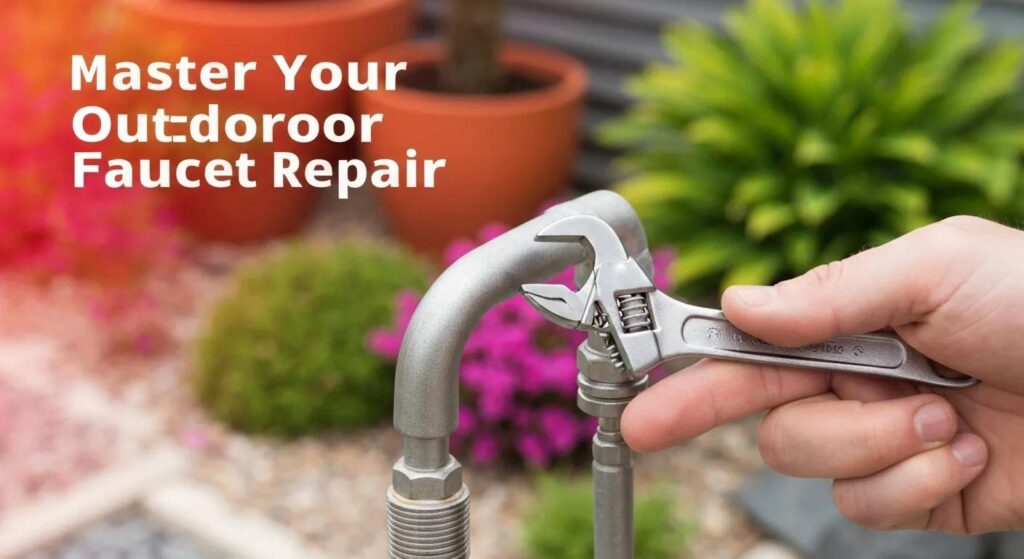
Master Your Outdoor Faucet Repair

Residential Outdoor Faucet Repair

Master Your Outdoor Faucet Repair Outdoor faucets—also called hose bibs or spigots—are simple fixtures that connect household plumbing to yard hoses and irrigation, yet they are a common source of water waste and winter damage when they fail. This guide explains why outdoor faucet leaks and drips happen, how to diagnose the problem quickly, step-by-step DIY fixes for common issues, when to escalate to a licensed plumber, and how to winterize or upgrade to frost-free models for Michigan winters. You will learn how parts such as the packing nut, washer, valve stem, vacuum breaker, and the hose bib body interact, plus clear signs that indicate repair versus replacement. The article maps common causes, practical tightening and washer-replacement instructions, professional service options, replacement decision criteria with a comparison table, and local cost and service area guidance for homeowners in Grosse Pointe and nearby counties. Read on for actionable troubleshooting, safety steps, and when to request a free estimate or schedule professional service. What Are the Common Causes of Outdoor Faucet Leaks and Drips? An outdoor faucet leak typically results from either mechanical wear of internal seals or environmental damage to the spigot body; worn washers and packing nuts fail to seal the valve, while frost, corrosion, or mineral buildup physically damage threads and bodies. Identifying the root cause quickly reduces water loss and prevents interior damage where pipes enter walls. Common symptoms—drip while off, leak at the base, or leak only when on—map directly to likely faults and appropriate actions. Understanding these cause→symptom→action relationships helps homeowners decide if a simple DIY fix will suffice or if leak detection and professional repair are required. Below is a compact mapping of typical causes, visible symptoms, and recommended responses to guide initial triage. Component/Condition Symptom Recommended Action Worn washer / O-ring Drips when faucet is turned off Replace washer/O-ring; tighten packing nut if needed Loose packing nut Leak at stem/base when valve is off Tighten packing nut; repack stem if persistent Frost damage / freeze cracks Visible cracks, large leaks after thaw Replace faucet or install frost-free model; consult pro Corrosion / seized parts Stiff handle, leaks at threads Replace corroded parts or faucet body; professional removal may be needed Vacuum breaker failure Backflow concerns, intermittent leaks Replace vacuum breaker or anti-siphon device This table shows the most common mechanical and environmental causes and points toward the simplest remedy in each case; diagnosing the right cause is the first step before attempting repairs, because incorrect repairs can worsen interior leaks. The next subsection explains in mechanical detail how worn washers and loose packing nuts create seals and what to inspect first. How Do Worn Washers and Loose Packing Nuts Cause Leaks? A washer and O-ring create the sealing surface between the valve stem and seat; over time they compress, flatten, and harden, losing their ability to block flow, which results in a continuous drip or leak when the handle is closed. The packing nut compresses packing material around the valve stem to stop leaks at the stem; if it loosens, water will seep between the stem and the spigot body. To check quickly, shut off the water, open the faucet to relieve pressure, and inspect the stem and packing nut for wetness or mineral crust; a worn washer is typically visible once the valve cartridge or stem is removed. Repairing these parts is often a straightforward DIY task, but persistent leaks after replacing washers or repacking the stem may indicate deeper valve seat or stem corrosion that requires professional diagnosis. What Role Does Frost Damage and Corrosion Play in Outdoor Faucet Problems? Freezing water expands and places tensile stress on faucet bodies, fittings, and the connecting pipes; in Michigan’s freeze-thaw cycles this mechanical stress can crack spigots, split threads, or push fractures into the inlet pipe where it enters the structure. Corrosion from wet outdoor exposure further weakens metal components and can seize moving parts, making sealing surfaces ineffective and making removal difficult without damaging surrounding pipes. Signs of frost or corrosion include visible cracks, white mineral deposits, flaking metal, or a handle that turns but does not shut off flow. Proper winterization and consideration of frost-free faucets reduce the frequency of these failures and limit the need for invasive repairs that can involve wall penetration or excavation. How Can You Fix a Leaky Outdoor Faucet Yourself? A homeowner can resolve many simple hose bib leaks safely by following basic safety and isolation steps, using common hand tools, and replacing worn seals; however, shutting off the supply and relieving pressure are essential first steps to prevent water damage. Begin by locating the shutoff for the outdoor line—often an indoor isolation valve—and fully draining the line by opening the spigot. Simple repairs focus on tightening the packing nut, replacing the washer or O-ring, and cleaning mineral deposits; these tasks restore the seal without removing the faucet body in most cases. The short checklist below lists the most common tools and parts you’ll need for typical DIY hose bib repair. Adjustable wrench for handle and packing nut removal. Flathead and Phillips screwdrivers to remove handles and escutcheons. Replacement washers and O-rings sized for the faucet valve stem. Packing material or plumber’s packing string for stem repacking. With the tools assembled and the list clear, the next subsection provides a step-by-step HowTo for tightening a packing nut and replacing washers, including safety checks before reassembly. What Are the Step-by-Step Instructions to Tighten a Packing Nut and Replace Washers? Before starting any repair, shut off the water supply to the outdoor faucet and open the spigot to drain residual water; wear eye protection and place a bucket under the faucet to catch drips. Remove the handle screw and handle, then use the adjustable wrench to back off the packing nut a half-turn to inspect the packing material and valve stem; if repacking, remove old packing, insert new packing string or material, and tighten the nut snugly—not overtight. To replace a washer, remove the valve stem or cartridge

Residential Outdoor Faucet Repair Read More »

Commercial Backflow Prevention Services

Commercial Backflow Prevention Services in Grosse Pointe: Testing, Installation, and Repair for Business Water Safety Commercial backflow prevention protects potable water systems in businesses by stopping contaminated water from reversing into the public supply, and it covers three core service areas: testing, installation, and repair. This article explains what backflow is, how contamination occurs through back-pressure and back-siphonage, and why routine commercial backflow testing and properly selected devices are essential for water safety and regulatory compliance in Grosse Pointe. Readers will learn the common device types used in commercial settings, the step-by-step testing and certification process, options for installation and retrofit, and how an organized cross-connection control program reduces legal and operational risk. The guide also outlines Michigan-specific testing expectations, realistic cost ranges, and selection criteria for RPZ, DCVA, and PVB assemblies so facility managers can plan capital and operating budgets. Finally, the article shows how Frost & Kretsch Plumbing’s local capabilities support compliance and rapid response, and it walks through the exact information property owners should provide when requesting an estimate. Why Is Commercial Backflow Prevention Critical for Your Business? Commercial backflow prevention is the set of devices and practices that prevent contaminated or non-potable water from flowing back into a building’s potable water supply, and it works by creating physical separation or mechanical checks that reverse unwanted pressure or siphon forces. Preventers such as reduced pressure zone (RPZ) assemblies and double check valves interrupt backflow through check valves and relief paths, which preserves drinking water quality and maintains regulatory compliance. For businesses, the result is reduced public health risk, minimized liability from contamination events, and fewer costly shutdowns and remediation actions. Effective prevention also supports continuity of operations for high-risk facilities like restaurants, healthcare sites, and manufacturing plants. Understanding these risks leads directly to a closer look at specific health impacts and the state-level compliance obligations that businesses must meet. Commercial contamination events can cause serious health hazards and operational losses, which is why prevention matters for both customers and employees. Real-world scenarios include chemical backflow into a restroom supply or biological contaminants from cross-connected fixtures, each requiring immediate mitigation and documentation. The next section explains how backflow mechanisms operate and the concrete consequences they pose for commercial properties. How Does Backflow Threaten Public Health and Commercial Properties? Backflow threatens potable water by allowing contaminants—ranging from biological pathogens to industrial chemicals—to enter the distribution system when pressure conditions change, and these mechanisms are classified as back-pressure and back-siphonage. Back-pressure occurs when downstream system pressure exceeds supply pressure, pushing water back through a device, while back-siphonage happens when negative pressure in the supply line draws contaminants in; both can contaminate drinking water and expose building occupants to illness. For businesses, contamination can mean immediate closure, expensive cleanup, regulatory fines, and reputational damage that disrupts revenue. Preventive devices and routine testing reduce those risks by identifying failing components before contamination occurs. Understanding these mechanisms clarifies why regular testing and timely repairs are non-negotiable for commercial water safety. What Are Michigan’s State and Local Compliance Requirements for Backflow Prevention? Michigan requires annual testing for most commercial backflow prevention devices and mandates that tests be performed and documented by qualified personnel, which ensures regulators and water authorities can verify system integrity. The Michigan Plumbing Code and state environmental authorities set testing intervals and reporting protocols that many municipalities enforce through permits and filing requirements; businesses must retain certificates and test reports to demonstrate compliance. Certified testers commonly follow ASSE-recognized procedures and complete standardized test forms that include pressure readings, pass/fail outcomes, and device serial numbers. Local enforcement can vary, so facility managers should confirm municipal filing steps as part of their compliance workflow. Knowing these requirements helps businesses design a testing and documentation schedule that aligns with legal expectations and reduces the chance of enforcement actions. To generate leads for plumbing services by showcasing expertise and encouraging contact for estimates or service. What Commercial Backflow Prevention Services Do We Offer in Grosse Pointe? This section describes the core commercial services businesses typically need—annual testing and certification, device installation and retrofit, on-site repair and parts replacement, and full cross-connection control program management—and explains deliverables and timelines. Testing delivers a formal certificate and written test report, installations include device selection and post-install commissioning, repairs range from seal replacement to full assembly rebuilds, and program management provides recurring scheduling, documentation, and municipal filing support. Each service is performed to meet certification and recordkeeping practices, and deliverables commonly include test certificates, repair reports, maintenance schedules, and compliance logs. The remainder of this section details how testing is executed, how installations are planned, common repair workflows, and what a managed program typically includes. The testing process begins with a visual inspection, isolation of the device, and calibrated pressure measurements through test ports to verify check valve integrity and relief mechanisms. Installation planning for new or retrofit systems includes hazard assessment, device selection by protection level, proper placement and access, permit coordination, and final commissioning testing. Repair workflows focus on diagnosing leaks, worn seals, corroded components, and relief valve failures, with on-site repairs performed when feasible and shop rebuilds used for more extensive refurbishment. Program management integrates initial surveys, scheduled annual testing, record retention, and assistance with municipal compliance filings to keep facilities inspection-ready. Intro to services comparison table: the table compares Testing, Installation, Repair, and Program Management by what’s included, typical timeline, certifications required, and deliverables. Service What’s Included Typical Timeline Certification/Deliverable Annual Testing & Certification Visual inspection, pressure testing, pass/fail report Same-day test with report issued Test certificate and report Backflow Preventer Installation Device selection, siting, permits, commissioning 1–5 business days depending on scope Post-install test and certificate Repair & Maintenance Diagnostics, parts replacement, shop rebuild as needed Same-day to multi-day depending on parts Repair report and maintenance log Cross-Connection Program Management Surveys, scheduling, recordkeeping, municipal filings Ongoing annual schedule Program file, test logs, compliance support This table highlights how services differ by deliverable and timeline, helping decision-makers choose resources that align with operational constraints

Commercial Backflow Prevention Services Read More »

Scroll to Top
Frost and Kretsch Plumbing
Privacy Overview

This website uses cookies so that we can provide you with the best user experience possible. Cookie information is stored in your browser and performs functions such as recognising you when you return to our website and helping our team to understand which sections of the website you find most interesting and useful.