Essential Plumbing Terms: A Homeowner’s Plain-English Glossary for Residential Plumbing
A simple, reliable plumbing glossary helps homeowners spot problems faster, explain issues clearly to technicians, and decide confidently about repairs or routine care. This guide defines the most important residential plumbing terms, shows how supply and drainage systems work, and offers short checks and questions to ask when hiring a pro. You’ll learn what parts like P-traps, shut-off valves, backflow preventers, and sump pumps do, how to recognize common issues such as clogs or water hammer, and which fixtures often point to needed service. The focus is practical — straightforward definitions, brief troubleshooting steps, and homeowner-friendly wording that speeds diagnosis and reduces miscommunication. We also note when a job is a DIY task and when it’s time to call a trained technician, with local examples for Grosse Pointe and southeast Michigan homeowners.
Frost & Kretsch Plumbing is a local resource when a problem goes beyond a quick DIY check. We service residential and commercial properties across Grosse Pointe and nearby counties and offer estimates and emergency response. If a quick definition or check points to a leak, water heater failure, or a clogged sewer line that you can’t safely fix, call Frost & Kretsch Plumbing at (313) 881-2818 to request a service visit or estimate. The rest of this article prioritizes homeowner education first, then clear next steps for service where needed.
What Are the Basic Plumbing Terms Every Homeowner Should Know?
Using basic plumbing terms cuts confusion and speeds up diagnosis when you describe a problem to a technician. These core terms cover the common parts and failure modes homeowners see most often: traps, valves, backflow devices, heaters, pumps, vents, and fixtures. Each short definition below gives a plain-English meaning plus a quick note on why it matters. Knowing these words helps you explain issues clearly and judge a professional’s recommendation.
The essential plumbing terms homeowners should recognize:
- P-trap: The curved pipe under sinks that holds water to block sewer gas from the home; if it’s dry or damaged you’ll smell odors and it should be repaired or replaced.
- Shut-off valve: The valve that stops water to a fixture or the whole house so repairs can be made safely; knowing where your shut-off is helps prevent water damage in an emergency.
- Backflow preventer: A device that stops contaminated water from flowing back into the potable supply, protecting drinking water; often required for irrigation or commercial connections.
- Water heater: The appliance that heats and stores hot water for faucets, showers, and appliances; failing heaters can leak, lose heat, or create a scalding risk.
- Sump pump: A pump in a basement pit that removes groundwater to prevent flooding; a failed sump pump risks basement flooding during heavy rain.
- Vent (vent stack): Pipes that let sewer gases escape and keep drain pressure balanced so drains flow freely; blocked vents cause slow drains and gurgling noises.
- Drain (branch drain / main sewer): Pipes that carry wastewater from fixtures to the sewer or septic system; backups usually indicate a blockage or mainline issue.
- Fixture: Any installed item that uses water—like a faucet, toilet, or tub; fixture problems are often the first sign a system needs service.
These brief definitions help you describe a problem clearly during a service call. If a P-trap, water heater, or sump pump needs professional attention, Frost & Kretsch Plumbing can inspect and repair it—call (313) 881-2818 to schedule an assessment.
Which Common Plumbing Definitions Help Homeowners Communicate Effectively?
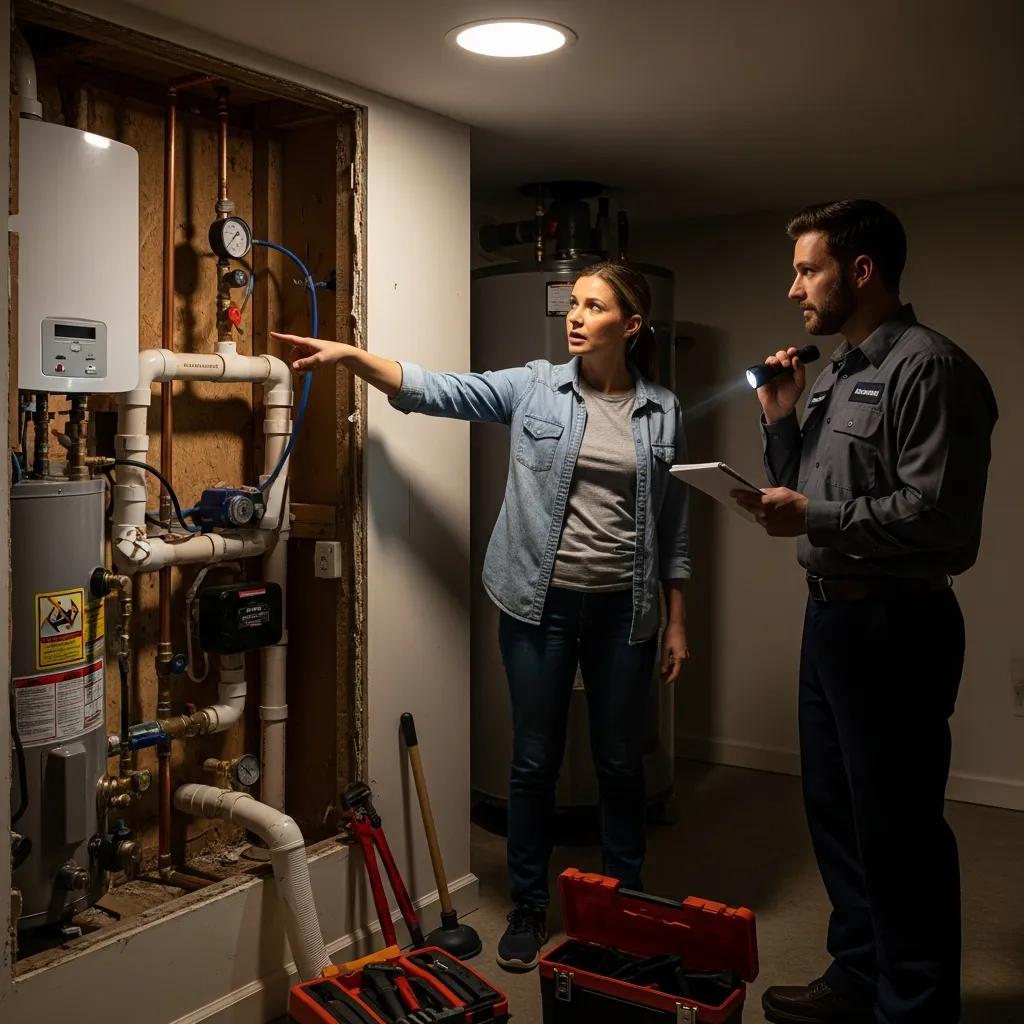
Many misunderstandings happen when homeowners and technicians use different words for the same symptom. Learning a few practical phrases speeds things up. Important distinctions include “leak” (constant water loss) versus “drip” (intermittent drops) and “drain” (a single fixture) versus “sewer” (the main line or outside connection). Using precise language improves the technician’s first assessment and often shortens diagnosis time and cost. Below are sample phrases you can use when you call a plumber.
- “There’s a steady leak under the sink that wets the cabinet floor.” This tells the tech there’s an active leak at the fixture or P-trap.
- “The toilet keeps running and the tank won’t fill properly.” That usually points to a fill valve or flapper, not a sewer problem.
- “All drains smell like sewage and several fixtures are backing up.” That suggests a main sewer or venting issue that likely needs professional attention.
Using clear phrases like these gives technicians a better first impression and guides initial troubleshooting. That leads into how basic vocabulary helps with DIY checks and smarter hiring decisions.
How Does Understanding Basic Plumbing Vocabulary Empower Homeowners?
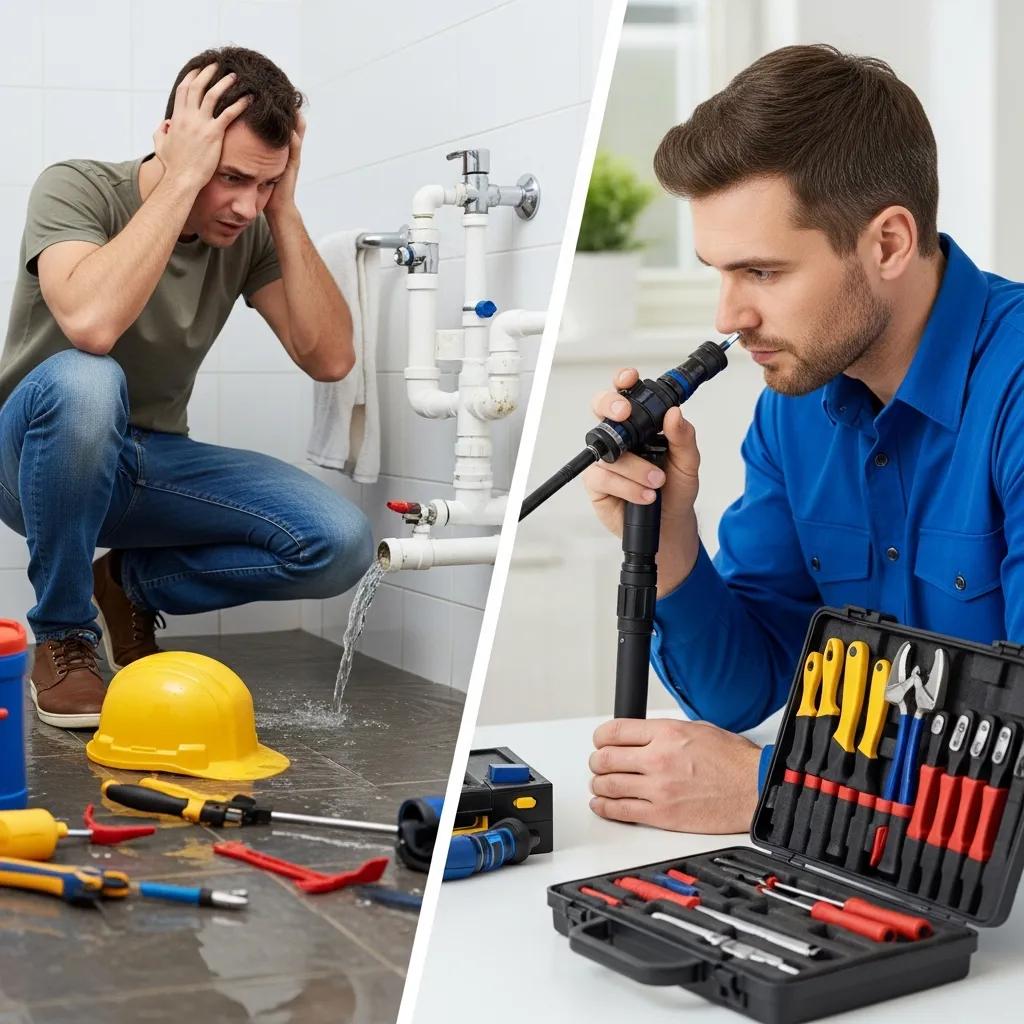
Knowing common plumbing terms helps you decide when to try a simple DIY fix and when to call a pro — saving time and avoiding costly mistakes. Familiarity with words like “shut-off valve,” “cleanout,” and “pressure reducing valve” lets you take safe temporary steps—turning off a valve or isolating a fixture—while you wait for help. It also helps you judge whether a diagnosis and suggested repair match the symptoms. For example, recognizing that a gurgling drain often points to a blocked vent or partial sewer blockage can prevent paying for unnecessary repiping.
Simple vocabulary skills bring three main benefits: quicker on-site diagnosis, safer temporary actions to limit damage, and better vetting of service estimates. That makes interactions with technicians more efficient and can lower repair time and cost for common residential plumbing issues.
How Does the Water Supply System Work in Residential Plumbing?
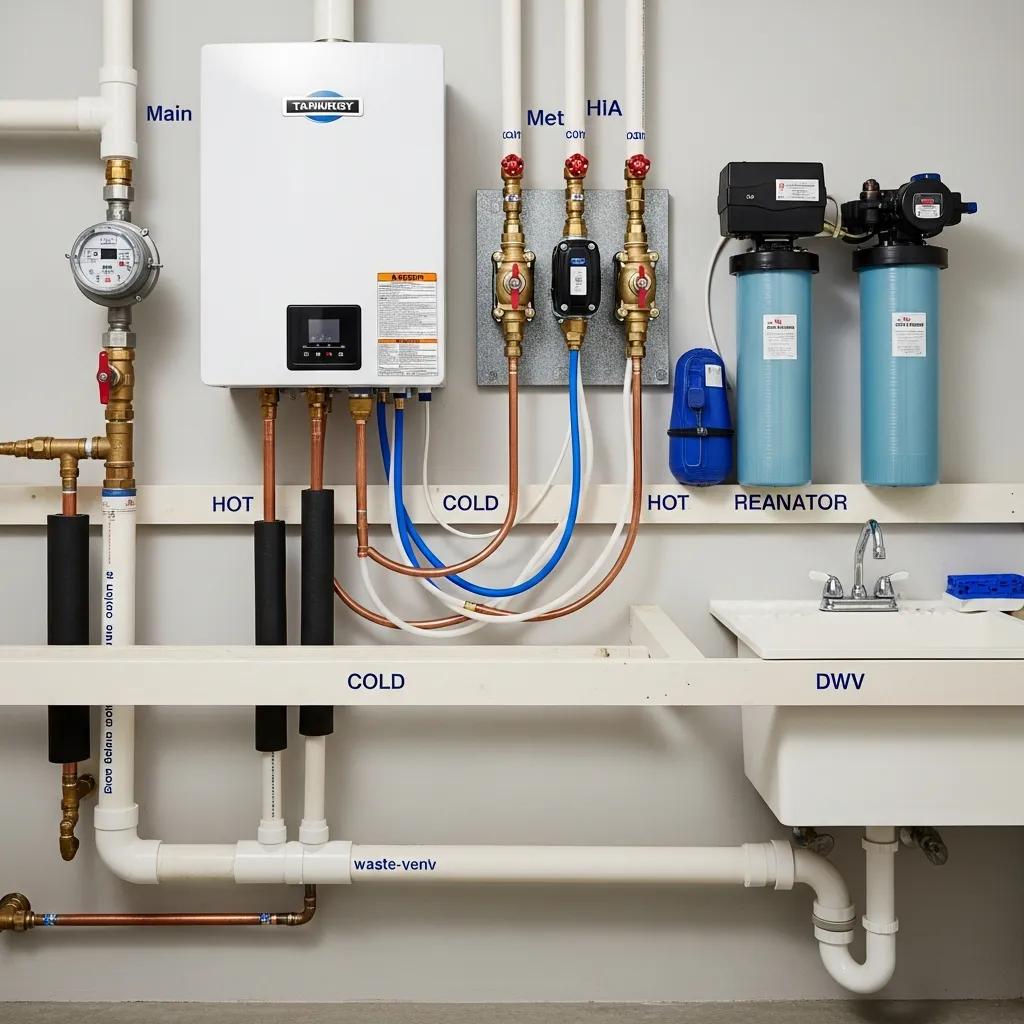
The home water supply brings pressurized drinking water from the municipal main through a meter and a distribution network to fixtures. Components like shut-off valves, pressure-reducing valves (PRVs), and piping control flow and pressure to appliances. The supply sequence is typically: main supply → meter → service shut-off → pressure control (if present) → distribution piping to fixtures. When everything works, you get steady pressure and safe water at the tap; when it fails, you can see leaks, high pressure that damages fixtures, or contaminants entering the system via backflow.
Below is a compact reference that compares supply components, what they do, and common examples to help you locate and understand each part.
This table summarizes the supply components homeowners encounter:
| Component | Function | Example / Typical Spec |
|---|---|---|
| Service main (incoming) | Delivers water from the municipal line to the property | Underground pipe at the property boundary |
| Water meter | Measures household water use | Meter with a reading dial at the curb or in the basement |
| Service shut-off | Stops water to the entire house for repairs | Gate or ball valve near the meter or inside the home |
| Pressure reducing valve (PRV) | Lowers incoming pressure to a safe household range | Adjustable valve typically set around 50–60 psi |
| Distribution piping | Delivers water to fixtures | PEX, copper, or CPVC inside walls and floors |
What Is the Role of Shut-Off Valves and Pressure Reducing Valves?
Shut-off valves let you isolate water to a single fixture or the whole house so repairs can be done safely and water damage is minimized. PRVs reduce high incoming pressure that can stress pipes and cause leaks. Know where your main shut-off is—often in a basement, utility room, or near the meter—and practice turning it off so you’re ready in an emergency. Typical residential pressure ranges are 40–60 psi; sustained pressure above that can speed up leaks and fixture wear.
If a valve is stiff or leaks when you operate it, or if you hear pressure swings or banging noises, call a plumber. A failing PRV can cause dripping faucets, running toilets, and premature appliance wear; a professional can adjust, replace, or recommend whole-house pressure management.
How Do Backflow Preventers Protect Your Home's Water Quality?
Backflow happens when water reverses direction and draws contaminants into the potable supply. Backflow preventers are mechanical devices that stop that reversal, protecting your drinking water from irrigation systems, boilers, or cross-connections. Simple check valves work for low-risk connections; reduced-pressure zone (RPZ) assemblies are used where risk is higher. Some municipalities require installation and regular testing by certified technicians. Routine testing and correct installation keep these devices working when pressure conditions change.
If you have an irrigation system, boiler, or commercial hookup, check that a backflow preventer is installed and tested on schedule. If you suspect a cross-connection or testing is overdue, schedule an inspection with a qualified plumber to confirm compliance and protect your water quality.
What Are the Key Components of the Drainage, Waste, and Vent System?
The drainage, waste, and vent (DWV) system moves wastewater away from fixtures while vents prevent pressure imbalances and sewer gas from entering the home. Its main parts include P-traps, branch drains, vent stacks, cleanouts, and the main sewer line. DWV systems rely on gravity flow and air balance — any obstruction or incorrect slope can cause slow drains, backups, or sewer odors. Homeowners should learn to spot visible cleanouts, recognize signs of mainline trouble, and understand which problems are DIY and which need pro drain or sewer repair.
The table below outlines DWV components, their roles, and common homeowner issues or maintenance tips.
| DWV Component | Role | Common Issues / Maintenance |
|---|---|---|
| P-trap | Water seal to block sewer gas | Can dry out, leak, or corrode; clean or replace when leaking |
| Branch drain | Carries wastewater from fixtures to the main line | Clogs from hair or grease; clear the trap or use a plunger |
| Vent stack | Equalizes pressure and vents gases | Debris or ice can block it, causing gurgling or slow drains |
| Cleanout | Access point for clearing the mainline | Missing or leaking caps should be fixed; used for professional hydro-jetting |
| Main sewer line | Transfers waste from the property to the sewer system | Root intrusion, collapse, or heavy blockages require professional repair |
How Do P-Traps and Vent Stacks Prevent Sewer Gas Entry?
P-traps hold a small amount of water that forms a barrier against sewer gases, while vent stacks let air in so that the water seal isn’t siphoned away. If a P-trap dries out (infrequently used fixtures) or is siphoned by poor venting, sewer gas can enter the house and cause odors and health concerns. Simple homeowner checks include pouring water down unused drains, inspecting vents where accessible, and listening for gurgling that signals trapped air or blockages.
If odors don’t go away after adding water and cleaning, the cause may be a blocked vent stack or a damaged trap that needs professional attention. Fixing vent obstructions or replacing failing traps restores the water seal and the pressure balance that keeps drains working properly.
What Are Common Pipe Materials Like ABS, PVC, and PEX?
Common plumbing materials include ABS and PVC for DWV systems, copper for older supply lines, and PEX for modern flexible distribution. Each material has different benefits and expected lifespans. ABS is strong for soil and waste lines; PVC is affordable and popular for drains and vents; PEX is flexible, resists corrosion, and makes repiping easier in tight spaces. Copper is durable and heat-resistant but can corrode in certain water chemistries; older galvanized steel often builds interior scale and reduces flow.
| Material | Common Uses | Pros / Cons |
|---|---|---|
| PVC | DWV and cold-water pipes | Lightweight and cost-effective; not always used for hot water in some codes |
| ABS | DWV | Impact-resistant; can become brittle with UV exposure |
| PEX | Hot and cold supply lines | Flexible and quick to install; may use manifold fittings |
| Copper | Supply and hot water | Long-lasting and heat-resistant; higher material cost |
Which Fixtures and Appliances Are Essential in Home Plumbing?
Fixtures and appliances—faucets, toilets, water heaters, garbage disposals, hose bibbs, and sump pumps—handle daily water use and waste removal. Knowing their main parts and failure signs helps you act quickly. Regular maintenance like cleaning faucet aerators, replacing toilet flappers, flushing water heaters, and testing sump pumps extends life and prevents emergencies. Signs of trouble include dripping faucets, running toilets, cloudy water, no hot water, or persistent basement dampness — these guide targeted troubleshooting and service requests.
The table below helps match fixtures to common signs of failure and when to call a pro.
| Fixture / Appliance | Function | Signs of Failure / When to Call |
|---|---|---|
| Faucet | Controls flow and temperature at sinks | Persistent drip, low flow, or corrosion; may need cartridge replacement or a pro |
| Toilet | Disposes waste and controls flush cycles | Constant running or frequent clogs; may need flapper or valve service |
| Water heater | Heats and stores hot water | No hot water, rusty water, or leaks; call for inspection or repair |
| Garbage disposal | Grinds food waste for the drain | Jammed or humming motor; avoid DIY motor replacement |
| Hose bibb | Exterior water outlet | Leaks after winter or freeze damage; winterize and repair as needed |
| Sump pump | Prevents basement flooding by ejecting water | Won’t start or cycles constantly; test and consider a battery backup |
What Functions Do Faucets, Toilets, and Water Heaters Serve?
Faucets control flow and temperature using cartridges, aerators, and handles; toilets use a tank-and-bowl setup with flappers and fill valves to flush; water heaters generate and store hot water in tank or tankless designs using burners, thermostats, and heating elements. Simple maintenance — cleaning aerators to restore flow, swapping worn flappers to stop running toilets, and flushing sediment from tanks — fixes many common problems. Watch for symptoms like continuous running, sputtering faucets, lukewarm or no hot water, or unusual noises to decide whether a part swap or professional inspection is needed.
If a water heater leaks or shows corrosion, or if you’re unsure about gas or electrical connections, call a qualified technician to avoid safety risks and ensure the repair is done right.
How Do Sump Pumps Help Prevent Basement Flooding?
Sump pumps collect groundwater in a pit and automatically eject it away from the foundation, preventing basement flooding during heavy rain or rising groundwater. They come as submersible or pedestal units and can include battery backups for outages. Regular tests — pouring water into the pit to confirm activation — and float checks reduce failure risk. Keep the pit clean, check discharge lines for blockages, and verify any backup system works.
Professional installation is recommended when adding a backup or if a pump cycles excessively; a pro can size the pump correctly and make sure discharge routing protects your property.
What Are Common Plumbing Issues Homeowners Should Recognize?
Common homeowner plumbing problems include clogs, leaks, water hammer, frozen pipes, low pressure, and water heater failures. Early recognition and basic triage reduce damage and can make repairs less expensive. Quick diagnostics — checking whether one fixture or many are affected, locating shut-off valves, and listening for unusual noises — help isolate whether the issue is a single fixture, a branch drain, or the main sewer. Immediate actions like shutting off the main valve for major leaks, using a plunger for isolated clogs, or insulating exposed pipes in winter can limit harm until a pro arrives.
Below are practical immediate steps homeowners can take when they notice a plumbing problem.
- Shut off supply to the affected fixture or the main house if water is pooling or leaking heavily. This minimizes damage until repairs are made.
- Try a plunger or remove and clean the P-trap for localized sink or tub clogs. These methods often clear minor blockages safely.
- For suspected frozen pipes, open faucets and apply gentle heat to exposed sections; never use an open flame. If thawing doesn’t work, call a plumber to prevent a rupture.
These steps can limit damage while you prepare for professional service when needed — such as sewer line cleaning or water heater replacement. Knowing when to call an emergency plumber protects your property and health; Frost & Kretsch Plumbing offers 24/7 emergency response and transparent pricing for urgent residential needs.
How Can You Identify and Address Clogs and Leaks?
Clogs usually show up as slow drains, standing water, or backups at a single fixture; leaks appear as damp spots, puddles under fixtures, or unexplained spikes in your water bill. For clogs, try a plunger, remove and clean the P-trap, and look for hair or grease in the trap. For leaks, inspect visible joints, faucet bases, and appliance connections; tightening fittings or replacing gaskets can cure minor weeps. If several fixtures back up at once or the cleanout shows pressure, the problem is likely the main sewer and needs professional clearing or a camera inspection.
Call a professional when clogs won’t clear with simple tools, leaks continue after tightening, water damage is present, or multiple fixtures are affected—these signs point to systemic issues beyond easy DIY repair.
What Causes Water Hammer and Frozen Pipes?
Water hammer is a pressure surge that happens when flow stops suddenly and creates a banging sound in pipes. Frozen pipes occur when water inside pipes freezes and expands, which risks a rupture. Prevent water hammer by installing arrestors or securing loose piping. Prevent frozen pipes with insulation, heat tape, and maintaining modest indoor heat during cold snaps. If water hammer happens, turn off affected fixtures and schedule a plumber to install arrestors; for suspected frozen pipes, shut off the water if a burst occurs and call a plumber immediately to repair and restore safe flow.
Professional fixes can include installing pressure arrestors, re-securing or re-sloping piping, replacing damaged sections, and adding insulation or rerouting runs that are vulnerable to freezing.
How Can Homeowners Use Plumbing Terms to Make Informed Service Decisions?
Using correct plumbing vocabulary helps you verify diagnoses, understand the scope in written estimates, and spot vague or unnecessary charges. A prepared homeowner asks targeted questions, listens for specific terms (for example, , , ), and requests written scope and pricing. That transparency lowers the risk of upsells and sets clearer expectations for repair timelines and warranties. Below is a checklist of practical questions and terms to use when calling for service.
- What is the specific diagnosis and which component is affected? Ask for the exact part (for example, “P-trap” vs. “main sewer”).
- What is the recommended repair, and why is it necessary? Ask for a brief explanation of the problem and the expected outcome.
- Are there alternatives and estimated costs for each option? Compare replacement, repair, or partial measures.
- Will you provide a written estimate and warranty for the work? Make sure expectations are documented.
- If this is an emergency, do you offer 24/7 response and transparent pricing? Confirm availability and price clarity.
- Will you run diagnostic tests (for example, a camera inspection) before major work? This helps avoid unnecessary excavation or repiping.
Asking these questions helps you compare bids on an apples-to-apples basis. The next section explains why using that vocabulary matters when hiring professionals.
Why Is Knowing Plumbing Vocabulary Important When Hiring Professionals?
A homeowner who uses precise terms can better judge a plumber’s competence and the clarity of an estimate, reducing the chance of paying for unnecessary work. Knowing whether an issue needs a camera inspection, hydro-jetting, or a simple trap cleaning separates routine service from major sewer work. Watch for red flags like vague claims (“we need to repipe everything”) without diagnostic evidence or refusal to provide a written scope. Requesting clear terminology and documented estimates helps confirm quoted repairs match the observed symptoms.
Using the right vocabulary also makes follow-up conversations easier and helps you check warranty coverage for parts and labor, which improves accountability and long-term outcomes.
How Does Frost & Kretsch Plumbing Support Homeowners Through Education?
Frost & Kretsch Plumbing puts education first: we explain diagnoses in homeowner-friendly language, provide clear estimates, and respond to emergency calls with transparent pricing and a satisfaction guarantee. We offer resources to help you understand core terms and symptoms and advise when a DIY step is safe versus when professional service is recommended. For residents of Grosse Pointe and nearby Macomb, Oakland, and Wayne counties who need inspections, drain cleaning, water heater replacement, sump pump installation, or sewer work, Frost & Kretsch Plumbing is available for estimates and emergency assistance by phone at (313) 881-2818 or at our local office: 20315 Mack Ave. Grosse Pointe MI 48236.
Our approach combines homeowner education with practical service options so you can act confidently — request a diagnosis, compare written estimates, and schedule repair or emergency response as needed.
Frequently Asked Questions
What should I do if I notice a sudden increase in my water bill?
A sudden jump in your water bill often means a leak somewhere in the system. Start by checking faucets, toilets, and under sinks for visible leaks. If you don’t find anything, watch the water meter: turn off all fixtures and see if the meter keeps running — if it does, you likely have a hidden leak. In that case, call a professional plumber to locate and repair the leak before it causes more damage and higher bills.
How can I prevent frozen pipes during winter?
To keep pipes from freezing, keep your home heated, especially where pipes run. Insulate exposed pipes in unheated areas like basements and attics with foam sleeves or heat tape. During extreme cold, let faucets drip slightly to keep water moving. Open cabinet doors under sinks to let warm air circulate. If you’ll be away for an extended time, consider shutting off the water and draining pipes to avoid freezing and possible bursts.
What are the signs that my water heater needs repair or replacement?
Common signs include inconsistent hot water, rusty or discolored water, popping or rumbling noises, and leaks around the base. If you have no hot water or the heater is more than ten years old, replacement may be worth considering. Regular maintenance, such as flushing the tank to remove sediment, extends life, but persistent issues should be evaluated by a pro.
How can I tell if my sump pump is working properly?
Test your sump pump regularly by pouring water into the pit to see if it activates and pumps the water out. Check the discharge line for clogs and make sure the pump is plugged in and the float switch moves freely. Look for rust or damage. If the pump cycles too often or fails to start, have it serviced or replaced to prevent basement flooding during heavy storms.
What should I do if I experience low water pressure?
Low pressure can come from clogged fixtures, a faulty pressure-reducing valve, or municipal supply issues. First, check whether the problem affects all fixtures or just one: if it’s localized, clean the aerator or showerhead to remove mineral buildup. If low pressure is widespread, call a plumber to inspect for blockages, pipe scaling, or pressure regulation issues.
When is it appropriate to attempt a DIY plumbing repair?
DIY repairs are reasonable for minor tasks like unclogging a drain, replacing a faucet washer, or tightening loose fittings if you understand the problem and have the right tools. For major leaks, sewer backups, or water heater issues, call a professional. Attempting complex repairs without proper experience can make damage worse and cost more to fix.
How often should I have my plumbing system inspected?
We recommend having your plumbing inspected at least once every two years. Regular checks catch small problems before they grow into big repairs such as leaks, corrosion, or blockages. If you live in an older home or have had plumbing issues before, consider annual inspections. Also schedule an inspection after major weather events or if you notice changes in pressure or water quality.
Conclusion
Knowing essential plumbing terms gives homeowners the confidence to communicate clearly with professionals, get accurate diagnoses, and make informed decisions. By familiarizing yourself with key components and common problems, you can take proactive steps to maintain your system and avoid costly repairs. For homeowners in Grosse Pointe and surrounding communities, Frost & Kretsch Plumbing is here to help with expert service and clear guidance. Contact us to schedule an inspection or request emergency service when you need it.