
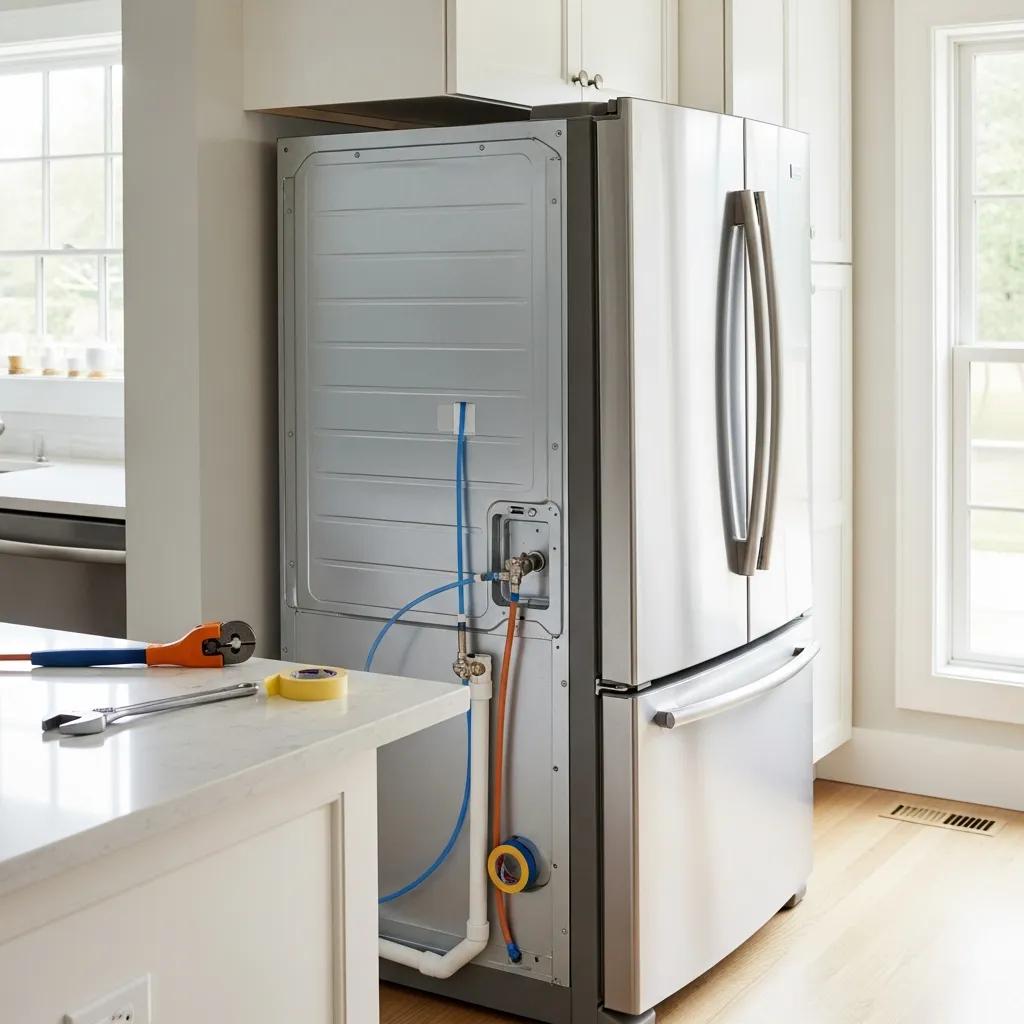
Refrigerator Water Line Installation & Maintenance — A Practical Guide for Grosse Pointe Homes and Businesses
A refrigerator water line is the small supply tube that brings safe, drinkable water to your fridge’s dispenser and ice maker. When it’s installed or routed wrong, even a tiny problem can lead to leaks, low flow, or contamination that damages cabinets, floors, and appliances.
In this guide we break down how fridge water lines work, compare common materials like PEX and copper, and show the right installation and maintenance steps to avoid water damage. Whether you own a house or run a business in Grosse Pointe, you’ll find realistic cost expectations, a practical maintenance schedule, simple leak-detection steps, and when an ice maker hookup needs a different approach. We also cover repair options, short-term containment tactics, and the checklist to have ready before you call a pro so you can act fast when a leak shows up.
We use practical terms — fridge water dispenser, ice maker hookup, PEX water line for refrigerator, fridge water line leak repair — so you can identify the right parts and services for your property. Read on for clear, actionable guidance and local service options in Grosse Pointe.
What Is a Refrigerator Water Line and Why Is Proper Installation Important?
A refrigerator water line is a narrow, potable supply line that ties your home’s plumbing to a fridge’s dispenser and ice maker. Proper installation keeps water pressure steady, water sanitary, and the line leak-free. Correct routing, an accessible shutoff valve, secure fittings, and an optional filter lower the risk of slow leaks, mineral buildup, and backflow that can contaminate ice or drinking water. A professional install also makes sure the work meets code, uses the right materials (PEX or copper, for example), and adds isolation shutoffs so a repair won’t force you to shut down the whole house. Knowing these basics helps you avoid common failures and protects the appliance’s warranty and lifespan.
How Does a Refrigerator Water Line Work?
The line channels pressurized, potable water from your home supply through a dedicated shutoff and an optional filter to the fridge’s internal valve, which controls the dispenser and ice maker. A saddle valve or a dedicated shutoff at the source isolates the fridge line; inside the appliance, solenoid valves open on demand to let water flow. Flow and pressure depend on tubing diameter, material, and fittings — a kinked or undersized tube can reduce dispenser flow and hurt ice production. Regular checks of the shutoff, fittings, and filter help keep pressure steady and prevent contamination.
What Are the Common Types of Refrigerator Water Lines?
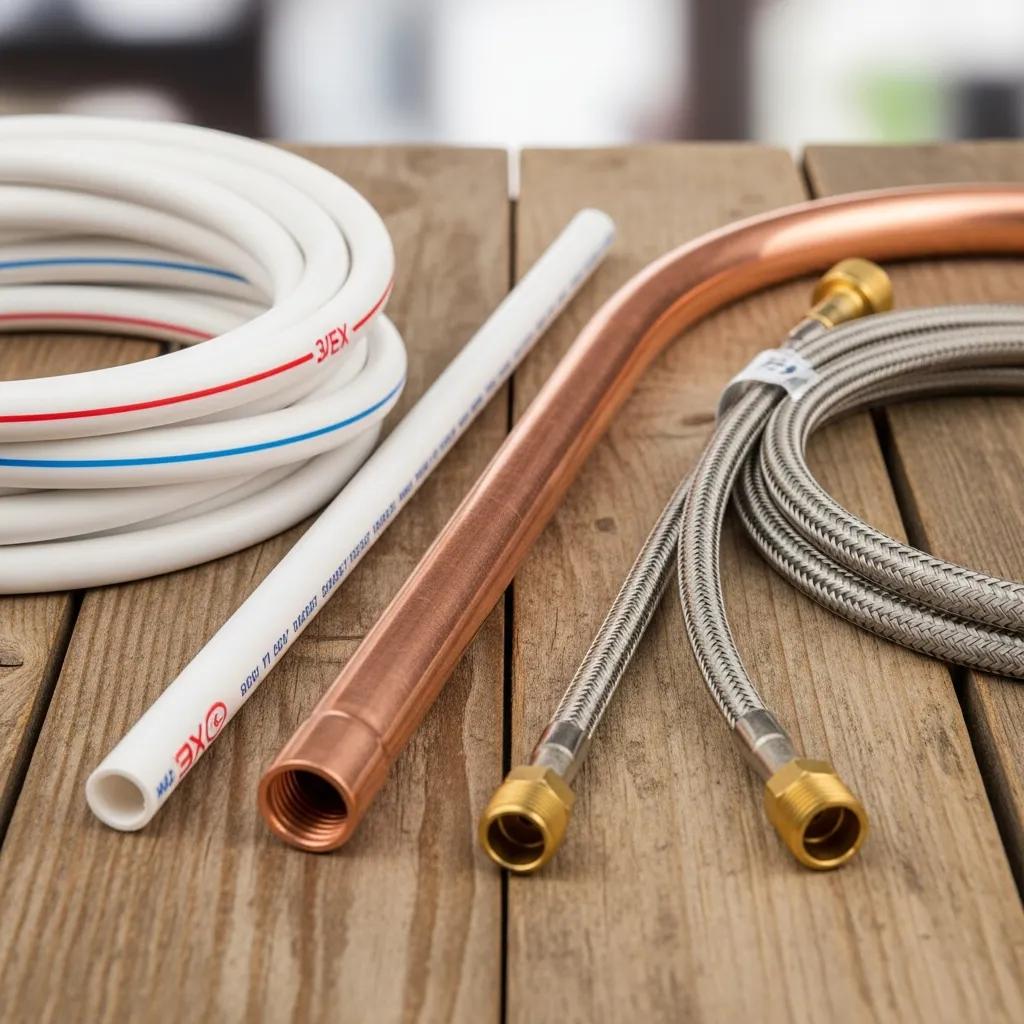
Tubing choices trade off cost, flexibility, and durability. Picking the right material depends on installation difficulty, expected lifespan, and local water conditions. Below is a straightforward comparison to help you choose between PEX, copper, and braided stainless for an ice maker hookup or fridge dispenser run.
| Option | Material | Pros | Cons | Typical Cost Range |
|---|---|---|---|---|
| Option 1 | PEX tubing | Flexible, easy to route, resists corrosion | Can be damaged by UV and sharp edges | Low–Moderate |
| Option 2 | Copper tubing | Durable, proven longevity, resists permeation | Rigid, more expensive, requires soldering or compression fittings | Moderate–High |
| Option 3 | Braided stainless | High durability, compact fittings, easy to connect | More costly, sometimes overkill for short runs | Moderate–High |
In many homes, PEX gives the best balance of cost and ease for short, straightforward runs. Copper is a long-lasting choice where abrasion or heat is a concern, and braided stainless is picked for compact, heavy-duty connections. After you choose a material, installers plan routing and connection types to reduce future maintenance and leaks.
Need a local recommendation? Frost & Kretsch Plumbing in Grosse Pointe can inspect routes, advise on whether a PEX water line or a copper run is the better long-term option for your property, and give a clear estimate.
How Much Does Refrigerator Water Line Installation Cost in Grosse Pointe?
Costs vary with materials, accessibility, and any permits or extras like filters and isolation shutoffs. Rather than a single price, expect a range that reflects those variables. Key factors are tubing type (PEX vs. copper), whether the run goes through walls or cabinets, distance from the supply to the fridge, and if you add filtration or smart shutoffs. The table below separates material and labor costs so you can see where money is spent and why estimates differ between homes.
| Cost Component | Attribute | Typical Range (low–high) |
|---|---|---|
| Materials | PEX, fittings, shutoff, basic filter | Low–Moderate |
| Labor | Access, routing, wall chase, cabinet modifications | Moderate |
| Permits/Inspections | Local code requirements if applicable | Low–Moderate |
Accessible installs with flexible PEX tubing sit at the lower end. Long runs, wall chases, or copper installs push costs up. Opening walls, running through floors, or adding a dedicated water filter for clearer ice will also affect the final invoice. For transparent, no-surprise pricing in Grosse Pointe, Frost & Kretsch Plumbing offers free estimates and a clear materials-and-labor breakdown before any work begins.
What Factors Influence the Cost of Installation?
Material choice, the physical route from your supply to the refrigerator, and whether the install crosses finished walls or slabs are the main cost drivers. PEX lowers both parts and labor time, copper raises them because of soldering or special fittings, and braided stainless costs more but can reduce future leak risk. Labor grows when access is limited — rear cabinet access is quick, but cutting through finished walls or concrete slabs requires patching and possible permits. Extras like a dedicated filter or isolation shutoffs add parts and labor but make the system easier to service and keep water quality high over time.
Why Choose Professional Installation Over DIY?
Hiring a licensed pro reduces leak risk, ensures local code compliance, and often includes guarantees to protect you if something goes wrong. DIY jobs commonly produce over-tightened compression fittings, unsupported tubing runs, or poorly placed shutoffs that are hard to reach — all of which can cause slow leaks and expensive repairs. Professionals use correct fittings and routing to prevent abrasion, maintain proper pressure for dispensers and ice makers, and pressure-test the system before closing walls or cabinets. When in doubt, calling a pro saves time and protects your property. Frost & Kretsch Plumbing provides licensed, insured technicians and upfront pricing so you can choose the right approach with confidence.
What Are the Best Practices for Refrigerator Water Line Maintenance?
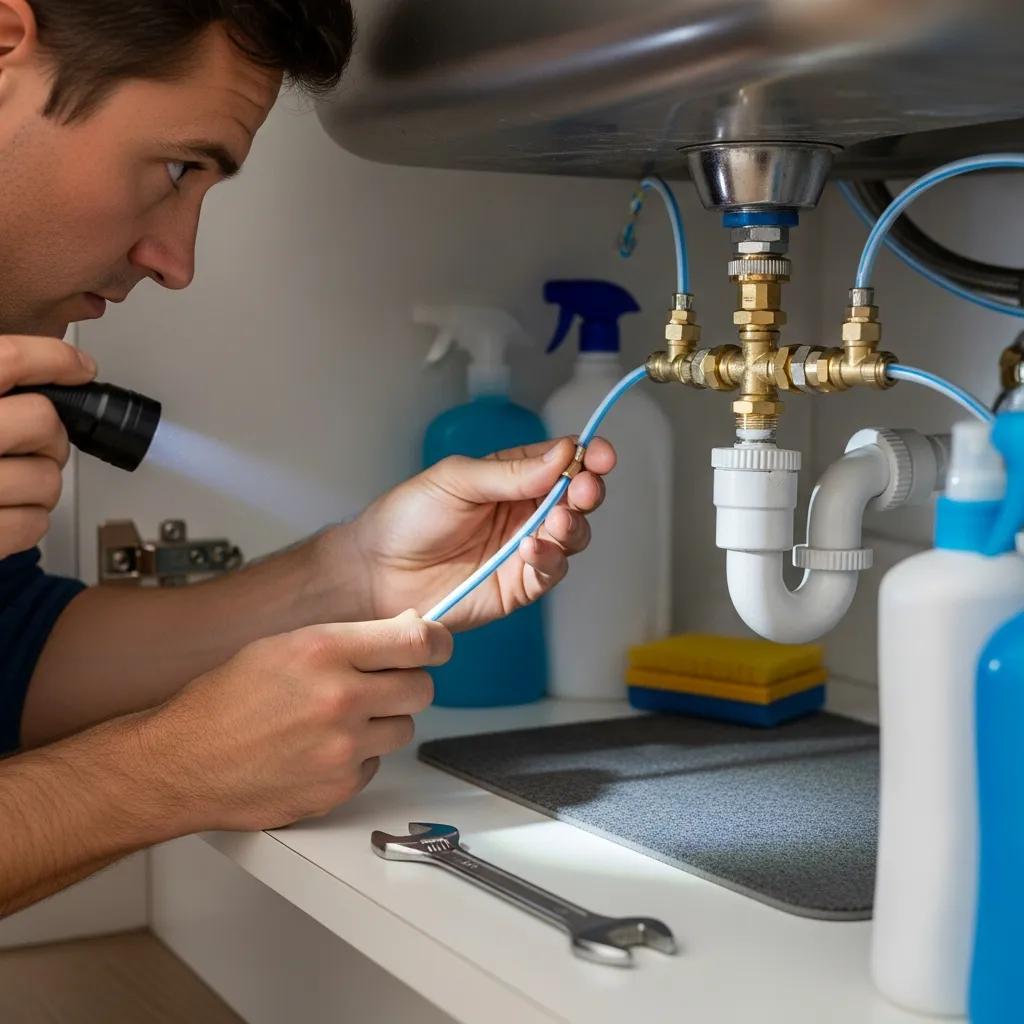
Routine checks keep a refrigerator water line reliable and help prevent leaks or contamination. Best practices include scheduled visual inspections, timely filter changes, and winterization for seasonal properties. Focus on fittings, visible tubing, and the shutoff valve to catch early wear or small drips before they become big problems. Filter replacement depends on your model and water quality but is important for good ice and to avoid buildup that stresses the fridge’s solenoids. The short checklist below gives easy actions you can do on a schedule.
The following maintenance checklist summarizes the core tasks to keep systems operating and to catch issues early.
- Inspect visible tubing and fittings for cracks, discoloration, or moisture at least every six months.
- Test the shutoff valve quarterly to make sure it opens and closes without leaking.
- Replace inline water filters per the manufacturer’s schedule or when flow and ice quality drop.
- Winterize lines in unheated spaces before freezing weather to avoid burst tubing.
Following this routine prevents small problems from becoming water-damage emergencies and prepares you to act quickly if performance worsens.
| Component | Maintenance Task | Frequency | Why it matters |
|---|---|---|---|
| Tubing | Visual inspection for wear or kinks | Every 6 months | Finds deterioration before leaks form |
| Fittings | Check tightness and corrosion | Every 6 months | Stops slow drips and connection failures |
| Filter | Replace or flush | Per manufacturer / as needed | Keeps water quality and flow steady |
How Often Should You Replace or Maintain Your Water Line?
Replacement timing depends on tubing material, water chemistry, and how much the system is used. PEX often lasts decades in good conditions; flexible braided lines may need attention sooner in high-use or high-mineral areas. Filters usually need changing every 6–12 months, but heavy mineral content or a noticeable flow drop calls for earlier replacement. Visual checks every six months and exercising the shutoff quarterly keep valves functional and spot hidden problems. If tubing feels brittle, shows recurring leaks, or becomes discolored, plan for replacement to avoid water damage and keep dispensers and ice makers reliable.
What Are Common Maintenance Tasks to Prevent Leaks and Damage?
Focus on simple, low-effort tasks: inspect fittings and tubing, test the shutoff valve, replace filters, and secure tubing so it isn’t kinked or worn by rubbing. Look behind the fridge for moisture, check under adjacent cabinets for stains, and make sure tubing has protective clips or grommets where it passes through wood or metal. Call a professional for inside-wall copper replacements, slab penetrations, or code-required backflow devices. Regular checks cut down emergency repairs and keep your fridge water dispenser and ice maker working smoothly.
How Can You Identify and Repair Refrigerator Water Line Leaks?
Spotting a leak uses visible clues and simple tests to find the source so you can contain damage and choose the right repair. Common signs include puddles or water stains near the fridge, a sudden drop in ice production, reduced dispenser flow, or unexplained spikes in water usage. Immediate containment steps — shut off the dedicated valve, pull the fridge away to dry the area, and place absorbent towels or a pan — limit damage while you decide on repairs. After containment, determine whether a fitting swap, a tubing section replacement, or a full reroute is needed and if you should call a pro.
Use this quick checklist to judge urgency when you suspect a leak:
- Visible puddles or wet flooring behind or beneath the refrigerator.
- Water stains on cabinets, baseboards, or flooring near the fridge.
- Reduced flow from the fridge water dispenser or poor ice production.
- Musty odors or mold growth near the appliance, indicating long-term moisture.
What Are the Signs of a Leaking or Damaged Water Line?
Obvious leaks show puddles and staining; hidden leaks often show up as higher water bills, mold growth, or weakened dispenser performance — each sign suggests a different urgency for repair. Look behind and beneath the fridge for drips; musty smells or warped flooring point to a longer-term issue that may affect subfloors or cabinets. If the dispenser sputters or flow is weak, the line might be kinked or partially blocked rather than leaking, which you can often fix by inspecting and flushing the line. Take photos and notes before calling a professional — that helps them estimate the likely repair scope remotely and decide if an on-site visit is needed.
When Should You Call a Professional for Repair Services?
Call a licensed plumber when the leak continues after shutting off the valve, when water has soaked cabinets or flooring, or when the route requires wall or slab access that risks more damage if handled incorrectly. Hard-to-reach fittings, inside-wall leaks, or connections at the fridge that need special parts are all reasons to bring in a pro. For emergencies like a burst line and rapid flooding, get immediate dispatch to limit structural harm. Frost & Kretsch Plumbing offers 24/7 emergency service in the Grosse Pointe area and can advise short-term containment steps to take while help is en route.
Before you call, collect this quick info to speed diagnosis:
- Turn off the dedicated shutoff valve and note whether the leak stops.
- Take clear photos of the affected area, fittings, and any visible tubing damage.
- Record the refrigerator model and location and note any recent changes to water pressure or filtration.
Providing these details helps technicians bring the right parts and cuts down on return visits.
What Is Involved in Ice Maker Water Line Installation and Repair?
Ice maker hookups follow the same basics as dispenser lines but can differ in routing, pressure needs, and sometimes local code requirements. Ice makers often need a dedicated run to a rear or lower inlet, and internal solenoids work with pressure and float controls, so installers size tubing and set pressure limits accordingly. Commercial ice machines may require higher flow or stronger filtration to prevent scale; residential built-ins need careful routing to avoid freezing and to allow service access. Understanding these differences helps you choose a simple run or a more robust hookup with filtration and isolation as needed.
How Does Ice Maker Water Line Installation Differ from Refrigerator Water Line Installation?
Ice maker installs sometimes need larger supply lines, extra filtration, or higher pressure tolerance than a simple dispenser line and often require routing through cabinets or walls to reach the connection. Built-in residential ice makers usually use the same small-diameter tubing as the dispenser, but standalone or commercial units may call for larger tubing and pressure regulators. Accessibility matters for service — placing an isolation shutoff where you can reach it makes future repairs much easier. Plan the route with service and water quality in mind to avoid rework.
What Are Common Ice Maker Water Line Issues and Solutions?
Common problems include clogged filters that reduce ice output, frozen or kinked lines that block flow, and mineral buildup that affects ice quality. Early solutions are simple: replace or flush filters, insulate and add a slight slope to lines to prevent standing water, replace kinked tubing, and install a filtration system if your water is hard. If ice is discolored or contamination is suspected, a professional can recommend stronger filtration or a different tubing material. When troubleshooting doesn’t fix it, call a licensed technician to avoid voiding warranties or wasting time.
Why Choose Frost & Kretsch Plumbing for Refrigerator Water Line Services in Grosse Pointe?
Frost & Kretsch Plumbing serves Grosse Pointe and nearby communities with dependable refrigerator water line installation, maintenance, and emergency repairs. We offer 24/7 emergency response for urgent leaks, licensed and insured technicians for residential and commercial work, and a 100 percent satisfaction commitment so the job meets your expectations. We also practice transparent, upfront pricing and provide free estimates so property owners across Grosse Pointe, Macomb, Oakland, and Wayne counties can compare options and understand the scope before work starts. These real, verifiable features make it easy to choose a local partner for long-lasting fridge dispenser and ice maker hookups.
What Are Frost & Kretsch Plumbing’s Unique Value Propositions?
Our core service attributes include round-the-clock emergency response, a commitment to complete customer satisfaction, and a transparency-first pricing approach that spells out material and labor costs before we begin. We handle both residential and commercial plumbing tasks related to refrigerator water lines — from fixture installs and leak detection to sewer and drain cleaning and water heater services — and our technicians are licensed and insured. These features reduce uncertainty by ensuring qualified professionals do the work with visible guarantees.
How Can You Schedule a Free Estimate or Emergency Service?
To schedule a free estimate or request emergency service from Frost & Kretsch Plumbing, call our published office number for urgent issues or visit our website to submit details about the problem. When you reach out, have your property address, appliance type, symptoms, and photos ready — that helps our team assess scope and bring the right parts. For emergency dispatch, tell us if water is actively flowing and whether cabinets or flooring are affected so we can prioritize response. Being prepared speeds on-site diagnostics and makes our estimate more accurate.
Frequently Asked Questions
What should I do if I notice a leak in my refrigerator water line?
First, turn off the dedicated shutoff valve to stop the water. Move the refrigerator away from the wall so you can dry the area and limit damage. Inspect the tubing and fittings for visible cracks or loose connections. If the leak continues, or if you’re unsure about a repair, call a licensed plumber to assess and fix the problem safely.
How can I prevent my refrigerator water line from freezing in winter?
Insulate tubing in unheated areas with foam pipe insulation or use approved heat tape where needed. If the property is seasonal, drain the line before freezing weather. Also check that tubing isn’t kinked or routed through cold drafts — simple protections like insulation and removing standing water help prevent frozen lines.
What are the signs that my refrigerator water filter needs to be replaced?
Watch for reduced water flow from the dispenser, a change in taste or odor, or visible sediment or discoloration in ice. Most manufacturers recommend replacing filters every 6–12 months, but replace sooner if you notice any of these signs or if your water is particularly hard or sandy.
Can I install a refrigerator water line myself, or should I hire a professional?
Some homeowners tackle straightforward installs, but hiring a professional is often the safer path. Pros ensure correct materials, code compliance, and reliable shutoff placement. If you DIY, follow manufacturer guidelines and use quality fittings — otherwise a licensed plumber will help avoid leaks and protect your home.
What maintenance tasks should I perform regularly on my refrigerator water line?
Check tubing and fittings for wear or leaks every six months, test the shutoff valve quarterly, and replace water filters per the manufacturer. Make sure tubing is secured and free of kinks or abrasion. These simple steps reduce the chance of leaks and keep your ice maker and dispenser working well.
How can I tell if my refrigerator water line is clogged?
Signs of a clog include reduced dispenser flow, slowed or stopped ice production, and unusual noises from the ice maker. Inspect for kinks or visible blockages, try flushing the line, and replace the filter if needed. If issues persist, call a professional plumber to diagnose and clear the obstruction safely.
Conclusion
Proper installation and regular maintenance of refrigerator water lines protect your home or business from leaks and keep water and ice quality high. Understanding materials, routing, and simple upkeep helps Grosse Pointe property owners make informed choices that extend appliance life and prevent damage. For expert help, clear pricing, and reliable service, contact Frost & Kretsch Plumbing — we’ll help you safeguard your property and keep fresh water and ice flowing.