

Bridge Faucets: Timeless Style, Reliable Performance, and a Pro Installation Guide
Bridge faucets are a two-handle style where a visible “bridge” connects the hot and cold controls ahead of the spout—marrying a vintage look with precise water control. In this guide we explain what a bridge faucet is, how its design affects performance, which styles work best in kitchens and bathrooms, and what professional installation and maintenance involve. Homeowners like bridge faucets for accurate temperature mixing and design flexibility, but installation and repairs are often more involved than with single-lever models. You’ll find a breakdown of components, common problems and fixes, guidance on materials and finishes, realistic cost expectations, and when a licensed plumber is the safer choice. We also cover local service options for Grosse Pointe residents and include step-by-step instructions, troubleshooting checklists, comparison tables, and practical care tips to help you choose and maintain a bridge faucet.
What Is a Bridge Faucet and How Does Its Design Define Its Function?
A bridge faucet features a raised bar that links separate hot and cold valves to a single central spout, giving independent two-handle control while keeping the supply paths visually connected. Functionally, the bridge channels hot and cold through separate valves into a common spout, which often makes temperature blending more gradual and predictable than many single-lever taps. Its exposed plumbing and higher profile affect mounting height and compatibility with different sink styles. Though rooted in early 20th‑century design, modern bridge faucets use up-to-date cartridges and materials while keeping the classic silhouette. With that mechanical overview in mind, it helps to look closer at the individual parts that make these faucets work—and where they typically wear.
What Are the Key Components of a Bridge Faucet?
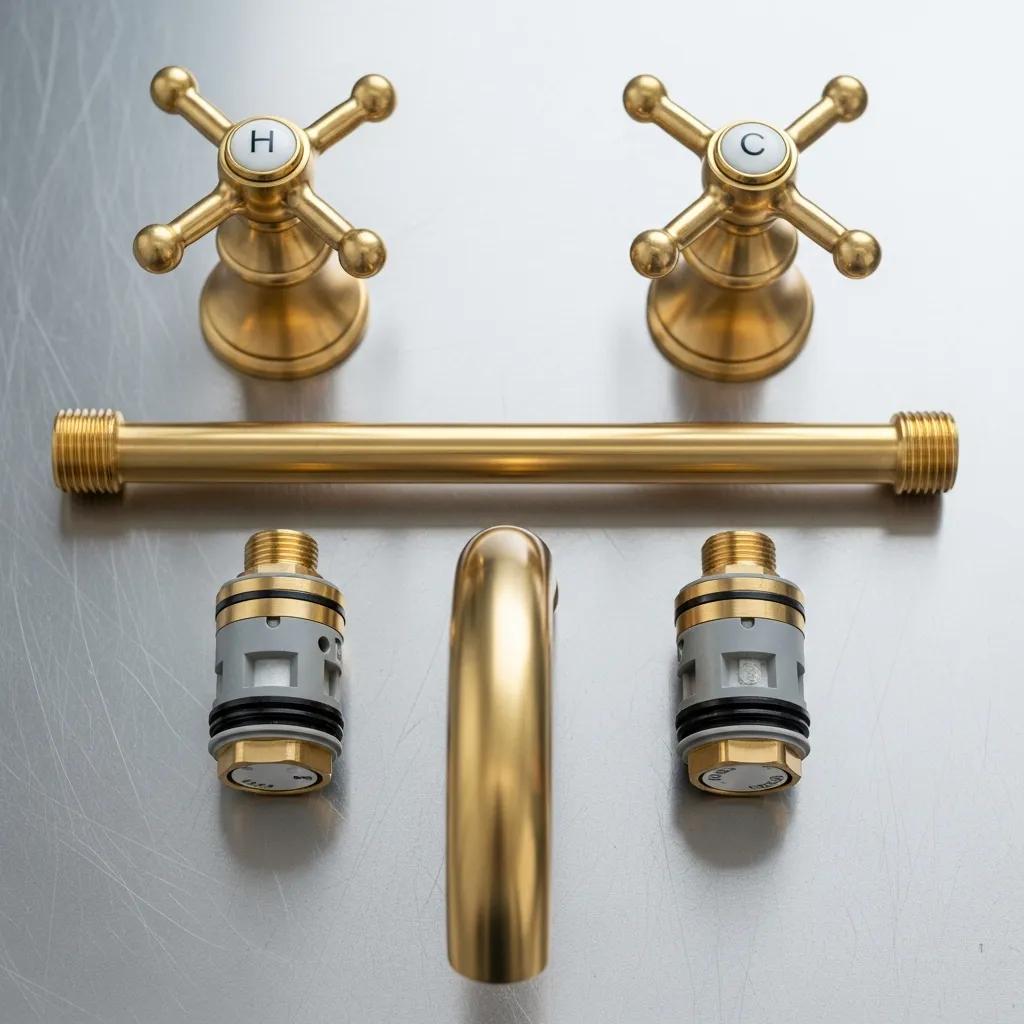
Below are the main parts that determine a bridge faucet’s function, lifespan, and maintenance needs. Each item has a clear role when it’s time to use, repair, or replace components.
- Handles (hot/cold): Control the valves to adjust flow and temperature with fine precision.
- Bridge bar: Links the valve bodies and routes water to the spout while forming the faucet’s signature look.
- Spout: Delivers mixed water into the sink; its height and reach influence splash and clearance.
- Cartridges/valves: Internal parts that modulate flow and temperature—common wear points over time.
- Aerator: Filters debris and shapes the stream; often the first place to check for flow issues.
- Mounting hardware & supply lines: Secure the assembly and connect it to the home’s plumbing.
How Does the Bridge Faucet’s Two-Handle Design Affect Water Control?
With separate hot and cold handles, bridge faucets let you mix temperature more gradually and predictably than many single-lever designs. Each handle adjusts one valve, so you can fine-tune flow and temperature for tasks like filling pots or rinsing stemware. Handle style—cross, lever, or knob—changes usability: cross handles give tactile feedback, levers let you make quicker adjustments. From a water-use standpoint, two handles can save water if you quickly shut one side, but they sometimes take longer to dial in a target temperature. Knowing these trade-offs helps you decide whether a bridge faucet fits your daily needs and what to expect during installation and upkeep.
Which Bridge Faucet Styles Are Popular for Kitchens and Bathrooms?
Bridge faucets range from ornate period reproductions to pared-down contemporary designs, so they work with traditional, farmhouse, or modern interiors. Style choices influence finish, handle type, and spout shape, and they need to align with sink type, backsplash height, and overall room design. Material and finish—solid brass, stainless steel, chrome, nickel, or matte coatings—affect longevity and cleaning needs. Matching faucet height to sink depth is important to control splashing and keep workflows comfortable, especially in the kitchen. Below we describe the hallmarks of vintage/traditional looks and how they contrast with modern and farmhouse options.
What Are the Characteristics of Vintage and Traditional Bridge Faucets?
Vintage and traditional bridge faucets highlight decorative lines, turned details, and finishes like polished brass, oil‑rubbed bronze, or aged nickel that develop a patina over time. These models often use cross or porcelain‑tipped handles, higher-arching spouts, and visible mounting hardware that pairs well with period sinks and farmhouse basins. Care for older finishes usually means gentle cleaning and occasional re-sealing to protect the patina without stripping protective coatings. Restoring antiques requires compatible seals and valve replacements to preserve original finishes while restoring function. When choosing a vintage look, account for sink depth and spout reach so modern shallow basins don’t suffer splash issues.
How Do Modern and Farmhouse Bridge Faucet Designs Differ?
Modern bridge faucets lean toward minimal silhouettes, slimmer bridge bars, and contemporary finishes like matte black or brushed gold to complement simple sinks and clean cabinetry. Farmhouse styles keep larger proportions and practical ergonomics—higher arcs and longer spouts—to suit deep farm sinks and heavy kitchen use. Modern models often use ceramic disc cartridges for smooth operation, while farmhouse pieces focus on rugged finishes that hide wear from frequent use. Scale matters: a compact basin pairs better with a low‑profile modern bridge, while deep apron‑front sinks benefit from the reach and clearance of farmhouse designs.
How Is Professional Bridge Faucet Installation Performed in Grosse Pointe?
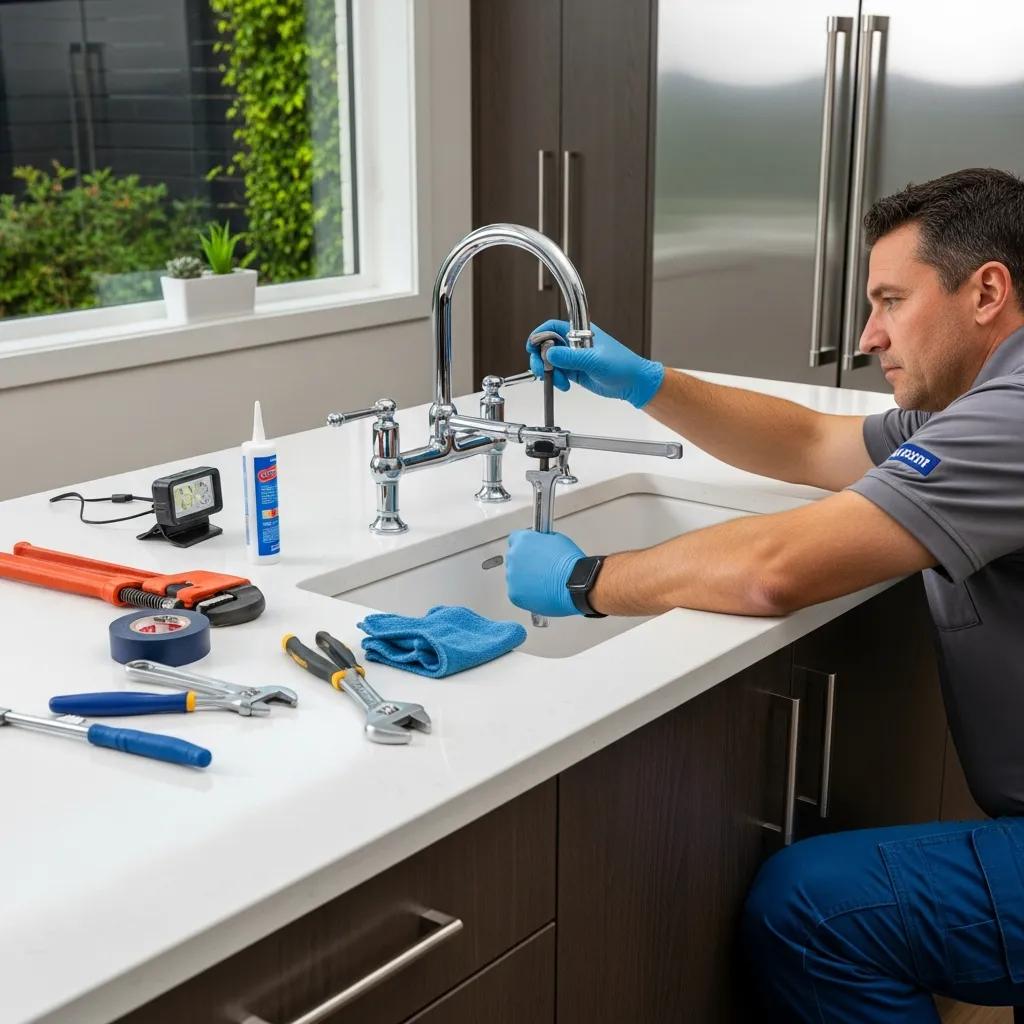
Professional installation starts with planning: checking sink and countertop rough‑in dimensions, confirming under‑sink access, and verifying supply line compatibility with the bridge mount. A licensed installer isolates water supplies, removes the old fixture carefully, and ensures deck or wall mount locations meet local codes and the manufacturer’s rough‑in specs. The installer secures the bridge assembly, makes leak‑proof connections using approved sealants or Teflon tape, and runs pressure testing to confirm everything performs correctly. Local code, parts availability, and potential cabinet or countertop adjustments are common reasons homeowners prefer a pro. Below we explain why licensed plumbers matter and list the typical tools and steps used on the job.
Why Choose Licensed Plumbers for Bridge Faucet Installation?
Licensed plumbers follow local code, carry insurance for on‑site work, and protect manufacturer warranties by installing to spec. They spot hidden issues—old supply lines, corroded fittings, or incompatible mounts—that can complicate an installation and cause future leaks. Hiring a licensed, insured pro reduces the risk of property damage and ensures reliable pressure and drainage checks after installation. In short, professionals handle complex connections and potential repairs correctly, which often prevents costly callbacks and extends the fixture’s life.
What Are the Steps and Tools Involved in Installing a Bridge Faucet?
A typical professional workflow for a deck‑mounted bridge faucet follows clear steps and uses specific tools to achieve a watertight, code‑compliant result.
- Shut off water and relieve pressure: Close supply valves and open taps to drain lines.
- Remove old faucet and prepare deck: Clean the mounting area and inspect for damage.
- Set bridge assembly and secure mounting hardware: Align centers and tighten per the manufacturer’s torque guidance.
- Connect supply lines and valves with proper seals: Use Teflon tape or approved sealant and snug fittings to spec.
- Test under full pressure and check for leaks: Cycle both handles, verify temperature mixing, and inspect aerator flow.
Essential tools include an adjustable wrench, basin wrench, plumber’s putty or silicone, Teflon tape, and thread sealant.
Common mistakes pros avoid are over‑tightening fittings, using sealants that damage plated finishes, and skipping pressure tests before cleanup.
For Grosse Pointe homeowners who want professional help, Frost & Kretsch Plumbing offers licensed, insured installation with upfront pricing and no hidden fees, backed by a 100 percent satisfaction guarantee. Their process focuses on code compliance and thorough testing—residents can request a free estimate or schedule an installation with clear expectations about cost and scope.
What Are Common Bridge Faucet Repair Issues and Their Solutions?
Bridge faucets typically show problems like a dripping spout, leaks at handle stems, or low flow from clogged aerators or restricted supply lines. Diagnosing the issue means deciding whether it’s cosmetic (finish wear), mechanical (worn cartridge or O‑ring), or systemic (supply obstruction or low branch pressure).
The sections below outline DIY repairs that are safe for homeowners and when to call a licensed plumber.
How to Fix Leaks, Drips, and Low Water Pressure in Bridge Faucets?
Many common issues are quick to troubleshoot with basic tools and replacement parts. Start by removing and cleaning the aerator—this often takes 10–20 minutes and restores proper flow. If the spout keeps dripping, a worn cartridge or valve seat is usually the culprit; swapping the cartridge commonly stops the drip and restores shutoff. If low pressure persists after cleaning the aerator, check for clogged supply lines, partially closed stop valves, or a failing cartridge; these require shutting off the water and a closer inspection. When repairs involve working near decorative finishes or in tight under‑sink spaces, calling a professional prevents damage and ensures the right parts are used.
The table below maps common problems to likely causes and recommended fixes so you can diagnose issues quickly and decide whether to DIY or call a pro.
| Issue | Likely Cause | Recommended Fix |
|---|---|---|
| Dripping spout | Worn cartridge or valve seat | Replace the cartridge or valve assembly |
| Leaking handle stem | Damaged O‑ring or packing | Replace O‑ring/packing and reseat the stem |
| Low flow | Clogged aerator or supply line | Clean the aerator; inspect supply lines and stop valves |
| Intermittent hot/cold mixing | Faulty cartridge or cross‑connection | Replace the cartridge; check for cross‑connections in plumbing |
This quick reference helps you triage issues and choose whether a DIY fix is appropriate or a licensed technician should handle parts and installation.
If simple measures—like aerator cleaning or cartridge replacement—don’t stop leaks, or if you see leaks at the valve body or corrosion, schedule an on‑site diagnosis. For urgent problems, Frost & Kretsch Plumbing offers 24/7 emergency repair with no inflated emergency rates and provides on‑site diagnostics to recommend repair or replacement cost‑effectively.
When Should You Call Professionals for Bridge Faucet Maintenance?
Call a professional when issues persist after basic troubleshooting, when leaks come from the valve body or mounting, or when you spot water stains, mold, or structural damage under the sink. Professionals have access to OEM‑compatible cartridges, sealants that protect decorative finishes, and tools to test supply pressure and installation integrity. For vintage bridge faucets, a pro can advise whether restoration or a modern cartridge retrofit best preserves appearance while restoring reliable function.
Routine maintenance visits also include checking supply lines, pressure testing, and replacing aerators—small steps that reduce the chance of larger, costly problems. If you need a fast emergency response or an on‑site evaluation, Frost & Kretsch Plumbing emphasizes licensed, insured repairs and clear, upfront estimates so you understand options before any work begins.
How to Choose the Best Bridge Faucet for Your Kitchen or Bathroom?
Choosing a bridge faucet comes down to several related factors: how the style fits your sink and decor, material and finish durability, handle ergonomics, mount type (deck vs. wall), and water efficiency (flow rate and aerator choice). Prioritize materials that resist corrosion in your local water, match finishes to surrounding hardware, and double‑check rough‑in dimensions so the bridge aligns with sink holes and backsplash clearance. Think about handle style for daily comfort and whether ceramic disc cartridges or traditional valves suit your expectations for longevity. The table below compares common materials and finishes by durability, cost, and maintenance to help narrow your options.
| Material/Finish | Durability | Typical Cost Range | Maintenance Consideration |
|---|---|---|---|
| Brass (solid) | High | Moderate to High | May need polishing or a protective lacquer |
| Stainless steel | High | Moderate | Resists corrosion and is easy to clean |
| Chrome-plated | Moderate | Lower to Moderate | Prone to scratches; clean gently |
| Brushed nickel | High | Moderate | Hides water spots; use mild cleaners |
| Matte black | Moderate | Moderate to High | Shows wear with abrasive cleaners |
Use these comparisons to balance long‑term durability with the look you want and the upkeep you’re willing to do.
When narrowing choices, focus on build quality: solid bodies, ceramic discs, replaceable cartridges, sturdy mounting hardware, and clear warranty terms. If you’d like professional input, Frost & Kretsch Plumbing can recommend materials and finishes and provide a free installation estimate that pairs product selection with accurate cost and scheduling so you won’t get surprises.
Which Brands and Materials Offer the Best Quality and Durability?
Rather than rely only on brand names, look for construction details like solid brass bodies, ceramic disc cartridges, durable finish processes, and easy access to replacement parts. Brass and stainless steel are top choices for corrosion resistance and longevity; plated finishes like chrome or nickel are more budget‑friendly but need gentler care. Strong warranty terms and a supply of replaceable internal parts are good signs of long‑term serviceability. For vintage restorations, pick parts compatible with older mounts or consider modern retrofits that preserve the look while improving reliability.
How Does Water Efficiency Influence Bridge Faucet Selection?
Water efficiency matters: choose faucets with aerators sized for desired flow, look for WaterSense‑equivalent performance, and favor cartridge types that reduce drips. Because two handles can mean longer adjustments to hit the right temperature, low‑flow aerators and simple habits—like pre‑mixing in a container—can lower water use. Installing an efficient aerator is a low‑cost upgrade that keeps the style you want while improving conservation. The right balance of aesthetics and flow control ensures a bridge faucet performs well for daily use and for saving water.
What Are the Typical Costs and Pricing Transparency for Bridge Faucet Services?
Costs for bridge faucets include the fixture price, installation labor, extra parts, and any countertop or plumbing adjustments. Variables that affect price are deck vs. wall mounting, rough‑in alignment complexity, condition of supply lines, and whether vintage restoration or access work is required. Transparent pricing starts with a clear scope of work, an itemized parts list, and a written estimate that separates fixture cost from labor and incidental parts. Below we outline typical cost drivers and the guarantees Frost & Kretsch Plumbing offers on pricing and satisfaction.
How Much Does Bridge Faucet Installation and Repair Usually Cost?
Installation and repair costs depend on fixture complexity and site conditions. Common drivers are faucet price, labor hours, replacement cartridges or supply lines, and any countertop modification or water supply upgrades. Simple repairs—like cartridge swaps or aerator cleanings—are lower cost and can often be done in a single visit. Full replacements or vintage restorations require more labor and higher part costs. Since exact pricing varies by site, ask for an upfront, itemized estimate so you can weigh repair versus replacement.
What Pricing Guarantees Does Frost & Kretsch Plumbing Provide?
Frost & Kretsch Plumbing offers several consumer protections to make hiring easier and costs predictable: a 100 percent satisfaction guarantee, transparent pricing with no hidden fees, and 24/7 emergency service without inflated emergency rates. Their technicians are licensed and insured, and staff receive ongoing training to stay current with best practices. We recommend requesting a written estimate that lists labor and parts so you clearly understand the scope before any work begins.
- Summary of cost considerations: Fixture choice, mount type, access complexity, and required parts drive pricing.
- How to get a reliable estimate: Request an itemized written estimate that separates parts and labor.
- When repair vs replacement makes sense: Repair inexpensive cartridges or aerators; replace when failures recur or corrosion is extensive.
This guide has covered the defining design elements, style options, installation steps, troubleshooting tips, selection criteria, and pricing transparency homeowners need when considering a bridge faucet.
Frequently Asked Questions
What maintenance is required for bridge faucets?
Regular maintenance keeps a bridge faucet working and looking good. Clean the aerator periodically to prevent clogs and check for leaks around handles and the spout. Inspect cartridges and O‑rings for wear and replace them as needed to stop drips. Depending on the finish, you may need occasional polishing or resealing. Routine care extends the faucet’s life and helps avoid costly repairs later.
Can I install a bridge faucet myself, or should I hire a professional?
Some handy homeowners can install a bridge faucet, but we usually recommend a licensed plumber. Installation can involve precise measurements and plumbing connections that must meet local codes. A pro ensures the job’s done correctly, reduces leak risk, and can uncover hidden plumbing issues that might add cost if missed.
What are the benefits of using a bridge faucet over a single-lever faucet?
Bridge faucets offer more precise temperature control and a classic look. The two-handle setup lets you mix hot and cold gradually, which some users prefer for certain tasks. They also lend a timeless aesthetic to a room, and because components are separate, individual parts can often be replaced rather than swapping the whole fixture.
How do I choose the right finish for my bridge faucet?
Pick a finish that matches your existing fixtures and fits your maintenance preferences. Polished brass, brushed nickel, and matte black are popular choices with different looks and upkeep needs. Consider durability—some finishes resist scratches and tarnish better—and choose one that balances style with ease of cleaning.
What should I do if my bridge faucet is leaking?
First, identify where the leak is coming from. Common causes are worn cartridges, damaged O‑rings, or loose fittings. Check the aerator and handles for obvious issues, and tighten connections if safe to do so. If the leak continues after basic checks or if it comes from the valve body, call a plumber to prevent water damage.
Are there specific brands known for high-quality bridge faucets?
Several reputable brands—such as Kohler, Moen, and Delta—make reliable bridge faucets, but focus on build quality over name alone. Look for solid brass bodies, ceramic disc cartridges, and good warranty coverage. Availability of replacement parts is also important for long‑term serviceability.
How can I improve the water efficiency of my bridge faucet?
You can boost efficiency by installing a low‑flow aerator, which reduces water use without sacrificing pressure. Be mindful when adjusting temperature—pre‑mixing in a container can cut waste—and keep the faucet maintained so leaks and clogs don’t waste water. Older faucets can often be retrofitted with modern, water‑saving components.
Conclusion
Bridge faucets offer a pleasing mix of style and function—precise temperature control and a classic look that enhances kitchens and bathrooms. Knowing their parts, installation needs, and care requirements helps you make confident choices and keeps the faucet performing well for years. If you prefer professional installation or need help picking the right model, our team at Frost & Kretsch Plumbing can guide you through selection, provide a transparent estimate, and complete the installation to local code. Contact us to learn more and bring a bridge faucet’s lasting style and performance to your home.