
Water Softener Installation & Repair in Grosse Pointe — Local, Reliable Hard Water Solutions
Hard water — high in calcium and magnesium — makes soap less effective and leaves mineral buildup on fixtures, appliances, and pipes. This guide shows how professional water softener installation and repair solve those problems in Grosse Pointe. You’ll find clear ways to spot hard water, compare system types (ion-exchange, salt-free, smart/dual-tank), and learn why proper sizing, placement, and maintenance matter for Michigan water. We also cover repair diagnostics, emergency priorities, a straightforward maintenance schedule, and the main cost factors so you can plan with confidence. Along the way you’ll get checklists and practical steps to choose the right solution and keep it running well — plus how a local provider can help with on-site testing, installation, emergency repair, and free estimates without replacing professional advice.
What Is Hard Water and How Does It Affect Your Grosse Pointe Home?
Hard water contains higher levels of calcium and magnesium that change how water behaves with soaps and equipment. Those minerals form scale inside pipes and on heating elements and aerators, which reduces flow and efficiency and shortens equipment life. In Grosse Pointe and nearby Michigan towns, municipal and well sources commonly fall in moderate-to-high hardness ranges, so treatment is often the best way to protect plumbing and appliances. Knowing the local context and basics of how hard water works helps you decide between a whole-house softener, a targeted filter, or regular monitoring.
What Are the Common Signs of Hard Water in Residential and Commercial Properties?
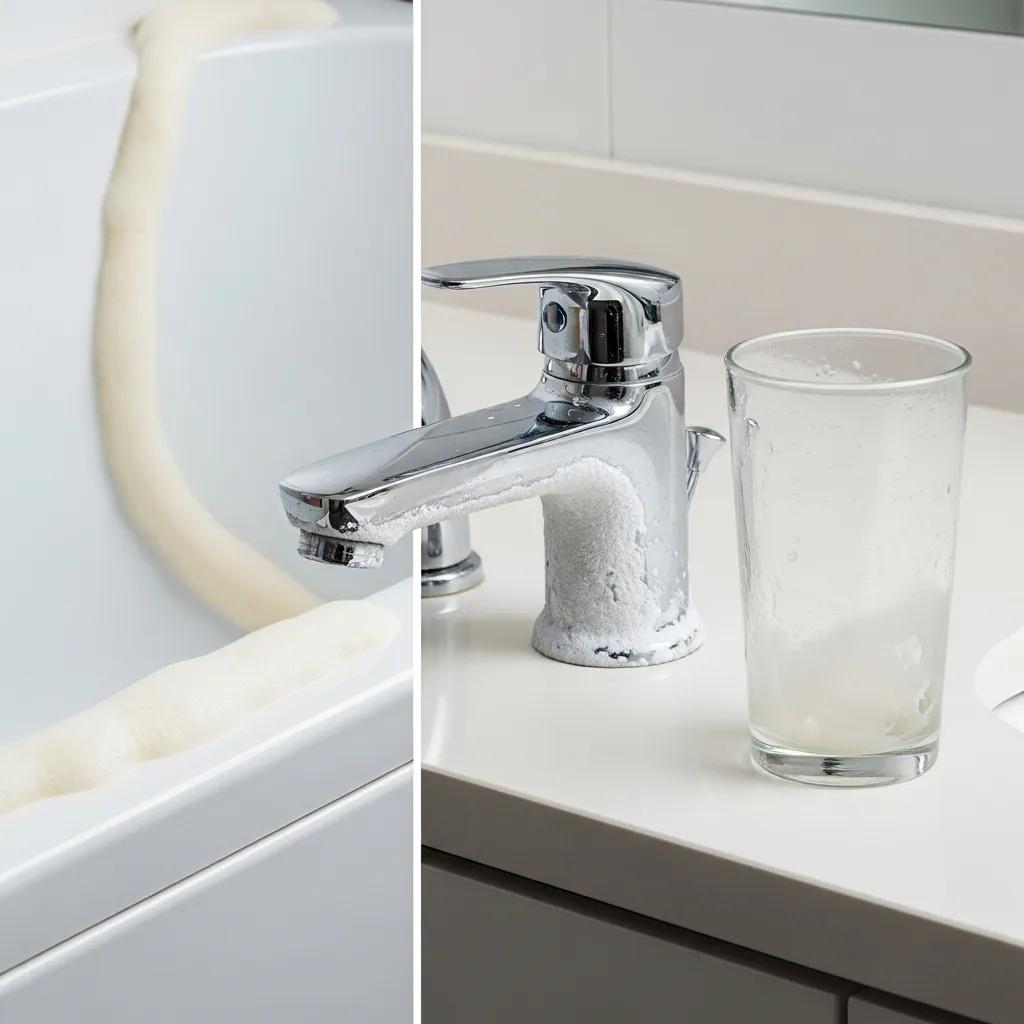
You can spot hard water with simple visual and practical checks. Look for white, chalky scale on faucets and showerheads, cloudy or spotted glassware after washing, and soap scum that won’t fully rinse away. People often notice dry, itchy skin or dull hair after showering, and soaps or shampoos that don’t lather well. These signs are easy to confirm with a quick soap test or inspection and usually mean it’s time for a professional hardness test that reports grains-per-gallon (GPG) to guide the right treatment.
How Does Hard Water Impact Plumbing Systems and Appliances Over Time?
Scale builds up slowly but has clear, measurable effects: it reduces heat transfer on water heaters, raises energy use, clogs pipes and aerators, and cuts water pressure. Over years, dishwashers, washing machines, and boilers need more repairs or parts replacements, and you may use more detergent to get the same results. Understanding those long-term costs makes proactive treatment and routine maintenance a smart investment to protect performance and avoid repeat repairs.
How Does Professional Water Softener Installation Solve Hard Water Problems?
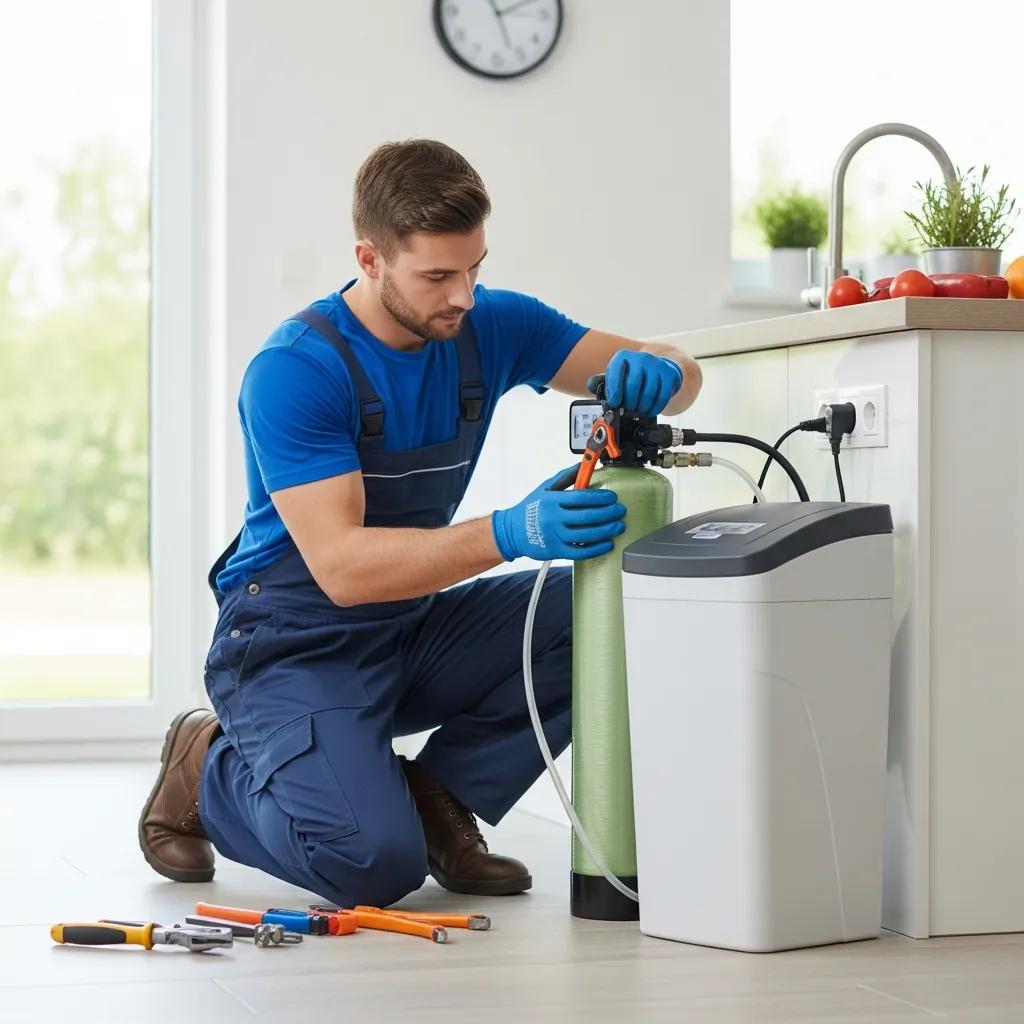
Professional installation starts with water testing, correct sizing and placement, then careful setup and verification so the whole property gets softened water. Installers match system capacity to measured hardness, household demand, and plumbing layout so the resin tank, brine tank, and control head work as intended. Proper installation prevents common mistakes — wrong bypass plumbing, undersized drains, or incorrect regeneration settings — and delivers predictable benefits: less scale, better soap performance, longer appliance life, and lower energy bills.
When you’re ready to act, Frost & Kretsch Plumbing offers on-site testing, system selection help, and full professional installation. Our technicians size and place the system, set it up, and walk you through how it works and what routine care looks like — so your soft-water performance is reliable from day one. Hiring a pro reduces the risk of improper equipment choices or installation errors that can undermine performance.
What Types of Water Softeners Are Available for Installation in Grosse Pointe?
There are a few common system types, each with strengths depending on hardness level and household needs. Salt-based ion-exchange softeners swap calcium and magnesium for sodium or potassium on resin beads, delivering low-GPG water and strong scale protection. Salt-free conditioners use crystallization or template-assisted methods to limit scale without removing minerals — they’re low-maintenance and avoid salt discharge but may not work as well on very hard water. Dual-tank and smart systems offer continuous service or adaptive regeneration based on real-time use, which helps larger homes or places with variable demand.
Below is a quick comparison of the main system types to help you match performance and maintenance preferences to your water conditions.
| System Type | How It Works / Salt Use | Pros / Cons / Best Use-case |
|---|---|---|
| Salt-based ion-exchange | Exchanges hardness ions for sodium or potassium on resin; requires salt in a brine tank | Very effective for high hardness; needs periodic salt refills and produces brine discharge; best for heavy scale protection |
| Salt-free water conditioner | Uses crystallization or template methods to alter mineral behavior without removing ions | Low maintenance and no salt discharge; suitable for moderate hardness and homeowners wanting fewer chemicals |
| Dual-tank / continuous softener | Two resin tanks alternate for regeneration so one tank always supplies softened water | Provides continuous soft water — ideal for large households or commercial use; higher upfront cost but less downtime |
This comparison highlights trade-offs between effectiveness, upkeep, and environmental impact. Next, see what to expect on installation day and the typical install sequence.
What Is the Step-by-Step Process for Installing a Water Softener System?
A professional install follows a simple sequence: test and assess, size and pick the system, install and plumb, then commission and train the homeowner. Technicians start with a hardness test and site evaluation, measure flow, and choose a location for the system, bypass, and drain — that determines resin tank size and flow capacity. During install they tie the softener into the main line, program regeneration cycles, and flush the system to clear air and manufacturing residue before final testing. After commissioning, the installer shows you basic upkeep — checking salt, operating bypass valves, and reading regeneration indicators — so you can keep things running between service visits.
What Are the Most Common Water Softener Repair Issues and How Are They Resolved?
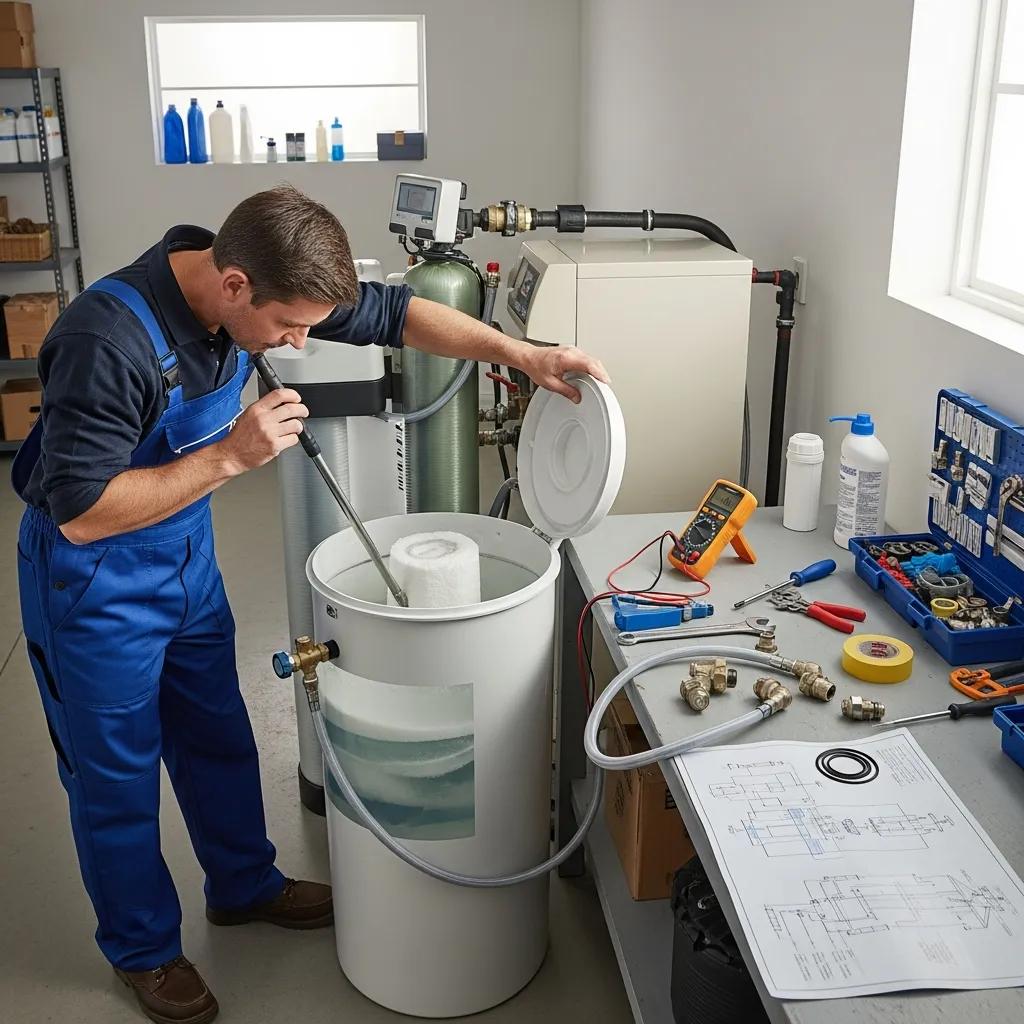
Most softener problems follow familiar patterns and are fixable with methodical checks and targeted parts replacement. Common issues include no soft water output, salt bridging in the brine tank, leaks at fittings or valves, and control head failures that stop regeneration. Troubleshooting usually starts with a visual check and homeowner-level steps — confirm salt level, break up bridges, and verify regeneration settings — then a technician will run test cycles, inspect the resin bed, and diagnose electronics or valves.
Simple fixes are fine for homeowners to try, but call a professional when problems persist or work requires disassembly, electrical testing, or parts under warranty. Quick checks you can do: make sure there’s salt in the brine tank, look for visible leaks, and confirm the control head shows normal status. If soft water never returns, or if there’s flooding or electrical trouble, switch the unit to bypass and call a technician to avoid further damage. The list below shows common issues with homeowner actions and when to escalate to a pro.
- Salt bridge or crust in the brine tank: Carefully break the bridge, remove loose salt, then check salt level.
- No softened water despite normal cycles: Verify regeneration settings and salt supply; schedule a professional diagnostic for resin or valve problems.
- Leaks at fittings or drain line: Tighten or replace fittings; if leaks persist, contact a licensed technician to inspect valves and plumbing connections.
Those quick steps solve many routine faults, but complex control or resin-bed problems need expert service to restore full performance and prevent repeats.
Which Water Softener Problems Require Immediate Repair Services?
Some failures are urgent and need fast response to avoid water damage or appliance harm. Call immediately for active leaks causing pooling, electrical faults that make the unit unsafe, or major control head failures that stop regeneration and allow rapid scale formation. In those cases, put the softener on bypass to stop flow through the unit, isolate any flooded areas, and contact emergency repair. Quick professional action reduces damage, protects connected appliances, and prevents larger plumbing repairs.
Acting fast on urgent issues limits secondary damage and can lower repair bills by addressing the root cause before it worsens. If you suspect salt contamination or resin migration downstream, do not attempt internal repairs — call a licensed technician for sanitary cleanup and component replacement. Coordinated emergency response helps preserve warranties and restores safe, long-term operation of your water treatment system.
How Does Frost & Kretsch Plumbing Provide Emergency Water Softener Repair in Grosse Pointe?
Frost & Kretsch Plumbing offers emergency response for water softener failures, dispatching licensed, insured technicians who can diagnose and stabilize urgent problems with fast availability. Our emergency process usually starts with a quick phone triage, followed by on-site diagnostics, immediate temporary fixes when possible, and a clear estimate for permanent repairs or parts. Technicians arrive ready to isolate the system, stop leaks, and take measures that prevent further damage while explaining repair options. Because we’re licensed and insured, you’ll get compliant work and a documented scope that protects safety and warranties.
Using a local emergency provider familiar with regional water conditions speeds repairs and makes it more likely the right parts and expertise arrive on the first visit. Our technicians handle control head issues, valve replacements, resin problems, and brine tank repairs while communicating transparently about options and costs. For non-emergency needs, regular inspections help catch wear early and prevent many emergency calls.
How Can Regular Maintenance and Testing Enhance Your Water Softener’s Performance?
Routine maintenance keeps your softener efficient, reduces common failures, and extends component life by addressing wear before it becomes a problem. Regular tasks include watching salt levels, checking for bridging, inspecting brine and resin tanks for contamination, and confirming control head settings and regeneration cycles. Periodic water testing — annually or semi-annually — verifies the system still delivers the target softness in GPG and spots source-water changes that may require tuning or media replacement. A simple maintenance plan cuts emergency repairs, optimizes salt use, and protects appliances across your plumbing.
Below is a practical maintenance schedule you can follow or share with facility staff.
| Maintenance Task | Frequency | Benefit / Time & Cost Estimate |
|---|---|---|
| Check and top off salt | Monthly | Prevents outages; 5–10 minutes monthly, minimal salt cost |
| Inspect brine tank for bridging and contamination | Quarterly | Avoids regeneration failures; 15–30 minutes, occasional cleaning cost |
| Resin bed and valve inspection by technician | Annually | Ensures exchange efficiency; 1-hour service visit, likely a diagnostic fee |
| Water hardness test (GPG/ppm) | Annually or when source changes | Confirms system performance; sample test or technician visit required |
Use this schedule as a simple roadmap to keep your system reliable and efficient while managing long-term costs. Regular homeowner checks paired with annual technician inspections are a practical balance for most properties.
What Are the Essential Water Softener Maintenance Tasks for Longevity?
The right routine keeps a system running longer with fewer surprises. Key homeowner tasks: keep recommended salt levels, break up salt bridges, clean the brine tank when needed, and verify the control head regenerates correctly. Also check inlet screens, drain lines, and the bypass valve for blockages that can affect flow and regeneration. For many households, monthly checks plus an annual professional inspection strike the best balance of uptime, performance, and cost control.
How Is Hard Water Testing Conducted and Why Is It Important in Grosse Pointe?
Hardness testing can be done with strips, handheld meters, or lab analysis, and results are reported in grains per gallon (GPG) or parts per million (ppm). DIY kits give a useful quick estimate, while professional on-site meters or lab tests provide precise GPG numbers and can also check for iron or total dissolved solids. Accurate testing is essential because softener size and resin volume are based on measured hardness and household usage. Regular tests make sure your system matches local conditions and signal when resin replacement or adjustments are needed.
Why Choose Frost & Kretsch Plumbing for Water Softener Services in Grosse Pointe?
Frost & Kretsch Plumbing serves Grosse Pointe and nearby Michigan communities with licensed, insured technicians who handle installation, repair, testing, and maintenance. We focus on clear estimates, straightforward communication, and customer satisfaction — so you can plan with confidence. Our local knowledge of municipal and well water profiles in Macomb, Oakland, and Wayne counties helps us recommend systems that fit your water and household needs. Choosing a provider that pairs solid diagnostics with clear communication makes it easier to get a lasting solution that reduces scale and protects plumbing investments.
We lead with trust signals and transparent scopes of work so homeowners know what to expect during installation and aftercare. On-site testing plus documented recommendations help you compare options and pick the most cost-effective path for your water quality goals.
What Unique Benefits Does Frost & Kretsch Offer for Installation and Repair?
Our local-service model combines on-site water testing, professional system selection, and licensed installation. Technicians explain expected performance, maintenance needs, and regeneration behavior at handoff so homeowners understand ongoing salt and service tasks. Our emergency response and insured technicians minimize downtime and damage when failures occur. In short, we pair technical skill with clear communication to give you a reliable, consumer-focused experience.
How Does Transparent Pricing and Customer Satisfaction Guarantee Build Trust?
Transparent pricing means we explain the main cost drivers, provide written estimates, and list scope items so you know what’s included — labor, parts, and optional add-ons. A customer satisfaction approach, backed by documented scopes and follow-up service, reduces risk and clarifies expectations. When regenerative schedules, maintenance needs, and warranty-adjacent practices are laid out in writing, homeowners can compare proposals and choose the right fit for budget and water goals. That transparency leads to smoother projects and better long-term results.
How Much Does Water Softener Installation and Repair Cost in Grosse Pointe, Michigan?
Costs vary by system type, capacity, and site complexity. Major drivers include system choice (salt-based, salt-free, or smart/dual-tank), resin capacity tied to daily water use and measured hardness, and installation factors like plumbing reroutes or drain work. Repair costs depend on which parts are needed — control valves, electronic heads, or resin replacement — and whether the call is urgent. For an accurate plan and written estimate that reflect on-site conditions, request a free estimate from Frost & Kretsch Plumbing by phone or through our local business listing.
Below is a concise cost-factor table to help you see how choices affect budgets and what to expect.
| Cost Factor | Typical Range / Impact | Example Scenario |
|---|---|---|
| System type and capacity | Moderate–High impact | Larger households or very hard water require bigger resin tanks, increasing cost |
| Installation complexity | Variable impact | Rerouting plumbing or adding a drain can add labor and parts |
| Parts and labor for repairs | Low–Moderate per repair | Replacing a control valve or motor involves parts plus technician time |
| Additional components (pre-filters, drain upgrades) | Add-on cost | Adding a sediment pre-filter protects the resin and may add modest upfront cost |
What Factors Influence the Cost of Water Softener Installation?
Several factors determine final cost. The biggest are system type (ion-exchange vs. salt-free), resin tank size based on measured GPG and household use, and installation difficulty (access to the main line, need for drains or pre-filters). Labor rates and plumbing modifications also affect price, and higher-end smart or dual-tank systems cost more up front but can reduce downtime and improve efficiency. Weigh upfront expense against long-term savings on appliances and energy to choose the best value.
How Can You Get a Free Estimate for Water Softener Services from Frost & Kretsch?
Getting a free estimate starts with a phone call or message to schedule an on-site assessment. Our technician tests hardness, inspects the plumbing for optimal placement, and notes any installation complexities that affect labor and materials. The written estimate includes recommended system types and capacities, projected labor, and any optional pre-filtration or drain work so you can compare options. To get started, contact Frost & Kretsch Plumbing via our local phone number or business listing to book a no-obligation site visit and estimate.
Our free-estimate process focuses on clear communication and an itemized proposal so you understand cost drivers before deciding. Local experience and transparent recommendations help you choose the right treatment for Grosse Pointe water with minimal surprises and documented next steps.
Frequently Asked Questions
What are the benefits of using a water softener in Grosse Pointe?
A water softener improves soap and detergent performance, reduces scale buildup in plumbing and appliances, and extends the life of water-using equipment. Soft water makes dishes and laundry cleaner, helps plumbing run more efficiently, and can lower repair and energy costs — making your daily life easier and less expensive over time.
How often should I test my water for hardness?
Test hardness at least once a year, or more often if you notice changes in water quality or appliance performance. Regular testing confirms your softener is working and helps catch source-water changes quickly. If you’ve moved or your water source changes, test right away to choose the right treatment.
Can I install a water softener myself, or should I hire a professional?
Some homeowners can tackle DIY installs, but we strongly recommend hiring a professional. Pros correctly assess water quality, size the system, and install it to avoid common mistakes that reduce efficiency or cause damage. A professional installation saves time and prevents costly errors down the road.
What maintenance tasks should I perform on my water softener?
Monthly: check and top off salt. Quarterly: inspect the brine tank for bridging and contamination. Annually: schedule a technician to inspect the resin bed and control valve and perform a hardness test. Following this routine helps prevent common issues and keeps the system working well.
What should I do if my water softener stops working?
Start with simple checks: is there enough salt, is there a salt bridge in the brine tank, and is the unit getting power? If those steps don’t help, call a professional for diagnosis. Avoid disassembling components or performing electrical repairs yourself — a technician can find the root cause and fix it safely.
Are there any environmental concerns with using a water softener?
Salt-based systems discharge brine that can affect wastewater and local ecosystems. Salt-free conditioners are an alternative that prevents scale without removing minerals and avoid salt discharge. Consider local water quality, regulations, and your priorities when choosing a system, and consult a pro to pick the most environmentally responsible option for your needs.
How can I ensure my water softener is sized correctly for my home?
Proper sizing depends on household water use, measured hardness, and number of occupants. A professional installer should perform a water quality assessment and evaluate your plumbing to recommend the right size. Correct sizing avoids undersized units that can’t keep up or oversized systems that waste salt and water.
Conclusion
Professional water softener installation and repair in Grosse Pointe protect your home from scale, improve water quality, and extend the life of appliances. By spotting hard water early and choosing the right system — plus following a simple maintenance plan — you’ll enjoy better performance and fewer repairs. Frost & Kretsch Plumbing offers on-site testing, clear recommendations, and reliable installation and service. Contact us today to schedule a free estimate and take the first step toward easier, cleaner water at home.