
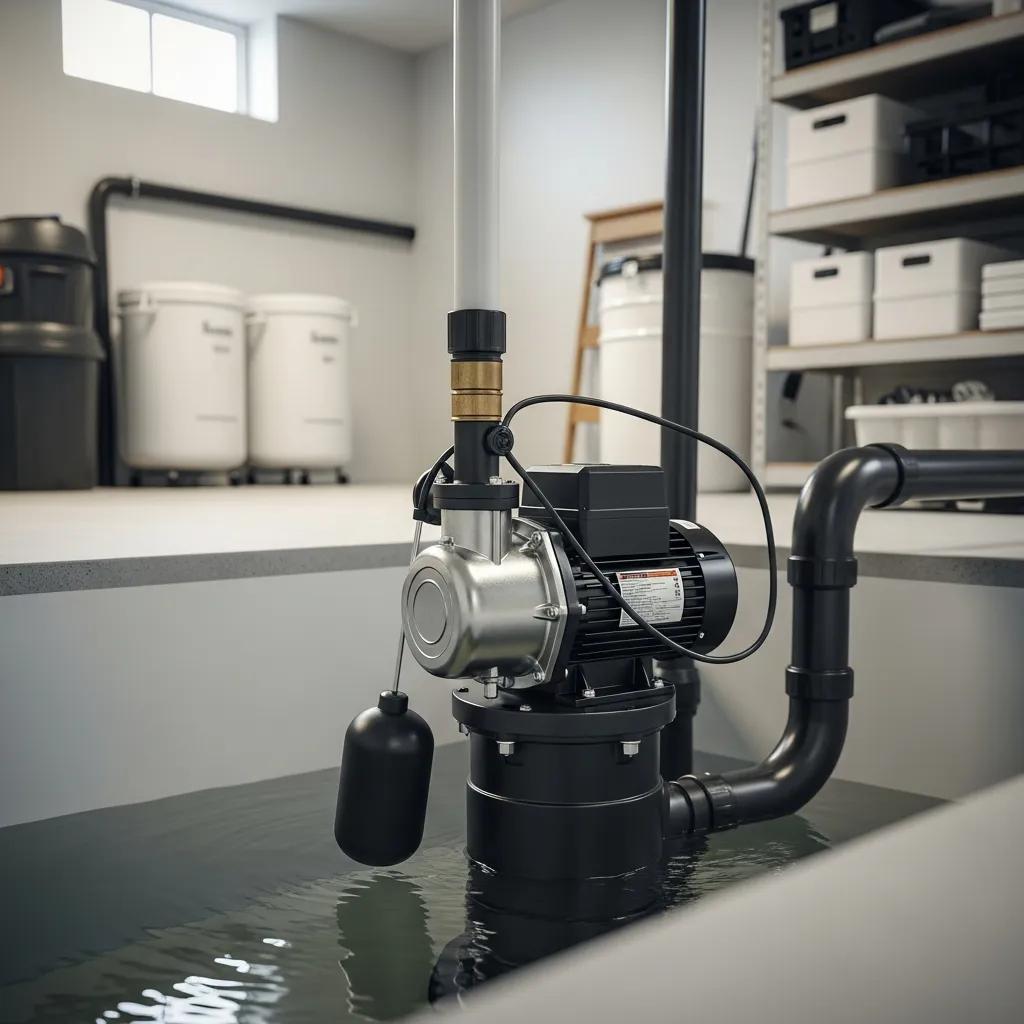
Troubleshooting Your Sump Pump: Fast, Practical Steps to Diagnose and Fix Failures
Your sump pump is your first defense against a wet basement — it collects water in the sump pit and pumps it safely away from your foundation. When it fails, the risk of flooding and costly water damage rises quickly. This guide walks you through the early warning signs of a failing pump, safe DIY checks you can run at home, and when to call in a pro so a small issue doesn’t become a disaster. You’ll learn to spot common problems like no pumping, nonstop cycling, or strange noises; follow step-by-step troubleshooting (power, float, impeller, discharge); and weigh replacement or backup options, including battery backups. We also cover emergency triggers and simple maintenance routines that prevent most failures, plus checklists and comparison notes to help you choose the right equipment. Practical safety tips and clear guidance on when licensed technicians should handle electrical or pit work are included throughout.
What Are the Common Signs Your Sump Pump Is Failing?
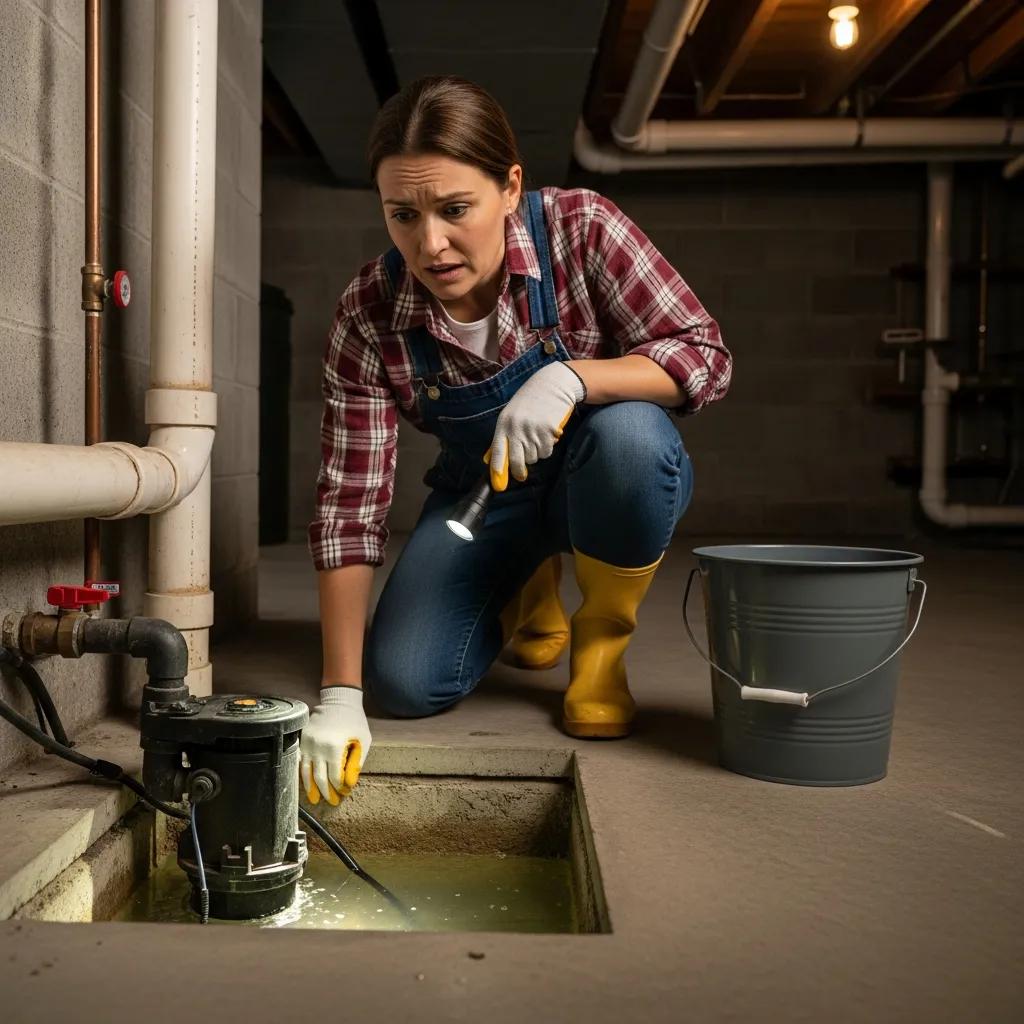
Most failing sump pumps give obvious clues before a complete breakdown. Watch for the pump not starting when the pit fills, rapid on/off cycling (short-cycling), grinding or rattling noises from the motor or impeller, standing water in the pit or slow drainage, and alarms or erratic behavior from sensors. Catching these signs early lets you run quick triage checks — power, float movement, and a simple pour test — to narrow whether the issue is electrical, a stuck float, or a mechanical clog. Below are the high-priority symptoms and what they usually mean.
The most common signs of sump pump failure are:
- Pump not turning on: Nothing runs when water reaches the activation level.
- Continuous or frequent cycling: The pump runs constantly or cycles on and off rapidly — a classic sign of short-cycling.
- Unusual noises: Grinding, rattling, or whining can mean impeller damage or motor wear.
- Basement water accumulation: Water on the floor or slow pit drainage shows the pump isn’t clearing water effectively.
- Alarms or erratic operation: Random starts/stops or alarm triggers point to electrical or sensor problems.
If you notice any of these, do basic checks right away — confirm power, check the float position, and perform a pour test. Early action cuts the chance of flooding and costly cleanup.
Frost & Kretsch Plumbing handles sump pump diagnostics and emergency response across the Grosse Pointe area. Our licensed technicians give clear estimates and fast triage when DIY checks don’t resolve the problem. If you’re unsure after the quick tests, schedule a local inspection for peace of mind.
How to Identify When Your Sump Pump Is Not Pumping Water
First, confirm whether the pump actually fails to start when water reaches the activation level. Do a controlled pour test: add a bucket of water to the pit to lift the float and watch whether the pump starts and discharges properly. If it doesn’t, check the circuit breaker and any GFCI outlets, then test the outlet with a non-contact tester or multimeter — no power usually means an electrical issue. If the outlet has power but the pump stays quiet, listen for a motor hum (a sign of a seized motor) and inspect the intake and impeller area for blockages. If these basic checks don’t restore operation, the unit may need mechanical cleaning or service to replace a seized motor or damaged impeller.
If the pour test produces only partial or intermittent pumping, suspect a worn impeller, a partial clog, or a sticking float — all of which can get worse in heavy rain. If electrical tests show power but the pump won’t start even after a reset (when a reset exists), stop disassembly and call a professional to avoid electric-shock or further damage.
What Causes a Sump Pump to Run Continuously or Make Noise?
Nonstop running or rapid cycling usually stems from float switch issues, a failed check valve, or groundwater coming in faster than the pump can handle. A tethered float can snag on the pit lip or piping, or a vertical float can bind on debris and stay in the “on” position. A bad or missing check valve lets discharged water return to the pit, causing repeated starts. Noises — grinding, rattling, loud humming — often mean debris in the impeller, worn bearings, or motor strain from running under load. Diagnosing noise correctly needs a visual intake check and a controlled run to pinpoint where the sound is coming from.
Often the fix is simple: clear debris, free or replace the float, and confirm the check valve works. But if the motor sounds mechanically damaged or the unit overheats, stop using the pump and contact a licensed technician — persistent noise while water is rising is an emergency risk for motor burnout and flooding.
How Can You Troubleshoot Your Sump Pump Step-by-Step?
Troubleshooting should follow a safe, logical order: start with low-risk checks and move toward mechanical inspection only when power is off. Safety first — cut power before touching wiring or removing covers, use a flashlight, and avoid standing in water while testing electrical parts. The steps below isolate the three main fault groups — electrical, float/sensor, and mechanical/clogging — so you can tell which issues you can fix yourself and which need a pro. Follow the numbered sequence and use the recommended tools and safety notes.
- Safety and power check: Confirm the circuit breaker and any GFCI are reset and test outlet power with a non-contact tester or multimeter.
- Pour test: Add water to the pit to raise the float and observe whether the pump starts and how it discharges.
- Float and linkage inspection: Look for stuck or tangled tethered floats and make sure vertical floats move freely.
- Intake/impeller check: With power off, remove the pump (if user-serviceable) to inspect and clear debris around the impeller and housing.
- Discharge line and check valve: Check for kinks, blockages, or backflow; observe check valve operation while the pump runs.
- When to escalate: Call a licensed plumber if wiring looks suspect, the motor hums but won’t turn, the impeller needs replacement, or the pit requires modification.
Keep these basic tools handy: flashlight, work gloves, pliers, adjustable wrench, non-contact voltage tester or multimeter, and a small bucket for the pour test. These let you do safe initial diagnosis — avoid DIY electrical repairs beyond testing to reduce risk.
Working step-by-step saves time and money by catching simple fixes early and directing complex issues to licensed techs. Following the sequence also helps you describe the problem accurately when you call for professional service.
How to Check the Power Supply and Electrical Connections
Electrical problems are the most common reason a pump won’t run even when the pit is full. Start at the breaker panel and any GFCI outlets that may have tripped. Use a non-contact voltage tester or multimeter to confirm that the pump outlet has power — if the outlet is dead while the breaker is on, there’s likely an upstream GFCI or circuit issue. Inspect the pump cord for visible damage and make sure the plug is fully seated; don’t try to repair frayed cords yourself. If you see exposed wiring inside the pump housing, turn the circuit off and call a licensed electrician or plumber — that work is not for a homeowner.
If power reaches the outlet but the pump only hums or shows no load, the motor or starter may have failed; those conditions require professional service. Stop and get licensed help if you’re unsure about any electrical step.
How to Inspect and Fix Float Switch and Impeller Issues
Float switches control when the pump runs and are common failure points when debris or a tether gets stuck. Identify whether you have a tethered or vertical float and, with power off, confirm it moves freely through its full range. Clear silt, gravel, or debris that can catch the float; for tethered floats, make sure the tether length allows full motion and doesn’t wrap around the discharge pipe. Impeller problems show up as reduced flow or loud mechanical noise — with power off, follow manufacturer instructions to remove the pump and clear hair, string, or sediment from the impeller housing. If the impeller is cracked or worn, replacement is usually more economical than repair.
Replacing a float or impeller typically restores reliable operation. If you’re uncomfortable disassembling the pump, or it’s permanently installed, call a pro. Proper inspection and repair of these parts usually bring a failing pump back to normal without major pit work.
When Should You Call for Emergency Sump Pump Repair in Grosse Pointe?
Call a plumber right away when conditions threaten structural damage, health, or electrical safety — these situations need 24/7 emergency response rather than routine scheduling. Emergency triggers include active basement flooding above floor level, continuous heavy inflow that overwhelms the pump and endangers appliances or finishes, visible smoke or electrical sparking near the pump, sewage or heavily contaminated water in the pit, and pump failure during a major storm while water is rising. Quick action limits water damage, reduces mold risk, and protects electrical systems; if in doubt, treat rapidly rising water or electrical smells as emergencies.
A clear checklist for emergency triggers:
- Standing water above floor level or reaching outlets/appliances: Cut power if it’s safe and call emergency service immediately.
- Pump stops during heavy rain or rapid groundwater influx: Risk of fast flooding — escalate to emergency repair.
- Electrical smell, smoke, or visible sparking near the pump: Serious hazard — shut off the circuit and call emergency technicians.
- Contaminated or sewage-laden water in the pit: Health risk that needs specialized cleanup and emergency plumbing.
If home triage doesn’t stop rising water — for example, a pour test shows no response or you see repeated short-cycling during a storm — call emergency plumbing services to protect the structure and prevent secondary damage. Licensed emergency crews can install a temporary pump, safely isolate electricity, and mitigate damage until permanent repairs are completed.
What Are the Signs You Need 24/7 Emergency Plumbing Services?
Signs that a sump pump problem is a true emergency include water actively flooding finishes or equipment, electrical sparking or a burning smell at the pump, sewage contamination, or pump failure during an extended storm causing rapid water rise. These situations endanger safety and property and require technicians who can stabilize conditions, set up temporary pumping, and handle contaminated water safely. If water approaches outlets, appliances, or structural elements, shut off power to the area if it’s safe and call for emergency help right away.
Emergency service focuses on immediate mitigation — temporary pumping, safe electrical isolation, and damage control — followed by diagnostics and permanent repairs once the situation is stabilized. Acting quickly reduces repair costs and health risks tied to standing water.
How Frost & Kretsch Plumbing Provides Rapid Response and Reliable Repairs
Frost & Kretsch Plumbing offers local emergency sump pump repair with licensed, insured technicians available 24/7 across the Grosse Pointe area and nearby communities. We focus on fast response, clear, upfront estimates with no hidden fees, and a satisfaction-first approach so you understand scope and cost before work begins. In emergencies, our teams stabilize active flooding, install temporary pumps, and isolate electrical hazards safely. If you need help now, our rapid-response crews and transparent pricing make urgent decisions easier under pressure.
What Are Your Options for Sump Pump Replacement and Installation?
Picking a replacement or a new sump pump comes down to matching the pump to your pit, expected water inflow, and reliability needs. Common choices are submersible pumps, pedestal pumps, and battery backup systems for protection during outages. Submersible pumps sit in the pit, handle higher flow rates, and run quietly — a good fit for finished basements or heavy inflow. Pedestal pumps keep the motor above the pit for easier servicing but are more exposed and better suited to lighter debris conditions. Battery backup and water-operated backups provide redundancy when power fails — battery systems run for several hours depending on capacity, while water-operated backups rely on municipal pressure if available.
Below is a comparison table to help you choose among common pump types by power source, suitability, pros/cons, and typical lifespan.
| Pump Type | Power Source | Suitability | Typical Lifespan |
|---|---|---|---|
| Submersible sump pump | Electric (line power) | High-flow basements, quiet operation, finished spaces | 7–10 years typical |
| Pedestal sump pump | Electric (line power) | Shallow pits, easy service, lower debris environments | 8–15 years typical |
| Battery backup sump pump | Battery + primary electric | Homes needing outage protection, critical basements | Battery cycles vary; pump life 5–10 years |
How Much Does Sump Pump Replacement Cost in Grosse Pointe?
Replacement costs depend on pump type, labor complexity, and whether pit or electrical work is needed. A basic swap of a submersible or pedestal pump typically falls in a moderate homeowner range; adding a battery backup or doing extensive pit modifications raises the price. Cost drivers include pump brand and model, access to the pit (tight or buried pits increase labor), required electrical upgrades or conduit runs, and any permit or disposal fees. For an accurate budget, request an on-site estimate so a technician can measure head, flow needs, and installation complexity.
| Service | Typical Cost Range | Factors that Affect Cost |
|---|---|---|
| Basic pump replacement | $300–$700 | Pump model, labor access, discharge piping |
| Replacement with battery backup | $700–$1,200+ | Battery capacity, backup pump type, wiring |
| Full pit/modification | $1,000–$2,500+ | Excavation, pit liner, electrical upgrades |
What Are the Benefits of Battery Backup and Different Sump Pump Types?
Battery backup systems give you crucial redundancy when the power goes out during storms — the battery-driven pump keeps working when line power fails. Submersible pumps are quieter and handle higher volumes with fewer clogs thanks to their enclosed motor design, making them ideal for finished basements. Pedestal pumps make motor access easier for maintenance but expose the motor and tend to be better for lighter-duty applications. Selecting the right system balances noise, capacity, serviceability, and outage protection based on your local weather risk and how you use your basement.
Key benefits of each pump type:
- Submersible: Higher capacity, quieter, suitable for finished spaces.
- Pedestal: Easier maintenance and lower initial cost for light-duty use.
- Battery backup: Keeps you protected during power outages — essential in storm-prone areas.
After weighing these options, have a professional confirm sizing (GPH and head) and pit compatibility so the pump performs reliably at peak demand. If you choose replacement or upgrade, professional installation ensures correct discharge routing and proper check valve placement.
How Can You Maintain Your Sump Pump to Prevent Future Failures?
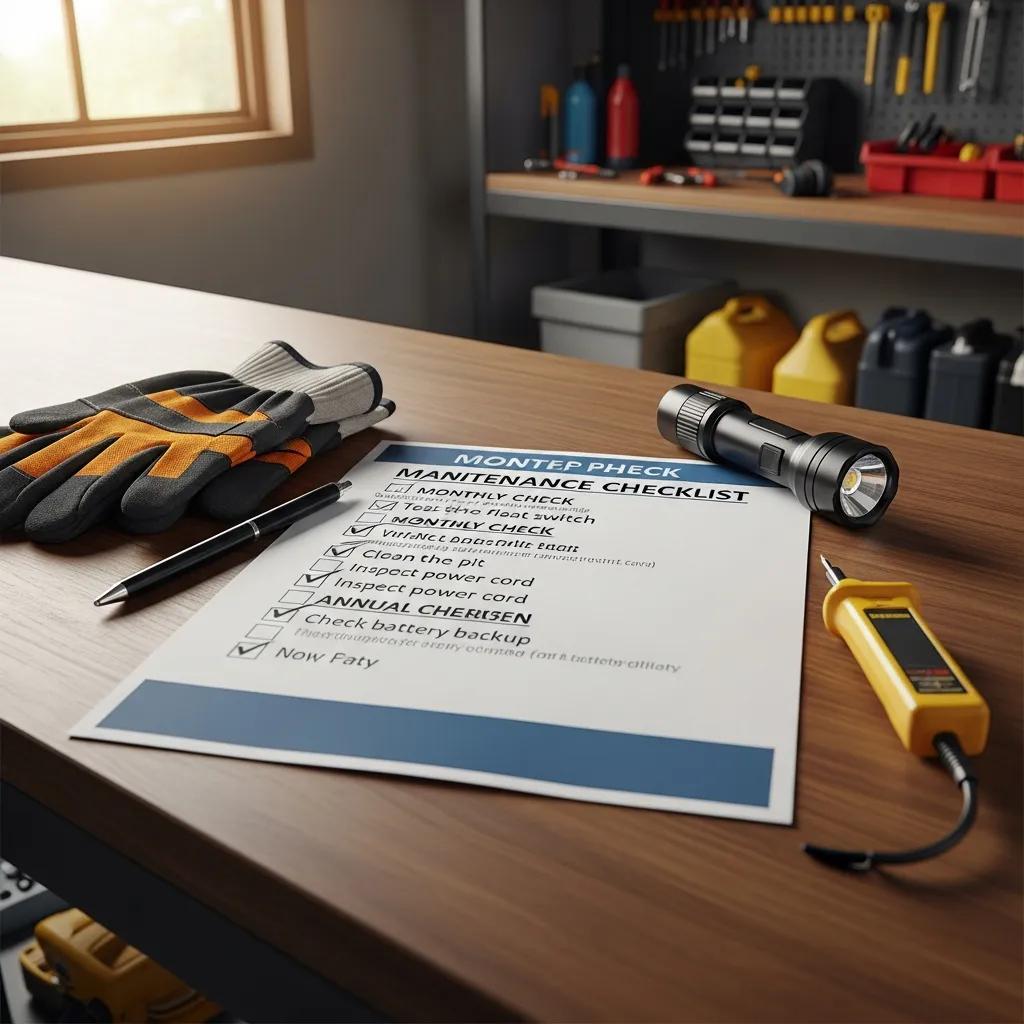
Regular maintenance is the best way to avoid most sump pump failures and reduce emergency risk. Combine an annual professional inspection with simple monthly homeowner checks to keep systems reliable. Maintenance focuses on keeping the float free, the intake and impeller clear, the discharge line secure with a working check valve, and electrical protections like GFCI and breakers functioning. Set a simple routine of monthly visual inspections and pour tests, semi-annual cleanings where debris is common, and a yearly pro service to catch wear, test backups, and confirm sizing. Below is a practical checklist you can follow.
Routine maintenance tasks homeowners can perform:
- Monthly: Visual inspection, pour test, confirm the float moves freely.
- Quarterly: Check the discharge line for blockages or freeze risk and inspect the external discharge point.
- Annually: Professional inspection for motor wear, impeller condition, check valve testing, and electrical verification.
What Is Included in a Sump Pump Maintenance Checklist?
A full checklist separates what homeowners can safely do from what pros should handle. Homeowner tasks include monthly pour tests, looking for debris and corrosion, and verifying the discharge outlet is clear. Professional checks include removing and inspecting the pump, testing motor current draw, evaluating impellers and seals, testing battery capacity for backups, and checking wiring and connections. Homeowner tools are basic: flashlight, bucket, gloves, and a non-contact voltage tester for simple outlet checks.
Following this checklist reduces emergency failures and extends pump life. If the checklist reveals ongoing problems — intermittent operation, odd noises, or electrical issues — schedule professional service before it worsens.
How Often Should You Schedule Professional Inspections and Cleaning?
As a minimum, schedule a professional inspection once a year to check motor health, impeller condition, electrical safety, and battery backup function. Annual service is the baseline for most homes. Increase frequency to twice a year if you face frequent storms, high groundwater, an older pump, or visible sediment in the pit. Keep records of inspection dates and findings to predict replacement timing and support warranty or insurance claims.
Frost & Kretsch Plumbing offers annual inspection and maintenance packages that include a full function test, battery backup evaluation, and transparent estimates for any needed repairs or replacements. Pick an inspection cadence that matches local groundwater patterns and your comfort level with risk.
- Monthly checks: Quick pour test and visual inspection to catch early issues.
- Annual professional inspection: Full pump and electrical evaluation to keep things reliable.
- Semi-annual checks: Recommended if you deal with frequent storms or heavy runoff.
Consistent maintenance and timely professional inspections keep your pump ready and protect your basement from avoidable water damage.
Frequently Asked Questions
What should I do if my sump pump is making unusual noises?
Unusual noises — grinding, rattling, or humming — usually point to mechanical trouble like debris in the impeller, worn bearings, or motor strain. First, turn off power and check the intake area for blockages. If the impeller looks damaged or the motor is overheating, call a professional. Don’t ignore odd noises; addressing them quickly prevents bigger failures.
How can I ensure my sump pump operates effectively during heavy rain?
Keep your pump in top shape with regular maintenance: confirm the float moves freely, clear debris from the intake and impeller, and make sure the discharge line is unobstructed. Install a battery backup to protect against power outages and perform controlled pour tests periodically to verify the pump activates as it should.
What are the risks of ignoring sump pump maintenance?
Skipping maintenance raises the chance of pump failure, basement flooding, and expensive water damage. Clogged intakes, stuck floats, or electrical faults can go unnoticed until an emergency. Routine inspections and upkeep are far less costly than emergency repairs and cleanup.
Can I install a sump pump myself, or should I hire a professional?
Some homeowners can install a sump pump, but hiring a professional is often the safer choice. Pros ensure proper sizing, code-compliant installation, and safe electrical connections. If you’re not confident with electrical work or plumbing outlets, have a licensed technician handle the install.
What is the average lifespan of a sump pump?
Life expectancy depends on type and usage: submersible pumps typically last 7–10 years, while pedestal pumps can last 8–15 years. Frequency of use, maintenance, and build quality all affect longevity. Regular care can extend your pump’s service life.
How do I know if my sump pump needs to be replaced?
Consider replacement if you see frequent breakdowns, persistent unusual noises, or reduced pumping performance. If the pump runs nonstop without removing water, or fails a pour test, those are strong signs it’s failing. Also think about replacement if the unit is over seven years old and showing wear.
What should I look for when choosing a new sump pump?
Look at pump type (submersible vs. pedestal), expected inflow rate, and sump pit size. Choose reliable performance ratings, energy-efficient options, and features like alarms or battery backups. Check warranties and reviews to pick a quality product that fits your needs.
Conclusion
Troubleshooting your sump pump early helps you avoid costly water damage and keeps your home protected during heavy rains. Learn the warning signs, run simple monthly checks, and schedule professional inspections when needed. If you’d like help, set up an inspection with our team — we’ll make sure your system is sized and maintained so your basement stays dry and secure.