Frost and Kretsch Plumbing

Uncategorized

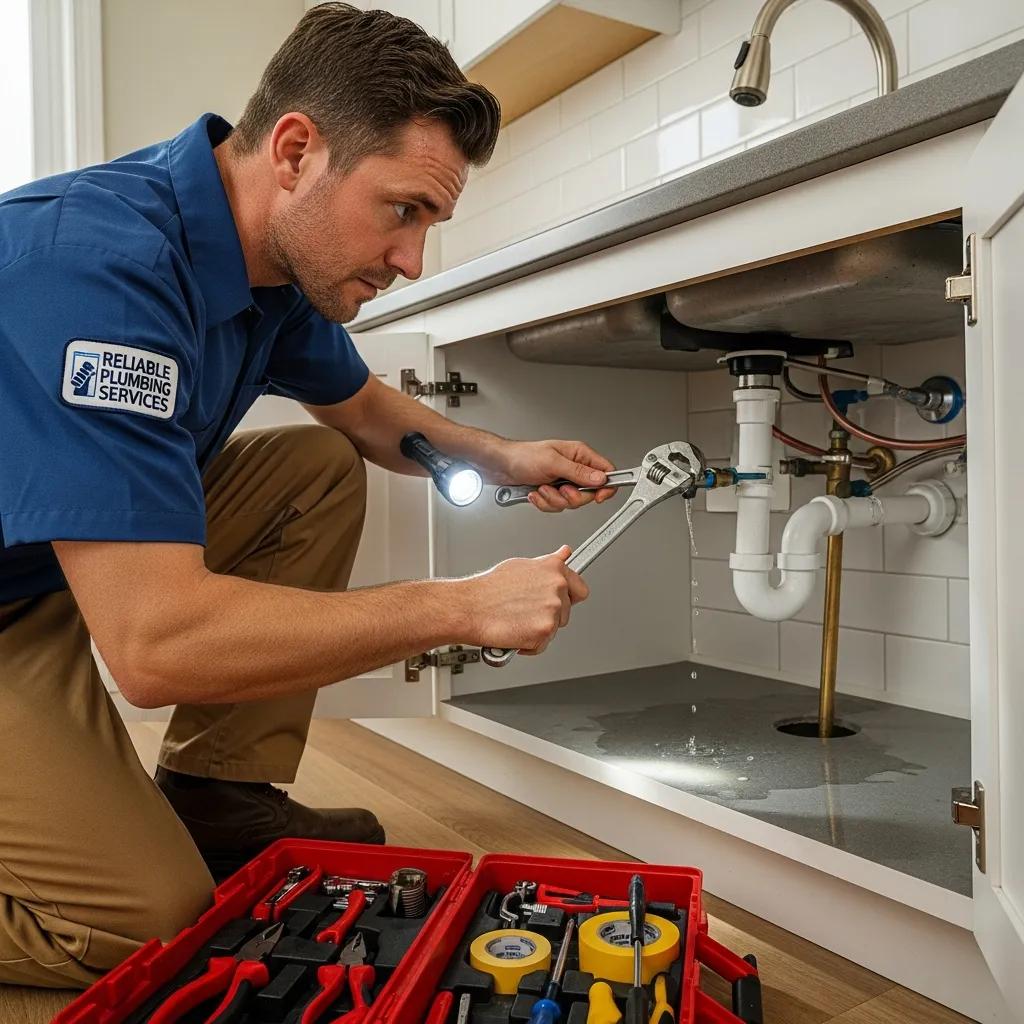
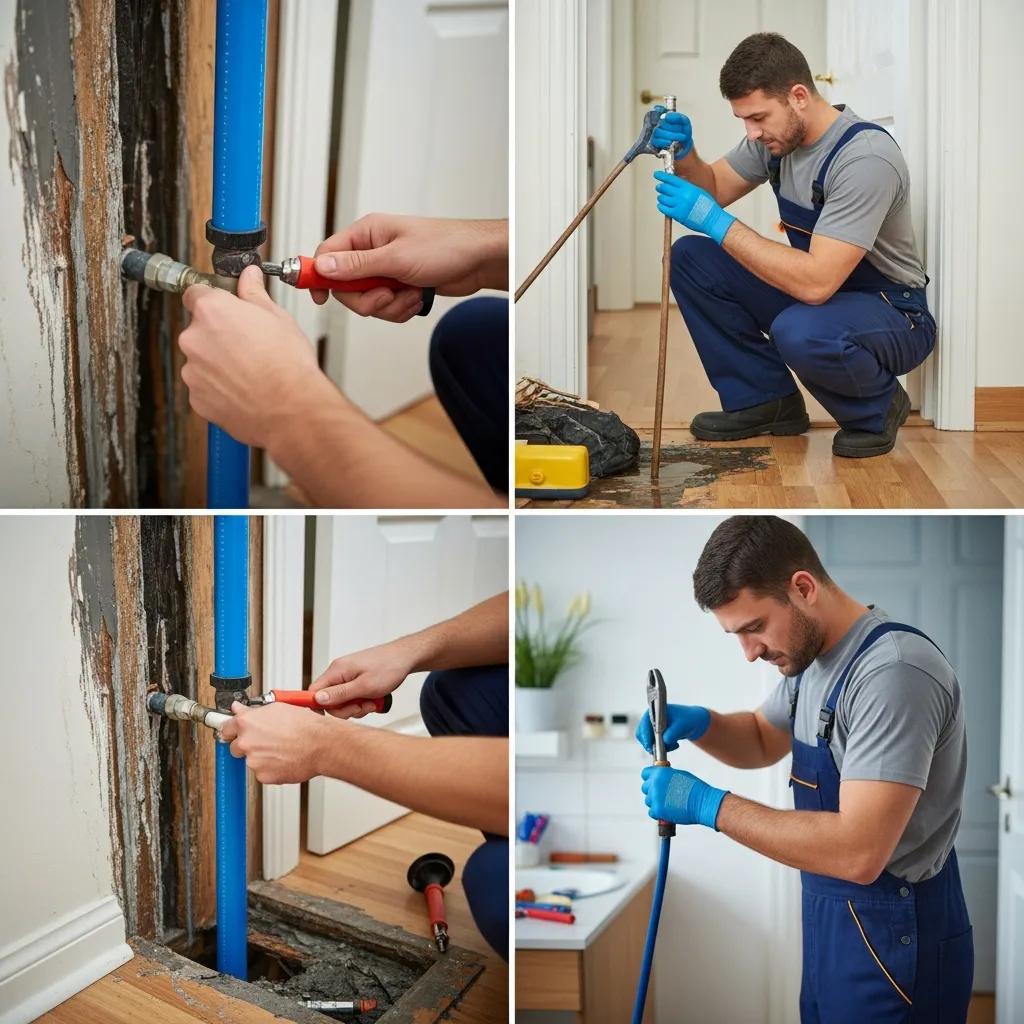
Professional plumber repairing a burst pipe in a residential emergency situation

24/7 Emergency Plumber in Grosse Pointe City, MI

24/7 Emergency Plumber in Grosse Pointe City, MI: Fast, Reliable Urgent Plumbing Services When plumbing fails, every minute counts. In Grosse Pointe City, you want a 24/7 emergency plumber who arrives fast, limits damage, and restores safe water flow. This guide walks you through the most common urgent plumbing problems, how to spot them quickly, and the immediate steps homeowners and businesses should take to protect property and health. You’ll also find a clear breakdown of emergency services we provide—burst pipe repair, sewer and drain work, water heater emergencies, and commercial urgent response—plus diagnostic methods like leak detection and camera inspection so you know what to expect when our techs arrive. Finally, we explain how our rapid response, transparent pricing, and licensed workmanship reduce stress during an emergency and how to contact us for immediate help. For 24/7 assistance, Frost & Kretsch Plumbing Inc. is available at 313-881-2818; read on to learn when to call, what our technicians do, and what you can do while you wait. Frost & Kretsch Plumbing Inc. offers around-the-clock emergency response, licensed and insured technicians, and straightforward pricing for urgent calls. When you face a major leak or sewage backup, call 313-881-2818 for immediate dispatch. We list the contact information after this overview so you can first understand the issue before requesting service. What Are Common Plumbing Emergencies in Grosse Pointe City? Plumbing emergencies threaten property, health, or essential services and need quick action to stop them from getting worse. In Grosse Pointe City, the most common emergencies are burst pipes (from freezing or pressure), sewage backups, major interior leaks, complete loss of water, overflowing fixtures, and sudden water heater failures that cut hot water. These events can cause structural damage, mold, and contamination—so prompt mitigation is critical. Knowing which problems are true emergencies helps you decide whether to call for immediate help or schedule a standard repair. Local factors—older plumbing in many homes and seasonal freezing—make some issues more likely here. Recognizing those patterns helps residents react faster. The next section defines clear criteria for when to call for emergency service. Which Situations Require Immediate Emergency Plumbing? Call for emergency plumbing when the issue is active, out of control, or creates a health or safety risk that can’t wait until normal business hours. Examples include a pipe spraying water, sewage backing into living areas, a major leak soaking floors and ceilings, or rapidly rising water from an overflowing fixture. These situations escalate quickly—pressure, contamination, and structural damage can worsen by the hour—so we stop the flow, contain damage, and restore safety as fast as possible. If you see continuous spraying, smell sewage coming from drains, or lose pressure across multiple fixtures, call emergency service right away to avoid mold, electrical hazards, or more costly repairs. That yes/no test clarifies urgency and leads into the next section, which lists warning signs to watch for before visible flooding appears. How to Recognize Signs of Plumbing Emergencies Quickly? Spotting early warning signs gets help on the way sooner and limits damage. Watch for spreading water stains on ceilings or walls, pooling water under appliances, sudden low water pressure across fixtures, persistent gurgling in drains, or standing sewage odors—these often mean a backup. Listen for unusual pipe noises like loud banging or steady hissing. Odors that are musty or sewage-like suggest contamination and need immediate containment. If safe, shut off the local fixture or the main water valve, move valuables out of the affected area, and take photos to document damage—these steps slow the spread of water and help with insurance claims. Early observation shortens diagnosis time and improves results when our technicians arrive. Those detection tips lead into the next section on the emergency services our techs provide and the tools they use for fast diagnosis and repair. What Emergency Plumbing Services Does Frost and Kretsch Provide in Grosse Pointe? Our emergency services include fast diagnosis, temporary mitigation, and permanent repairs to restore safe water, drainage, and sewer function. Technicians use leak detection gear, pipe repair methods, drain clearing equipment, sewer camera inspection, water heater troubleshooting, and commercial emergency response techniques to stabilize systems and prevent further damage. The table below compares common emergency types by cause, immediate risk, and typical response so you can match the problem to the likely solution. Emergency Type Typical Cause Immediate Risk & Typical Response Burst Pipe Freezing, corrosion, pressure surges Immediate flooding; isolate supply, apply temporary clamp, plan pipe repair or replacement Sewage Backup Blockage, collapsed line, tree roots Health hazard and contamination; stop water use, contain waste, perform camera inspection and cleaning Major Leak (Hidden) Loose joints, pinhole leaks, appliance failure Slow structural damage and mold; use acoustic leak detection, isolate zone, plan repair Water Heater Failure Element or tank rupture, sediment buildup Loss of hot water, potential flooding; shut off heater, drain if needed, repair or replace unit Clogged Drain Grease, roots, foreign objects Fixture overflow and backups; use snaking or hydro-jetting, inspect with camera if persistent This comparison shows what our team focuses on first and sets realistic expectations for immediate results. After triage, technicians follow on-site steps explained in the subsections below. How Does Burst Pipe Repair and Leak Detection Work? We start burst pipe repair and leak detection with precise, non-invasive tools to limit disruption and find the exact failure point. Our techs use acoustic leak detectors to listen for flowing water inside walls and thermal or camera tools to map damage without tearing out finishes—especially important in older Grosse Pointe homes. Temporary fixes include isolating the affected zone at the shut-off valve, applying a clamp or compression fitting to stop flow, and containing water to prevent spread. Those measures protect your home and buy time for a proper repair. Permanent fixes can range from a patch or section replacement to full repiping depending on pipe condition and access; excavation for buried mainline breaks is used only when trenchless solutions aren’t practical. Knowing how we detect and temporarily contain leaks helps homeowners make informed

24/7 Emergency Plumber in Grosse Pointe City, MI Read More »
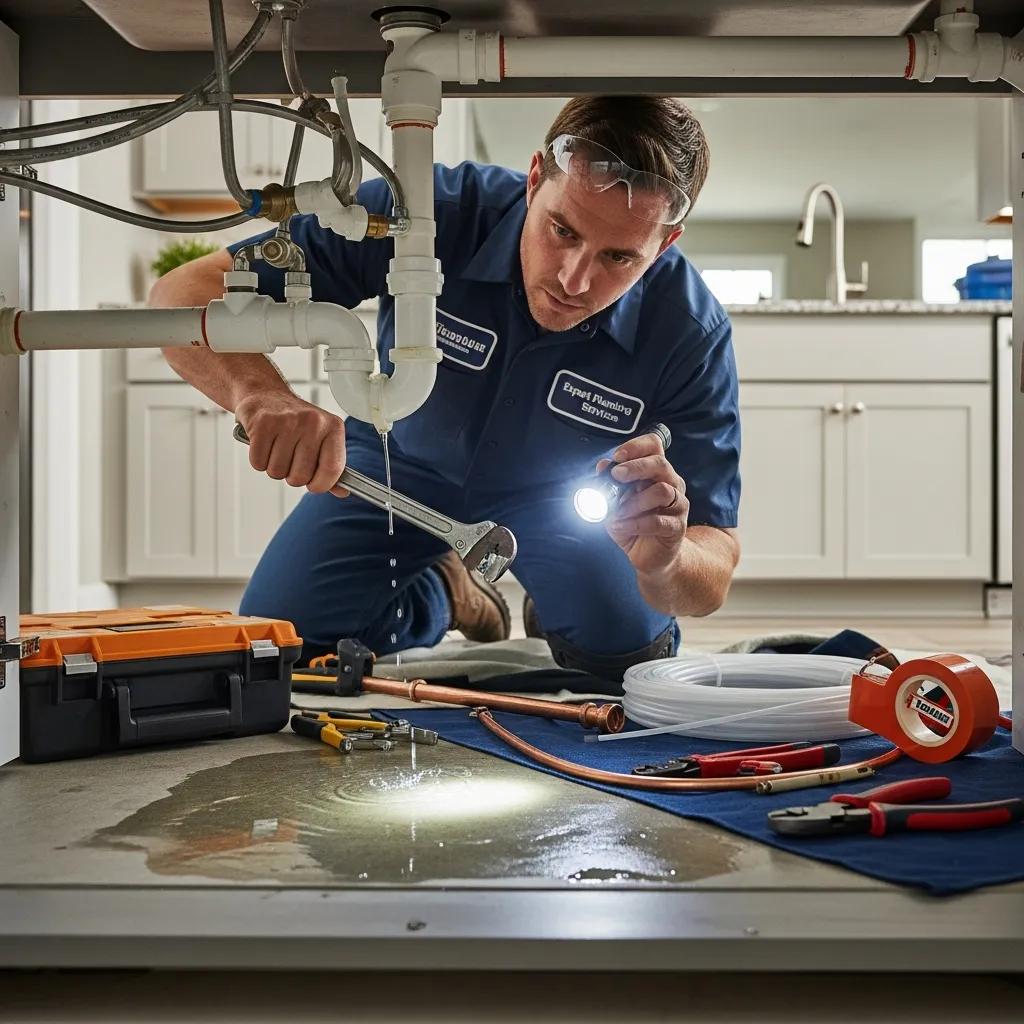
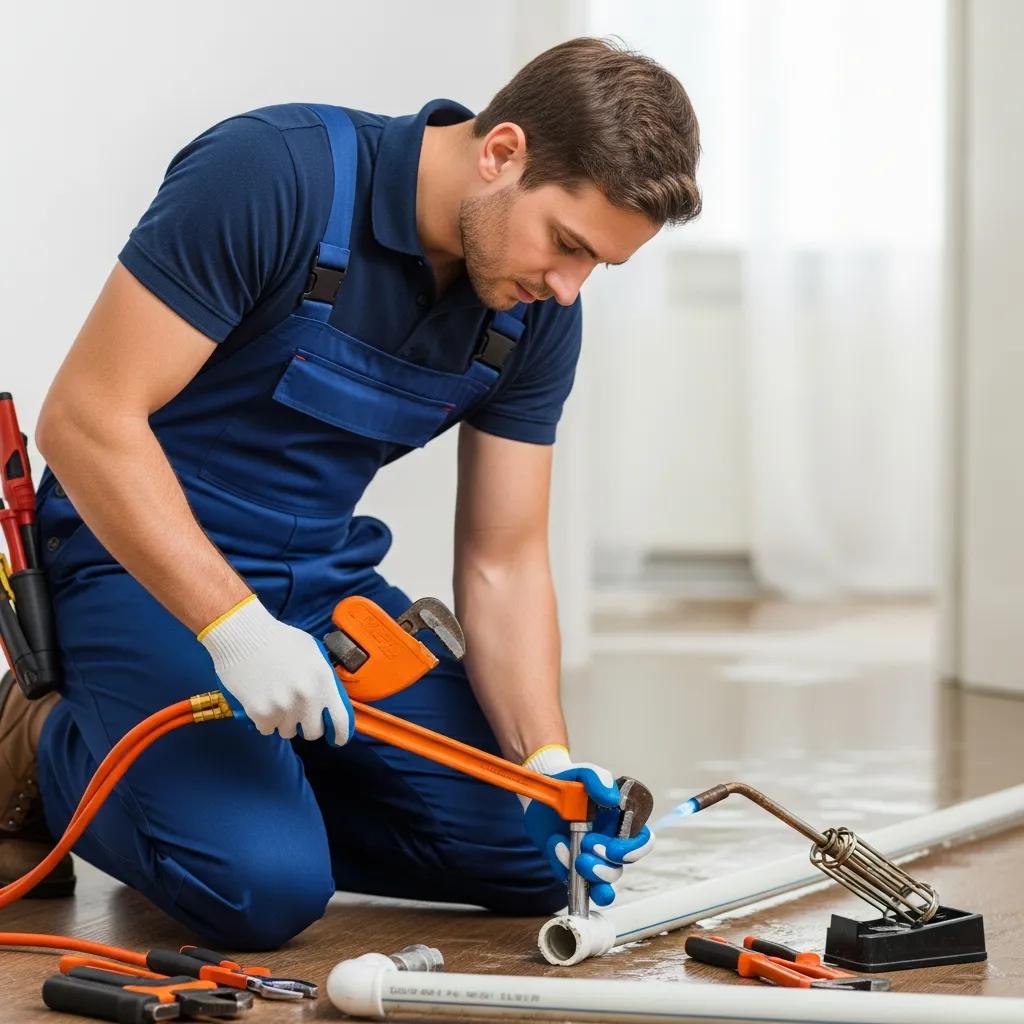
Professional plumber addressing a plumbing emergency in a Troy home, emphasizing reliability and urgency

24/7 Emergency Plumber in Troy, MI for Urgent Repairs

24/7 Emergency Plumbing in Troy, MI — Fast, Reliable Response When You Need Us When a plumbing emergency hits your Troy home or business, quick, confident action stops small problems from becoming big, expensive ones. This guide walks through what counts as an urgent plumbing issue, the first steps you can take to reduce damage, and what to expect from a professional emergency response in Troy, MI. You’ll learn the common crises that need 24/7 attention — burst pipes, sewer backups, water heater failures, sump pump breakdowns, severe clogs, and frozen pipes — plus practical, safety-first actions to take while you wait for a technician. We also explain how emergency drain and sewer work is diagnosed and prioritized, what typically affects emergency estimates, and how commercial properties get rapid-response care. The focus is clear: practical checklists and realistic expectations to limit damage and speed recovery. Why Choose Frost & Kretsch for Emergency Plumbing in Troy, MI? A good emergency plumbing partner is always reachable, dispatches quickly, communicates clearly, and sends licensed technicians who stop damage and restore service fast. In an emergency, availability and dispatch procedures can be just as important as technical skill — faster response reduces property loss and stress. Working with a contractor that carries the right licenses, insurance, and guarantees protects you from liability and poor repairs. Local knowledge of Troy codes, seasonal freeze risks, and common root or soil issues also speeds diagnosis and the right fix. Frost & Kretsch highlights these strengths: true 24/7 availability without inflated after-hours rates, quick dispatch (often within an hour for priority calls), licensed and insured crews, upfront estimates, and a satisfaction guarantee. Those features matter in an emergency because they reduce hesitation and help you authorize containment and repairs with confidence. Serving Troy, our emergency protocol focuses on fast triage and steady communication so you always know the next steps. How Quickly Does Frost & Kretsch Respond to Plumbing Emergencies in Troy? For priority emergency calls in Troy, technicians often arrive within an hour, though traffic and case severity can affect timing. That speed comes from a 24/7 dispatch process that triages calls by risk, offers on-the-phone mitigation tips, and routes the nearest crew with the right equipment. During triage we’ll ask about active leaks, electrical hazards, and structural risk so crews can bring leak isolation kits, power augers, portable pumps, or other tools. When the technician arrives, they’ll identify themselves, confirm the scope, and perform temporary containment before discussing permanent repairs. You should expect clear communication about arrival windows and on-site steps; if weather, traffic, or overlapping calls delay arrival, the dispatcher will update your ETA and suggest interim containment measures. Knowing these expectations helps you stay safe and makes the on-site repair process faster and more efficient. Are Frost & Kretsch Plumbers Licensed and Insured for Troy Emergency Repairs? Yes. Our technicians are licensed and insured — a crucial detail for legal compliance and your protection. Licensing confirms technicians know local codes and have the training to avoid improper installations that cause future failures. Insurance covers the rare accident or accidental damage that can happen during emergency containment or repair. You can request credential and insurance verification during dispatch or when the crew arrives for peace of mind. Emergencies sometimes require quick decisions that touch structures or systems needing permits. Our licensed techs handle permit-related tasks or advise when a municipal permit is necessary. Verifying credentials before major work helps ensure repairs meet code and are properly documented. What Common Plumbing Emergencies Require 24/7 Service in Troy, MI? Plumbing emergencies range from leaks that threaten structure to sanitation issues that endanger health. Below are the most frequent urgent calls in Troy and why immediate intervention matters. These definitions help homeowners and managers decide what needs an emergency call versus a scheduled repair. Burst Pipes: A sudden pipe rupture releasing large volumes of water — shuts down systems fast and can flood spaces; immediate shutoff and containment are essential to limit structural and mold damage. Water Heater Failures: Leaking or ruptured tanks and sudden loss of hot water can flood areas and pose scald risk; quick isolation and diagnosis prevent further damage and restore service. Sewer Backups: Sewage entering living or work spaces creates a serious health hazard and needs urgent containment, sanitation, and line diagnostics to stop contamination. Severe Clogs / Drain Failures: Full blockages that stop drainage can cause backups and overflows; rapid clearing prevents water damage and business interruptions. Sump Pump Failure: A pump or float that fails during heavy rain can flood basements and threaten foundations; immediate temporary pumping or pump replacement mitigates damage. Frozen and Bursting Exterior Pipes: Freezing can cause hidden splits that leak when thawing starts; timely thawing and temporary patching reduce damage until permanent repairs can be made. All of these emergencies share one trait: delays increase the risk of structural damage, mold, contamination, and higher repair bills. Recognizing the problem quickly helps technicians prioritize the right tools and containment strategy. Comparison guide: The table below lays out common emergency types with their causes, immediate risks, expected response windows, and typical interventions used during urgent service. Emergency Type Immediate Risk Typical Response Time Typical Interventions Burst Pipe Rapid flooding, structural and mold risk Within 1 hour for priority calls Main shutoff, temporary patching, replace pipe section Water Heater Failure Flooding, scald risk, loss of hot water 1–4 hours depending on hazard Isolate system, drain tank, replace element/valve or plan replacement Sewer Backup Health hazard, contamination Immediate (priority) Containment, pump-out, camera inspection, sewer line repair Sump Pump Failure Basement flooding, foundation risk Immediate during storms Temporary pumping, float or pump replacement, sump basin repair Severe Clog Overflow, fixture failure 1–6 hours depending on access Power auger, hydro-jetting, camera inspection This comparison shows why response times and interventions vary and how quick professional triage reduces downstream damage and expense. How Does Frost & Kretsch Handle Emergency Drain Cleaning and Sewer Backups in Troy? Emergency drain and sewer work focuses first

24/7 Emergency Plumber in Troy, MI for Urgent Repairs Read More »

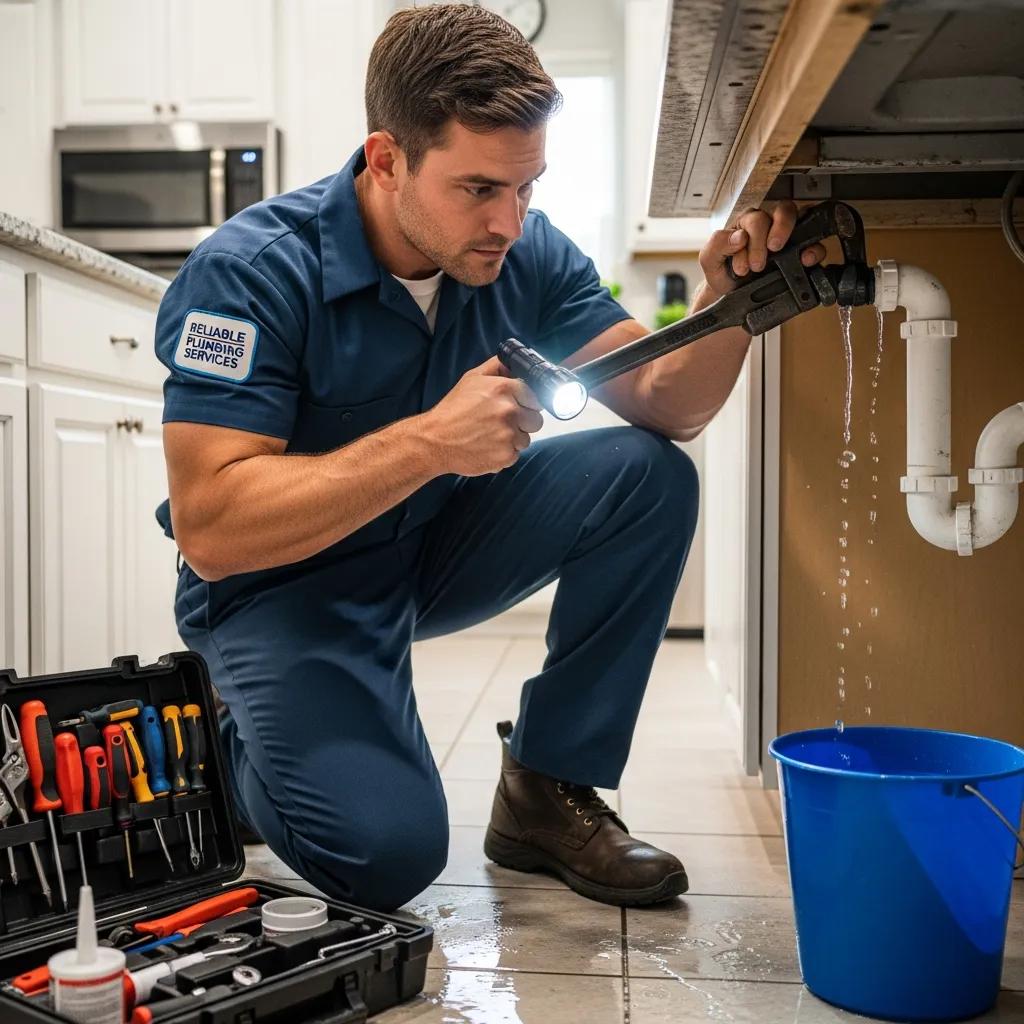
Professional plumber addressing an urgent plumbing issue in a Livonia home

Emergency Plumber Livonia, MI: 24/7 Rapid Response

Emergency Plumber Livonia, MI — 24/7 Rapid Response for Urgent Plumbing Repairs When a pipe bursts or sewage backs up, quick action limits damage and restores safety. Emergency plumber services in Livonia offer 24/7 rapid response to stop the risk, stabilize the situation, and begin permanent repairs. This guide spells out what qualifies as an urgent plumbing issue, how fast intervention reduces property loss, and the practical steps a homeowner can take before a technician arrives. You’ll learn how professional rapid response works, the common emergencies Livonia residents face, and sensible preparation tips to minimize water and structural damage. We also cover service options, what to expect on pricing, and clear answers to frequently asked questions so you can decide when to call an immediate plumber in Livonia. Throughout, terms like urgent plumbing Livonia, emergency plumber Livonia, and 24 hour plumber Livonia appear naturally in actionable advice about containment, leak detection, camera inspection, and the local emergency-service framework that protects homes and businesses. Why Choose Frost & Kretsch for Emergency Plumbing in Livonia? Emergency plumbing in Livonia demands speed, accurate diagnosis, and repair methods that respect your home. Choosing the right provider keeps repairs focused and costs down. Frost & Kretsch dispatches licensed technicians quickly, uses proven containment protocols, and favors minimally invasive fixes to avoid unnecessary demolition. Their service model centers on clear pricing and a satisfaction guarantee so homeowners feel steady, not stressed, during an emergency call. Recognizing these trust signals helps Livonia residents pick a team that limits secondary damage and arrives ready with a plan. Frost & Kretsch highlights the services homeowners care about in an emergency: 24/7 Rapid Response to get a tech on the way at any hour, Transparent Pricing with an upfront estimate and no surprise fees, Licensed and Insured Professionals for homeowner protection, and a 100 percent Satisfaction Guarantee so the work meets expectations. That approach creates a predictable experience: leak detection leads to a clear estimate, temporary stabilization often happens the same visit, and permanent repairs follow with homeowner approval. If your situation needs escalation, contacting Dave Kretsch for scheduling or a free estimate connects you to a team trained for immediate plumber dispatch in Livonia. The next section explains how a true 24/7 rapid response benefits residents when minutes matter. How Does Our 24/7 Rapid Response Benefit Livonia Residents? A genuine 24/7 rapid response means technicians move right away, which reduces water exposure and lowers the chance of mold and structural harm in those crucial first hours. Quick dispatch limits how much water soaks into drywall and flooring by enabling fast containment—valve shut-off, temporary clamps, and a plan for extraction. Fast diagnostics, using leak detection tools and visual checks, pinpoint the failure so technicians can recommend temporary versus permanent fixes during the initial visit. That containment-first approach keeps repair complexity down, shortens restoration time, and can ease insurance claims because losses are controlled early. In practical terms, a rapid responder will isolate the source, tell you what to do immediately, and begin mitigation while ordering parts or coordinating specialist crews. Early action also prevents hazards like live electrical contacts and mold growth that can appear within 24–48 hours of continuous moisture. When a provider gives an arrival window and explains likely steps before arrival, homeowners can prepare the area and document damage for claims. The next section covers the credentials that make emergency response dependable. What Makes Our Licensed and Insured Plumbers Reliable? Licensed and insured plumbers pair trade credentials with liability protection that keeps homeowners safe during emergency repairs. A license shows technicians have passed exams and follow local codes, meaning repairs meet Livonia’s safety and compliance standards. Insurance protects homeowners from accidental damage on-site and provides recourse if something goes wrong—especially important when temporary stabilization is required. Regular training and vetting ensure technicians use current diagnostics—acoustic leak detection, thermal imaging, and camera inspection—so work addresses root causes instead of surface symptoms. This mix—license, insurance, and continuing education—creates accountability and consistent workmanship. Clear explanations of scope and cost before any work starts reduce disputes and keep authorization informed. With reliability in place, the next section lists common emergencies Livonia residents should treat as urgent and call a 24 hour plumber for immediate help. What Common Plumbing Emergencies Require Immediate Attention in Livonia? Plumbing emergencies in Livonia are events that threaten safety or property and need fast containment and professional help. The most urgent scenarios involve active flooding, sewer backup, gas concerns, or a complete loss of water—each can cause structural damage, health hazards, or unlivable conditions. Recognizing the problem and taking immediate steps—like shutting off the main water valve—keeps repair scope manageable until a technician arrives. Below is a short list of common emergencies and when to call for immediate plumber assistance. Emergency plumbing scenarios Livonia residents commonly face: Burst pipe: A sudden rupture that causes active flooding; call an emergency plumber right away. Major water leak: Ongoing leaks from fixtures or supply lines that threaten floors and walls; seek rapid containment. Sewer backup: Sewage coming back through drains or toilets—this is a health risk; call now and avoid contact. Water heater failure with leak or scald risk: Active leaks or thermostat failures that can flood or scald; require urgent repair. No water or suspected gas-line issues: Loss of service or a gas smell needs immediate attention and may involve the utility company. How Do We Handle Burst Pipes and Water Leaks in Livonia? When a burst pipe or significant leak happens, the first priorities are stop the water, protect people and belongings, then find the source and plan the repair. Technicians will tell homeowners to shut off the main valve and will use temporary clamps or sleeves to limit flow while arranging a permanent fix. Advanced leak detection—acoustic sensors and thermal imaging—locates hidden leaks behind walls or under slabs, avoiding needless demolition. After containment and diagnosis, we coordinate water extraction and drying with mitigation crews if needed to prevent mold and structural damage. This simple sequence—stop, detect,

Emergency Plumber Livonia, MI: 24/7 Rapid Response Read More »

Professional plumber responding to an emergency in Sterling Heights, showcasing urgency and expertise

Emergency Plumber Sterling Heights, MI: 24/7 Rapid Response

Emergency Plumber — Sterling Heights, MI | 24/7 Fast Response for Urgent Plumbing When a plumbing emergency hits in Sterling Heights, you need help now — someone who shows up fast, stops the damage, and keeps you safe. This guide walks through the most common urgent situations we see — burst pipes, sewer backups, failed water heaters, sump pump breakdowns, and frozen lines — how each can harm your property or health, and the immediate steps to take until a professional arrives. You’ll also learn how technicians locate hidden problems with modern tools and which emergency services are available for homes and businesses in the area. Need immediate help? Schedule service or request a free estimate. The sections below cover typical emergencies, Frost & Kretsch’s emergency workflow and toolkit, residential vs. commercial services, why licensed responders matter, seasonal prevention tips, and quick FAQs about urgency and arrival times. Most Common Emergency Plumbing Problems in Sterling Heights Emergency plumbing refers to failures that threaten property, safety, or ongoing operations. In Sterling Heights, the issues we respond to most often include sudden burst pipes, major leaks, sewer backups, water heater failures, sump pump shutdowns, and frozen or broken supply lines. Any of these can cause fast flooding, contamination, or loss of essential services. Knowing the warning signs and a few immediate safety steps helps homeowners and facility managers limit damage and preserve details for repairs or insurance claims. Below is a short rapid-response checklist you can use while you wait for help. Burst pipes: Turn off the main water valve and move valuables out of the water’s path. Major leaks: Stop the water source, open windows if safe, and keep clear of electrical outlets. Sewer backups: Avoid contact with sewage, close affected drains, and ventilate the space. Water heater failure: Cut power or gas to the unit and relieve pressure if you know how. Sump pump failure: Remove water with a temporary pump or bucket and protect electrical systems. Frozen or ruptured pipes: Leave a faucet slightly open to relieve pressure and warm exposed lines if it’s safe. Those immediate steps cut down damage and health risks while you prepare for a professional response. The next sections explain how burst pipes and sewer backups typically affect homes and businesses, and why fast, expert action matters. How Burst Pipes and Large Leaks Affect Sterling Heights Homes and Businesses Burst pipes and significant leaks send water into drywall, flooring, insulation, and structural components — and the longer water sits, the higher the mold and remediation costs. Basements can flood, damaging furnaces, electrical panels, and other mechanical equipment, which creates safety hazards and costly repairs. Businesses risk inventory loss, interrupted operations, and potential code violations when critical systems fail. Quick mitigation — shutting valves, isolating power to wet areas, and removing valuables — reduces immediate losses, but visible damage or recurring leaks should always be evaluated and repaired by licensed emergency professionals to restore reliable service. Why Sewer Backups and Clogs Happen in Sterling Heights Sewer backups and stubborn clogs often come from tree roots, grease buildup, collapsed or corroded pipes, and problems in the municipal line; older pipes and seasonal ground shifts make these more likely. Warning signs include slow drains, foul odors, gurgling sounds, or sewage surfacing in low drains or basements. Because sewer water carries harmful pathogens, avoid risky DIY fixes. Instead, secure the area, stop water use, and call emergency services for camera inspection and safe cleanup. Professionals usually start with noninvasive diagnostics to find the issue without unnecessary digging. Modern inspections can reveal the root cause quickly and keep repairs targeted. How Frost & Kretsch Handles 24/7 Emergency Plumbing in Sterling Heights Fast emergency service depends on clear intake, smart triage, and quick dispatch. Frost & Kretsch follows a straightforward response plan built for Sterling Heights homes and businesses: we assess the call to determine severity and needed equipment, dispatch a tech with an ETA and the correct tools, contain the problem on arrival, then perform targeted repairs to restore essential systems. We provide an upfront estimate and explain options before work starts, and we rely on advanced diagnostic tools to speed diagnosis and reduce invasive repairs. Need service now? Schedule service or request a free estimate — that commitment shapes every call and helps us align resources for fast arrival. Call intake and triage: We collect your address, the problem, and any hazards so we can prioritize the response. Dispatch and ETA: A technician with the right equipment is sent and you’ll get an estimated arrival time and updates while they’re en route. On-site diagnosis: Quick inspection using cameras or acoustic tools identifies the root cause and what needs containment. Immediate repair or temporary measures: Technicians stop active leaks and stabilize the situation with repairs or temporary fixes if needed. Final repair and follow-up: After you approve a transparent estimate, we complete permanent repairs and confirm you’re satisfied before we close the job. This step-by-step process shows what to expect from the first call through job completion and how coordinated actions limit long-term costs. Next, we’ll explain the tools that make fast, accurate work possible. Our Rapid-Response Workflow — What to Expect Emergency response starts with a quick intake where dispatchers record hazards, access details, and safety concerns so we can send the right crew. We match the closest, licensed technician who carries the equipment for the job — whether that’s hydro‑jetting for a severe clog or acoustic leak detection for a hidden slab leak — and provide an ETA that can be updated on the way. On arrival, the team performs a visible and noninvasive diagnosis using sewer cameras, acoustic or thermal tools, then presents a clear estimate that won’t be exceeded. We stabilize the issue with containment or repairs, schedule permanent work when required, and follow up to confirm you’re satisfied with the result. Advanced Diagnostic Tools That Speed Accurate Repairs Advanced tools reduce guessing, cut unnecessary demolition, and speed repairs — which lowers restoration costs.

Emergency Plumber Sterling Heights, MI: 24/7 Rapid Response Read More »

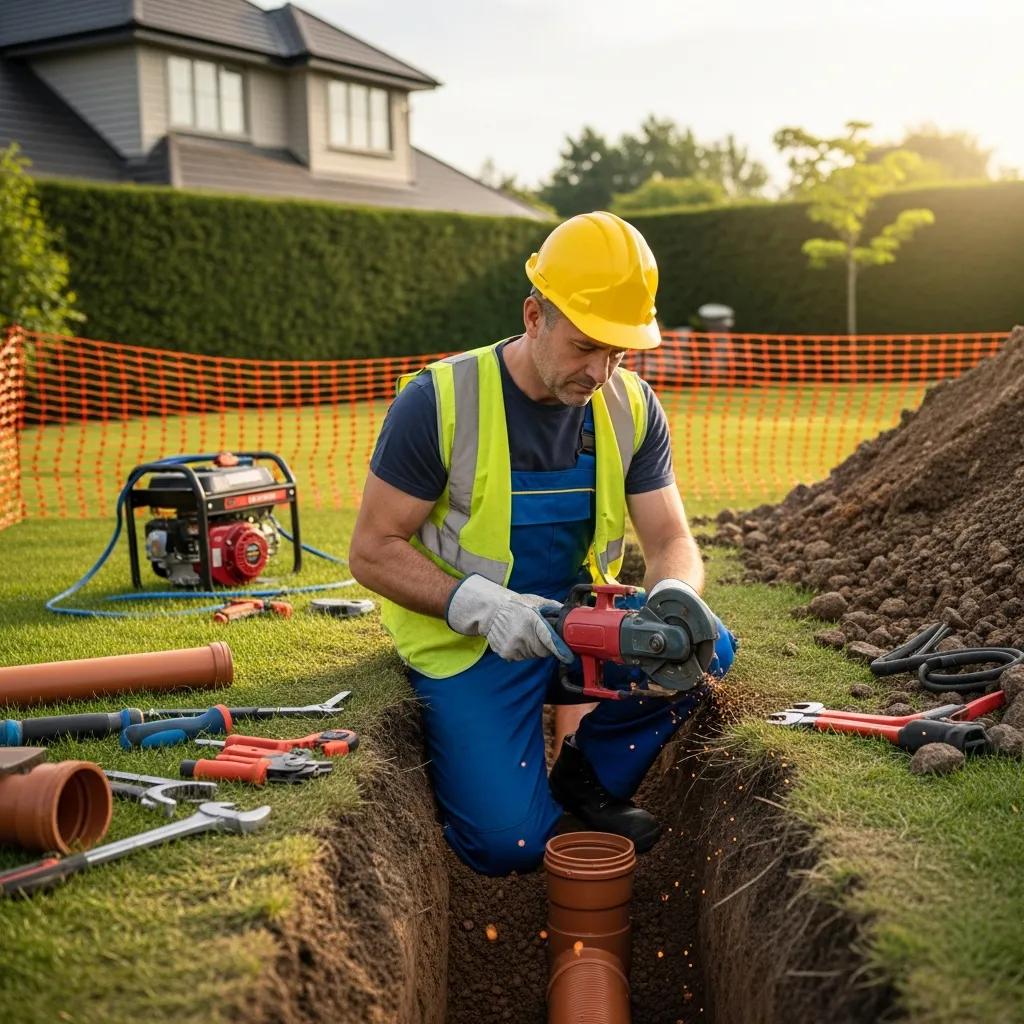
Professional plumber repairing a sewer line in a residential yard, showcasing emergency plumbing services

24/7 Emergency Sewer Line Repair & Replacement

24/7 Emergency Sewer Line Repair & Replacement in Grosse Pointe — Fast, Clear Solutions A broken or backed-up sewer line is one of the most urgent plumbing problems a property can face — it can create health hazards, damage structures, and disrupt your day-to-day life. This guide explains how to spot a sewer line break, what typically causes failures, and the emergency repair and replacement options available so you can act quickly and confidently. You’ll learn to recognize clear signs like unusual smells, multiple drain backups, or soggy yard areas, plus practical steps to limit damage. We also cover diagnostic tools such as sewer camera inspection, emergency cleaning options like hydro jetting, and the pros and cons of trenchless versus traditional excavation. Finally, we outline how 24/7 emergency service works, what to expect from licensed technicians, and why local experience and transparent guarantees matter when arranging urgent sewer work in Grosse Pointe. What Are the Common Signs and Causes of Sewer Line Breaks? A sewer line break is a failure in the main wastewater pipe that leads to repeated backups, foul odors, and wet or sinking ground — it happens when the pipe’s structure is compromised. Most failures result from soil movement, invasive tree roots entering joints, corrosion in older pipes, or physical damage from heavy loads or nearby digging. Spotting a problem early limits repair size and health risk, so homeowners and property managers should watch for persistent multi-drain backups and changes in yard level. Below are the most reliable signs and immediate actions to take if you suspect a sewer line problem. Treat these signs as potential main-line issues and act quickly to isolate the problem — a fast response reduces contamination risk and can limit repair scope. The following list highlights common, high-confidence indicators of a main sewer line break or serious blockage: Strong, persistent sewage smells inside or outside that don’t go away with airing out. More than one fixture backing up at the same time, for example toilets and floor drains. Gurgling noises from drains or toilets even when plumbing isn’t in use. Soft, waterlogged patches or small sinkholes in the yard, especially near the sewer route. Visible sewage in the yard, driveway, or basement drains — a sign of a mainline breach. These symptoms usually point to main-line problems rather than a single clogged fixture, so a prompt professional check is warranted to determine repair or replacement needs. If you see any of the signs above, take immediate steps to limit damage and contact a licensed plumbing professional; the next section explains simple at-home checks and safety steps. How to Identify Symptoms of a Broken or Collapsed Sewer Pipe Broken or collapsed sewer pipes generally show up as backups in multiple fixtures, ongoing sewage smells, and unusual yard conditions that don’t improve after basic fixes. To tell a main-line problem from a single-fixture clog, try this quick test: flush the highest and lowest toilets in the building and watch for backups or gurgling. If several fixtures react, the main sewer is likely the issue. Check the yard for soft soil, depressions, or sewage pooling in low spots, and note any sudden pest activity near damp areas. These simple observations help determine urgency and guide the technician’s diagnostic plan, which can reduce unnecessary digging and focus camera inspection where it’s needed most. Noticing these signs early prepares you for fast mitigation and a clearer conversation with emergency responders about likely causes and next steps. What Causes Sewer Line Damage: Tree Roots, Soil Shifting, and More Sewer pipe failures come from mechanical and environmental forces that weaken the line over time or cause sudden breaks — common causes include root intrusion, soil heave, corrosion, and external loads. Tree roots seek moisture and nutrients and can invade joints or cracks in older pipes, widening openings until the pipe offsets or collapses. Soil movement from freeze-thaw cycles, heavy rain, or settling can bend and misalign buried pipes; combined with corrosion in older metal or clay lines, that stress may lead to fractures or collapse. Understanding these causes explains why preventive measures like targeted inspections and root-control treatments can reduce long-term risk and limit the need for full replacement. Knowing what damages pipes also informs the diagnostic choices technicians make when deciding between spot repair, trenchless rehabilitation, or full excavation. For urgent response, Frost & Kretsch Plumbing offers 24/7 emergency diagnostics focused on quick triage and limiting further damage. Our technicians use minimally invasive tools like sewer video cameras to confirm main-line issues and provide clear estimates and service guarantees so property owners can make informed decisions under pressure. This operational note connects the warning signs above with a local emergency option for homeowners in Grosse Pointe and nearby communities. How Does Frost & Kretsch Plumbing Provide 24/7 Emergency Sewer Repair Services? Emergency sewer repair starts with fast triage, accurate diagnosis, and immediate mitigation to reduce contamination and property damage, then moves to repair or replacement based on findings. Our process focuses on quick dispatch to assess safety, isolate the problem, and use diagnostic tools such as sewer camera inspection to pinpoint failure locations without needless digging. Licensed technicians present clear options — repair, trenchless rehabilitation, or full excavation — with transparent pricing and realistic timelines so you can decide quickly. We finish with the chosen repair, pressure-testing or post-repair camera verification, and reasonable site restoration to minimize disruption to your household or business. This structured approach reduces uncertainty and speeds resolution during urgent sewer incidents, while setting clear expectations for response times and outcomes. The table below outlines common service steps, the equipment used, and typical deliverables so property owners know what to expect during an emergency call-out. Service Component Typical Equipment Expected Deliverable Initial Triage & Dispatch Mobile communication, safety gear On-site safety check and problem isolation Camera Diagnosis Sewer video camera system Visual report with exact defect location and footage Immediate Mitigation Temporary pumps, liners, plugs Short-term flow control and contamination prevention Repair or Replacement

24/7 Emergency Sewer Line Repair & Replacement Read More »

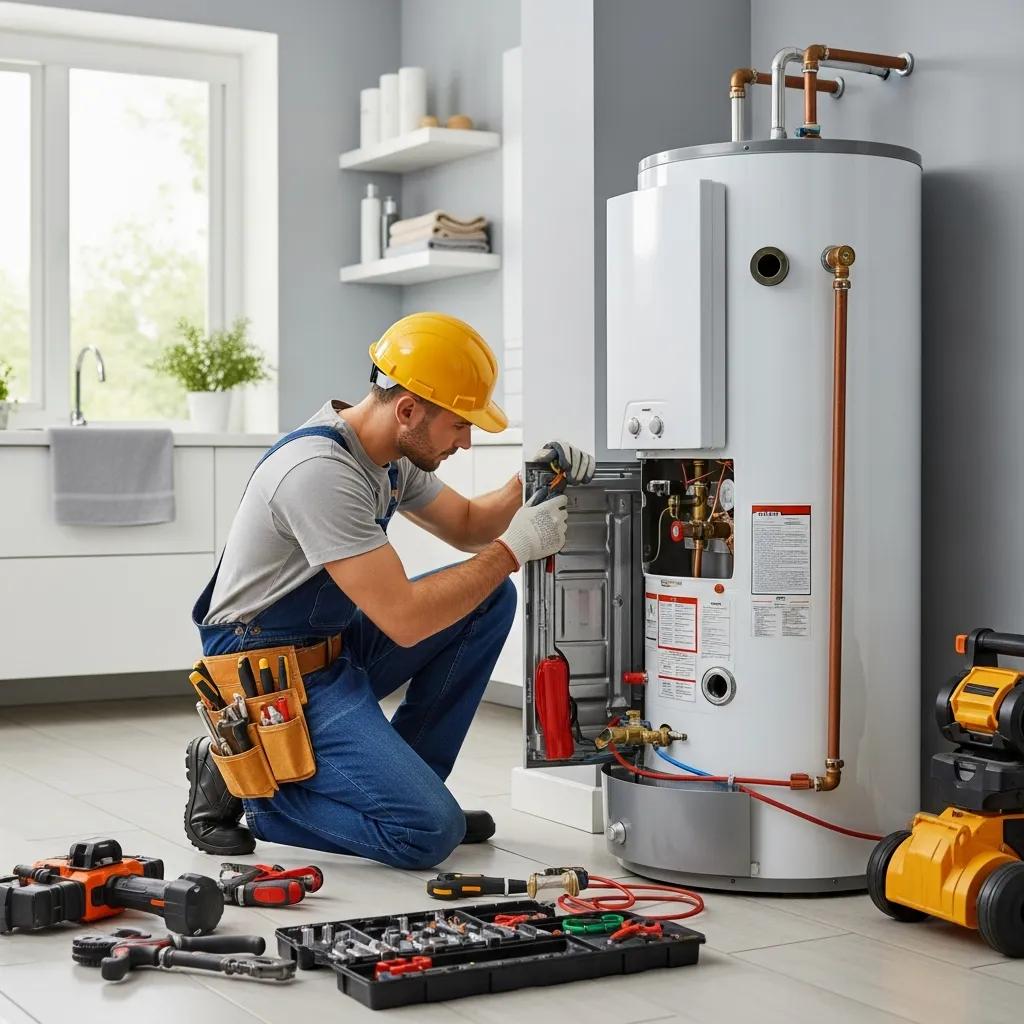
Professional plumber repairing a water heater in a residential utility room

Emergency Water Heater Repair & Replacement Services

Emergency Water Heater Repair & Replacement Services in Grosse Pointe: 24/7 Solutions for Urgent Hot Water Issues When your hot water stops or a heater starts leaking, you need fast, trustworthy help. Our 24/7 emergency water heater repair and replacement service moves quickly to stop damage and get reliable hot water back in your home or business. This guide walks you through immediate triage, common mechanical causes, and practical steps you can take right now to limit harm. You’ll learn how to spot a leaking tank, why a loss of hot water matters for hygiene and operations, and how to decide whether a repair or full replacement makes more sense. We also outline the technician response process, compare tank and tankless — gas and electric — options, and summarize commercial-grade solutions and preventive maintenance. Throughout you’ll find checklists and clear next steps to help Grosse Pointe homeowners and facility managers handle hot water emergencies safely and efficiently. What Are the Most Common Emergency Water Heater Problems in Grosse Pointe? Most emergencies are caused by major leaks, sudden loss of hot water, pressure-relief valve issues, or alarming noises that hint at imminent failure. Each symptom points to a mechanical cause — corrosion eats away at tanks, sediment makes elements overheat, and gas-control problems can put pilots out — and spotting the right cause gets you the right fix faster. Acting quickly protects your property and usually lowers repair costs, since shutting off supply and containing the leak prevents floor and structural damage while a tech evaluates the unit. Below are the urgent failure types you’re most likely to see and what they usually mean for priority and next steps. Leaking tanks: Water pooling or continuous dripping at the base usually means a tank breach or failed fittings — immediate shutoff and inspection are required. No hot water: A complete loss of heat can come from burned elements, failed ignitors, or interrupted gas or electrical supply — urgent for sanitation or business use. Strange noises: Loud popping or rumbling typically signals sediment buildup creating hot spots that can damage elements and the tank. Pressure-relief valve discharge: Water coming from the T&P valve or its drain indicates overpressure or overheating and needs fast containment to reduce rupture risk. That short list helps you prioritize what to do first and prepares you for the quick triage steps that follow. How to Identify Signs of a Leaking or Burst Water Heater Look for puddles, rusty-colored water, a tank wall that looks swollen, or sudden loud bangs — these are clear signs a heater is leaking or near failure and need immediate action. First, shut off the cold-water inlet to stop more water from entering the tank, then cut power or gas to avoid electrical or combustion hazards. These steps lower pressure and limit further damage while you prepare for service. Check the drain pan and fittings at the top and bottom of the tank and the temperature-and-pressure relief valve for visible sources; pinhole leaks commonly start at welded seams or corroded spots. If the tank is bulging or water is flowing freely, clear the area and call a professional — structural failures require safe removal and replacement to meet code and prevent injury. Following these triage steps protects your home and gives technicians the information they need to decide between repair and replacement. Why Is No Hot Water an Urgent Repair Issue? Loss of hot water impacts cleaning, daily routines, and business operations — and sometimes it’s a sign of a larger failure that can worsen if ignored. Causes include failed heating elements or thermostats in electric models, pilot or gas-control problems in gas units, or electrical issues such as tripped breakers. The urgency varies: households with elderly people, infants, or food-service businesses need hot water restored quickly for sanitation. Start with simple checks: make sure power and gas are on, reset breakers, and inspect the pilot or electronic ignitor. If those steps don’t restore heat, call for emergency service to prevent prolonged disruption or hidden damage. Knowing the likely causes helps you explain the problem to the technician and weigh a quick repair versus a planned replacement if the unit shows deeper issues. Problem Symptom Likely Cause Urgency Leaking tank Pooling under tank or continuous drip Corrosion, failed fittings, ruptured seam High — immediate shutoff No hot water Cold taps only Burned element, failed thermostat, gas supply fault High — urgent for sanitation Loud knocking/popping Rumbling during heat cycles Sediment buildup causing hotspots Medium-High — schedule service soon T&P valve discharge Water out of relief pipe Overpressure or thermostat failure High — immediate check to prevent rupture Use this table to triage symptoms and decide what to do before the technician arrives. How Does Frost & Kretsch Plumbing Provide 24 Hour Emergency Water Heater Repair? Frost & Kretsch Plumbing offers 24/7 emergency response with licensed technicians who perform fast diagnostics, containment, and either repair or replacement with clear, written estimates. Their approach focuses on immediate containment — shutoff, temporary drainage, and safety checks — followed by a targeted diagnostic to determine if parts can be replaced or the whole unit needs swapping. They provide an upfront written estimate and explain any satisfaction or warranty terms so customers know costs and options before work starts. Licensed, insured technicians handle repairs, cleanup, and a post-service inspection to confirm safe operation and a watertight result. Below is a straightforward step list that shows what to expect when you request emergency service. Call intake and dispatch: 24/7 intake routes your urgent call to the nearest licensed technician and gives an arrival window. On-site safety containment: The technician isolates water, power, or gas and secures the area to limit further damage. Diagnostic and estimate: A focused inspection identifies failed parts or tank breaches and a written estimate is provided before any work starts. Repair or replacement: With your approval, the technician completes the agreed work, removes old components as needed, and tidies the area. Final inspection and follow-up:

Emergency Water Heater Repair & Replacement Services Read More »

Professional plumber repairing a burst pipe in a home, emphasizing emergency plumbing services

Emergency Burst Pipe Repair & Prevention Services

Emergency Burst Pipe Repair & Prevention in Grosse Pointe — 24/7 Help for Homes & Businesses When a pipe bursts, every minute counts. Local emergency repair and prevention services stop damage quickly and help you get back to normal sooner. This guide walks Grosse Pointe homeowners and business owners through what causes bursts, early warning signs, immediate steps to limit damage, prevention tips for Michigan winters, realistic cost expectations, safe thawing methods, and the basics of water-damage restoration. You’ll learn why cold and poor insulation lead to frozen pipes, what to do the instant a pipe fails, and which upgrades reduce future risk. Read on for clear, prioritized actions and checklists you can use right away — and when to call a licensed, insured local contractor for help. Common Signs and Causes of Burst Pipes in Grosse Pointe Pipes burst when pressure, corrosion, or freezing overwhelms the pipe material and fittings. In Grosse Pointe, cold snaps, older plumbing, and pressure surges are frequent contributors during winter. Spotting trouble early can prevent a full rupture, limit water damage, and reduce mold risk. Below we explain how cold weather causes freezing and bursting, and why insulation and heat management matter. Watch for these common signs and causes: Frost or ice on exposed pipes: Ice on the pipe exterior often means the interior is at risk of freezing and building pressure. Sudden drops in water pressure: A quick loss of pressure can mean a partial freeze or developing leak that needs attention. New stains, damp spots, or peeling paint: Moisture marks on ceilings, walls, or cabinet bottoms point to slow leaks that can escalate. Unusual plumbing noises — banging or hissing: These sounds can indicate trapped air, pressure spikes, or active leaks in the system. Noticing these early lets you take temporary steps and call a pro before the situation gets worse. How Cold Weather Causes Frozen and Burst Pipes Water expands about 9% as it freezes, which raises pressure inside pipes and can crack them — even if only part of a line is frozen. Michigan’s frequent freeze-thaw cycles put extra stress on pipes and fittings, especially in exterior walls, unheated basements, and crawlspaces. Gaps, poor insulation, and cold drafts speed up freezing; steady indoor heat and proper insulation slow it down. That’s why prevention focuses on both insulating pipes and keeping key spaces warm enough to avoid pressure buildup and metal fatigue. Identifying likely freeze points and applying straightforward protections reduces the chance of a rupture and the need for emergency repairs. Early Warning Signs of a Leak or Imminent Burst Early warning signs are often obvious if you know what to look for: visible moisture, unexplained puddles, and sudden changes in how your plumbing behaves. Check for discolored ceilings or walls, damp cabinets and utility rooms, and unexpected spikes in your water bill. Listen for water running when everything should be off and feel for unusually cold spots on walls or floors near plumbing runs. Acting fast — isolating the area, documenting damage, and preparing for repair — cuts restoration time and cost. These detections lead directly into the immediate steps that prioritize safety and containment below. How to Respond Right Away to a Burst Pipe Emergency Quick, calm action reduces damage and keeps people safe. Your first priorities are stopping the water, protecting electrical systems, and containing the spread. Find and close the main shut-off or the nearest fixture shut-off, turn off power in wet areas if it’s safe, move valuables away from water, and start simple containment with towels, buckets, and plastic sheeting. Take photos and notes for insurance. The list below gives concrete steps to find shut-offs and handle containment safely. Turn off the main water supply immediately: Stopping the flow is the fastest way to limit damage. Switch off power in water-affected areas if safe: Reduce shock and fire risk by cutting electricity near standing water. Contain water and protect belongings: Use towels, buckets, and plastic to limit spread and shield furnishings. Document everything with photos and notes: Good records make insurance and repair work smoother. Call emergency plumbing help if the flow won’t stop or hazards exist: Get professional support for serious situations. These actions focus on safety, containment, and evidence — and set the stage for temporary fixes or a technician’s arrival. How to Find the Shut-Off and Reduce Damage Know where your main shut-off is: near the water meter, where the supply enters the basement wall, or in a utility area at ground level. Turn gate valves clockwise to close; for ball valves, set the handle perpendicular to the pipe. If you can reach a local fixture shut-off (under sinks or at toilets), use that to isolate the problem without shutting off the whole building. Once water is off, keep people away from wet floors, unplug electronics in a dry spot, and use containment supplies to reduce soaked materials — which speeds drying later. Being able to isolate water quickly helps you control the emergency until pros arrive. When to Call Frost & Kretsch Plumbing’s 24/7 Emergency Team Call us right away if a pipe is actively bursting, water won’t stop flowing, water reaches electrical panels or outlets, or you see structural damage. Those situations need technicians with emergency dispatch, stabilization tools, and board-up or temporary fixes. Frost & Kretsch Plumbing provides 24/7 emergency response with licensed, insured crews, clear estimates, and fast stabilization to limit further harm. If you’re unsure, it’s safer to call — early professional help prevents escalation. Fast intervention reduces secondary issues like mold and structural weakening and starts the path to full restoration. Prevention Tips to Avoid Frozen and Burst Pipes Preventing frozen and burst pipes combines insulation, heat management, pressure control, and early detection. Wrap exposed pipes with foam or fiberglass, seal drafts where supply lines enter, and keep a low steady heat during deep cold. Install smart leak detectors in basements, utility rooms, and near appliances for early alerts and automatic shutoffs. Schedule a pre-winter

Emergency Burst Pipe Repair & Prevention Services Read More »

Scroll to Top
Frost and Kretsch Plumbing
Privacy Overview

This website uses cookies so that we can provide you with the best user experience possible. Cookie information is stored in your browser and performs functions such as recognising you when you return to our website and helping our team to understand which sections of the website you find most interesting and useful.