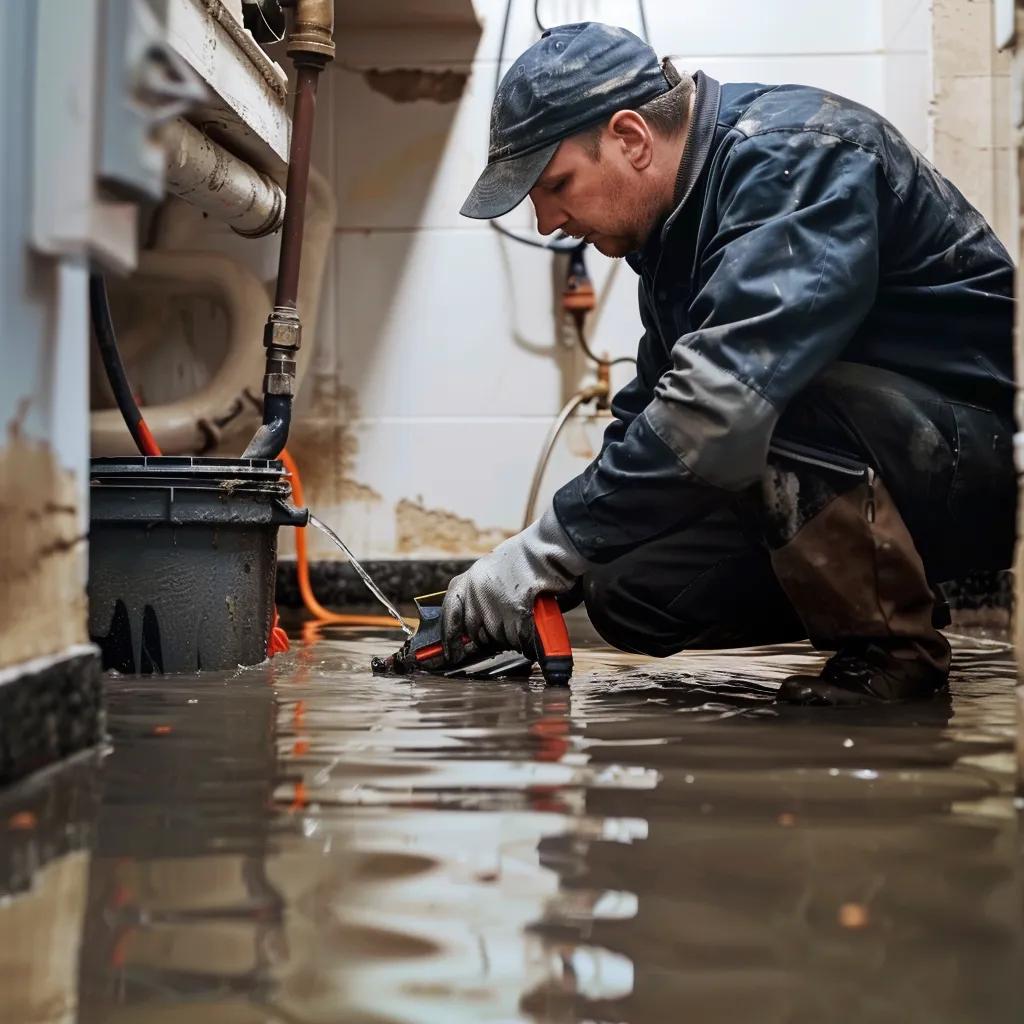
Emergency Plumbing Repairs for Homeowners
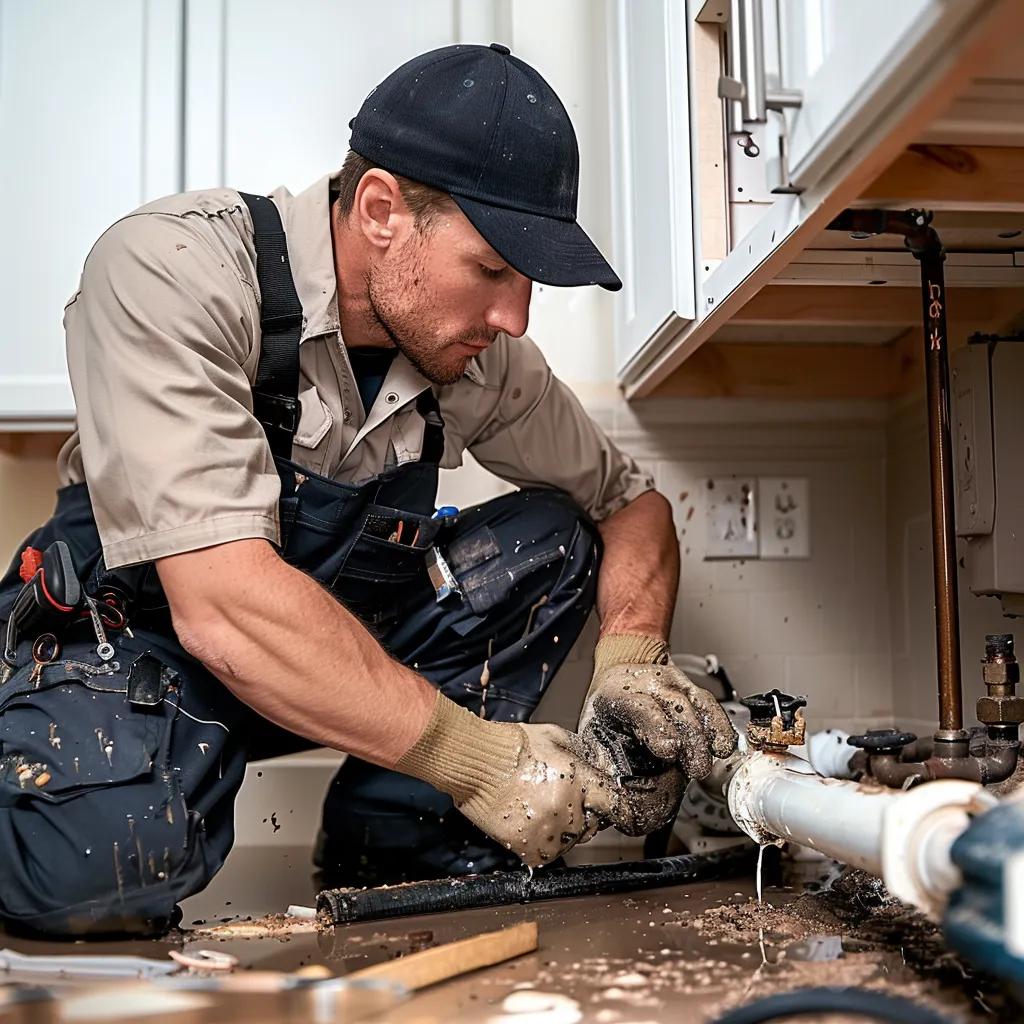
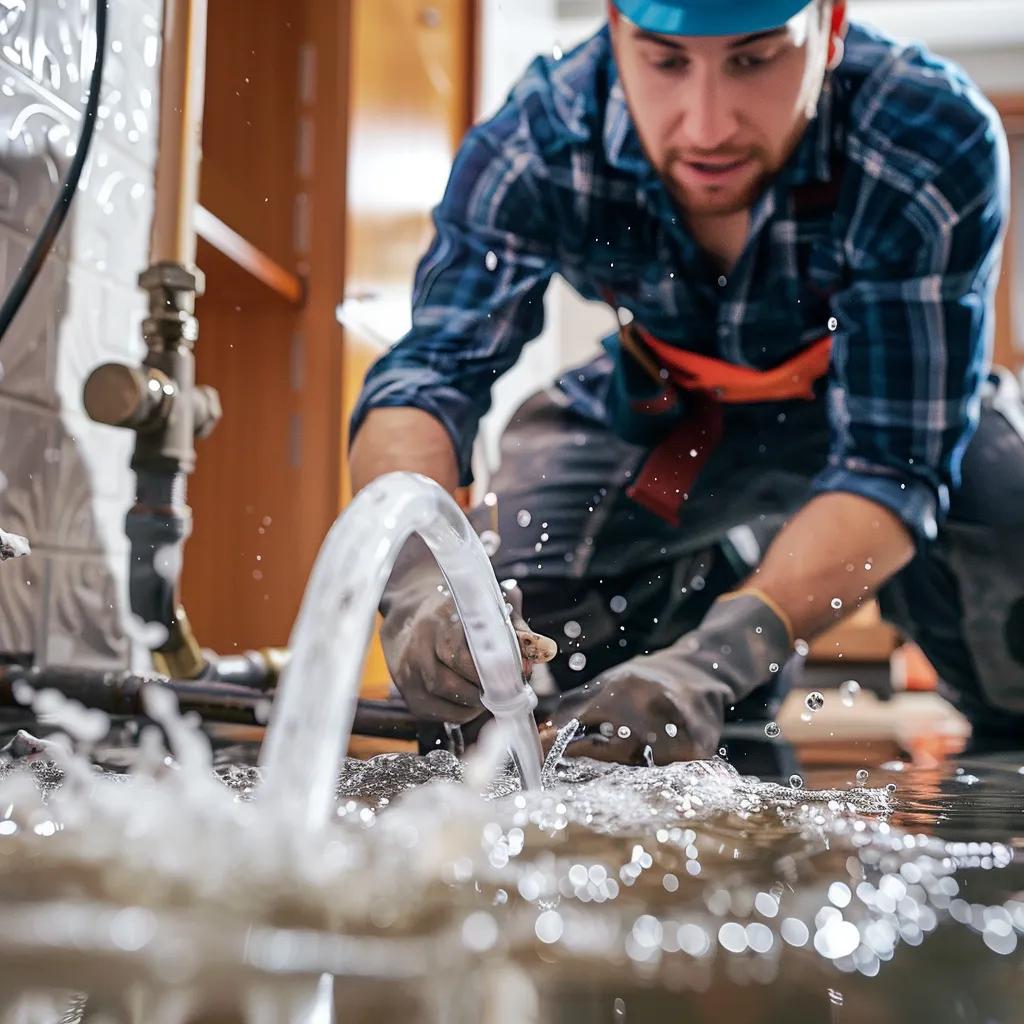
Emergency Plumbing Repairs for Homeowners: Reliable 24/7 Residential Solutions in Grosse Pointe When a hidden leak turns into a basement flood at midnight, homeowners need fast, reliable residential emergency plumbing solutions to prevent catastrophic water damage and costly repairs. This guide maps out the most common plumbing crises—burst pipes, heater failures, drain blockages, and frozen lines—then walks through immediate homeowner actions, professional repair processes in Grosse Pointe, prevention strategies, cost transparency, preparedness checklists, and reasons to choose Grosse Pointe Plumbing. By following these steps, you’ll protect your property, minimize downtime, and know exactly when to call for expert assistance. What Are the Most Common Emergency Plumbing Problems for Homeowners? Home plumbing emergencies arise from sudden failures that threaten property integrity or health. Recognizing these issues early helps you act decisively. What Causes Burst Pipes and How Can You Identify Them? A burst pipe occurs when water pressure exceeds the pipe’s capacity or when freezing water expands inside its walls. Material fatigue, corrosion, or sudden temperature drops all trigger ruptures. Signs you’ve got a burst include: Spurting Water – High-pressure jets from a visible crack. Pooling or Dripping – Unexplained wet spots on floors or ceilings. Pressure Loss – Sudden drop in water flow at faucets. Identifying a burst pipe in time prevents extensive water damage and sets the stage for safe shutoff and repair. How to Recognize Signs of Water Heater Leaks and Failures? Water heater leaks occur when internal components corrode or pressure relief valves malfunction. You might notice: Rusty Water at Taps – Mineral buildup inside the tank. Puddles Around Unit – Steady moisture at the base. Temperature Fluctuations – Inconsistent hot water output. Detecting these indicators early safeguards against flooding and helps you plan maintenance or replacement before a full breakdown. What Are the Symptoms of Clogged Drains and Sewer Backups? Clogged drains and sewer backups happen when debris, grease, or tree roots obstruct pipes. Common symptoms include: Slow Drainage – Standing water in sinks or tubs. Gurgling Sounds – Air trapped behind blockages. Foul Odors – Sewage gases escaping through fixtures. Prompt action stops backups from worsening into raw sewage spills that pose health hazards. How Do Frozen Pipes Occur and What Are Their Risks? Frozen pipes form when water inside plumbing freezes, expanding and stressing pipe walls until they rupture. Cold drafts, poor insulation, and sub-freezing nights increase risk. A frozen pipe can burst once thawed, causing sudden flooding. Understanding these four emergencies primes you to respond effectively, as detailed in the next section. What Immediate Actions Should Homeowners Take During a Plumbing Emergency? Swift, safe homeowner interventions limit damage and prepare the way for professional help. How to Shut Off Your Main Water Supply Quickly and Safely? Begin by locating your main shut-off valve—typically near the water meter or where the supply enters your home. Turn the Valve Clockwise – Use a wrench if it’s stiff. Open All Faucets – Drain trapped water and relieve pressure. Check Secondary Valves – Silence running appliances to avoid accidental flooding. Shutting off the supply stops uncontrolled leaks and prevents water waste. What Temporary Fixes Can Minimize Damage Before Help Arrives? While waiting for an expert, apply temporary measures to curb leaks: Pipe Clamps or Repair Tape – Seal small cracks until a permanent fix. Plastic Wrap and Hose Clamps – Bundle cracked sections to limit spray. Buckets and Towels – Catch drips and protect flooring from moisture. These quick remedies buy time and reduce cleanup once the plumber arrives. When Is It Critical to Call a Professional Emergency Plumber? Call for emergency service if you encounter: Major Flooding – Water rising faster than you can manage. Gas or Sewage Leaks – Any odor of gas or raw sewage. Electrical Contact – Water near outlets or appliances. Structural Damage – Cracks in walls or sagging ceilings from water buildup. Recognizing these red-flag scenarios ensures safety and prevents compounding damage. How Does Professional Emergency Plumbing Repair Work in Grosse Pointe? In Grosse Pointe, expert technicians follow a precise workflow to restore your system swiftly and safely. What Does Grosse Pointe Plumbing Do to Repair Burst Pipes? Grosse Pointe Plumbing begins by confirming the shut-off and accessing the damaged section. They then: Entity Attribute Value Pipe Section Condition Corroded or fractured Repair Tool Type Pipe cutter, couplings, epoxy Outcome Leak Resolution Pressure-tested, leak-free After cutting out the damaged segment, technicians install a new pipe section or reinforce it with high-grade couplings and epoxy putty. This process restores structural integrity and prevents recurrence. How Are Water Heater Emergencies Diagnosed and Fixed? A certified plumber inspects the tank, tests temperature-pressure relief valves, and checks for corrosion. Repairs may include replacing valve assemblies, flushing sediment, or installing a new anode rod. Technicians confirm safe operation by monitoring water temperature and pressure before restoring service. What Techniques Are Used for Drain Cleaning and Sewer Backup Repairs? Modern drain cleaning combines mechanical augers, high-pressure hydro-jetting, and camera inspections. Mechanical Auger cuts through hair and grease. Hydro-Jetting blasts away stubborn build-up with water streams. Video Inspection identifies root intrusions in sewer lines. These methods clear blockages and verify pipe health, preventing future backups. How Are Frozen Pipes Safely Thawed and Repaired? Technicians employ controlled heat sources—infrared lamps or heat blankets—to thaw pipes without risking burns or secondary damage. If freezing caused a split, they replace the affected section with thicker, frost-resistant piping and add insulation to vulnerable areas. With repairs complete, your system is pressure-tested and full functionality restored. Next, learn how to avoid these emergencies altogether. How Can Homeowners Prevent Future Plumbing Emergencies? Proactive maintenance and simple upgrades dramatically reduce emergency calls and water damage. What Are Effective Tips to Prevent Burst Pipes and Water Damage? Follow these steps to guard against pipe failures: Insulate Exposed Pipes – Wrap basement and crawl space plumbing with foam sleeves. Regulate Home Temperature – Keep indoor temperatures above 55°F in winter. Inspect for Corrosion – Replace steel or iron pipes older than 50 years. Water Damage Prevention
Emergency Plumbing Repairs for Homeowners Read More »