Livonia Plumber: Residential & Commercial Plumbing Experts for Reliable Service
Need a dependable plumber in Livonia? Whether it’s routine maintenance or an urgent leak, fast, knowledgeable service makes all the difference. This guide walks you through the full range of Livonia plumbing services — from residential fixes and water heater work to commercial systems and specialized sewer and drain solutions — and explains when to call a pro. Home and business owners will learn how common issues get diagnosed, which tools technicians use to limit disruption, and practical steps to take during an emergency to protect people and property. You’ll also find how to reach 24/7 emergency plumbing, what specialized sewer work involves, and how free estimates are scheduled. Actionable lists, easy comparison tables, and simple diagnostic checklists help you match a symptom to the right service and decide when to call a licensed local technician.
What Residential Plumbing Services Are Available for Livonia Homeowners?
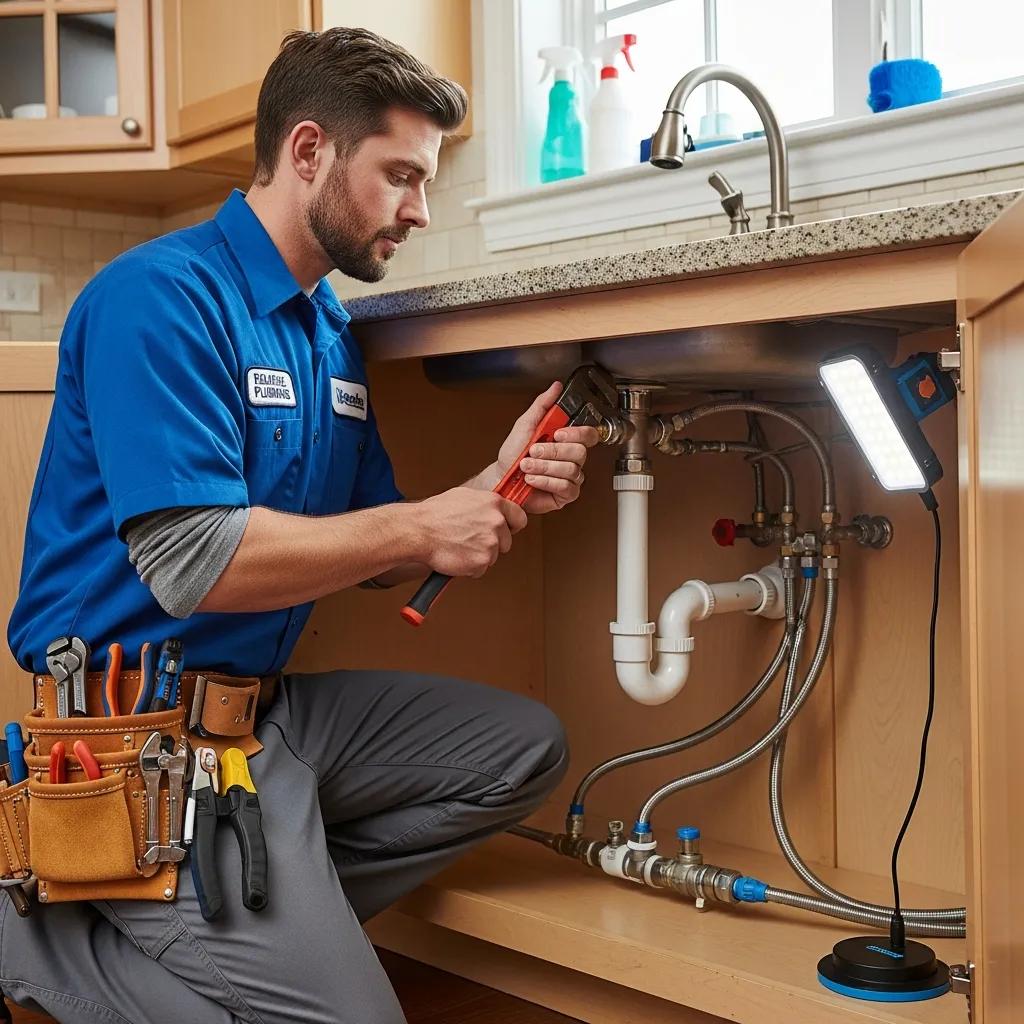
Residential plumbing covers everything from installing a faucet to troubleshooting an entire system. The goal is safe water flow and preventing water damage. In Livonia homes that typically means water heater repair and installation, drain cleaning, leak detection and pipe repair, sump pump service, fixture replacement, and targeted sewer-line work. Each service targets common problems like sediment buildup, frozen pipes, or slow drainage. Catching issues early lowers costs and prevents secondary damage to floors and foundations, which is why inspections and camera diagnostics are often recommended. Homeowners get clear estimates and prioritized scheduling to reduce disruption, and understanding your options makes it easier to choose repair, partial replacement, or a full upgrade.
- Water heater repair/installation: Fixes heating elements, thermostats, and sediment buildup.
- Drain cleaning and hydro-jetting: Clears grease, hair, and mineral deposits to restore flow.
- Leak detection and pipe repair: Locates hidden leaks and repairs or reroutes piping.
- Sump pump installation and maintenance: Protects basements from flooding during heavy rain.
- Fixture installation: Replaces faucets, toilets, and disposals for better performance and efficiency.
These services let homeowners pick targeted repairs or routine maintenance. The quick comparison below matches common household problems with typical solutions.
Introductory comparison of common residential problems and solutions:
| Service | Common Problem | Typical Solution / Outcome |
|---|---|---|
| Water heater repair | No hot water, sediment, weak heating | Repair elements, flush tank, restore consistent hot water |
| Drain cleaning | Slow or recurring clogs | Mechanical snaking or hydro-jetting to restore full flow |
| Leak detection | Hidden leaks, high water bills | Electronic detection and localized repair or pipe replacement |
| Sump pump installation | Basement flooding risk | Install pump, test float/switch, reduce flood exposure |
| Fixture installation | Leaks, outdated fixtures | Replace fixtures, improve water efficiency and function |
This table makes it easier to match a household symptom with the right next step. From here, we explain how technicians diagnose and repair these issues on-site.
How Does Frost & Kretsch Plumbing Address Common Residential Plumbing Issues in Livonia?
Frost & Kretsch Plumbing starts every job with clear diagnostics and an upfront estimate so you know what’s needed and why. Our techs use electronic leak detectors, pressure tests, and sewer cameras when necessary to find the problem before we recommend work — that helps avoid extra labor and surprise costs.
We prioritize repairs by safety and potential damage: active slab leaks get immediate containment, while non-urgent fixture upgrades are scheduled to minimize disruption. Our licensed technicians back work with a satisfaction guarantee and perform follow-up testing when required. A diagnostic-first approach shortens repair times and helps homeowners choose the most cost-effective long-term solution.
With inspection and transparent estimates up front, homeowners can confidently decide between repair or replacement and take steps to prevent future issues through seasonal maintenance.
Which Commercial Plumbing Solutions Does Frost & Kretsch Offer in Livonia?
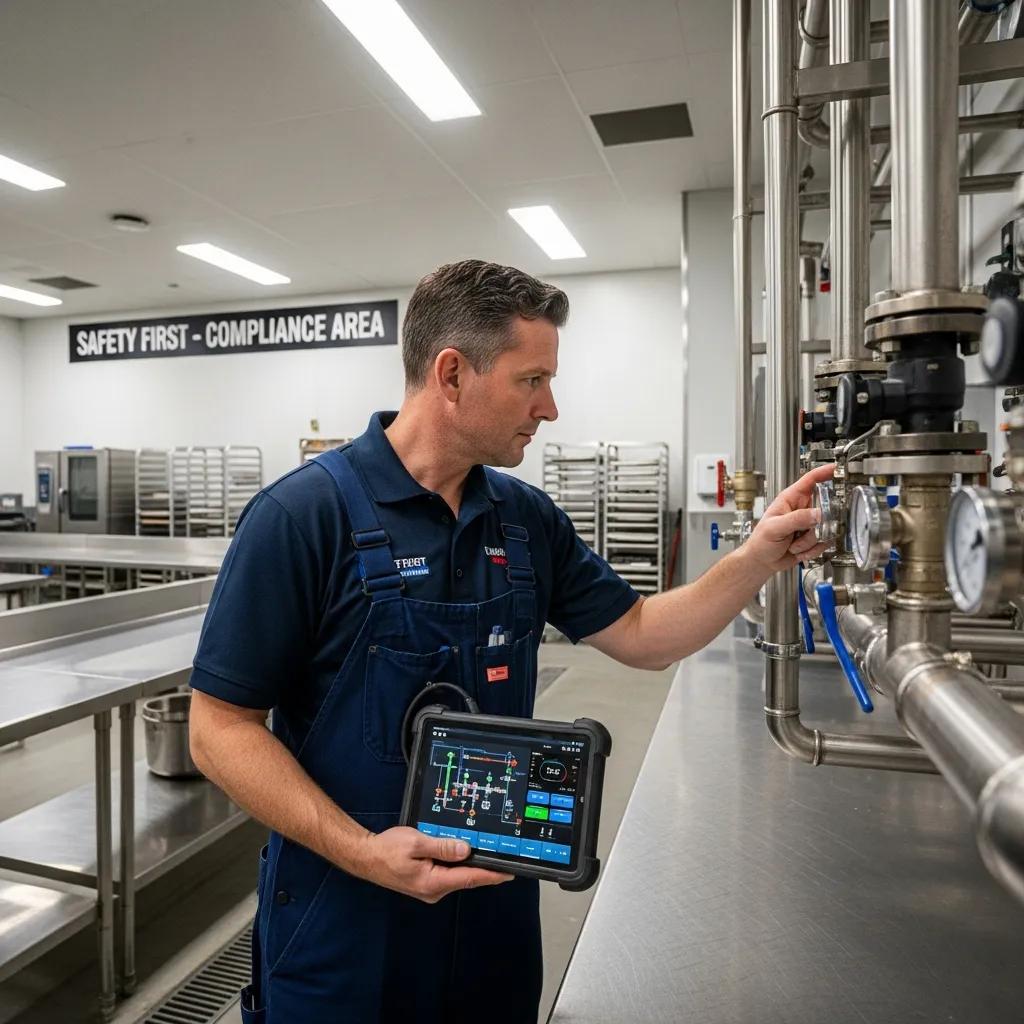
Commercial plumbing requires reliability, code compliance, and minimal downtime to protect operations and revenue. Core commercial services include industrial drain cleaning and hydro-jetting for heavy grease and scale, backflow prevention testing and repair to meet regulations, grease trap servicing, large-capacity water heater work, pipe repairs for pressurized systems, and scheduled preventative maintenance contracts. These services target root causes, help maintain compliance, and are often scheduled during off-hours to reduce impact. Commercial jobs usually need larger equipment and coordination with facility managers, so clear scopes, permit help, and phased work keep businesses running.
Examples below show typical commercial services and their business impact.
| Service | Business Impact | Typical Mitigation / Service Detail |
|---|---|---|
| Grease trap service | Prevents kitchen backups and fines | Scheduled cleaning and grease management plans |
| Industrial drain cleaning | Reduces clog-related downtime | Hydro-jetting to remove heavy buildup and restore flow |
| Backflow testing | Ensures compliance and water safety | Testing, repair, and documentation for regulatory needs |
| Preventative maintenance contracts | Lowers emergency repairs and costs | Routine inspections and prioritized dispatching |
The table shows how targeted commercial work limits disruptions and long-term expense. Next, we cover how we minimize downtime during repairs.
How Do Commercial Plumbing Services Minimize Downtime for Livonia Businesses?
To keep businesses open, commercial services emphasize fast response, scheduled maintenance, and flexible work windows. Our rapid-response process includes triage calls, remote guidance when possible, and dispatching crews prepared to provide temporary containment before completing permanent repairs — all to reduce lost revenue.
Preventative maintenance programs schedule regular inspections and cleaning (like grease trap service and drain maintenance) to prevent emergencies that could force closures. We coordinate with building managers and offer night or weekend crews so most work happens outside peak hours. Clear documentation and straightforward estimates help speed approvals and start work sooner.
These operational strategies reduce costly emergencies and support contract-based plans that offer predictable budgets and faster mobilization when problems arise.
How Can Livonia Residents Access 24/7 Emergency Plumbing Services?
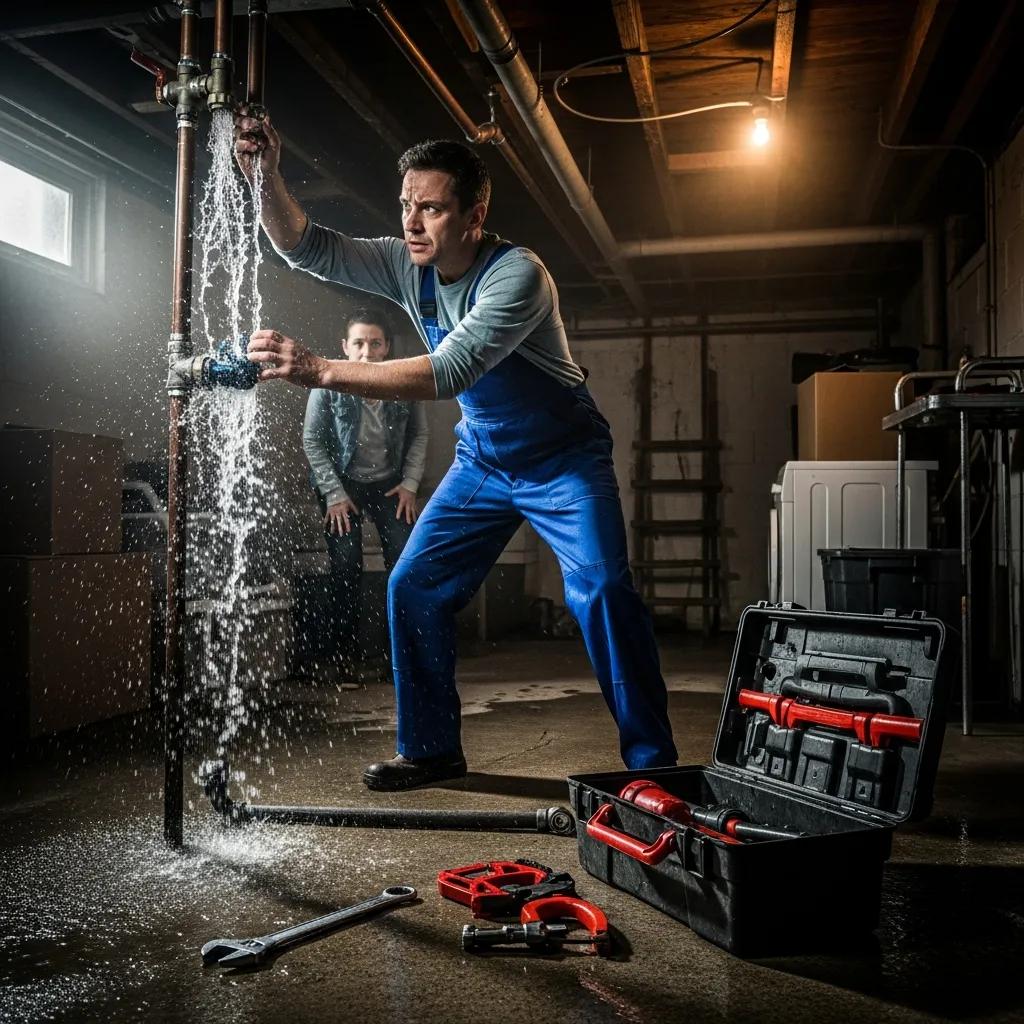
An emergency plumber provides immediate safety and damage control when systems fail. In Livonia, 24/7 emergency services are available for burst pipes, sewage backups, and major leaks. Technicians arrive ready to contain the situation, advise on water shut-off, and perform interim repairs until permanent fixes are scheduled. Typical expectations are same-day or within-hours response depending on severity; crews focus first on isolating water, protecting electrical systems, and preventing further damage. Having key details ready — a clear problem description, the affected areas, and photos if available — helps dispatch arrive prepared with the right tools.
How to get emergency help now (quick steps):
- Assess immediate danger: If there’s active flooding or an electrical hazard, prioritize safety and evacuate if necessary.
- Shut off main water if safe: Locate and turn off the main shutoff to stop water flow and limit damage.
- Provide clear details: Tell the dispatcher the problem, affected rooms, and any visible damage to speed response.
- Follow technician instructions: Carry out temporary measures the dispatcher suggests until help arrives.
Following these steps shortens response time and protects your property. Below are the emergencies we handle as a priority.
What Types of Plumbing Emergencies Are Handled Promptly in Livonia?
We prioritize burst pipes, significant slab leaks, sewage backups, overflowing fixtures, and major water heater failures — each needs immediate containment to reduce structural damage and health risks. Burst pipes usually cause rapid flooding and require shutting off the main and temporary repairs. Sewage backups pose sanitation hazards and need professional containment and cleanup. Water heater ruptures can flood basements and require immediate isolation of hot water supplies. Responders follow triage protocols: stop the source, protect electrical systems, and stabilize the site before full repairs. Important safety reminders: avoid contact with contaminated water and cut power to wet areas if safe to do so.
After stabilization, we move into inspection and remediation planning and, if needed, specialized sewer and drain services for recurring or severe problems.
What Specialized Sewer and Drain Services Are Provided in Livonia?
When simple snaking isn’t enough, specialized sewer and drain services use diagnostics and high-powered cleaning to restore long-term function. Core options include sewer camera inspection to spot blockages, root intrusion, or damage; hydro-jetting for heavy grease and mineral scale; pipe repair or trenchless lining for corroded or damaged lines; and excavation and replacement when in-line fixes aren’t possible.
- Sewer camera inspection: Pinpoints root intrusion, blockages, and pipe damage without digging
- Hydro-jetting: High-pressure cleaning that removes grease, scale, and roots; ideal for recurring clogs
- Pipe repair / lining: Trenchless lining or spot repairs to restore integrity with minimal digging
- Excavation & replacement: Open-trench repair for collapsed or extensively damaged pipes
These methods vary in invasiveness and cost: camera inspection is minimally invasive and pinpoints the problem, hydro-jetting clears stubborn buildup without digging, and excavation or replacement is used for structural failures. The right technique depends on camera diagnostics and the assessed risk of recurrence.
Intro to technical comparison and decision-making:
| Service | Technology / Method | Benefit / When to Use |
|---|---|---|
| Sewer camera inspection | High-definition video inspection | Diagnoses root intrusion, blockages, and pipe damage without digging |
| Hydro-jetting | High-pressure water cleaning | Removes grease, scale, and roots; ideal for recurring clogs |
| Pipe repair / lining | Trenchless lining or spot repair | Restores structural integrity with minimal excavation when feasible |
| Excavation & replacement | Open trench repair | Required for collapsed pipes or extensive structural failure |
This table helps decide which specialized service is right for your situation and reinforces a diagnostic-first approach that can prevent unnecessary digging. The next section explains the benefits of camera inspection and hydro-jetting in local properties.
How Does Sewer Camera Inspection and Hydro-Jetting Benefit Livonia Properties?
Sewer cameras give clear visual evidence of what’s inside your pipes, so repairs are targeted and landscaping or hardscapes aren’t disturbed unnecessarily. Hydro-jetting follows by removing the biological and mineral buildup that causes repeat backups — often more thoroughly than mechanical snaking.
If camera footage shows localized damage, trenchless repair or pipe lining can fix the issue with far less disruption than full excavation, speeding recovery and lowering restoration costs. Regular inspections — scheduled based on property age and usage — catch trouble early, reduce long-term expenses, and avoid emergency excavations. Together, these diagnostics and cleaning methods provide an efficient path to long-term system health.
Why Choose Frost & Kretsch Plumbing as Your Trusted Livonia Plumbing Partner?
Picking a trusted local plumber matters. Expertise, clear pricing, and a reliable response turn temporary fixes into lasting solutions. Frost & Kretsch Plumbing offers licensed, insured technicians, transparent upfront estimates, and a satisfaction guarantee to give property owners confidence in every job. We serve Livonia and nearby communities and aim for same-day or fast emergency response plus scheduled maintenance for homes and businesses. Our use of camera diagnostics and hydro-jetting reflects a focus on accurate repairs and minimal disruption.
Key benefits for Livonia customers include:
- Rapid local dispatching
- Transparent, upfront pricing
- Satisfaction guarantee
- Licensed technicians trained in modern diagnostic tools
That trust-focused approach leads naturally into simple scheduling steps and how to request estimates for work in Livonia.
How Can Livonia Customers Schedule Expert Plumbing Services and Get Free Estimates?
Scheduling service in Livonia starts with a clear problem description and preferred timing. Providers usually offer phone or online requests and will confirm service-area eligibility before dispatch. For a more accurate free estimate, tell us the type of problem, which fixtures or areas are affected, any recent changes (like prior repairs), and photos if you can — that speeds diagnostics and improves estimate accuracy. Expect an initial assessment followed by a written estimate with options and timelines. Ask about warranties or satisfaction guarantees before scheduling so there are no surprises.
Steps to request service and receive a free estimate:
- Describe the issue clearly: Note symptoms, how long it’s been happening, and any recent changes in plumbing behavior.
- Provide access details: Share the best times for inspection and any building access instructions.
- Request an upfront estimate: Ask for a written breakdown of labor, parts, and expected timelines.
Following these steps makes the estimate process smooth and helps both you and the technician prepare for efficient service. Below are common questions residents and businesses ask about local plumbing.
What Are Common FAQs About Plumbing Services in Livonia?
Customers frequently ask about cost drivers, scheduling, licensing, and what to expect during repairs — practical answers that set realistic expectations. Cost depends on complexity, materials, and accessibility; fixture replacements are usually quicker and cheaper than pipe relining or excavation that require permits. Scheduled arrival windows are included in estimates, and emergency response aims to stabilize issues quickly. You can always request proof of licensing and insurance before work begins. Make sure warranties and satisfaction guarantees are provided in writing so you understand follow-up service and coverage.
These clarifications help you make informed choices and reduce uncertainty when approving or scheduling plumbing work in Livonia.
Frequently Asked Questions
What should I do if I experience a plumbing emergency in Livonia?
First, put safety first. If there’s active flooding or electrical danger, evacuate. If it’s safe, shut off the main water supply to limit damage and call an emergency plumber right away. Give clear details about the problem and affected areas so the crew arrives prepared to act quickly.
How can I prevent plumbing issues in my Livonia home?
Preventive maintenance is the best defense. Inspect pipes for leaks or corrosion, schedule routine drain cleanings, and have seasonal checks for your water heater and sump pump. Avoid flushing non-biodegradable items and never pour grease down drains. These steps extend the life of your system and reduce emergency repairs.
What are the signs that I need to call a plumber?
Call a plumber if you have persistent leaks, low water pressure, slow drains, unusual pipe noises, or discolored water. A sudden spike in your water bill can indicate a hidden leak. Frequent clogs or backups also warrant a professional inspection to find the root cause.
Are plumbing services in Livonia covered by insurance?
Some plumbing repairs may be covered by homeowners’ insurance, especially sudden, accidental damage like a burst pipe. Coverage varies by policy and the cause of the problem. Review your policy and check with your insurer to confirm what’s covered and whether you should file a claim.
How do I choose the right plumber in Livonia?
Look for licensed, insured professionals with solid local reviews and recommendations. Ask about experience with your specific issue, request upfront written estimates, and confirm warranties on workmanship. Good communication and transparent pricing are key indicators of a reliable plumber.
What is the typical response time for emergency plumbing services in Livonia?
Emergency response times vary, but most local companies aim to respond within hours, depending on severity and time of day. Make sure to communicate the urgency when you call to help prioritize the dispatch.
What are the benefits of regular plumbing maintenance?
Regular maintenance prevents costly repairs and emergencies, keeps systems running efficiently, reduces water waste and utility bills, and extends the life of fixtures and appliances. Routine checks give you peace of mind and a healthier plumbing system overall.
Conclusion
Choosing a reliable Livonia plumbing partner protects your property and keeps systems running smoothly. With transparent pricing, expert diagnostics, and a focus on lasting repairs, Frost & Kretsch Plumbing delivers the quick, professional service Livonia homeowners and businesses expect. Prioritizing preventative maintenance and prompt emergency response helps you avoid larger problems down the road. Contact us today to schedule a free estimate and see the difference local, dependable service makes.