
Grosse Ile Plumber — Trusted, Island-Savvy Service for Homes & Businesses
Frost & Kretsch Plumbing delivers practical, local plumbing solutions for Grosse Ile homeowners and businesses. We combine hands‑on experience with island-specific know‑how to protect properties from coastal wear and seasonal extremes. This guide explains what island-home plumbing involves, why Grosse Ile requires specialized approaches, and how to prioritize repairs, maintenance, and emergency response. Many island properties depend on septic systems or wells, face salt corrosion, and experience flood or freeze risk—issues that call for targeted diagnostics and minimally invasive repairs to limit disruption and long‑term cost. You’ll learn how common residential and commercial services work, which sewer and drain strategies are most effective, and how to prepare for plumbing emergencies. Throughout, practical search terms like grosse ile plumbing, plumber grosse ile, and Grosse Ile emergency plumbing are used in straightforward advice for homeowners and property managers.
Why Choose Frost & Kretsch Plumbing for Your Grosse Ile Home?
We’re a local team offering island‑aware plumbing services with fast response, clear estimates, and diagnostics that avoid unnecessary digging. Our licensed, insured technicians focus on fixing problems efficiently while preserving landscaping and property value. For Grosse Ile residents, that means quicker fixes for burst pipes, precise sewer inspections, and preventive work—like sump pump and backflow recommendations—designed for coastal exposure. Below are the practical reasons neighbors choose us.
- 24/7 emergency response to stop water damage and sewer backups quickly on island properties.
- A 100% satisfaction commitment that aligns repair results with homeowner expectations.
- Upfront, transparent pricing and licensed, insured technicians to reduce surprises.
- Minimally invasive diagnostics—like sewer camera inspection—that protect lawns and hardscapes.
- Deep local knowledge across Grosse Ile and nearby communities for context‑aware solutions.
These strengths show why local experience plus modern diagnostics matters for island homes. The next section outlines our hands‑on experience and technical capabilities.
What Makes Frost & Kretsch the Trusted Grosse Ile Plumbing Experts?
Our credibility comes from licensed, insured technicians, a focus on minimally invasive diagnostics, and service coverage that includes Grosse Pointe and surrounding counties. We use tools such as sewer video camera inspection to find subsurface issues without immediate excavation—speeding repairs and protecting yards that are common on island properties. Owner visibility, including names like Dave Kretsch, gives customers direct accountability and a locally rooted service approach. Typical jobs we handle include well pump maintenance, sump pump installs after seasonal flooding, and targeted sewer repairs—work that reflects our understanding of local soils and water tables and how they affect plumbing decisions.
That local experience shapes the preventive advice and repair priorities we recommend to limit damage and speed recovery.
How Do Our 24/7 Emergency Plumbing Services Protect Island Homes?
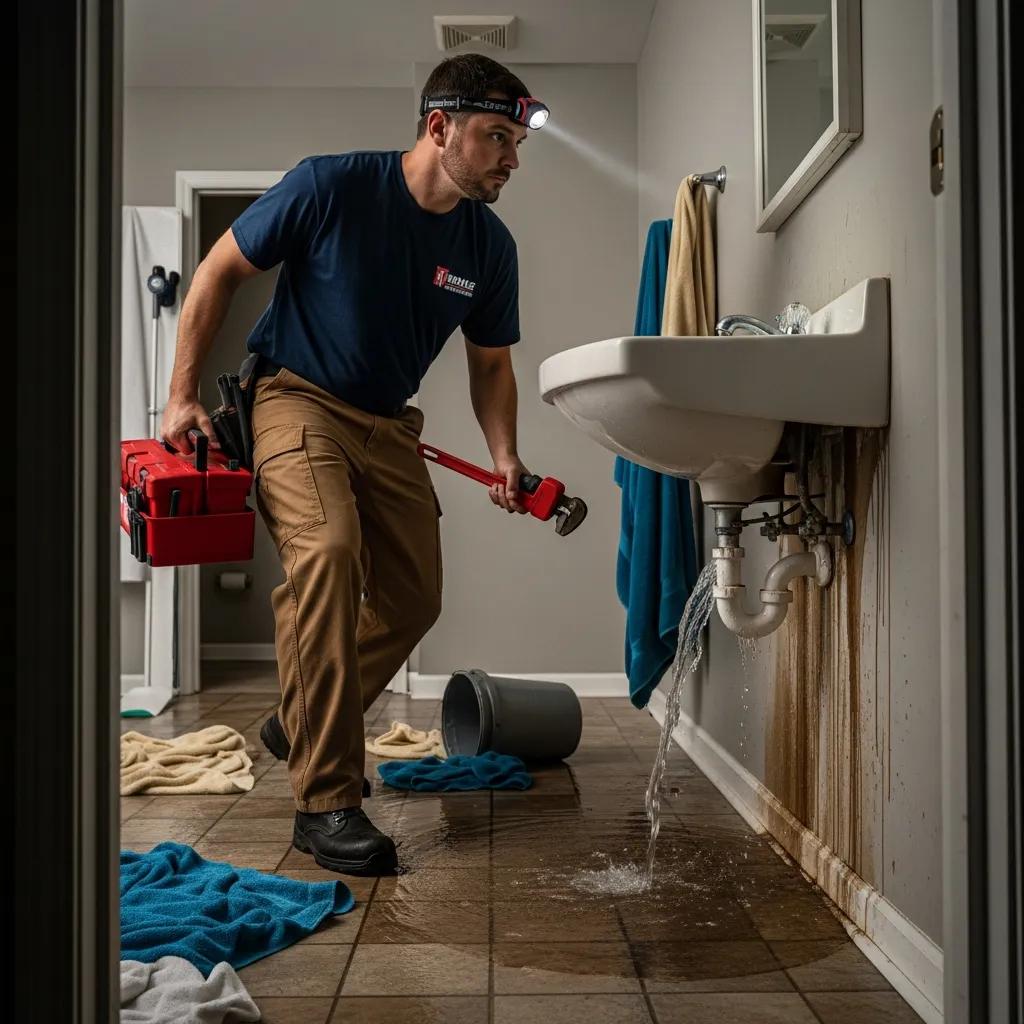
Our emergency plumbing service is built to quickly contain events like burst pipes, sewer backups, and failing sump pumps. Fast containment limits structural damage and mold in island homes where the recovery window is often tight. We combine triage—shutting off water or isolating systems—with on‑site diagnostics to decide whether a repair or temporary patch is right until a full fix can be scheduled. For properties prone to seasonal flooding or freezing, round‑the‑clock availability reduces downtime and prevents secondary issues like soil saturation that complicate restoration. Frost & Kretsch offers quick assessments with clear recommendations and pricing so homeowners can choose a timely, effective path forward.
Prompt emergency response also sets up preventive follow‑up—video inspections, sump pump upgrades, or backflow installations—that lower future risk and restore long‑term reliability for island households.
What Comprehensive Residential Plumbing Services Are Available in Grosse Ile?
Residential plumbing on Grosse Ile ranges from routine maintenance to full system replacement, all adjusted for island conditions that affect corrosion, water quality, and drainage. Core services include water heater repair and replacement, leak detection, sump pump installation, fixture repair/installation, and drain cleaning. Our technicians use diagnostic tools plus a repair‑versus‑replace framework that considers unit age, water quality, and homeowner plans to prioritize work that minimizes cost and disruption.
Different residential services address the recurring problems island homes commonly face.
| Service | Common Problem Addressed | Typical Solution / Diagnostic Tool |
|---|---|---|
| Water heater repair & replacement | No hot water, leaks, sediment buildup | System inspection, pressure/temperature checks, replace when efficiency or safety is compromised |
| Leak detection | Hidden slab or wall leaks causing high bills | Acoustic sensors, infrared imaging, targeted excavation only when required |
| Sump pump installation | Basement flooding after storms | Proper sump basin placement, battery backup options, float switch testing |
| Drain cleaning & sewer inspection | Slow drains, backups | Hydro‑jetting, mechanical snaking, CCTV sewer video inspection |
This side‑by‑side helps homeowners pick services based on symptoms and long‑term risk. The sections that follow explain water heaters and leak detection in more detail.
How Do We Handle Water Heater Repair and Installation for Grosse Ile Homes?
Water heater work starts with a diagnostic to determine if repair or replacement gives the best long‑term value. We consider unit age, sediment corrosion, and well‑water impacts common on island properties. Technicians inspect tank integrity, anode rods, heating elements or gas controls, and water quality markers to estimate remaining life. Repairs are often effective for isolated failures; replacement is recommended for significant efficiency loss, repeated leaks, or heavy corrosion. Installations account for local conditions—like mineral‑rich well water—and may include water treatment or stronger anodes to extend service life.
A diagnostic‑first approach avoids unnecessary replacements and ensures new equipment matches the home’s water supply and usage.
What Are Effective Leak Detection and Fixture Repair Solutions for Island Residences?
We use a mix of acoustic sensors, infrared thermal cameras, and targeted camera inspection to find leaks behind walls or under slabs with minimal disturbance. Once located, fixture repairs usually address worn seals, corroded fittings, or failing valves; we recommend water‑saving fixtures and corrosion‑resistant components that suit coastal exposure. Preventive steps include annual visible‑fixture checks, pressure testing, and seasonal inspections of spigots and irrigation lines to reduce freeze‑ or salt‑related wear. Pairing leak detection with proactive maintenance—like replacing old shutoff valves—helps prevent emergency failures.
These methods protect indoor spaces and landscaping from unnecessary excavation and ongoing water exposure.
How Does Frost & Kretsch Address Commercial Plumbing Needs on Grosse Ile?
Commercial plumbing for Grosse Ile businesses focuses on reliability, code compliance, and minimizing downtime through scheduled maintenance and fast repairs. We offer tailored service plans—covering drain maintenance, grease trap servicing, and sewer inspections—designed to prevent interruptions that affect revenue and customer service. Our technicians use commercial techniques like hydro‑jetting and CCTV inspections to keep systems flowing and spot developing issues before they become closures. Clear communication, phased scheduling, and preventive contracts help businesses plan around peak hours and maintain continuous operation.
What Commercial Drain and Sewer Maintenance Services Do We Offer?
Commercial maintenance centers on scheduled cleaning, grease trap management, and video inspections to stop backups that could force closures. Service frequency depends on the business—restaurants need more frequent grease trap work, while offices may follow quarterly or semiannual checks—but all plans emphasize monitoring trends to catch recurring blockages. We use hydro‑jetting to clear grease and scale, CCTV to map pipe conditions, and targeted repairs for root intrusion or structural defects. These measures preserve uptime and reduce the chance of disruptive emergency repairs.
Regular maintenance also supports wastewater compliance and helps businesses budget for predictable plumbing costs rather than sudden large repairs.
How Are Business Plumbing Systems Installed and Maintained on Grosse Ile?
Commercial installs start with planning that accounts for flow demands, occupancy patterns, and access limits common to island properties so systems handle peak loads and remain serviceable. Checklists include correct venting, required backflow prevention, accessible cleanouts, and grease management for food service. Maintenance plans are tiered—monthly, quarterly, annual—covering inspections, drain cleaning, and equipment testing to extend service life and lower emergency risk. Coordinating schedules with business owners reduces operational impact during installs or major repairs and enables phased upgrades that fit business cycles.
This approach emphasizes durability and predictable upkeep, leading us into the sewer and drain solutions essential for island properties.
What Sewer and Drain Solutions Are Essential for Grosse Ile Properties?
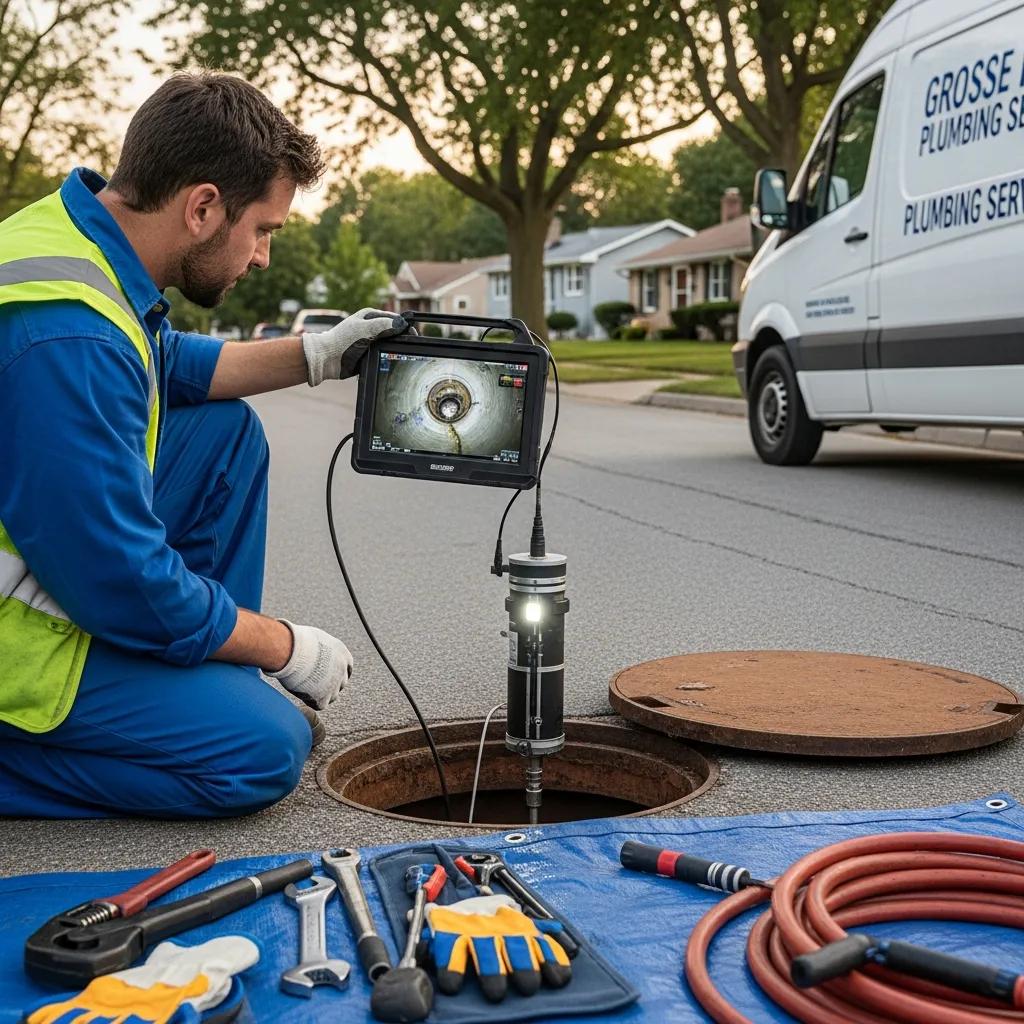
On island properties, sewer and drain strategies prioritize diagnostics and minimally invasive repairs to handle root intrusion, sediment, and corrosion while preserving landscaping. Options include mechanical snaking for local clogs, hydro‑jetting for heavy buildup, CCTV inspection for precise trouble‑spotting, and excavation or trenchless replacement when pipes are structurally compromised. Choosing the right method depends on cause, pipe condition, and the homeowner’s tolerance for surface disruption. The table below compares common techniques, uses, and trade‑offs to help plan repairs and long‑term prevention.
| Technique | When It’s Used | Benefits / Limitations |
|---|---|---|
| Mechanical snaking | Localized clogs from hair or small debris | Fast, lower cost; may not remove grease or roots completely |
| Hydro‑jetting | Severe buildup, grease, general restoration | Very effective at cleaning; needs an experienced operator and has higher cost |
| CCTV video inspection | Diagnose and map pipe damage | Accurate visuals; avoids guesswork and unnecessary digging |
| Excavation / trenchless replacement | Collapsed or severely damaged pipes | Permanent solution; excavation is invasive, trenchless can be pricier but less disruptive |
Knowing each technique’s trade‑offs helps homeowners balance immediate fixes against long‑term outcomes.
How Does Sewer Line Excavation Resolve Common Island Plumbing Issues?
We recommend excavation when structural failures—collapsed sections, heavy corrosion, or widespread root intrusion—make cleaning or relining unreliable. Excavation removes the failed section and installs pipe suited to local soil and water conditions; we also plan for landscaping and grade restoration. Expect coordinated site prep, clear timelines, and restoration steps to reduce long‑term visual and functional impact. After excavation, preventive measures such as root barriers, scheduled CCTV checks, and selective trenchless work on adjacent segments can limit future invasive repairs.
Understanding when excavation is the responsible choice helps homeowners budget and plan for restoration while lowering repeat repair risk.
What Advanced Drain Cleaning and Sewer Video Inspection Techniques Are Used?
Our advanced approach pairs hydro‑jetting for deep cleaning with CCTV inspection for precise defect location, letting technicians recommend targeted repairs rather than broad excavation. Hydro‑jetting blasts away grease, scale, and biological buildup to restore pipe diameter and flow. CCTV inspections create a visual record—showing cracks, joint issues, and root intrusion—so we can suggest the least disruptive repair: spot repair, relining, or excavation. Together, these tools reduce unnecessary digging and protect island landscaping and hardscapes.
These minimally invasive methods are especially valuable on Grosse Ile, where homeowners want to preserve lawns, driveways, and waterfront features.
What Unique Plumbing Challenges Do Island Homes on Grosse Ile Face?
Grosse Ile homes face distinctive plumbing challenges—septic reliance, variable well water, salt‑driven corrosion, and seasonal flood exposure—that affect system life and maintenance needs. These risks increase the need for scheduled inspections, protective hardware like backflow preventers and sump pumps, and attention to soil and water‑table impacts on septic performance. The table below matches island issues to risk factors and recommended preventative services so owners can prioritize what matters most.
| Island Plumbing Issue | Risk Factors | Recommended Preventative Service |
|---|---|---|
| Septic system reliance | High water table, seasonal saturation | Regular inspections, tailored pumping schedules, soil percolation checks |
| Well water variability | High mineral content, turbidity, pump wear | Scheduled pump maintenance and routine water quality testing |
| Flooding and drainage | Storm surge, poor surface drainage | Sump pumps with backup, backflow prevention, improved grading |
| Saltwater corrosion | Coastal salt spray exposure | Corrosion‑resistant fixtures, protective coatings, regular inspections |
This mapping helps homeowners focus inspections and installations that lower long‑term exposure to island hazards. The next sections cover septic care and flood/well strategies in more detail.
How Are Septic System Services Tailored for Grosse Ile Island Homes?
Septic service for island homes emphasizes inspection frequency and pumping intervals that reflect high water‑table effects and household use so drain fields keep working and surface discharge is avoided. Technicians inspect drain fields, distribution boxes, and inlet/outlet baffles, and recommend pumping based on occupancy and system performance—not a fixed schedule. Early warning signs—slow drains, odors, or soggy spots—trigger prompt inspection to avoid system failure and costly replacement. Professional maintenance reduces sanitary risks and preserves on‑site wastewater treatment through targeted repairs and homeowner guidance.
Customizing septic care to seasonal and site conditions lowers failure risk and ties maintenance costs to actual system demand.
What Flood Prevention and Well Water Maintenance Solutions Protect Coastal Properties?
Flood prevention and well maintenance combine reliable hardware with regular checks: sump pumps with battery backup, backflow preventers, and scheduled well pump inspections protect properties from storm inundation and water‑supply interruptions. Seasonal tests of float switches, backup power readiness, and backflow devices reduce the chance of basement flooding or contamination. Well systems benefit from routine pump checks and water quality testing, while smart leak detectors and elevated mechanicals buy time during outages. These layered protections—mechanical plus monitoring—help coastal homeowners maintain service and avoid water‑quality problems that often follow flooding.
Practical preventive work ties directly into emergency planning and routine maintenance—so you’re ready when an issue arises.
How Can Grosse Ile Residents Schedule Trusted Plumbing Services Today?
Scheduling service is simple: describe the problem, book a diagnostic, get a clear estimate, and set a repair or maintenance appointment. For emergencies, we prioritize triage—shutting off systems and arranging an expedited response—while non‑urgent issues start with a diagnostic visit that produces a clear plan. To speed diagnosis, tell us symptoms, system types (water heater, septic, well pump), and any recent water‑quality or drainage changes. Below are the typical steps you’ll follow when you contact us.
- Give a concise description of the problem, including symptoms and recent changes to your plumbing or property.
- Schedule a diagnostic visit or indicate emergency status to access our 24/7 response when needed.
- Receive a transparent estimate and recommended options—repair, replacement, or temporary stabilization.
- Approve the scope and timing, then expect on‑site diagnosis followed by the agreed repair or maintenance work.
These steps set expectations and keep the process efficient; the sections that follow show where to find our contact info and reputation signals for further vetting.
What Are the Steps to Request a Free Estimate or Service Appointment?
To request an estimate, start with a call or online contact describing the issue, then schedule an on‑site diagnostic. During the visit, our technician performs a visual inspection, functional tests, and, if needed, minimally invasive diagnostics like CCTV or leak detection to define scope precisely. After the diagnostic you’ll receive transparent pricing and a recommended timeline. Emergency calls get immediate triage and temporary containment before full repairs. If the situation is urgent, tell us the hazard level so we can prioritize 24/7 routing and limit secondary damage.
Where Can You Find Contact Information and Customer Testimonials for Frost & Kretsch?
Grosse Ile residents can check our website contact page and our Google Business Profile for service details, coverage areas, and customer reviews. Those profiles outline our residential and commercial offerings—24/7 emergency plumbing, sewer line work, and minimally invasive diagnostics—and provide ways to request estimates or schedule service. Owner and team names like Dave Kretsch are listed on local pages to connect you with accountable, local professionals.
Reading recent reviews and project summaries helps homeowners judge response times, workmanship, and whether our approach fits island‑home needs.
Using these resources makes it easier to pick a licensed, insured provider that prioritizes transparent pricing and a satisfaction guarantee for Grosse Ile plumbing.
Frequently Asked Questions
What should I do if I experience a plumbing emergency on Grosse Ile?
First, shut off the water supply to limit damage (main shutoff or affected fixture valve). Then contact a local 24/7 plumbing service and describe the issue, visible damage, and urgency. Quick action reduces repair scope, limits mold risk, and helps us give the right immediate advice before we arrive.
How often should I schedule plumbing maintenance for my island home?
Plan at least one full plumbing check per year, including septic inspection, well water testing, and a general system review. Add seasonal checks—before heavy rains or freezing weather—to ensure sump pumps and backflow devices are ready. Regular maintenance detects problems early and extends system life.
What are the signs that my septic system needs attention?
Warning signs include slow drains, foul odors around the drain field, pooling or soggy ground, and gurgling fixtures. If you see any of these, schedule an inspection promptly to avoid costly failures. Regular pumping and inspections reduce those risks.
How can I protect my plumbing from saltwater corrosion?
Use corrosion‑resistant fixtures and protective coatings on exposed metal. Schedule regular inspections to catch early corrosion, and consider water treatment or softening if well water is mineral‑rich. These steps extend the life of pipes, valves, and fixtures in coastal environments.
What should I know about well water maintenance on Grosse Ile?
Test well water regularly for bacteria and contaminants and inspect the pump and components on a schedule. Seasonal checks—especially before storms—help prevent contamination and mechanical failures. Routine testing and timely pump maintenance keep your water safe and reliable.
What are the benefits of using minimally invasive plumbing techniques?
Techniques like CCTV inspections and hydro‑jetting reduce the need for major excavation, protect landscaping, and deliver accurate diagnostics so we can target repairs. They save time and money by avoiding guesswork and preserving your property’s appearance.
How can I ensure my plumbing systems are prepared for seasonal changes?
Inspect systems before winter and before storm season: check for leaks, confirm sump pump operation and battery backups, test backflow devices, and insulate exposed pipes. Regular maintenance and simple seasonal tasks help prevent weather‑related failures.
Conclusion
Choosing Frost & Kretsch Plumbing means working with a local, licensed team that understands Grosse Ile’s island‑specific plumbing challenges. We focus on efficient repairs, clear pricing, and minimizing disruption—addressing issues like saltwater corrosion and seasonal flooding with practical solutions. Schedule regular maintenance and keep our 24/7 emergency line handy to protect your home and extend the life of your plumbing systems. Contact us today to discuss how our trusted grosse ile plumbing services can help you.