
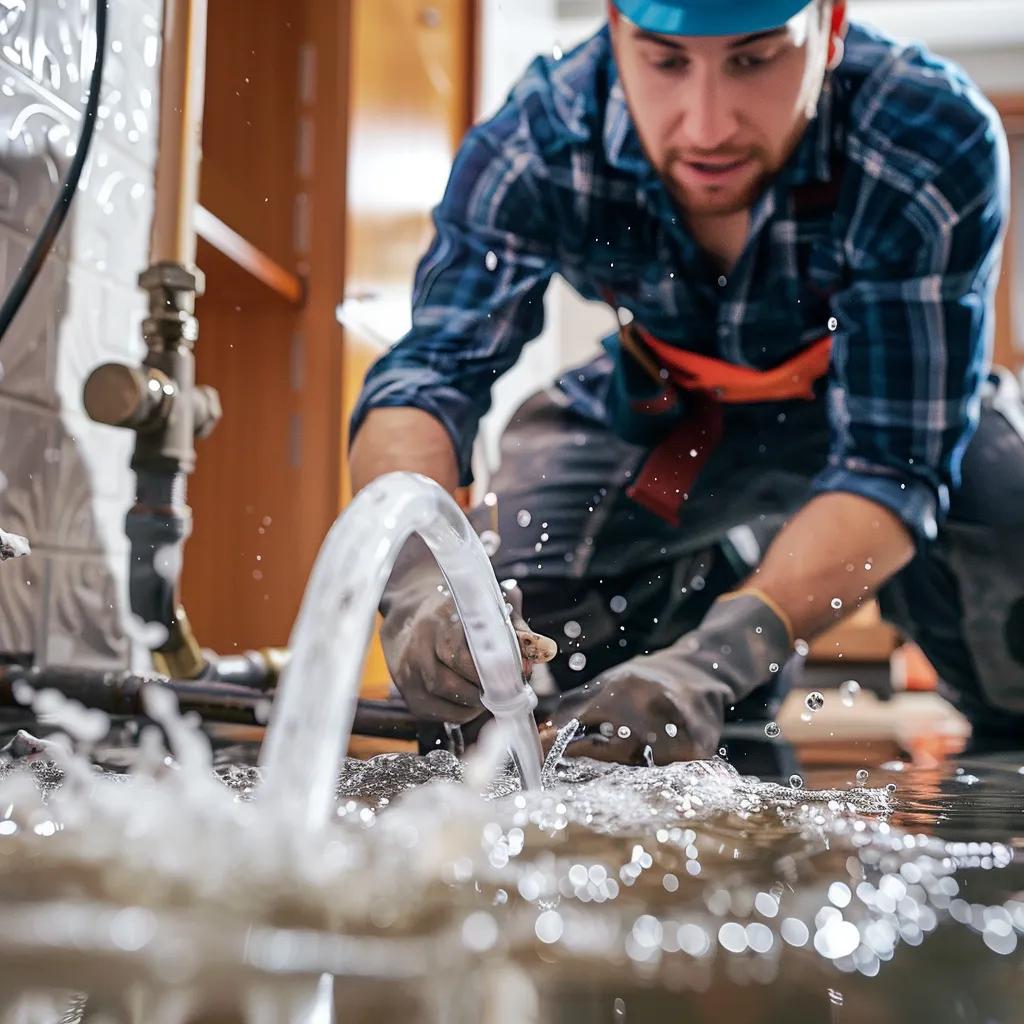
24/7 Emergency Plumbing Services by Frost and Kretsch
24/7 Emergency Plumbing Services by Frost and Kretsch in Grosse Pointe: Fast, Reliable Solutions for Urgent Plumbing Needs When every drop counts, a minute’s delay can spell costly damage—Frost and Kretsch’s 24/7 emergency plumbing services deliver immediate, round-the-clock response for burst pipes, severe leaks, clogs and water-heater failures. In this guide, you’ll discover when to call for help, our rapid response process, the common emergencies we resolve, reasons to choose our licensed team, the areas we serve, how to contact us instantly, and preventative maintenance tips to avoid crises. As a trusted local leader in Grosse Pointe plumbing, Frost and Kretsch combines rapid arrival times with transparent pricing and a 100% satisfaction guarantee to protect your home or business. When Should You Call for 24/7 Emergency Plumbing Services? A plumbing emergency is any situation where a leak, flood or system failure threatens property, health or business continuity. Immediate intervention prevents structural damage, water contamination and costly downtime. For example, a burst basement pipe can pour hundreds of gallons of water per hour, making swift professional backup essential to minimize loss and restore safety. What Are the Most Common Plumbing Emergencies? Below is a list of the top scenarios that require urgent plumbing intervention and why they demand immediate attention. Burst Pipes – High-pressure pipe failure can flood walls and floors. Major Leaks – Continuous water flow risks mold growth and structural decay. Severe Clogs – Backed-up drains can overflow with contaminated water. Water Heater Failures – Loss of hot water disrupts daily routines and heating systems. Sewage Backups – Hazardous waste can enter living spaces, posing health risks. Each emergency requires a targeted solution to stop water loss and prevent further damage, leading into best practices you can apply before help arrives. Common Plumbing Emergencies and Causes Burst pipes, major leaks, and water heater failures are among the most common plumbing emergencies. These issues often result from corrosion, freezing, or component failure, leading to significant property damage if not addressed promptly. Understanding the causes helps in preventative measures. American Society of Plumbing Engineers (ASPE), “Plumbing Design Handbook” (2021) This citation provides context for the common plumbing emergencies discussed in the article and their underlying causes. How to Recognize a Plumbing Emergency at Home or Business? A sudden drop in water pressure, unexplained water accumulation, gurgling drains or a spike in your water bill signal an emergency. Visible signs include bulging walls, wet spots beneath fixtures, icy pipes in winter or no hot water when you turn on the tap. Recognizing these indicators quickly channels resources toward containment and repair. What Immediate Steps Can You Take Before Help Arrives? Before our licensed technicians arrive, shut off the main water supply valve, open faucets to relieve pressure, and move valuables away from standing water. Place buckets under drips and use towels for minor leaks. These actions limit water flow, reduce damage and prepare the site for efficient repair. How Does Frost and Kretsch Ensure Rapid Response for Emergency Plumbing? Our emergency plumbing service blends advanced dispatch protocols, GPS-tracked vehicles and licensed professionals to deliver same-day arrival—often within an hour of your call. This system guarantees immediate on-site assessment and repair, protecting your property and peace of mind. Emergency Plumbing Response Times Rapid response times are crucial in plumbing emergencies to minimize damage. Immediate action can prevent significant property damage and reduce the overall cost of repairs. Quick intervention is essential to mitigate the impact of issues like burst pipes or major leaks. National Association of Home Builders (NAHB), “Plumbing Systems and Emergencies” (2022) This research supports the article’s emphasis on the importance of immediate action in plumbing emergencies. What Is Our Step-by-Step Emergency Response Process? Customer Call Received – 24/7 hotline activation logs location and issue. Technician Dispatched – GPS-tracking routes nearest licensed plumber. On-Site Assessment – Thorough inspection identifies root cause and safety hazards. Immediate Mitigation – Leak stops, temporary patches or drain clearing begins. Permanent Repair – Replace damaged pipes or components using industry-approved methods. Final Testing – Pressure and flow tests confirm system integrity and restoration. These systematic steps ensure fast containment and complete resolution without guesswork, leading into our availability guarantees. How Do We Guarantee Same-Day Service and 24/7 Availability? We maintain a dedicated, rotating on-call team and fleet to avoid surge fees or scheduling delays. Our transparent staffing model eliminates emergency premiums—every call receives equal priority under our standard rates. Who Are the Licensed Professionals Behind Our Emergency Services? Frost and Kretsch employs state-certified, insured plumbers with ongoing technical education. Each specialist brings an average of 10 years’ experience in diagnostics, trenchless repairs and water-heater systems. This expertise drives safe, code-compliant solutions. What Common Emergency Plumbing Issues Does Frost and Kretsch Repair? How Do We Handle Burst Pipes and Major Leaks? Entity Attribute Value or Solution Burst Pipe Primary Cause Corrosion, freezing or high pressure Leak Severity Risk Structural water damage, mold growth Repair Method Permanent Fix Pipe replacement or epoxy relining Prevention Proactive Measure Insulation and regular pressure checks Repairing burst pipes stops immediate flooding and restores structural safety while protective insulation reduces future freeze-related failures. What Solutions Are Available for Clogged Drains and Sewer Backups? Hydro-jetting blasts away grease and scale build-up. Drain snakes clear hair, soap residue and roots. Trenchless sewer lining repairs cracked lines without excavation. These targeted methods restore flow and eliminate contaminants before residential or commercial activities resume. How Are Water Heater Emergencies Diagnosed and Fixed? Leak Inspection – Identify tank or fitting breaches to prevent flooding. Thermostat Calibration – Adjust settings for consistent hot-water delivery. Element Replacement – Swap faulty heating elements or valves. Tank Flush – Remove sediment to restore efficiency and prevent corrosion. Addressing these factors restores hot water and extends heater lifespan. What Is Frozen Pipe Thawing and How Can It Prevent Damage? Frozen pipes occur when temperatures drop below 32°F, leading to cracks and bursts. Our emergency thawing uses controlled heat application and rapid‐response monitoring to safely restore flow and prevent pipe failure, avoiding costly
24/7 Emergency Plumbing Services by Frost and Kretsch Read More »