Frost and Kretsch Plumbing

Author name: bluenova22

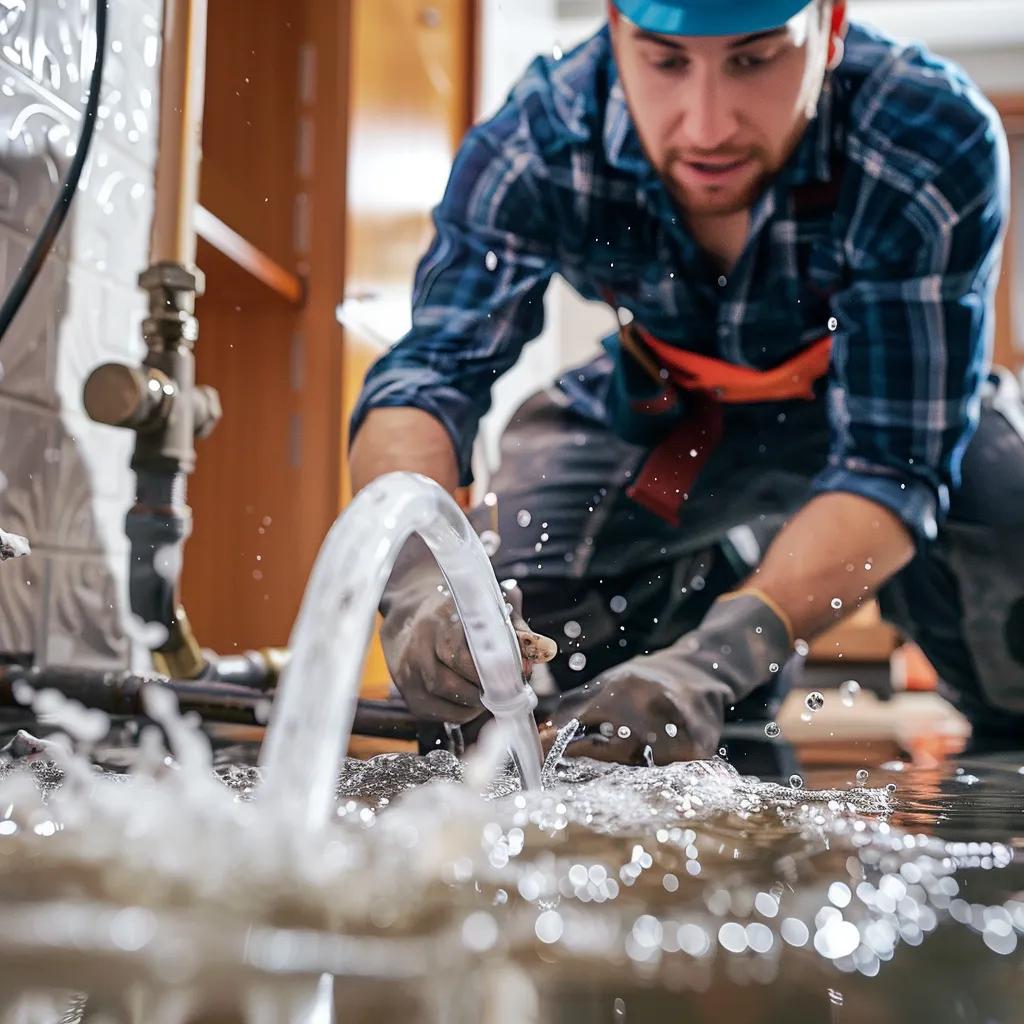
Professional plumber repairing a burst pipe in a residential home, showcasing emergency plumbing services

24/7 Emergency Plumbing Services by Frost and Kretsch

24/7 Emergency Plumbing Services by Frost and Kretsch in Grosse Pointe: Fast, Reliable Solutions for Urgent Plumbing Needs When every drop counts, a minute’s delay can spell costly damage—Frost and Kretsch’s 24/7 emergency plumbing services deliver immediate, round-the-clock response for burst pipes, severe leaks, clogs and water-heater failures. In this guide, you’ll discover when to call for help, our rapid response process, the common emergencies we resolve, reasons to choose our licensed team, the areas we serve, how to contact us instantly, and preventative maintenance tips to avoid crises. As a trusted local leader in Grosse Pointe plumbing, Frost and Kretsch combines rapid arrival times with transparent pricing and a 100% satisfaction guarantee to protect your home or business. When Should You Call for 24/7 Emergency Plumbing Services? A plumbing emergency is any situation where a leak, flood or system failure threatens property, health or business continuity. Immediate intervention prevents structural damage, water contamination and costly downtime. For example, a burst basement pipe can pour hundreds of gallons of water per hour, making swift professional backup essential to minimize loss and restore safety. What Are the Most Common Plumbing Emergencies? Below is a list of the top scenarios that require urgent plumbing intervention and why they demand immediate attention. Burst Pipes – High-pressure pipe failure can flood walls and floors. Major Leaks – Continuous water flow risks mold growth and structural decay. Severe Clogs – Backed-up drains can overflow with contaminated water. Water Heater Failures – Loss of hot water disrupts daily routines and heating systems. Sewage Backups – Hazardous waste can enter living spaces, posing health risks. Each emergency requires a targeted solution to stop water loss and prevent further damage, leading into best practices you can apply before help arrives. Common Plumbing Emergencies and Causes Burst pipes, major leaks, and water heater failures are among the most common plumbing emergencies. These issues often result from corrosion, freezing, or component failure, leading to significant property damage if not addressed promptly. Understanding the causes helps in preventative measures. American Society of Plumbing Engineers (ASPE), “Plumbing Design Handbook” (2021) This citation provides context for the common plumbing emergencies discussed in the article and their underlying causes. How to Recognize a Plumbing Emergency at Home or Business? A sudden drop in water pressure, unexplained water accumulation, gurgling drains or a spike in your water bill signal an emergency. Visible signs include bulging walls, wet spots beneath fixtures, icy pipes in winter or no hot water when you turn on the tap. Recognizing these indicators quickly channels resources toward containment and repair. What Immediate Steps Can You Take Before Help Arrives? Before our licensed technicians arrive, shut off the main water supply valve, open faucets to relieve pressure, and move valuables away from standing water. Place buckets under drips and use towels for minor leaks. These actions limit water flow, reduce damage and prepare the site for efficient repair. How Does Frost and Kretsch Ensure Rapid Response for Emergency Plumbing? Our emergency plumbing service blends advanced dispatch protocols, GPS-tracked vehicles and licensed professionals to deliver same-day arrival—often within an hour of your call. This system guarantees immediate on-site assessment and repair, protecting your property and peace of mind. Emergency Plumbing Response Times Rapid response times are crucial in plumbing emergencies to minimize damage. Immediate action can prevent significant property damage and reduce the overall cost of repairs. Quick intervention is essential to mitigate the impact of issues like burst pipes or major leaks. National Association of Home Builders (NAHB), “Plumbing Systems and Emergencies” (2022) This research supports the article’s emphasis on the importance of immediate action in plumbing emergencies. What Is Our Step-by-Step Emergency Response Process? Customer Call Received – 24/7 hotline activation logs location and issue. Technician Dispatched – GPS-tracking routes nearest licensed plumber. On-Site Assessment – Thorough inspection identifies root cause and safety hazards. Immediate Mitigation – Leak stops, temporary patches or drain clearing begins. Permanent Repair – Replace damaged pipes or components using industry-approved methods. Final Testing – Pressure and flow tests confirm system integrity and restoration. These systematic steps ensure fast containment and complete resolution without guesswork, leading into our availability guarantees. How Do We Guarantee Same-Day Service and 24/7 Availability? We maintain a dedicated, rotating on-call team and fleet to avoid surge fees or scheduling delays. Our transparent staffing model eliminates emergency premiums—every call receives equal priority under our standard rates. Who Are the Licensed Professionals Behind Our Emergency Services? Frost and Kretsch employs state-certified, insured plumbers with ongoing technical education. Each specialist brings an average of 10 years’ experience in diagnostics, trenchless repairs and water-heater systems. This expertise drives safe, code-compliant solutions. What Common Emergency Plumbing Issues Does Frost and Kretsch Repair? How Do We Handle Burst Pipes and Major Leaks? Entity Attribute Value or Solution Burst Pipe Primary Cause Corrosion, freezing or high pressure Leak Severity Risk Structural water damage, mold growth Repair Method Permanent Fix Pipe replacement or epoxy relining Prevention Proactive Measure Insulation and regular pressure checks Repairing burst pipes stops immediate flooding and restores structural safety while protective insulation reduces future freeze-related failures. What Solutions Are Available for Clogged Drains and Sewer Backups? Hydro-jetting blasts away grease and scale build-up. Drain snakes clear hair, soap residue and roots. Trenchless sewer lining repairs cracked lines without excavation. These targeted methods restore flow and eliminate contaminants before residential or commercial activities resume. How Are Water Heater Emergencies Diagnosed and Fixed? Leak Inspection – Identify tank or fitting breaches to prevent flooding. Thermostat Calibration – Adjust settings for consistent hot-water delivery. Element Replacement – Swap faulty heating elements or valves. Tank Flush – Remove sediment to restore efficiency and prevent corrosion. Addressing these factors restores hot water and extends heater lifespan. What Is Frozen Pipe Thawing and How Can It Prevent Damage? Frozen pipes occur when temperatures drop below 32°F, leading to cracks and bursts. Our emergency thawing uses controlled heat application and rapid‐response monitoring to safely restore flow and prevent pipe failure, avoiding costly

24/7 Emergency Plumbing Services by Frost and Kretsch Read More »
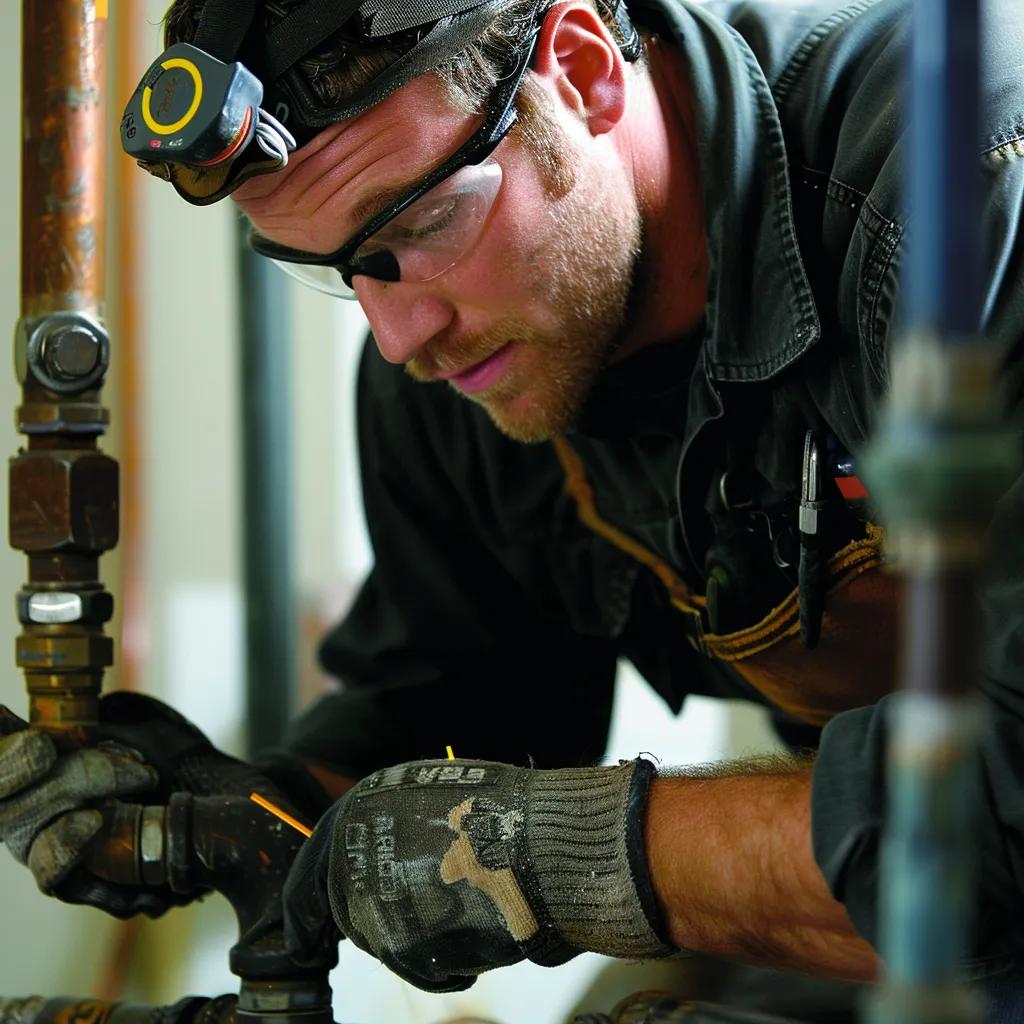
Plumber repairing a burst pipe in a home, showcasing emergency plumbing services

Emergency Pipe Burst Repair Solutions You Need Now

Emergency Pipe Burst Repair Solutions You Need Now: Immediate Help and Expert Services in Grosse Pointe When a water line ruptures unexpectedly, every second you wait compounds property damage and mold risk, creating a high-stakes emergency for homeowners and businesses in Grosse Pointe. This article delivers a clear roadmap: immediate shutdown and drainage steps, DIY temporary fixes, professional repair workflows, prevention strategies, cost considerations, early warning signs, and details on our 24/7 response—from shut-off valve to final inspection. By following these guidance points, you’ll minimize damage, restore flow, and understand when to call Grosse Pointe Plumbing—your local expert ready with free estimates and transparent pricing. What Are the Immediate Steps to Take When a Pipe Bursts? A burst pipe demands rapid action to halt water flow, protect electrical systems, and reduce interior flooding, ensuring you retain control until professional help arrives. Key actions include shutting off supply, powering down circuits, draining residual water, and securing emergency assistance. Shut Off the Main Water Supply immediately at the building’s valve. Cut Power to affected zones to prevent electrical hazards. Drain Remaining Water from faucets and low points. Contact an Emergency Plumber for comprehensive repair. These steps set the stage for detailed safety measures and drainage techniques. How Do You Shut Off the Main Water Supply Quickly? Locate the building’s primary shut-off valve—typically near the water meter or where the main line enters the foundation—and turn it clockwise until fully closed. This action cuts off pressurized water, preventing further flooding and enabling safe diagnostics by professionals. What Safety Precautions Should You Follow During a Pipe Burst? A burst pipe creates risks of electrical shock, slipping, and contaminated water exposure, so disconnect power, wear slip-resistant footwear, don protective gloves. Maintaining clear pathways and using portable floodlights keeps work areas safe and visible, allowing controlled cleanup and repair readiness. How to Drain Pipes After a Burst to Minimize Damage? Once the supply is off, open all faucets—including hot and cold—at the highest and lowest points to purge trapped water and relieve residual pressure. This process prevents additional leaks, reduces corrosion risk, and primes lines for inspection, ensuring the next repair phases are efficient. When Should You Call an Emergency Plumber for Pipe Burst Repair? Call an emergency plumber immediately if the leak is uncontrolled, affects multiple floors, or occurs during off-hours; even minor cracks warrant professional attention whenever visible bulging or pooling persists. Prompt expert intervention from Grosse Pointe Plumbing stops damage escalation and ensures code-compliant remediation. What Temporary Fixes Can You Use to Stop a Burst Pipe Leak? Temporary repairs provide short-term containment by sealing cracks or pinching leaks, allowing you to maintain service until permanent repairs are scheduled. Common methods include pipe clamps, epoxy putty, and specialized repair tape. Below is a list of methods with core applications and limitations: Pipe clamps offer mechanical compression for holes up to 1/4 inch. Epoxy putty fills and bonds to metal or PVC surfaces for small fractures. Repair tape wraps tightly around wet or dry pipes, creating a rubberized seal. Emergency Pipe Repair Techniques Various methods exist for temporarily repairing burst pipes, including pipe clamps, epoxy putty, and repair tape. Pipe clamps are suitable for small holes, epoxy putty works on metal or PVC surfaces, and repair tape is effective in wet conditions. Each method offers a temporary solution until professional repair can be scheduled. Jones, A., “Plumbing Repair Handbook” (2022) This source provides details on the application and limitations of temporary pipe repair methods, which directly supports the article’s discussion of these techniques. How to Use Pipe Clamps for Temporary Leak Repairs? Select a clamp sized to your pipe’s outer diameter, position the rubber gasket over the leak, and tighten the screw mechanism until water flow stops. This clamp-on method seals metal or PVC breaks, giving you safe containment until a licensed technician replaces the damaged section. Can Epoxy Putty Effectively Seal a Burst Pipe? Epoxy putty adheres to clean, dry pipe surfaces—knead equal parts until uniform, press into cracks, and allow 5–10 minutes to cure. While strong and chemical-resistant, epoxy putty is best for small fissures and requires later professional cutting and replacement. How to Apply Repair Tape for Quick Pipe Leak Fixes? Wrap self-fusing repair tape around the leak area under tension, overlapping layers by half the width, and stretch until the tape fuses into a seamless gasket. This approach works on pressurized lines and wet conditions, buying hours before final repair. What Are the Pros and Cons of Temporary Pipe Repair Methods? Method Attribute Value Pipe Clamp Pros Instant pressure seal, reusable, minimal preparation Cons Requires wrench access, limited to small leaks Epoxy Putty Pros Bonds to metal/PVC, corrosion-resistant, cures under water Cons Not effective on large splits, must wait to harden Repair Tape Pros Conforms to uneven surfaces, works wet, quick application Cons Short-term solution, may slip if not tensioned correctly Each temporary fix method extends containment until Grosse Pointe Plumbing’s permanent repair can be scheduled and executed. How Do Professional Emergency Pipe Burst Repair Services Work? Professional repair services begin with a systematic diagnosis, proceed through targeted repair techniques—ranging from trenchless replacement to excavation—and conclude with rigorous testing. Expert teams minimize disruption and restore full system integrity. What Is Included in a Burst Water Pipe Diagnosis? A full diagnosis uses acoustic leak detection, moisture meters, and in-pipe camera inspections to identify cracking, joint failures, and hidden leakage paths. This evaluation ensures precise repair planning, reducing unnecessary excavation and labor. How Are Main Water Line Bursts Repaired by Experts? Experts employ either excavated replacement—removing damaged sections and installing new pipe—or trenchless methods like pipe bursting or slip-lining to restore flow with minimal surface impact. Both techniques ensure code compliance and long-term reliability. What Are the Methods for Frozen Pipe Thawing and Repair? Thawing methods include controlled heat tracing cables, steam application, or warm air blowers, followed by pressure testing and insulation installation. Professional plumbers prevent refreezing by upgrading to heat-tape systems and pipe wraps tailored for Grosse Pointe’s winters. How

Emergency Pipe Burst Repair Solutions You Need Now Read More »

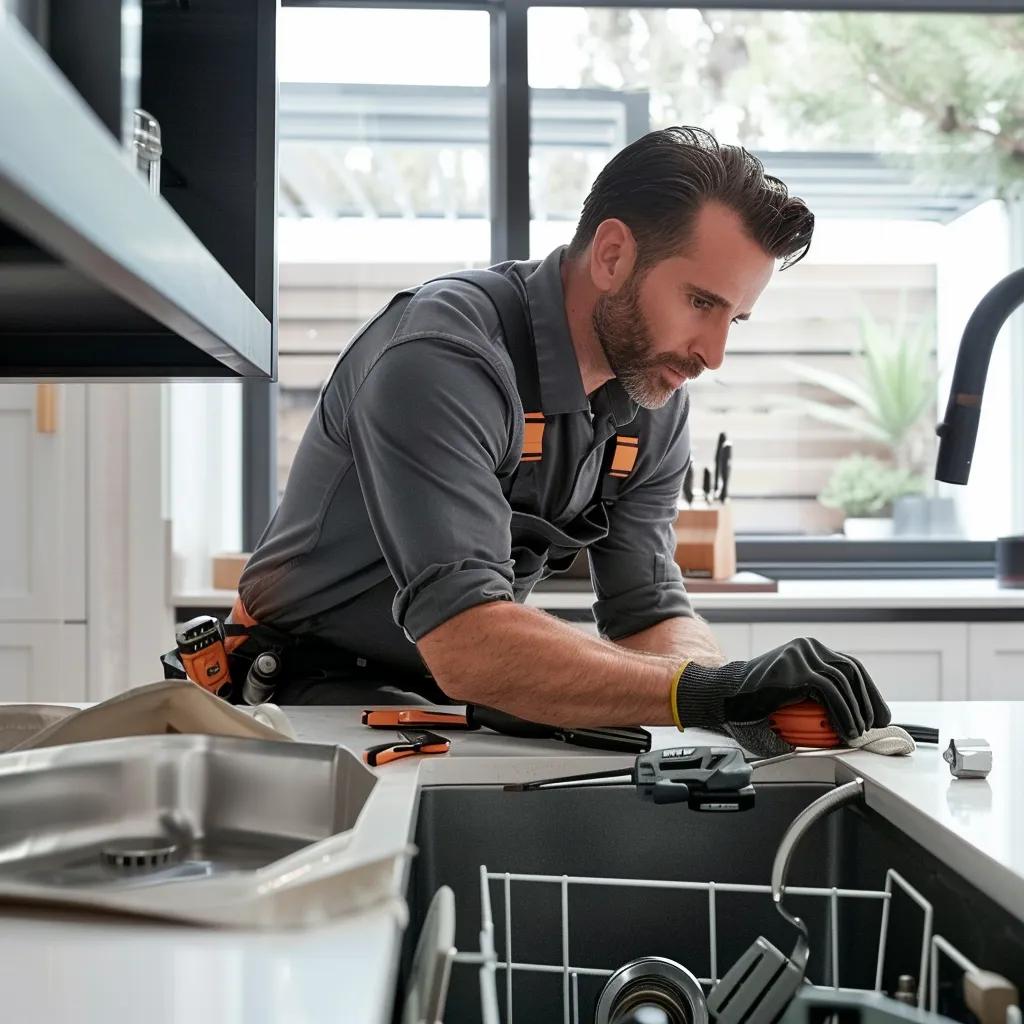
Professional plumber fixing a residential plumbing system under a sink in a modern kitchen

Local Plumbing Contractors: Why Choose Experts Near You

Local Plumbing Contractors: Why Choose Expert Plumbers Near You in Grosse Pointe Experienced local plumbing contractors deliver fast, reliable solutions when leaks or clogs threaten your home’s comfort. Homeowners and businesses in Grosse Pointe rely on skilled professionals to handle everything from routine maintenance to emergency repairs, ensuring pipes flow freely and fixtures perform flawlessly. In this article, we’ll explore the full range of services offered by expert plumbers, show you how to diagnose and fix common plumbing problems, explain the advantages of licensed local contractors, outline transparent pricing factors, share preventative maintenance tips, map our Grosse Pointe service areas, and answer your most pressing questions. Discover why choosing seasoned local plumbing contractors is the smartest way to protect your property and peace of mind. What Services Do Local Plumbing Contractors in Grosse Pointe Offer? Local plumbing contractors provide comprehensive solutions that address every aspect of water, waste and heating systems. Their expertise covers installations, repairs, and preventive services across residential, commercial, and emergency contexts, tapping into advanced tools and licensed methodologies to safeguard your plumbing infrastructure. Which Residential Plumbing Services Are Available for Homeowners? Expert residential plumbing services include faucet repair, toilet installations, sump pump maintenance, water heater servicing, and pipe replacement. Licensed plumbers locate leaks in copper, PVC, or PEX piping with precision scanning devices. Technicians restore water heater performance through element replacement or tankless system upgrades. Sump pump inspections and cleanings prevent basement flooding during heavy rains. These core offerings protect your home’s water delivery and disposal functions while reducing long-term repair costs. What Commercial Plumbing Solutions Do Experts Provide? Businesses benefit from specialized commercial services tailored to high-volume and regulatory demands. Restaurant grease trap cleaning and backflow prevention ensure code compliance. Industrial pipeline installation handles large-scale fluid transfer systems. Commercial water heater design and installation support consistent hot water supply for hotels, offices, and retail. By meeting health-code standards and minimizing downtime, these solutions keep operations running smoothly in Grosse Pointe’s businesses. How Do Emergency Plumbing Services Work 24/7 in Grosse Pointe? Emergency plumbing services deliver immediate response around the clock to stop flooding, sewage backups, or burst pipes. A local contractor will: Answer your call within minutes. Dispatch a licensed plumber with a fully stocked service vehicle. Isolate the problem—shutting off water mains or clearing sewer blockages. Perform temporary or permanent repairs on the spot. This rapid-response model mitigates property damage and restores system integrity at any hour. What Specialized Sewer and Drain Services Are Offered Locally? Sewer and drain problems demand targeted solutions that clear blockages and restore flow without repeated call-backs. Local plumbers provide hydro jetting, video camera inspections, trenchless sewer repair, and main-line cleanouts. Service Method Benefit Hydro Jetting High-pressure water Removes grease, roots, and sediment Camera Inspection CCTV pipeline scope Pinpoints cracks and intrusions Trenchless Sewer Repair Pipe relining Minimal excavation, low disruption Main-Line Cleanout Mechanical auger Unlocks stubborn blockages These advanced techniques restore full capacity and prevent recurring backups, setting the stage for long-term system health. When Is Excavation Needed in Plumbing Repairs? Excavation becomes necessary when underground pipes fail beyond trenchless options or when utility lines must be replaced entirely. Contractors assess soil conditions, pipe material degradation, and collapse zones before deploying heavy-duty excavation to safely expose and repair water or sewer mains without risking surrounding structures. How Can You Identify and Solve Common Plumbing Problems? What Are the Signs of Clogged Drains and How Are They Cleared? Clogged drains often present slow drainage, gurgling sounds, or water backups in sinks and tubs. Plumbers clear these obstructions using: Mechanical drain augers to dislodge debris. Hydro jetting for grease and mineral buildup. Enzyme treatments to maintain clear pipes. Regular cleanings prevent unpleasant odors and reduce the risk of full blockages that threaten your plumbing network. How to Recognize and Fix Leaky Faucets and Burst Pipes? Leaky faucets drip continuously, raise water bills, and can lead to corrosion, while burst pipes cause sudden flooding and structural damage. Signs include water stains, mold growth, and audible dripping. Certified plumbers repair these issues by replacing worn washers, O-rings, or damaged pipe segments, ensuring a watertight seal that restores normal operation. What Causes Water Heater Malfunctions and How Are They Repaired? Water heater failures stem from sediment buildup, thermostat faults, or corroded heating elements. A technician will: Flush the tank to remove mineral deposits. Test and replace faulty thermostats or heating rods. Inspect anode rods and replace them to prevent tank corrosion. These targeted repairs prolong unit lifespan and ensure consistent hot water delivery. How Do Plumbers Handle Frozen Pipes and Prevent Damage? When temperatures drop, water inside pipes can freeze and expand, leading to cracks or bursts. Professionals mitigate this risk by: Thawing pipes with hot towels or specialized lamps. Insulating vulnerable lines with foam sleeves. Installing heat trace cables in unheated areas. These preventive measures maintain flow and avert costly water damage in winter months. What Are the Risks and Solutions for Sewer Line Blockages? Sewer blockages pose health hazards and can cause sewage backing into fixtures. Common causes include tree root intrusion, pipe misalignment, and grease accumulation. Plumbers address these issues through root cutting, pipe relining, and scheduled cleanouts. Risk Cause Solution Health contamination Sewage backup High-pressure jetting and sanitization Structural soil shift Tree root invasion Trenchless pipe relining Recurring blockages Grease build-up Enzymatic maintenance program These interventions protect property value and uphold sanitary conditions around your home or business. Why Choose Licensed and Experienced Local Plumbing Contractors? Selecting a licensed local contractor ensures compliance with building codes, guarantees workmanship, and provides peace of mind through proper insurance coverage. Experience navigating Grosse Pointe’s unique plumbing landscape translates into faster diagnostics and more durable repairs. How Does Licensing and Insurance Protect You as a Customer? Licensed plumbers meet state certification standards and carry liability insurance, which: Shields you from accidental damage claims. Ensures adherence to safety regulations. Offers recourse if work fails inspection. Benefits of Licensed Plumbing Contractors Licensed plumbing contractors adhere to state certification standards and carry liability insurance, which

Local Plumbing Contractors: Why Choose Experts Near You Read More »

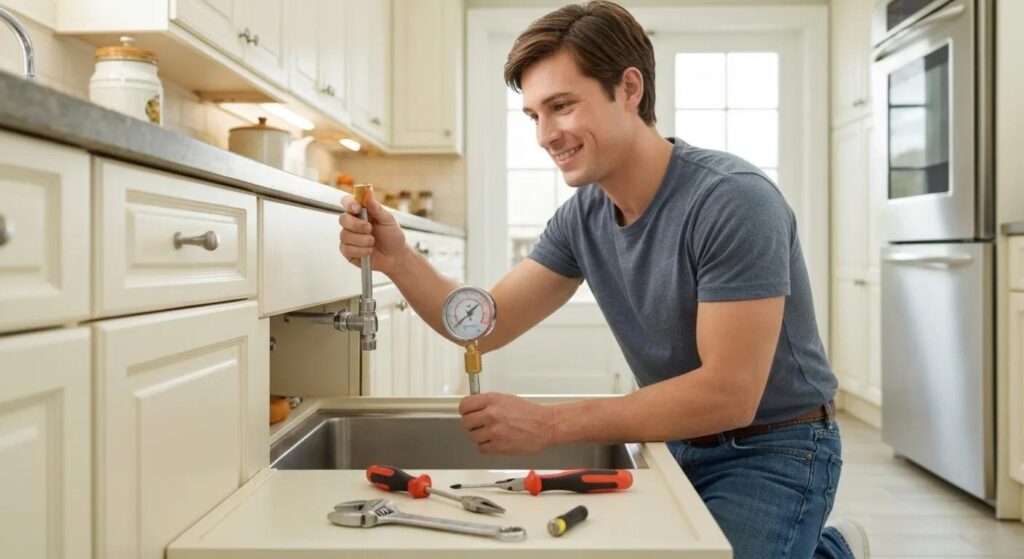
Homeowner inspecting plumbing under a sink with tools, emphasizing emergency preparedness

Essential Emergency Plumbing Inspection Checklist for Homeowners

Essential Emergency Plumbing Inspection Checklist for Homeowners in Grosse Pointe Homeowners in Grosse Pointe face sudden plumbing failures that can flood basements, damage walls, and spike water bills without warning; studies show 80 percent of residents who maintain an emergency plumbing inspection checklist save time and money when crises strike. This guide delivers a step-by-step emergency plumbing inspection checklist, covering the most common emergencies, immediate action protocols, routine maintenance tasks, essential toolkit items, and local service recommendations. You will learn how to identify burst pipes, shut off your water supply, contain damage, schedule preventative inspections, assemble a home emergency kit, and partner with Grosse Pointe Plumbing: Frost & Kretsch Services for 24/7 support. What Are the Most Common Plumbing Emergencies Homeowners Should Know? Plumbing emergencies occur when key components of a home’s water supply or drainage system fail suddenly, leading to leaks, flooding, or backups that threaten structural integrity and health. Which Plumbing Emergencies Require Immediate Attention? Burst pipes, major leaks, and sewer backups constitute the most critical plumbing emergencies because they release large volumes of water, undermine building materials, and introduce health risks from contaminated waste. Emergency Cause Impact Burst Pipe Freezing, corrosion Rapid flooding and structural damage Major Leak Joint failure, high pressure Continuous water loss and mold growth Sewer Backup Blockage, root intrusion Raw sewage infiltration and odor hazards Each emergency demands swift action to prevent escalating repair costs and health hazards. Common Plumbing Emergencies Burst pipes, major leaks, and sewer backups are among the most critical plumbing emergencies, often leading to significant property damage and health risks. Understanding these emergencies and their causes is essential for homeowners. Environmental Protection Agency, “Plumbing Emergencies and Prevention” (2022) This source provides additional context to the article’s discussion of common plumbing emergencies and their potential impacts on homes and health. How Do Frozen Pipes and Water Heater Failures Cause Emergencies? Frozen pipes expand under cold conditions, splitting walls and floors, while water heater failures—often from faulty valves or sediment buildup—release scalding water or cause sudden pressure surges that fracture plumbing lines. Insulating vulnerable pipes and flushing the heater annually reduces these risks. What Signs Indicate a Plumbing Emergency in Your Home? Visible water stains on ceilings, pooling around fixtures, gushing noises behind walls, sudden water meter spikes, and foul odors from drains all signal an urgent plumbing issue. Early recognition of these indicators enables faster containment and repair. How Do You Perform an Emergency Plumbing Inspection Checklist? An emergency plumbing inspection checklist equips homeowners to evaluate system health, stop water flow, and document damage before professional help arrives, minimizing downtime and out-of-pocket expenses in crisis situations. How Do You Locate and Shut Off the Main Water Shut-off Valve? Trace the cold-water pipe entering your home, usually in the basement or utility area. Identify the valve handle or wheel—commonly near the water meter. Turn clockwise until it stops to halt water flow. Test a faucet to confirm shutdown before proceeding with repairs. Completing this step prevents further flooding and preserves home safety while you implement additional measures. What Are the Steps to Turn Off Your Water Heater Safely? Switch off the electric breaker or gas supply to the water heater. Close the cold-water inlet valve on top of the tank. Open a hot-water tap to relieve residual pressure. Drain a few gallons through the drain valve if needed to prevent leaks. Securing the heater stops potential scalding incidents and readies the system for maintenance or replacement. How Can You Contain Water Damage and Protect Your Home? Place absorbent towels or dry sandbags around leak points, use plastic sheeting to direct water away from walls, and deploy buckets under dripping fixtures. Elevate furniture and valuables off wet floors to minimize salvage costs. When Should You Document the Issue and Contact Your Insurance? Capture clear date-stamped photos of damaged areas, collect repair estimates, and note any personal property loss immediately after containment. Reporting details within 48 hours often leads to faster claims processing and reimbursement. When Is It Time to Call a Professional Emergency Plumber in Grosse Pointe? Call a licensed emergency plumber if you encounter any of the following: Inability to stop water flow with the main valve Sewage backup in living areas Multiple simultaneous leaks Risk of burst from frozen lines Visible corrosion on critical supply pipes For comprehensive support, rely on expert residential plumbing services that specialize in fast, reliable emergency response. What Preventative Plumbing Inspection Tasks Should Homeowners Perform Regularly? How Do You Inspect Faucets, Toilets, and Drains for Leaks and Clogs? Check faucet bases and handles for moisture or rust spots. Flush each toilet while observing the tank refill path for drips. Run water through each sink and tub, noting slow drainage or gurgling sounds. Frequent checks maintain optimal flow and detect hidden leaks early. How Can You Check Water Pressure and Pipes for Corrosion or Damage? Use a pressure gauge on an outdoor spigot to ensure readings between 40–60 psi, then examine accessible pipes for flaking metal, green discoloration, or pinhole leaks. Address irregular pressure or corrosion promptly to prolong pipe life. What Are the Best Practices for Water Heater Maintenance and Sediment Removal? Flush the heater annually to expel sediment that impairs efficiency. Inspect pressure relief valves for proper operation every six months. Adjust thermostat settings to 120 °F to balance comfort and energy savings. Consistent upkeep prevents unexpected failures and extends tank lifespan. How Do You Test Sump Pumps and Sewer Lines to Prevent Failures? Before heavy rainfall season, pour five gallons of water into the sump basin to confirm prompt pump activation. Inspect sewer cleanouts by removing the cap (with gloves) and checking for standing water or root intrusion. Entity Attribute Value Sump Pump Activation Threshold Triggers at 6–8 inches of water Sewer Line Cleanout Access Exterior cap for blockage inspection Reliable sump and sewer checks avert basement floods and costly excavation work—trust excavation services when underground repairs are required. What Tools and Supplies Belong in a Home Emergency Plumbing Kit? A well-stocked

Essential Emergency Plumbing Inspection Checklist for Homeowners Read More »

Scroll to Top
Frost and Kretsch Plumbing
Privacy Overview

This website uses cookies so that we can provide you with the best user experience possible. Cookie information is stored in your browser and performs functions such as recognising you when you return to our website and helping our team to understand which sections of the website you find most interesting and useful.