
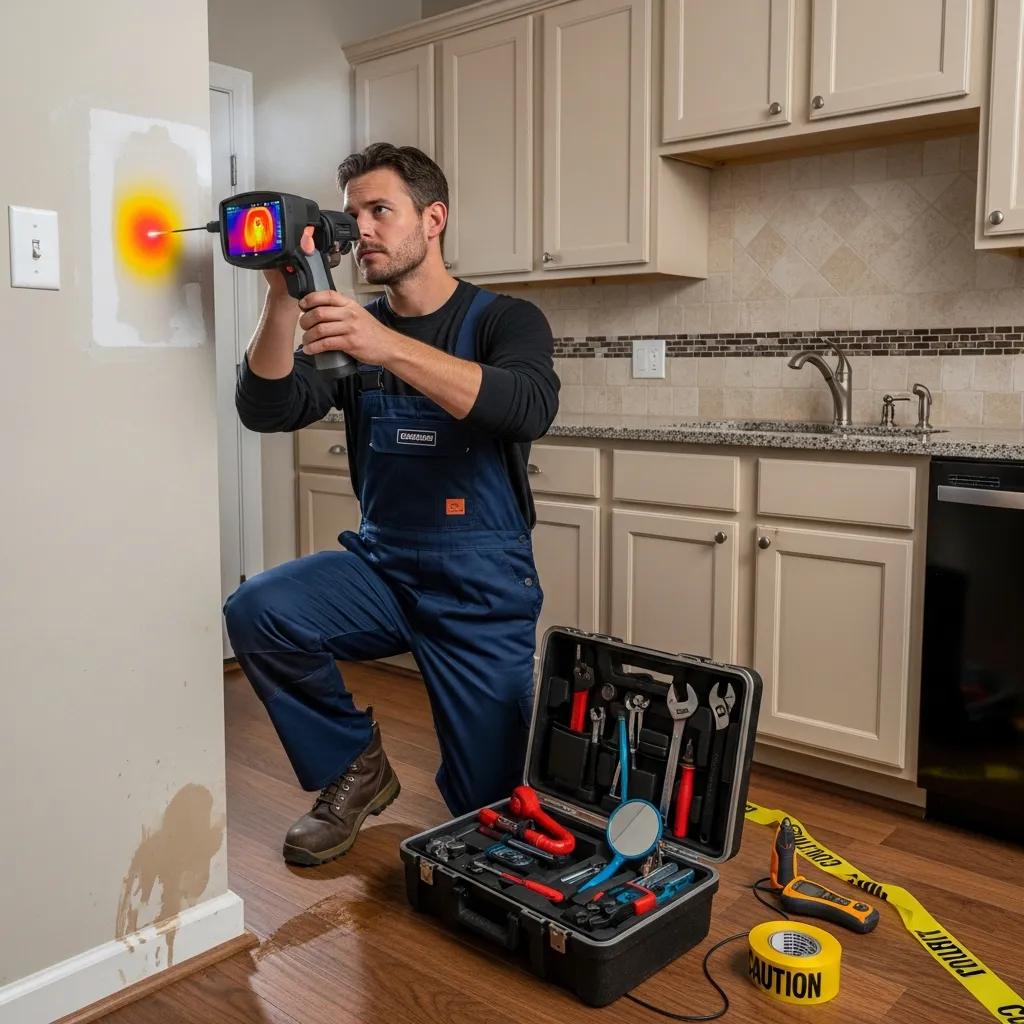
Professional Leak Detection for Hidden Plumbing Leaks: Expert Services to Identify and Repair Water Damage Risks
Professional leak detection finds hidden plumbing leaks with focused diagnostics that stop water damage, prevent mold, and avoid costly structural repairs. This guide walks through how leak detection works, the common signs of hidden water leaks, and the non‑invasive tools—like thermal imaging and acoustic listening—that work best for walls, slabs and underground pipes. You’ll also learn how slab leaks are found and fixed, when a leak becomes an emergency, and how commercial services differ from residential work. We outline a simple, professional workflow for diagnosis and repair and explain how quick action lowers long‑term costs. Throughout, we use clear terms such as leak detection, slab leak repair, non‑invasive leak detection, and hidden water leak signs to help homeowners and facility managers find and act on leak risks quickly.
What Are the Common Signs of Hidden Water Leaks in Homes and Businesses?
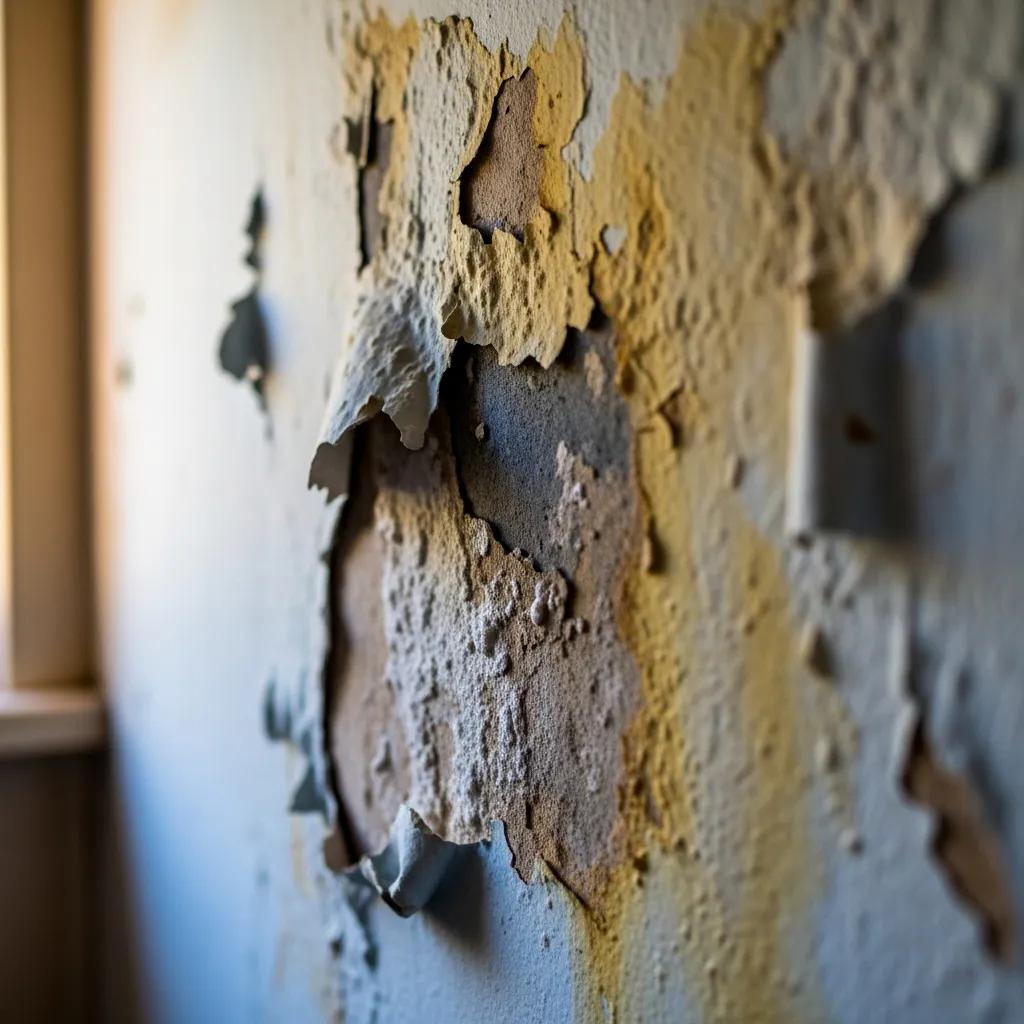
Hidden leaks usually show up through indirect clues before visible damage appears. Escaping water changes moisture, temperature, pressure or utility readings—those changes create signals that, when combined, point to a hidden leak and the need for professional leak detection. Catching these early avoids bigger problems like water damage, foundation issues and mold. Below is a straightforward, easy‑to‑scan list of the most common indicators that warrant follow‑up testing.
- Unexplained high water bills: A sudden spike in water use without lifestyle changes often means water is leaking somewhere in the system.
- Persistent moisture or damp spots: Areas on floors, walls or ceilings that stay wet or never fully dry signal ongoing leakage.
- Water stains and peeling finishes: Discolored patches, bubbling paint or blistering wallpaper point to chronic moisture intrusion.
- Warm spots on floors: Localized warmth can indicate hot water escaping under slabs or behind walls.
- Sound of running or hissing water: Hearing water movement when fixtures are off often indicates pressurized leaks.
- Low or fluctuating water pressure: Noticeable drops in pressure can accompany major leaks in supply lines.
If you see these signs, start with a few simple checks—read the water meter and isolate fixtures. If problems continue, call for professional diagnostics to pinpoint the source precisely.
How Can You Detect Unexplained High Water Bills and Moisture Indicators?
High water bills and hidden moisture usually mean steady, unseen water loss. Confirm it with methodical checks and simple tools: read the water meter with every fixture off—if it moves, you likely have a leak. Then isolate fixtures or shut off valves one at a time to narrow the area. Use a moisture meter and inspect baseboards, carpets and drywall to map damp spots and decide if thermal imaging or acoustic detection is appropriate. In multi‑unit buildings, monitor usage over several days to catch intermittent leaks. If these DIY steps point to persistent or pressurized leakage, schedule professional on‑site diagnostics so the source isn’t misidentified.
What Visual and Audible Symptoms Suggest a Hidden Leak?
Visual and audible clues help narrow the leak location and urgency. Water stains, peeling paint and mold usually mean a slow, chronic leak in walls, ceilings or around fixtures. Warm floor patches often indicate a slab leak in hot water lines beneath the foundation. Hearing running water, hissing or metallic vibrations with fixtures off suggests pressurized supply lines or a pipe breach—acoustic listening tools can then help pinpoint the section. When symptoms line up—like a high water bill plus a warm floor—focused non‑invasive testing is the next step. If visual or audible signs point to structural or health risks, treat the issue as an emergency and call for immediate help.
How Does Frost & Kretsch Plumbing Perform Advanced Leak Detection in Grosse Pointe?
Our team follows a staged diagnostic workflow that pairs non‑invasive technology with experienced interpretation to find hidden plumbing leaks accurately. We start with symptom intake and a visual check, move to targeted scans (thermal imaging, acoustic listening, video inspection), then confirm findings with pressure testing or camera inspection as needed. Thermal and acoustic tools reduce unnecessary demolition, while confirmatory tests verify line integrity. We provide transparent pricing, work with licensed and insured technicians, and offer 24/7 emergency response—so when a situation is urgent, we act fast. If repair is needed, we deliver a clear estimate and a straightforward plan so property owners can make informed decisions.
- Intake & visual assessment: We document symptoms and inspect likely leak zones.
- Non‑invasive diagnostic scan: Thermal imaging and acoustic tools locate anomalies.
- Confirmatory tests: Pressure testing or video inspection validate the source.
- Report & estimate: We provide findings, repair options and transparent pricing.
- Repair scheduling: We plan minimally invasive repairs or emergency interventions as needed.
This step‑by‑step approach sets clear expectations so owners know what to expect during leak detection and what repair options may follow.
Which Technologies Are Used for Non-Invasive Leak Detection?
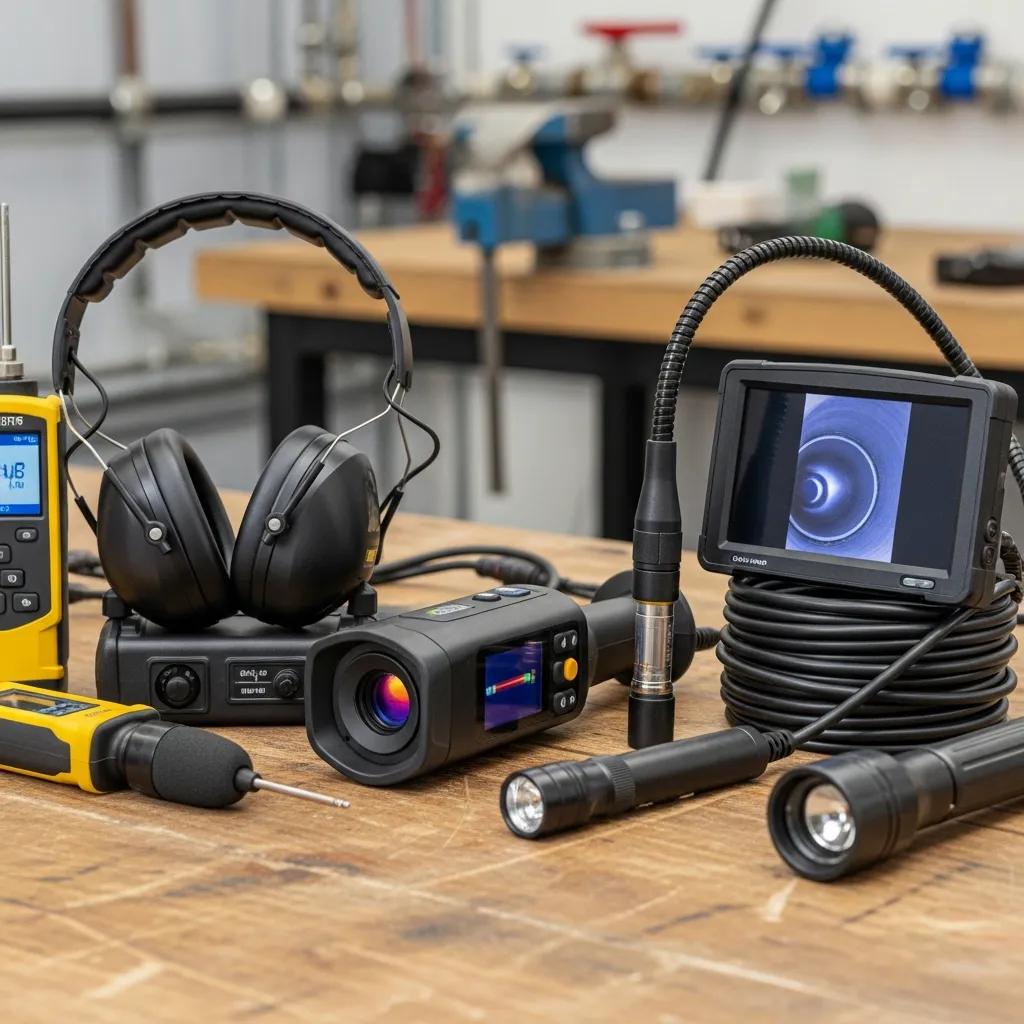
Non‑invasive leak detection uses complementary tools that read different signals from escaping water, helping technicians pick the right method for the job. Thermal cameras spot temperature differences from wet insulation or water movement—useful for floors and walls. Acoustic listening devices pick up the sound of water in pressurized pipes and often localize slab and supply‑line leaks precisely. Video inspection cameras let us see inside drains and sewers to identify cracks, roots or blockages without digging. Tracer gas or dye testing can confirm leaks in hard‑to‑reach areas. Often we combine methods to get the most reliable diagnosis based on pipe type and building structure.
Different detection technologies compare as follows:
| Technology | Best Use Case | Accuracy | Limitations |
|---|---|---|---|
| Thermal imaging | Floor/wall leaks, slab detection | High for temperature differentials | Less effective in well‑insulated or temperature‑stable spaces |
| Acoustic listening | Pressurized supply lines, slab leaks | High localization precision | Needs a quiet environment and an experienced operator |
| Video inspection | Drains, sewer and internal pipe defects | Direct visual confirmation | Limited to accessible lines and pipe sizes |
| Tracer gas/dye testing | Complex underground or void leaks | Helpful for confirming leak presence | Requires controlled conditions and proper venting |
A layered diagnostic approach helps us detect hidden leaks with minimal disruption and plan accurate repairs.
What Is the Step-by-Step Process for Professional Leak Identification?
The professional leak identification process follows clear stages so owners understand timelines and outcomes. First we gather symptom history and do a visual inspection to focus testing. Next we run non‑invasive scans—thermal imaging and acoustic tests—to find anomalies. If scans indicate a leak, we perform confirmatory tests like pressure checks or camera inspection to verify the source and assess pipe condition. Finally we deliver a written report with a repair estimate and recommended methods—ranging from trenchless lining to localized slab access—so owners can approve targeted repairs. Clear communication at every step keeps surprises to a minimum.
What Are Slab Leaks and How Are They Detected and Repaired?
A slab leak is a breach in a water line under a concrete foundation. Left unchecked, slab leaks can damage the foundation, promote mold growth, and cause major property loss. Pipes under slabs face corrosion, shifting soil and mechanical stress; escaping water changes soil moisture and temperature, which makes slab leaks detectable with thermal imaging, acoustic listening and pressure testing. Early detection limits foundation impact and widens repair options—from trenchless relining to localized slab access or rerouting piping. The table below compares common slab leak repair methods to help property owners weigh invasiveness, cost and when each approach is appropriate.
Slab leak repair options compared:
| Repair Method | Invasiveness | Cost | Typical Use Case |
|---|---|---|---|
| Trenchless relining | Low to moderate | Moderate | When the pipe interior can be relined without removing the slab |
| Localized slab access | Moderate to high | Moderate to high | Pinpointed repairs where a small slab opening fixes the issue |
| Re‑routing pipes | Moderate | Moderate to high | When original lines are failing or can be moved out of the slab |
| Full slab excavation | High | High | Last resort for multiple failures or extensive damage |
Choosing the right repair depends on pipe material, location, foundation condition and the goal of minimizing disruption.
What Causes Slab Leaks and What Are Their Warning Signs?
Slab leaks commonly come from pipe corrosion, foundation shifting, poor installation or abrasion against rough concrete. Corroded or old pipes often cause slow leaks that appear as persistent damp patches, higher indoor humidity or mold growth. Ground movement can shear pipes and trigger sudden spikes in water use and warm spots on floors. Early warning signs include localized warm floors, unexplained water bill increases, hairline foundation cracks and frequent plumbing repairs. These cues guide technicians toward slab‑focused tools like thermal imaging and acoustic listening so problems get resolved before they worsen.
Which Repair Methods Are Available for Slab Leak Resolution?
Repair selection balances invasiveness, longevity, timeline and cost. Trenchless lining restores pipe integrity with less excavation when the interior condition allows. Localized slab access lets technicians cut a small opening directly above the leak for a focused repair. Re‑routing installs new lines outside the slab when repeated failures or access issues exist. Full excavation is reserved for severe or multiple damages. Talk with a licensed provider to understand trade‑offs and set realistic expectations for schedule and property impact.
When Should You Call for Emergency Leak Detection Services?
Call for emergency leak detection when a leak threatens health, safety or the building’s structure. Immediate risks include heavy pooling, active burst pipes, nearby gas lines, extreme pressure loss or visible structural damage—these conditions demand fast professional response. While waiting for help, shut off the main water, move valuables away from the water, and turn off electricity in flooded areas if it’s safe to do so. Our team offers 24/7 emergency leak detection and quick response to stabilize the situation, isolate the source and provide temporary containment before permanent repairs begin.
- Shut off the water supply: Stop the flow to limit further damage.
- Protect people and property: Move valuables and avoid electrical hazards.
- Call emergency service: Contact a licensed emergency leak detection team for fast stabilization.
- Document damage: Photograph affected areas for insurance and repair planning.
These steps reduce immediate harm and prepare the site for emergency diagnostics and containment, while a licensed crew verifies safety and recommends next actions.
| Symptom | Risk Level | Recommended Immediate Step |
|---|---|---|
| Burst pipe with heavy flow | Very high | Shut off main water, call emergency service immediately |
| Rapid pooling/flooding | High | Move belongings, contain flow if safe, request emergency response |
| Sudden major spike in usage | Moderate | Isolate fixtures, check meter, call for urgent diagnostics |
| Structural cracking with moisture | High | Evacuate affected area if unsafe, call emergency inspection |
If any signs point to immediate structural or health risks, emergency detection and mitigation cut repair scope and long‑term costs.
What Are the Risks of Burst Pipes and Sudden Water Leaks?
Burst pipes and sudden leaks pour water into a building fast, risking structural damage, electrical hazards and rapid mold growth—making them top emergency priorities. Immediate dangers include weakened framing, saturated insulation and, in extreme cases, foundation undermining. Left unchecked, moisture can support mold within 24–48 hours, creating health risks and raising remediation costs. Emergency repairs, drying and replacement of finishes escalate quickly the longer water flows. Knowing these risks explains why fast emergency leak detection and containment are essential to protect people and property.
How Does 24/7 Emergency Leak Detection Protect Your Property?
Round‑the‑clock emergency leak detection limits damage by stabilizing the site fast and using targeted diagnostics to find the source. Emergency crews focus on shutting off water and isolating the leak, then use non‑invasive tools—thermal imaging and acoustic detection—to locate breaches with minimal demolition. Quick containment cuts water saturation and shortens the window for mold, preserving finishes and reducing restoration costs. Licensed, insured emergency responders also provide documentation and clear next steps, which helps with insurance claims and repair planning.
How Does Commercial Leak Detection Different from Residential Services?
Commercial leak detection handles larger, more complex systems where multi‑zone piping, business continuity and tenant impacts matter. These jobs need scalable diagnostics and coordination with facility managers to limit operational disruption. Commercial work often uses thermal surveys across large areas, sectional pressure testing for multizone systems and coordinated video inspections for long sewer runs. Preventive maintenance and sensor networks catch small leaks early—valuable for property managers who must minimize downtime and liability. The scale, regulations and operational constraints of commercial sites call for structured service agreements and tailored response plans.
- Larger system coordination: Complex piping networks need phased isolation and testing.
- Minimized downtime: Off‑hours scheduling and sectional shutdowns protect operations.
- Monitoring and maintenance: Routine scans and sensors stop small issues from becoming emergencies.
These operational needs make commercial leak detection a distinct discipline and show why proactive maintenance reduces unplanned service interruptions.
What Challenges Are Unique to Commercial and Industrial Leak Detection?
Commercial and industrial sites bring challenges like multiple mains, parallel systems, underground distribution and strict access limits that complicate detection and repair logistics. Tight utility corridors, suspended ceilings and equipment rooms require careful planning and non‑invasive diagnostics to avoid production losses. Coordinating shutdowns involves multiple stakeholders and tenants. Larger systems can hide intermittent leaks that only appear under certain conditions, so long‑term monitoring or temporary isolation tests are sometimes necessary. These situations require an experienced team that plans phased work, communicates clearly with facility managers, and uses monitoring tools to find leaks without disrupting critical operations.
How Can Preventative Maintenance Minimize Business Disruptions?
Preventative maintenance cuts downtime and surprise expenses by catching small leaks early through scheduled inspections, sensor networks and periodic thermal scans designed for commercial infrastructure. A basic checklist includes routine visual checks, quarterly thermal imaging of vulnerable zones, pressure monitoring of distribution mains and scheduled video inspections of sewer lines. These steps reveal deterioration early and support cost‑effective fixes. Investing in sensors and data‑driven maintenance schedules extends system life and improves budget predictability, while documented upkeep and timely repairs protect tenant relations and business continuity. Proactive care turns reactive emergency spending into planned maintenance.
Why Choose Frost & Kretsch Plumbing for Professional Leak Detection in Michigan?
Frost & Kretsch Plumbing pairs licensed, insured technicians with advanced diagnostic tools and a commitment to clear pricing and customer satisfaction to deliver dependable leak detection. Our approach favors minimally invasive techniques—thermal imaging, acoustic detection and video inspection—combined with straightforward reports and estimates so property owners understand recommended repairs and costs. We offer 24/7 emergency response and stand behind our work with a satisfaction promise to give you confidence when leaks threaten your home or business. To get a fast diagnosis and a clear repair plan, schedule an inspection or request a free estimate from our team.
- Licensed and insured technicians: Professional accountability and coverage for your peace of mind.
- Transparent pricing and estimates: Clear cost expectations so you won’t be surprised.
- 24/7 emergency service: Rapid response to urgent leaks to limit damage and downtime.
Choosing a qualified provider protects property and reduces future failures—schedule an inspection to evaluate risk and get a free estimate from our team.
What Are the Benefits of Licensed, Insured, and Transparent Plumbing Services?
Hiring licensed, insured professionals gives you legal and financial protections, and transparent estimates clarify scope and cost before work starts. Licensing shows technicians meet training and regulatory standards, which improves diagnostic accuracy and reduces the chance of improper repairs. Insurance protects property owners from liability during onsite work. Transparent pricing—itemized estimates and written scopes—helps customers know what they’re paying for, reduces disputes and speeds approvals. These practices lower customer risk and support orderly repair planning for faster resolution when leaks are found.
How Do Customer Satisfaction Guarantees and Local Expertise Add Value?
A satisfaction guarantee lowers perceived risk by promising quality results or remediation if expectations aren’t met. Local expertise speeds diagnosis because technicians understand regional materials, soil conditions and common installation practices. Guarantees give owners confidence in service quality and encourage open dialogue when outcomes differ from expectations. Local knowledge leads to faster, more appropriate recommendations that fit property context and local codes—delivering better long‑term results for leak repair and maintenance.
When you spot early signs of a leak, acting quickly and working with licensed, minimally invasive diagnostic professionals preserves property value and cuts repair costs. Schedule an inspection or request a free estimate to get started.
Frequently Asked Questions
What should I do if I suspect a hidden leak in my home?
Start by checking your water meter with every fixture off—if the meter moves, that’s a strong sign of a leak. Look for damp spots, water stains or unexplained increases in your bill. If those indicators persist, call a professional leak detection service. They’ll use non‑invasive tools to find the leak and recommend the right repair to prevent further damage.
How can I prevent hidden leaks in my plumbing system?
Prevent hidden leaks with regular maintenance and inspections. Watch for corrosion, loose fittings and signs of wear. Insulate pipes to reduce freeze risk in colder months. Schedule routine professional inspections—especially in older homes—and consider installing water leak sensors for early alerts to unusual moisture levels.
What are the long-term effects of ignoring a hidden leak?
Ignoring a hidden leak can cause structural damage, mold growth and higher water bills. Over time water can weaken foundations, ruin walls and insulation, and lead to expensive repairs. Mold creates health risks, particularly for people with respiratory issues. Addressing leaks quickly protects your property and wallet.
Are there specific technologies that can help in early leak detection?
Yes. Thermal imaging finds temperature changes caused by water, acoustic devices detect the sound of water in pressurized pipes, and video cameras let technicians inspect inside drains and sewer lines. Moisture meters quantify dampness in walls and floors. These tools help catch leaks before they become major problems.
How often should I have my plumbing inspected for leaks?
We recommend at least an annual inspection, especially for older homes or properties with prior plumbing issues. Inspect more often if you notice signs like higher water bills or damp spots, and consider checks before and after extreme weather that could stress plumbing.
What are the costs associated with professional leak detection services?
Costs vary by system complexity, technology used and leak extent. On average, homeowners can expect to pay between $150 and $500 for a comprehensive leak detection service. While that’s an investment, it’s typically far less than the costs of water damage repairs, mold remediation and higher utility bills if a leak is left unchecked.
Can I perform leak detection myself, or should I hire a professional?
You can perform basic checks—meter reads and visual inspections—but professionals offer the tools and experience to locate hidden leaks without unnecessary demolition. They interpret diagnostic data and recommend the right repairs, ensuring issues are resolved efficiently and correctly.
Conclusion
Professional leak detection gives homeowners and businesses confidence by locating hidden plumbing leaks before they turn into expensive repairs. Advanced, non‑invasive technology minimizes disruption while protecting your property and health. Timely action significantly reduces long‑term damage and costs. Schedule an inspection today to protect your investment and get a free estimate from our experienced team.