
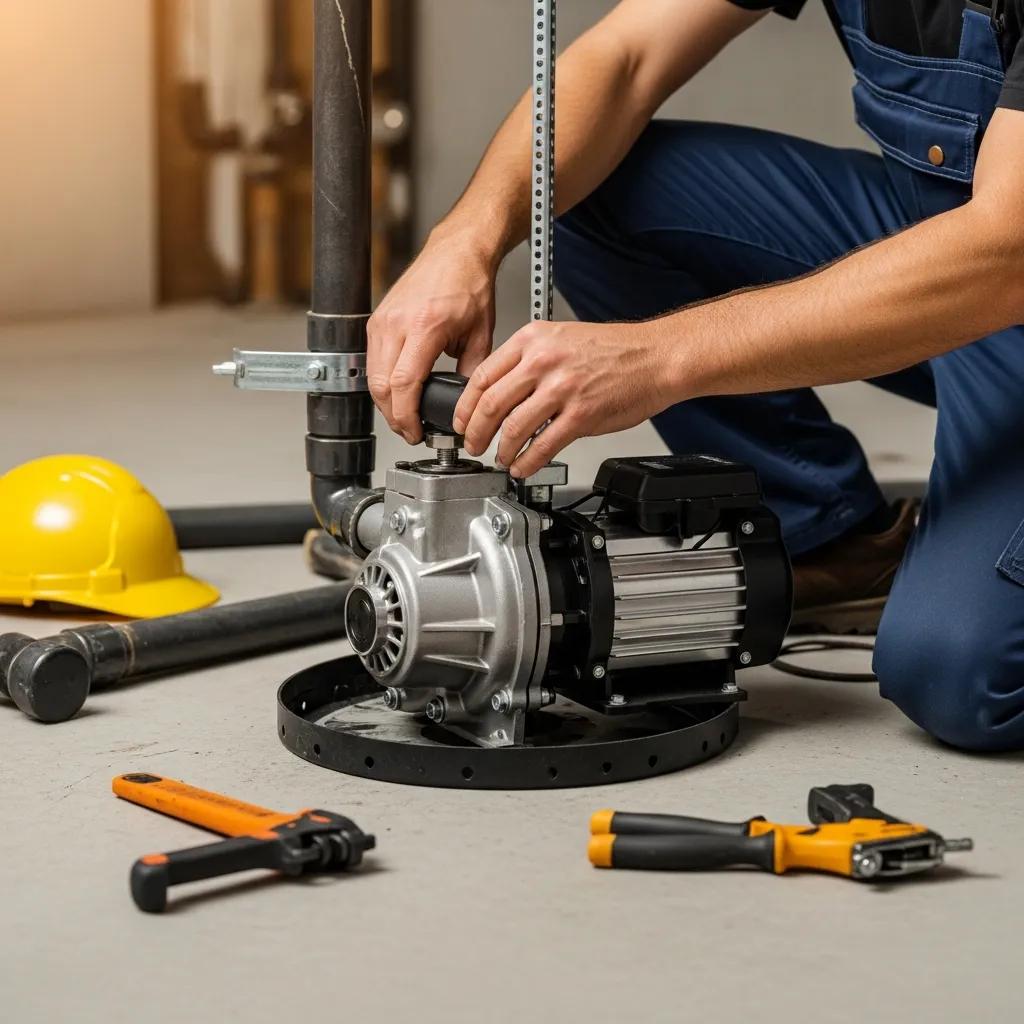
Sump Pump Installation & Repair Experts in Farmington Hills, MI — Protect Your Basement from Flooding
A sump pump collects and removes groundwater from a dedicated pit so basements stay dry and homes avoid costly water damage. When water reaches the trigger point, a properly installed sump pump starts, sends water away from the foundation, and helps prevent mold and structural problems. In Farmington Hills, where heavy seasonal rains, mixed soil drainage, and occasional power outages are common, a dependable sump system is a practical safeguard for both homes and businesses. This guide explains why sump pumps matter locally, compares common pump types, outlines installation, repair, and maintenance services, and answers the homeowner questions we hear most. You’ll learn how sump pumps work, which local risk factors to watch for, how professionals handle installs and emergencies, and when to add backups or a sewage ejector. Read on to compare options, review service levels, and pick up simple maintenance steps that lower your flood risk.
Why Sump Pumps Matter for Farmington Hills Homes and Businesses
Sump pumps stop groundwater from saturating basements and crawlspaces, cutting the risk of mold, ruined belongings, and foundation damage. Water that enters through drain tile or foundation cracks collects in the sump pit, lifts the float switch, and activates the pump, which pushes water through a discharge line away from the building. Check valves prevent return flow; correct sizing and float placement stop rapid cycling and premature wear. In Farmington Hills, heavier storms, higher water tables in some neighborhoods, and older foundations make sump systems an especially important part of home protection. Knowing those local risks helps you choose the right pump, backup plan, and inspection schedule before the wet season arrives.
Below is a quick map of local risks, likely consequences, and practical solutions to help prioritize work.
| Local Risk Factor | Consequence | Recommended Solution |
|---|---|---|
| Heavy seasonal rainfall | Basement flooding and interior water damage | Install a properly sized primary pump and improve exterior drainage |
| High water table or saturated soil | Frequent sump activations and pump cycling | Add a backup power source and a check valve to prevent re-entry |
| Older foundation/drain tile | Recurring seepage and mold growth | Inspect drain tile, repair foundation cracks, and install a reliable sump system |
That quick comparison shows how targeted fixes reduce specific risks and why installation choices matter for reliable basement protection.
How Sump Pumps Keep Basements Dry
The sequence is straightforward: groundwater flows into the sump pit, the float switch senses the rise, and the pump runs to move water through a discharge line away from the foundation. A check valve prevents water from returning to the pit, and proper pipe routing sends water to an approved drain area. Correct pump capacity and float placement reduce excessive cycling and motor wear so the system runs only when needed and can handle expected flows. Understanding this helps you spot performance issues and decide when maintenance or upgrades are needed.
Next, we’ll look at local environmental and structural factors that increase the need for a reliable sump system in Farmington Hills.
Local Factors That Increase the Need for Reliable Sump Systems
Farmington Hills experiences intense rain events and seasonal runoff that increase groundwater entering basements. Clay or poorly draining soils and older drainage systems can make saturation worse, and power outages during storms underscore the value of battery or water-powered backups. Finished basements or equipment stored below grade raise the stakes for even a small leak, so a pre-season inspection is a smart move. Scheduling checks before spring rains lets homeowners clear float obstructions, test check valves, and confirm discharge paths before high-risk periods begin.
Those local details point to the full range of services available to install, repair, and respond to sump issues quickly.
Comprehensive Sump Pump Services from Frost & Kretsch Plumbing in Farmington Hills
Our sump services include site assessment, equipment selection, installation or replacement, diagnostic repairs, routine maintenance, and emergency response for active flooding. A professional install starts with sizing the pump to the site, preparing the pit, hooking up electrical safely, and finishing with commissioning and homeowner instruction so the system performs as intended. For repairs, we diagnose common failures—stuck floats, motor burnout, clogged discharge lines—and recommend repair or replacement based on condition and life expectancy. Preventative maintenance keeps systems ready by cleaning pits, testing backups, and verifying discharge integrity before storms. When flooding is active, quick triage and temporary mitigation limit damage until permanent repairs are made.
Frost & Kretsch Plumbing offers 24/7 emergency response and backup options including battery and water-powered systems. Homeowners can request a free estimate to evaluate needs and plan next steps.
Compare service types below to decide what level of support fits your situation.
| Service Type | What’s Included | Typical Expectation |
|---|---|---|
| Installation / Replacement | Site assessment, pump selection, pit prep, electrical connection, testing | Single-visit installation with post-install commissioning |
| Repair & Diagnostics | Float and motor diagnostics, discharge clearing, part replacement | Same-day repairs when parts are available; detailed diagnosis otherwise |
| Preventative Maintenance | Pit cleaning, float and switch test, battery backup check, discharge inspection | Annual or pre-season checks to reduce emergency failures |
That side-by-side makes it easier to pick the right service and sets expectations for the installation and replacement process.
Our Installation and Replacement Process
We begin with a site assessment to review basement layout, pit condition, required pump capacity, and preferred backup options. Technicians recommend the right pump—submersible units for debris-prone pits or pedestal units when easier access is preferred—then prepare or replace the pit, install a durable discharge line with a check valve, and complete electrical work to code. Quality checks include multiple activation tests and a homeowner walkthrough on operation, expected run cycles, and routine checks you can do. Post-install commissioning confirms the system meets expected head and flow so water stays away from your foundation and callbacks stay rare.
Next, here’s how common repair issues are found and resolved.
Common Sump Pump Problems and Troubleshooting
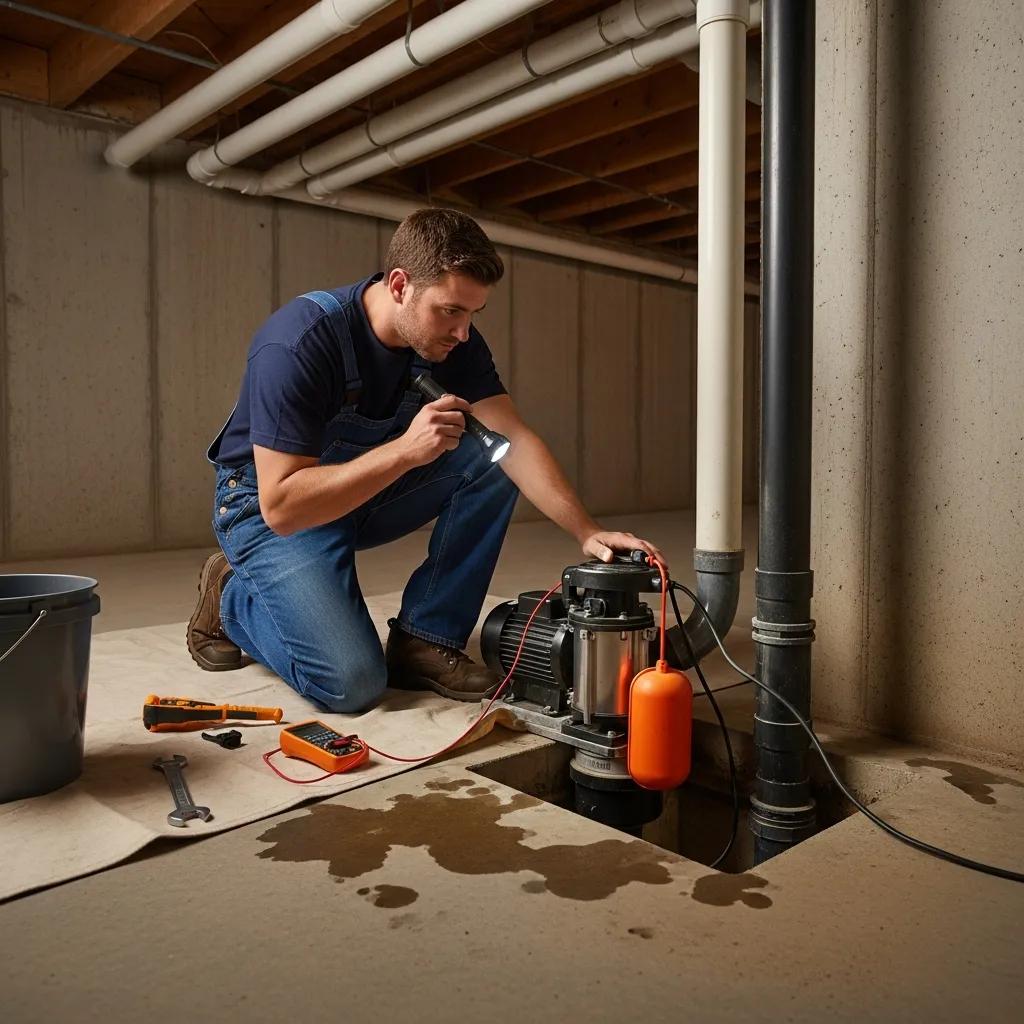
Typical failures include a stuck float switch, clogged intake, motor failure, or blocked discharge lines. Homeowners can run a few simple checks first: confirm the pump has power, free the float from obstructions, inspect the discharge pipe for visible blockages, and listen for abnormal motor sounds. If the pump runs constantly or not at all after these checks, professional diagnostics can determine whether repair or replacement is more cost-effective. Fast attention prevents overheating, preserves backup battery life, and extends the system’s working life.
Understanding common fixes helps homeowners schedule preventative maintenance and avoid emergency calls.
Why Preventative Sump Pump Maintenance Pays Off
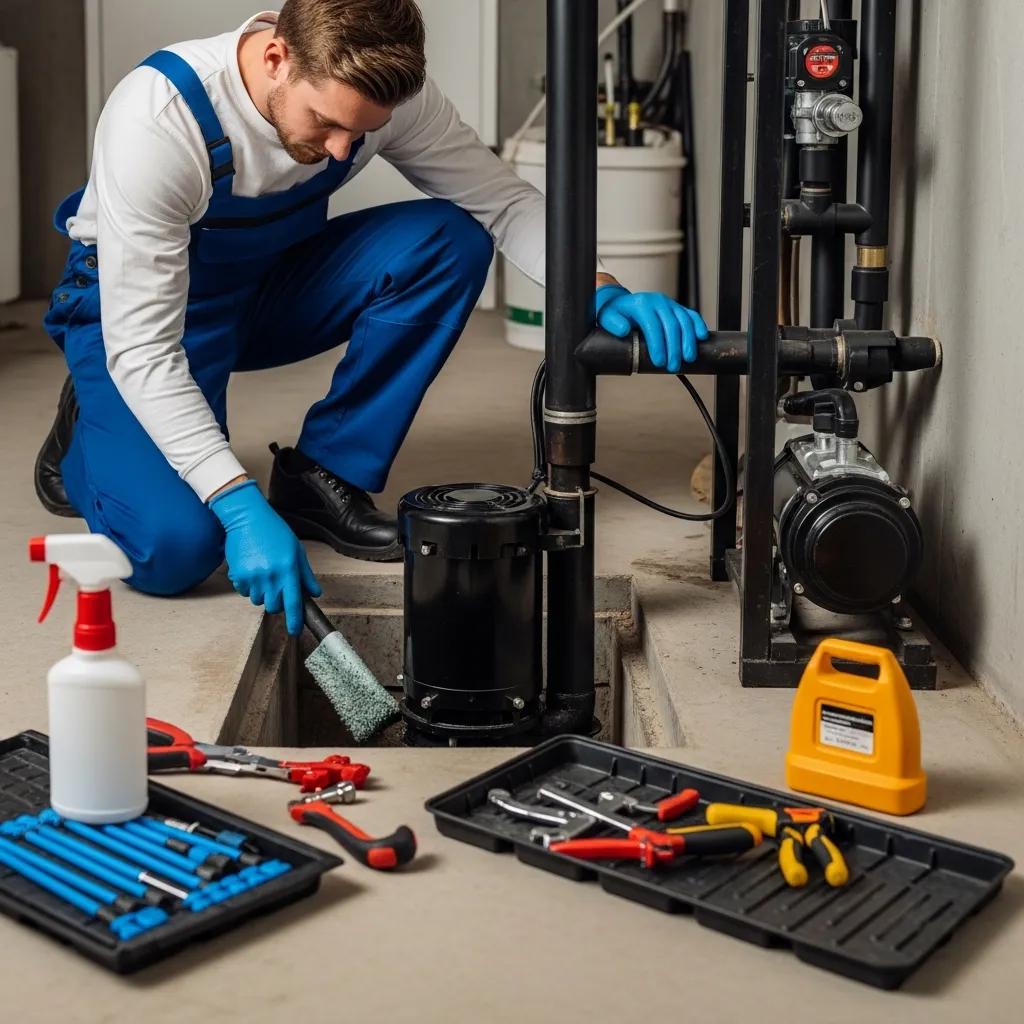
Regular maintenance catches small issues before they become emergencies: we clean debris from the pit, verify float movement, test check valves, and exercise battery backups. Routine servicing extends pump life, reduces costly emergency visits, and keeps capacity available during heavy rain. A maintenance visit should include discharge routing inspection, float switch threshold checks, and a load test on any battery backup. Scheduling annual inspections—especially before wet seasons—ensures small problems are fixed early and keeps your system reliable.
Good maintenance pairs with a responsive 24/7 emergency option for the best protection.
How Our 24/7 Emergency Service Protects Your Property
Our emergency team provides fast triage and temporary mitigation—deploying portable pumps, clearing discharge obstructions, and sealing immediate leaks—to limit water intrusion while we plan permanent repairs. Quick response shortens the time contents and finishes are exposed to water and reduces restoration costs. Technicians prioritize active flooding calls and coordinate with homeowners on temporary measures and insurance documentation when needed. Rapid mitigation followed by targeted repairs restores reliable protection and minimizes secondary damage like mold growth.
Next, we cover the pump types you’ll commonly see on installations and service calls.
Which Types of Sump Pumps We Install and Service in Farmington Hills
Sump pumps come in several types: submersible, pedestal, battery backup, water-powered backup, and sewage ejector. Submersible pumps sit in the pit and handle higher flows and solids; pedestal pumps keep the motor above the pit for easier service. Battery backups provide runtime during outages and need regular testing; water-powered backups run off municipal pressure and don’t rely on batteries but do use additional water. Sewage ejector pumps are built for wastewater and solids where fixtures sit below the sewer line. Choosing the right system depends on pit conditions, debris levels, outage risk, and the specific needs of your property.
| Pump Type | Power Source | Best Use-Case |
|---|---|---|
| Submersible sump pump | Electric (primary) | Finished basements and high water volumes |
| Pedestal sump pump | Electric (primary) | Shallow pits and easy maintenance needs |
| Battery backup pump | Battery (secondary) | Power outage protection during storms |
| Water-powered backup pump | Municipal water pressure | No-battery backup where plumbing allows |
| Sewage ejector pump | Electric (designed for solids) | Basements with waste fixtures below sewer grade |
This table helps you decide whether a primary, backup, or ejector solution is right for your property and sets up the comparison of backup options below.
Battery Backup vs. Water-Powered Backup: Which Is Right?
Battery backups give predictable, off-grid runtime depending on battery size and pump load, but they require periodic testing and replacement. Water-powered backups run as long as you have municipal water pressure—no batteries—but they use more water during activation. Pairing a primary electric pump with either backup type boosts resilience: battery systems provide a known runtime, while water-powered backups offer continuous operation if pressure is available. Consider how long you need protection, how often you want to maintain batteries, and local water pressure when choosing a backup strategy.
Sewage Ejector Pumps vs. Primary Sump Pumps
Sewage ejector pumps handle wastewater and solids from fixtures located below the main sewer line—bathrooms, laundry, or sinks placed below grade—using robust impellers and seals. Primary sump pumps move groundwater and small solids from foundation drainage systems. Installation rules differ: ejectors require venting, solids-rated check valves, and compliance with sanitary codes; sump pumps focus on routing discharge away from foundations and proper check valve placement. The choice depends on whether you’re removing groundwater or sanitary waste.
Why Homeowners Trust Frost & Kretsch Plumbing for Sump Pump Work in Farmington Hills
We build trust with licensed, insured technicians, transparent flat-rate estimates, and a customer satisfaction promise. Licensed pros ensure electrical and code work is done safely, and clear estimates reduce surprises on the invoice. Our 24/7 emergency coverage and experience with battery and water-powered backups give homeowners practical options when outages or heavy storms threaten property. Local reviews and service histories are available for customers who want to check past work before scheduling a free estimate.
Below are the professional safeguards we follow on every job.
How Our Licensed, Insured Technicians Deliver Quality
Our technicians carry licenses and insurance, which means trained professionals handle electrical hookups, pump sizing, and discharge routing to meet local codes. We use documented commissioning tests, pre-installation assessments, and post-service walkthroughs so owners understand operation and maintenance. Workmanship guarantees and clear repair reports provide accountability, and insurance protects homeowners in the unlikely event of accidental damage. These measures lower the chance of repeat visits and help ensure dependable long-term performance.
Transparent Pricing and Customer Satisfaction Guarantees
We provide upfront, flat-rate estimates that spell out the scope of work and what’s included so there are no hidden fees. Our customer satisfaction promise means we’ll make it right if you’re not happy with the work. To move forward, request a free estimate to review options and expected outcomes before authorizing any work. Clear pricing and service commitments make planning projects easier and give homeowners confidence in their choices.
What Local Customers Say About Our Sump Pump Services
We encourage prospective customers to read local reviews for insight on response time, repair quality, and communication. Many homeowners note fast emergency response and thorough diagnostics—important when active flooding is a concern. Reviews help set realistic expectations for service windows and workmanship and complement our licensing and guarantee information. Together, reviews and company policies give a full picture when choosing a sump pump contractor in Farmington Hills.
Answers to Common Sump Pump Questions in Farmington Hills
This section answers the questions we hear most, with practical troubleshooting steps and guidance on maintenance and replacement timing. Short, direct answers help you decide whether to try basic checks or call for professional help—and highlight when emergency response is available for active flooding. We begin with a common symptom: a pump that runs constantly.
Why Is My Sump Pump Running Constantly and What Should I Do?
A pump that runs constantly usually means continuous water inflow, a stuck float switch, or an undersized pump. Start by checking for active leaks, making sure the float moves freely, inspecting the discharge line for obstructions or frozen sections, and confirming the check valve works. If these steps don’t stop constant cycling, a professional can measure inflow rates, test pump capacity, and recommend a larger unit, extra drainage, or repairs to foundation or drain tile. Fixing the root cause prevents motor overheating and protects backup batteries.
Next, guidance on how often to schedule maintenance and inspections.
How Often Should I Schedule Sump Pump Maintenance?
We recommend an annual inspection, plus a pre-wet-season check to confirm the pit is clean, the float moves freely, the check valve seals, and any battery backup is charged and tested. Regular maintenance reduces unexpected failures during heavy rain and extends pump life by preventing sediment buildup and mechanical strain. A standard maintenance visit includes pit cleaning, float and switch testing, discharge verification, and battery load testing when applicable. Annual checks, timed before high-risk periods, are the best way to minimize emergency calls.
Routine checks also reveal when replacement is a smarter choice than repair.
What Are the Signs My Sump Pump Needs Replacement?
Look for frequent cycling even after cleaning, overheating, excessive age with diminishing performance, rusted components, or recurring backups that repairs don’t fix. Persistent electrical faults, grinding noises, or failure to move expected volumes during tests are also red flags. Weigh the pump’s age, repair history, and current performance—often a modern replacement with updated backup options is more cost-effective than repeated repairs and provides better long-term protection.
That helps set expectations for emergency response timing when immediate help is needed.
How Quickly Can Emergency Sump Pump Services Respond in Farmington Hills?
Emergency services prioritize active flooding calls and offer rapid-response coverage to limit water intrusion and damage. On arrival, technicians triage the situation: deploy temporary pumps when necessary, clear discharge obstructions, and apply short-term sealing while planning permanent repairs. Follow technician guidance for interim measures and document conditions for insurance if needed. Fast mitigation reduces restoration scope and helps return your property to a dry, safe condition sooner.
If you need immediate help, request a free estimate or schedule emergency service with Frost & Kretsch Plumbing to arrange prompt assessment and mitigation.
Throughout this guide we’ve summarized key takeaways and action items to help homeowners respond quickly and confidently.
Here’s a short checklist for immediate homeowner actions when a sump issue appears:
- Check power: Confirm the pump has electrical power and GFCI/reset status.
- Inspect float: Make sure the float switch moves freely and isn’t stuck.
- Examine discharge: Look for blockages, kinks, or frozen sections in the discharge line.
- Listen to motor: Note any unusual noises that suggest mechanical trouble.
These quick checks help decide whether professional service is needed and can prevent avoidable failures.
Regular maintenance priorities to follow:
- Annual inspection: Schedule professional checks before wet seasons.
- Battery testing: Exercise and load-test backup batteries at least twice a year.
- Pit cleaning: Remove sediment and debris to prevent clogging and wear.
Stick to these priorities to improve system reliability and cut emergency interventions.
This article used clear comparisons and practical tables to clarify choices. For a personalized plan, request a free estimate from Frost & Kretsch Plumbing so we can assess your property and design a resilient sump pump solution.
Frequently Asked Questions
What should I do if my sump pump is making unusual noises?
Unusual noises—grinding, rattling, or loud humming—often indicate a mechanical problem. First, check for visible obstructions around the float or impeller, ensure the pump is mounted properly, and confirm the discharge line is clear. If noises continue, the motor or internal parts may be failing and you should contact a professional for diagnosis and repair or replacement.
How can I tell if my sump pump is working properly?
Pour water into the sump pit to test the system. The pump should activate as the water rises and discharge water through the line. Listen for the motor, watch the float move freely, and check for steady discharge. Regular maintenance checks also confirm all components are ready for heavy rain.
What is the average lifespan of a sump pump?
Sump pumps typically last 5 to 15 years depending on use, maintenance, and unit quality. Submersible pumps often outlast pedestal models because they’re protected from debris. Regular care—pit cleaning and float testing—extends life. If your pump is near the upper end of its lifespan or showing recurring failures, plan for replacement before an emergency.
Can I install a sump pump myself, or should I hire a professional?
Some homeowners attempt DIY installation, but professional installation is recommended for correct sizing, placement, and safe electrical hookup. A pro evaluates your basement conditions, recommends the best pump and backup, and provides warranties and code-compliant work—peace of mind that DIYs don’t always deliver.
What are signs that my sump pump needs maintenance?
Signs include odd noises, frequent cycling, or failure to activate when water levels rise. Water pooling near the pit or a pump that runs continuously without moving water are also warning signs. Regular pre-season maintenance catches problems early and keeps your system ready when storms hit.
How do I choose the right sump pump for my home?
Pick a pump based on basement size, expected water volume, pit conditions, and whether you need backup protection. Choose submersible or pedestal based on debris and access, check gallons-per-hour capacity, and consider battery or water-powered backups for outages. Consult with a professional to match equipment to your home’s needs and get an accurate estimate.
Conclusion
A reliable sump pump is one of the smartest investments for protecting your Farmington Hills home from flooding and water damage. With professional installation, regular maintenance, and 24/7 emergency support, you can keep your basement dry through heavy storms. Don’t wait for a flood—schedule a free estimate with Frost & Kretsch Plumbing today and take the first step toward long-term peace of mind.