
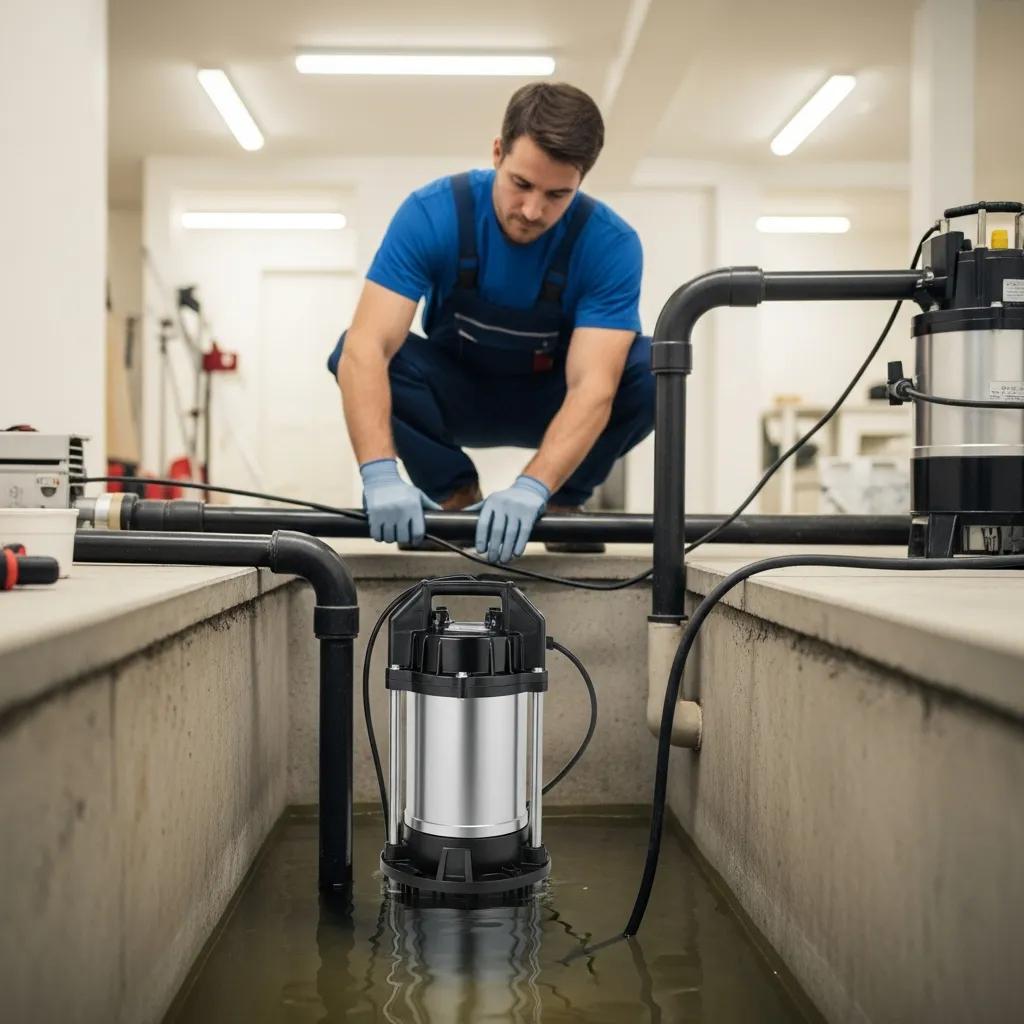
Submersible vs. Pedestal Sump Pumps — Which One Is Right for Your Home?
A sump pump is your last line of defense against a wet basement — it moves excess groundwater or stormwater out of the sump pit and away from your home’s foundation. This guide compares the two main pump styles—submersible and pedestal—so you can pick the one that fits your pit size, noise tolerance, and maintenance preferences. We’ll explain how each pump works, outline the design and functional differences, list pros and cons, and cover measurable factors like GPM and noise. You’ll also get a practical checklist for choosing the right pump for homes in Grosse Pointe, plus basic sizing tips (horsepower and flow), backup options, and maintenance needs. Throughout, we’ll use terms like GPM, head pressure, float switch, and battery backup so you can weigh tradeoffs with confidence.
What Is a Sump Pump and Why Is It Essential for Your Home?
A sump pump is a mechanical device installed in a sump pit that removes water and sends it to a safe discharge point, preventing basement flooding and moisture damage. When water fills the pit, a float switch (or pressure sensor) trips the motor and impeller, which push water through the discharge pipe and away from the foundation. The payoff is lower risk of structural damage, mold, and ruined belongings — especially during heavy rain or when your local water table is high. Knowing how the system works makes it easier to choose the right pump and installation for dependable, long-term performance.
How Do Sump Pumps Prevent Basement Flooding?
Sump pumps stop flooding by sensing rising water in the pit, switching on, and moving that water out of the home. Water typically reaches the pit via perimeter drains or groundwater; the float rises, the pump runs until the float drops, and a check valve prevents water from flowing back. For extra protection, homeowners add alarms and secondary power sources — battery backups or water-powered backups — so the pump keeps working when the power goes out. Understanding these steps helps you see where failures can happen and why redundancy matters.
What Are the Key Components of a Sump Pump?
The main parts are the motor, impeller, float switch (or sensor), check valve, discharge pipe, and the sump pit itself — each plays a role in reliable operation. The motor provides torque and horsepower (HP); paired with impeller design, that determines gallons per minute (GPM) and head pressure — the vertical lift the pump can overcome. Float switches control on/off cycles and are often the first thing to fail if debris jams them, so accessible float designs are easier to maintain. A correctly sized check valve and well-routed discharge line prevent backflow and freezing. Knowing these parts helps you troubleshoot and plan maintenance.
What Are the Design and Functional Differences Between Submersible and Pedestal Sump Pumps?
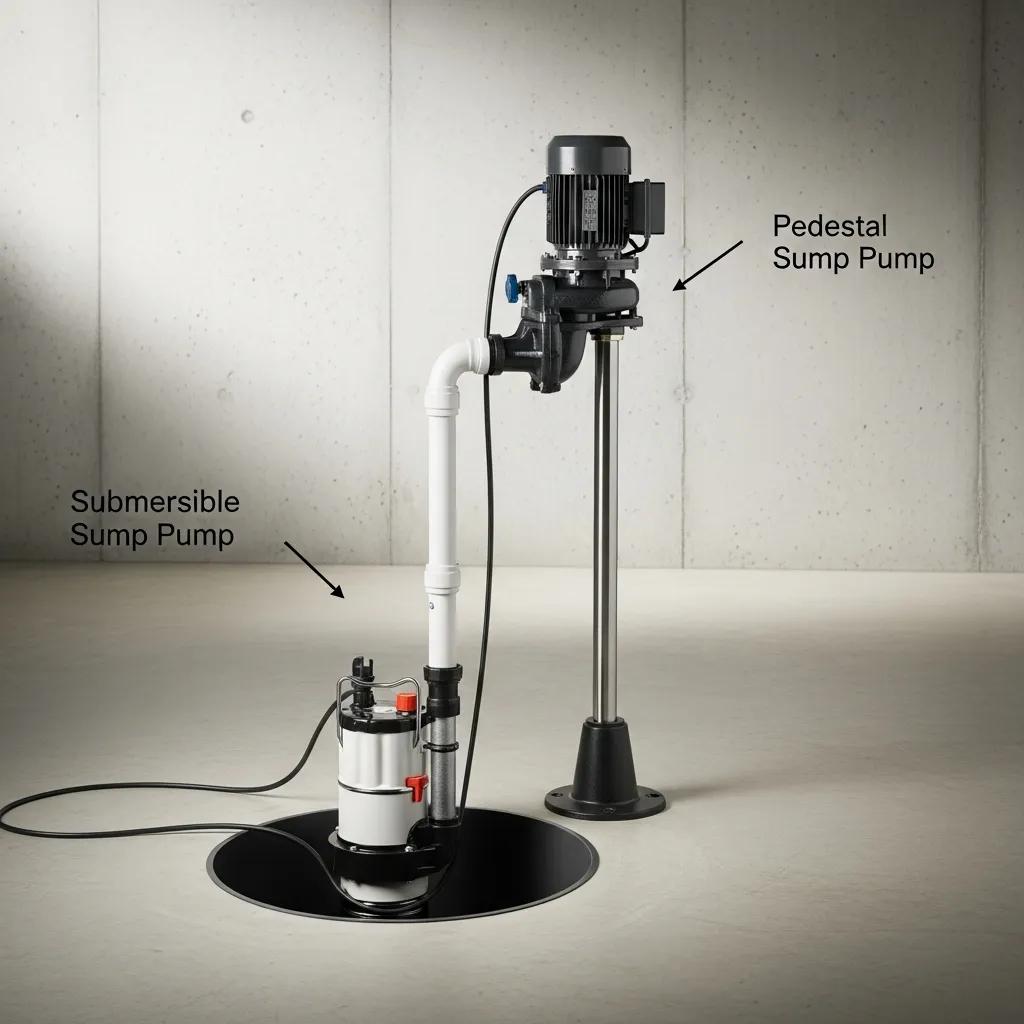
Submersible and pedestal pumps mainly differ in where the motor sits, how they’re enclosed, and their physical footprint — and those differences affect noise, maintenance access, and where they work best. Submersible pumps have a sealed motor assembly that sits in the pit, which makes them quieter and less visible. Pedestal pumps keep the motor above the pit on a vertical shaft, which makes service easier but adds noise and needs more vertical space. That usually means submersible models are the right choice for finished basements or higher flow needs, while pedestal units are common for shallow pits or tighter budgets.
How Is a Submersible Sump Pump Constructed and Installed?
Submersible pumps are built with sealed motor housings and corrosion-resistant materials so they can run underwater without overheating. Proper installation puts the pump in a correctly sized sump pit, with a secure discharge line and a check valve to stop siphoning; electrical connections should be GFCI-protected and routed to stay dry. Common installation mistakes include undersized pits, poor support that causes vibration, and bad sealing where the discharge penetrates the floor — all of which shorten the pump’s life. Seal integrity and heat dissipation are maintenance priorities because the motor runs submerged, so we recommend routine inspections.
What Defines a Pedestal Sump Pump’s Structure and Setup?
Pedestal pumps mount the motor above the pit on a vertical shaft while the impeller sits in the water to pump it out. Because the motor stays dry, it’s easier to access for repairs or replacement, often lowering labor costs for service. The downside is more audible noise and the need for vertical clearance, so pedestal pumps are usually better in utility spaces rather than finished living areas. They’re a solid option for shallow pits and where straightforward serviceability and lower upfront cost matter most.
What Are the Advantages and Disadvantages of Submersible Sump Pumps?
Submersible pumps bring quiet operation and a compact, pit-contained installation, making them popular for finished basements and homes where noise and appearance matter. But they rely on seals to keep water out of the motor; when seals fail the motor can be expensive to replace, and repairs typically mean pulling the unit from the pit. Knowing these tradeoffs helps you weigh higher upfront cost against quieter operation and potentially better flow performance over time.
Below is a quick-read table summarizing typical pros and cons so you can compare at a glance before we dig into details.
| Pump Type | Characteristic | Typical Value |
|---|---|---|
| Submersible | Noise Level | Lower dB range — quieter in living areas |
| Submersible | Maintenance Difficulty | Moderate–higher (sealed motor access) |
| Submersible | Pit Suitability | Standard/deeper pits — compact footprint |
| Pedestal | Noise Level | Higher dB range — motor above the pit |
| Pedestal | Maintenance Difficulty | Lower (motor is easy to access) |
| Pedestal | Pit Suitability | Shallow pits — long vertical profile |
This comparison shows how submersible pumps favor quieter, neater installations while pedestal pumps make maintenance easier.
What Benefits Do Submersible Sump Pumps Offer Homeowners?
Submersible pumps are quiet, sit neatly in the pit, and generally offer strong flow for heavier inflows — a good match for finished basements and homes with higher water tables. Being submerged dampens motor noise and keeps the equipment out of sight. Many submersible models also deliver higher GPM at a given head pressure, which helps during intense storms. If low noise and high capacity are priorities, a submersible often pays off despite a higher purchase price.
- Quiet operation — ideal for finished spaces.
- Compact, pit-contained installation for better appearance.
- Tends to deliver higher flow rates for heavier inflow situations.
Those advantages make submersible pumps a common choice where noise, capacity, and looks matter — next we’ll cover maintenance realities.
What Are the Common Drawbacks of Submersible Sump Pumps?
Because the motor is sealed and underwater, submersible pumps can be more complicated to repair when seals fail. If debris or sediment limits cooling, the motor can run hotter, so keeping the pit clean and sized correctly is important. Repairing or replacing a sealed motor assembly usually costs more than swapping a pedestal motor, and many homeowners call a pro when a submersible needs work. Watch for signs like longer run times, intermittent starts, or unusual vibration — these often indicate a service need before total failure.
What Are the Advantages and Disadvantages of Pedestal Sump Pumps?
Pedestal pumps are easy to service and usually cost less up front, but they’re noisier and less discreet than submersibles. With the motor above the pit, common tasks like motor replacement are faster and cheaper. The tradeoff is audible noise and a larger vertical footprint, which can be a problem near living spaces or under low ceilings. If you prioritize straightforward maintenance and a lower initial price, a pedestal can be the right fit.
Why Choose a Pedestal Sump Pump: Key Advantages
Pedestal pumps shine when budget, access, and shallow pit depth are top concerns — perfect for utility rooms, garages, or detached structures. The motor’s above the pit, so replacing it is usually simple and less costly than extracting a sealed submersible. Pedestal pumps often have lower purchase prices and can enjoy long motor life since the motor runs dry. For unfinished basements or basic drainage needs, these practical advantages make pedestal models a sensible choice.
- Lower upfront cost for budget-minded homeowners.
- Motor access is straightforward, simplifying maintenance.
- Well-suited to shallow pits and non-living utility spaces.
Those benefits explain why many homeowners pick pedestal pumps for straightforward basement protection — now let’s look at their limits.
What Limitations Should You Consider with Pedestal Sump Pumps?
Pedestal pumps are noisier, need vertical clearance, and generally have lower capacity for sudden, heavy inflows compared with similar-sized submersible units. You can reduce noise with vibration-isolating mounts or enclosures, but that adds cost. For heavy storms, a pedestal may struggle unless paired with a backup or a higher-capacity unit. Use these limitations to decide whether a pedestal solution fits your basement layout and flood-risk profile.
How Do Submersible and Pedestal Sump Pumps Compare on Performance, Noise, and Maintenance?
Looking at performance, noise, and maintenance helps match a pump to your home by focusing on measurable attributes like GPM, head, decibel levels, and service intervals. Submersible pumps usually run quieter thanks to immersion and often deliver higher GPM for a given motor size. Pedestal pumps make motor access easier and can enjoy longer motor life since the motor remains dry. Maintenance differs too: submersibles need seal and impeller checks, while pedestal units require more frequent mechanical inspections but simpler motor swaps. Consider these tradeoffs when balancing capacity, noise tolerance, and lifecycle costs.
| Pump Type | Noise (dB) | Typical Lifespan | Maintenance Frequency | Best For |
|---|---|---|---|---|
| Submersible | 40–60 dB | 5–10 years | Annual seal and impeller checks | Finished basements, higher-flow needs |
| Pedestal | 55–75 dB | 7–15 years | Visual and mechanical checks every 6–12 months | Utility areas, shallow pits, budget installs |
| Battery Backup (hyponym) | Varies | 3–7 years (battery life) | Monthly battery tests | Redundancy during power outages |
This table shows how immersion reduces audible noise for submersibles, while pedestal motors can offer longevity benefits at the cost of higher sound levels.
Which Sump Pump Type Operates More Quietly?
Submersible pumps are typically quieter because the water and pit absorb motor noise, often making a noticeable difference in finished spaces. That quieter profile matters when the sump is near bedrooms or living areas. Pedestal pumps transmit more sound through floors and framing, so you’ll need noise mitigation if the installation sits next to living spaces. If silence is a priority, a submersible is usually the better pick.
How Do Maintenance Requirements Differ Between the Two Types?
Submersible maintenance focuses on seal condition, impeller checks, and ensuring the float moves freely. Pedestal maintenance centers on motor mounts, shaft wear, and easier impeller access. We recommend an annual professional inspection for either type, but pedestal motor swaps are usually faster and less labor-intensive. Submersible repairs often require extraction and resealing, so homeowners commonly call a technician for those jobs. Understanding these patterns helps you budget for lifecycle costs and choose a pump that matches your comfort with DIY care.
Many homeowners prefer a professional evaluation before buying. Frost & Kretsch Plumbing measures flow requirements, pit depth, and maintenance access to recommend the right pump and can provide a customized suggestion based on measured head pressure and expected inflow. We serve Grosse Pointe and nearby areas with sump pump and sewage ejection pump installations, licensed and insured technicians, transparent upfront pricing, and 24/7 emergency response for urgent flooding risks. Schedule an assessment with our team to evaluate pump performance and maintenance needs for your specific basement.
How to Choose the Best Sump Pump for Your Home in Grosse Pointe?
Picking the right sump pump in Grosse Pointe comes down to pit size, expected inflow, how finished the basement is, power reliability, and noise tolerance — then matching those priorities to pump type and backup options. Local factors like seasonal storms and water table behavior will influence the recommended horsepower and GPM. Many Grosse Pointe homes benefit from battery backup because storms often bring power outages. Sizing means matching estimated inflow (GPM) and required lift (head) to a pump’s performance curve; when in doubt, a professional measurement gives the safest result. Below is a practical checklist and decision aid to guide your choice and explain why professional installation and free estimates are worth the investment.
What Factors Should Influence Your Sump Pump Selection?
Consider pit depth and diameter, expected inflow (storm versus groundwater), basement finish level, power reliability, and budget to prioritize capacity, noise, and serviceability. A simple rule: if the pit is shallow and the space is unfinished, a pedestal can work fine; if the basement is finished or you need quieter, higher-capacity operation, choose a submersible. Think about adding a battery or water-powered backup if power reliability is a concern, and always size horsepower to meet worst-case head and GPM demands. These factors lead to a practical, defensible pump choice and explain why professional installation helps preserve warranties and performance.
Decision aid table for pit size and pump recommendation:
| Pit Size / Condition | Recommended Pump Type | Notes |
|---|---|---|
| Shallow pit, unfinished | Pedestal | Easier access and lower cost |
| Standard/deep pit, finished basement | Submersible | Quieter operation and higher capacity |
| High inflow / large home | High-capacity submersible | Prioritize GPM and head rating |
| Frequent power outages | Add battery backup | Ensures operation during storms |
This table helps map pit characteristics and local conditions to pump recommendations for homeowners in Grosse Pointe.
Why Is Professional Installation Important for Sump Pumps?
Professional installation guarantees correct sizing, code-compliant electrical work, secure discharge routing, and preserved warranty coverage — all steps that lower failure risk and improve long-term reliability. Licensed, insured technicians can measure head pressure and GPM needs, install check valves and alarms properly, and avoid common DIY mistakes like undersized wiring or poor discharge routing. Frost & Kretsch Plumbing emphasizes licensed technicians, transparent pricing with no hidden fees, and a 100% satisfaction guarantee — plus we offer free estimates so you can explore options without commitment. Professional installation protects your investment and ensures safe, code-compliant operation.
- Pros verify pump performance with calibrated measurements.
- Correct electrical and discharge work reduces fire and backflow risks.
- Documented installation and inspections help with warranties and resale.
Those points show why a pro assessment and installation leads to more reliable flood protection and lower long-term costs.
Maintenance Checklist (Numbered List)
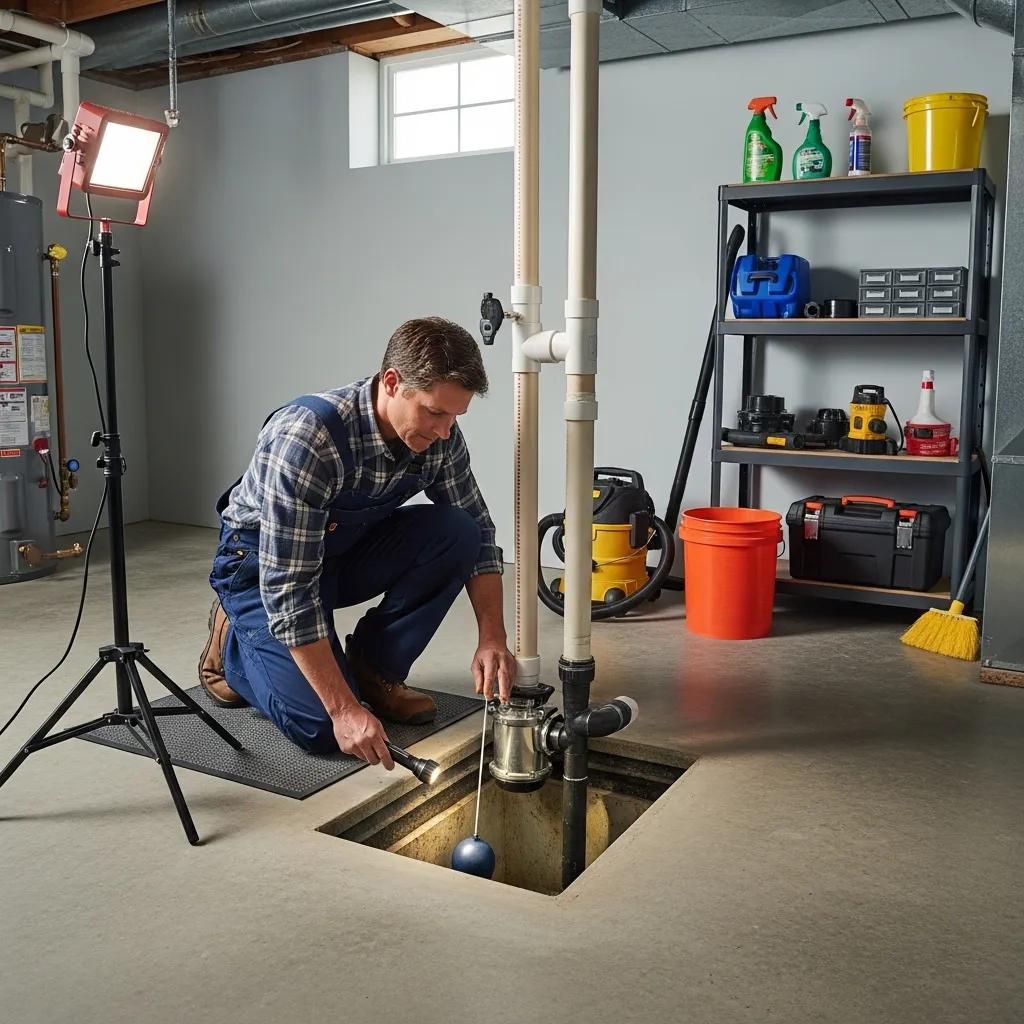
- Inspect the sump pit for debris and sediment at least twice a year to prevent clogs.
- Test the float switch and run the pump monthly to confirm it activates and discharges properly.
- Check the check valve and discharge piping for leaks or blockages after heavy storms.
- Schedule an annual professional inspection to evaluate motor health, seals, and electrical safety.
Use this checklist alongside the performance comparisons above to keep your system reliable between professional visits.
Sizing Heuristic and Backup Options (Bulleted List)
- Measure required head (vertical lift) from the pit water level to the discharge termination and match pump curves to the needed GPM.
- For moderate inflow, choose a pump rated for 20–30 GPM at the required head; for heavy inflow, step up to higher GPM capacities.
- Add a battery backup when power reliability is uncertain so the pump runs during outages.
These heuristics get you started; a professional assessment will refine the numbers for your exact site.
Final Local Considerations and Call to Action (Business Integration)
Given local weather and typical Grosse Pointe basements, many homeowners prefer a quiet submersible with a battery backup for finished spaces, while pedestal pumps still make sense for unheated garages and utility rooms. Frost & Kretsch Plumbing serves Grosse Pointe and nearby communities with sump pump and sewage ejection pump installations, licensed and insured technicians, clear upfront pricing, and 24/7 emergency response for urgent flooding. Request a free estimate and on-site assessment so we can measure head pressure and inflow, match the right pump to real conditions, and protect your installation warranty. A local inspection often brings the clarity and confidence homeowners need to decide.
- Frost & Kretsch Plumbing offers licensed installation and emergency response.
- We provide transparent, upfront pricing and a satisfaction guarantee to support your decision.
- A free estimate and on-site measurement lower the risk of incorrect pump sizing.
These final tips tie the technical guidance to local, practical service options while keeping the focus on helping you choose the best pump for your home.
Frequently Asked Questions
1. How do I know if my sump pump is working properly?
Regular checks help. Inspect the pit for debris and sediment, manually lift the float to see if the pump starts, and run the pump monthly to confirm discharge flow. After heavy rain, verify the check valve and discharge piping are leak-free and directing water away from your foundation. An annual professional inspection can catch issues before they become failures.
2. What is the average lifespan of a sump pump?
Lifespan varies by type and use. Submersible pumps typically last 5–10 years; pedestal pumps often last 7–15 years. Factors include how often the pump runs, how well it’s maintained, and installation quality. Regular maintenance—checking seals, impellers, and wiring—can extend service life. Replace the pump if performance drops or repair costs approach replacement price.
3. Can I install a sump pump myself, or should I hire a professional?
Some homeowners install basic systems, but professional installation is usually recommended. Pros ensure correct sizing, code-compliant electrical work, and proper discharge routing. They also measure head and inflow rates so you get a pump that truly matches your needs. Professional work reduces the risk of mistakes that can lead to failure and preserves warranty coverage.
4. What backup options are available for sump pumps?
Common backups include battery backup pumps that run when the primary pump or power fails, and water-powered backups that use municipal water pressure. Adding a backup gives peace of mind in storm-prone areas. Whatever system you choose, test it regularly so it’ll work when you need it.
5. How do I choose the right horsepower for my sump pump?
Horsepower depends on pit size, expected inflow, and vertical lift. A common guideline is at least 1/3 HP for typical residential setups; larger homes or high inflow situations may need 1/2 HP or more. Matching pump curves for GPM at the required head is the most reliable method, and a professional can make that measurement for you.
6. What should I do if my sump pump is making unusual noises?
Unusual sounds—grinding, rattling, or loud vibration—can mean debris in the impeller, a worn motor, or installation issues. First, check for visible obstructions in the pit. If the noise continues, call a technician to diagnose and fix the problem before it leads to failure.
7. Are there specific maintenance tasks I should perform seasonally?
Yes. At least twice a year, clean the sump pit and remove sediment. Test the float switch and run the pump monthly. After storms, inspect the check valve and discharge line for leaks or blockages. Schedule an annual professional inspection to check the motor, seals, and electrical safety so your pump is ready for the next rainy season.
Conclusion
Choosing the right sump pump matters for effective basement flood protection. Submersible pumps offer quieter operation and higher flow rates, while pedestal pumps make maintenance easier and cost less up front. Understanding each option’s strengths and limits helps you pick the solution that fits your home. For tailored advice and a reliable installation, consider a professional assessment — it ensures the pump you choose is sized and installed correctly. Contact us to learn more and protect your home from flooding risks.