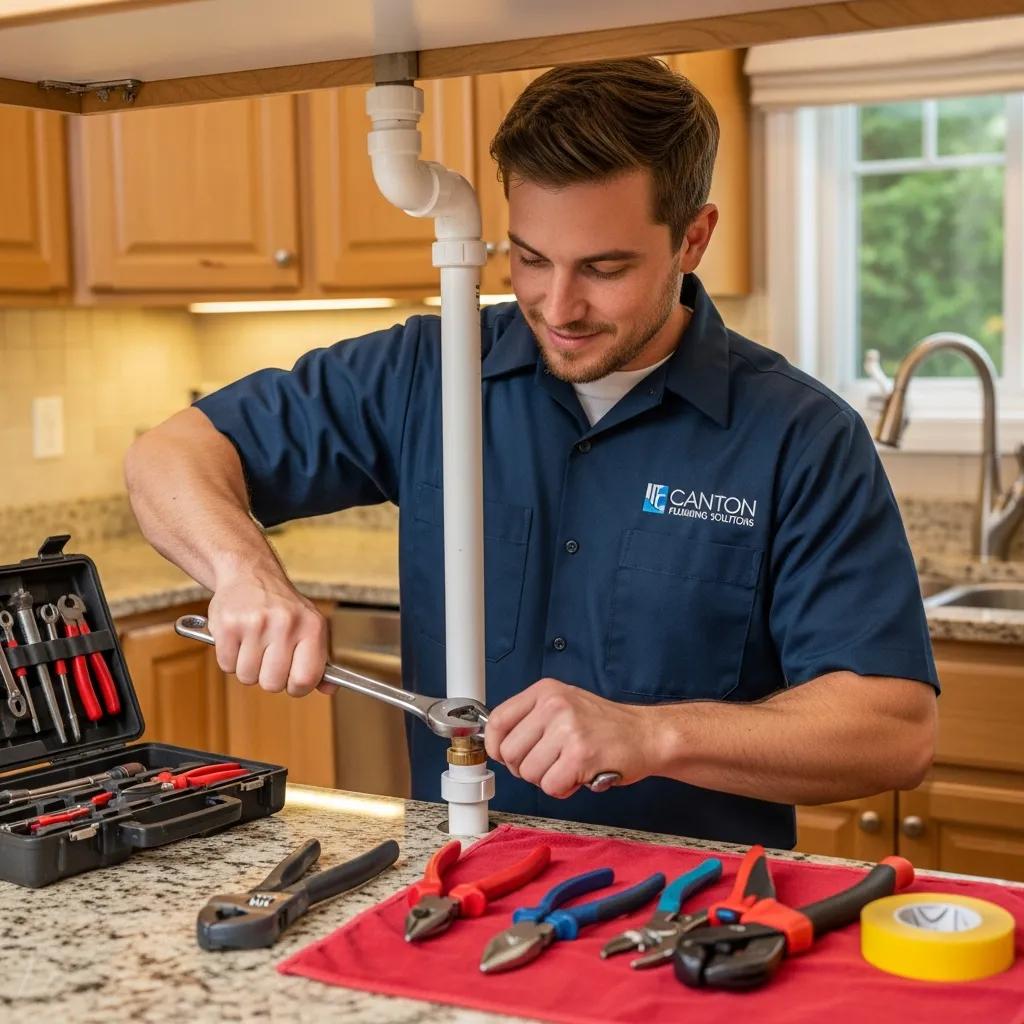
Canton Plumber — Trusted Plumbing Solutions for Homes & Businesses
Good plumbing in Canton depends on accurate diagnosis, straightforward repairs, and quick response—whether it’s a house or a business. This guide walks through what local plumbing looks like: emergency service, basement sump pump protection, commercial drain care, and sewer repairs. You’ll learn how common problems are found, why certain repair methods are chosen, and when less-invasive options—like sewer camera inspections or trenchless repairs—are the right call. We also cover how to protect basements, decide between repairing or replacing water heaters, and set up maintenance that keeps businesses running. The sections below highlight trust signals for hiring a Canton plumber, summarize residential services with an easy comparison, outline commercial programs with an operations-first view, explain specialized sewer and excavation methods, and finish with a simple process for requesting service or getting a free estimate. Keywords local customers use are included naturally to help Canton residents and facility managers find the right help.
Why Choose Grosse Pointe Plumbing as Your Canton Plumber?
When you need a Canton plumber, the most important things are trust, speed, and clear pricing—especially during emergencies. At Grosse Pointe Plumbing we focus on what eases uncertainty: 24/7 emergency response, straightforward upfront pricing with no hidden fees, and a satisfaction guarantee. Our licensed, insured technicians use current training and industry-standard tools so you won’t be paying for repeat fixes. We rely on minimally invasive diagnostics, like sewer camera inspections, to guide repairs and offer trenchless options when they make sense—so we protect your landscaping and finish faster. Together, these practices cut down on property damage, shorten repair timelines, and keep homeowners and businesses confident that the job will be done right.
The strongest reasons to hire a local Canton plumber are quick emergency availability, clear pricing, and reliable workmanship guarantees. Ready to move forward? Request a free estimate to confirm scope and get an upfront cost before any work begins.
What Makes Grosse Pointe Plumbing the Trusted Plumbing Service in Canton?
Trust starts with verifiable promises and qualified technicians who protect your property value. We emphasize licensed, insured techs and a 100% satisfaction guarantee so you know we stand behind our work. Transparent pricing—clear project costs and no surprise fees—helps Canton customers compare options and budget confidently. Because we’re local and available for emergencies, our crews can reach homes and businesses quickly, limiting secondary damage from leaks or backups and maintaining the trust our neighbors expect.
Those trust signals are the foundation for fast emergency response, the next capability Canton residents should expect from their plumbing partner.
How Do 24/7 Emergency Services Benefit Canton Residents and Businesses?
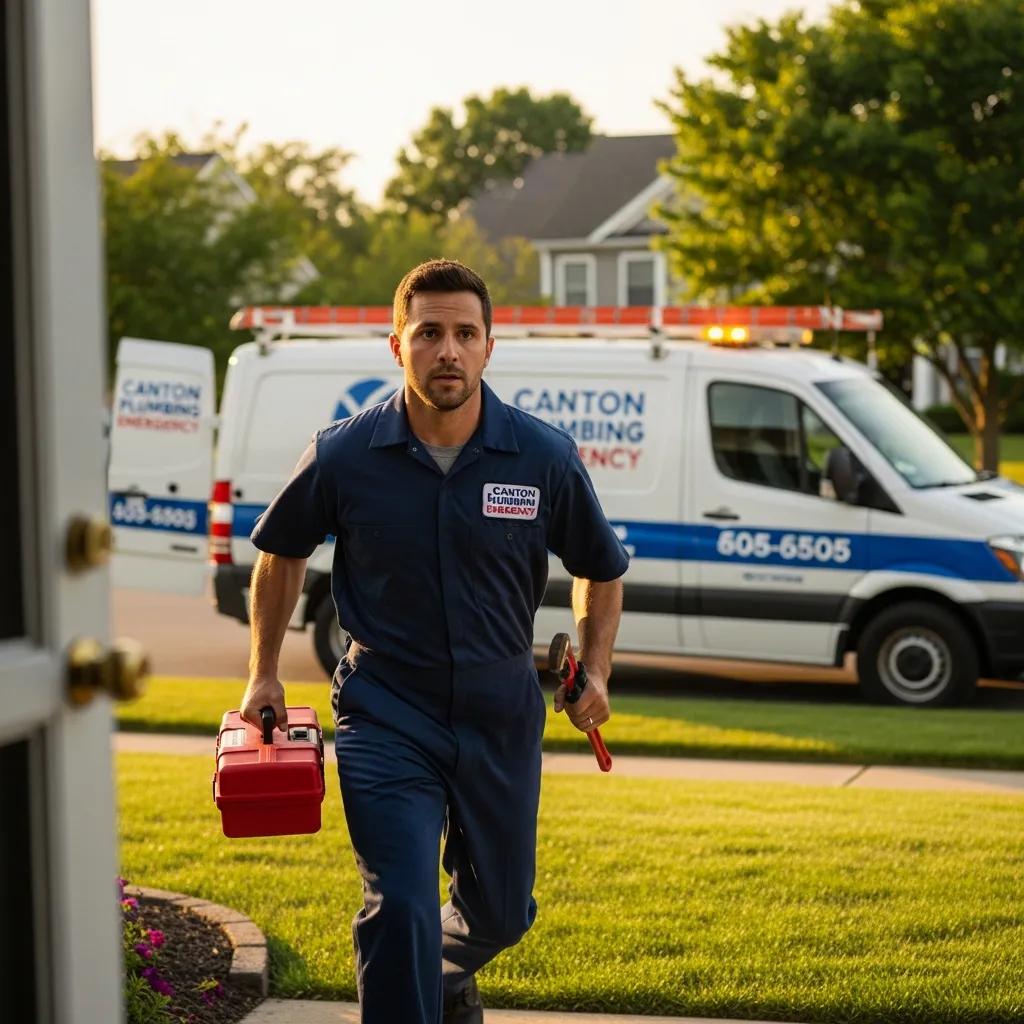
After-hours problems—burst pipes, sewage backups, major leaks—need immediate action to stop structural and health damage. 24/7 emergency service gives you that immediate protection. Fast dispatch reduces water exposure time, limiting mold, structural harm, and business downtime for places that rely on working restrooms and kitchens. On an emergency call our technicians focus on containment and temporary fixes, then run diagnostics like camera inspections to determine the permanent repair. Clear, up-front communication about next steps and expected costs prevents billing surprises and helps you make the best short- and long-term decisions.
Quick emergency response also leads into preventive work: once the immediate risk is handled, we usually recommend follow-up diagnostics or maintenance to prevent the problem from returning.
What Comprehensive Residential Plumbing Services Are Available in Canton?
Residential plumbing in Canton includes prevention, repair, and upgrades that protect comfort and prevent water damage. Typical services include sump pump installation and repair to protect basements, water heater installation and service for reliable hot water, sewer and drain cleaning to prevent backups, and fixture and pipe repairs to restore daily function. Camera inspections let technicians find blockages or pipe deterioration without major digging, and trenchless repairs can line or replace pipes with minimal landscape impact. Homeowners get the most value from proactive maintenance plans and clear guidance on when to call a pro instead of attempting DIY fixes.
Below is a concise comparison of common residential services, the problems they solve, minimally invasive options, and what homeowners can expect for warranty or guarantee coverage.
| Service | Problem Solved | Minimally Invasive Option |
|---|---|---|
| Sump pump installation/repair | Basement flooding from groundwater or failed pumps | Professional install with battery backup and camera-aided checks |
| Water heater installation/repair | Loss of hot water or inefficient heating | Onsite diagnostics and safe, code-compliant replacement |
| Drain cleaning (kitchen, bathroom) | Slow drains and recurring clogs | Sewer camera inspection and hydro-jetting to remove buildup |
This comparison helps homeowners prioritize work based on invasiveness and likely results, making it easier to choose the right service and budget level.
How Does Sump Pump Installation and Repair Protect Canton Homes?
A properly installed sump pump keeps groundwater out of basements before it causes flooding or structural damage. Professional installation ensures the pump and basin are sized and placed correctly. Most systems include a primary pump and an optional battery backup to keep working during power outages. Common failures include worn motors, faulty float switches, and clogged discharge lines. We use camera inspection and diagnostic checks to confirm discharge paths and find hidden obstructions that might fail during a storm. Regular maintenance, testing before wet seasons, and timely replacement of worn parts keep systems reliable and prevent costly water intrusion.
Knowing how sump systems work leads naturally to the next common homeowner decision: repair versus replacement for water heaters.
What Water Heater Installation and Repair Options Are Offered in Canton?
We service both tank-style and tankless water heaters. Diagnostics check for leaks, sediment buildup, thermostat issues, and capacity problems. Tank systems often show rust, pressure relief valve failures, or inefficiency from sediment. Tankless units can suffer from scale buildup or sensor faults that reduce output. We weigh repair versus replacement based on age, frequency of problems, and energy efficiency—replacing older units usually restores performance and lowers operating costs. Safety checks and code-compliant venting or combustion reviews are part of professional installs to protect your household and keep hot water reliable.
Those diagnostics carry over to commercial settings, where scale, usage, and maintenance needs are different.
Which Expert Commercial Plumbing Solutions Serve Canton Businesses?
Commercial plumbing focuses on continuity, capacity, and code compliance so stores, restaurants, offices, and facilities stay open. Services include commercial-grade drain cleaning and hydro-jetting to remove heavy grease and mineral deposits, fast emergency repairs to limit closures, and preventative maintenance agreements that set inspection frequency and priority scheduling. Commercial sites need heavy-duty solutions—larger piping, industrial pumps, and scheduled cleanings matched to usage. A planned maintenance program reduces emergencies and creates predictable budgets for operations teams who can’t afford downtime.
| Commercial Service | Recommended Frequency | Preventative Benefit |
|---|---|---|
| Commercial drain cleaning | Quarterly to biannual depending on usage | Reduces clogs and prevents closures |
| Commercial water heaters | Annual inspection and as-needed service | Ensures consistent hot water for operations |
| Preventative maintenance program | Quarterly or custom schedules | Lowers emergency incidents and stabilizes budgets |
This comparison shows how scheduled maintenance and the right-capacity equipment protect revenue and service continuity for Canton businesses.
How Does Grosse Pointe Plumbing Support Commercial Drain Cleaning and Maintenance in Canton?
Commercial drain work calls for tough methods—mechanical snaking for moderate clogs and hydro-jetting for heavy grease, mineral buildup, or recurring blockages. Hydro-jetting uses high-pressure water to scour pipe interiors where snaking can’t reach, and video camera inspection confirms pipe condition and cleaning success. We use industry-grade gear and recommend maintenance frequency based on facility type and observed conditions to minimize business interruptions. Detailed service records and scheduled visits let operations managers plan work during low-traffic windows and reduce the risk of emergency closures.
These cleaning methods are a core part of preventative maintenance programs that set inspection and response priorities for businesses.
What Preventative Maintenance Programs Are Available for Canton Businesses?
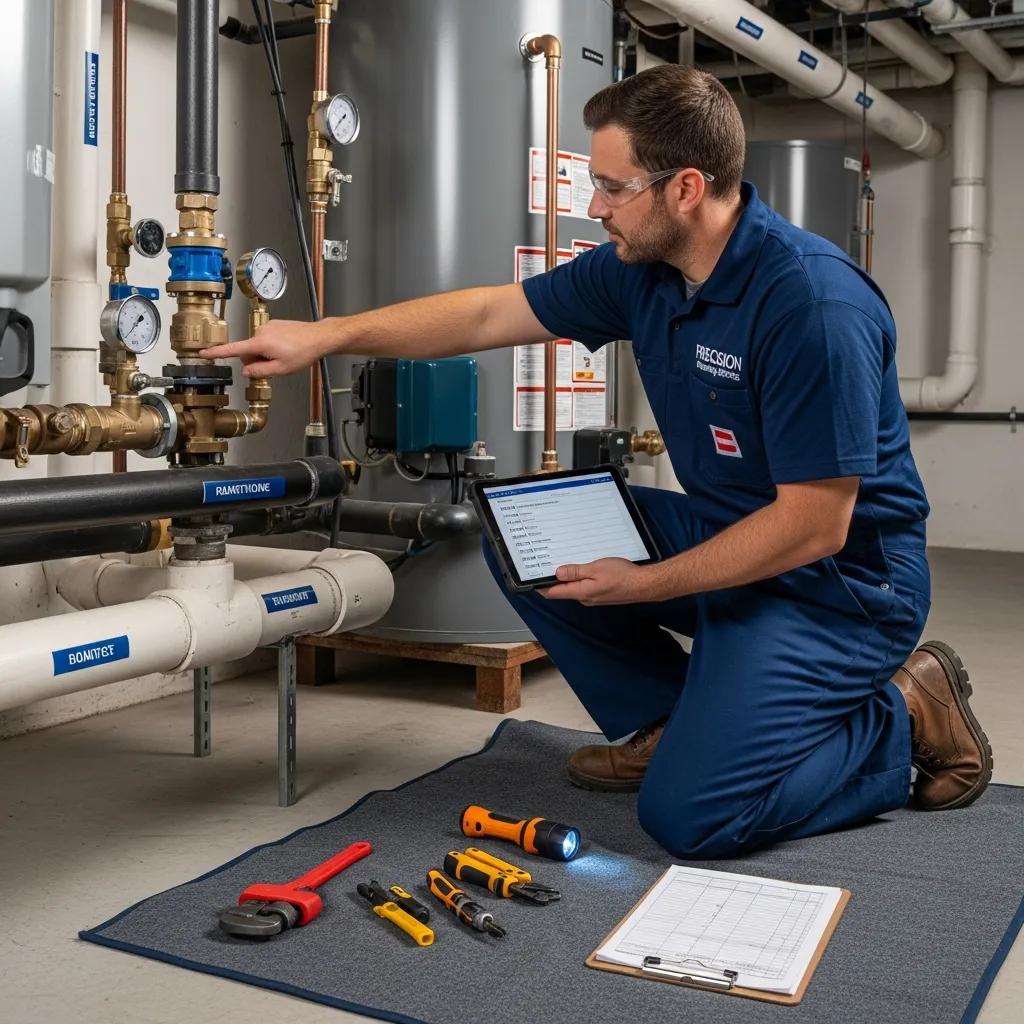
A preventative maintenance program includes scheduled inspections, prioritized emergency response, cleaning services, and a service history that guides future work and budgeting. Regular inspection cycles—quarterly or semiannual depending on traffic—catch early signs of wear, grease buildup, or pipe degradation before they cause failures. Priority scheduling means businesses get faster dispatch when an incident threatens operations, and service logs support compliance and asset tracking. The ROI shows up as fewer emergency repairs, lower long-term costs, and less lost revenue from unexpected downtime.
Putting a maintenance program in place makes planning clearer and lowers operational risk, which brings us to when specialized sewer work or excavation is required.
What Specialized Plumbing Services Does Grosse Pointe Plumbing Provide in Canton?
Specialized services cover complex underground systems: sewer line repairs, trenchless techniques, pipe lining, pipe bursting, and full excavation when replacement is necessary. Trenchless options limit surface disruption by repairing or relining pipes from access points, while traditional excavation removes and replaces failed sections when trenchless isn’t suitable. Accurate diagnosis usually starts with a sewer camera inspection to locate defects, check for root intrusion, and assess pipe condition. We balance disruption, cost drivers, and timelines to recommend the least-invasive effective repair for each property.
The technical comparison below helps property owners weigh disruption, typical completion time, cost factors, and suitability so they can choose the best method for their situation.
| Repair Method | Disruption Level | Typical Time to Complete | Best Use Case |
|---|---|---|---|
| Trenchless pipe lining | Low | 1–3 days depending on length | Aging pipes with structural failure but intact access |
| Pipe bursting (trenchless replacement) | Moderate | 1–4 days | Severely damaged pipes where full replacement is needed |
| Traditional excavation | High | Several days to weeks | Collapsed or extensively damaged pipes with complex connections |
This table shows how trenchless technology reduces surface impact and often shortens timelines, while excavation is still the right choice for the most severe failures.
How Are Sewer Line Repairs and Trenchless Solutions Performed in Canton?
Trenchless work starts with a camera inspection to map defects and decide if lining or bursting will work. For lining, a resin-coated tube is pulled into the pipe and cured in place to create a new inner pipe. Pipe bursting breaks the old pipe while pulling a new pipe into position, keeping the line alignment intact. Both methods limit landscape and driveway damage compared to full excavation, and they usually speed up completion and restore flow quickly. A careful diagnostic step makes sure the chosen method addresses root causes like root intrusion or corrosion.
Knowing what trenchless options can do makes it easier to understand when excavation is the necessary next step.
When Is Plumbing Excavation Necessary for Canton Properties?
Excavation is needed when camera inspections show collapsed pipes, severe offsets, multiple connection failures, or when buried service lines require full replacement that trenchless methods can’t safely handle. Excavation includes marking utilities, getting permits if needed, and protecting landscaping during work. Expect staged timelines: remove failed pipe sections, install new pipe, backfill, and restore the site. When possible we recommend trenchless alternatives to preserve landscaping, but excavation is the right choice for complete replacements or complex situations where trenchless won’t work.
Preparing for excavation leads into the simple steps Canton customers follow to request service and get an estimate.
How Can Canton Customers Request Service or Get a Free Estimate?
Requesting service in Canton is straightforward: describe the problem, authorize an onsite diagnostic if needed, get an upfront estimate for recommended repairs, and then schedule the work at a convenient time.
Transparent pricing and minimally invasive diagnostics help customers weigh quick repairs against full replacements.
For projects with emergency risk, priority scheduling and emergency response reduce damage while giving time for a full diagnostic visit and estimate.
Below is the step-by-step process Canton customers can expect when requesting a free estimate or scheduling service.
- Describe the issue: Tell us the symptoms and urgency so dispatch can prioritize correctly.
- Onsite diagnostic: A technician inspects the problem and may use a camera for underground issues.
- Receive upfront estimate: We provide transparent project costs with options and no hidden fees.
- Schedule the work: Pick a time for repair or installation; emergencies receive priority.
This process sets expectations for response times and diagnostics, and it reassures customers that pricing and scope are communicated before work begins.
What Is the Process to Schedule Plumbing Services in Canton?
Scheduling starts with an initial call that captures the problem, property type, and urgency so we can send the right crew and tools. Onsite, technicians run focused diagnostics—using sewer cameras or pressure tests when needed—and outline repair options, timelines, and clear costs. Customers pick the scope and schedule the job; emergency calls get priority slots to limit further damage. Having basic details ready, like shutoff valve locations and recent problem history, speeds diagnosis and improves first-visit resolution.
Clear scheduling and diagnostics reduce surprises and point customers to verified service reviews.
Where Can Canton Residents Find Customer Testimonials and Reviews?
Verified reviews and ratings are typically found on public business listings and review platforms. They offer insight into response times, workmanship, and how issues were handled for other Canton customers. Look for recent reviews that mention emergency response, clear pricing, and satisfaction guarantees—those point to the most important service qualities.
Reading several recent reviews helps spot consistent performance rather than one-off experiences.
Companies that publish clear service descriptions and policies often support those claims with verifiable customer stories that show reliability.
Frequently Asked Questions
What should I do if I have a plumbing emergency in Canton?
If you have a plumbing emergency—like a burst pipe or sewage backup—act quickly. First, shut off the main water supply to limit damage. Then call a trusted plumbing service that offers 24/7 emergency response. Tell them what you see and how urgent it is. A professional will contain the problem, assess the damage, and recommend the next steps to minimize harm and restore function.
How can I prevent plumbing issues in my home?
Preventive maintenance is the best defense. Check your plumbing regularly for leaks, corrosion, and wear. Schedule routine professional inspections to catch problems early. Don’t flush non-biodegradable items and be careful what goes down drains. Installing a water softener can reduce mineral buildup, extending pipe life and preventing clogs.
What are the signs that my water heater needs repair or replacement?
Signs your water heater needs attention include inconsistent water temperature, strange noises (popping or rumbling), leaks around the unit, or rusty/discolored water. If your unit is older than about 10 years and showing these symptoms, consider replacement. Regular maintenance helps extend a water heater’s life, so schedule inspections to catch issues early.
How do I choose the right plumbing service for my needs?
Choose a plumber who is licensed, insured, and has solid customer reviews. Look for transparent pricing and a satisfaction guarantee. A local plumber who knows Canton’s common issues and codes is a plus. Ask for recommendations and read online reviews to confirm response times and workmanship. Good communication and prompt replies are must-haves.
What is trenchless plumbing, and when is it used?
Trenchless plumbing repairs or replaces underground pipes without major digging. It’s used when digging would cause significant disruption to landscaping or structures. Trenchless methods—pipe lining and pipe bursting—are often faster and less invasive. A professional inspection will determine whether trenchless is a suitable option for your situation.
How often should I schedule plumbing maintenance for my business?
For businesses, schedule plumbing maintenance at least once or twice a year, depending on usage and system type. Regular inspections catch issues before they become costly or disruptive. A preventative maintenance program helps ensure systems run efficiently and lowers the chance of emergencies.
What are the benefits of using a local plumber in Canton?
Using a local plumber gives you faster response times and someone familiar with local codes and common issues. Local companies often provide more personal service and build long-term relationships with clients. Supporting local businesses also helps the community’s economy. Overall, a local plumber offers reliability and local know-how.
Conclusion
Choosing Grosse Pointe Plumbing means dependable, practical solutions for Canton homes and businesses—whether you need an emergency repair or ongoing maintenance. Our transparent pricing and satisfaction guarantee make it easy to trust the work we do. Don’t wait for a small problem to become an expensive one—reach out for a free estimate and see the difference a reliable local plumber can make. Browse our services and let us help you keep your plumbing safe and functional.