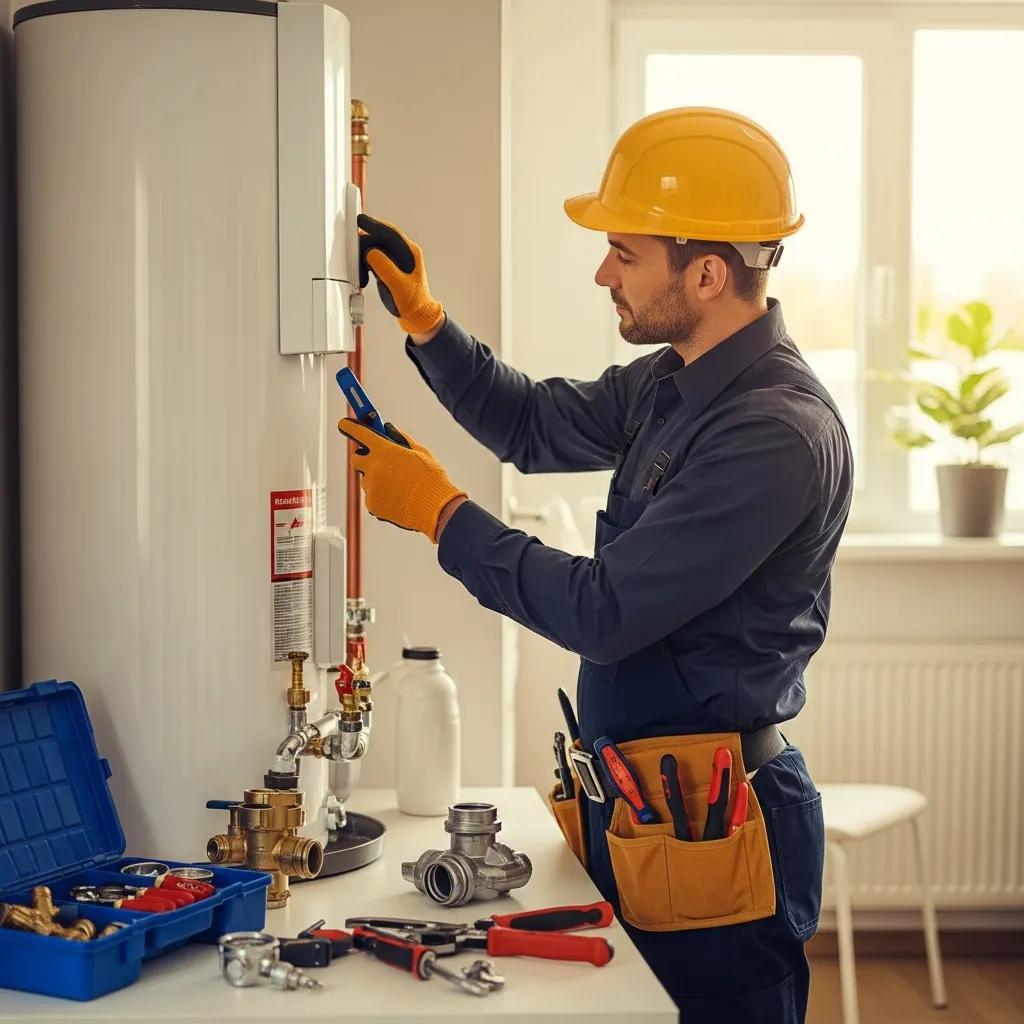
Troy Plumber: Residential & Commercial Plumbing Experts You Can Count On
When you need a dependable Troy plumber, you want fast emergency help and long-term care for your home or business. This guide walks through the services Troy property owners rely on—how we diagnose problems with minimally invasive tools, protect compliance for commercial sites, and keep systems running with preventive maintenance. You’ll find straightforward explanations of the residential and commercial work that matters here in Troy, how our 24/7 emergency plumbing operates, and practical steps to request an estimate or schedule service. We cover water heater repair and installation, drain cleaning, backflow prevention, grease trap maintenance, leak detection, and emergency triage—tailored to local conditions and common Troy issues. Read on for clear advice on choosing services, what to expect during a visit, and how licensed pros reduce risk and downtime.
Why Choose Frost & Kretsch Plumbing for Your Troy Plumbing Needs?
Picking the right plumber in Troy comes down to trust, clear pricing, and the skill to diagnose problems without tearing up your property. Licensed, insured techs give you the peace of mind that repairs meet code and are done right. We provide transparent, itemized estimates so you approve work before we start. Frost & Kretsch Plumbing stands behind our work with a satisfaction guarantee and 24/7 emergency coverage, which helps homeowners and businesses avoid costly interruptions. Owner Dave Kretsch stays involved day-to-day to keep service consistent across both residential and commercial jobs. Whether you need routine maintenance or an urgent repair, clear pricing and trusted diagnostics make the choice simple and set expectations for follow-up care.
Lead Generation & Information Hub
Below are the core ways we help Troy residents and businesses—and why each one matters.
- 24/7 Emergency Service: Fast triage and dispatch limit water damage and downtime for homes and businesses.
- Transparent Pricing: Upfront estimates and itemized scopes prevent surprise costs and speed approvals.
- Licensed & Insured Technicians: Certified pros ensure code compliance and protect your property with proper installations and paperwork.
- 100% Satisfaction Guarantee: Clear options for remediation if anything isn’t right after service.
- Minimally Invasive Diagnostics: Sewer cameras and targeted repairs reduce cleanup and restoration needs.
What Makes Our Troy Plumbing Services Stand Out?
We use modern diagnostic tools and targeted repair methods to cut downtime and collateral damage. Closed-circuit sewer cameras, hydro-jetting, and pipe lining let us find the issue and apply the least disruptive fix. For example, a camera might show root intrusion; hydro-jetting can clear the immediate blockage while we plan a long-term repair that avoids full excavation. These techniques speed up diagnosis and typically lower total repair costs by preventing unnecessary demolition. Our focus on minimally invasive work pairs with clear estimates and licensed workmanship so customers know what to expect from estimate to completion.
How Do Our Licensed Experts Ensure Satisfaction and Transparency?
Every job follows a simple, documented workflow: diagnostic assessment, itemized estimate, customer approval, and recorded completion with warranty details. Technicians explain labor, parts, and recommended next steps in plain language and don’t begin major work until you give the go-ahead. We document finished work, hand over warranty information, and outline basic maintenance you can do to prevent repeat problems. This transparent process builds trust and supports our satisfaction guarantee—so homeowners can evaluate tasks like water heater replacement or sewer line repair with realistic expectations.
What Residential Plumbing Services Are Available in Troy?
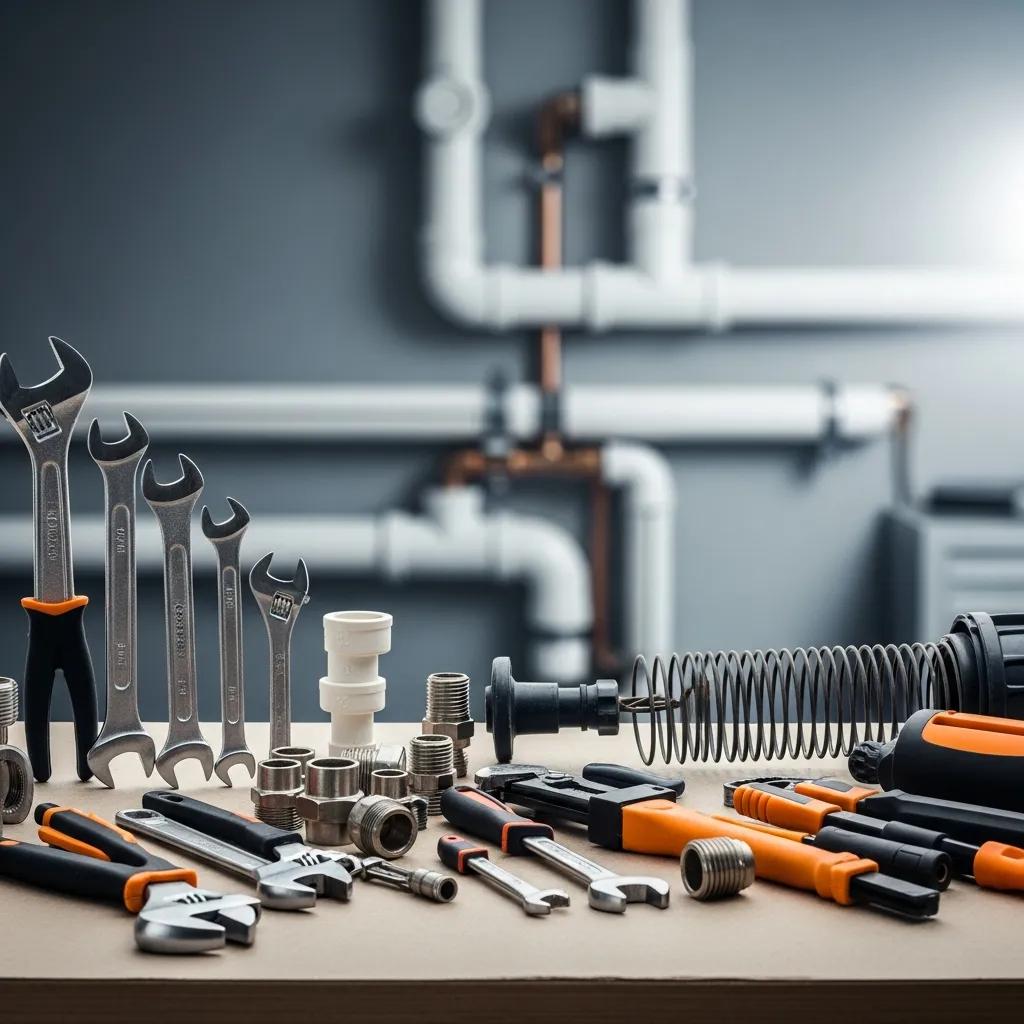
Residential plumbing services in Troy include routine inspections, emergency repairs, and upgrades that keep homes safe and efficient. Homeowners commonly need water heater repair or replacement, drain cleaning, leak detection, sump pump service, and fixture installation or repair. Causes range from corrosion and sediment to root intrusion and freeze damage; outcomes include restored hot water, lower flood risk, and better fixture performance. The table below matches common problems to the right service and the typical benefit so you can pick the right solution quickly.
The following comparison helps homeowners match a problem to the correct service and expected result.
| Service | Typical Cause / Use-Case | Typical Benefit / Outcome |
|---|---|---|
| Water heater repair & installation | Sediment, failed heating elements, aging units | Restored hot water, improved efficiency, lower energy bills |
| Drain cleaning (snaking, hydro-jetting) | Hair, grease, mineral buildup, root intrusion | Restored flow, fewer clogs, extended pipe life |
| Leak detection & repair | Hidden pipe leaks, slab leaks, failed fittings | Minimized water damage, reduced bills, targeted repairs |
| Sump pump servicing | Basement flooding, pump failure | Flood prevention and peace of mind during storms |
| Fixture installation & repair | Worn valves, leaks, upgrades | Better function, water savings, updated look |
This side-by-side view makes it easier to decide; next we go deeper into water heater work and when a repair or replacement makes sense.
Residential services are easiest to manage with clear checklists and expectations.
- Routine Inspection: Annual checks catch problems before they become emergencies.
- Prompt Repairs: Fixing leaks and small issues fast prevents bigger damage.
- Preventative Maintenance: Scheduled cleanings and tune-ups extend equipment life.
Those simple steps lead into how we approach water heater diagnostics and installs.
How Do We Handle Water Heater Repair and Installation for Troy Homes?
Water heater work starts with a safety-first checklist: pressure relief valve, tank condition, heating efficiency, and any signs of leaks or corrosion. We evaluate whether a repair—like replacing an element or thermostat—makes sense, or if age and repeated failures mean replacement is the better value. If you choose replacement, we’ll explain tank vs. tankless, recovery rates, and efficiency trade-offs so you can weigh operating costs and hot water needs. Installations include correct venting, pressure relief setup, any required seismic or code anchoring, and post-install testing to confirm safe operation. Clear steps and communication help homeowners plan budgets and minimize disruption.
What Are the Benefits of Troy Drain Cleaning and Leak Detection Services?
Drain cleaning and leak detection are complementary: one restores flow, the other finds hidden water loss. We use everything from manual snaking for local clogs to hydro-jetting for heavy grease or mineral buildup, and sewer cameras to spot structural issues like root intrusion. Leak detection tools—acoustic sensors, thermal imaging, and camera probes—pinpoint leaks behind walls or under slabs so we avoid unnecessary digging. Regular cleaning and early leak detection reduce surprises, save water, and lower long-term repair costs. Preventive packages combine these services to keep plumbing working through seasonal changes.
Reliable Troy Plumbing Services for Homes & Businesses
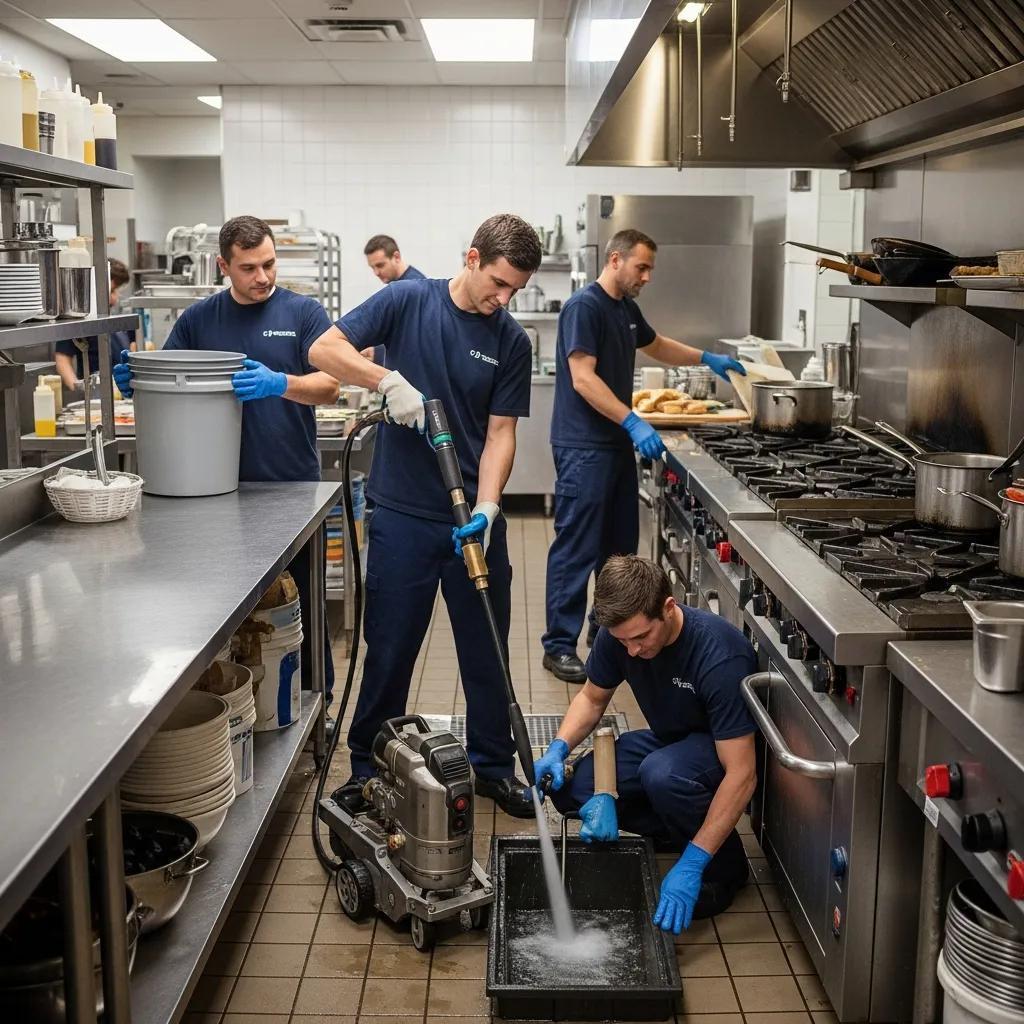
Commercial plumbing focuses on keeping operations running, meeting regulations, and preventing costly downtime. Businesses need scaled services like commercial drain cleaning, grease trap maintenance, backflow prevention testing, and properly sized commercial water heaters. We reduce interruptions with scheduled service windows, focused diagnostics, and the compliance paperwork many businesses require. Our commercial plans prioritize uptime and predictable costs so you can manage plumbing infrastructure without surprise outages.
Below is a quick mapping of common commercial services to business impact and planning notes.
Intro: This table shows how plumbing services affect operations and compliance.
| Service | Business Impact | Recommended Frequency / Notes |
|---|---|---|
| Commercial drain cleaning | Reduces kitchen downtime and prevents backups | Quarterly or monthly for heavy-use kitchens |
| Grease trap maintenance | Ensures code compliance and prevents odors | Monthly or per local rule; keep service records |
| Backflow prevention testing | Protects potable water and meets code | Annual testing and certification as required |
| Commercial water heater servicing | Keeps hot water available for operations | Seasonal inspections; frequency depends on load and unit |
This layout helps business owners plan service and budgets; the sections below cover grease traps and backflow in more detail.
How Do Our Commercial Drain Cleaning and Grease Trap Services Support Troy Businesses?
Grease trap and commercial drain services combine strong cleaning techniques with compliance know-how to keep kitchens and facilities open. Grease traps are serviced on a schedule based on kitchen volume to avoid fines, odors, and clogs. Commercial drain work uses heavy-duty hydro-jetting and mechanical tools to clear lines that serve many fixtures, reducing repeat calls. We document service and set maintenance schedules so businesses can show compliance and budget for routine upkeep. These practices cut interruptions and extend the life of sewer connections, protecting operations and customer experience.
What Is the Importance of Backflow Prevention and Water Heater Services for Troy Commercial Properties?
Backflow prevention keeps municipal water safe by stopping contaminated water from reversing into potable lines; annual testing and certification meet local code and protect public health. Commercial water heaters must be sized for peak demand, maintained to avoid scale and heat-exchanger failure, and planned for redundancy where uptime is critical. Our technicians provide testing schedules, certification paperwork, and recommendations for backup systems when needed. Linking backflow testing with smart water heater management helps businesses avoid shutdowns and maintain safe, reliable service for staff and customers.
How Does Our 24/7 Emergency Plumbing Service Support Troy Residents and Businesses?
Our emergency service offers 24/7 triage, fast dispatch, and priority repairs for serious failures that threaten property or operations. Emergencies include active flooding, sewer backups, and nonstop leaks that can cause structural damage or health risks. Technicians stabilize the situation with temporary measures—then plan permanent repairs. The summary below lists the most common emergencies and what to expect on initial response.
- Burst Pipes: Immediate isolation and temporary repairs to stop water and limit damage.
- Sewer Backups: Rapid containment and cleanup to protect interiors and health.
- Major Leaks or Flooding: Emergency shut-off, water removal advice, and urgent repair planning.
Once we stabilize the site, technicians outline permanent repairs and schedule follow-up work to return systems to normal. Below is a quick reference table you can use while waiting for help.
Intro: This table gives fast, scannable guidance for urgent situations and explains typical first actions.
| Emergency Type | Typical Immediate Risk | Typical Response Action |
|---|---|---|
| Burst pipe | Rapid water damage to structure and contents | Shut off water source; temporary repair or isolation |
| Sewer backup | Contamination and health hazards | Contain area; pump or vacuum waste; camera inspection |
| Major leak (roof/wall) | Structural compromise, mold risk | Triage leak; recommend temporary patch and schedule permanent repair |
These triage steps help occupants act safely and know what to expect from an emergency dispatch; the sections below cover homeowner actions in more detail.
What Common Plumbing Emergencies Do We Address in Troy?
We frequently handle burst pipes, overflowing fixtures, sewer backups, and sudden hot-water failures. Risks include water damage, electrical hazards, and sewage contamination—so safety is the top priority. If you can do so safely, shut off the main water, avoid contact with contaminated water, move valuables up and away from water, and turn off power to flooded areas. Call emergency service for any persistent flow, visible structural impact, or sewage backup. Non-urgent issues can wait for normal business hours. Taking these steps reduces damage and speeds full restoration once we arrive.
How Quickly Can Our Emergency Plumbers Respond in Troy?
Response times depend on call volume, time of day, and travel conditions, but we prioritize life-safety and property protection. Dispatch will give an estimated arrival window; on arrival, techs perform a quick assessment to decide between immediate mitigation and scheduled permanent repairs. Distance within the Troy area, traffic, and the need for special equipment can affect timing, but initial stabilization—shutting off water, temporary patches—happens as soon as we’re on site. Clear communication during dispatch helps you know the next steps and expected timeline for full repairs.
What Is Frost & Kretsch Plumbing’s Commitment to the Troy Community?
We focus on local needs: precise diagnostics, code-compliant repairs, and timely responses that reduce disruption and keep water systems safe. Knowing Troy’s seasonal freeze risks and the reality of aging service lines shapes our preventative advice and maintenance schedules. Owner oversight ensures consistent service and clear documentation for both homeowners and businesses. Our goal is long-term trust through reliable work, transparent communication, and measurable maintenance results.
How Do We Understand and Address Troy’s Unique Plumbing Needs?
Troy properties face colder-season freeze risk, older service lines that corrode, and tree-root intrusion into laterals. We address these with seasonal inspections, pipe insulation recommendations, and proactive sewer camera checks to find roots or structural issues before backups happen. Preventative actions—like winterizing exterior systems and scheduling hydro-jetting before heavy-use seasons—reduce emergencies and repair costs. We also coordinate with local codes and municipal requirements to make sure repairs protect property value and meet expectations.
What Do Troy Customers Say About Our Plumbing Services?
Customers often mention punctual crews, clear communication, and durable fixes. That feedback reflects our estimate process, documentation, and follow-up. We provide warranty paperwork and post-service checks so customers have recourse if anything returns. While this section summarizes common themes rather than quoting reviews, the consistent message is fast diagnosis, minimally invasive repairs, and thorough cleanup. We encourage you to read local reviews and verified ratings to confirm performance when choosing a plumber.
How Can You Request a Free Estimate or Schedule Plumbing Service in Troy?
Booking service is simple and speeds up accurate estimates: describe the problem, share photos if you can, and tell us any system details like equipment age or recent work. That information helps technicians give a precise appointment window and prepare the right tools. The numbered steps below give a quick, featured-snippet style checklist to make scheduling faster.
- Describe the issue clearly and attach photos or video if possible to speed remote assessment.
- Tell us system details—age of the water heater, last sewer work, etc.—to refine the estimate.
- Agree on an appointment window and confirm if the issue needs emergency response or can wait.
- Receive an itemized estimate after on-site diagnosis and approve work before repairs begin.
Following these steps streamlines scheduling and sets clear expectations—next we cover how to contact us and what happens on-site.
What Are the Steps to Contact Frost & Kretsch Plumbing in Troy?
Before you call, gather details and photos to help us assess the situation. Describe symptoms like slow drains, visible leaks, or loss of hot water, and note when the issue started and any past repairs. During the call we’ll ask about location and access—please note if equipment is in a basement or a locked utility room. Technicians arrive in the agreed window, diagnose the problem, present a written estimate, and proceed only after you approve. This step-by-step approach reduces surprises and speeds repairs for both homes and businesses.
What Should You Expect During Your Plumbing Service Appointment?
A typical appointment follows a clear workflow: arrival and identification, diagnostic inspection, written estimate, customer approval, repair work, and post-service testing and cleanup. Technicians explain findings in plain language and provide warranty and maintenance recommendations. For bigger jobs we may apply temporary fixes first to stabilize things, then schedule permanent repairs to minimize disruption. When the job is done we verify operation, leave documentation of parts and labor, and set any recommended follow-up.
Lead Generation & Information Hub
This final call-to-action restates the page’s goal: make it easy to request service or a free estimate and set clear expectations for professional, documented plumbing work in Troy.
Frequently Asked Questions
What should I do in a plumbing emergency before help arrives?
Put safety first. If a pipe bursts or you have a major leak, shut off the main water supply to limit damage. For sewer backups, avoid contact with contaminated water and contain the area. If there are electrical hazards, turn off power to affected areas if you can do so safely. Take photos if it’s safe, then call a Troy emergency plumber right away.
How can I prevent plumbing issues in my home?
Preventative care matters. Inspect plumbing for leaks and corrosion, schedule annual checks for your water heater and sump pump, and consider routine drain cleaning to prevent clogs. Insulate exposed pipes before winter to prevent freezing, and watch what goes down drains to reduce blockages. Monitor your water bill—unexplained increases can signal hidden leaks.
What are the signs that I need to replace my water heater?
Replace a water heater if you see inconsistent temperatures, hear popping or rumbling noises, notice rust or corrosion on the tank, or find water pooling at the base. If the unit is 10–15 years old and needs frequent repairs, replacement is often more cost-effective than ongoing fixes.
How often should I schedule plumbing maintenance for my home?
Annual maintenance is a good baseline. Yearly inspections catch many issues early. For larger households or heavy-use systems, consider twice-yearly checkups. If you notice low water pressure, strange noises, or new leaks, schedule service sooner.
What should I look for when choosing a plumbing service?
Check for licensing and insurance, read customer reviews, and look for clear, itemized pricing to avoid surprises. Ask about experience with the specific problem you have and whether the company offers warranties on parts and labor.
Are there any plumbing services that are specific to commercial properties?
Yes. Commercial sites often need regular grease trap cleaning, backflow prevention testing, and heavy-duty drain cleaning to handle higher waste volumes. Commercial water heaters must be sized for peak demand, and businesses typically require compliance documentation—so work with plumbers familiar with local commercial codes.
What is the typical response time for emergency plumbing services?
Response times vary with call volume and time of day, but reputable services aim to prioritize emergencies and arrive as quickly as possible—often within 1–2 hours depending on location and conditions. Dispatch will give an estimated arrival window and update you if things change.
Conclusion
Frost & Kretsch Plumbing delivers reliable, professional plumbing for Troy homes and businesses. With transparent pricing, licensed technicians, and 24/7 emergency coverage, we focus on preventing problems and fixing them right when they occur. Prioritizing preventative maintenance and precise diagnostics helps you avoid costly repairs and keeps systems running longer. Contact us today to schedule a free estimate and see the difference local, dependable plumbing service makes.