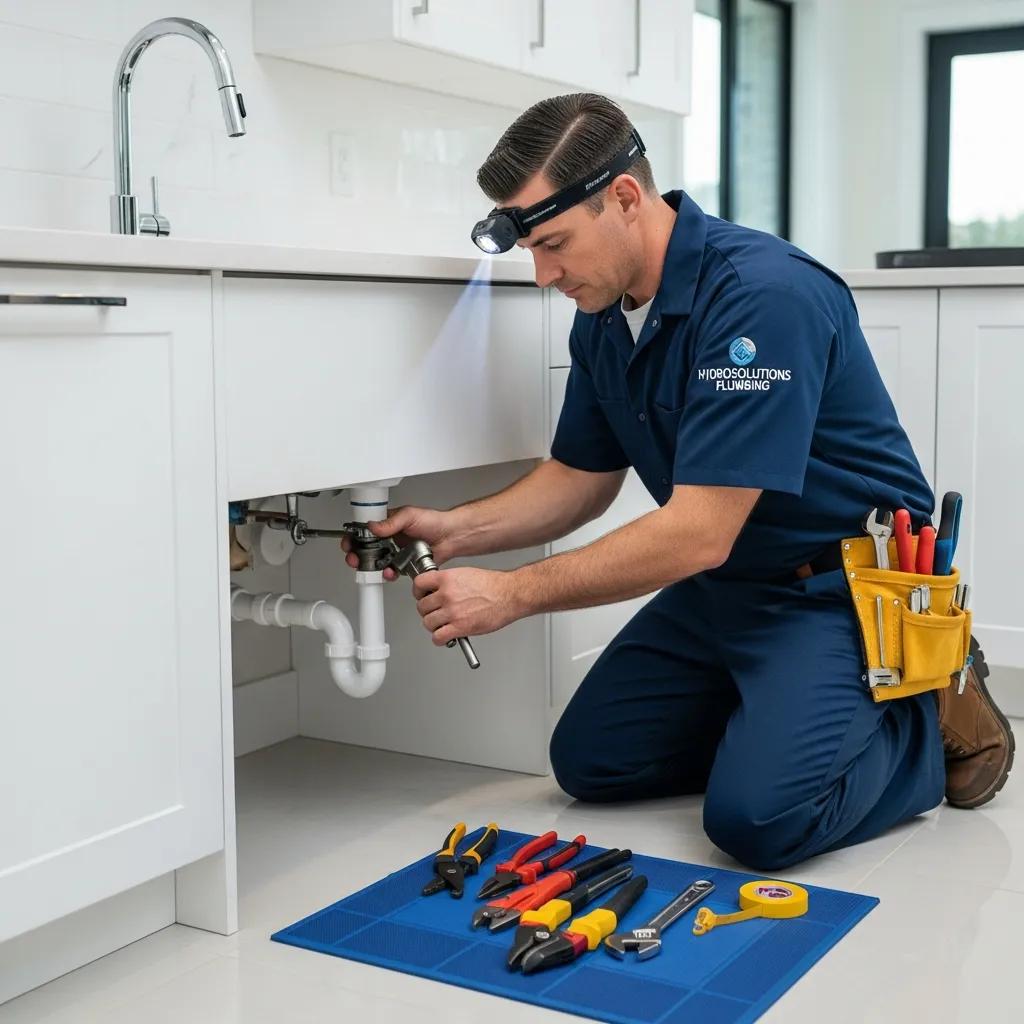
Farmington Hills Plumber — Trusted, Affordable Plumbing for Homes & Businesses
When you need fast, licensed plumbing in Farmington Hills, Frost & Kretsch Plumbing is here to help. We handle residential and commercial repairs, installations, and emergency calls to keep properties safe and running smoothly. This guide explains how to spot common plumbing problems, weigh repair versus replacement, and choose a local provider that puts clear pricing and customer care first. Homeowners and business managers will find practical checks for slow drains, low water pressure, and water heater failures, plus straightforward guidance on sewer repairs — including trenchless options. You’ll also get a concise list of local services, emergency tips, and what to expect from inspections and estimates so you can act quickly and confidently when issues arise.
Reliable Plumbing Services for Farmington Hills Homes & Businesses
A reliable local plumber combines technical skill, clear communication, and a quick response when problems can’t wait. Those qualities limit property damage, reduce downtime, and protect occupant health. Our licensed, insured technicians use industry-tested diagnostics and containment steps to find issues fast, and we give honest estimates so there are no surprises. For residents and businesses in Farmington Hills, emergency availability and a satisfaction promise matter — plumbing failures often need immediate containment and dependable follow-through. Below we outline the trust signals and service expectations to look for and show how local knowledge improves outcomes for common neighborhood issues.
Frost & Kretsch Plumbing highlights straightforward value points that reassure Farmington Hills customers who want fast, professional help. We offer 24/7 emergency response for burst pipes, sewage backups, and major leaks, with licensed, insured techs who follow safety and diagnostic procedures on every call. Upfront pricing and a satisfaction guarantee are core commitments, and our local experience helps us recommend durable repairs rather than temporary fixes. If you need immediate help or a free estimate, use these credibility points when comparing providers and ask for details on any estimate you receive.
The quick checklist below summarizes what to confirm with any plumber before scheduling work — it leads into more on technician qualifications and emergency response expectations.
- Licensed technicians who show credentials and carry insurance.
- 24/7 emergency availability with clear response steps and temporary containment actions.
- Upfront, itemized pricing that lists diagnostic, labor, and common inclusions.
- A satisfaction guarantee with defined follow-up or remediation steps.
Confirming these elements helps you choose a local service that balances cost, speed, and quality. Next, we explain why licensing and insurance matter and what to expect from qualified technicians.
What Makes Our Licensed and Insured Plumbers Reliable in Farmington Hills?
Licensed and insured plumbers give property owners protection by meeting regulatory standards and carrying liability coverage for on-site work. Licenses show formal training and code knowledge; insurance provides recourse if accidental damage occurs. Together, they lead to better workmanship and less risk. Our technicians perform safety checks before starting, use calibrated tools like leak detectors and camera systems, and follow documented procedures for repairs and cleanup to minimize disruption. Knowing a tech is current on licensure and covered by insurance makes it easier to approve work and reduces the chance of costly follow-up fixes.
Our team also pursues ongoing training in modern techniques — hydro-jetting for tough clogs and pipe-lining for trenchless sewer fixes — which improves first-time success and long-term reliability. When a technician clearly explains diagnostic findings and the reason for a recommendation, it signals competence and helps you compare quotes. That transparency sets the stage for how our emergency services operate and what to expect when time is critical.
How Does Our 24/7 Emergency Plumbing Service Benefit Farmington Hills Residents?
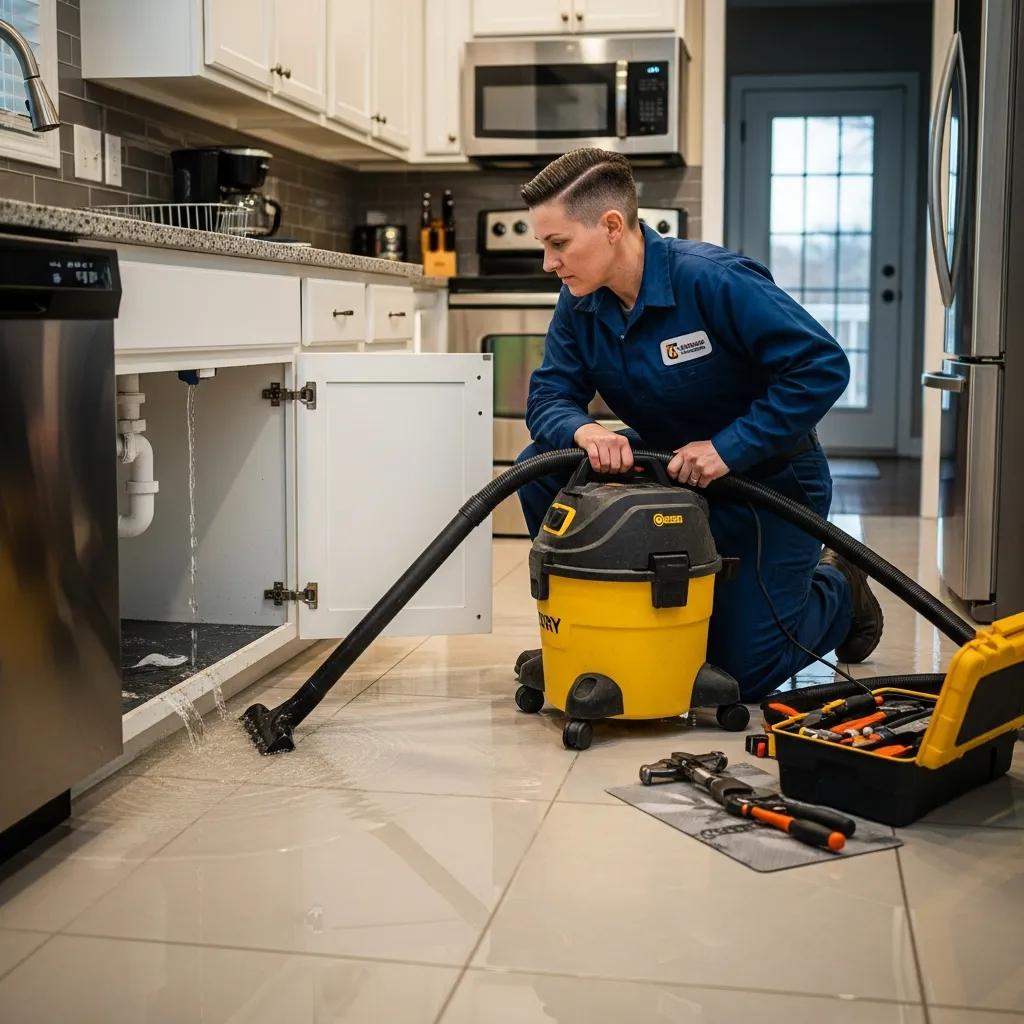
Emergency plumbing aims to stop immediate damage, protect health, and stabilize systems until a permanent repair is completed. Common emergencies include burst pipes, sewage backups, and uncontrolled leaks. A dependable emergency process starts with quick phone triage, dispatching a trained technician, on-site containment (shutting valves, isolating fixtures), and temporary fixes to prevent further loss. Our techs document conditions, recommend next steps, and provide clear estimates for full repairs so owners can decide quickly. Fast containment in Farmington Hills reduces water intrusion into walls and floors and lowers the risk of mold and structural damage.
On emergency calls we prioritize safety — turning off water and electricity where needed — and use portable diagnostic tools to find the issue for a targeted fix. After stabilization, we explain timelines for permanent repairs and any required permits or inspections, so you understand both immediate and long-term actions. Clear communication during emergencies is essential; the next section lists the full range of services we provide for urgent and planned needs.
What Comprehensive Plumbing Services Are Available in Farmington Hills?
Our services for Farmington Hills properties cover preventive maintenance, emergency repairs, drain and sewer work, water heater care, and commercial support tailored to business needs. We address common problems like clogged drains, failing water heaters, sewer intrusions, and grease-trap care for food-service businesses. A full-service provider offers inspection-driven recommendations, modern repair options such as hydro-jetting and trenchless pipe-lining, and scheduling that minimizes business interruptions. The table below matches common problems to the services that fix them so you know what to request during a call or estimate.
| Service | Typical Problem | Typical Solution / Value |
|---|---|---|
| Drain cleaning service | Slow or recurring clogs | Snaking or hydro-jetting to remove buildup and restore flow |
| Water heater service | No hot water or leaks | Repair or replace components; offer energy-efficient upgrade options |
| Trenchless sewer repair | Cracked or root-invaded pipes | Pipe lining or pipe bursting with minimal landscape disruption |
| Emergency plumbing service | Burst pipes, sewage backup | Rapid containment, temporary fixes, and clear next-step estimates |
| Commercial plumbing maintenance | Grease blockages, backflow risks | Preventive contracts, grease trap service, and compliance support |
This quick comparison shows which service best handles specific issues and highlights the value of inspection-led repairs that focus on longevity. Below are our primary service categories and a simple prompt you can use when scheduling.
- Residential plumbing: leak repair, fixture replacement, and preventive maintenance to protect homes.
- Commercial plumbing: backflow prevention, grease-trap cleaning, and maintenance contracts for businesses.
- Drain and sewer solutions: snaking, hydro-jetting, and trenchless repairs for long-term reliability.
- Water heater services: diagnostics, repairs, and efficiency upgrades, including tankless options.
Choosing the right service usually starts with a camera inspection or diagnostic visit to find root causes; next we outline typical residential and commercial services and how they match common symptoms.
Which Residential Plumbing Solutions Do We Offer in Farmington Hills?
Residential work covers leaks, clogged drains, fixture upgrades, water heater issues, and preventive maintenance to avoid costly breakdowns. A slow drain often starts with snaking and may need hydro-jetting for hardened grease or persistent buildup. Leak detection uses acoustic and thermal tools to find hidden pipe failures. Fixture installs — faucets, toilets, etc. — require code-compliant connections and proper sealing to prevent future leaks; timely repairs cut water waste and utility costs. Preventive visits check sump pumps, pressure regulators, and visible piping to catch corrosion or wear before they become emergencies.
Prompt residential attention improves efficiency and safety. Our technicians will explain repair lifespans and maintenance schedules during the visit so you can budget and prioritize effectively. The next section covers commercial needs and regulatory issues.
What Commercial Plumbing Services Support Farmington Hills Businesses?
Commercial plumbing differs in scale and regulation, needing solutions like backflow prevention, grease-trap service, large-capacity water heaters, and scheduled maintenance contracts. Businesses often require service outside operating hours to avoid downtime; our team coordinates with facility managers to limit disruptions and meet health and safety codes. Preventive contracts cut emergency calls and extend equipment life through regular inspections, cleanings, and part replacements. For major sewer problems we deploy commercial excavation or trenchless methods with project management to restore service quickly.
Commercial clients also get documented compliance support — maintenance logs and inspection reports — to demonstrate adherence to regulations and reduce liability. The right mix of reactive repairs and preventive care preserves uptime and controls long-term operating costs. Next we offer practical diagnostics and quick remedies for common homeowner and tenant issues.
How Can You Solve Common Plumbing Problems in Farmington Hills?
Practical, symptom-based steps help you decide when a DIY fix is OK and when to call a pro. Start by isolating the problem: test multiple fixtures to see if it’s localized, inspect visible pipes for leaks, and listen for gurgling that suggests a vent or sewer issue. Small clogs can respond to snaking or enzyme cleaners; persistent blockages and recurring backups often need professional inspection and hydro-jetting to clear buildup and roots. For low pressure, check shut-off valves and aerators; if pressure is low house-wide, call a pro to check for corroded pipes or a failing pressure regulator.
Use the prioritized steps below to address immediate problems and decide when to call an expert — they’re optimized for quick decisions and map well to featured-snippet formats.
- Determine if the issue is localized or system-wide by testing multiple fixtures.
- Try simple checks: clean aerators, exercise shut-off valves, and use a plunger for accessible clogs.
- Call a professional if drains stay slow after snaking, sewage odors persist, or water is leaking from walls or ceilings.
Following these steps limits damage and narrows the technician’s diagnostic work, which often reduces repair time and cost. Preventive tips — regular drain cleaning and avoiding grease down the sink — help prevent repeat calls and extend system life.
What Are the Signs and Solutions for Drain Cleaning Needs in Farmington Hills?
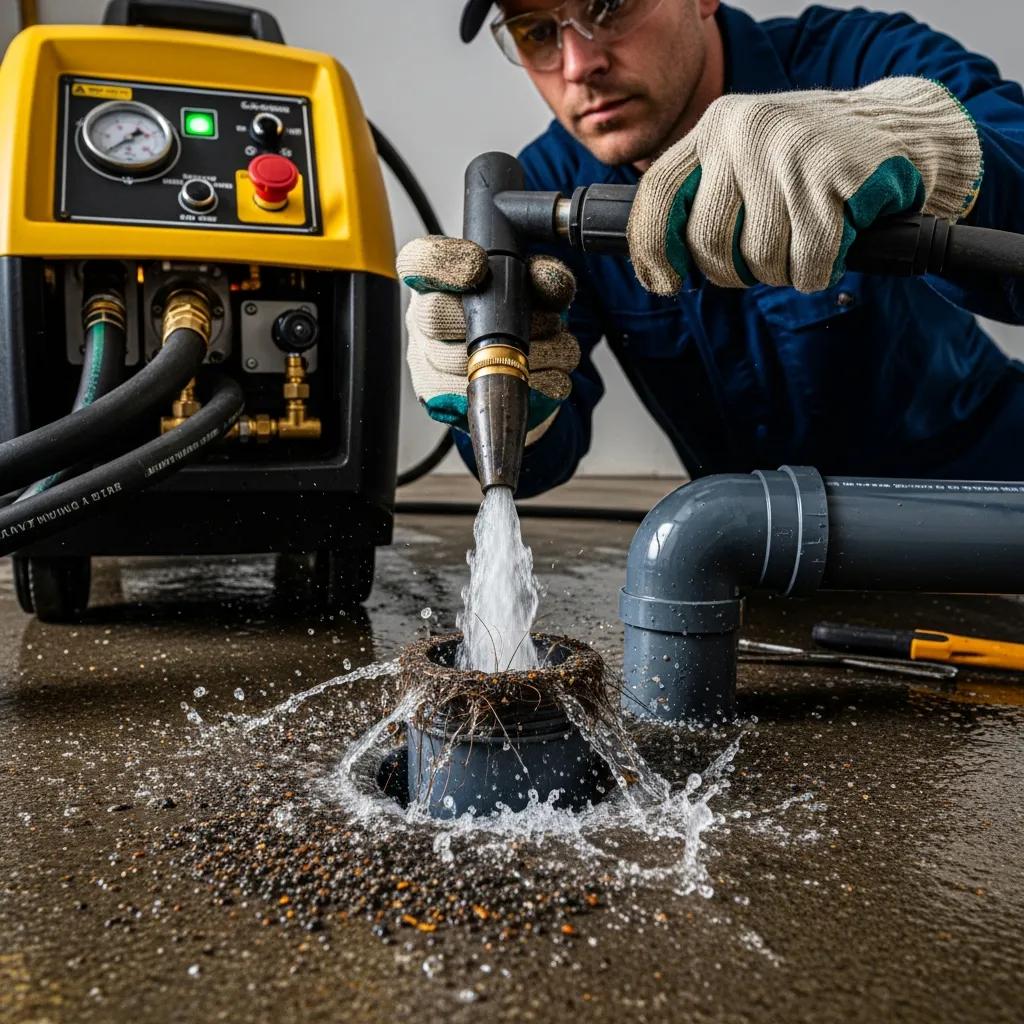
Signs a drain needs professional cleaning include slow flow across several fixtures, persistent gurgling, lingering sewer smells, and frequent plunging or snaking. DIY steps — removing and cleaning stoppers, plunging accessible traps, and flushing with hot water — can help temporarily. Professional methods include mechanical snaking for localized blockages and hydro-jetting, which uses high-pressure water to remove hardened grease, scale, and small roots. Hydro-jetting gives deeper cleaning and longer-lasting results for problem lines compared with basic snaking.
Regular maintenance intervals reduce the chance of sudden backups; technicians will recommend frequency based on household use and local sewer conditions. Knowing when to escalate to professional cleaning helps homeowners avoid recurring clogs that can lead to bigger sewer repairs.
When Is Water Heater Repair Necessary in Farmington Hills Homes?
Watch for inconsistent hot water, rumbling or popping noises, visible leaks around the tank, or rusty-colored water — these often point to corrosion or sediment buildup. Age matters: older tanks with repeated issues are usually more cost-effective to replace, while single-component failures — a heating element or thermostat — can often be repaired. Energy-efficiency goals may favor upgrading to a newer tank or a tankless system; technicians assess recovery rates, fuel type, and installation constraints before recommending options. Routine flushing to remove sediment and annual inspections can extend service life and reduce the chance of sudden failures in cold weather.
If repair is the best choice, we provide transparent cost estimates and explain expected service life after repair versus replacement so you can pick the most economical long-term solution. Next we cover sewer line repair choices, including trenchless methods and excavation.
What Should You Know About Sewer Line Repair and Excavation in Farmington Hills?
Sewer line problems commonly come from aging pipes, tree root intrusion, and soil movement. Diagnosis starts with a camera inspection to find cracks, roots, or blockages and to determine whether trenchless repair is possible. Trenchless techniques — pipe lining or pipe bursting — let technicians rehabilitate or replace pipes with minimal surface disturbance, while traditional excavation replaces sections directly but requires yard or landscaping restoration. Camera inspection gives the objective data needed to choose between trenchless and excavation, estimate timelines, and identify permit needs; always get an inspection before approving a major repair. Expect a clear scope of work, a discussion of trade-offs (cost versus disruption), and a timeline that factors in any municipal permit processing.
The table below summarizes trenchless and excavation options so homeowners can weigh pros and cons before authorizing work.
| Approach | Characteristic | Typical Impact / Benefit |
|---|---|---|
| Trenchless sewer repair | Pipe lining or pipe bursting | Less landscaping disruption and faster completion |
| Open excavation repair | Direct pipe replacement | Full access for complex failures; higher restoration costs |
| Camera inspection | Non-invasive diagnostics | Accurate location and condition assessment to guide the repair choice |
| Root mitigation | Root cutting + barriers | Lower risk of re-intrusion when paired with repair |
This comparison helps match repair approach to priorities like preserving landscaping or resolving complex collapses. Below we explain root-invasion remedies and prevention techniques.
How Do We Address Sewer Line Damage Caused by Tree Roots in Farmington Hills?
Tree roots follow moisture and exploit small cracks or joint gaps, growing into pipes and creating blockages or fractures that worsen over time. We use camera inspection to confirm root intrusion and map how far roots have penetrated, which determines whether root cutting with lining, full pipe replacement, or trenchless relining is best. Short-term fixes include mechanical root removal and chemical root treatments; permanent fixes typically pair pipe lining or replacement with landscape adjustments like root barriers and choosing non-invasive plants. Regular inspection and targeted hydro-jetting reduce recurrence and protect the sewer’s structural integrity.
A clear plan that combines immediate remediation with long-term prevention lowers the chance of repeat excavation and keeps disruption to a minimum. Next we highlight the benefits of trenchless repair.
What Are the Benefits of Trenchless Sewer Repair Services in Farmington Hills?
Trenchless methods, such as cured-in-place lining and pipe bursting, repair or replace damaged sections without extensive surface excavation, greatly reducing damage to landscaping and driveways. These approaches usually shorten project timelines and lower restoration costs compared with open excavation, while offering durable results that extend pipe life and resist root intrusion when done correctly. Trenchless techniques do have limits — severe collapses, major offsets, or multiple lateral issues may still require excavation — so a camera inspection and engineering review determine eligibility. For properties that value preserving hardscape and landscaping, trenchless repair often hits the best balance of cost, speed, and minimal disturbance.
Choosing trenchless repair means clear communication about expected outcomes, warranty terms, and any site-specific constraints. The next section explains pricing transparency, guarantees, and what to expect during estimates and payment.
How Do We Ensure Transparent Pricing and Customer Satisfaction in Farmington Hills?
Transparent pricing starts with a diagnostic visit that explains what’s included, likely parts and labor, and potential add-ons that could change the estimate. That approach reduces surprises and helps customers compare options confidently. A written estimate should outline scope, timeline, and a breakdown of standard inclusions versus optional upgrades or permit costs so homeowners and businesses can decide with full information. A clear satisfaction guarantee commits the company to follow-up remedies when work falls short of agreed standards; the claims process should be straightforward and time-bound. The table below clarifies common offers, inclusions, and customer benefits so you know what questions to ask during estimates.
| Offer / Promise | What’s Included | Benefit to Customer |
|---|---|---|
| Upfront pricing | Diagnostic visit, labor, basic parts, written estimate | Predictable budget and fewer surprise charges |
| 100% satisfaction guarantee | Follow-up service or remediation within a defined timeframe | Peace of mind and assurance of quality workmanship |
| Emergency service promise | Rapid dispatch and temporary containment measures | Reduced damage and faster stabilization of urgent issues |
| Clear exclusions | Major parts, municipal permits, or specialized materials | Transparent boundaries to avoid unexpected fees |
This table helps you evaluate proposals by comparing concrete inclusions and benefits instead of vague promises. The next section explains how these policies work in practice and how to request estimates.
What Is Included in Our Upfront Pricing for Farmington Hills Plumbing Services?
Upfront pricing usually covers the diagnostic visit, standard labor for the agreed scope, and basic parts for common repairs; technicians will list add-ons such as major replacement components, specialty materials, or permit fees. An itemized estimate lets customers authorize only the needed repairs or choose phased approaches when budgets require it. Clear explanations of exclusions prevent confusion if hidden damage or permit requirements appear during work. Ask for a written estimate and for repair-versus-replace options to compare long-term costs before approving services.
This transparent approach aligns outcomes with customer expectations and leads into how our satisfaction guarantee handles follow-up needs.
How Does Our 100 Percent Satisfaction Guarantee Work for Farmington Hills Customers?
Our 100 percent satisfaction guarantee means we commit to fixing workmanship issues or clearly defined service problems within a stated timeframe, providing follow-up repairs or remediation until the issue is resolved. To use the guarantee, contact us with a description of the problem and we’ll schedule a follow-up visit to assess and remedy the concern quickly. The guarantee explains limits — for example, workmanship coverage versus unrelated later damage — and gives expected response times for resolution. Clear, documented remediation steps and easy communication channels make the process straightforward.
Transparent guarantees combined with upfront pricing reduce friction during service decisions and increase confidence in choosing a local plumbing partner. The final section answers common questions residents ask about costs and finding a reliable plumber.
Frequently Asked Questions
What should I do if I have a plumbing emergency in Farmington Hills?
If you have a plumbing emergency like a burst pipe or sewage backup, first shut off the main water supply to limit damage. Then call a licensed emergency plumber that offers 24/7 service. Give as many details as you can and follow any containment advice (towels, buckets, shutting valves) until help arrives. Acting quickly can reduce damage and let the technician assess the situation more effectively on arrival.
How can I prevent plumbing issues in my home?
Preventive maintenance is the best defense. Regularly check for leaks, clean drains, and avoid flushing non-biodegradable items or pouring grease down the sink. Schedule annual inspections with a licensed plumber to find corrosion, worn components, or water heater issues early. If your water is hard, consider a water softener to reduce mineral buildup in pipes and appliances.
What are the benefits of regular plumbing maintenance?
Routine maintenance catches small problems before they become costly repairs, improves system efficiency, reduces water waste, and extends fixture and appliance life. Typical maintenance includes inspections, cleaning, and minor repairs. Working with a trusted plumber who knows your system also ensures faster service when emergencies happen.
How do I know if my water heater needs to be replaced?
Look for inconsistent hot water, visible leaks, unusual noises, or rusty water. If the unit is over about 10 years old and needs frequent repairs, replacement is often more economical. Energy-efficiency is another reason to upgrade — newer models can lower utility bills. A licensed plumber can assess your unit and recommend repair or replacement based on age and performance.
What should I expect during a plumbing inspection?
During an inspection, a licensed plumber evaluates pipes, fixtures, and appliances for leaks, corrosion, and wear, and checks water pressure and drainage. Technicians may use cameras to inspect hard-to-reach areas. Afterward you’ll get a report outlining issues and recommended repairs or maintenance so you can prioritize actions.
Are trenchless sewer repairs worth the investment?
Trenchless sewer repair is often worth the investment because it minimizes disruption and finishes faster than open excavation. It preserves landscaping and hardscapes, which lowers restoration costs. While trenchless methods can cost more upfront in some cases, they usually deliver long-lasting results and prevent future problems. A licensed plumber can determine if trenchless repair is suitable based on your sewer line’s condition.
How Much Does an Emergency Plumber Cost in Farmington Hills?
Emergency plumbing costs depend on the problem’s severity, required materials, and the time needed to stabilize and repair. Most providers charge a diagnostic fee and then present a clear explanation of what the emergency visit includes, followed by an itemized recommendation for temporary containment or full repair. If immediate containment is needed, technicians often perform a temporary fix and provide a plan and cost estimate for permanent repairs. Asking for a written estimate and clarification of inclusions helps you compare value and make informed choices under time pressure.
Clear communication about next steps and potential additional charges reduces surprises and gives property owners better control over repair decisions and budgets.
How Can You Find a Reliable Plumber Near Me in Farmington Hills?
To find a reliable local plumber, verify licensure and insurance, read recent customer reviews or ask for references, confirm emergency availability, and request itemized estimates that spell out inclusions and exclusions. Ask about diagnostic tools (like camera inspections), warranty terms, and follow-up policies such as a satisfaction guarantee. Local experience matters — pick a provider familiar with Farmington Hills conditions, sewer challenges, and permit practices to avoid delays. Finally, get a clear timeline and written scope so both parties share expectations before work begins.
Following this checklist lowers risk and helps you choose a qualified, responsive plumber who communicates clearly and stands behind their work.
Conclusion
Choosing Frost & Kretsch Plumbing means dependable, affordable plumbing tailored to your home or business. With licensed technicians available 24/7, you can trust that emergencies will be handled quickly and professionally to minimize damage and restore function. Our focus on clear pricing and customer satisfaction helps you make informed decisions without unpleasant surprises. Contact us today to schedule service and see the difference a local, trustworthy team makes.