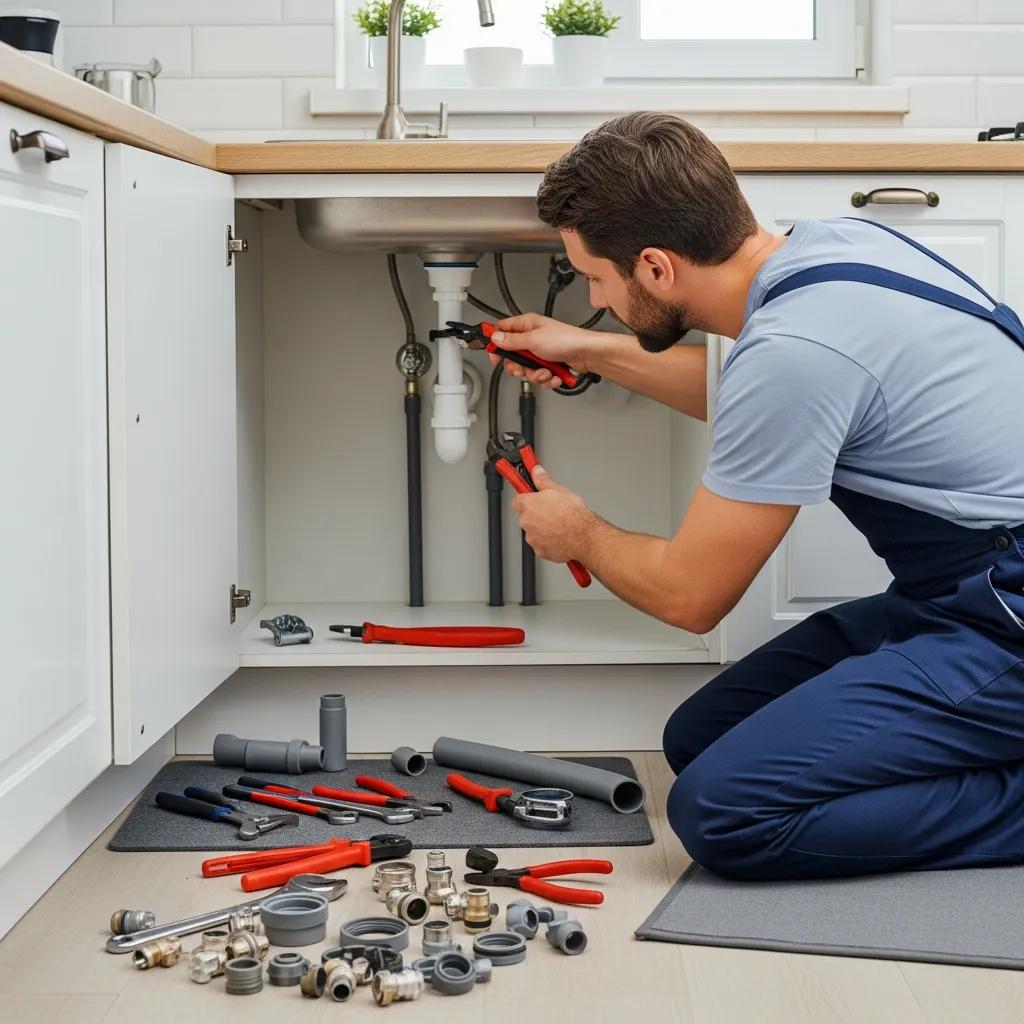
Novi Plumber — Trusted Plumbing Service for Homes & Businesses
Frost & Kretsch Plumbing serves Novi, MI with dependable residential and commercial plumbing: repairs, preventative maintenance, and fast emergency response. This guide explains how common systems work, which modern repair methods keep disruption low, and practical steps to prevent basement floods and costly failures. Homeowners and business owners regularly face problems like sump pump failures, burst pipes, and sewer backups—issues that need quick, knowledgeable action to limit damage. We cover how sump pumps, water heaters, drain cleaning, sewer repairs, and commercial compliance services work, and what to expect from our crews. Frost & Kretsch operates as a local resource for Novi customers: our goal is to build trust, show credibility, and make it easy to schedule service or request a free estimate. Below you’ll find why working with a qualified local plumber matters, our core services for homes and businesses, emergency protocols, sewer-repair options, and answers to common questions about costs and licensing.
Why Choose Frost & Kretsch Plumbing for Your Novi Plumbing Needs?
Picking a plumbing partner comes down to reliability, credentials, and straightforward pricing. At Frost & Kretsch, our licensed and insured technicians give you a technical foundation that reduces homeowner risk. We provide clear estimates up front, stand behind our work with a satisfaction guarantee, and keep crews available for rapid response—especially important during Novi’s cold months and storm events. Our local experience across Oakland, Wayne, and Macomb counties means we aim for minimally invasive solutions that protect landscaping and keep businesses open when possible. The next paragraphs explain how our operations and credentials turn into better outcomes for customers.
Here are four practical reasons Novi property owners trust Frost & Kretsch:
- 24/7 emergency service: We staff for fast dispatch and on-call repairs around the clock.
- Licensed, insured technicians: Credentialed pros who perform safe, code-compliant work.
- Transparent pricing: Upfront estimates and a clear scope so you know costs before work begins.
- Satisfaction guarantee: We follow up and make it right if something isn’t working.
Those commitments matter during emergencies and planned jobs. The next section shows how our emergency readiness works in the field.
What Makes Our 24/7 Emergency Plumbing Service Reliable in Novi?
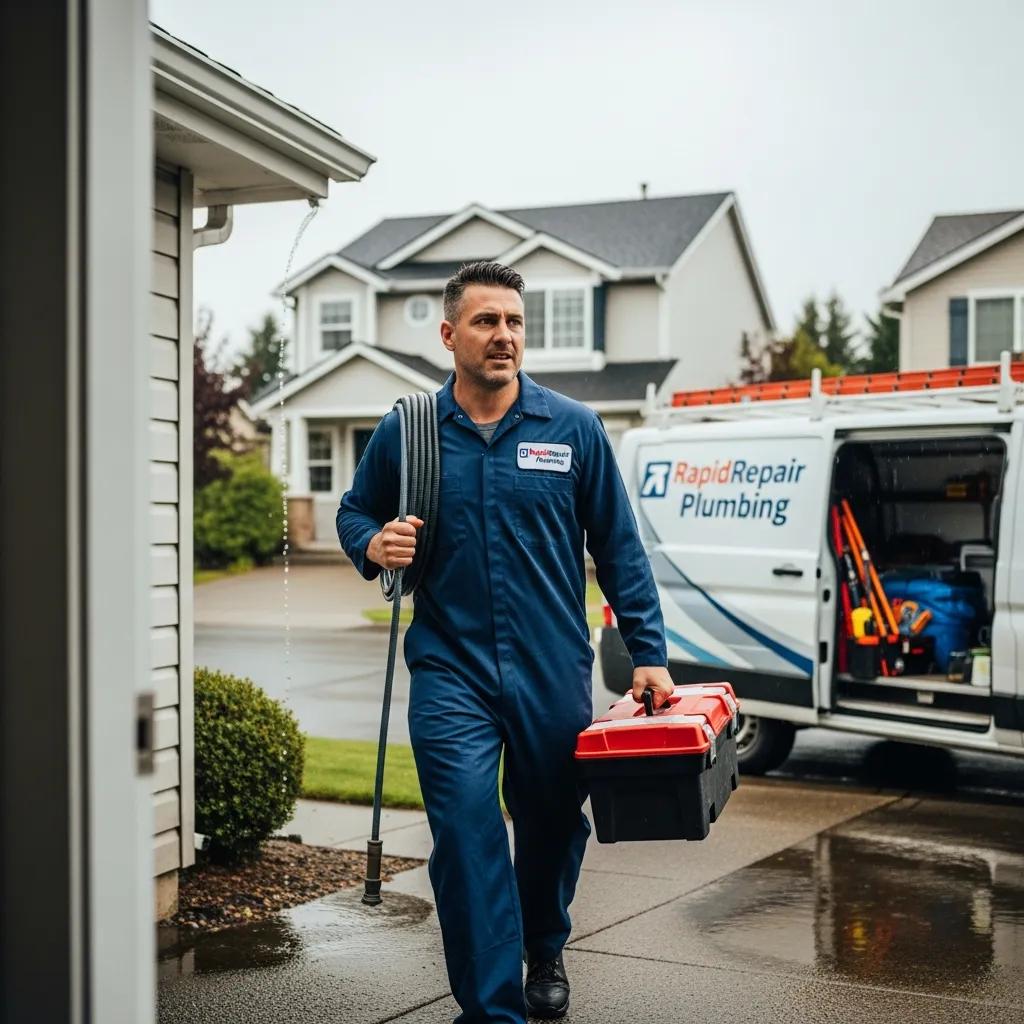
Reliable emergency service combines quick triage, efficient dispatch, and technicians who follow proven protocols to limit damage and restore function. When you call, our dispatchers assess the situation, prioritize safety, and send the nearest qualified tech with the right tools—so we reduce travel and response time. In Novi, that preparedness matters for winter pipe bursts and sump pump failures. You can help by shutting off your main water and isolating electrical hazards before we arrive; doing so lets our team start triage right away and reduces stress during urgent situations.
Our technicians arrive stocked with diagnostic tools and common replacement parts so they can provide temporary containment or on-the-spot fixes when appropriate. They’ll explain options, costs, and safety considerations before starting major work. This clarity, combined with our licensing and insurance, protects you financially and legally during emergency interventions.
How Do Licensed and Insured Experts Ensure Quality Plumbing Repairs?
Licensing and insurance give you predictable protection and demonstrate professional training. Licensed technicians know local codes and reduce the chance of rework or permit problems. Insurance protects both you and the tech if accidental damage occurs, and our warranties give you a path to fixes if something fails early. We also invest in ongoing training and quality checks so our crews use tools like trenchless repair and camera diagnostics that save time and reduce disruption. Asking for proof of license and insurance is a simple step that lowers risk and helps larger jobs move smoothly with municipal inspectors.
Those documented credentials speed permitting and coordination when a job requires inspections, which helps projects finish on time. The next section outlines common residential services that benefit from this credentialed approach.
Comprehensive Plumbing Services for Novi Homes and Businesses
Our residential services cover preventive maintenance, emergency repairs, and installations that protect your home and its value. Key offerings include sump pump installation and repair to prevent basement flooding, water heater service and replacement to keep hot water flowing, drain cleaning with snaking or hydro-jetting to restore flow, and leak detection to find hidden problems before they get worse. These services address common failure points in Michigan homes and help avoid mold, structural damage, and expensive emergency repairs. The table below summarizes core residential services and their main benefits.
Quick comparison of residential services and what they address.
| Service | Purpose | Typical Signs / Benefits |
|---|---|---|
| Sump pump repair & installation | Prevent basement flooding | Basement moisture, constant motor run, reliable flood protection |
| Water heater service & replacement | Restore hot water supply | Cold or inconsistent water, rusty water, better efficiency and safety |
| Drain cleaning (snaking/hydro-jetting) | Remove clogs and buildup | Slow drains, repeated clogs, improved flow and fewer backups |
Use these signs to prioritize repairs that will have the biggest impact.
Most service plans start with a thorough inspection and routine maintenance to extend equipment life and avoid emergency calls. Regular checks of sump pump discharge, water heater anode rods, and drain flow give you early warning and let us schedule repairs before they become urgent. The next section explains how sump pump service protects your basement.
How Does Novi Sump Pump Repair and Installation Prevent Basement Flooding?
A sump pump keeps your basement dry by collecting groundwater into a sump basin and pumping it away from the foundation, reducing hydrostatic pressure that forces water in. Signs a pump needs service include frequent cycling, failure to start, strange motor noises, or visible water after heavy rain. Proper installation ensures the pump is the right size, discharge piping is routed correctly, and a check valve prevents backflow. Regular maintenance checks battery backups, float switches, and the basin for debris so the system works when storms hit. Staying on top of these items prevents expensive water damage and keeps your basement usable.
We also confirm discharge paths won’t refreeze in winter and remove blockages that reduce effectiveness. Replacing a pump on a planned schedule is usually far less costly than emergency replacement after a flood—so routine maintenance is a smart investment.
What Are the Benefits of Water Heater Installation and Repair in Novi Homes?
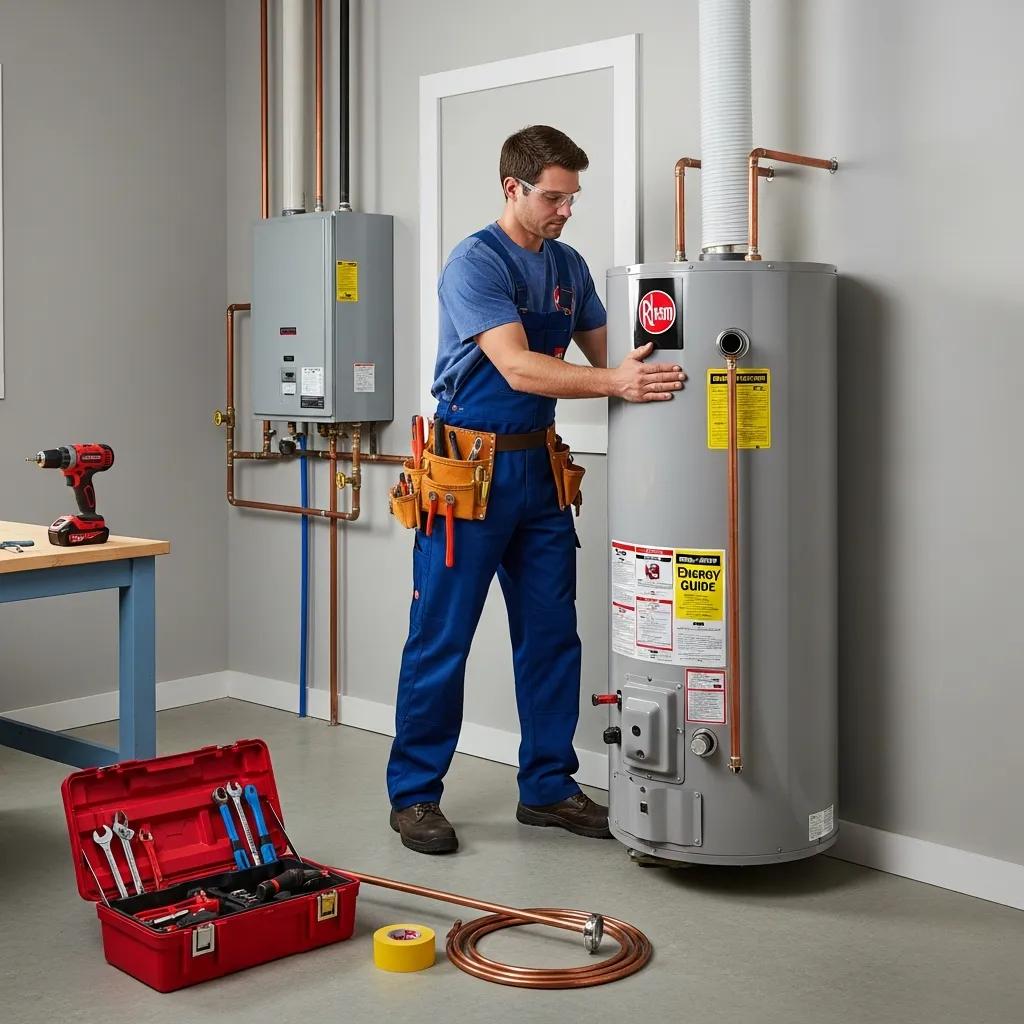
Water heater service restores comfort while improving efficiency and safety. Tank-style heaters store hot water for multiple fixtures at once, while tankless units heat on demand and can cut energy use for certain households. Watch for leaks, fluctuating temperatures, rusty water, or strange noises from sediment—those are signs to call a pro. We size replacements for your household needs, make sure venting and clearances meet code, and recommend maintenance like tank flushing to extend life. The right choice and regular upkeep deliver steady hot water and lower lifetime costs.
Deciding between tank and tankless depends on your usage, budget, and goals for efficiency. Our technicians will assess your home and recommend the best balance of performance and cost for your situation.
Which Commercial Plumbing Solutions Does Frost & Kretsch Offer in Novi?
Commercial plumbing focuses on keeping operations running, meeting regulations, and managing larger-capacity systems. For businesses we provide commercial drain cleaning and hydro-jetting, backflow prevention installation and testing, commercial water heater service sized for high demand, and maintenance plans to reduce unexpected downtime. To limit disruptions we prioritize scheduled work and less-invasive options like targeted pipe lining. The table below compares commercial services, methods, and typical downtime impact.
Comparison of commercial plumbing services and operational impact.
| Service | Method | Downtime Impact |
|---|---|---|
| Commercial drain cleaning | Snaking, hydro-jetting | Short; scheduled during low-traffic hours |
| Backflow prevention & testing | Device installation and certification | Minimal; periodic testing keeps you compliant |
| Commercial water heaters | Large-capacity replacement/maintenance | Moderate; planned work avoids emergency shutdowns |
Knowing these trade-offs helps facility managers schedule work with as little impact as possible.
How Is Commercial Drain Cleaning Essential for Novi Businesses?
Commercial systems handle heavier flows and more grease and solids than homes, so clogs can quickly affect operations and hygiene. Hydro-jetting uses high-pressure water to clear grease, scale, and roots more thoroughly than snaking and often delays reoccurrence. A regular cleaning schedule prevents emergency callouts and keeps peak-hour operations running—protecting revenue and customer experience. Watch for slow drainage across multiple fixtures, persistent odors, or frequent localized snaking as signs you need a planned cleaning. Pairing cleaning with camera inspection helps find weak spots before they fail and enables targeted repairs that keep service running.
Preventive plans that combine cleaning and inspection go hand-in-hand with compliance tasks like backflow testing, which we describe next.
What Backflow Prevention Services Protect Novi Commercial Properties?
Backflow prevention protects your water supply by stopping contaminated water from reversing into the potable system. We install devices to code, perform required testing, and keep the documentation municipalities expect. Regular testing and prompt repairs prevent cross-contamination from irrigation, boilers, or process equipment. Staying on a documented schedule reduces liability, eases inspections, and helps facility managers budget for compliance. When tests fail, we supply certified repairs and re-certification so your business stays protected and compliant.
Good record-keeping and timely corrective work make inspections smoother and reduce the chance of operational interruptions tied to backflow issues.
How Does Frost & Kretsch Provide 24/7 Emergency Plumbing Services in Novi?
We define emergency service by severity, response time, and homeowner actions. Typical emergencies include burst pipes, active sewer backups, major leaks near electrical systems, and sump pump failures during heavy rain—situations that threaten property or safety. Our rapid-response process focuses on immediate triage, temporary containment, and clear communication about repair options and costs. Technicians arrive prepared to address life-safety issues first, then stabilize systems so permanent repairs can be scheduled. Below is a quick checklist homeowners can follow before help arrives.
Immediate homeowner actions during a plumbing emergency are simple but essential:
- Shut off the main water: Stop flow to limit water damage.
- Isolate electrical sources: Cut power if water is near outlets or appliances to prevent shock.
- Contain water: Use buckets, towels, or barriers to protect valuables and limit spread.
These steps reduce damage and let technicians focus on stabilization when they arrive.
On-site mitigation often includes temporary pipe clamps, redirecting flow, or short-term pumping to prevent further flooding until a permanent repair is scheduled. We communicate costs and next steps clearly so you can make informed decisions fast. The following subsection lists emergencies that need immediate attention.
What Common Plumbing Emergencies Require Immediate Attention in Novi?
Certain situations need a professional right away because delay increases structural damage or health risk. Burst pipes can flood rooms quickly and lead to mold if not contained. Sewer backups bring contaminants that require specialized cleanup. Leaks near electrical panels or appliances create fire and shock hazards. Recognizing these emergencies and taking the steps above—shutting off water, isolating power, containing water—helps reduce harm and preserve salvageable property. Faster recognition leads to better results when our team arrives.
Early mitigation also lowers restoration costs and limits secondary damage, tying emergency protocols back to our rapid-response practices.
How Does Rapid Response Minimize Damage from Burst Pipes and Sewer Backups?
Quick response reduces harm by combining immediate containment, temporary on-site repairs, and coordination with restoration pros when needed. Shutting off water and applying temporary clamps or bypasses stops active loss, reduces saturation, and lowers mold risk. Technicians assess damage quickly and recommend either same-day permanent repair or a scheduled replacement based on safety and code. We coordinate with water-remediation specialists so structures are dried properly, preventing long-term issues. Our emergency approach—contain, stabilize, restore—helps shorten recovery time and costs for homeowners and businesses.
Providing temporary fixes while planning durable repairs balances urgency with long-term reliability and informs choices about trenchless methods or excavation when required.
What Are the Latest Sewer Line Repair and Excavation Options in Novi?
Sewer repairs today include trenchless techniques, cured-in-place lining, and traditional open excavation. The best option depends on pipe condition, depth, and how much surface disruption you can accept. Trenchless methods relining or bursting pipes through small access pits preserve landscaping and lower restoration costs. Open excavation is still needed when pipes have collapsed, severe offsets exist, or access prevents trenchless work. Camera inspections reveal root intrusion, sagging, or breaks that guide the best method and make cost estimates more accurate. The table below compares approaches so homeowners can weigh disruption against outcomes.
Overview of sewer repair methods and decision factors.
| Repair Method | Disruption | Typical Cost Factors |
|---|---|---|
| Trenchless repair (lining/bursting) | Low; minimal landscaping impact | Pipe length, access pits, liner material |
| Open excavation | High; full trench and restoration needed | Excavation depth, landscaping, utility rerouting |
| Camera inspection | Minimal; diagnostic step before repair | Inspection length, complexity, reporting |
This overview helps decide when trenchless saves time and when excavation is unavoidable.
When Is Trenchless Sewer Repair the Best Choice for Novi Properties?
Trenchless repair works best for linear defects—small cracks, root intrusion, or offset joints—when the pipe still has continuous alignment for a liner or bursting tool. Suitability depends on pipe diameter, depth, property access, and whether laterals or severe collapses are present. Benefits include less landscaping damage, faster timelines, and lower restoration costs—making trenchless attractive for yards and businesses where downtime is costly. It’s not the right fit if pipes have collapsed, large offsets, or problematic lateral connections. A camera inspection helps determine the most cost-effective plan and whether open excavation is required.
When trenchless isn’t an option, open excavation gives direct access for full replacement. Understanding these trade-offs helps you plan budget and schedule.
How Does Sewer Camera Inspection Improve Plumbing Diagnostics in Novi?
Camera inspection sends a flexible, cable-mounted camera through lines to show root intrusion, sagging (bellies), cracks, and blockages that surface signs can’t reveal. This real-time view removes guesswork, pinpoints defects, and helps us recommend the least invasive fix. Inspection reports often include timestamped footage and measurements to support accurate estimates and prioritize repairs. By narrowing the work scope, camera diagnostics reduce unnecessary excavation and enable targeted interventions that save time and money. Proactive inspections also support smarter long-term maintenance planning.
Clear diagnostics guide whether lining, partial replacement, or full excavation is the right choice based on actual pipe condition.
Frequently Asked Questions
What should I do if I experience a plumbing emergency in Novi?
If you have a plumbing emergency, first shut off the main water to limit damage. If water is near outlets or appliances, isolate electrical power to avoid shock. Use buckets and towels to contain water and protect valuables. After those steps, call a professional like Frost & Kretsch for rapid help—quick action reduces damage and gets systems back to work faster.
How can I maintain my plumbing system to prevent emergencies?
Regular maintenance prevents most emergencies. Schedule inspections for your sump pump, water heater, and drains so small issues are fixed before they grow. Keep gutters and downspouts clear to avoid foundation water, and consider backflow prevention where needed. Be mindful of what goes down drains to prevent clogs. A simple maintenance plan saves money and reduces stress over time.
What are the signs that my water heater needs repair or replacement?
Look for inconsistent hot water, rusty or discolored water, odd noises like popping or rumbling, or leaks around the unit. Any of these signs merit a professional inspection. Timely attention prevents sudden failure and keeps hot water available when you need it.
How often should I have my drains cleaned?
At minimum, have drains inspected or cleaned once a year. If you notice slow drains, recurring backups, or unpleasant odors, schedule cleaning more often. A plumber can recommend the right frequency based on your home’s usage and risk factors.
What is trenchless sewer repair, and when is it used?
Trenchless sewer repair fixes or replaces sewer lines without large trenches—using methods like lining or bursting through small access pits. It’s used when pipes have limited damage (cracks, roots) but remain mostly intact. Trenchless minimizes surface disruption and is ideal for landscaped yards or sites where downtime matters. We typically run a camera inspection first to confirm suitability.
How can I choose the right plumbing service provider in Novi?
Choose a provider with proper licensing, insurance, and solid customer reviews. Look for clear, written estimates and transparent pricing. Local experience and a reputation for timely, quality work matter—ask for references and proof of credentials before hiring. A trustworthy plumber will prioritize your needs and explain options clearly.
How Much Does Plumbing Repair Typically Cost in Novi, Michigan?
Repair costs vary with complexity, parts, and access; a reliable quote needs an on-site assessment. Major cost drivers include labor, replacement parts (valves, pipe), diagnostics like camera inspection, and emergency or after-hours service. We provide transparent, itemized estimates so you understand line items and options before work begins. While ranges differ by job, budgeting for diagnostics plus parts and labor is a good starting point—preventive maintenance also helps avoid higher emergency expenses.
After you understand cost drivers, schedule an assessment for a firm, written estimate and a clear scope of work to authorize.
Are Frost & Kretsch Plumbers Licensed and Insured in Novi?
Yes. Frost & Kretsch Plumbing employs licensed and insured professionals who adhere to local codes and safety standards. Licensing shows verified training and allows us to obtain permits when needed; insurance protects against accidental damage during repairs. You can request proof of license and insurance before work begins and should keep written estimates and warranty documents for your records. Verifying credentials is a quick way to reduce project risk and smooth interactions with municipal inspectors.
Asking for these documents before scheduling work is a small step that raises confidence in the contractor you choose and follows best practices for plumbing projects.
Frost & Kretsch Plumbing is available to Novi customers for assessments, emergency response, and planned maintenance. Our goal is clear: build trust, demonstrate credibility, and make it easy to schedule service or request a free estimate. For direct assistance, call Frost & Kretsch Plumbing at 313-881-2818, email [email protected], or visit our local office at 20315 Mack Ave. Grosse Pointe MI 48236 for in-person inquiries.
Conclusion
Choosing Frost & Kretsch Plumbing means working with licensed, insured professionals who put safety, efficiency, and customer satisfaction first. We handle emergencies and routine maintenance with the same care—helping you protect your property and avoid costly surprises. Schedule regular maintenance and call promptly when problems appear to keep your systems working. Contact us today for a free estimate or to learn more about our full range of plumbing services.