
St. Clair Shores Plumber — Expert Care for Lakefront Homes with Full-Service Plumbing Solutions
Lakefront homes in St. Clair Shores face plumbing challenges most inland properties don’t — high groundwater, seasonal storms, and freeze-thaw cycles demand focused solutions and fast responses. This guide walks homeowners through the systems and steps that protect basements, sewers, and water heaters while preserving living space and property value. You’ll learn how sump pumps, drainage planning, advanced sewer cleaning, water heater service, leak detection, and winterization work together to lower flood risk and control repair costs. We map local lakefront risks to practical actions, explain when it’s time to call a pro, and describe the services that fix each problem. Along the way we include local context for St. Clair Shores — emergency contacts and how to request an estimate — while keeping the focus on clear, actionable advice for waterfront homeowners.
Plumbing Expertise for St. Clair Shores Lakefront Homes
Lakefront plumbing requires a contractor who understands groundwater behavior, coastal drainage, and the equipment that keeps water out of your basement. Choosing experienced local technicians lowers the chance of repeat failures and expensive emergency calls. Companies that offer clear pricing, licensed crews, and reliable warranties make decisions easier and outcomes better after storms or system breakdowns. Frost & Kretsch Plumbing highlights specific advantages for waterfront homes and provides an easy local contact route for urgent needs and follow-up service. Below are the core value points lakefront homeowners care about most.
- 24/7 emergency service so technicians are ready when storms or sudden failures strike.
- Licensed, insured technicians who install and repair to code for safer, more reliable results.
- Transparent, upfront pricing and a 100% satisfaction guarantee to avoid surprises.
- Fast assessment and thorough cleanup to limit damage and get your home back to normal quickly.
- Lakefront-focused solutions — battery-backup sump pumps and custom drainage plans to protect basements.
These benefits give homeowners immediate protection and dependable service, and they set the stage for the specific services and technical guidance that follow. Next, we outline the suite of services built for lakefront properties and how each one addresses common failure modes.
What Unique Benefits Do We Offer for Lakefront Homeowners?
Lakefront properties do best with equipment and maintenance plans tailored to high groundwater and possible storm surge — think high-capacity sump pumps, battery backups, and properly routed discharge lines. A correctly sized primary pump paired with a battery-backed secondary pump keeps basements dry during power outages or pump failures; check valves and sealed basins stop backflow and infiltration. Seasonal maintenance — float-switch testing, discharge-line inspections, and routine pump checks — lowers the chance of failures in the middle of a storm. Those measures protect finishes and mechanical systems while reducing insurance claims and long-term repair costs.
These advantages lead right into how our 24/7 emergency workflow supports rapid mitigation and lasting repairs when incidents happen, which we describe next.
How Does Our 24/7 Emergency Service Ensure Your Peace of Mind?
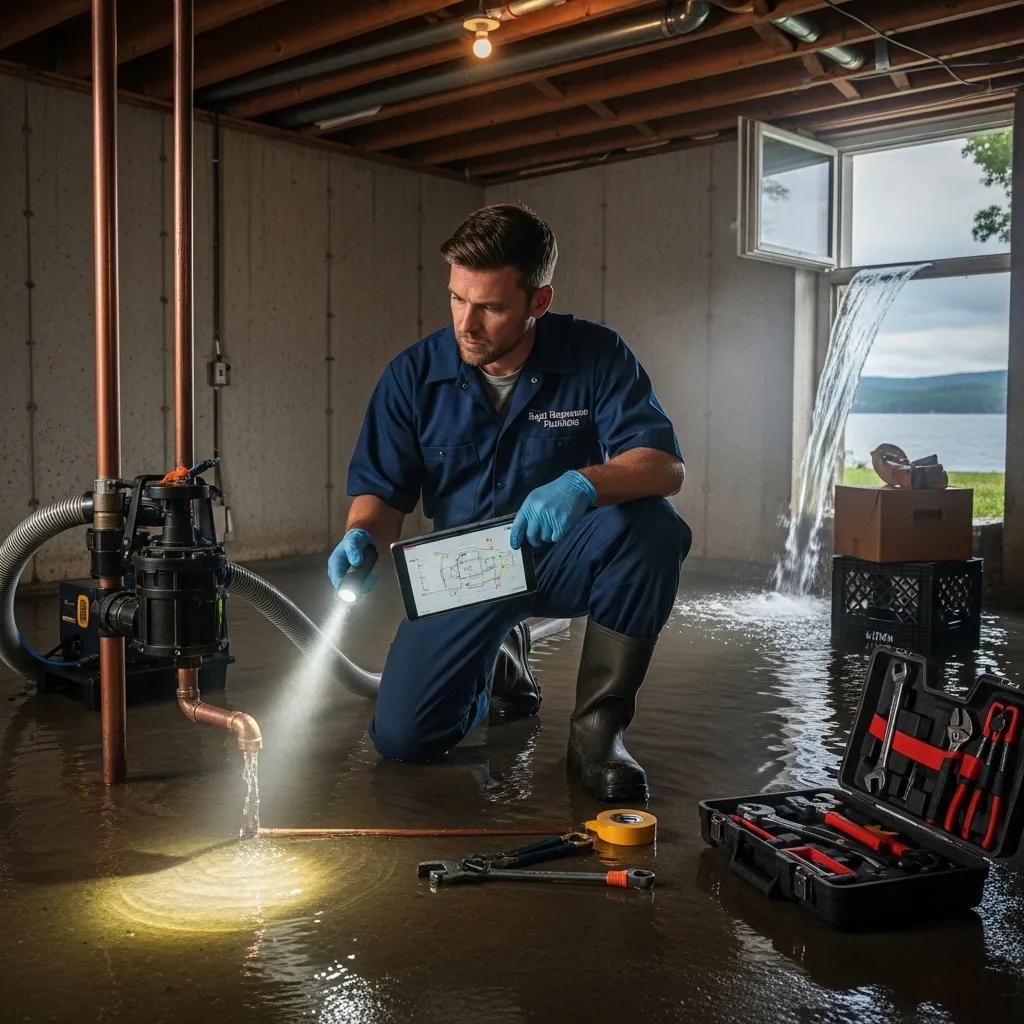
Our emergency process starts with phone triage, immediate mitigation steps to limit damage, and dispatch of a qualified technician to perform temporary fixes and plan permanent repairs. You can expect a focused assessment to find the source — whether a failed pump, burst pipe, or sewer backup — followed by actions like shutting off supply, temporary pumping, or containment to protect finishes. Technicians document the situation, recommend next steps, and schedule full repairs while coordinating cleanup so your home is safe to occupy. This structured response reduces downtime and transitions into scheduled maintenance to help prevent repeats.
With emergency response covered, the next section breaks down the core technical services that protect lakefront basements, drains, and sewer lines.
What Comprehensive Plumbing Services Are Tailored for Lakefront Homes in St. Clair Shores?
Lakefront plumbing combines water-management hardware with diagnostics and targeted cleaning to handle persistent groundwater, debris, and root-related sewer blockages. Sump pump systems, perimeter drainage, hydro-jetting, sewer camera inspection, and focused water-heater work form the foundation of a resilient waterfront plumbing program. Each service targets a specific failure mode: pump reliability, blockage removal, pipe condition, and hot-water availability under changing demand. Below are the primary services commonly used on lakefront properties.
- Sump pump installation and battery backup systems designed for high water tables.
- Basement drainage and discharge routing that move groundwater away from foundations.
- Hydro-jetting and sewer camera inspection to remove roots, sediment, and debris.
- Water heater maintenance and tankless conversion options to keep hot water dependable.
- Leak detection and trenchless repair methods that protect landscaping and minimize excavation.
The table below compares three core service categories to help homeowners decide which investments to prioritize based on lifespan, common problems, and when to call a professional.
Introductory note: This comparison highlights common lakefront plumbing services, expected lifespans, and the issues they address so you can evaluate options.
| Service | Typical Lifespan | Typical Issues Addressed |
|---|---|---|
| Sump Pump System | 5–15 years depending on usage and maintenance | Motor failure, float-switch problems, improper discharge routing |
| Water Heater (Traditional/Tankless) | 8–12 years (traditional); 20+ years (tankless) | Sediment buildup, pilot/ignition issues, freeze risk in cold weather |
| Drain & Sewer Cleaning (Hydro-jetting) | N/A (service-based) | Root intrusion, sediment, grease buildup, recurring backups |
This comparison clarifies which systems need periodic replacement versus regular servicing, helping you prioritize maintenance and budget for future upgrades. Next, we explain how sump pump and drainage solutions work in lakefront situations.
How Do Sump Pump and Drainage Solutions Protect Against High Water Tables?
A sump pump system keeps basements dry by collecting groundwater from perimeter drains or interior catch basins and sending it away from the foundation, relieving hydrostatic pressure and preventing interior flooding. Key components — basin, float switch, discharge pipe, and check valve — detect rising water and activate the pump; the check valve prevents backflow into the basin. Battery backup pumps and secondary units provide redundancy during storm-related power outages, and properly routed discharge prevents water from re-entering near the foundation. Regular maintenance—testing float switches, clearing discharge lines, and checking backup batteries—ensures dependable operation when you need it most.
Knowing how mechanical protection works makes it easier to understand when advanced cleaning like hydro-jetting or camera inspection is required to keep systems flowing.
What Advanced Sewer and Drain Cleaning Techniques Do We Use?
We start advanced drain work with a video camera inspection to locate blockages and assess pipe condition, then choose a targeted cleaning method — often hydro-jetting — to clear roots and accumulated debris without harming the pipe. Hydro-jetting uses high-pressure water to remove grease, sediment, and roots that mechanical snaking can’t fully clear. When pipes are damaged, trenchless repair techniques can fix or replace sections with minimal excavation. Each option has trade-offs: camera inspection gives precise diagnostics, hydro-jetting excels on organic blockages, and trenchless repair preserves landscaping while requiring appropriate access. The right approach begins with a diagnostic inspection to match the method to pipe condition and homeowner constraints.
With cleaning strategies set, we turn to water heaters — another key system that affects comfort and freeze vulnerability.
How Can You Maintain and Repair Water Heaters in St. Clair Shores Lakefront Homes?
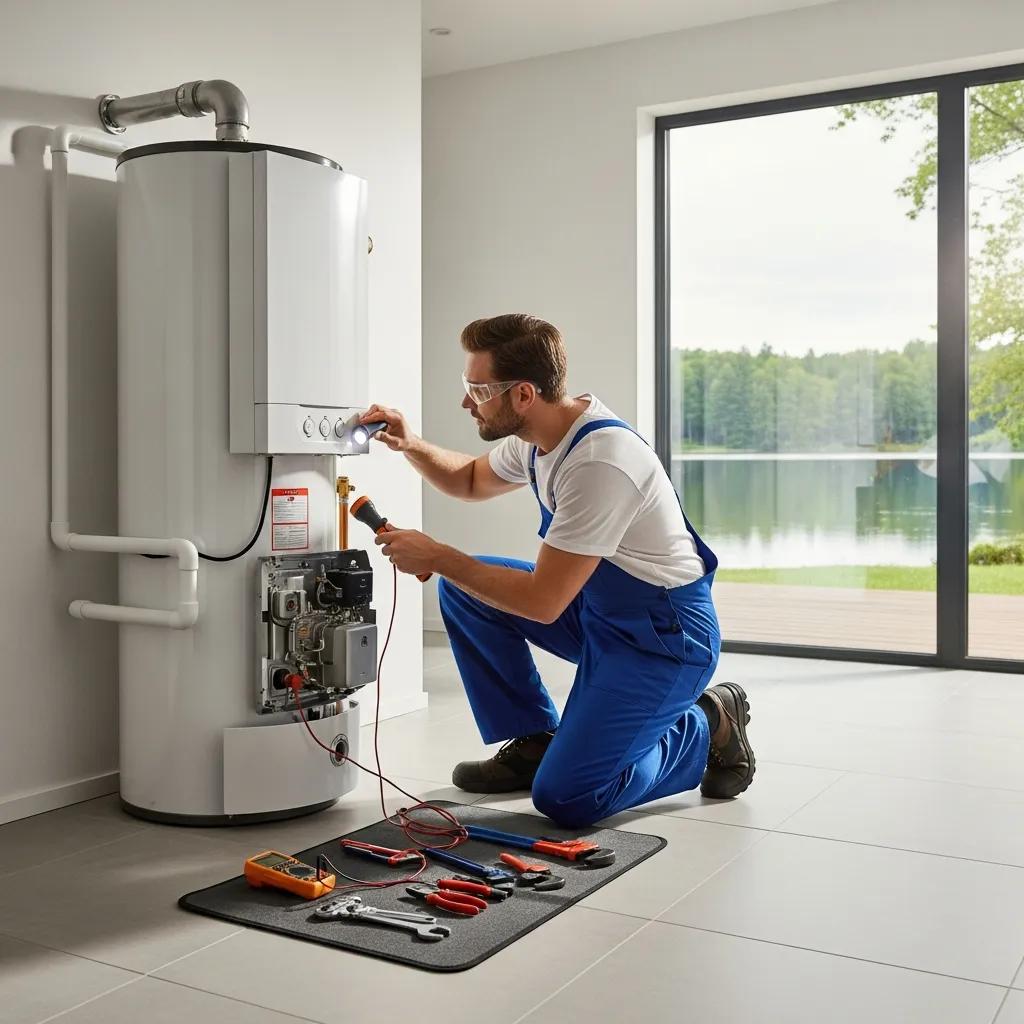
Water heater care for lakefront homes focuses on corrosion control, sediment management, and freeze protection to preserve efficiency and avoid outages when you need hot water most. Flushing traditional tanks removes sediment that reduces recovery and raises energy use, while tankless units need periodic descaling to protect sensors and the heat exchanger. Early signs of trouble include fluctuating temperatures, lower flow, and unusual noises — all reasons to schedule a diagnostic. Regular inspections check pressure relief valves, venting on gas units, and electrical connections; these steps prevent failures and help you decide whether repair or replacement makes the most sense.
The table below compares traditional and tankless water heaters on attributes homeowners care about when choosing equipment for lakefront conditions.
Introductory note: This comparison summarizes energy efficiency, recovery behavior, maintenance needs, and common repair issues to help you pick the right water heater.
| Water Heater Type | Energy Efficiency | Recovery Time | Maintenance Frequency |
|---|---|---|---|
| Traditional Tank | Moderate; standby heat loss possible | Fast for stored hot water | Annual flushing recommended |
| Tankless (On-demand) | High; no standby loss | Continuous hot water, dependent on flow | Descaling every 1–3 years |
| Hybrid / Heat Pump | High efficiency in mild climates | Moderate | Regular maintenance per manufacturer |
This comparison shows tankless systems eliminate standby losses but need scale management in hard-water areas, while tank systems are simple but require flushing to avoid sediment problems. Next we summarize the practical benefits of each option.
What Are the Benefits of Tankless vs. Traditional Water Heaters?
Tankless heaters provide on-demand hot water with better energy efficiency and no standby losses, making them an excellent choice when space and long-term operating cost matter. Traditional tanks offer larger immediate hot-water reserves and straightforward maintenance tasks like flushing, which some homeowners prefer for predictable performance. Tankless units often last longer and can lower monthly energy costs, but they’re sensitive to flow demand and scale buildup and may need descaling more often in hard-water areas. Choose based on installation cost, household hot-water needs, and winter freeze protection for units located near exterior walls.
Selecting and installing the right unit leads into our service workflow and repair timelines, which we cover next.
How Do We Handle Water Heater Repair and Replacement Efficiently?
Our repair process starts with a diagnostic checklist to identify the failure — ignition or element issues, control-board faults, or sediment-related inefficiency — and then evaluates repair versus replacement. Efficient replacement includes proper sizing for household demand, verifying venting and combustion air on gas models, and removing the old unit per local codes. We complete post-installation checks for thermostat calibration, pressure-relief-valve operation, and leak-free connections before leaving. Clear documentation and a scheduled follow-up inspection give homeowners confidence and help avoid repeat service calls.
With water heating addressed, the next major concern for waterfront homes is freeze-related pipe damage and early leak detection.
How Do We Prevent and Repair Frozen Pipes and Leaks in Waterfront Properties?
Preventing frozen pipes on Michigan lakefront properties combines insulation, consistent indoor heat, and seasonal shut-off procedures. Insulate exposed piping — especially exterior runs and unheated crawlspaces — with foam sleeves, heat-trace, and interior cabinet strategies to keep lines above freezing. Early leak detection with acoustic or smart sensors reduces water exposure time and limits damage to finishes and structure. If leaks or bursts occur, immediate steps include shutting valves, isolating the affected section, and arranging controlled thawing or targeted replacement to restore service with minimal collateral damage. These layers of prevention and detection make waterfront plumbing more resilient.
Below is a homeowner-focused winterization checklist to guide seasonal preparations.
Introductory note: This checklist lists key winterization tasks that cut freeze risk and help avoid pipe damage on lakefront properties.
- Insulate exposed pipes and install heat tape where needed to keep lines above freezing.
- Drain and winterize outdoor hose bibs and irrigation lines to prevent ice damage inside pipes.
- Maintain interior heat and close foundation vents to limit cold air in crawlspaces and basements.
These steps significantly reduce freeze risk; consider professional winterization for complex systems or seasonal properties. Next we explain advanced leak detection options and how they work with automatic shutoffs.
What Winterization Techniques Protect Lakefront Plumbing Systems?
Effective winterization combines pipe insulation, controlled interior heating, and thorough shut-off and draining procedures for seasonal homes. Use foam sleeves on exposed pipes, heat-trace cables where runs are vulnerable, and seal gaps in basements and crawlspaces to reduce cold infiltration. For seasonal dwellings, shut off interior water, drain lines, and use RV-safe antifreeze where appropriate. A professional winterization also checks exposed fittings, verifies insulation continuity, and labels shut-off valves so returning occupants can restore service safely. These preventive measures lower the chance of burst pipes and expensive structural repairs.
Good winterization naturally pairs with modern leak detection systems that catch problems early, described next.
How Does Leak Detection Technology Safeguard Your Home?
Modern leak detection combines acoustic sensors, infrared imaging, and smart water sensors that send alerts and can trigger automatic shutoff valves to stop leaks before they escalate. Acoustic systems pick up escaping-water sounds in pressurized lines; infrared helps locate moisture behind finishes; and smart sensors placed near water heaters, sump pumps, and under sinks notify your phone or a monitoring service. Pairing sensors with an automatic shutoff valve limits damage while you arrange repairs. Regular testing and battery backups for critical devices create a layered defense that complements visual checks and routine maintenance.
Preventive systems reduce emergencies, but when something does go wrong fast response is still essential, which we cover next.
What Emergency Plumbing Services Are Available for St. Clair Shores Residents?
Emergency plumbing for St. Clair Shores focuses on immediate mitigation for flooding, sewage backups, and burst pipes, followed by permanent repairs and cleanup to restore safety and habitability. Common emergency services include temporary pumping for flooded basements, emergency pipe repair or bypass, sewer-backup containment, and targeted excavation or trenchless repair when lines are compromised. A short homeowner action list helps limit damage while you wait for service, and technicians document work and recommend follow-up steps to prevent recurrence. Below is a quick action guide you can use during a plumbing emergency.
- Shut off the main water supply if a pipe has burst to stop further flooding.
- Move valuables out of affected areas and turn off electricity in wet zones if it’s safe to do so.
- Contain sewage backups by avoiding toilet/shower use and isolating contaminated areas until pros arrive.
This immediate-action guide pairs with a table that summarizes emergency service types, technician response steps, and recommended homeowner actions to help during a crisis.
Introductory note: The table below summarizes common emergency plumbing interventions, what a technician will typically do, and what homeowners should do immediately to limit damage.
| Emergency Service Type | Typical Response Steps | Recommended Immediate Homeowner Actions |
|---|---|---|
| Burst Pipe Repair | Isolate the leak, apply a temporary clamp or bypass, schedule permanent repair | Shut off the main water valve, move valuables, avoid electrical hazards |
| Sump Pump Failure / Flooding | Temporary pumping, basin repair or pump replacement, drying and cleanup | Turn off power to affected breakers, remove water-sensitive items, notify your insurer if needed |
| Sewer Backup | Contain contamination, camera inspection, hydro-jetting or repair | Avoid toilet/shower use, keep children and pets away, document damage for claims |
This overview sets expectations for emergency visits and shows which homeowner actions most effectively reduce damage. Next, we explain how quickly you can expect a response and describe common lakefront emergencies.
How Quickly Can We Respond to Plumbing Emergencies?
Our emergency response prioritizes quick triage, temporary stabilization, and scheduling permanent repairs. Start by calling and sharing details — the problem type, affected area, and access instructions — so dispatch can send the right technician and gear. We send a licensed tech ready to stabilize the situation (portable pumps, clamps, bypasses) and then coordinate follow-up for full repairs. Knowing your shut-off valve locations, main power for wet areas, and any access notes speeds entry and shortens onsite assessment time, which limits water exposure and secondary damage.
Understanding common lakefront emergencies helps homeowners know when to call for professional help, which we cover next.
What Common Emergencies Do We Handle for Lakefront Homes?
Lakefront properties most often experience sump pump failures during heavy storms, sewer backups from high groundwater and roots, and burst exterior pipes from freeze-thaw cycles — each requiring tailored mitigation to limit structural and environmental damage. Typical pro responses include temporary pumping and containment for sump failures, camera diagnostics and hydro-jetting for backups, and targeted replacement for burst lines, along with cleanup to manage contamination and mold risk. Quick homeowner actions — shutting off water, removing valuables, and following safety guidance — speed recovery. Watch for early signs like gurgling drains, damp basement walls, or sudden pressure drops and call before a small problem becomes a big one.
After emergency services, the final section explains how to request an estimate and where to find local feedback on St. Clair Shores plumbing help.
How Can You Request a Free Estimate and Read Customer Testimonials for St. Clair Shores Plumbing?
Requesting a free estimate usually means sharing basic property details, a short description of the issue, and photos or videos to help technicians prepare for an accurate onsite assessment; that reduces time on site and improves estimate precision.
When collecting quotes, include the service address, system ages (sump pump, water heater), and any recent incidents to prioritize diagnostics. Frost & Kretsch Plumbing accepts estimate requests by phone and email; call the number or send an email to start scheduling, and have property and issue details ready for a faster response. Below are steps and considerations to prepare for an estimate and check local service quality.
- Gather property information and a brief problem description to speed the estimate process.
- Attach photos or short videos of the affected area so technicians can pre-assess tools and parts needed.
- Ask about licensing, insurance, and warranty terms during the initial estimate call to confirm protections.
These steps make estimates faster and more accurate and help you choose the right provider. The next subsection explains what local customers say and how scheduling works in practice.
What Do Local Customers Say About Our Lakefront Plumbing Services?
Local reviews show how reliably a contractor responds, how thorough cleanup is, and whether repairs hold up in lakefront conditions where repeat issues are costly. Homeowners most often praise fast response times and careful post-service cleanup. Look for reviews that mention lakefront-specific work — battery backups, discharge routing, winterization — to confirm the contractor’s waterfront experience. Asking for references from similar projects can further validate a contractor’s capability for waterfront conditions.
This real-world feedback helps homeowners pick a contractor familiar with lakefront challenges. The final subsection explains how to schedule services or request an estimate.
How Do You Schedule a Service Appointment or Request an Estimate?
Scheduling starts with a clear problem description, service address, and best contact number so technicians can confirm access and equipment needs before arrival. Sending photos and noting prior repairs helps deliver a more accurate estimate. You can call the business phone, email details, or use a contact form to attach images; include preferred access times and any gate codes or parking notes. After initial contact expect a confirmation message that outlines the technician’s arrival window, diagnostic-fee policy (if any), and any prep steps to take — like clearing the work area. Clear scheduling reduces delays, improves estimate accuracy, and speeds repairs.
This guidance completes the homeowner roadmap for assessing, preventing, and repairing lakefront plumbing problems and for engaging local service providers efficiently.
20315 Mack Ave. Grosse Pointe MI 48236 | [email protected] | (313) 881-2818
Frequently Asked Questions
What should I do if my sump pump fails during a storm?
If your sump pump fails during a storm, first cut power to the pump to avoid electrical hazards. Move valuables out of the affected area and, if water is rising, use a portable pump temporarily if one is available. Call a professional plumber right away to assess the failure and arrange repair or replacement. Keep your emergency contact information handy so you can act quickly.
How can I tell if my water heater needs maintenance?
Watch for signs like fluctuating water temperatures, strange noises (popping or rumbling), reduced hot-water supply, or visible leaks and corrosion. These indicate the unit needs attention. Routine maintenance — flushing a tank annually or descaling a tankless unit every 1–3 years — extends life and improves efficiency. Schedule an inspection if you notice any of these symptoms.
What are the risks of ignoring plumbing issues in lakefront homes?
Leaving plumbing problems unchecked in lakefront homes can cause significant structural damage, mold growth, and escalating repair costs. High groundwater and storms worsen leaks and sump-pump failures, increasing flood risk. Untreated sewer backups pose health hazards and property loss. Regular maintenance and prompt repairs protect your investment and keep your home safe.
How often should I have my plumbing systems inspected?
For lakefront properties, an annual inspection is a good rule of thumb. That should include sump pumps, water heaters, and drainage systems. Add seasonal checks before heavy rain and before winter to catch potential issues early and schedule repairs before they become emergencies.
What are the benefits of trenchless repair methods?
Trenchless repairs minimize digging, preserving landscaping and reducing disruption to your yard. They’re often faster and can be less expensive than full excavation since they require less labor and time. Trenchless methods also extend pipe life by repairing or relining lines without major excavation, making them an attractive, less invasive option for waterfront properties.
How can I prepare my plumbing for winter?
Insulate exposed pipes, especially in unheated areas, with foam sleeves or heat tape. Drain outdoor hoses and irrigation lines to prevent freezing. Keep a steady indoor temperature and open cabinet doors to let warm air circulate around plumbing. For seasonal properties, consider professional winterization to ensure systems are properly shut down and protected.
What should I look for in a plumbing service provider?
Look for experience with lakefront properties and an understanding of challenges like high groundwater and storm-related issues. Choose licensed and insured technicians, clear pricing, and positive local reviews. A provider offering 24/7 emergency service and solid warranties gives added peace of mind. Ask about ongoing maintenance plans to keep your systems reliable.
Conclusion
Protecting your St. Clair Shores lakefront home from plumbing problems preserves property value and keeps your family safe. Tailored solutions — advanced sump systems, battery backups, and regular maintenance — dramatically lower flood risk and costly repairs. Our services are designed for waterfront conditions and built to give you confidence when storms or freezes threaten. Contact us today to learn how we can help safeguard your home and respond quickly when you need us.