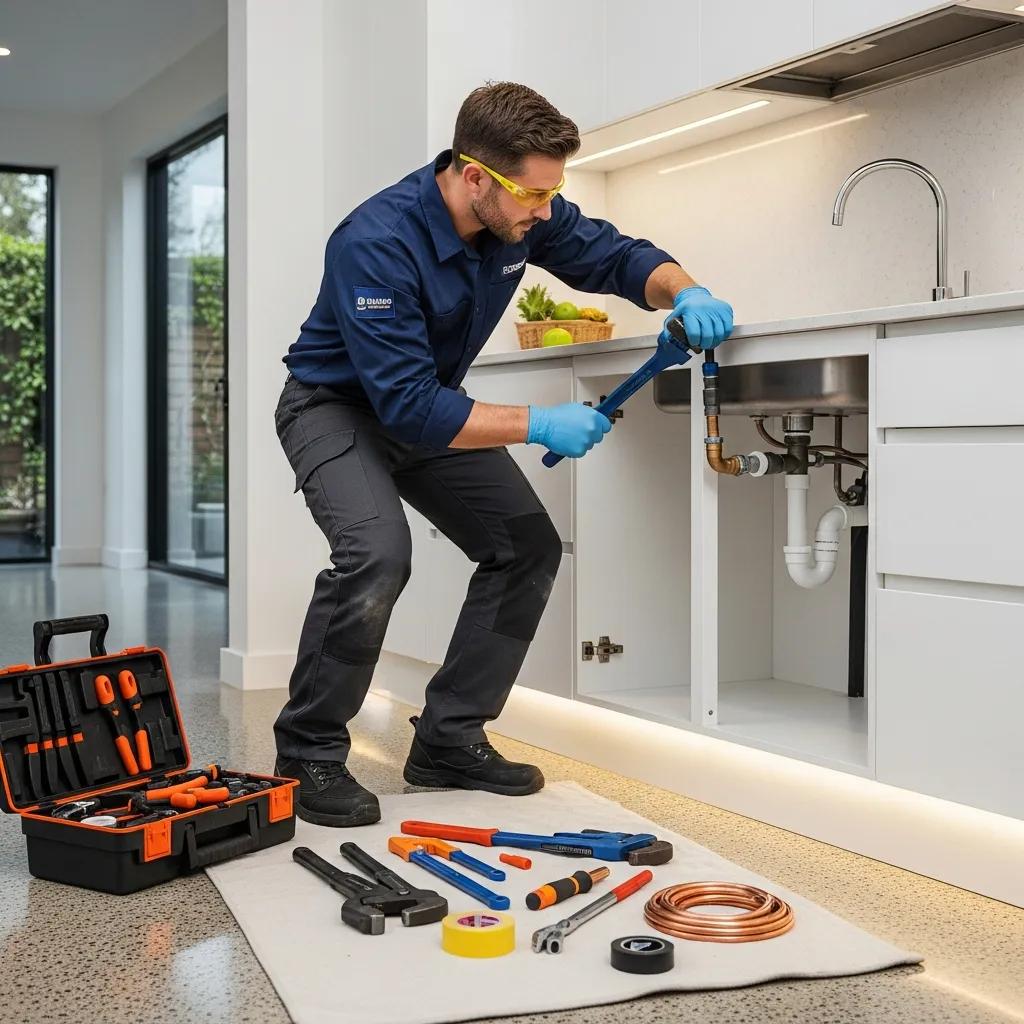
Sterling Heights Plumber: Residential & Commercial Plumbing Experts for Reliable Solutions
Frost & Kretsch Plumbing Inc. is a local Sterling Heights plumbing team serving both homes and businesses with dependable service and 24/7 emergency coverage to limit downtime and property damage. This guide walks through the common plumbing needs we see here — from professional diagnostics and minimally invasive excavation to modern drain-cleaning methods that stop recurring problems. Homeowners and business owners will learn when to call a plumber, what to expect for water heater or sewer work, and how our emergency response helps contain costs and damage. We also cover commercial maintenance like grease trap service and backflow testing to keep operations compliant. Read on for practical triage steps, service comparisons, and easy ways to request service or a free estimate from a local Sterling Heights plumbing team. Throughout, we use local search terms like plumber Sterling Heights, emergency plumber Sterling Heights, and water heater repair Sterling Heights to help you find the right help fast.
Why Choose Frost & Kretsch Plumbing for Sterling Heights Plumbing Services?
Picking the right Sterling Heights plumber comes down to licensed, insured technicians, clear pricing, and work you can count on. Our team follows safety protocols, uses reliable diagnostic tools, and documents each job so repairs stay solid over time — which is why professional service is often the most cost-effective choice. Upfront pricing and a satisfaction promise remove surprises from estimate to completion, while minimally invasive excavation preserves landscaping and speeds restoration. Because we handle both residential and commercial work, we bring the same standards whether you’re a homeowner with a water heater issue or a manager managing grease-trap compliance. Below are the core reasons neighbors choose us.
- Licensed, insured technicians who document work and follow safety standards.
- 24/7 emergency response to limit damage from burst pipes and backups.
- Upfront, transparent pricing and a 100% satisfaction guarantee for peace of mind.
- Minimally invasive excavation and modern diagnostics to reduce disruption and restore service quickly.
These points are the baseline for choosing a trusted Sterling Heights plumber and lead into the technician qualifications and emergency-response details below.
What Makes Our Licensed and Insured Technicians Stand Out?
Our technicians pair formal licensing with years of field experience to find and fix complex problems quickly. They follow a clear process — inspect, diagnose, explain options, then perform agreed repairs — which cuts uncertainty and shortens repair times. Insurance protects property owners in the rare event of accidental damage. Technicians use camera inspections for sewer lines, electronic leak detectors for hidden leaks, and component-level repairs for water heaters (elements, thermostats) so we can target the actual problem. Regular training and up-to-date equipment let us recommend trenchless solutions when they make sense or excavation when it’s necessary, balancing upfront cost and long-term performance. That reliability is especially important when you need our 24/7 emergency service.
How Does Our 24/7 Emergency Service Benefit Sterling Heights Residents?
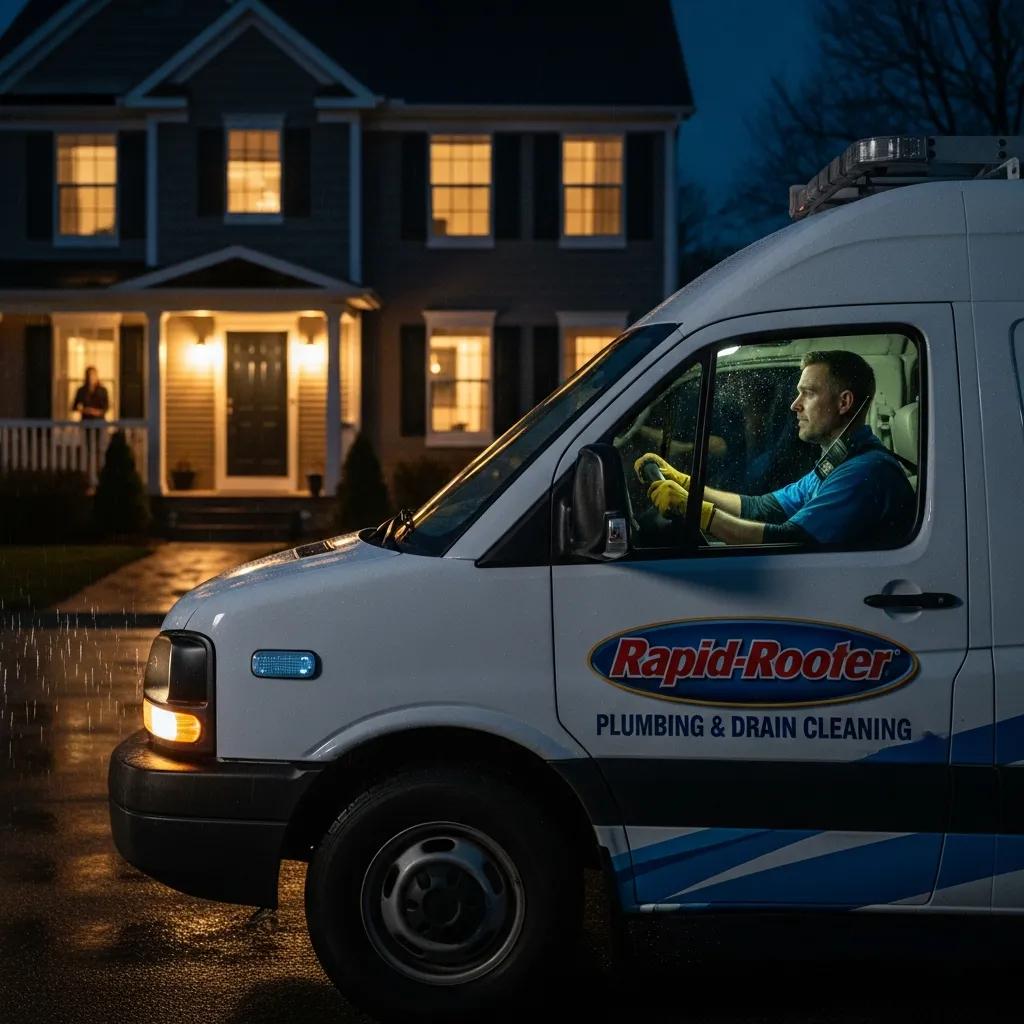
Round-the-clock emergency plumbing reduces water damage, health risks from sewage backups, and business interruptions by stabilizing the problem fast. Common emergencies are burst pipes, major leaks, and sewer backups that need immediate shut-off, containment, and temporary repairs to avoid structural or mold damage. Our emergency workflow is simple: quick call triage, dispatch of a trained technician, on-site stabilization (shut off water, contain leaks), then an initial estimate before major work. Fast response lowers secondary damage and total restoration costs. Knowing the right steps to take in the first minutes after a failure helps limit the impact — we cover those steps next for homeowners.
What Comprehensive Residential Plumbing Services Are Available in Sterling Heights?
Residential plumbing in Sterling Heights includes water heater repair and installation, leak detection, frozen pipe thawing, sump pump service, fixture repair, and drain cleaning — the services most homeowners need. Good residential service begins with diagnostics that find the root cause (camera inspections for sewer lines, electronic leak detection for slab leaks) and then lays out repair versus replacement options with clear cost and lifespan trade-offs. Preventive maintenance like scheduled drain cleanings and sump pump checks reduces emergencies and extends system life, while timely water heater service improves safety and efficiency. The quick comparison table below shows when to call for repair, replacement, or routine service.
| Home System | Service Type | Typical Reason to Call |
|---|---|---|
| Water Heater | Repair, Installation, Replacement | Not enough hot water, visible leaks, or failing components |
| Drain System | Inspection, Hydro-jetting, Snaking | Slow drains, recurring clogs, or bad odors |
| Leak Detection | Electronic, Camera, Thermal | Hidden leaks in walls/foundations or unexplained high water bills |
This comparison helps homeowners pick the right action based on condition and budget. The sections below go deeper into water heater service and leak/frozen-pipe solutions.
How Do We Handle Water Heater Repair and Installation in Sterling Heights Homes?
Water heater work starts with a focused diagnostic: note symptoms, inspect the tank and components (elements, thermostat), and test for sediment or failing parts. We often repair single component failures, but recommend replacement when a unit shows heavy corrosion, multiple failures, or poor efficiency. We’ll present both options with expected timelines and lifespan guidance. Minor repairs and diagnostics are often same-day; replacements typically take one to two days depending on parts and system complexity. Technicians follow strict safety steps for gas and electrical connections. Regular maintenance like flushing sediment and checking the sacrificial anode helps extend your heater’s life and improve efficiency — a small investment that avoids emergency replacement.
What Solutions Do We Offer for Leak Detection and Frozen Pipe Thawing?
We use non‑invasive leak detection — electronic sensors, acoustic tools, and targeted camera inspections — to find leaks behind walls, under slabs, or in yards without unnecessary demolition. Results guide whether a localized repair or excavation is the right choice. For frozen pipes we follow a safety-first thawing process: isolate the affected section, apply controlled heat, and monitor pressure to avoid ruptures. We also recommend insulation and heat-trace for repeat freeze spots. Winter-prep tips include insulating exposed pipes, keeping a steady indoor temperature, and shutting off and draining outdoor lines. Early detection and preventive steps cut the risk of major failures and lengthen system life — and they reduce emergency calls during Michigan winters.
Which Expert Commercial Plumbing Solutions Serve Sterling Heights Businesses?

Commercial plumbing focuses on capacity, regulatory compliance, and keeping businesses running. We provide commercial drain cleaning, hydro‑jetting, grease trap service, backflow testing, and commercial pipe repair. Businesses need maintenance schedules and documentation for health-code compliance and to avoid downtime; we use scaled techniques — like hydro‑jetting for heavy buildup and scheduled grease-trap pumping — to protect operations. Frequency depends on use: high-volume kitchens may need monthly service while light-use sites can be quarterly. The table below links services to recommended schedules and business types that benefit most.
| Service | Recommended Frequency | Recommended Business Types |
|---|---|---|
| Grease Trap Service | Monthly to quarterly | Restaurants, cafeterias, food service |
| Hydro-jetting Drain Cleaning | Annually or as needed | Retail, manufacturing, multi-unit buildings |
| Backflow Testing | Annually or per local requirement | Any facility with irrigation or cross-connections |
This comparison helps business owners plan maintenance budgets and lower emergency risk. The following sections explain drain cleaning and backflow testing in more detail.
How Is Commercial Drain Cleaning and Grease Trap Service Managed?
For commercial drains we use mechanical snaking for local clogs and hydro‑jetting for heavy grease and mineral buildup — hydro‑jetting removes biofilm and scale for a more complete clean. Grease trap service includes scheduled pumping, cleaning, and documentation so you can demonstrate compliance and avoid upstream blockages that stop operations. We schedule work outside peak hours when possible and suggest operational best practices — screens, staff training, and proper disposal — to limit grease going down drains. Clear service records and prevention steps reduce regulatory risk and improve pipe life, which makes backflow testing and repair the next important topic.
What Are Our Backflow Testing and Pipe Repair Services for Commercial Clients?
Backflow testing follows a standard procedure: isolate the test assembly, measure pressure differentials, and document pass/fail results. We keep certification records and retest as required for compliance and insurance. When tests fail, remediation can include valve replacement or targeted pipe repair; we provide written recommendations and timelines for corrective work. Commercial pipe repair ranges from spot fixes to full section replacements and we coordinate with building managers to minimize operational impact. Regular maintenance and timely repairs cut the chance of service interruptions and regulatory issues — and they tie directly into our 24/7 emergency readiness for businesses that can’t afford long outages.
How Does Frost & Kretsch Provide 24/7 Emergency Plumbing in Sterling Heights?
Our emergency service centers on fast triage, on-site stabilization, and clear next-step estimates so homeowners and managers know risks and options. We handle burst pipes, sewer backups, and major leaks that threaten structure or health by isolating water, containing discharge, and preventing contamination. The typical emergency flow is intake and triage, dispatch of a trained technician, on-site assessment and stabilization, then an upfront estimate before major repairs — keeping resolution time short and pricing transparent. The table below summarizes common emergencies, response expectations, and immediate homeowner actions.
| Emergency Issue | Typical Response Time | Immediate Action for Homeowner |
|---|---|---|
| Burst Pipe | Rapid dispatch; same-day stabilization | Shut off main, contain water, call emergency service |
| Sewer Backup | Rapid dispatch; protective containment | Avoid flushing, block affected drains, call for help |
| Major Leak | Rapid assessment and temporary repair | Turn off supply, move valuables, document damage |
This quick reference gives actionable guidance for high-impact events and leads into the immediate steps homeowners should take before help arrives.
- Shut off the water supply: Stopping flow limits flooding and pressure on damaged pipes.
- Contain and protect possessions: Move furniture and electronics away and use buckets or towels to limit spread.
- Call for emergency service and document: Report the issue, describe symptoms, and take photos for insurance and repair planning.
Those steps reduce immediate damage and get your home ready for a safe, faster technician response. For urgent needs, the company summary below describes our service area and key values from local listings.
From SERP report: Frost & Kretsch Plumbing is an established plumbing company based in the Grosse Pointe area serving Macomb, Oakland, and Wayne Counties. We offer residential and commercial plumbing, 24/7 emergency service, drain cleaning, water heater repair and installation, sewer line work, and excavation. Key value points listed: 24/7 Emergency Service; 100% Satisfaction Guarantee; Transparent Upfront Pricing; Licensed and Insured Technicians; Comprehensive Service Range; Minimally Invasive Excavation. Owner: Dave Kretsch.
After stabilization, our technicians provide a clear written estimate before major repairs so customers aren’t surprised by costs. For larger remediation projects, we recommend requesting a free estimate.
What Are Common Emergency Plumbing Issues and Rapid Response Protocols?
Typical emergencies include burst pipes, major leaks, sewer backups, and catastrophic water heater failures — all of which need immediate containment to protect structure and health. Our rapid-response protocol focuses on shutting off supply, locating the failure point, temporary stabilization (patches or bypasses), and clearing obstructions to prevent repeat events. Technicians document conditions to guide permanent repair planning. Arrival times vary with call volume and distance, but our goal is same‑day triage for most urgent calls, then prioritized scheduling for permanent fixes. Homeowners who prepare access info and utility shut-off locations speed diagnostics and reduce total repair time and cost.
How Is Transparent Pricing Ensured During Emergency Services?
Transparent pricing starts with an initial assessment that separates immediate stabilization from larger repairs. We provide an estimate before significant work so you can consent knowingly. Technicians explain parts versus labor, note after-hours or urgency charges, and document scope so you can compare options. That upfront communication cuts disputes and helps you decide between a quick temporary fix and scheduling a full repair. Always request a written estimate for larger jobs and confirm what immediate steps are included so you maintain budget control during a stressful event.
What Specialized Plumbing Services Are Offered in Sterling Heights?
Specialized services address aging infrastructure and complex failures: trenchless sewer relining and pipe bursting, water main repair, gas line repair, and advanced drain work using hydro‑jetting or camera-guided intervention. These jobs require careful diagnostics — camera inspections, locates, and soil checks — to determine whether trenchless methods or open excavation best meet your goals for cost, longevity, and property restoration. We handle permits and restoration coordination for larger projects, and minimally invasive excavation when possible to limit disruption and shorten timelines. The table below summarizes repair types and expected property impact to help you choose the right option.
| Repair Type | Key Attributes | Typical Impact on Property |
|---|---|---|
| Trenchless Sewer Repair | No-dig relining or pipe bursting | Minimal surface disruption; faster restoration |
| Open Excavation | Direct pipe replacement | More surface disruption; allows full replacement |
| Water Main Repair | Sectional repair or replacement | Temporary service interruption; coordinated restoration |
Knowing the trade-offs between trenchless and excavation methods helps property owners choose solutions that match budget, timeline, and restoration goals. The next sections explain when excavation is needed and how we manage gas‑line safety and drain cleaning.
How Do Sewer Line Excavation and Water Main Repair Address Aging Infrastructure?
Diagnostics for sewer and main issues start with camera inspection and line locates to spot breaks, root intrusion, or heavy corrosion. If conditions allow, trenchless relining or pipe bursting minimizes landscape disruption and lowers restoration costs. When pipes are collapsed, misaligned, or too damaged, open excavation provides a full replacement and correct bedding but requires more restoration work. Trenchless repairs can often finish in one to several days; excavation projects may take longer depending on scope, permits, and coordination with restoration crews.
What Are Our Gas Line Repair and General Drain Cleaning Capabilities?
Gas line repair focuses on strict safety steps: isolate the line, cap where needed, perform pressure testing, and coordinate with specialists to ensure code‑compliant restoration. For drains, we use mechanical snaking for local obstructions and hydro‑jetting for stubborn grease and scale, then verify results with camera inspection. Regular drain maintenance — annual to biannual for many properties — reduces buildup that leads to backups and expensive repairs. Keeping gas emergency protocols separate from routine drain work ensures both safety and clarity in scheduling and response.
How Does Frost & Kretsch Plumbing Support the Sterling Heights Community?
Our local focus is simple: dependable service, clear communication, and quick response for Sterling Heights homes and businesses so plumbing systems stay safe and functional. We document work, give straightforward estimates, and teach customers preventive maintenance that lowers emergency risk and long‑term costs. Local reviews and job histories back up our work and help future customers understand typical results. To make scheduling faster, prepare basic info before you call — service type, location in the building, and symptoms — so we can provide a more accurate estimate on the first visit.
- Have basic details ready when scheduling to speed the estimate process.
- Ask for documented scope and receipts for records and insurance claims.
- Consider a preventative maintenance plan to reduce emergency risk and lifecycle costs.
From SERP report: Frost & Kretsch Plumbing is a long-standing plumbing company serving the Grosse Pointe area and parts of Macomb, Oakland, and Wayne Counties. Services include residential and commercial plumbing, emergency response, drain cleaning, water heater repair and installation, sewer line work, and excavation. Noted USPs: 24/7 Emergency Service; 100% Satisfaction Guarantee; Transparent, Upfront Pricing; Licensed and Insured Technicians; Wide Service Range; Minimally Invasive Excavation. Owner: Dave Kretsch.
What Testimonials Reflect Our Commitment to Sterling Heights Customers?
Local testimonials commonly call out fast response, clear estimates, and repairs that last — without sharing direct quotes here. Reviewers especially value prompt emergency help and technicians who explain the fix in plain language. We encourage satisfied customers to leave feedback that describes the problem, what we did, and the result; that kind of detail helps neighbors evaluate whether our work fits their needs. Collecting reviews also shows patterns that help us improve schedules and maintenance offerings. Responsible use of local testimonials builds trust and helps prospective clients pick a reliable Sterling Heights plumbing partner.
How Can Residents Schedule Service or Request a Free Estimate?
To schedule service or request a free estimate, have a short description of the problem, the location in your home or building (basement, kitchen, etc.), recent symptoms (noises, smells, flow issues), and any system details you know (water heater age, previous repairs). Expect a scheduling window, a technician arrival protocol, and a diagnostic visit that outlines options and an estimate. For larger jobs, ask for written estimates and timelines before work begins. If you need emergency response, follow immediate safety steps — shut off water, contain the area, document damage — and request an expedited assessment to stabilize and plan repairs. The business summary below restates our coverage and services for quick reference.
From SERP report: Frost & Kretsch Plumbing is an established plumbing business operating in the Grosse Pointe area and serving Macomb, Oakland, and Wayne Counties. Primary services: residential and commercial plumbing, emergency services, drain cleaning, water heater repair and installation, sewer line services, and excavation. UVPs: 24/7 Emergency Service; 100% Satisfaction Guarantee; Transparent Upfront Pricing; Licensed and Insured Technicians; Comprehensive Service Range; Minimally Invasive Excavation. Owner: Dave Kretsch.
This closing note restates our service scope and invites Sterling Heights residents and business owners to prepare key details and request a free estimate or emergency assistance when needed.
Frequently Asked Questions
What should I do if I experience a plumbing emergency at night?
First, shut off the main water supply to stop further flooding. Contain leaks with buckets or towels and avoid using toilets or sinks tied to the affected lines. Call a 24/7 emergency plumber like Frost & Kretsch Plumbing and give clear details about the issue. Take photos for insurance and to help the technician diagnose the problem faster when they arrive.
How can I prevent plumbing issues during winter?
Insulate exposed pipes, keep your home at a steady temperature, and disconnect and drain outdoor hoses. During extreme cold, letting faucets drip slightly can relieve pressure and prevent freezing. Schedule a maintenance check before winter to catch vulnerable pipes or aging equipment early.
What are the signs that I need to replace my water heater?
Look for inconsistent hot water, rust or corrosion on the tank, loud popping or rumbling noises, and leaks around the base. If the unit is 10–15 years old or your energy bills have jumped, replacement may be the more reliable, cost‑effective option.
How often should I schedule drain cleaning services?
Annual drain cleaning is a good baseline for most homes. If you see slow drains, recurring clogs, or bad odors, increase the frequency. Commercial kitchens and high‑use facilities often need quarterly or monthly cleanings to stay compliant and avoid downtime.
What is the process for backflow testing, and why is it important?
Backflow testing checks pressure differentials in the system to make sure water can’t flow backward and contaminate the public supply. We isolate the test assembly, measure pressures, and document the results. Many municipalities require annual testing, especially where irrigation or cross‑connections exist, because backflow incidents pose serious health risks.
What should I look for when choosing a plumbing service?
Choose licensed, insured technicians and a company with transparent pricing and a satisfaction guarantee. Check local reviews for responsiveness and quality, and confirm they handle emergency calls if you need fast service. A reputable plumber will communicate clearly and provide documentation for major jobs.
Conclusion
Frost & Kretsch Plumbing delivers experienced, dependable plumbing for Sterling Heights homes and businesses. Our licensed technicians offer clear pricing and 24/7 emergency response to reduce downtime and protect your property. Understanding your options and keeping up with preventive maintenance helps you avoid costly emergencies and extend system life. Contact us today to schedule service or request a free estimate and see the difference local, professional plumbing care makes.