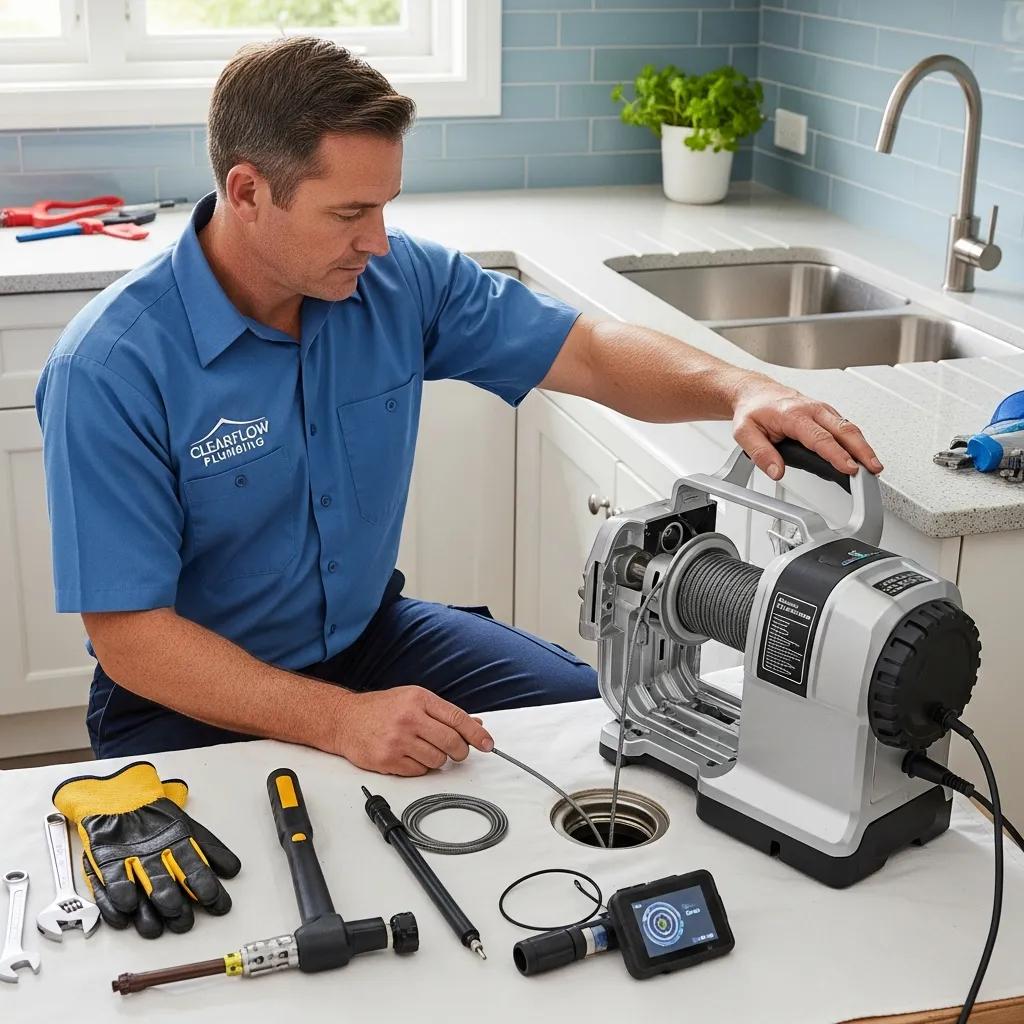
Drain Cleaning in Grosse Pointe Farms, MI — Reliable Solutions for Homes & Businesses
Fast, thorough drain cleaning keeps water flowing and prevents costly damage. We remove blockages, diagnose line problems, and restore sewer function for both houses and businesses in Grosse Pointe Farms. This guide walks you through the most common local drain and sewer issues, how professionals diagnose them, and the treatment options—from simple snaking to hydro jetting and camera inspection. You’ll learn how to spot emergencies, when to choose a quick diagnostic vs. a full repair, and practical maintenance steps to cut down on interruptions. Throughout, we explain how licensed technicians, clear pricing, and service guarantees protect your property and budget. By the end you’ll be able to recognize main sewer-line clog symptoms, take immediate steps to limit damage, and understand the typical professional workflow for diagnosis, cleaning, and long-term prevention.
Why Choose Frost & Kretsch Plumbing for Drain Cleaning in Grosse Pointe Farms?
Good drain work starts with accurate diagnosis, the right tools, and straightforward pricing. Frost & Kretsch Plumbing brings the local experience and trust signals that matter: licensed, insured technicians, minimally invasive diagnostics, and clear guarantees so you won’t get surprise bills. Those strengths mean faster fixes, fewer repeat visits, and better protection for your pipes—whether the issue is a main sewer line, kitchen drain, or a commercial grease system. Below are the core reasons neighbors pick us.
- 24/7 emergency response for backups and overflows.
- Licensed, insured technicians who stay current with training.
- Upfront estimates and transparent pricing with a satisfaction guarantee.
- Minimally invasive options using diagnostic tools such as sewer cameras.
Those trust signals lead to quicker diagnoses, predictable costs, and fewer unnecessary digs when alternatives exist. Read on for details about our residential and commercial services and how advanced methods improve long-term reliability.
What Unique Benefits Do Our Licensed Plumbers Offer?
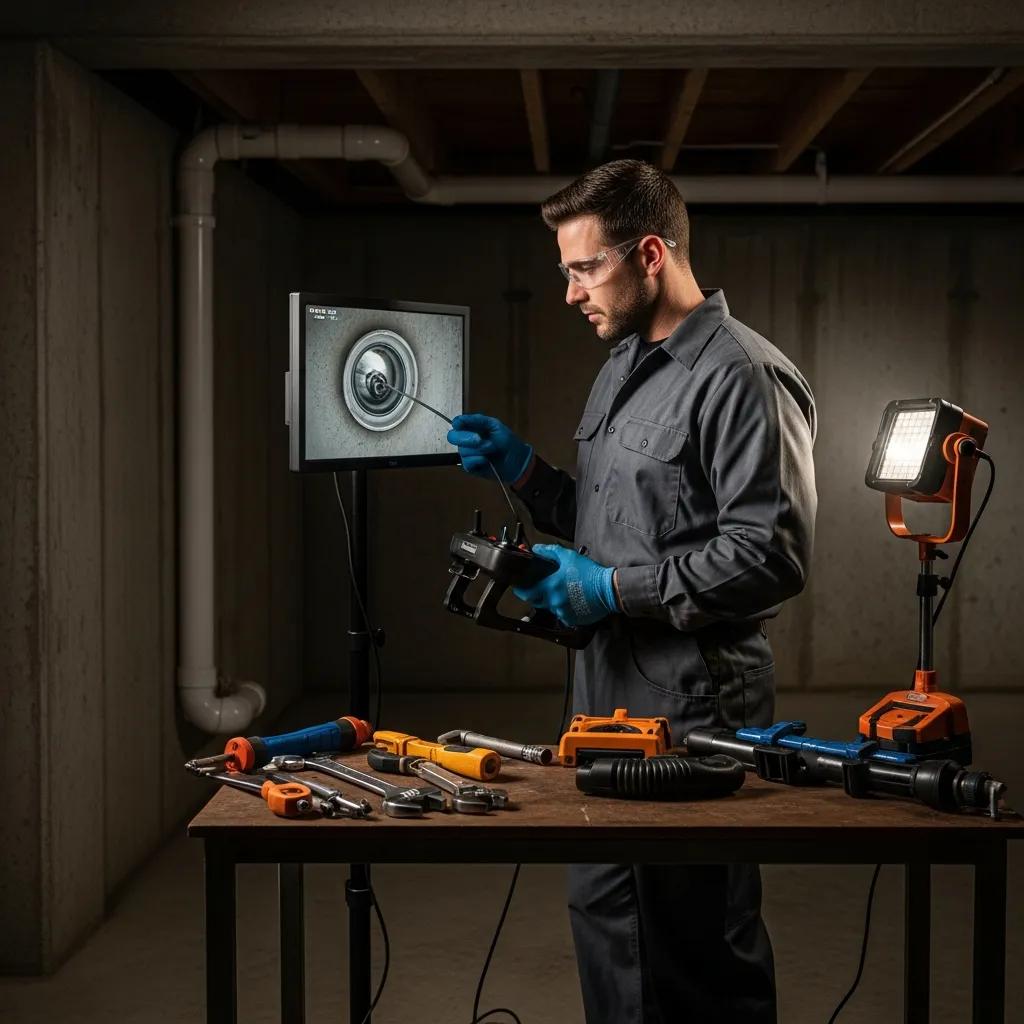
Licensed plumbers bring training, code knowledge, and safety practices that improve diagnosis and reduce the chance of mistakes. Licensing means technicians understand local materials and building codes, which is important for older plumbing often found around Grosse Pointe Farms. That expertise produces more accurate estimates, safer temporary fixes during emergencies, and fewer return visits. Working with licensed and insured professionals also lowers liability for homeowners and business owners and leads to longer-lasting repairs.
How Does Our 24/7 Emergency Service Ensure Rapid Response?
Our emergency workflow starts with call triage to gauge severity, then dispatches a licensed technician with the right diagnostic tools. On site, we isolate affected fixtures, check access points and cleanouts, and apply temporary measures—controlled snaking or containment—to stop further overflow. Once stabilized, we recommend next steps: targeted jetting, camera inspection, or trenchless repair. This approach limits immediate damage and creates a clear path to permanent restoration with minimal disruption to your home or business.
What Residential and Commercial Drain Cleaning Services Are Available in Grosse Pointe Farms?
Drain services range from routine maintenance to complex sewer-line rehabilitation. The right approach depends on property type, flow demand, and the clog’s nature. For homes, we focus on kitchen and bathroom drains, laundry lines, and main sewer lines. For businesses, we handle grease traps, floor drains, and scheduled cleaning plans that keep operations running and help meet regulations. Choosing between snaking, hydro jetting, or more invasive repairs begins with a proper diagnosis.
- Residential: kitchen sink unclogs, shower and tub drain cleaning, toilet service, and main line jetting for backups.
- Commercial: grease trap cleaning, floor drain clearing, and preventive maintenance plans to reduce downtime and compliance risks.
- Methods: handheld snaking for local clogs up to high-pressure hydro jetting for heavy grease, scale, and root intrusion.
Picking the right method starts with diagnosis. The next section connects common residential symptoms to recommended professional solutions and prevention tips to reduce repeat issues.
Which Common Residential Drain Issues Do We Resolve?
Household clogs usually come from grease in the kitchen, hair and soap scum in showers, and toilets or sewer backups that affect multiple fixtures. Signs like slow drains, gurgling toilets, or backups after heavy use point us toward camera inspection or snaking. We’ll remove accessible blockages with rooter service or snaking, then investigate recurring causes—tree roots or damaged joints. To reduce recurrence, avoid pouring grease down sinks, use hair strainers, and schedule periodic professional cleaning of the main sewer line.
How Do We Address Commercial Drain Problems Like Grease Traps and Floor Drains?
Commercial service focuses on sanitation, keeping you compliant, and minimizing downtime. Grease trap frequency should match how busy the operation is; scheduled cleanings prevent solids and grease buildup that cause odors and backups. For urgent floor drain or grease blockages, high-pressure cleaning restores flow quickly and technicians can provide documentation for compliance records. Routine maintenance plans reduce emergency calls and protect business continuity.
How Do Advanced Drain Cleaning Techniques Like Hydro Jetting and Sewer Camera Inspection Work?
Advanced methods target specific causes: hydro jetting scours grease, scale, and roots with high-pressure water, while sewer camera inspection shows the exact location and condition of a blockage so we can recommend the least invasive repair. Knowing each method’s mechanics, uses, benefits, and limits helps property owners choose the most cost-effective solution. The table below compares snaking, jetting, and camera diagnostics so you can see when each fits.
| Technique | What It Removes / Diagnoses | Typical Use Cases | Pros | Cons |
|---|---|---|---|---|
| Snaking / Rooter Service | Hair, small debris, partial clogs | Local sink, toilet, or shower obstructions | Quick, low-cost, immediate relief | May not clear grease buildup or roots completely |
| Hydro Jetting | Grease, sludge, mineral scale, roots | Stubborn main-line clogs and heavy commercial grease | Thorough cleaning with longer-lasting results | Needs pipe assessment first; can stress very old pipes |
| Sewer Camera Inspection | Cracks, bellies, root location, blockages | Diagnostic step before repair or for recurring issues | Pinpoints problems and guides correct repairs | Adds inspection cost but prevents unnecessary work |
Camera inspections often come before aggressive cleaning to protect pipes and ensure the chosen method fits the pipe condition. The following sections describe each advanced technique and how pros decide which to use.
What Are the Benefits and Process of Hydro Jetting for Stubborn Clogs?
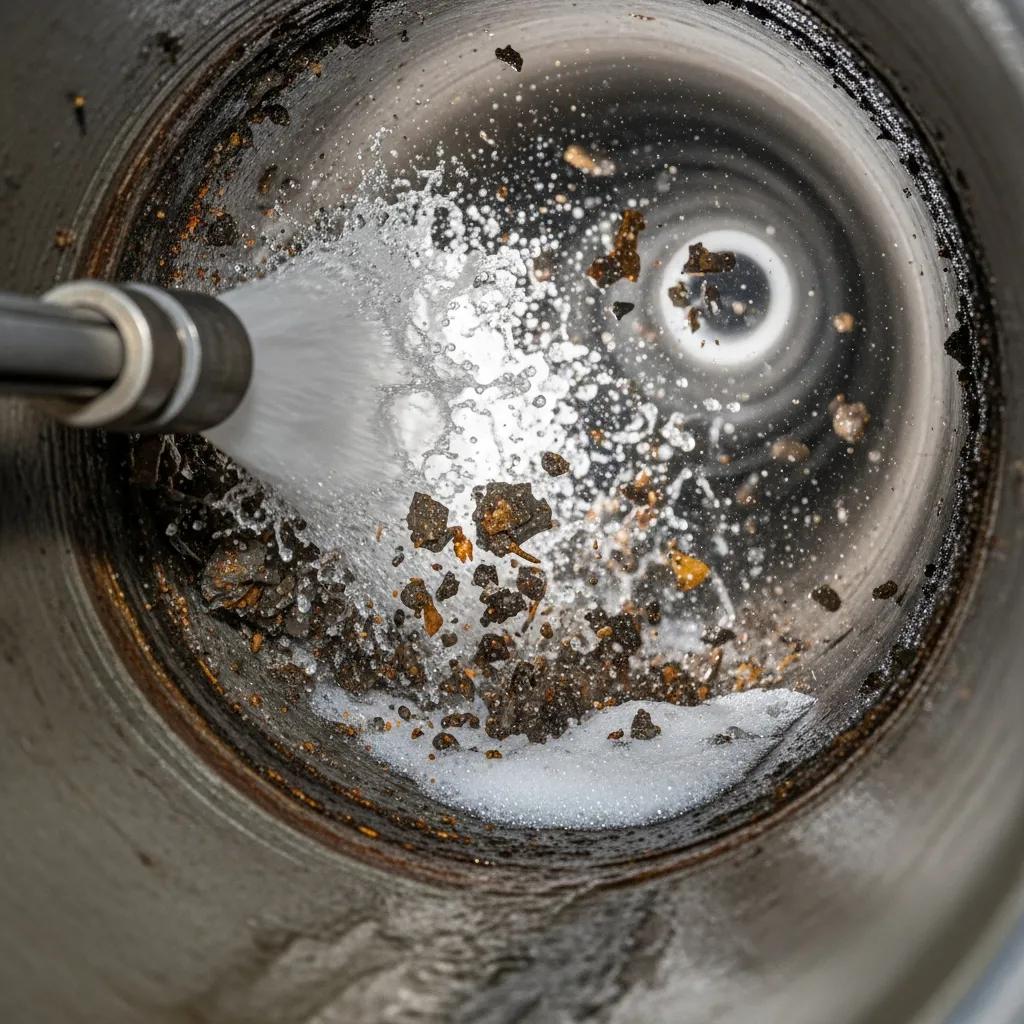
Hydro jetting sends pressurized water through a pipe to scour away grease, mineral scale, and fibrous roots. We start with a pipe condition check and access the line via a cleanout, then slowly increase pressure to clear deposits without shocking weaker sections. Hydro jetting removes build-up rather than just puncturing it, which often means fewer repeat calls. Technicians perform pre-checks to ensure older or damaged pipes can handle the process and weigh effectiveness against any risk to fragile infrastructure.
How Does Sewer Camera Inspection Diagnose Drain and Sewer Line Issues?
A sewer camera travels through the line to provide continuous video and location data, revealing cracks, root intrusions, bellies (sags), and exact blockage spots. This visual evidence removes guesswork and points to the right repair—targeted jetting, trenchless lining, or excavation. Camera work also helps us give accurate estimates and avoid unnecessary digging, which is especially valuable when you want to protect landscaping or hardscapes. Paired with locational mapping, camera inspection creates a clear repair plan and supports long-term prevention.
What Are the Common Drain Problems in Grosse Pointe Farms and How Are They Solved?
In Grosse Pointe Farms, many clogs come from household debris, grease, and tree-root intrusion into older sewer joints. Local soil types, mature trees, and aging pipes make root-related and deteriorating-pipe issues common causes of main-line clogs and backups. The table below helps match common problems with likely causes and practical solutions.
| Problem | Likely Cause | Frost & Kretsch Solution (Method) | Urgency / When to Call |
|---|---|---|---|
| Slow multiple fixtures | Main sewer partial clog | Camera inspection → Snaking or Hydro Jetting | High — call before backups occur |
| Sewage backup / overflow | Severe blockage or collapse | Emergency containment → Camera → Repair plan | Immediate — emergency response needed |
| Frequent localized clogs | Grease, hair, or foreign objects | Snaking and targeted cleaning; prevention advice | Medium — schedule soon to prevent worsening |
| Root intrusion | Tree roots entering joints | Hydro jetting + root cutting; consider trenchless lining | High — recurring issue needs long-term fix |
This matrix clarifies when a situation is urgent and when routine maintenance will do. After identifying the cause, professionals work from the least invasive fix up to full repairs to restore service while protecting pipes and property.
How Do We Identify and Fix Clogged Drains and Sewer Backups?
We start with a symptom checklist—multiple slow fixtures, gurgling drains, sewage odors, or backups after heavy use—then run diagnostics like cleanout checks, pressure testing, and camera evaluation. Treatment typically moves from manual snaking for easy clogs to hydro jetting for stubborn grease, sludge, or roots, and finally to trenchless repair or excavation for structural damage. Technicians document findings and recommend the least invasive effective remedy to limit disruption and deliver the best balance of cost and longevity.
Can Tree Roots Cause Sewer Line Damage and How Is It Treated?
Yes. Tree roots seek moisture and can enter joints or cracks, widening them over time and causing blockages or structural weakening. Short-term fixes include hydro jetting to clear roots and root cutting; long-term solutions usually involve trenchless pipe lining or replacement to seal joints and prevent re-entry. Preventive steps include managing root zones and scheduling inspections for homes with large trees near sewer lines. When roots keep coming back, trenchless lining often gives the best long-term protection with minimal landscape disruption.
When Should You Call for Emergency Drain Cleaning Services in Grosse Pointe Farms?
Call for emergency service when signs point to imminent property damage, health risk, or major service interruption—quick action limits repair cost and hazard. Below is a short checklist of clear, actionable signs that require an immediate call, plus quick homeowner or business actions to reduce harm.
- Sewage backup or overflow: Raw sewage in fixtures or floor drains needs immediate professional help.
- Multiple fixtures affected: When toilets, sinks, and showers all drain poorly, the main line is likely blocked.
- Strong sewer odors indoors: Persistent, concentrated smells suggest a line breach or severe clog.
- Gurgling drains or bubbling toilets: Trapped air from blockages can precede backups.
- Visible sewage on floors or landscaping: Any outside pooling of sewage is urgent and needs containment.
When you see these signs, stop using water in affected areas, isolate appliances, and call emergency plumbing right away. The next section describes how our 24/7 crews minimize damage until permanent repairs are scheduled.
What Signs Indicate an Urgent Drain or Sewer Problem?
Signs of urgency include active backups, multiple affected fixtures, persistent sewer odors, and visible discharge outside. These usually mean the main sewer line is obstructed or damaged. Immediate homeowner steps: shut off nonessential water, avoid flushing toilets if backups are present, and keep people and pets away from contaminated areas. Note which fixtures are affected and when symptoms began—this helps technicians triage and act quickly. Quick action preserves sanitation and reduces the scope of repairs.
How Does Our 24/7 Emergency Service Minimize Property Damage?
Our emergency crews follow a clear mitigation plan: triage the call, dispatch a technician quickly, contain active overflows, perform focused diagnostics, and apply temporary measures—low-pressure clearing or isolation—until a permanent repair can happen. This approach limits water intrusion, contamination spread, and structural harm while producing a clear repair plan and estimate. Using camera inspection during emergency response helps avoid unnecessary excavation and speeds up full restoration once conditions are stable.
How Can Preventative Drain Maintenance Help Grosse Pointe Farms Residents and Businesses?
Preventative maintenance reduces emergencies and extends the life of your drains by removing buildup, catching solids, and catching issues early. Simple routines tailored to residential, multifamily, or commercial needs cut grease, root risks, and mineral scale that restrict flow. The table below shows recommended maintenance actions, suggested frequencies, and typical benefits to help you plan and budget.
| Maintenance Action | Frequency Recommended | Benefit | Typical Time / Cost Range (illustrative) |
|---|---|---|---|
| Main sewer line inspection (camera) | Annual | Early detection of cracks, roots, or bellies | 1–2 hours / moderate cost |
| Hydro jetting (preventative) | Every 1–3 years (varies) | Removes grease and scale, lowers backup risk | 2–4 hours / moderate–higher cost |
| Grease trap servicing (commercial) | Monthly to quarterly | Compliance and fewer blockages | 1–3 hours / low–moderate cost |
| Regular sink/shower snaking (residential) | As needed (symptom-driven) | Clears local clogs before they escalate | 0.5–1.5 hours / low cost |
Following a preventive schedule prevents many emergencies and often cuts long-term repair costs. The next section lists simple, everyday care tips owners and managers can use right away.
What Are Effective Drain Care Tips to Avoid Costly Repairs?
Small habits make a big difference: use sink strainers for food and hair, put grease in sealed containers instead of the drain, don’t flush wipes or other non-degradable items, and run hot water after greasy dishwashing to help move oils through traps.
Occasionally flush rarely used drains with hot water and a mild enzymatic cleaner to keep biofilm balanced without harsh chemicals.
For businesses, keep up with grease trap service and document each visit to avoid fines and interruptions.
Combined with scheduled professional maintenance, these steps greatly reduce the chance of emergency repairs.
How Often Should You Schedule Professional Drain Cleaning?
Schedule based on property type and risk: annual camera inspections and targeted cleaning for typical single-family homes; biannual to annual cleaning for older systems or homes with trees nearby; and monthly to quarterly grease trap service for restaurants. If problems recur, increase preventive jetting frequency or consider trenchless repairs if we find structural issues. Regular scheduling spreads costs and is usually cheaper than sporadic emergency repairs.
Schedule Your Expert Drain Cleaning Service Today!
Now that you understand diagnosis, treatment, and prevention, scheduling professional service ensures a safe, accurate fix and clear pricing. Frost & Kretsch Plumbing provides licensed, insured technicians, upfront estimates, and a satisfaction guarantee so you know what to expect. Whether you need emergency containment, hydro jetting, or a camera inspection, contact a qualified local provider to assess pipe condition and recommend the least invasive effective solution. Reach out to Frost & Kretsch Plumbing to request an estimate or schedule emergency or preventative drain cleaning consistent with our transparent pricing and guarantees.
Frequently Asked Questions
What preventative measures can I take to avoid drain issues?
Prevent drain problems by using sink strainers for food and hair, putting grease in a sealed container instead of pouring it down the drain, and not flushing non-degradable items. Running hot water after washing greasy dishes helps move oils along. Also consider annual inspections and cleanings—especially if your home has older pipes or trees nearby.
How can I tell if my drain issue is an emergency?
Emergency signs include sewage backups, multiple fixtures draining poorly, strong sewer odors, gurgling drains, or visible sewage on floors or landscaping. If you see any of these, stop using water in affected areas and call emergency plumbing right away to limit damage.
What is the typical cost range for professional drain cleaning services?
Costs vary by severity, method, and location. Standard services like snaking or basic jetting often range from about $100 to $500. More complex work—camera inspections or trenchless repairs—can cost more. Always request an upfront estimate so you know the expected price.
How often should I have my drains professionally cleaned?
For most homes, an annual professional cleaning is a good baseline. Older systems or properties with trees may benefit from twice-yearly service. Commercial kitchens typically need monthly to quarterly grease trap maintenance. Regular cleaning prevents emergencies and lengthens the life of your plumbing.
What should I do if I suspect tree roots are invading my sewer lines?
If you suspect root intrusion—slow drains, frequent clogs, or backups—schedule a sewer camera inspection to confirm. Solutions can include hydro jetting to clear roots and trenchless lining to seal joints and stop re-intrusion. Regular inspections and maintenance help manage the issue over time.
Are there any DIY methods for clearing minor clogs?
Yes. A plunger is effective for many sink and toilet clogs. A baking soda and vinegar rinse can help break down light grease. A handheld plumber’s snake can clear more stubborn blockages. If DIY methods fail or problems keep coming back, call a professional to avoid damaging your plumbing.
What are the benefits of using hydro jetting for drain cleaning?
Hydro jetting uses high-pressure water to remove grease, scale, and roots, giving a thorough clean that restores flow and reduces repeat services. It’s especially effective for commercial lines with heavy grease or older pipes with significant buildup. We assess pipe condition first to ensure jetting is the right choice.
Conclusion
Choosing professional drain cleaning in Grosse Pointe Farms keeps water flowing and protects your property from expensive damage. With licensed technicians using tools like hydro jetting and sewer cameras, you get efficient, long-lasting solutions tailored to your situation. Regular maintenance and quick emergency response reduce future problems and give you peace of mind. Contact Frost & Kretsch Plumbing today to schedule service and experience dependable, local care.