Reliable Plumber in Grosse Pointe Park, MI — Fast, Trusted Service for Every Job
Grosse Pointe Park homeowners and property managers need a plumber who shows up fast, knows their stuff, and treats your home like it’s theirs. This guide lays out what to expect from local, professional plumbing services: how emergency calls are prioritized, the real differences between tank and tankless water heaters, proven approaches for drain and sewer work, residential service options tuned to local homes, and how to schedule dependable help. You’ll get clear, practical steps to spot true emergencies, decide whether to repair or replace systems such as your water heater, and choose diagnostics that limit disruption. We use local phrasing—plumber in Grosse Pointe Park and Grosse Pointe Park water heater—so it’s easier to find the right solutions, and we include simple preventative tips to avoid costly repairs. Read on for emergency response, water heater service, advanced drain and sewer work, residential offerings, why homeowners trust Frost & Kretsch Plumbing, and a quick guide to requesting an estimate or booking service.
What Emergency Plumbing Services Are Available in Grosse Pointe Park?
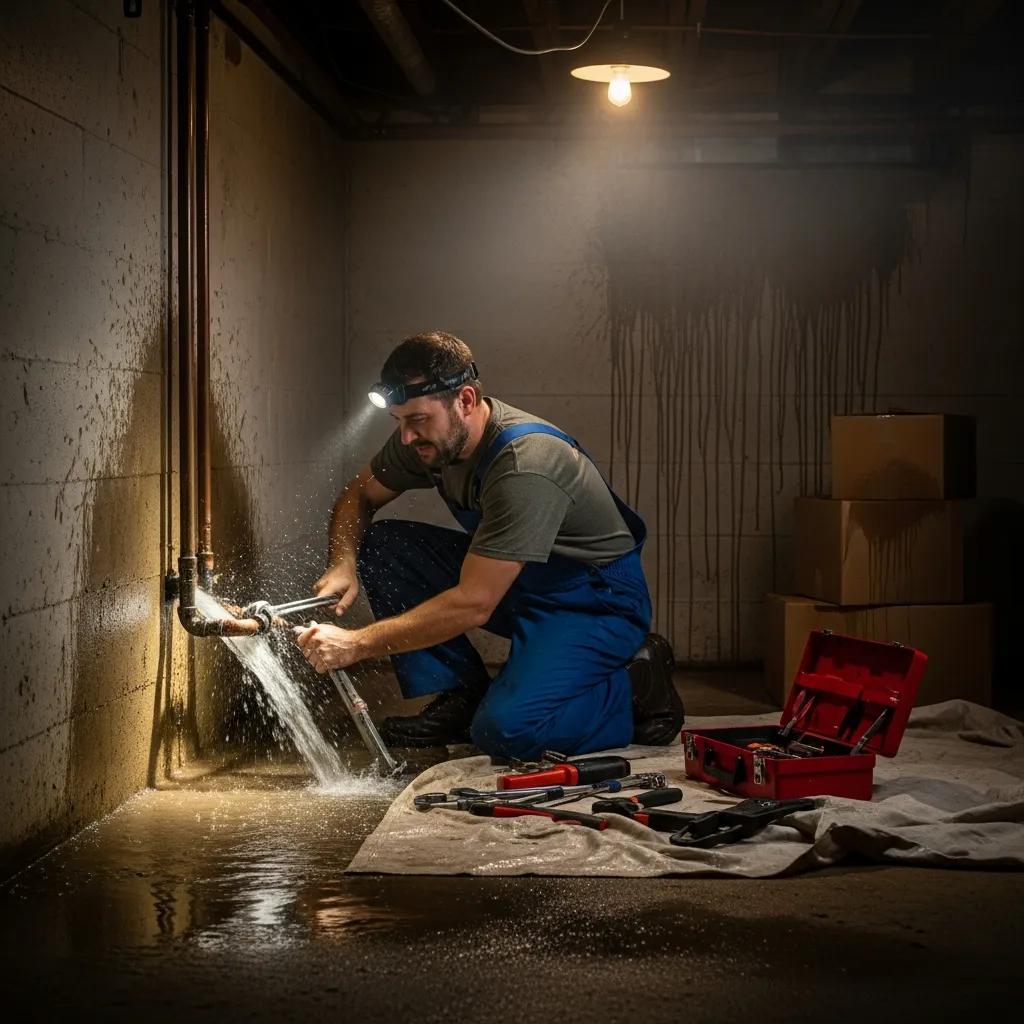
Emergency plumbing covers situations that risk immediate property damage, health concerns, or loss of essential services. Typical emergency work includes stopping major leaks, containing burst pipes, handling sewer backups, and coordinating with specialists for hazardous conditions. Our technicians use quick triage and diagnostic tools to limit water damage and restore function fast. When you call, expect an intake that prioritizes safety, clear instructions for what you can do immediately, and an arrival window for onsite mitigation. Knowing the categories of emergencies helps you decide when to call a 24/7 plumber in Grosse Pointe Park and what to do while you wait for help.
Common emergency plumbing services include:
- Burst pipe response: We isolate active leaks and stop the flow to prevent widespread water damage.
- Sewer backup mitigation: Technicians contain sewage, evaluate severity, and start diagnostics promptly.
- Major leak repair: We locate concealed leaks and provide temporary and permanent fixes.
- No hot water in larger households: Rapid diagnosis of water heater failures to restore hot water quickly.
- Leak detection and camera inspection: Accurate diagnostics to keep repairs as noninvasive as possible.
These emergency steps reduce immediate risk and prepare the home for full repairs. Next, we explain how 24/7 emergency support creates a dependable rapid-response process.
How Does 24/7 Emergency Plumbing Support Ensure Rapid Response?
Our 24/7 emergency workflow starts with intake triage and moves through dispatch, on-site mitigation, and repair planning so we minimize damage and get your home back to normal fast. Call-takers note urgency and safety concerns, then dispatch the closest qualified technician within established response windows. On arrival, technicians perform a safety check, apply temporary measures like shutting off valves or installing containment, then run diagnostics—leak detection or camera inspection—to find the root cause. That structured approach shortens response time and targets the underlying problem instead of repeating stopgap fixes. Knowing this flow helps homeowners prepare for the technician’s arrival and understand why early homeowner actions matter.
These rapid-response steps tie directly to the kinds of emergencies we handle; the next section lists typical scenarios and the tools we use for each.
Which Common Plumbing Emergencies Do We Handle?
Plumbing emergencies usually mix sudden failure with a high risk of damage or health hazards. Burst pipes need immediate shutoff and repair or replacement to prevent flooding. Sewer backups are contained, inspected with cameras, and—when needed—cleaned with hydro-jetting for severe blockages. No hot water in a large household can mean a failed heating element or a gas-valve issue, requiring fast diagnosis and replacement options. Gas-related or other hazardous concerns mean we isolate plumbing risks and advise evacuation and coordination with the proper specialists. Knowing these common scenarios helps you decide when to call and what to expect from diagnostics and remediation.
To help homeowners compare emergency types and actions, the table below summarizes urgency and suggested immediate responses.
Different emergencies require different homeowner actions and professional responses.
| Issue Type | Typical Urgency | Immediate Homeowner Action |
|---|---|---|
| Burst pipe | High | Shut off the main water if you can and move valuables away from flowing water |
| Sewer backup | High | Stop using drains, contain any overflow, and ventilate the area if it’s safe |
| Major leak (concealed) | Medium-High | Isolate the affected valve, set out buckets, and call for a professional inspection |
| No hot water (large household) | Medium | Check power or gas supply and limit hot-water use until a technician inspects it |
| Suspected gas-related plumbing | Critical | Evacuate, ventilate, and contact emergency services as instructed |
This comparison helps you judge urgency and take the right immediate steps before technicians run diagnostics. Next, we cover water heater repair and installation options and how we ensure long-term performance.
How Do We Provide Expert Water Heater Repair and Installation in Grosse Pointe Park?
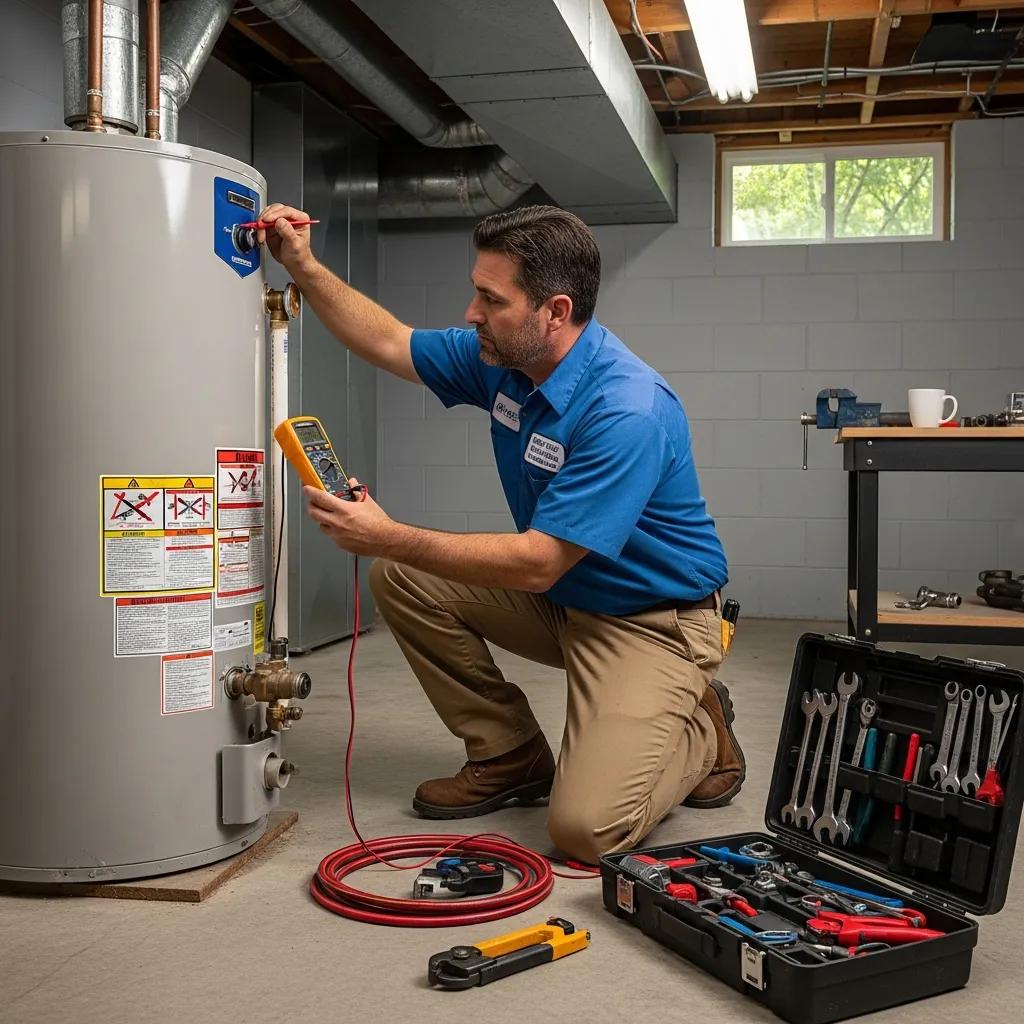
Good water heater service starts with an accurate diagnosis and a recommendation tailored to your home—whether that’s repairing a traditional tank or installing a tankless unit. We evaluate capacity needs, efficiency goals, and your existing plumbing to suggest repair, replacement, or a switch to on-demand (tankless) technology. Diagnostics include checking for sediment, testing elements, verifying the pressure relief valve, and looking for leaks. Proper installation ensures correct venting, pressure regulation, and safety checks to meet local codes, and routine maintenance—flushing and anode checks—extends the system’s life. Understanding these steps helps you pick the right water heater for your household and budget.
Below is a quick comparison of tank and tankless water heaters to help you weigh options for Grosse Pointe Park homes.
Compare tank and tankless options to choose the best fit for your household and usage.
| Water Heater Type | Typical Lifespan | Efficiency | Typical Repair Issues |
|---|---|---|---|
| Traditional tank | 10-15 years | Moderate | Sediment buildup, element failure, tank leaks |
| Tankless (on-demand) | 20+ years | High | Mineral scaling, ignition or control module issues |
| Hybrid/Heat pump (where applicable) | 10-15 years | Very High | Compressor or pump faults, refrigerant-related issues |
This side-by-side view highlights trade-offs—up-front cost, lifespan, and efficiency—so you can make an informed choice. Next we compare benefits and how local home types influence the decision.
What Are the Benefits of Tankless and Traditional Water Heaters?
Traditional tank water heaters store hot water and offer simple maintenance and steady flow for homes with multiple simultaneous hot-water needs. Tankless units heat water on demand, are more energy-efficient, and typically last longer. In older Grosse Pointe Park homes that don’t allow major plumbing changes, a tank unit can be an easier, less-expensive install. Tankless systems suit homeowners prioritizing energy savings and space, especially in updated homes that can support higher gas or electrical requirements. Maintenance differs: tanks need periodic flushing to remove sediment and protect elements, while tankless systems require descaling and inlet filtration to prevent mineral build-up in hard-water areas. The right choice depends on your hot-water habits, budget, and how much change you want during installation.
Next, we explain how licensed technicians keep water heaters running reliably through proper maintenance and diagnostics.
How Do Our Licensed Technicians Ensure Reliable Water Heater Maintenance?
Our technicians follow a consistent maintenance checklist to extend water heater life and prevent common failures: a visual safety inspection, flushing tanks, checking the anode rod, testing the pressure relief valve, and diagnosing elements or burners. We use tools like thermal imaging and combustion analyzers for gas units, plus electronic leak detectors to find hidden problems early. Recommended maintenance typically includes annual flushing for tanks and descaling or service every 1–3 years for tankless units, depending on water quality. Regular service reduces emergency calls, keeps systems efficient, and delivers more predictable performance over time.
Routine maintenance also informs decisions about more advanced drain and sewer work, which we cover next.
What Comprehensive Drain Cleaning and Sewer Line Repair Services Do We Offer?
Our drain and sewer work pairs precise diagnostics with the cleaning and repair methods that minimize disruption and recurrence. A camera inspection pinpoints blockages, tree-root intrusion, collapsed sections, or grease buildup and tells us whether snaking, hydro-jetting, trenchless lining, or excavation is the right fix. Hydro-jetting blasts away grease and organic buildup, while trenchless techniques limit surface disruption when pipes are suitable. Watch for slow drains, repeated backups, gurgling noises, or sewer smells—those are signs it’s time for a professional diagnosis. A clear diagnosis leads to the least-invasive long-term solution that balances cost, property impact, and durability.
Common cleaning and repair options include:
- Snaking — good for localized clogs and minimally invasive.
- Hydro-jetting — removes grease, scale, and roots for longer-lasting clear lines.
- Camera inspection — pinpoints the cause and location before any repair begins.
- Trenchless repairs — replace or line pipes with minimal yard or pavement disturbance.
Understanding these methods sets expectations for results and cost drivers. Next we go deeper into hydro-jetting and camera inspection benefits.
How Does Hydro Jetting and Camera Inspection Improve Drain Cleaning?
Hydro-jetting uses high-pressure water to remove hardened grease, sediment, and roots, restoring the pipe’s full internal diameter without extensive digging. Camera inspection comes first and confirms the exact blockage point, pipe condition, and any cracks or offsets—helping us target work precisely. Together, these tools reduce the need for invasive excavation and lower the chance of recurring clogs by addressing root causes rather than temporary symptoms. A common outcome: a kitchen backup that kept coming back is resolved permanently after camera-guided hydro-jetting and a small repair, giving you longer intervals between service calls. This diagnostic-first approach protects your investment and speeds restoration.
When excavation is necessary versus trenchless repair, the decision follows from clear diagnostics; the next section explains typical triggers and homeowner expectations.
When Is Sewer Line Excavation Necessary for Grosse Pointe Park Homes?
Excavation becomes necessary when pipe damage is severe—collapsed segments, large bellies, or when repeated trenchless attempts fail because of widespread deterioration or alignment problems. Local factors such as invasive tree roots across many joints or older pipe materials that won’t accept lining also push us toward excavation. Excavation exposes the damaged area, replaces the pipe, and restores the surface; homeowners should expect a set timeline, temporary access limits, and planned landscaping or hardscaping repair. Although more disruptive, excavation fixes problems that trenchless methods can’t reliably solve and prevents recurring issues when pipe integrity is beyond lining repair.
With drain and sewer repair approaches clear, we turn to residential plumbing services that meet everyday homeowner needs.
Which Residential Plumbing Services Are Tailored for Grosse Pointe Park Homeowners?
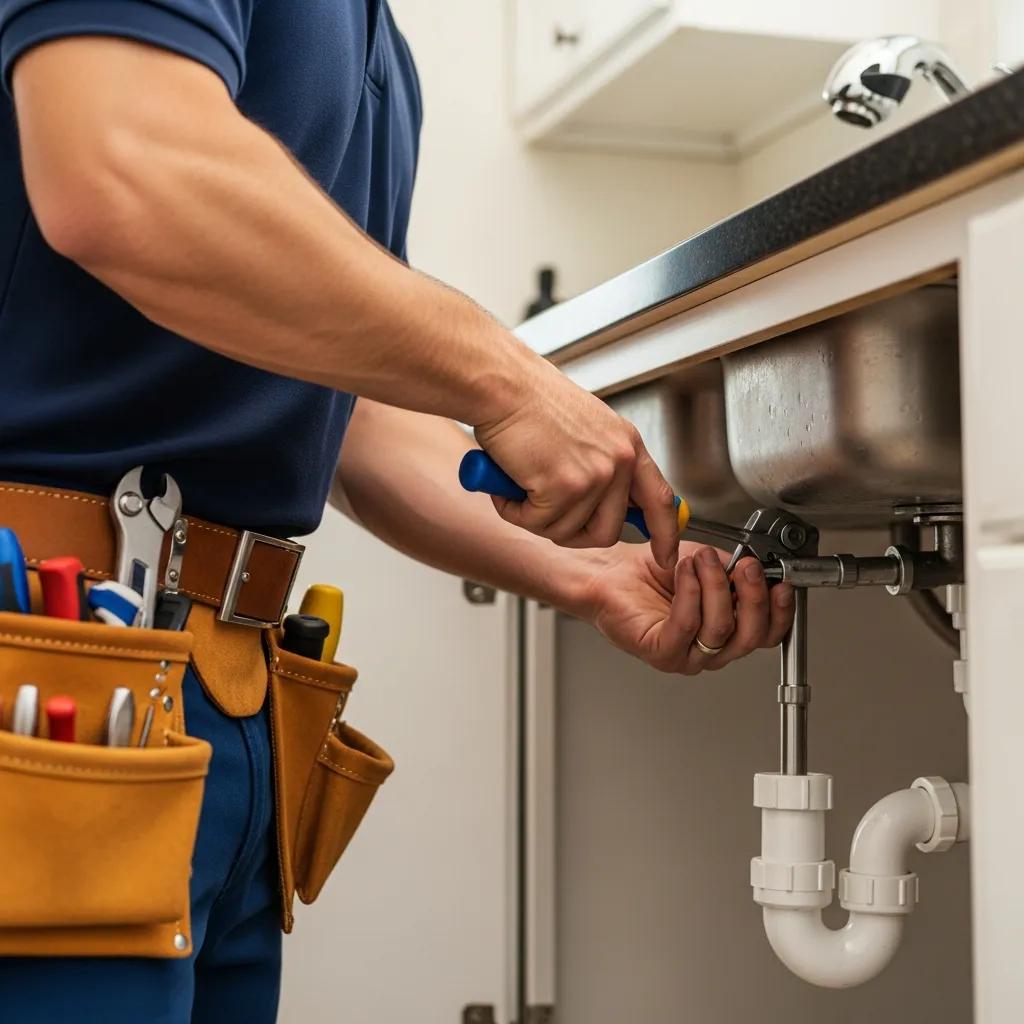
Our residential services include fixture installation and repair, leak detection, pipe repair and repiping, water heater care, and preventative maintenance plans tuned to local housing and seasonal needs. We tailor solutions for older homes with legacy materials and for modern retrofits, always following local codes and weighing the benefits of replacing aging fixtures for long-term reliability. Preventative packages often include seasonal inspections, drain cleaning, and targeted leak detection to reduce emergencies during winter freeze-thaw cycles. Rental property work stresses fast diagnostics and clear documentation, while owner-occupied homes often prioritize longevity and efficiency upgrades.
Common residential services we provide:
- Fixture repair and installation: Replace faucets, toilets, and shower fixtures to stop leaks and improve performance.
- Leak detection and repair: Locate hidden leaks with acoustic and electronic equipment to prevent structural damage.
- Pipe repair and repiping: Fix or replace corroded or damaged pipes with partial or full repipes when needed.
These services support a proactive strategy to reduce disruptions and costs. The next section explains how we diagnose and fix common household plumbing problems.
How Do We Address Common Residential Plumbing Issues?
We start diagnosing household problems by listening to symptoms—slow drains, running toilets, low pressure—then perform targeted diagnostics like camera inspection, pressure testing, or localized leak detection. Technicians separate quick fixes (clearing a trap, adjusting valves) from jobs that need part replacement or repiping based on material condition and failure risk. For persistent slow drains, a camera inspection reveals whether roots, scale, or a collapsed line is to blame and informs whether snaking, hydro-jetting, or repair is the right choice. We document findings and clearly explain options so homeowners can weigh cost, benefit, and long-term implications of repair versus replacement.
These diagnostic-first practices naturally lead into preventative steps; below is a concise seasonal checklist homeowners can follow.
What Preventative Maintenance Tips Help Avoid Plumbing Emergencies?
A seasonal maintenance checklist prevents many emergencies and extends system life by catching common problems early. We recommend an annual water heater service, semi-annual drain checks in trouble spots, winterizing exposed pipes before freezes, and prompt attention to slow drains or small leaks that don’t clear with basic DIY measures. Avoid chemical drain cleaners, keep landscaping away from sewer lines to limit root intrusion, and use drain strainers to catch debris. If a problem persists, call a pro—early professional assessment often saves money and hassle later.
This checklist pairs with the trust factors homeowners look for when choosing a service provider, which we cover next.
Why Choose Frost & Kretsch Plumbing as Your Reliable Grosse Pointe Park Plumber?
Frost & Kretsch Plumbing is a local team built around quick emergency response, straightforward pricing, and technicians who know the work. We offer 24/7 emergency service, a 100% satisfaction guarantee (including a money-back option), clear upfront pricing with no hidden fees, and licensed, insured technicians who receive ongoing training. For homeowners, that means faster mitigation of damage, predictable estimates, and confidence that we’ll use the right diagnostics—camera inspection, hydro-jetting, or trenchless repair—to keep work as noninvasive as possible. Those commitments make it easier to choose a trusted partner during stressful plumbing events.
Our core homeowner benefits include:
- 24/7 emergency service: Priority dispatch and quick triage to reduce time to mitigation.
- 100% satisfaction guarantee: A money-back option that lowers the risk when you approve major repairs.
- Transparent, upfront pricing: Clear estimates so there are no billing surprises.
These value points map to better outcomes—faster fixes, clearer costs, and less worry—backed by qualified technicians.
What Unique Value Propositions Set Us Apart?
Our value propositions address common homeowner concerns: being available when you need us, protecting you financially, and keeping pricing clear. Around-the-clock emergency service provides a prioritized response path for critical incidents. The satisfaction guarantee lowers financial risk for significant repairs. Transparent upfront pricing reduces disputes and helps with planning. Together, these promises create an experience built on speed, clarity, and accountability so homeowners know what to expect.
Next, we explain how licensed, insured technicians deliver on those promises.
How Do Licensed and Insured Technicians Ensure Quality and Trust?
Licensed and insured technicians protect homeowners by performing code-compliant work and carrying coverage for onsite incidents, giving both safety and accountability. Regular training keeps our team current with improved diagnostics—better camera systems, hydro-jetting best practices, and leak-detection advances—so solutions are effective and cause minimal disruption. For homeowners, licensing and insurance mean repairs meet regulatory and safety standards. Those credentials reinforce the practical benefits of our satisfaction guarantee and emergency commitments when you compare local options.
With trust signals and technician qualifications covered, the next section shows how to schedule service or request a free estimate.
How Can You Schedule Plumbing Services or Request a Free Estimate in Grosse Pointe Park?
Scheduling service or requesting a free estimate is simple and follows an intake process that helps us prepare and set clear expectations. Before you call, note which fixtures are affected, describe symptoms, and say whether the problem is constant or intermittent—this helps staff triage urgency and give an arrival window. After you request service, expect appointment confirmation, an arrival window, and a transparent onsite estimate where the technician explains findings and options before any work begins. We serve Grosse Pointe Park and nearby areas—check our Google Business Profile for location and review details while you confirm availability.
These steps make visits more efficient and help us give accurate estimates:
- Describe the issue clearly: Tell us which fixtures are affected, when it started, and any temporary fixes you’ve tried.
- Provide property access details: Share gate codes or preferred contact methods so we can access the work area.
- Prepare for the onsite estimate: Clear space around the problem area and have prior maintenance records handy if available.
Following these steps shortens diagnostic time and helps the technician deliver an accurate, on-the-spot estimate.
What Are the Easy Steps to Book Our Plumbing Services?
Booking usually starts with a call or an intake form where you describe the problem and choose preferred times. Clear details let us prioritize emergencies and send the right tech. After booking you’ll get confirmation with an arrival window and any prep suggestions, like protecting valuables near the work area. On the appointment day, the technician evaluates the issue, presents repair options with upfront pricing, and gets your approval before starting. Being ready with system details and past work speeds the visit and improves diagnostic accuracy.
These booking steps lead into service-area details and where to check location and reviews.
Where Are We Located and Which Areas Do We Serve?
Frost & Kretsch Plumbing serves Grosse Pointe Park and neighboring communities across Macomb, Oakland, and Wayne Counties. Check our Google Business Profile for current location details and customer reviews before scheduling. Confirming availability in your neighborhood helps set realistic arrival windows and ensures technicians bring the right equipment for local infrastructure. If you manage rentals or multi-unit buildings, mention that when booking so we can allocate the correct time and tools. Requesting an onsite free estimate is the best next step when you need a clear plan and cost estimate.
These service-area notes wrap up scheduling guidance—don’t hesitate to request a free estimate for urgent or complex problems.
Frequently Asked Questions
What should I do if I experience a plumbing emergency outside of regular business hours?
If a plumbing emergency happens after hours, contact a 24/7 emergency plumbing service right away. While you wait, take steps to limit damage: shut off the main water if it’s safe, move valuables away from the area, and document the situation with photos if you can. Put safety first and avoid DIY repairs that could make things worse—wait for the technician to assess and advise.
How can I tell if my water heater needs repair or replacement?
Look for inconsistent hot water, strange noises like popping or rumbling, visible leaks, or a sudden jump in energy bills. If the unit is over 10 years old and showing these signs, replacement may be more cost-effective than repair. Regular maintenance—flushing the tank and checking the anode rod—can extend life and improve performance.
What are the benefits of regular plumbing maintenance?
Regular maintenance catches small issues before they become costly emergencies. Scheduled inspections spot leaks, corrosion, and other failures early so you can repair them on your terms. Maintenance also includes drain cleaning and water heater checks, which improve efficiency and prolong system life—saving money and reducing emergency calls.
How do I know if my drains need cleaning?
Slow drainage, frequent clogs, gurgling noises, or foul odors are clear signs your drains need attention. If water pools at fixtures or multiple drains back up at once, call a professional. Routine drain care helps prevent severe blockages and keeps your plumbing running smoothly.
What should I look for when choosing a plumbing service?
Choose a company with proper licensing, insurance, and strong customer reviews. Look for transparent pricing and a satisfaction guarantee—those give you confidence before work begins. Also check whether they offer 24/7 emergency support and if their technicians are experienced with local codes and home types.
Are there any DIY plumbing repairs I can safely perform?
Some small tasks—using a plunger, clearing a trap, or replacing a faucet cartridge—are reasonable for most homeowners. Avoid complex repairs like pipe replacement or sewer work, which can cause bigger problems if done incorrectly. Always turn off the water before any DIY work, and call a licensed plumber if you’re unsure.
How can I prevent plumbing issues during winter?
Insulate exposed pipes to prevent freezing, drain and disconnect outdoor hoses, and consider shutting off outdoor faucet supplies. Keep your home at a steady temperature, even when away, and seal drafts around windows and doors. These steps help prevent frozen pipes and related emergencies.
Conclusion
Choosing a reliable plumber in Grosse Pointe Park means faster, more professional service for everything from emergency repairs to routine maintenance. With transparent pricing, a satisfaction guarantee, and licensed technicians, Frost & Kretsch Plumbing delivers straightforward solutions you can trust. Don’t wait for a crisis—schedule a free estimate today and get the peace of mind that comes from a local plumbing partner who shows up, fixes the issue, and stands behind the work.