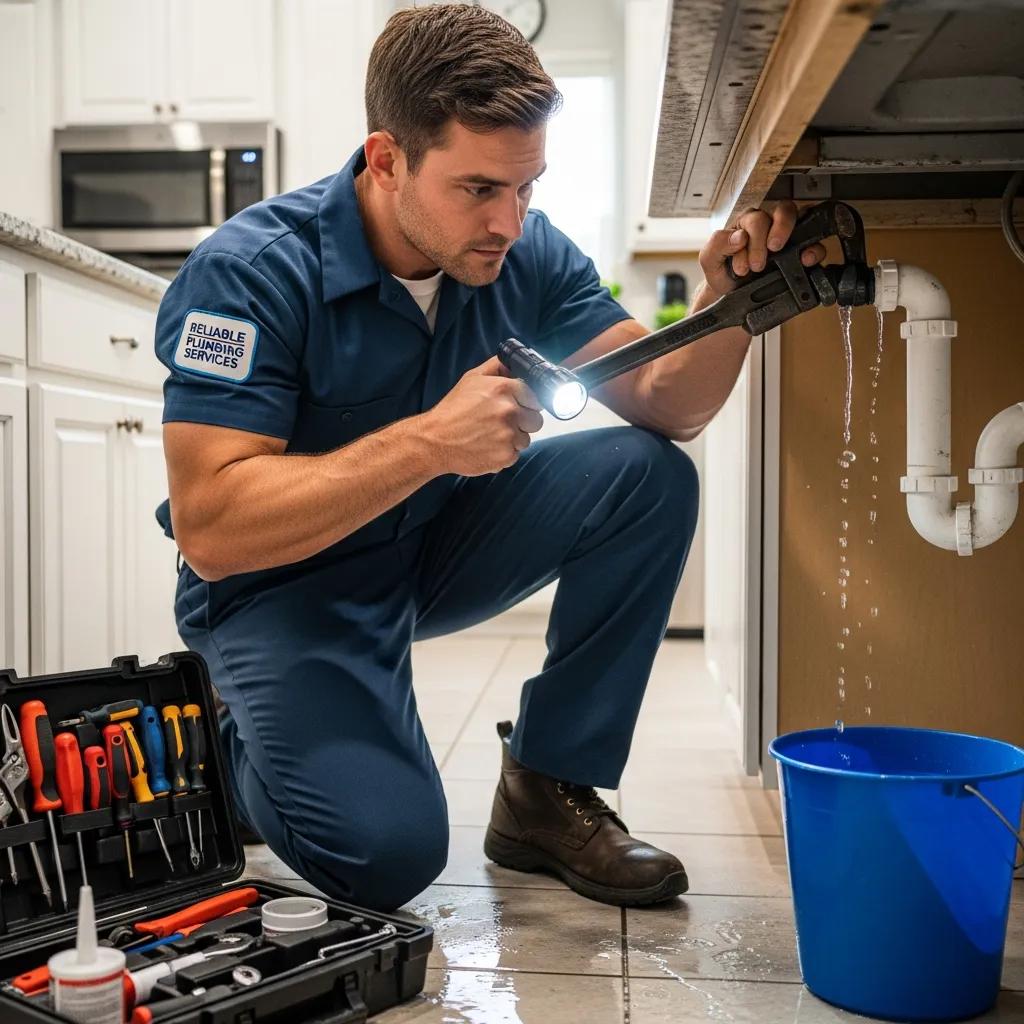
24/7 Emergency Plumbing in Troy, MI — Fast, Reliable Response When You Need Us
When a plumbing emergency hits your Troy home or business, quick, confident action stops small problems from becoming big, expensive ones. This guide walks through what counts as an urgent plumbing issue, the first steps you can take to reduce damage, and what to expect from a professional emergency response in Troy, MI. You’ll learn the common crises that need 24/7 attention — burst pipes, sewer backups, water heater failures, sump pump breakdowns, severe clogs, and frozen pipes — plus practical, safety-first actions to take while you wait for a technician. We also explain how emergency drain and sewer work is diagnosed and prioritized, what typically affects emergency estimates, and how commercial properties get rapid-response care. The focus is clear: practical checklists and realistic expectations to limit damage and speed recovery.
Why Choose Frost & Kretsch for Emergency Plumbing in Troy, MI?
A good emergency plumbing partner is always reachable, dispatches quickly, communicates clearly, and sends licensed technicians who stop damage and restore service fast. In an emergency, availability and dispatch procedures can be just as important as technical skill — faster response reduces property loss and stress. Working with a contractor that carries the right licenses, insurance, and guarantees protects you from liability and poor repairs. Local knowledge of Troy codes, seasonal freeze risks, and common root or soil issues also speeds diagnosis and the right fix.
Frost & Kretsch highlights these strengths: true 24/7 availability without inflated after-hours rates, quick dispatch (often within an hour for priority calls), licensed and insured crews, upfront estimates, and a satisfaction guarantee. Those features matter in an emergency because they reduce hesitation and help you authorize containment and repairs with confidence. Serving Troy, our emergency protocol focuses on fast triage and steady communication so you always know the next steps.
How Quickly Does Frost & Kretsch Respond to Plumbing Emergencies in Troy?
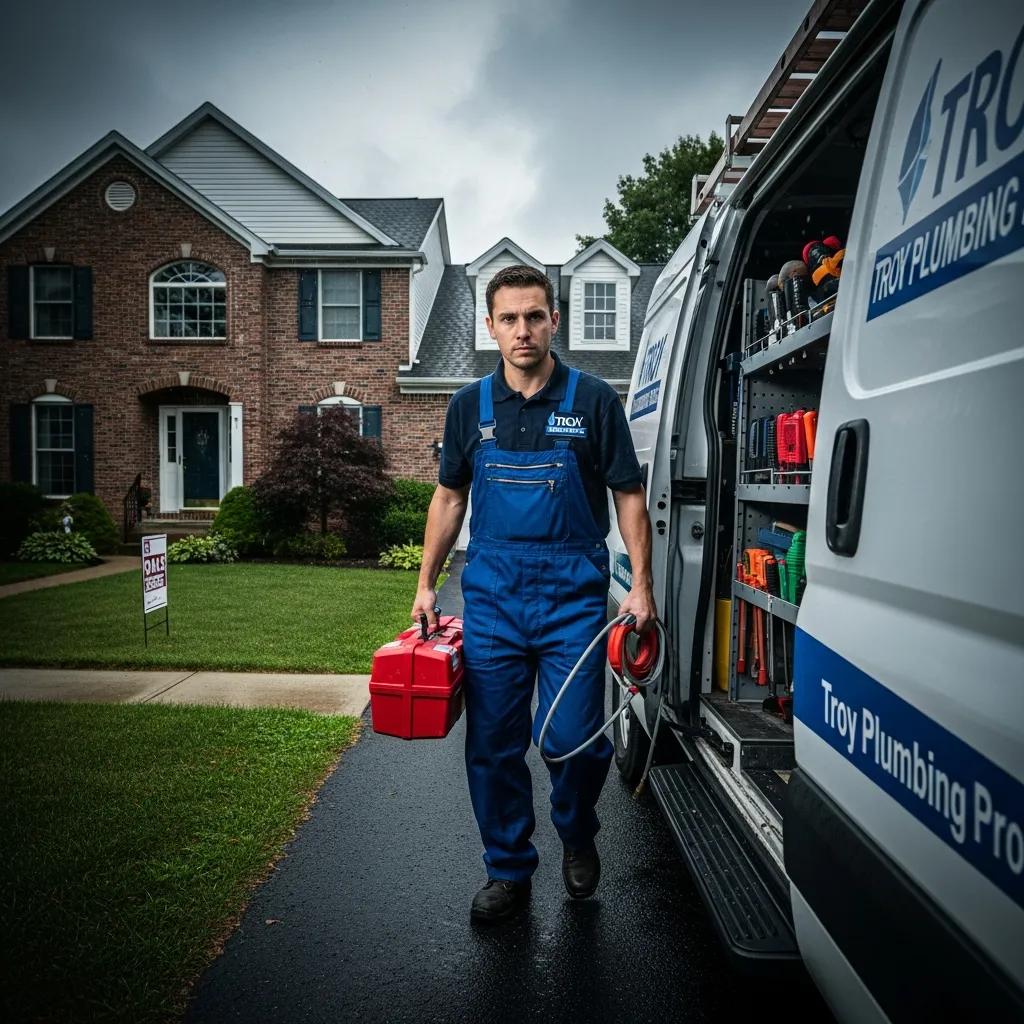
For priority emergency calls in Troy, technicians often arrive within an hour, though traffic and case severity can affect timing. That speed comes from a 24/7 dispatch process that triages calls by risk, offers on-the-phone mitigation tips, and routes the nearest crew with the right equipment. During triage we’ll ask about active leaks, electrical hazards, and structural risk so crews can bring leak isolation kits, power augers, portable pumps, or other tools. When the technician arrives, they’ll identify themselves, confirm the scope, and perform temporary containment before discussing permanent repairs.
You should expect clear communication about arrival windows and on-site steps; if weather, traffic, or overlapping calls delay arrival, the dispatcher will update your ETA and suggest interim containment measures. Knowing these expectations helps you stay safe and makes the on-site repair process faster and more efficient.
Are Frost & Kretsch Plumbers Licensed and Insured for Troy Emergency Repairs?
Yes. Our technicians are licensed and insured — a crucial detail for legal compliance and your protection. Licensing confirms technicians know local codes and have the training to avoid improper installations that cause future failures. Insurance covers the rare accident or accidental damage that can happen during emergency containment or repair. You can request credential and insurance verification during dispatch or when the crew arrives for peace of mind.
Emergencies sometimes require quick decisions that touch structures or systems needing permits. Our licensed techs handle permit-related tasks or advise when a municipal permit is necessary. Verifying credentials before major work helps ensure repairs meet code and are properly documented.
What Common Plumbing Emergencies Require 24/7 Service in Troy, MI?
Plumbing emergencies range from leaks that threaten structure to sanitation issues that endanger health. Below are the most frequent urgent calls in Troy and why immediate intervention matters. These definitions help homeowners and managers decide what needs an emergency call versus a scheduled repair.
- Burst Pipes: A sudden pipe rupture releasing large volumes of water — shuts down systems fast and can flood spaces; immediate shutoff and containment are essential to limit structural and mold damage.
- Water Heater Failures: Leaking or ruptured tanks and sudden loss of hot water can flood areas and pose scald risk; quick isolation and diagnosis prevent further damage and restore service.
- Sewer Backups: Sewage entering living or work spaces creates a serious health hazard and needs urgent containment, sanitation, and line diagnostics to stop contamination.
- Severe Clogs / Drain Failures: Full blockages that stop drainage can cause backups and overflows; rapid clearing prevents water damage and business interruptions.
- Sump Pump Failure: A pump or float that fails during heavy rain can flood basements and threaten foundations; immediate temporary pumping or pump replacement mitigates damage.
- Frozen and Bursting Exterior Pipes: Freezing can cause hidden splits that leak when thawing starts; timely thawing and temporary patching reduce damage until permanent repairs can be made.
All of these emergencies share one trait: delays increase the risk of structural damage, mold, contamination, and higher repair bills. Recognizing the problem quickly helps technicians prioritize the right tools and containment strategy.
Comparison guide: The table below lays out common emergency types with their causes, immediate risks, expected response windows, and typical interventions used during urgent service.
| Emergency Type | Immediate Risk | Typical Response Time | Typical Interventions |
|---|---|---|---|
| Burst Pipe | Rapid flooding, structural and mold risk | Within 1 hour for priority calls | Main shutoff, temporary patching, replace pipe section |
| Water Heater Failure | Flooding, scald risk, loss of hot water | 1–4 hours depending on hazard | Isolate system, drain tank, replace element/valve or plan replacement |
| Sewer Backup | Health hazard, contamination | Immediate (priority) | Containment, pump-out, camera inspection, sewer line repair |
| Sump Pump Failure | Basement flooding, foundation risk | Immediate during storms | Temporary pumping, float or pump replacement, sump basin repair |
| Severe Clog | Overflow, fixture failure | 1–6 hours depending on access | Power auger, hydro-jetting, camera inspection |
This comparison shows why response times and interventions vary and how quick professional triage reduces downstream damage and expense.
How Does Frost & Kretsch Handle Emergency Drain Cleaning and Sewer Backups in Troy?
Emergency drain and sewer work focuses first on sanitation, rapid clearing, and accurate diagnosis to decide whether a temporary fix or a full repair is needed. Technicians contain waste and isolate affected areas to protect occupants and prevent cross-contamination, then determine if a blockage is local or a symptom of a deeper line issue. Fast clearing tools restore flow, followed by camera inspection to pinpoint root intrusion, breaks, or collapsed sections that need more extensive repair.
Because sewer problems often come from buried issues, crews use diagnostics to choose between immediate clearing and a follow-up plan — which may include trenchless lining or excavation. Sanitation and remediation are coordinated to make the property safe again, and technicians recommend preventive steps like grease interceptors or root management where appropriate.
Tools at a glance: The table below matches common drainage problems to the diagnostic and clearing tools typically used in urgent interventions.
| Problem | Diagnostic Step | Tool / Method |
|---|---|---|
| Severe Clog | Locate the obstruction | Power auger (electric snake) |
| Grease Build-up | Assess adhesion and depth | Hydro-jetting to scour pipe walls |
| Root Intrusion | Inspect and locate damage | Sewer camera inspection |
| Collapsed Line | Determine repair scope | Camera + probe, then trenchless lining or excavation |
| Foreign Object Blockage | Identify object type | Mechanical retrieval or targeted snaking |
What Causes Severe Clogs and How Are They Cleared Quickly?
Severe clogs come from built-up debris, grease that hardens, tree roots pushing into lines, or solid objects lodged in laterals. Fast clearance uses methods that restore flow while limiting damage: power augers for flexible blockages, hydro-jetting for grease and scale, and mechanical retrieval for solid items. After clearing, a camera inspection verifies whether the problem was isolated or signals a damaged pipe that needs lining or excavation.
Sanitation follows mechanical clearing: affected areas are disinfected and we’ll advise on prevention — proper grease disposal, root control, and scheduled maintenance. A follow-up inspection or maintenance plan reduces the chance of repeat issues and keeps your system stable.
How Is Sewer Line Emergency Repair Managed in Troy, MI?
Sewer line emergency repairs start with triage and temporary containment, then use camera inspection to locate and assess damage so we can choose between a spot repair, cured-in-place lining, or excavation. When a collapse or heavy root intrusion exists, trenchless lining can be faster and less disruptive, but it depends on pipe condition and access. We assess permitting and excavation logistics immediately to give realistic timelines for permanent fixes.
In emergencies crews often set up temporary bypass pumping or do spot repairs to restore service while planning code-compliant permanent repair. Clear communication about timelines, disruption, and sanitary precautions helps owners and managers plan restorations and any required permits.
What Should Troy Residents Do Before the Emergency Plumber Arrives?
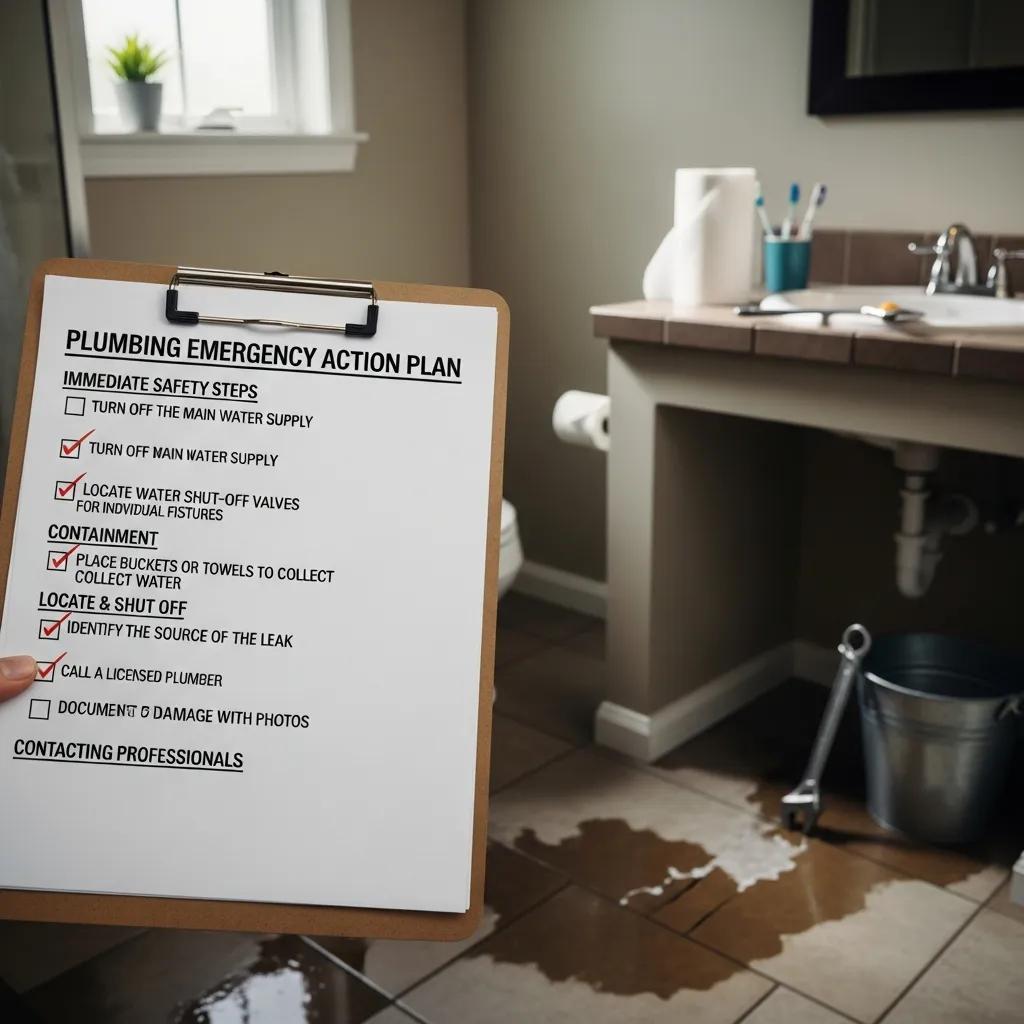
Quick, safe actions by residents can limit water damage, protect people, and speed repairs. The checklist below gives practical steps to take while you wait so you can reduce loss and make the technician’s job easier.
- Shut off the water supply at the affected fixture or at the building main if the leak is large or uncontrollable.
- Turn off electrical power to flooded areas or affected appliances if it’s safe to do so — avoid standing water near electrical panels.
- Contain and remove water with towels, buckets, and temporary barriers; move valuables and electronics to dry locations.
After taking immediate steps, photograph the damage for insurance, keep children and pets away from contaminated water, and have appliance make/model and symptom details ready for the technician. These preparations shorten on-site diagnosis and help prioritize containment versus permanent repair.
Why this matters: Knowing shutoff locations and having appliance details speeds mitigation and lets technicians focus on repairs when they arrive.
Which Immediate Actions Prevent Water Damage During Plumbing Emergencies?
Stop the water source and contain spread to minimize structural and contents damage — that’s the fastest way to reduce total repair costs. Move furniture and electronics out of harm’s way, use plastic sheeting or towels to block flow and absorb pools, and use buckets or portable pumps for large volumes if it’s safe. Ventilate the area to slow mold growth while you wait for professional drying and remediation.
Never enter standing water if electrical hazards may be present — prioritize people over property. If sewage contamination is suspected, evacuate the area and don’t attempt cleanup without protective gear. These containment steps limit immediate loss and shape the technician’s initial repair plan.
How to Safely Shut Off Water and Power in Troy Plumbing Emergencies?
Find the main water shutoff — often near the street, meter, or where the main line enters the building — and turn it clockwise to stop flow; fixture-level shutoffs can isolate smaller leaks without shutting off the whole building. For appliances like water heaters and sump pumps, shut electrical power at the breaker box before touching wet equipment. If you detect a gas smell or suspect a gas issue, don’t work on the appliance — shut the fuel supply and wait for a professional.
If you can’t safely reach shutoffs or electrical panels are wet, evacuate and tell the dispatcher so technicians and electricians can coordinate a safe response. Calm, clear actions here protect occupants and let crews focus on containment and repair when they arrive.
What Are the Costs and Pricing Transparency for 24 Hour Plumbing Service in Troy, MI?
Emergency plumbing costs depend on severity, parts needed, whether excavation or trenchless work is required, labor hours, and permitting. Transparent providers explain these drivers so customers understand trade-offs. Phone triage and on-site diagnosis determine if a temporary measure or full replacement is needed — and that changes scope and cost. Clear estimates that spell out labor, parts, permits, and contingencies reduce surprises and speed approvals for urgent work.
Frost & Kretsch focuses on upfront estimates and clear communication during emergency service, offering written scopes and authorization options before non-life-safety repairs proceed. That clarity helps owners decide between immediate containment and longer-term investment in durable repairs.
Cost factors at a glance: The table below summarizes typical cost drivers and notes to help homeowners anticipate what affects emergency repair estimates.
| Cost Driver | What It Affects | Typical Range / Note |
|---|---|---|
| Severity of Damage | Labor hours and repair scope | Minor leaks vs. full replacement greatly change scope |
| Part Replacement | Cost of materials and lead time | Valves, pipe sections, heaters vary by model and availability |
| Excavation vs Trenchless | Disruption and permit needs | Trenchless often lowers restoration costs but depends on condition |
| Permitting & Inspections | Timeline and municipal fees | Can add time and required documentation |
| Sanitation / Mold Remediation | Post-repair costs | Sewage events frequently require additional remediation services |
How Does Frost & Kretsch Provide Upfront Estimates for Emergency Repairs?
We start with phone triage to assess immediate hazards, then perform an on-site diagnosis to identify the root cause and scope. Technicians provide a written estimate that lists labor, parts, and any follow-ups. For jobs that need temporary containment, crews will present both an urgent mitigation option and a recommended permanent repair with timelines and approvals. The goal is clarity: a documented scope that separates emergency steps from longer-term repairs so you can authorize work with confidence.
This staged estimating approach reduces surprises and speeds approval for critical containment, while giving property owners a clear plan and expected costs for full repairs.
Are There Extra Charges for After-Hours or Holiday Plumbing Services in Troy?
Our emergency policy does not add inflated after-hours rates for true emergency availability, removing a common hesitation to call at night or on holidays. That said, the final cost will still reflect the actual scope — additional labor, parts, or specialized permits required by the job will change the price regardless of time. Technicians communicate scope-driven changes before proceeding with non-life-safety repairs, and customers should request written confirmation before approving significant extras.
This approach pairs urgency with transparency: we act quickly to protect people and property, and we document and confirm any non-urgent replacements to avoid billing surprises.
How Does Frost & Kretsch Support Commercial Emergency Plumbing Needs in Troy, MI?
Commercial emergencies require fast mitigation to limit downtime, protect public health, and meet code and inspection obligations. Business plans prioritize service-level agreements, accelerated dispatch, and equipment sized for larger systems. Commercial plumbing often involves mains, grease traps, multi-unit systems, and embedded fixtures — logistics that differ from single-family homes. Providers working with businesses coordinate with building management, health departments, and other contractors to implement temporary fixes that restore operations while planning permanent repairs.
Frost & Kretsch adapts emergency protocols for commercial clients by offering prioritized dispatch and clear communication about downtime and permitting needs, helping businesses resume operations as quickly and safely as possible. Our commercial responses aim to minimize closure time and regulatory exposure through documented, code-compliant temporary work and fast follow-up repairs.
What Commercial Plumbing Emergencies Are Common in Troy Businesses?
Frequent commercial problems include sewer main blockages, grease trap overflows, major supply or waste main leaks, and fixture failures that impede operations or violate health codes. These incidents can force partial or full closures, hit revenue, and create sanitation risks, so immediate containment and documentation for regulators are often necessary. Multi-unit buildings add complexity, requiring coordinated tenant access and clear communication with property managers.
Knowing these impacts helps managers prioritize measures like temporary bypasses, emergency pumping, and rapid camera diagnostics to restore service quickly while planning permanent work.
How Are Urgent Pipe Repairs Managed for Commercial Clients in Troy?
Commercial urgent pipe repairs begin with fast diagnosis and temporary containment to restore service with minimal disruption, then move to scheduled permanent repairs that consider permits, tenant access, and business hours. Triage determines if trenchless lining can avoid excavation and reduce downtime or if full excavation is necessary for safety and long-term reliability. Clear communication with owners and managers about timelines, traffic control, and restoration needs keeps operations moving.
Managing commercial emergencies requires a project-focused approach: immediate mitigation to protect revenue and safety, followed by an expedited path to permanent repair that fits permitting and business-continuity requirements. That two-track method limits the overall impact of urgent plumbing failures.
Frequently Asked Questions
What should I do if I experience a plumbing emergency outside of regular business hours?
If you face a plumbing emergency after hours, call a 24/7 emergency plumbing service right away and give clear details about the problem and any visible damage. While you wait, take safety steps: shut off the water if you can, move valuables away from the affected area, and avoid standing water near electrical sources. These actions help limit damage and make repairs faster when the technician arrives.
How can I prevent plumbing emergencies in my home?
Prevent emergencies with regular maintenance and small preventive steps. Schedule routine plumbing inspections, check for leaks and corrosion, insulate pipes in winter, and watch what goes down sinks and toilets to avoid clogs. In flood-prone areas, consider a sump pump and keep it maintained. These habits cut the chance of sudden failures.
What are the signs that I need to call an emergency plumber?
Call an emergency plumber for sudden leaks, burst pipes, sewage backups, or anything that threatens health and safety. Other signs include a sudden loss of hot water, severe clogs that stop drainage, or strange sounds from pipes. If you see any of these, act quickly to prevent more damage.
How can I ensure the plumber is qualified for emergency repairs?
Confirm licensing and insurance before the crew arrives. A licensed plumber meets local training and code requirements, which matters for safety and quality. Check online reviews, ask for references, and ask about emergency experience — that background affects how effectively they’ll handle urgent situations.
What should I expect during an emergency plumbing service call?
Expect the technician to assess the situation, identify the source, and explain their findings and recommendations. They’ll give an estimate and take immediate steps to contain damage — shutting off water, clearing blockages, or installing temporary patches. After stabilizing the issue, they’ll outline long-term repair options and any necessary follow-up.
Are there any preventative measures I can take to avoid sewer backups?
Prevent sewer backups with regular professional drain cleaning and inspections, avoid flushing non-biodegradable items, and be careful what you pour down kitchen sinks. Installing a backwater valve can prevent sewage from backing up into the home, and managing tree roots near sewer lines reduces invasion risk. These steps lower the chance of backups.
Conclusion
Having a dependable 24/7 emergency plumber in Troy, MI, means faster protection during critical plumbing failures and less damage to your property. With licensed technicians, transparent estimates, and a local, safety-first approach, Frost & Kretsch is prepared to handle urgent repairs and guide you through each step. Knowing common emergencies and how to prepare reduces stress and costs — and calling the right team quickly gets you back to normal sooner. Contact us any time for emergency assistance or to learn more about our response process.