24/7 Emergency Sewer Line Repair & Replacement in Grosse Pointe — Fast, Clear Solutions
A broken or backed-up sewer line is one of the most urgent plumbing problems a property can face — it can create health hazards, damage structures, and disrupt your day-to-day life. This guide explains how to spot a sewer line break, what typically causes failures, and the emergency repair and replacement options available so you can act quickly and confidently. You’ll learn to recognize clear signs like unusual smells, multiple drain backups, or soggy yard areas, plus practical steps to limit damage. We also cover diagnostic tools such as sewer camera inspection, emergency cleaning options like hydro jetting, and the pros and cons of trenchless versus traditional excavation. Finally, we outline how 24/7 emergency service works, what to expect from licensed technicians, and why local experience and transparent guarantees matter when arranging urgent sewer work in Grosse Pointe.
What Are the Common Signs and Causes of Sewer Line Breaks?
A sewer line break is a failure in the main wastewater pipe that leads to repeated backups, foul odors, and wet or sinking ground — it happens when the pipe’s structure is compromised. Most failures result from soil movement, invasive tree roots entering joints, corrosion in older pipes, or physical damage from heavy loads or nearby digging. Spotting a problem early limits repair size and health risk, so homeowners and property managers should watch for persistent multi-drain backups and changes in yard level. Below are the most reliable signs and immediate actions to take if you suspect a sewer line problem.
Treat these signs as potential main-line issues and act quickly to isolate the problem — a fast response reduces contamination risk and can limit repair scope.
The following list highlights common, high-confidence indicators of a main sewer line break or serious blockage:
- Strong, persistent sewage smells inside or outside that don’t go away with airing out.
- More than one fixture backing up at the same time, for example toilets and floor drains.
- Gurgling noises from drains or toilets even when plumbing isn’t in use.
- Soft, waterlogged patches or small sinkholes in the yard, especially near the sewer route.
- Visible sewage in the yard, driveway, or basement drains — a sign of a mainline breach.
These symptoms usually point to main-line problems rather than a single clogged fixture, so a prompt professional check is warranted to determine repair or replacement needs.
If you see any of the signs above, take immediate steps to limit damage and contact a licensed plumbing professional; the next section explains simple at-home checks and safety steps.
How to Identify Symptoms of a Broken or Collapsed Sewer Pipe
Broken or collapsed sewer pipes generally show up as backups in multiple fixtures, ongoing sewage smells, and unusual yard conditions that don’t improve after basic fixes. To tell a main-line problem from a single-fixture clog, try this quick test: flush the highest and lowest toilets in the building and watch for backups or gurgling. If several fixtures react, the main sewer is likely the issue. Check the yard for soft soil, depressions, or sewage pooling in low spots, and note any sudden pest activity near damp areas. These simple observations help determine urgency and guide the technician’s diagnostic plan, which can reduce unnecessary digging and focus camera inspection where it’s needed most.
Noticing these signs early prepares you for fast mitigation and a clearer conversation with emergency responders about likely causes and next steps.
What Causes Sewer Line Damage: Tree Roots, Soil Shifting, and More
Sewer pipe failures come from mechanical and environmental forces that weaken the line over time or cause sudden breaks — common causes include root intrusion, soil heave, corrosion, and external loads. Tree roots seek moisture and nutrients and can invade joints or cracks in older pipes, widening openings until the pipe offsets or collapses. Soil movement from freeze-thaw cycles, heavy rain, or settling can bend and misalign buried pipes; combined with corrosion in older metal or clay lines, that stress may lead to fractures or collapse. Understanding these causes explains why preventive measures like targeted inspections and root-control treatments can reduce long-term risk and limit the need for full replacement.
Knowing what damages pipes also informs the diagnostic choices technicians make when deciding between spot repair, trenchless rehabilitation, or full excavation.
For urgent response, Frost & Kretsch Plumbing offers 24/7 emergency diagnostics focused on quick triage and limiting further damage. Our technicians use minimally invasive tools like sewer video cameras to confirm main-line issues and provide clear estimates and service guarantees so property owners can make informed decisions under pressure. This operational note connects the warning signs above with a local emergency option for homeowners in Grosse Pointe and nearby communities.
How Does Frost & Kretsch Plumbing Provide 24/7 Emergency Sewer Repair Services?
Emergency sewer repair starts with fast triage, accurate diagnosis, and immediate mitigation to reduce contamination and property damage, then moves to repair or replacement based on findings. Our process focuses on quick dispatch to assess safety, isolate the problem, and use diagnostic tools such as sewer camera inspection to pinpoint failure locations without needless digging. Licensed technicians present clear options — repair, trenchless rehabilitation, or full excavation — with transparent pricing and realistic timelines so you can decide quickly. We finish with the chosen repair, pressure-testing or post-repair camera verification, and reasonable site restoration to minimize disruption to your household or business.
This structured approach reduces uncertainty and speeds resolution during urgent sewer incidents, while setting clear expectations for response times and outcomes.
The table below outlines common service steps, the equipment used, and typical deliverables so property owners know what to expect during an emergency call-out.
| Service Component | Typical Equipment | Expected Deliverable |
|---|---|---|
| Initial Triage & Dispatch | Mobile communication, safety gear | On-site safety check and problem isolation |
| Camera Diagnosis | Sewer video camera system | Visual report with exact defect location and footage |
| Immediate Mitigation | Temporary pumps, liners, plugs | Short-term flow control and contamination prevention |
| Repair or Replacement | Excavation or trenchless equipment | Completed repair with testing and documentation |
| Final Validation & Cleanup | Pressure testing, post-inspection | Verified function and a cleaned, restored site |
This sequence — from intake through validation — helps property owners understand the operational milestones technicians will reach during emergency service.
What Is the Step-by-Step Process for Emergency Sewer Line Diagnosis and Repair?
Emergency sewer work follows a consistent path: dispatch and safety assessment, camera inspection to diagnose the issue, immediate mitigation to control sewage flow, selection of the repair strategy, execution, and final testing and cleanup. On arrival, technicians secure the area and identify hazards, then run a sewer video camera to find cracks, offsets, or root intrusions and measure the damage. If active sewage is present, temporary plugs or bypass pumping control flow while a repair plan is prepared. The selected approach — a patch, trenchless lining, or full excavation — is carried out with quality checks and followed by documentation and a customer walk-through to confirm satisfaction.
- Dispatch and safety assessment within a prioritized response window.
- Camera inspection to locate and identify the defect.
- Temporary mitigation when active sewage is present.
- Present repair/replacement options with transparent pricing.
- Complete the repair and perform post-work validation.
These steps give property owners a clear framework for how technicians handle urgent sewer failures and what deliverables to expect.
How Do Licensed Technicians Use Sewer Video Camera Inspection for Accurate Diagnosis?
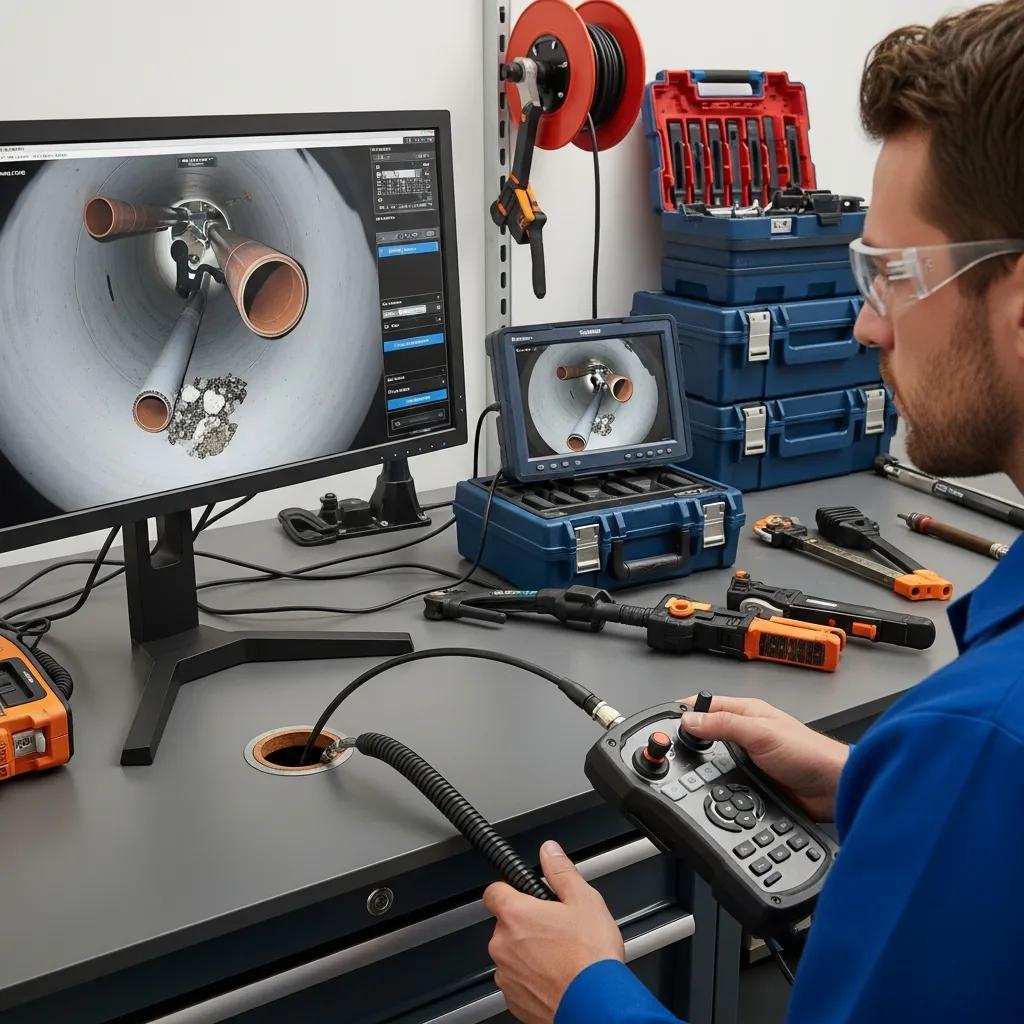
Sewer video camera inspection is a low-impact method where a flexible camera travels through the pipe to deliver clear footage of cracks, root intrusions, offsets, and blockages. Technicians record and time-stamp video to map defects to surface landmarks, enabling precise planning for trenchless repairs or targeted excavation only where needed. This approach reduces guesswork, minimizes unnecessary landscaping damage, and provides documented evidence for repair recommendations and any required permits. Using camera inspection as the diagnostic foundation lets technicians match the best repair technique to the actual failure, improving longevity and cost-effectiveness.
Clear visual documentation from camera inspections speeds decision-making and helps property owners weigh trenchless versus traditional repair options.
Below is a compact comparison of trenchless and traditional replacement traits to show how inspection findings typically guide repair recommendations.
| Replacement Approach | Characteristic | Typical Outcome |
|---|---|---|
| Trenchless (lining/bursting) | Minimal surface disturbance | Faster restoration, less landscaping impact |
| Traditional excavation | Full access to the pipe | More disruption, broader repairs |
| Decision driver | Based on camera footage and site constraints | Feasibility determined by defect type |
What Are the Options for Sewer Line Replacement: Trenchless vs. Traditional Excavation?
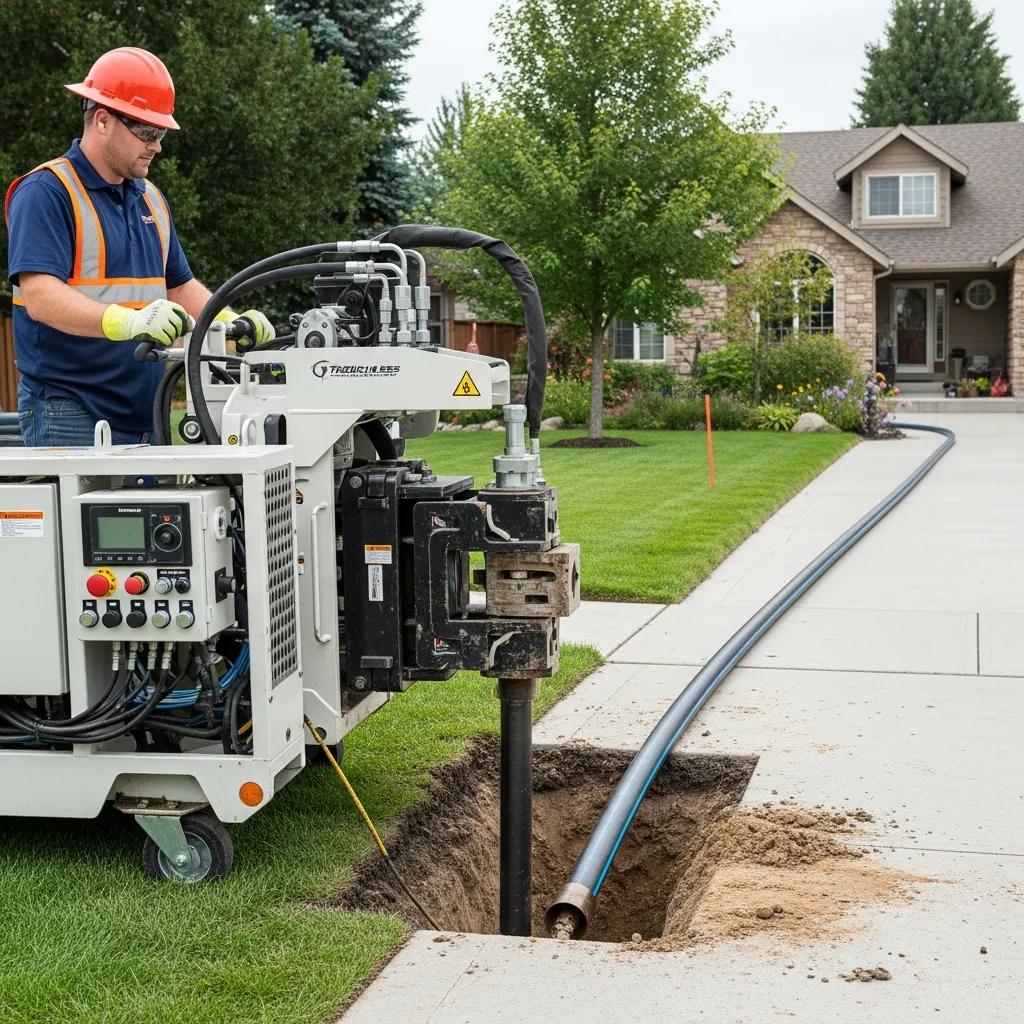
Sewer line replacement generally falls into two paths: trenchless methods that rehabilitate or replace pipes with little surface digging, and traditional excavation that removes and replaces sections through open trenches. Trenchless techniques — like cured-in-place pipe lining or pipe bursting — insert a new lining or pull a new pipe through the old one, restoring flow quickly with less landscape damage. Traditional excavation gives full access to the pipe and is appropriate when alignment is badly compromised, multiple connections need replacing, or the pipe geometry prevents trenchless work. The right choice depends on pipe condition, access, surrounding features, and long-term lifecycle factors identified during camera inspection.
Knowing these options helps property owners weigh disruption, costs, and timelines before approving a repair plan.
The table below compares key attributes of trenchless and traditional excavation to support an informed decision.
| Method | Invasiveness | Typical Timeline | Disruption Level | Ideal Use-Case |
|---|---|---|---|---|
| Trenchless Lining | Low | Days | Minimal landscaping impact | Continuous runs with good alignment |
| Pipe Bursting | Low–moderate | Days | Small access pits required | Severely deteriorated pipes replaceable in-line |
| Traditional Excavation | High | Days to weeks | Significant landscape and surface restoration | Complex alignments, many laterals, or collapsed sections |
How Does Trenchless Sewer Line Replacement Work and When Is It Recommended?
Trenchless replacement uses two primary methods: cured-in-place lining (CIPP), where a resin-saturated liner is cured in place to form a new pipe inside the old one, and pipe bursting, which breaks out the old pipe while pulling in a new one. Both rely on accurate camera inspection and access at strategic entry points and work best where continuous runs are accessible and lateral connections can be reconnected with minimal digging. Benefits include faster completion, lower restoration costs, and less disturbance to landscaping and paved areas. Limitations arise when severe offsets, collapsed sections, or many service connections make trenchless work impractical.
When camera footage shows good alignment with localized damage or root intrusion, trenchless solutions are often the preferred option because they preserve your property and shorten downtime.
What to Expect from Traditional Sewer Line Excavation and Replacement Services
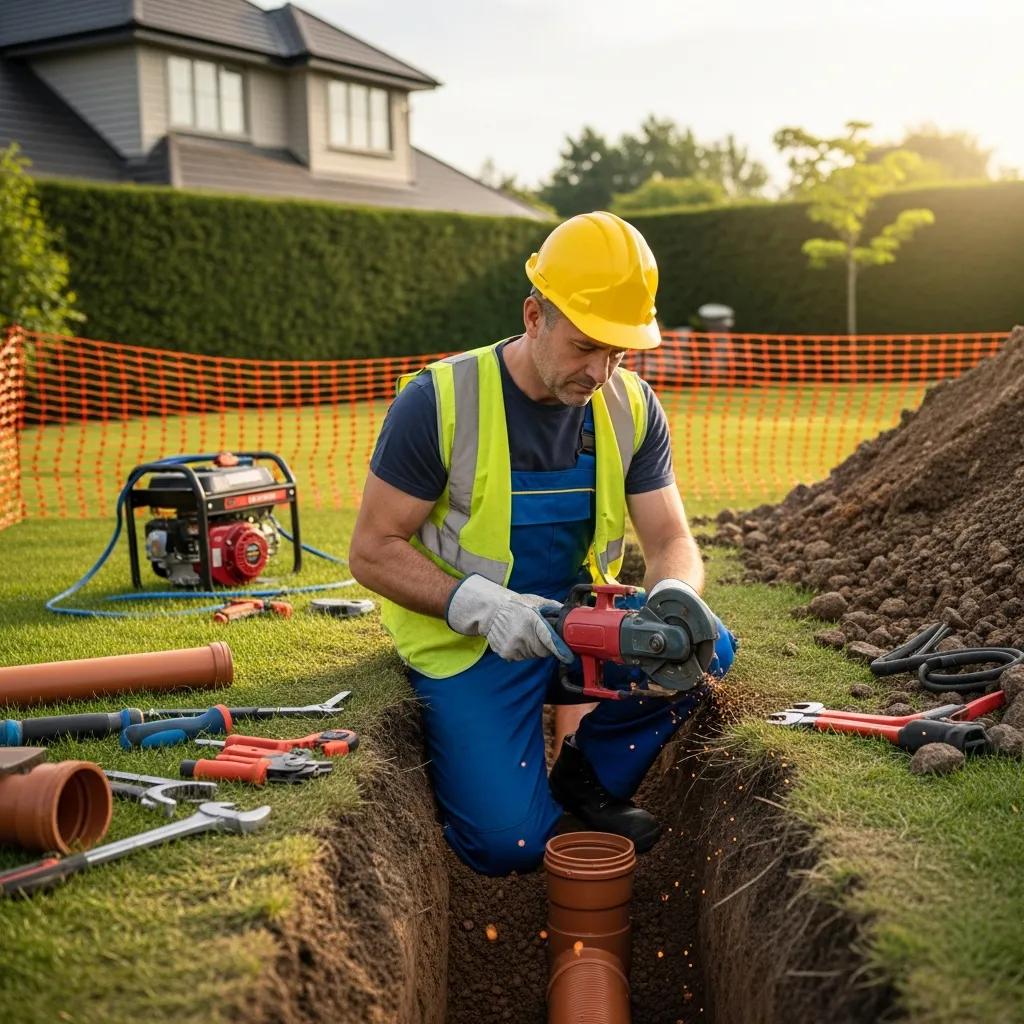
Traditional excavation means opening trenches along the pipe route to remove and replace the damaged section. Expect site preparation, excavation equipment, proper shoring, new pipe installation, backfill, and landscape restoration. This method takes longer and can require permits and special disposal, but it’s the definitive solution when trenchless approaches aren’t feasible due to alignment issues, severe collapse, or multiple lateral failures.
Knowing the excavation workflow helps property owners plan for restoration time and temporary impacts on access and outdoor areas before work begins.
Frost & Kretsch Plumbing compares inspection findings with property constraints and customer priorities when recommending trenchless or traditional methods, focusing on transparent costs, timelines, and the least-invasive solution that meets reliability goals. Our local experience and upfront pricing help homeowners compare options without surprise bills.
How Can Emergency Drain Cleaning Prevent Sewer Backups and Clogs in Grosse Pointe?
Emergency drain cleaning clears acute blockages and restores flow, reducing immediate backup risk and lowering the chance of repeat main-line failures caused by obstructions. Methods vary by severity: snaking clears simple clogs, hydro jetting uses high-pressure water to remove grease, scale, and roots, and enzyme or chemical treatments offer slower, maintenance-style cleanup of organic buildup. Regular preventive cleaning reduces accumulation that stresses pipes and can lead to breaks, while prompt emergency cleaning limits damage until a full diagnostic inspection confirms pipe condition. A maintenance schedule based on use patterns helps protect properties from sudden sewer emergencies and extends the main’s service life.
Pairing emergency responsiveness with scheduled maintenance lowers the likelihood of costly replacements or surprise excavations.
The table below compares common cleaning methods and their usual use-cases to help property managers choose the right approach.
| Cleaning Method | Mechanism | Appropriate Use-Case |
|---|---|---|
| Snaking | Mechanical auger clears discrete blockages | Hair, small debris, light obstructions |
| Hydro Jetting | High-pressure water scours pipe walls | Grease, roots, heavy scale build-up |
| Enzyme Treatments | Biological breakdown over time | Preventive maintenance and organic buildup |
What Are the Benefits of Hydro Jetting for Severe Sewer Line Blockages?
Hydro jetting delivers pressurized water through a nozzle to scour the inside of a sewer line, removing grease, mineral scale, and root intrusion that a mechanical snake can’t fully clear. The high-pressure stream restores full pipe diameter and improves flow, lowering the chance of immediate re-clogs and making camera inspections easier. Hydro jetting must be matched to pipe material and condition — too much pressure on fragile or badly deteriorated pipes can cause harm — so technicians review video inspection results before proceeding. When appropriate, hydro jetting often outperforms snaking for severe, recurring blockages and can be a non-invasive alternative to more extensive repairs.
Understanding hydro jetting’s strengths helps property owners choose an emergency cleaning method that addresses root causes and prepares the line for longer-term rehabilitation if needed.
How to Recognize and Address Main Sewer Line Clogs Quickly
Main-line clogs show urgent signs like simultaneous backups, foul odors, and slow draining across multiple fixtures. Immediate steps reduce damage: stop using water, avoid running appliances that discharge to the sewer, and call emergency service for professional mitigation. Short-term actions include shutting off the water where feasible and moving valuables away from affected areas to limit contamination, but these are temporary fixes — only trained technicians can safely clear the main and assess structural integrity. Rapid camera diagnosis determines whether a mechanical clog, grease cake, or structural failure is present, then technicians recommend the appropriate next steps such as hydro jetting, spot repair, or full replacement.
Quick, appropriate action lowers health risks and limits repair scope and cost, so prompt professional involvement is critical when main-line symptoms appear.
What Specialized Emergency Sewer Services Are Available for Commercial Properties?
Commercial properties face different sewer challenges because of higher flows, grease and solids from food service, and more complex piping. They need specialized emergency services that focus on fast restoration and regulatory compliance. Providers must bring scaled equipment, plan to minimize business interruption, and often coordinate with local authorities for disposal and permits on large-volume removals. Rapid-response strategies include bypass pumping to keep operations running, targeted camera localization to limit excavation, and maintenance contracts to prevent emergencies. Handling commercial needs requires technicians experienced with heavy-capacity systems who can reduce downtime while meeting regulatory requirements.
How Do Commercial Sewer Systems Differ and What Are Their Repair Challenges?
Commercial systems usually have larger mains, multiple lateral connections, frequent exposure to fats, oils and grease (FOG), and limited access points that complicate extraction and repair. These factors increase the chance of complex blockages and make isolation and bypass pumping essential during emergency work to maintain operations. Repair challenges include coordinating work without disrupting critical services, managing larger volumes of contaminated waste, and ensuring safe shoring during excavation in busy areas. Effective mitigation combines precise camera diagnostics, scaled equipment, and phased repairs to restore service quickly while planning full replacements when required.
Knowing these differences ensures emergency crews arrive with the right tools and a plan to minimize commercial impacts.
What Compliance and Regulatory Considerations Affect Commercial Sewer Repairs?
Commercial repairs often require permits, special disposal procedures, and strict adherence to local wastewater regulations, so contractors must navigate municipal processes and supply documentation like inspection footage and post-repair validation. Businesses may need to schedule work that meets local code windows and coordinate with environmental authorities for large waste removal or site disturbance. Hiring licensed, insured contractors who understand local compliance lowers administrative burden and legal risk, helping repairs proceed smoothly and meet regulatory expectations.
Addressing compliance needs early in the emergency response avoids costly delays and aligns repair plans with municipal requirements.
Why Choose Frost & Kretsch Plumbing for Your 24/7 Emergency Sewer Line Needs?
Choosing a local, licensed provider for emergency sewer repair gives you faster dispatch, accurate diagnosis, and clear communication when time matters. Frost & Kretsch Plumbing emphasizes those qualities in our emergency model. Our key commitments include true 24/7 availability without inflated holiday or weekend fees, transparent upfront pricing so you know expected costs before work begins, and a 100% satisfaction focus that means we finish the job right. Our technicians use minimally invasive diagnostics like sewer camera inspection to limit unnecessary excavation, and our licensed, insured crews know Grosse Pointe and the surrounding area — shortening response times and tailoring solutions to local conditions.
This combination of rapid availability, clear pricing, and technology-driven diagnostics is designed to reduce uncertainty and speed repairs when sewer emergencies occur.
Here are a few differentiators to consider when choosing an emergency sewer contractor:
- 24/7 emergency availability, including weekends and holidays, with consistent pricing.
- Transparent, upfront cost estimates and a clear scope of work before repairs start.
- Licensed and insured technicians who use camera inspection and trenchless methods when feasible.
How Do Transparent Pricing and Satisfaction Guarantees Benefit Customers?
Transparent pricing and satisfaction guarantees remove much of the worry that comes with emergency repairs by setting clear expectations and offering recourse if standards aren’t met. Upfront estimates based on diagnostic findings let customers compare options — spot repair versus full replacement — without surprise fees, and a satisfaction-focused approach means we’ll address post-service concerns. This turns urgent decisions into evidence-based choices, letting property owners prioritize reliability while controlling immediate costs.
Clear pricing and guarantees act as practical risk-management tools, enabling faster approvals for necessary emergency work.
What Local Expertise and Advanced Technologies Set Us Apart in Grosse Pointe?
Local knowledge matters because soil types, tree species, common pipe materials, and municipal rules vary by area and affect both how pipes fail and how they should be repaired. Frost & Kretsch Plumbing leverages that familiarity to speed diagnosis and choose the least disruptive repair. Advanced tools — high-resolution sewer cameras, hydro-jetting rigs, and trenchless lining equipment — let us intervene precisely and quickly, protecting landscaping and reducing downtime. For example, a fast camera inspection can reveal root intrusion that targeted hydro-jetting and lining can fix, avoiding large excavations and lengthy restoration.
Combining local experience with modern diagnostics produces faster, less invasive outcomes for property owners facing sewer emergencies.
If you need immediate help, contact Frost & Kretsch Plumbing to request emergency dispatch or an on-site assessment. Our technicians provide documented camera findings, transparent repair options, and a clear timeline to restore service. Our 24/7 model and customer-focused guarantees are designed to give property owners the confidence to act quickly when sewer emergencies arise.
Frequently Asked Questions
What should I do if I suspect a sewer line issue?
If you suspect a sewer line problem, stop using water in the building to prevent further backups. Check for signs like multiple drain backups, persistent sewage odors, or soft spots in the yard. Note what you see and call a licensed plumbing professional right away for a thorough inspection. A technician can use sewer cameras to diagnose the issue and recommend steps to limit damage.
How can I prevent sewer line issues in the future?
Prevention includes regular maintenance like drain cleaning and periodic inspections. Don’t flush non-biodegradable items or pour grease down drains, and consider root-control treatments if trees are close to sewer lines. Setting up a maintenance schedule with a trusted plumbing pro helps catch problems early and extends the life of your sewer system.
What are the costs associated with emergency sewer repairs?
Emergency sewer repair costs vary depending on severity, chosen method, and local labor rates. Whether a trenchless solution or full excavation is needed also affects price. Get a transparent, upfront estimate that explains the scope and any possible extra charges so you can make an informed choice without surprise costs.
How long does it typically take to repair a sewer line?
Repair time depends on the method and extent of damage. Trenchless repairs can often be completed in hours to a couple of days, while traditional excavation may take longer due to digging and restoration. After the initial assessment, your technician should give you a clear timeline based on the specific situation.
Are there any health risks associated with sewer line failures?
Yes. Sewer failures can present health risks from exposure to sewage, which can spread bacteria and pathogens. Foul smells or visible sewage can signal a serious problem that requires immediate attention. Avoid contact with sewage and call a professional plumber quickly to reduce health hazards and property damage.
What is the difference between trenchless and traditional sewer line replacement?
Trenchless replacement involves little digging and uses methods like pipe bursting or cured-in-place lining to repair or replace pipes, often faster and less disruptive. Traditional replacement requires open trenches for full access and can be more disruptive and time-consuming. The best option depends on pipe condition, accessibility, and site specifics determined during a professional inspection.
How can I choose the right plumbing service for emergency sewer repairs?
Look for availability, experience, and customer reviews. Choose licensed and insured professionals who offer transparent pricing and clear communication. A company that provides 24/7 service and uses advanced diagnostics like sewer cameras will respond thoroughly and efficiently. Ask about satisfaction guarantees to ensure quality workmanship.
Conclusion
Addressing sewer line problems quickly is essential for safety and sanitation, and knowing the signs helps homeowners act sooner. Using modern diagnostics and reliable emergency services delivers solutions tailored to the problem while minimizing disruption and long-term costs. Choosing a dependable local provider like Frost & Kretsch Plumbing gives you fast response, clear pricing, and experienced technicians to make the process smoother. For immediate assistance, contact us today to review options and protect your property.