
Choosing the Right Pipe Material for Your Grosse Pointe Home — A Practical Guide
The pipes you choose affect how long your plumbing lasts, how clean your water stays, and what you’ll pay over time. This guide walks Grosse Pointe homeowners through the common pipe options—copper, PEX, PVC/CPVC and galvanized steel—so you can weigh lifespan, heat tolerance, and installation impact in homes that face cold winters and often older plumbing systems. We explain where each material is typically used, the tradeoffs between upfront cost and long-term value, and when a targeted repair makes sense versus a full repipe. The article is organized into six clear sections: a quick materials overview, an in-depth look at copper, a breakdown of PEX strengths and limits, guidance on PVC and CPVC, signs that older plumbing needs replacement plus modern alternatives, and a cost-and-installation comparison to help you decide. Practical terms like pipe material comparison, PEX vs copper pros and cons, and galvanized pipe replacement are woven through the recommendations and reflect current installer best practices as of 06/2024.
What Are the Most Common Plumbing Pipe Materials for Homes?
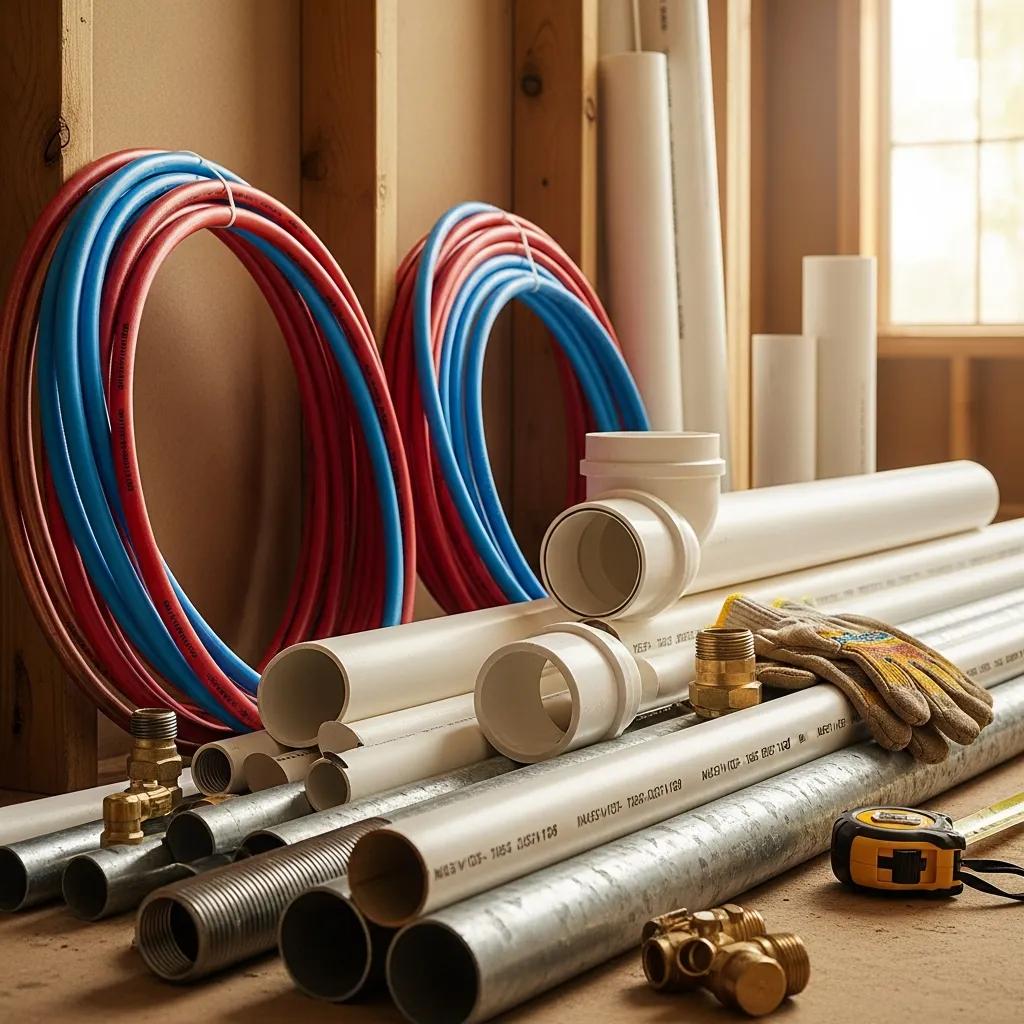
Plumbing materials are chosen to match the job: some handle pressurized water supply while others carry drain, waste, and vent (DWV) loads. Each material’s chemistry and construction determine how it behaves under pressure, heat, and time. Knowing typical uses helps you pick properties like heat tolerance or flexibility that reduce failure risk and make future repairs easier. The most common materials you’ll find are copper, cross-linked polyethylene (PEX), polyvinyl chloride (PVC), chlorinated PVC (CPVC), galvanized steel, and cast iron—each has specific use cases and limitations. Below is a quick reference to help you prioritize durability, cost, or ease of installation for your project.
The table below gives a scannable summary of typical uses, heat tolerance, and potable-water approval for common plumbing pipes so you can compare options quickly.
| Material | Typical Use | Heat Tolerance | Potable Water Approved |
|---|---|---|---|
| Copper (rigid/flex) | Interior water supply and hot water | High — suited for hot water | Yes |
| PEX (PEX-A / PEX-B) | Interior water supply lines, retrofit repipes | Moderate — suitable for hot water within codes | Yes |
| PVC (DWV) | Drain, waste, and vent / sewer lines | Low — not for hot water | No for hot potable water |
| CPVC (hot water variant) | Hot and cold potable water in some systems | Moderate-high — rated for hot water | Yes (hot/cold) |
| Galvanized Steel / Cast Iron | Older supply and sewer lines (historical) | Moderate — prone to corrosion over time | Historically used; corrosion affects water quality |
This quick table shows where each material fits in a home plumbing system and why application matters. The short list below gives a one-line tradeoff for each material to speed decision-making.
The common materials and one-line use cases are:
- Copper: Long-lived and heat-tolerant—great for hot-water supply when longevity and water quality matter.
- PEX: Flexible, faster to install, and good for retrofit repipes—helps minimize drywall repairs and downtime.
- PVC: The go-to for DWV and sewer work—cheap, easy to join, but not for hot potable water.
- CPVC: A plastic option for hot and cold potable water where code allows—less corrosion than metal.
- Galvanized/Cast Iron: Found in older homes—susceptible to corrosion and scale and often a candidate for replacement.
These summaries lead into deeper comparisons of durability, cost, and installation tradeoffs, starting with copper.
Which Pipe Materials Are Used in Residential Plumbing Systems?
Residential plumbing divides into two main systems: pressurized supply (hot and cold) and drain-waste-vent (DWV)/sewer. Supply lines commonly use copper or PEX because they’re rated for pressure and potable water; DWV systems typically use PVC or cast iron for gravity drainage. In many Grosse Pointe homes you’ll still find galvanized supply lines—those older materials often cause corrosion, flow restrictions, and staining that push homeowners to upgrade. Knowing which material belongs to each subsystem helps you prioritize inspections and repairs during renovations or when you’re tracking water quality issues.
These mappings explain the practical reasons behind material selection and set up the detailed comparisons that follow on durability, heat resistance, and cost.
How Do Copper, PEX, PVC, CPVC, and Galvanized Steel Compare?
At a glance, these materials differ across five homeowner-focused dimensions: durability and lifespan, heat tolerance, installation complexity, upfront cost, and common failure modes. Copper lasts a long time and handles heat well but needs skilled soldering and costs more. PEX cuts labor and disruption with flexible runs—good for retrofits—but it requires correct fittings and is sensitive to UV. PVC and CPVC are low-cost options that resist corrosion in the right applications—PVC for DWV, CPVC for hot water within temperature limits. Galvanized steel and cast iron are aging materials that often need replacement because of corrosion and scale. In practice: pick copper for longevity and high-temperature service, pick PEX for cost-effective retrofit repiping, and use PVC/CPVC where they’re the right fit for the job.
Here’s a short “when to choose” checklist to guide real projects.
- Choose Copper: When longevity, water quality, and heat resistance are top priorities.
- Choose PEX: When retrofit flexibility, reduced labor disruption, and lower short-term cost matter most.
- Choose PVC/CPVC: When you need cost-effective drainage (PVC) or plastic hot-water supply (CPVC) within code limits.
How Do Copper Pipes Benefit Your Plumbing System?
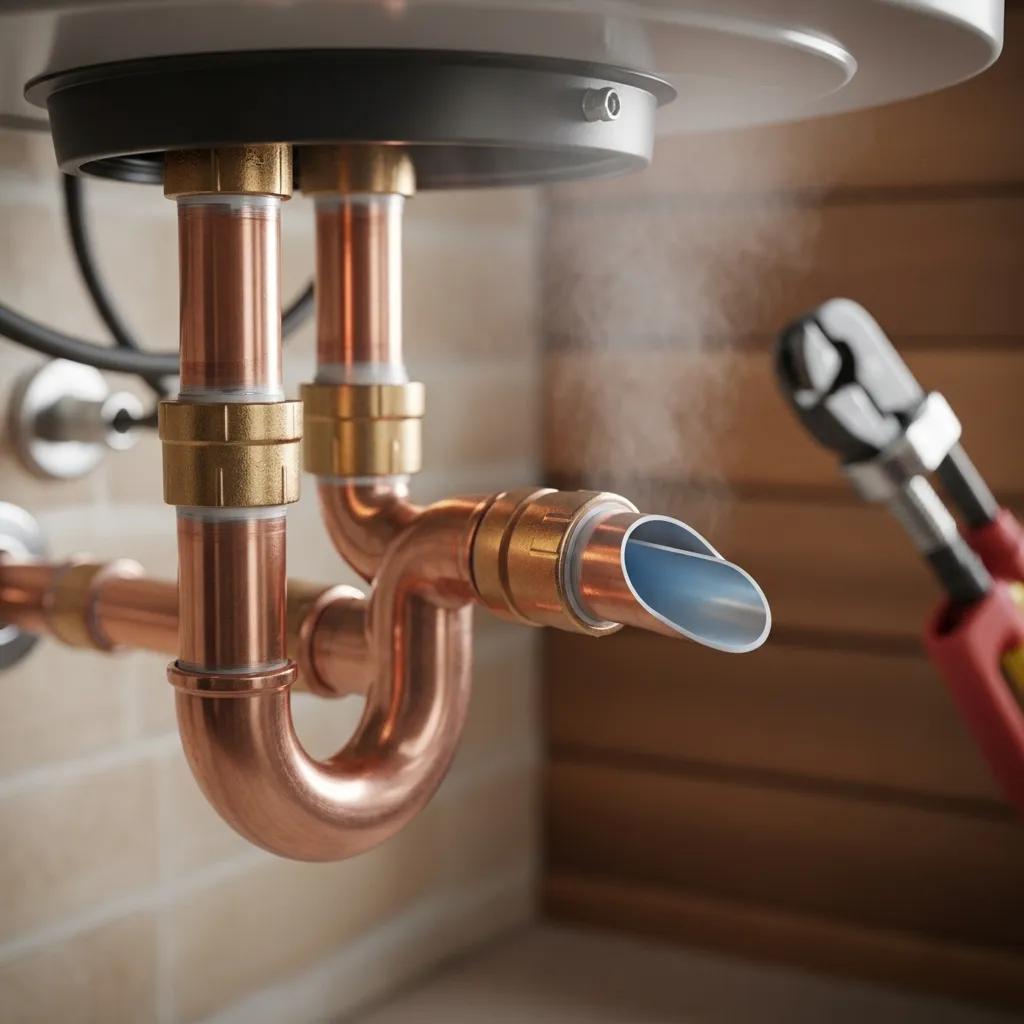
Copper delivers long-term durability, strong heat tolerance, and predictable water-quality performance—qualities that make it a top choice when homeowners want a low-maintenance, long-lived supply system. It stands up to hot-water service and boiler connections, and its well-understood corrosion behavior makes troubleshooting easier over time. Because copper systems can run for decades, investing in copper often lowers lifetime maintenance costs even if the initial price is higher. That tradeoff—higher upfront cost for long-term reliability—is why many homeowners choose copper for whole-home repipes when they plan to stay in their house for the long run.
Those performance traits point toward the next considerations: lifespan, heat resistance, and installation impact.
What Are the Durability and Heat Resistance Advantages of Copper Pipes?
Copper’s strength comes from its metallurgy: it resists deformation, tolerates high temperatures, and handles typical pressure cycles without the creep or UV concerns plastics face. That makes it well suited to constant hot-water service and higher-temperature boiler systems—situations where plastic options can be stressed. Copper is also less vulnerable to rodent chewing and UV degradation, so it can be a better choice in semi-exposed installations. Because corrosion on copper follows predictable patterns, plumbers can diagnose and address problems more reliably than with some plastics.
Understanding these advantages helps you weigh copper against flexible and plastic alternatives, depending on whether you’re in new construction or a retrofit.
What Are the Cost and Installation Considerations for Copper Pipes?
Copper usually costs more for both material and labor because installations typically require soldering or brazing and skilled tradespeople. In retrofit jobs, rigid copper runs often mean more drywall cuts or chasing studs unless flexible copper or special fittings are used, which increases disruption and restoration work. Market swings in copper prices can also affect project cost. While copper’s higher upfront price can be offset by a longer service life, you should balance immediate budget limits against long-term reliability and water-quality goals—then compare copper directly to PEX as a lower-disruption alternative.
Why Choose PEX Pipes for Residential Plumbing?
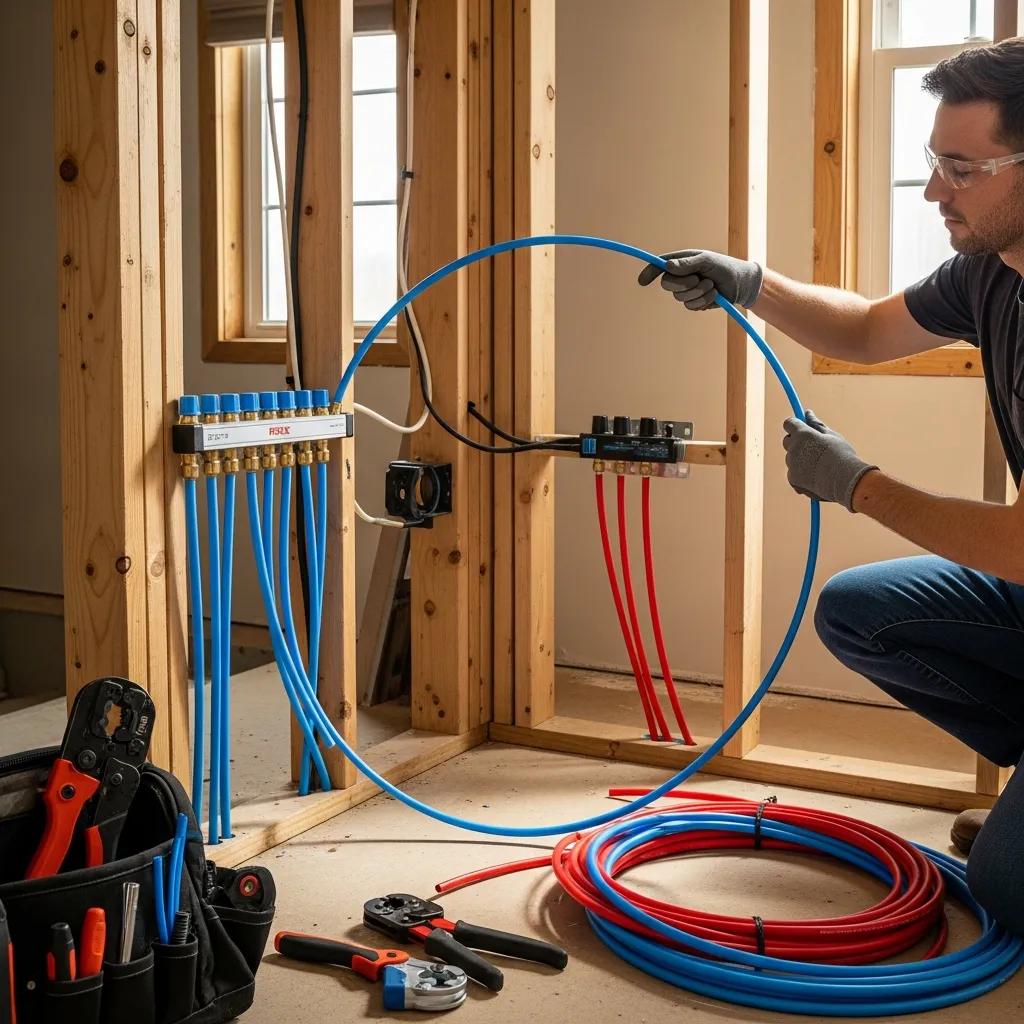
Homeowners choose PEX because it’s flexible, resilient to freeze-related strain, and typically faster to install than rigid piping—qualities that make it ideal for retrofit repipes and areas with seasonal freezes. Cross-linked polyethylene can expand slightly under freezing and return to shape in many cases, which reduces burst risk when installed with proper freeze-mitigation practices. PEX routing cuts down on joints and leak points, and its crimp or clamp connections usually take less time than soldered copper, lowering labor and restoration costs. Those advantages make PEX a common recommendation for whole-house repipes when minimizing drywall repair and project time is important—while still considering limits like UV sensitivity and fitting compatibility.
Next, we explain why PEX resists freeze damage and what limitations you should watch for.
What Makes PEX Pipes Flexible and Freeze Resistant?
PEX gains flexibility and freeze resilience through cross-linking of polyethylene chains, creating a polymer network that absorbs expansion without brittle failure. That structure lets PEX expand slightly when water freezes and reduces rupture risk compared with rigid materials. Installers further protect PEX by routing lines through conditioned spaces, insulating exposed runs, and avoiding shallow burial. Its flexibility also makes it easier to run around studs and obstructions, cutting down on wall repairs in retrofit work. These features help PEX strike a practical balance between performance and ease of installation.
What Are the Limitations and Cost Benefits of PEX Pipes?
PEX generally lowers combined material-and-labor cost because flexible tubing and simpler fittings speed installation and reduce restoration work. Limitations include sensitivity to prolonged UV exposure, the need for correct fittings (and adherence to code), and occasional reports of rodent damage in some settings. Different PEX types (PEX-A vs. PEX-B) affect expansion and installation choices, so verifying compatibility and using certified components is important to avoid leaks. For many homeowners, PEX offers faster timelines and lower immediate costs while still delivering decades of reliable service when installed correctly.
What Should You Know About PVC and CPVC Pipes?
PVC and CPVC are plastic options with distinct roles: PVC is the standard for drain, waste, and vent (DWV) systems because it’s inexpensive and easy to join, while CPVC is formulated to carry potable hot and cold water where a plastic supply line is preferred. The main difference is temperature tolerance—CPVC is chlorinated to resist heat and can be used for hot water within code limits; standard PVC softens at higher temperatures and isn’t suitable for pressurized hot potable water. These differences matter when you choose materials for specific subsystems and affect performance expectations like thermal expansion, UV sensitivity, and long-term deformation.
How Do PVC and CPVC Pipes Differ in Use and Heat Resistance?
PVC is typically specified for DWV and underground sewer work because it resists chemical attack and handles gravity drainage well, but it’s not rated for hot potable water due to its service-temperature limits. CPVC has greater heat resistance and can be used for hot and cold potable water where codes allow, offering a plastic alternative to metal supply lines. Both join easily with solvent cement or mechanical fittings, but CPVC needs attention to expansion and proper support spacing to avoid stress over time. Those practical differences help determine whether plastic makes sense or whether metal or PEX is a better choice.
What Are the Pros and Cons of Plastic Plumbing Pipes?
Plastic pipes bring clear advantages—lower material cost, corrosion resistance, and simple installation—which make them a smart choice for many projects. Tradeoffs include temperature limits, UV sensitivity, and the potential for long-term deformation if exposed to continuous high heat or pressure. Homeowners should balance plastic’s affordability and resistance to galvanic corrosion against concerns like thermal expansion, potential brittleness over decades, and the need to keep plastics out of direct sunlight. For DWV and underground sewer runs, PVC remains the cost-effective standard; CPVC can replace metal in hot-water supply when local codes and installation practices support it.
When Is Replacing Old Plumbing with Modern Materials Necessary?
It’s time to replace old plumbing when visible failure signs, water-quality issues, or repeated leaks make continual patching more expensive than replacement. Look for corrosion, reduced flow from scale, rusty staining, and frequent small leaks—these often signal systemic problems. Galvanized steel, cast iron, and older plastics like polybutylene are common replacement candidates because their failure modes—corrosion, scale buildup, and brittle fractures—impact pressure, cleanliness, and risk of property damage. Whether to make targeted repairs or a full repipe depends on the spread of damage, your timeline, and priorities for long-term reliability; replacing the supply network with PEX or copper often reduces repeat service calls and improves delivery. The table below summarizes old materials, typical failures, and recommended modern replacements to make assessment easier.
| Old Material | Typical Failure Modes | Recommended Replacement |
|---|---|---|
| Galvanized Steel | Corrosion, scale buildup, reduced flow | PEX or Copper |
| Cast Iron (sewer) | Cracking, root intrusion, corrosion | PVC (DWV) or HDPE sewer lining |
| Polybutylene (historical plastic) | Brittle failure, leak-prone fittings | PEX or Copper |
These comparisons help you judge urgency and scope. Use the checklist below to spot when a professional evaluation is warranted.
- Visible corrosion or rust staining at fixtures or inside supply lines.
- Persistent low water pressure or intermittent flow not caused by the municipality.
- Frequent leaks or repeated repairs concentrated in older piping sections.
If you see these signs, schedule a professional inspection to determine whether spot repairs are enough or a full repipe is the smarter long-term choice. Frost & Kretsch Plumbing offers repiping and pipe repair services in the Grosse Pointe area, provides transparent estimates, and can advise on whole-home repiping versus spot repairs. Our local focus and 24/7 emergency availability make it easy to get an assessment when you need one, and we’ll outline replacement options and timelines so you can make an informed decision.
Why Replace Galvanized Steel and Cast Iron Pipes?
Galvanized steel and cast iron deteriorate from internal corrosion and scale that narrow flow passages over time, causing low pressure, rusty water, and more frequent leaks. Cast iron sewer lines are also vulnerable to root intrusion and cracking, which can cause recurring blockages and, if left alone, possible foundation or ground issues. Repairs on these older materials often treat symptoms rather than the underlying systemwide deterioration—so replacing them with modern materials like PVC for sewer and PEX or copper for supply is often more cost-effective over a reasonable planning horizon. Inspectors frequently recommend replacement once leaks or scale reach a point where ongoing repairs become routine.
Understanding those failure patterns makes clearer the benefits of upgrading to modern materials like PEX or copper.
What Are the Benefits of Upgrading to PEX or Copper Pipes?
Upgrading to PEX or copper improves reliability, cuts down on leaks, and often yields better water quality by removing corroded channels and outdated fittings. PEX shrinks project timelines and reduces wall repairs because flexible tubing needs fewer joints; copper offers the highest heat tolerance and very predictable corrosion behavior for homeowners who prioritize long-term performance. Both upgrades typically mean fewer service calls, less risk of emergency failures, and clearer diagnostics if problems occur. Many installers back their work with warranties or satisfaction guarantees to help homeowners feel confident about the investment. Those practical benefits translate into everyday improvements that are easy to notice after a repipe.
How Do Cost and Installation Affect Your Pipe Material Choice?
Material choice is shaped by both price and installation complexity: total project cost equals material plus labor, access difficulty, and restoration work. Copper usually has the highest upfront material and labor cost because of soldering and skilled trades; PEX generally delivers mid-to-low combined cost with less disruption; PVC/CPVC are the lowest-cost options where they’re code-appropriate but need attention to temperature and exposure limits. The summary table below compares initial cost, expected lifespan, best uses, installation complexity, and freeze resistance so you can weigh attributes side by side for your situation.
| Material | Initial Cost (relative) | Expected Lifespan | Best Uses | Installation Complexity | Freeze Resistance |
|---|---|---|---|---|---|
| Copper | Higher | 50+ years (typical) | Hot water supply, long-term installs | High (soldering/brazing) | High |
| PEX | Mid-Low | 30-50 years (typical) | Retrofit supply lines, whole-house repipe | Low-Medium (crimp/clamp) | Moderate-High |
| PVC | Low | 30-50 years (DWV) | DWV, sewer, underground | Low (solvent weld) | Low (not for supply) |
| CPVC | Low-Mid | 30-50 years | Hot/cold potable within codes | Low (solvent weld) | Moderate |
| Galvanized | Mid | Variable; often declining | Historical supply (replace recommended) | High (heavy/rigid) | Moderate |
What Are the Price Differences Between Copper, PEX, and Plastic Pipes?
Price differences come from both material cost and labor. Copper is typically the most expensive because of metal pricing and skilled soldering labor. PEX often lands in the mid-to-low range for combined material-plus-labor cost since flexible runs reduce joint count and installation time. PVC/CPVC are lowest where they’re allowed by code. Accessibility and the scope of restoration—like drywall repair after invasive copper runs—can swing the final bill, so retrofit-friendly materials like PEX often produce lower total costs on replacement projects. When comparing bids, look at complete project estimates (including restoration) rather than per-foot prices alone.
How Does Installation Complexity Influence Plumbing Material Selection?
Installation complexity matters because new construction, partial repipes, and whole-house repipes present different access challenges. New builds favor materials that save time and meet code efficiently; retrofits benefit from flexible tubing like PEX that limits demolition; whole-house repipes require a lifecycle-cost view—copper for longevity, PEX for minimal disruption. Skilled-labor needs—soldering for copper vs. crimp/clamp skills for PEX—also affect schedule, cost, and warranty options. Ask for transparent estimates and warranties when selecting an installer. Frost & Kretsch Plumbing emphasizes clear pricing and a 100 percent satisfaction guarantee to help homeowners compare scopes and choose the right material for their budget and timeline.
- New construction: Pick materials that speed installation and meet code with minimal tradeoffs.
- Partial repipe/retrofit: Favor flexible solutions like PEX to reduce demolition and restoration.
- Whole-house repipe: Compare lifecycle cost—copper for long-term value, PEX to minimize disruption.
These scenario-based recommendations help translate material attributes into choices that fit your needs and budget.
Frequently Asked Questions
What are the environmental impacts of different plumbing pipe materials?
Environmental impacts vary by material. Copper is recyclable and durable, which lowers the need for replacement. PEX isn’t widely recyclable but usually requires less energy to install and can reduce carbon from shorter job times. PVC and CPVC are not recyclable in many areas, but their light weight can lower transport emissions. Consider these factors along with performance and cost when choosing materials.
How can I determine if my plumbing needs replacement?
Look for signs like visible corrosion, frequent leaks, low water pressure, or discolored water. If you notice these, schedule a professional inspection. A plumber can assess whether spot repairs will do or if a full repipe is the better long-term option. Regular checks help catch issues early and avoid bigger repairs later.
What is the average lifespan of different plumbing materials?
Lifespans differ by material and conditions. Copper often exceeds 50 years. PEX typically lasts 30–50 years. PVC and CPVC commonly last 30–50 years in their appropriate uses (DWV for PVC). Galvanized steel and cast iron can deteriorate sooner—often showing problems between 20 and 50 years depending on water quality and environment—so they may need earlier replacement.
Are there any health concerns associated with plumbing materials?
Some materials pose potential health risks if they corrode or aren’t installed correctly. Galvanized steel can release iron and, in older installations, lead-related issues. Copper is generally safe but excessive copper levels can be a concern. PEX is approved for potable water, though some homeowners ask about chemical leaching; certified products and proper installation reduce risk. Always use materials that meet local health and safety standards.
What are the best practices for maintaining plumbing systems?
Regular maintenance extends system life. Inspect for leaks and corrosion at least annually, flush lines if sediment is a problem, and insulate pipes in cold areas to prevent freezing. Schedule a professional inspection every few years to catch issues early and ensure your system complies with local codes.
How do local building codes affect plumbing material choices?
Local codes dictate which materials are approved for specific uses. Some jurisdictions restrict certain plastics for hot-water lines or require specific connector types. Always consult local regulations or a licensed plumber to ensure compliance—using non-approved materials can lead to fines, liability, or problems during a home sale or inspection.
What should I consider when hiring a plumber for installation or repairs?
Check experience, licensing, and insurance. Read reviews or ask for references to verify quality and reliability. Get multiple quotes to compare scope and pricing. Confirm the plumber is familiar with your chosen materials and ask about warranties or guarantees on their work. Clear communication about expectations helps ensure a successful project.
Conclusion
Choosing the right pipe material matters for durability, water quality, and overall cost. By understanding the benefits and limits of copper, PEX, PVC, and galvanized steel, you can make decisions that match your home and budget. Regular inspections and timely upgrades prevent costly repairs and improve everyday performance. For expert advice and professional installation in Grosse Pointe, contact Frost & Kretsch Plumbing—we’ll help you weigh options and deliver reliable results.