
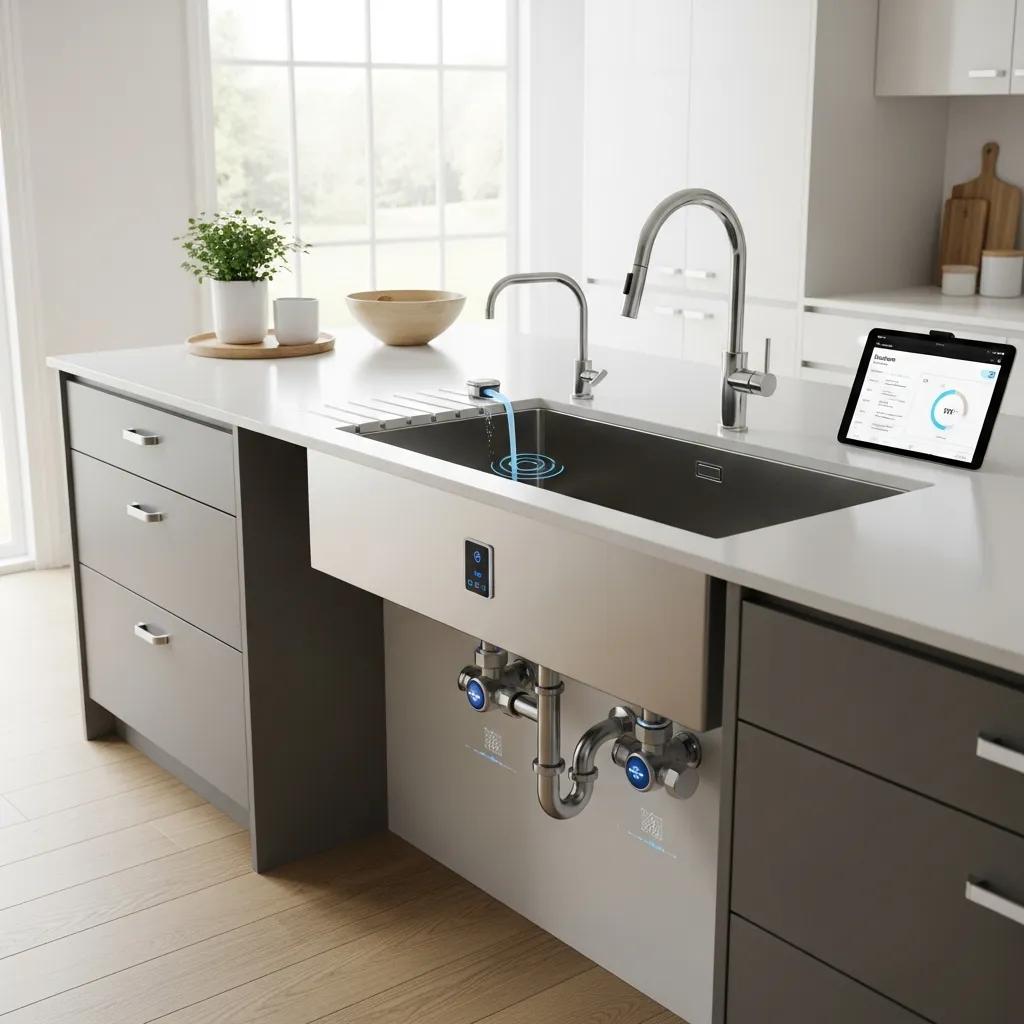
Smart Plumbing Technology for Modern Homes: Installation, Benefits, and Cost Insights
Smart plumbing pairs sensors, motorized valves, and connected analytics to spot leaks, track water use, and shut water off automatically before damage starts. That combination saves water and protects homes from costly repairs. This guide breaks down how smart plumbing works, how a smart water shutoff protects your house, and why whole-home leak detection is becoming standard for resilient homes. You’ll get clear descriptions of device types—smart shutoff valves, leak sensors, whole-home monitors, and smart fixtures—how they operate, what professional installation looks like, and the realistic cost factors for automatic shutoff installs. We also map suggested device locations, common integration scenarios, and explain how licensed pros from Frost & Kretsch Plumbing support smart plumbing in Grosse Pointe and nearby counties. The goal: give practical, up-to-date advice (through 12/2024) so you can pick the right devices and installation path for your home.
What Is Smart Plumbing Technology and How Does It Benefit Modern Homes?
Smart plumbing combines flow meters, moisture sensors, automated valves, and internet connectivity to spot unusual water use and either alert you or act automatically. Systems use continuous flow monitoring and threshold-based alerts so a sudden surge or a slow, steady leak is noticed quickly. The two main benefits are clear: measurable water savings through better tracking, and fast damage prevention when leaks are stopped before they spread. Modern systems also add convenience—remote monitoring, usage dashboards, and integrations with home automation—so you can manage plumbing from your phone and plan maintenance with confidence. Knowing these basics helps you compare devices and decide which protections matter most for your home.
By combining monitoring, notifications, and automatic responses, smart plumbing helps both the environment and your property’s long-term resilience. Below we look at how these mechanisms produce real conservation and loss-prevention results.
Smart plumbing delivers clear, homeowner-focused benefits:
- Rapid leak detection: Sensors and monitors spot abnormal flow or moisture and trigger alerts or shutoffs to avoid flooding and structural harm.
- Water savings: Real-time tracking highlights waste and helps eliminate inefficient habits or faulty fixtures.
- Remote control and convenience: Mobile apps and integrations let you check status and act from anywhere.
- Insurance and resilience: Early detection lowers claim size and demonstrates proactive risk management.
These advantages lead directly into how the technology works and which devices do the heavy lifting.
How Does Smart Plumbing Improve Water Conservation and Damage Prevention?
Smart plumbing protects homes by continuously measuring flow and moisture, comparing what it sees to expected patterns, and raising alerts or closing valves when something’s off. Flow meters, moisture probes, gateways, and mobile apps form a simple chain: sensors detect an anomaly, data gets relayed and analyzed, and either you’re notified or a smart shutoff closes the supply. For example, an unexpected overnight flow spike often means a burst pipe; a smart system can shut the water off in minutes instead of hours, limiting damage and mold risk. That faster response typically reduces repair costs and wasted water, which is why whole-home monitors and automatic shutoffs offer the best return for homes at risk.
Next, we’ll list the essential devices homeowners should consider and what each one does.
What Are the Key Smart Plumbing Devices for Homeowners?
Most homeowners should consider three core device types: smart water shutoff valves, leak detectors (point sensors), and whole-home water monitors. Shutoff valves act as the actuator to stop flow, leak detectors sense water at vulnerable spots, and whole-home monitors analyze total usage to find hidden problems. Smart fixtures—like touchless faucets, low-flow showers, and efficient toilets—add daily savings and convenience. Other useful additions include smart sump pumps and smart water heaters. Together these devices create layered protection: automatic intervention first, then local alerts and analytics to guide maintenance and reduce waste.
This device overview leads into how a smart shutoff install protects your home and what to expect during installation.
How Does Smart Water Shutoff Installation Protect Your Home?
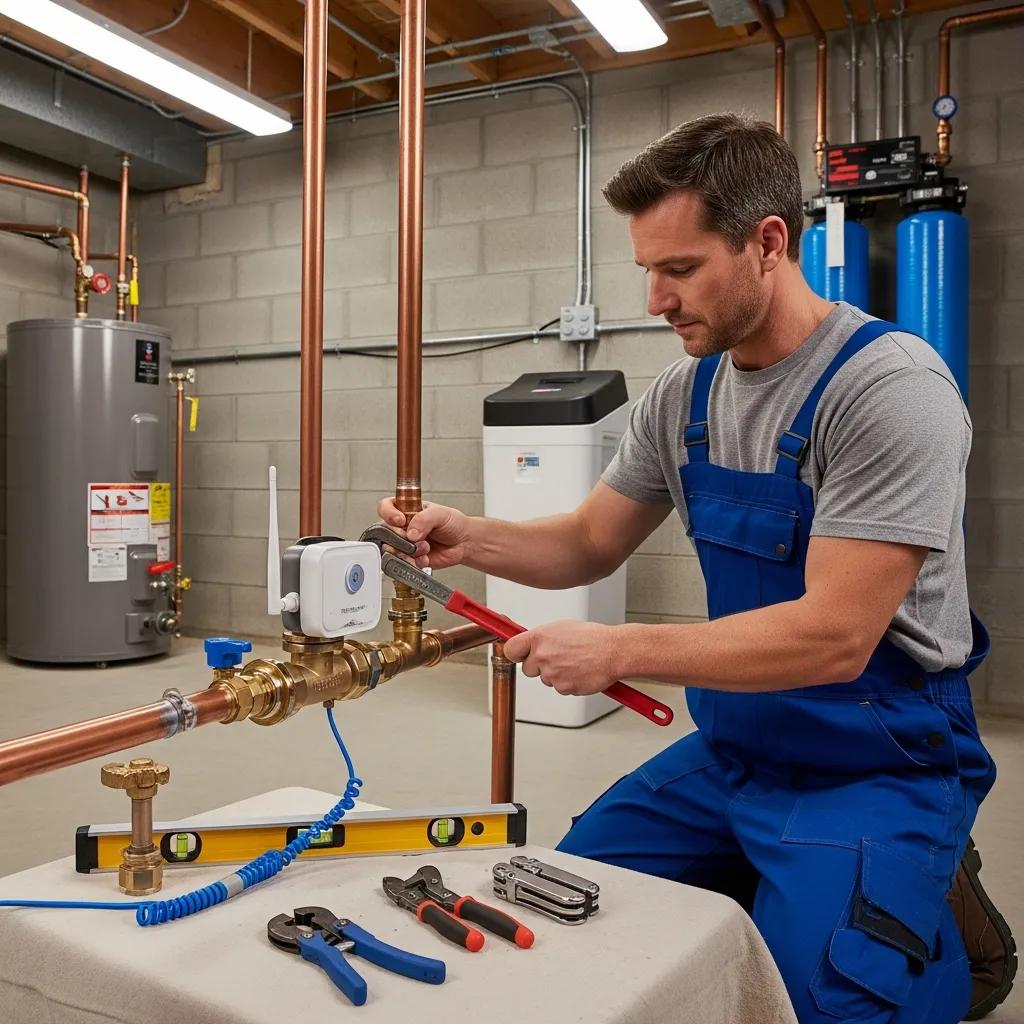
A smart water shutoff pairs leak or flow detection with a motorized valve that closes your main supply when a hazardous condition is detected. The process is straightforward: sensors flag abnormal flow or moisture, analytics confirm an issue, and the valve closes to isolate the house and stop ongoing loss. The main homeowner benefit is damage prevention—stopping a burst pipe or failed appliance within minutes reduces repair scope and secondary issues like mold. Professional installation also ensures reliable network connectivity and correct placement of sensors, valve, and gateway so detection and automatic response work consistently.
Before installing, technicians evaluate main shutoff access, plumbing materials, and Wi‑Fi/gateway placement; those checks shape the installation plan and avoid surprises during the retrofit.
What Is a Smart Water Shutoff Valve and How Does It Work?
A smart water shutoff valve is a motorized valve installed on your main line that opens or closes based on local rules or cloud-assisted analysis. Inside you’ll find an actuator, a flow meter or connection to a separate flow sensor, and a communications module that links to the home gateway or app. Detection can happen on-device (simple thresholds) or in the cloud (pattern analysis); alerts go to your phone, and the valve closes when the system confirms a problem. Good devices balance sensitivity and false-positive prevention through short verification checks and configurable thresholds—important when you don’t want the water shut off for normal use.
What Are the Installation Steps and Maintenance for Smart Water Shutoff Systems?
Professional installs usually follow a clear sequence: site assessment, temporary isolation, valve replacement or retrofit, sensor placement, network and app setup, full-system testing, and homeowner training. Technicians verify main-line access, shut off the water, fit the motorized valve or adapter, place flow and moisture sensors, configure the gateway and app, then test leak detection and valve actuation. For upkeep, expect annual functional tests, firmware updates, periodic battery changes for wireless sensors, and occasional threshold tuning based on usage data. Regular maintenance keeps detection accurate and reduces false alarms, which is why many homeowners choose licensed installers for dependable commissioning and code-compliant work.
Frost & Kretsch Plumbing offers assessment, retrofit, and testing services to make sure systems are set up correctly and remain reliable over time.
What Are Whole Home Water Leak Detection Systems and Their Advantages?
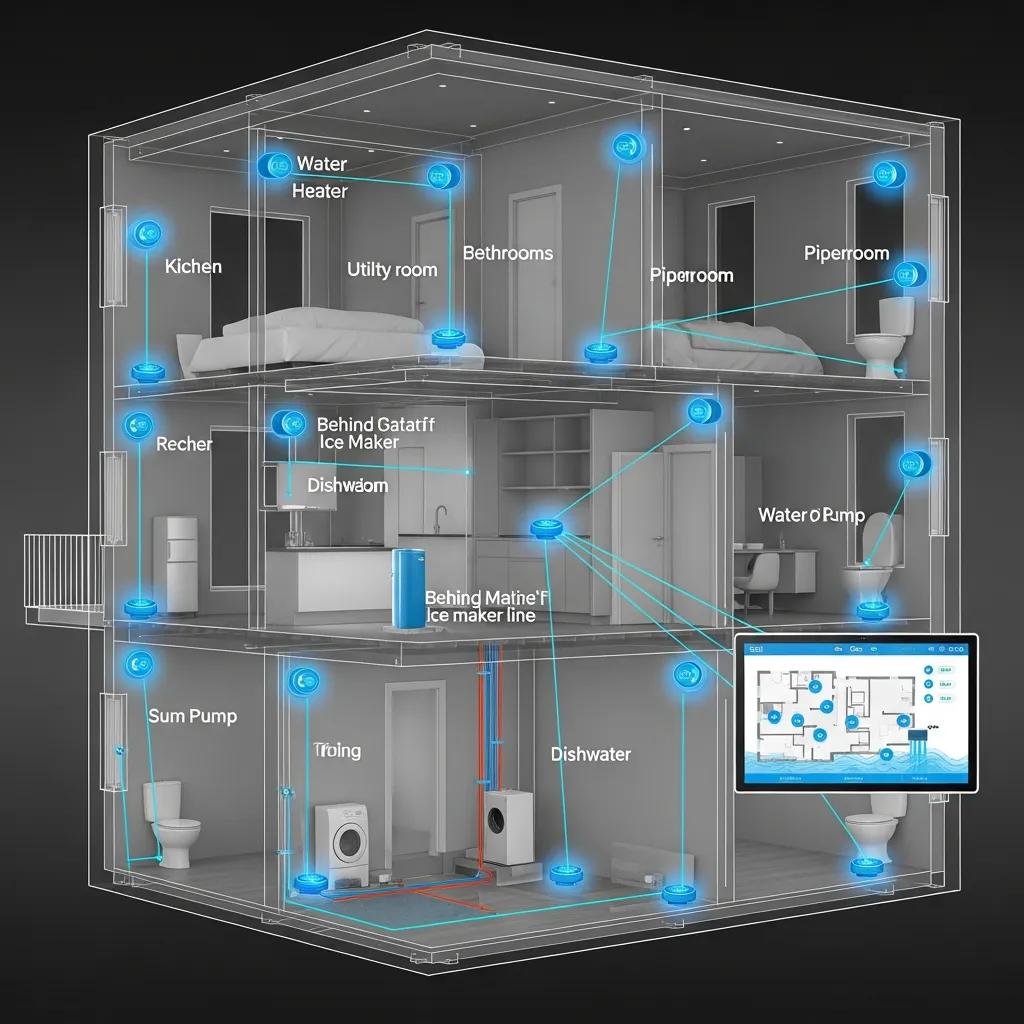
Whole-home leak detection systems combine distributed moisture sensors, a main-line flow monitor, and centralized analytics to give broad coverage and coordinated responses—far better than single point sensors alone. Typical architecture places moisture sensors at likely failure points, a flow device on the main line, and a gateway that sends data to a dashboard. That setup speeds detection, cross-checks alerts, and enables automated shutoff when needed. Benefits include fewer blind spots, centralized history for troubleshooting, and early identification of slow leaks before they become emergencies. Recommended sensor locations focus on mechanical rooms and common failure points to maximize early warning and support practical maintenance planning.
Below is a simple map of components, what they do, and how homeowners use them.
| Component | Function | Benefit / Use Case |
|---|---|---|
| Sensor Network (moisture sensors) | Detect local water presence at specific spots | Early warning under sinks, at dishwashers, near water heaters |
| Flow Monitor (main line) | Measure whole-house water flow and spot anomalies | Finds hidden leaks and unusual consumption patterns |
| Automatic Shutoff Valve | Physically isolate the supply when needed | Stops large events like burst pipes and limits damage |
| Gateway & App | Collect data and send notifications | Centralized alerts, event history, and remote control |
How Do Advanced Leak Detection Sensors Detect and Alert Homeowners?
Modern sensors use several detection methods—moisture contact, acoustic vibration, and flow anomaly analysis—to spot water incidents quickly and reliably. Point moisture sensors are ideal under sinks and near appliances; acoustic units listen for sounds of water inside walls; flow-based detection watches for deviations at the main. Alerts travel via mobile push notifications, audible alarms, and optional SMS or email. Power options include batteries for flexible placement or wired power for critical locations. Using complementary sensor types reduces false alarms and increases the chance of catching different kinds of leaks early.
What Are the Benefits of Wireless and IoT-Enabled Leak Detection?
Wireless, IoT-enabled leak detection makes monitoring remote, scalable, and easier to integrate with shutoff valves and home automation. Remote alerts give you immediate visibility wherever you are, while cloud analytics spot long-term trends and support predictive maintenance. Typical integrations pair a flow monitor with an automatic shutoff or connect sensors to a smart home hub to pause water-using devices when a problem is suspected. Wireless modules simplify retrofits by avoiding extensive wiring, making whole-home coverage workable for most houses. Together, these features shorten response times, cut waste, and simplify ongoing management.
Which Smart Plumbing Devices Are Essential for Modern Homes?
For most homes, prioritize three devices: a smart water shutoff valve, a whole-home flow monitor, and well-placed leak sensors. The shutoff is the safety actuator, the monitor finds subtle whole-house anomalies, and sensors protect known weak points like water heaters, laundry areas, and under-sink cabinets. Secondary items—smart faucets, showers, and toilets—save water daily and add convenience. Priorities change with home age and occupancy: older homes often need shutoff and flow monitoring first, while new builds can add integrated smart fixtures during construction. This approach balances installation effort with the value of avoided damage and reduced water bills.
How Do Smart Faucets, Showers, and Toilets Enhance Water Efficiency?
Smart fixtures cut water use through touchless activation, timed flows, flow-limiting aerators, and programmable schedules. They keep performance comfortable while capping waste—touchless faucets prevent long-running taps and smart showers offer preset temperature and flow that shorten shower times. When paired with whole-home monitoring, usage data shows which fixtures save the most water, helping homeowners prioritize upgrades for the biggest impact.
What Are the Features of Smart Water Monitors and Usage Tracking Systems?
Smart water monitors give real-time flow data, configurable alert thresholds, and dashboards that break usage down by day, month, and likely appliance. Key features include trend graphs, leak-detection algorithms that filter irrigation cycles from unintended flow, and integrations for automatic shutoff. Actionable alerts can point out continuous overnight flow (often a toilet leak) or small persistent drips that add up over time. Monitors also let you compare current usage to past periods so you can measure savings and target fixes with the best return.
What Is the Typical Cost of Automatic Water Shutoff Valves and Smart Plumbing Installations?
Costs vary by device features, retrofit difficulty, and integration needs. Hardware ranges from basic motorized shutoffs with local logic to full flow-monitoring systems with cloud analytics; labor depends on main-line access, pipe material, and any electrical or networking work required. Other cost drivers include whether the job is a retrofit or new install, local permitting and inspection fees, and the time needed for commissioning and testing. Knowing these factors helps you compare quotes fairly and plan a budget. The most accurate price comes from a site-specific professional assessment.
The table below outlines the typical cost drivers without listing fixed rates so homeowners can evaluate trade-offs.
| Cost Component | Attribute | Cost Range / Influencing Factor |
|---|---|---|
| Device MSRP | Basic shutoff vs. flow + analytics | Varies by features and brand |
| Labor Hours | Retrofit complexity and access | Higher when main-line access is difficult or piping is old |
| Integration Needs | Wi‑Fi/gateway and smart-home linking | Adds setup time and may require extra hardware |
| Permits & Inspections | Local code requirements | May add administrative time and fees |
What Factors Influence the Price of Smart Water Shutoff Installation?
Final price depends on the device chosen, how hard it is to reach the main line, whether you need extra sensors or gateways, and any permits or inspections. Simple motorized valves cost less than integrated systems with advanced analytics. Retrofit labor increases if walls, slabs, or unusual pipe materials are involved. Network integration can require additional hardware or configuration time, and local permitting adds steps. Understanding these variables helps you weigh quotes and choose the solution that balances protection and budget.
How Can Professional Installation Save Money and Prevent Damage?
Professional installation reduces long-term cost by ensuring correct valve sizing, sensor placement, and reliable commissioning—steps that reduce callbacks, false activations, and missed detections. Licensed technicians run functional tests, adjust thresholds, and verify network reliability, lowering the chance of costly water damage or rework. Proper installation also supports warranties and can simplify insurance claims by documenting code-compliant, professionally commissioned protection. For predictable results, a professional assessment and install usually pay off through fewer emergencies and better system performance.
Why Choose Frost & Kretsch Plumbing for Smart Plumbing Solutions in Grosse Pointe?
Frost & Kretsch Plumbing is a local team experienced with smart plumbing installs and whole-home leak detection. We offer 24/7 emergency response, clear pricing, and licensed technicians who handle residential and commercial work. Our approach includes thorough pre-install assessments, professional retrofits, and careful commissioning so your devices perform reliably. We publish transparent estimates and stand behind our work with a customer satisfaction commitment. Serving Grosse Pointe and nearby Macomb, Oakland, and Wayne Counties, we combine local responsiveness with the technical skills needed for smart plumbing projects.
What Makes Our 24/7 Emergency Service and Transparent Pricing Unique?
Our 24/7 emergency model focuses on quick assessment, temporary mitigation to stop immediate damage, and scheduled follow-up to restore systems properly. Transparent pricing means you get upfront estimates that clearly list hardware, labor, and testing—no hidden fees—and a straightforward explanation of options so you can weigh trade-offs between devices and labor complexity. We validate work with post-install testing and a homeowner walkthrough to make sure you understand the system. These practices deliver predictable outcomes when you need fast action or when you’re planning preventative upgrades.
How Do Our Licensed Experts Ensure Quality Smart Plumbing Installations?
Our licensed plumbers follow a documented quality process: pre-install assessment, code-compliant installation, commissioning tests, and post-install verification. Technicians are trained to configure smart devices, apply firmware updates, and integrate the system with home networks so sensors, gateways, and dashboards communicate reliably. After installation we provide maintenance guidance and schedule annual checks, firmware updates, and battery replacements when needed to keep the system working long term. That attention to detail reduces false activations, extends device life, and helps homeowners get the most from their investment.
If you’re weighing a DIY install versus hiring pros, the next step is a formal estimate and on-site assessment to match device selection with your home’s layout and risks.
Frequently Asked Questions
What are the common challenges homeowners face when installing smart plumbing systems?
Common challenges include confirming device compatibility with existing plumbing, finding the best spots for sensors and valves, and handling local permit or code requirements. Older homes can present extra hurdles—outdated piping, tight access, or layouts that make main-line work harder. A professional installer helps navigate these issues, ensures compliance, and reduces the chance of surprises during the job.
How do smart plumbing systems integrate with home automation platforms?
Most smart plumbing devices connect to a gateway or home hub and can be controlled through popular platforms like Google Home, Amazon Alexa, or Apple HomeKit when supported. Integration lets you receive alerts, shut off water remotely, or trigger other automations—such as pausing an irrigation controller—when a leak is detected. Compatibility varies by product, so check device specs and ask your installer about integration options.
What maintenance is required for smart plumbing devices?
Regular maintenance keeps systems reliable: annual functional tests, battery checks for wireless sensors, and firmware updates for improved performance and security. Reviewing usage analytics periodically helps fine-tune detection thresholds. Scheduling routine professional inspections is a good way to catch issues early and ensure everything still meets local codes.
Can smart plumbing systems help reduce water bills?
Yes. By exposing leaks quickly and highlighting inefficient use, smart systems can significantly lower water waste and bills. Automatic shutoffs prevent large losses from leaks, and usage tracking helps you change habits or prioritize fixes that deliver ongoing savings. Over time those savings can offset much of the initial investment.
What should homeowners consider when choosing smart plumbing devices?
Consider your home’s age and layout, your budget, and which risks matter most. Start with a smart shutoff and a whole-house monitor for broad protection, then add sensors at likely failure points. Check device compatibility with your smart-home platform and ask about warranty and local support. Manufacturer reputation and installer experience are also important for long-term reliability.
How do smart plumbing systems enhance home safety?
Smart systems increase safety by detecting leaks early and automatically stopping water flow if needed. That rapid response reduces structural damage, lowers the risk of mold, and prevents more severe problems down the line. Knowing your home is being monitored offers real peace of mind, especially when you’re away.
Conclusion
Smart plumbing brings clear benefits: faster leak detection, real water savings, and the convenience of remote monitoring. Installing a smart shutoff, pairing it with whole-home monitoring, and placing sensors at key points gives strong protection against water damage while helping reduce utility costs. If you want a smooth, reliable install, reach out to our licensed Frost & Kretsch Plumbing team for an on-site assessment and a transparent estimate tailored to your home.