
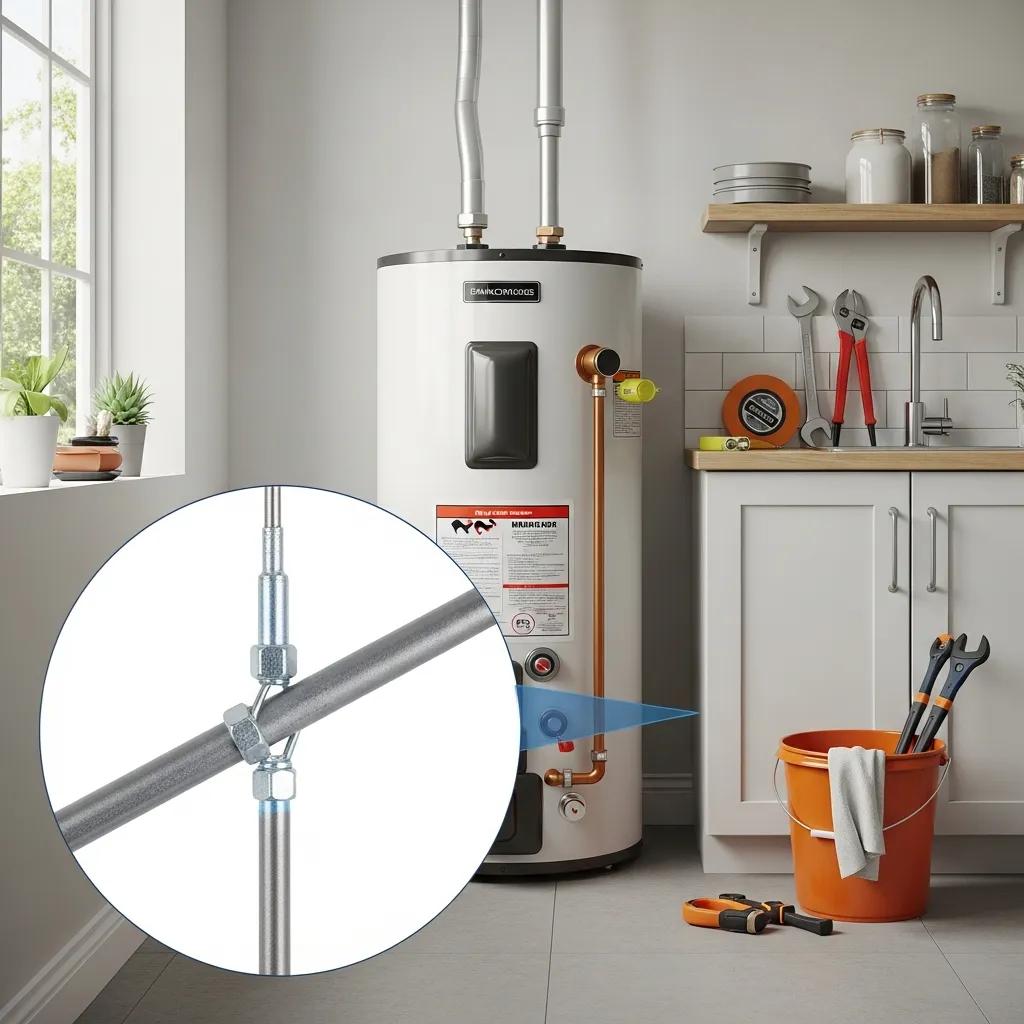
Water Heater Anode Rod — What It Does, How to Spot Trouble, Your Options, Replacement Timing, and Cost Guide
An anode rod is a sacrificial metal part inside your water heater tank that helps prevent the steel from rusting and leaking. This guide breaks down how anode rods work, what galvanic corrosion looks like, common warning signs of a failing rod, the material choices available, recommended inspection and replacement intervals, and what replacement costs. When homeowners understand anode rod function they can troubleshoot rusty water, sulfur smells, and noisy tanks with more confidence — and pick the right rod or a powered anode based on their water chemistry. You’ll also find clear notes on when a DIY replacement is reasonable and when calling a licensed plumber is the smarter, safer option for warranty and safety reasons. Read on for straightforward diagnostics, side-by-side rod comparisons, practical maintenance schedules, and a clear look at professional replacement options for Grosse Pointe and nearby communities.
What a Water Heater Anode Rod Is and How It Fights Corrosion
An anode rod is a sacrificial metal conductor installed in the tank so it corrodes instead of the steel lining. In the electrochemical reaction that happens inside a water heater, the anode becomes the anodic site and corrodes first, protecting the tank steel from rust and leaks. Think of the rod as a replaceable shield — when it’s doing its job, it buys time for the tank. Knowing this mechanism helps you pick the right material for your water quality and explains why regular inspections matter. In practice, checking the anode alongside tank flushing and other maintenance is an affordable way to keep a water heater running longer.
What exactly does a sacrificial anode rod do?
The sacrificial rod corrodes in place of the tank steel because its metal gives up electrons more readily, making it the preferred oxidation point in the tank’s electrochemical cell. As the rod wears away it leaves corrosion byproducts you’ll notice during inspections — heavy depletion is a sign protection is ending. Regular checks and timely replacement keep the tank cathodic and delay leaks or premature replacement of the whole unit. Water chemistry and plumbing conditions have a big impact on how fast an anode wears, so inspection schedules should reflect those local factors.
How does galvanic corrosion damage a water heater?
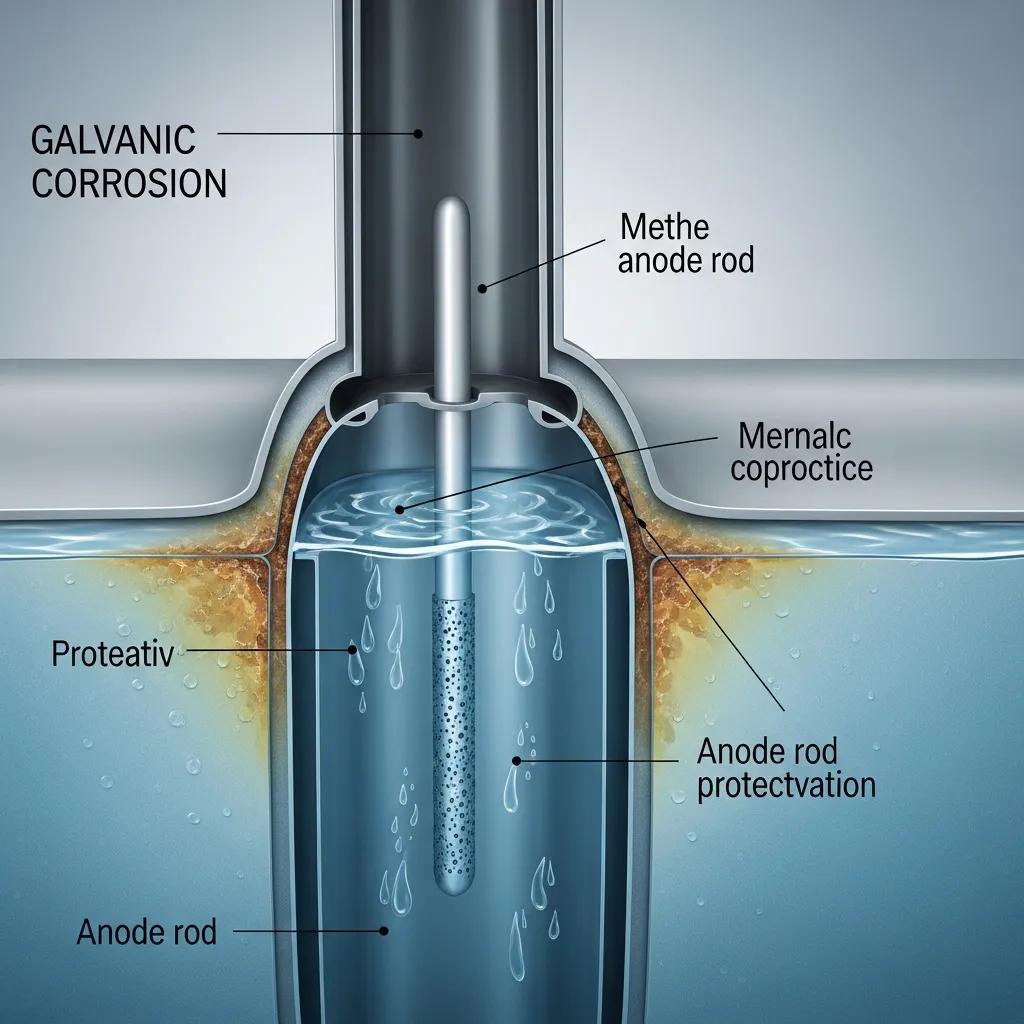
Galvanic corrosion happens when different metals are connected in an electrolyte — your water — and the more anodic metal corrodes faster. In water heaters, dissolved minerals, oxygen, and stray electrical currents speed up the process. High dissolved oxygen, chlorides, water hardness, and mixed-metal plumbing all raise corrosion risk and can cause pitting or broad rust inside the tank. If left unchecked, galvanic action will eventually perforate the steel and cause leaks, which is why keeping the anode working is essential. Preventive steps include managing water chemistry when possible, choosing the right rod material, and inspecting the anode regularly to catch fast corrosion early.
Common Signs Your Water Heater Anode Rod Is Failing
A failing anode rod shows up as symptoms homeowners can spot without special equipment. Look for rusty or discolored hot water, a rotten-egg (sulfur) smell in hot water, strange noises from the tank, and visible corrosion when the rod is inspected. Spotting these signs early helps you separate anode-related issues from other plumbing problems and decide whether you need to flush the tank, replace the rod, or run more diagnostics. Acting quickly lowers the chance of a leak that would force full tank replacement.
How to tell if rusty or discolored hot water is from the anode rod
Compare hot and cold water: if only the hot water is discolored, the heater or its anode is the likely source. Check faucet aerators and exposed supply lines for rust or particles — flaky particles suggest internal tank corrosion while dissolved iron gives a yellow‑brown tint without flakes. You can draw a bucket of hot water, let solids settle, and look for sediment or flakes that point to internal corrosion or a spent anode. If discoloration comes with reduced hot water capacity or happens more at higher temperatures, schedule an inspection to check the rod and tank condition. A correct diagnosis narrows repair choices: flushing, anode replacement, or addressing upstream plumbing issues.
What a rotten egg smell means for the anode rod
The rotten egg scent is hydrogen sulfide gas, usually produced by sulfate‑reducing bacteria acting on sulfates in the water and certain anode materials — magnesium and some aluminum rods can accelerate the reaction. If the smell appears only in hot water and you have a magnesium rod, the rod‑material interaction with bacteria is a likely cause. Short-term fixes include flushing, shock chlorination, and temporarily raising the water temperature to reduce bacteria, but persistent odor often calls for switching to an aluminum‑zinc rod or a powered anode. Treating both the water chemistry and the anode choice gives a longer‑lasting solution than masking the smell.
Anode Rod Types — Which One Fits Your Water?
Choosing the right anode depends on your water chemistry, odor concerns, and whether you prefer lower maintenance or stronger sacrificial protection. The main choices are magnesium, aluminum, aluminum‑zinc, and powered (impressed‑current) anodes. Each has trade‑offs in how fast it corrodes, how it interacts with odors, cost, and expected life. Magnesium offers strong protection in soft water but can worsen sulfur odors. Aluminum performs better in hard water and tends to corrode more slowly there. Aluminum‑zinc is formulated to reduce hydrogen sulfide smell. Powered anodes use electricity to prevent corrosion without consuming metal and work well where water chemistry makes sacrificial rods a problem.
Below is a quick comparison so you can match rod type to local conditions and priorities.
| Material Type | Best for Water Type | Pros | Cons | Typical Lifespan |
|---|---|---|---|---|
| Magnesium | Soft, low‑mineral water | Strong sacrificial protection | Can contribute to sulfur odor | 3–5 years (varies) |
| Aluminum | Hard water with minerals | Slower corrosion in hard water | May affect odor; less protective in soft water | 3–6 years |
| Aluminum‑Zinc | Sulfur‑prone water | Reduces hydrogen sulfide odor | Moderate protection; alloy considerations | 3–5 years |
| Powered (Impressed‑Current) | Softened water / persistent odor problems | Long‑lasting, non‑consumable; strong odor control | Higher upfront cost; professional install required | 10+ years (system life) |
- If you have softened water or ongoing sulfur odors, consider a powered anode.
- Homes with naturally soft water often choose magnesium for maximum sacrificial protection.
- In hard‑water areas, aluminum or aluminum‑zinc rods can slow depletion.
How Often Should You Replace the Anode Rod?
Inspect the anode once a year and plan on replacing it roughly every 3–5 years under average conditions. That interval changes with water hardness, whether you use a water softener, how much hot water your household uses, thermostat settings, rod material, and local water chemistry. Inspect proactively: if the rod has mostly disappeared or shows heavy pitting, replace it right away to avoid exposing the tank steel. Tailoring inspection and replacement timing to your water and usage patterns is the best way to prevent surprise leaks and extend the heater’s life.
What affects how quickly an anode rod wears out?
Several things speed up anode consumption: hard water increases scale and corrosion; water softeners often make rods deplete faster because softened water is more chemically aggressive; high hot‑water demand raises reaction rates; and higher thermostat settings accelerate corrosion. Certain plumbing materials or stray electrical currents can also worsen galvanic attack. Check manufacturer guidance and warranty requirements — some warranties depend on regular anode maintenance. Practical steps include keeping temperature settings reasonable, testing water hardness, and scheduling annual inspections so replacement timing reflects actual rod condition.
The next table applies these factors to inspection frequency for homeowners around Grosse Pointe and nearby counties.
| Factor | Effect on Lifespan | Recommended Inspection Frequency |
|---|---|---|
| Water hardness | Shortens lifespan (more scale & corrosion) | Inspect annually; consider every 6 months if very hard |
| Water softener use | Accelerates consumption | Inspect every 6–12 months |
| Household hot water demand | Increases depletion | Inspect annually or after major usage changes |
| Higher temperature settings | Raises corrosion rate | Inspect annually after major temperature changes |
| Rod material (Mg vs Al) | Magnesium depletes faster in hard water | Inspect based on material: 6–12 months in aggressive conditions |
This table helps you match inspection timing to the household and water conditions that most affect rod life.
How Grosse Pointe water quality can change rod life
Local water — hardness, dissolved oxygen, sulfates, and mineral content — directly affects anode performance in Grosse Pointe and nearby Macomb, Oakland, and Wayne County homes. Municipal supplies usually have moderate mineral levels; private wells can vary and may introduce higher sulfates or bacteria that affect odor and corrosion. For most Grosse Pointe homes, annual inspection is a good baseline; do semi‑annual checks if you run a water softener, smell sulfur, or have very high hot water demand. If local testing shows high sulfates or bacterial activity, switching to an aluminum‑zinc rod or a powered anode often gives better odor control and corrosion protection.
Costs and Benefits of Professional Anode Rod Replacement
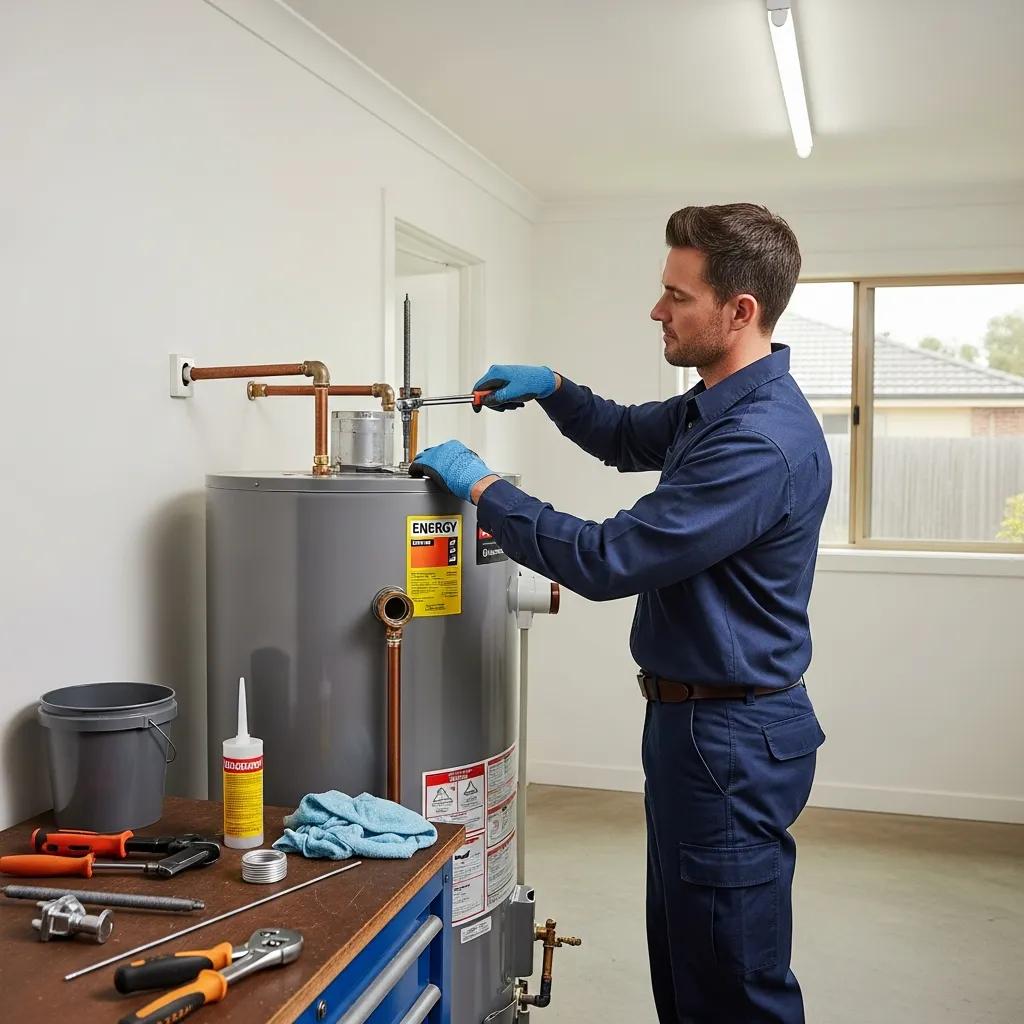
Professional replacement balances part cost, access and labor to reach the rod, and any extra work like flushing or addressing seized rods. Pros bring the right tools to remove corroded rods safely, lower the risk of tank damage, and keep work code‑ and warranty‑compliant. They can also recommend the best rod for your water chemistry. A skilled DIYer can sometimes replace a sacrificial rod, but complex jobs, safety concerns with gas or electric heaters, or warranty issues usually make hiring a licensed plumber the better choice. Below we outline typical cost ranges and compare DIY versus professional routes so you can decide with confidence.
Typical cost range for professional anode rod replacement
Costs vary by rod type, how accessible the rod is, and local labor rates. Standard sacrificial rods are inexpensive as parts, while powered anodes cost more up front and often require electrical work. Expect total professional jobs for a sacrificial rod (parts plus labor) commonly in the $150–$300 range, which can include flushing or sediment work. Powered anode installations typically run higher — sometimes $400 or more — due to the parts and electrical hookup. For an accurate quote, ask for a free on‑site assessment so the technician can evaluate access, rod condition, and any tank complications.
| Action | Typical Part/Time Cost | Risk | Benefit |
|---|---|---|---|
| DIY replace sacrificial rod | Lower part cost; 1–2 hours typical | Risk of improperly seating, stripping fittings, or voiding warranty | Cost savings if you have the tools and experience |
| Professional replace sacrificial rod | Moderate total cost; includes labor and inspection | Minimal; pros handle seized rods and warranty concerns | Guaranteed workmanship, safety, correct selection |
| Install powered anode | Higher parts & labor cost | Requires electrical work; professional necessary | Long‑term protection, odor control, lower maintenance |
Why hire a pro instead of doing it yourself?
A licensed professional brings tools and experience to remove stuck rods without damaging the tank, follows code and warranty requirements, and diagnoses related issues like sediment buildup or a failing TPR valve. Pros also recommend the best rod material for your water, which cuts down on repeat visits and fixes the root cause of odor or rapid consumption. For Grosse Pointe-area homeowners who want convenience and a workmanship guarantee, a licensed, insured plumbing company is the safer choice. Frost & Kretsch Plumbing offers free estimates, licensed and insured technicians, transparent pricing, and 24/7 emergency service for local customers.
- Call a professional if rusty hot water continues after flushing.
- Call a professional if the anode rod is seized or the tank shows active leakage.
- Call a professional if you plan a powered anode installation or any electrical work is required.
Frost & Kretsch Plumbing provides inspection and replacement services across Grosse Pointe and nearby communities. For a free estimate or to schedule an inspection, call (313) 881-2818, (586) 675-0097, or (248) 600-0426.
- Licensed and insured technicians: Deliver safe, code‑compliant work and protect your warranty.
- Transparent pricing and free estimates: Let homeowners compare options before committing.
- 24/7 emergency service: Fast response for leaks or urgent failures that risk property damage.
These service features make professional replacement the sensible choice when safety, warranty, or access are concerns.
- Inspect annually: Check the anode rod each year as part of regular water heater maintenance.
- Replace proactively: Replace the rod once it’s mostly consumed, heavily pitted, or when odor problems persist.
- Match rod to water: Use the comparison above to choose magnesium, aluminum, aluminum‑zinc, or consider a powered anode in difficult conditions.
These practical steps help homeowners turn a diagnosis into the right action and keep tanks working longer.
| Service Component | Description | Value |
|---|---|---|
| Inspection | Annual anode and tank check | Prevents leaks and informs replacement timing |
| Replacement | Swap sacrificial or install a powered anode | Restores corrosion protection and reduces odor |
| Maintenance package | Flushing, TPR check, and sediment removal | Improves heat transfer and reduces anode wear |
Frequently Asked Questions
1. How can I tell if my anode rod needs replacement?
Look for rusty or discolored hot water, a rotten‑egg smell, or unusual tank noises. Inspect the rod — if it’s heavily corroded or most of the metal is gone, replace it. Annual inspections are a good habit to catch problems before they lead to leaks and premature heater replacement.
2. Can I replace the anode rod myself, and what tools do I need?
Experienced DIYers can replace anode rods. Common tools include a socket wrench sized for the rod head, a breaker bar for leverage, and possibly a pipe wrench if it’s stuck. Always turn off power and water before starting. If you’re unsure or the rod is seized, hire a professional to avoid tank damage or voiding warranties.
3. What are the environmental impacts of different anode rod materials?
Materials differ: magnesium works well but can worsen hydrogen sulfide odors; aluminum may raise concerns about aluminum in water; aluminum‑zinc helps control odor but still has material impacts. Powered anodes don’t consume metal and can be a more sustainable long‑term option by reducing waste and maintenance frequency, though they have higher initial energy and equipment costs.
4. How does water temperature affect anode rod lifespan?
Higher temperatures speed up the chemical reactions that corrode anode rods. Thermostats set above 140°F accelerate depletion; a common recommendation is 120°F–130°F to balance safety, efficiency, and rod life.
5. What should I do if my water heater starts leaking?
If your heater leaks, shut off power and water immediately to limit damage. Try to locate the leak; if it’s near the anode rod or tank body, contact a licensed plumber right away — leaks can cause major water damage and may require urgent repair or tank replacement.
6. Are there maintenance tips to extend an anode rod’s life?
Inspect the rod annually, flush the tank to remove sediment that speeds corrosion, and keep water temperature moderate. If you use a water softener, check the rod more often since softened water can increase anode consumption.
7. What are the benefits of using a powered anode rod?
Powered anodes offer longer service life and lower maintenance because they don’t corrode like sacrificial rods. They’re effective in difficult water conditions and can reduce odor problems. Though they cost more and require professional installation, the long‑term protection and fewer replacements often justify the investment.
Conclusion
Knowing what an anode rod does and staying on top of inspections is one of the simplest ways to protect your water heater and avoid costly leaks. Recognize the warning signs, pick the rod material that fits your water, and replace the rod before it’s too late. If you’d like help or a free estimate, contact Frost & Kretsch Plumbing — we’re ready to inspect, advise, and serve Grosse Pointe and the surrounding area.