Prevent Plumbing Emergencies in Grosse Pointe with Proactive Maintenance
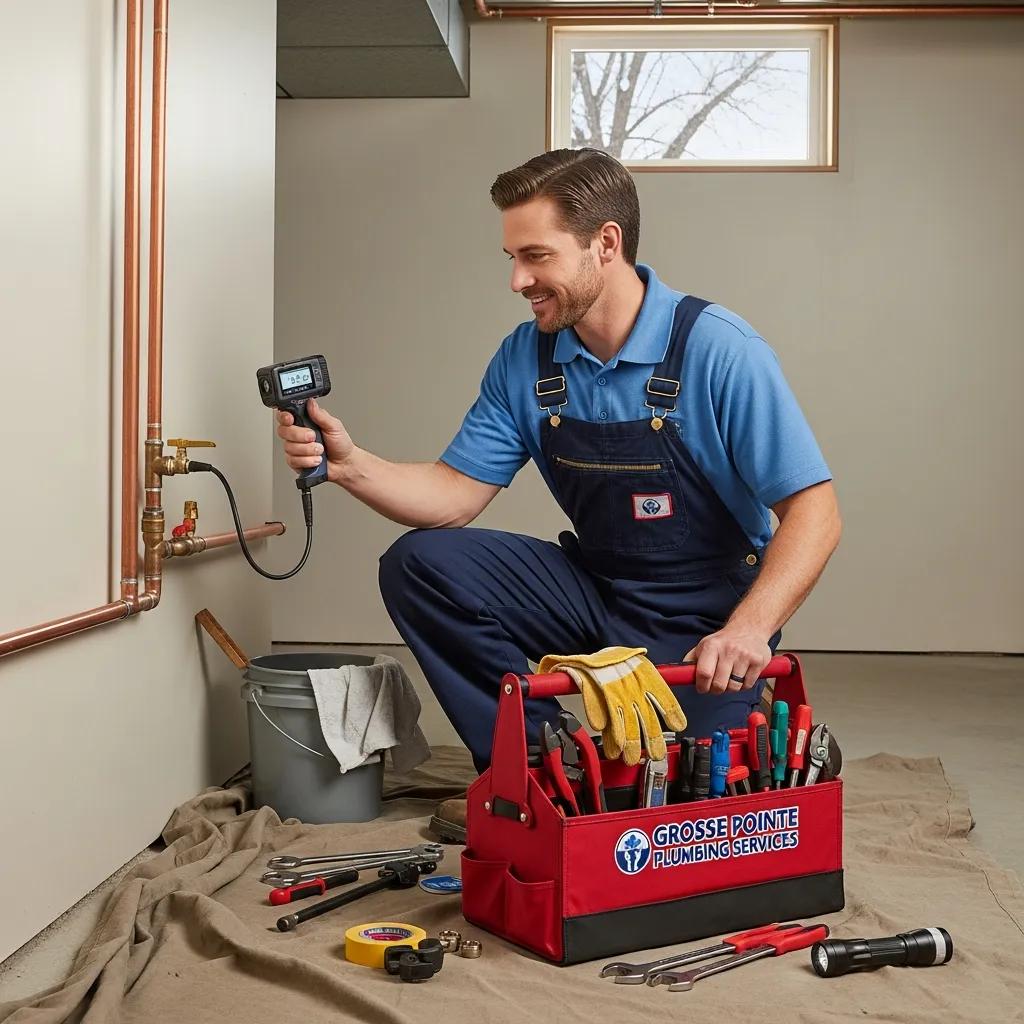
Proactive plumbing maintenance means scheduling regular inspections, targeted cleaning, and small repairs before they turn into disruptive emergencies. For Grosse Pointe homes and businesses, that forward-looking approach cuts the risk of sudden water damage and expensive repairs. This guide breaks down what proactive plumbing looks like here—why it matters with our cold winters and older systems, which preventative tasks give the best return, and how to spot issues early. You’ll get clear guidance on the maintenance that matters most—annual inspections, drain and sewer monitoring, water‑heater care, pipe winterization, leak detection, and sump pump testing—and practical next steps to keep your property running without surprises. Throughout, local terms like proactive plumbing, preventative plumbing maintenance, annual plumbing inspection, and leak detection services Grosse Pointe are used to help homeowners and facility managers find usable, place-specific advice.
Why proactive plumbing matters for Grosse Pointe homes and businesses
Proactive plumbing maintenance is a routine program of inspections, cleaning, and tune‑ups designed to catch corrosion, blockages, and small leaks before they become pipe bursts or sewage backups. In Grosse Pointe, freeze‑thaw cycles and aging plumbing increase pipe stress and the chance of root intrusion, so scheduled care directly reduces emergency calls and repair bills. The benefits are straightforward: lower lifetime replacement costs, better water efficiency, and less downtime for businesses that depend on reliable water and drainage. Understanding these local risks makes it clear why investing in inspections—especially before winter—pays off.
Frost & Kretsch Plumbing offers annual inspections and preventative drain cleaning as standard services so property owners can turn recommendations into scheduled work instead of waiting for failures. Below is a quick, scannable list of the primary benefits property managers and homeowners value most.
Key benefits of preventative plumbing maintenance
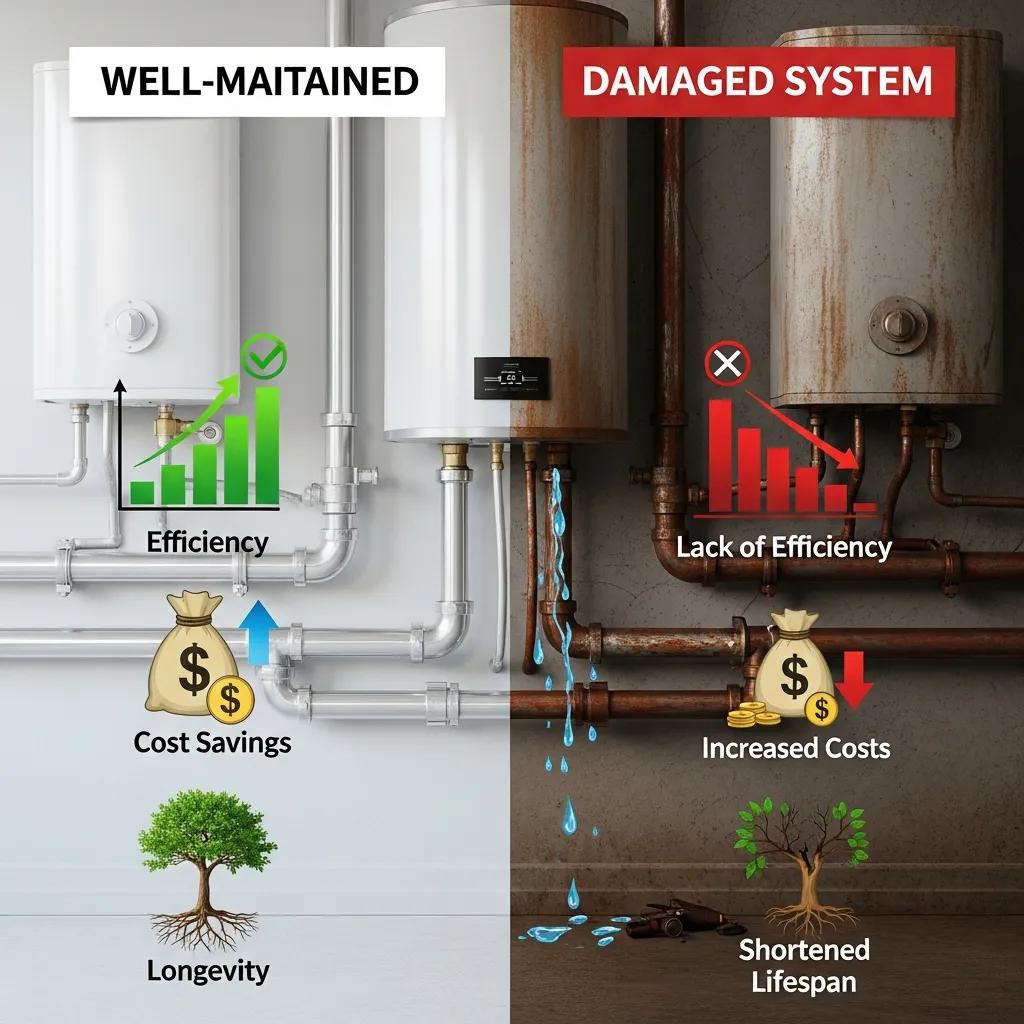
Preventative plumbing preserves property value, reduces disruption, and keeps systems running efficiently. Routine service removes corrosive sediment and scale, extending the life of water heaters, pumps, and fixtures. It also cuts down emergency repairs by finding small leaks, loose fittings, and early sewer issues before they escalate. And because it reduces the chance of contamination or backups, proactive care helps protect water quality—especially important in older buildings around Grosse Pointe.
- Longer equipment life: Regular servicing prevents premature replacement of water heaters and pumps.
- Fewer emergency calls: Early detection lowers the chance of burst pipes and backups.
- Better water efficiency: Clean systems use less energy and less water.
Those operational benefits tie directly to savings and predictable outcomes over time.
How regular maintenance saves money and prevents emergencies
Regular maintenance replaces costly, reactionary repairs with lower‑cost, targeted fixes that stop failures before they grow. The idea is simple: find deterioration early, fix localized faults, and schedule replacements on your terms. For example, catching a slow leak at an annual inspection usually means replacing a seal instead of tearing out drywall and repairing slabs after a hidden leak worsens. Over time these small fixes reduce insurance claims, emergency fees, and the need for full component replacements.
- Cost‑avoidance example: Replacing a corroded valve now can prevent a pipe rupture that would cost thousands later.
- ROI view: Small, scheduled inspection and cleaning costs often prevent much larger expenses within a few years.
Next, we’ll outline the preventative services that address the most common causes of failure.
Comprehensive proactive services from Frost & Kretsch
A complete preventative program blends inspections, diagnostic imaging, cleaning, and targeted repairs to keep your plumbing reliable. Core services include annual plumbing inspections, sewer video camera surveys, routine drain cleaning (with hydro‑jetting when needed), water‑heater maintenance, and sump pump checks. Inspections review fixtures, visible piping, pressure behavior, and leak detection; sewer camera work catches root intrusion and early line deterioration; routine cleaning removes grease and sediment that cause recurring clogs. Together these services reduce emergencies, protect property value, and improve water and energy efficiency.
| Service | What It Checks | Benefit |
|---|---|---|
| Annual Plumbing Inspection | Fixtures, visible piping, water pressure, leak checks | Finds hidden issues before they fail |
| Sewer Video Camera Inspection | Internal sewer line condition and blockages | Detects roots, cracks, and early collapse signs |
| Routine Drain Cleaning | Trap and line clearing, grease removal | Prevents recurring clogs and backups |
This comparison makes it easy to see what each service focuses on and the value it delivers. Below we explain how inspections and cleaning work together for long‑term reliability.
How annual inspections prevent costly repairs
Annual inspections mix visual checks with targeted diagnostics to find corroded fittings, slow leaks, and pressure anomalies before they cause major damage. Typical checks include testing fixture seals, exercising shut‑off valves, measuring pressure, and using cameras or acoustic leak detection for buried or behind‑wall pipes. Early detection lets you choose lower‑cost repairs or planned replacements instead of emergency fixes that disrupt your property. For example, spotting a failing check valve during an inspection can stop a sewage backup into a basement—and save thousands in cleanup and repair costs.
Inspection results feed a maintenance plan that schedules cleaning, part replacement, or monitoring to keep systems dependable.
Why professional drain cleaning matters
Professional drain cleaning removes the gradual buildup of grease, hair, mineral scale, and biofilm that narrows pipes and increases backpressure—leading to slow drains and, eventually, backups. Technicians use mechanical snaking for targeted clogs and hydro‑jetting for heavy grease or root intrusion; the right method depends on the diagnosis and pipe condition. Preventive cleaning intervals—often yearly or twice a year for heavy‑use systems—help avoid repeat clogs and extend sewer life. Pairing video inspection with cleaning confirms the line is clear and reduces the chance of missed damage.
- Mechanical snaking: Clears localized blockages quickly and affordably.
- Hydro‑jetting: Cleans pipe walls of grease, scale, and roots for longer‑term prevention.
- Video confirmation: Verifies line condition after service to avoid surprises.
Next we cover water‑heater maintenance—another key area for preventing system failures.
| Maintenance Item | Recommended Frequency / Action | Expected Benefit |
|---|---|---|
| Flush tank water heater | Annually | Removes sediment and restores efficiency |
| Inspect anode rod | Every 1–3 years | Slows corrosion and extends tank life |
| Check thermostat & pressure relief valve | Annually | Ensures safety and consistent performance |
How water‑heater maintenance extends appliance lifespan
Water‑heater maintenance—flushing sediment, testing safety devices, and checking corrosion‑prone parts—reduces thermal stress and corrosion, extending the unit’s life and improving efficiency. Sediment makes burners and elements work harder and can cause overheating; a worn anode rod leaves the tank vulnerable to corrosion. Addressing these issues prevents leaks and early replacement. Regular checks also include testing the pressure relief valve and thermostat so the unit runs safely and efficiently. Knowing these steps helps homeowners and managers schedule the right service at predictable intervals.
Below is a simple, homeowner‑friendly outline of flushing and safety points that clarify what you can do yourself and when to call a pro.
Steps to flush and maintain a tank water heater
Flushing a tank water heater removes sediment that reduces efficiency and raises failure risk. Follow these high‑level steps and stop to call a professional if you’re unsure. First, cut power or shut off the gas and close the cold‑water inlet. Second, attach a hose to the drain valve and direct water to a safe drain. Third, open the drain valve and flush until the water runs clear, then close valves and restore supply while checking for leaks. Don’t work on gas burners or electrical components—call a licensed plumber if valves are stuck or corrosion appears. An annual flush plus periodic anode rod checks usually keep tank heaters running reliably.
That prepares you for timing guidance on tank and tankless system servicing.
When to service tankless and traditional water heaters
Traditional tank heaters typically need annual service—flushing, anode rod inspection, and safety checks. Tankless systems require descaling on a schedule driven by local water hardness, often every 1–2 years. Immediate service is warranted for inconsistent hot water, unusual noises (signs of sediment or scale), or visible leaks at fittings. Tankless units may also need filter cleaning and burner checks to keep flow and efficiency steady. Choosing the right interval—annual for tanks, variable for tankless—prevents emergency replacements and keeps performance predictable.
Next we’ll look at pipe protection and leak detection to stop problems before they become disasters.
| Protection Focus | Protection Method | When to Use |
|---|---|---|
| Exposed supply pipes | Foam insulation or pipe wrap | Year‑round; essential before winter |
| Vulnerable exterior lines | Heat tape with thermostat | Apply in late fall or where freeze risk exists |
| Hidden slab / behind‑wall pipes | Professional leak‑detection monitoring | When the property has prior leaks or signs of moisture |
How pipe protection and leak prevention stop plumbing emergencies
Pipe protection and leak prevention work by insulating vulnerable runs, reducing thermal stress at joints, and using early‑detection tools to find small leaks before they grow. Insulation and heat tape lower freeze risk for exposed lines, while winterization closes exterior feeds and isolates irrigation or hose bibs. Acoustic and infrared leak detection plus sensor monitoring locate hidden leaks under slabs or behind walls before structural damage occurs. Together, these measures keep failures small, reduce water loss, and limit repair scope.
Below is a practical winterization checklist for Grosse Pointe that balances DIY steps with professional services.
Effective ways to winterize and insulate pipes in Grosse Pointe
Good winterization means disconnecting outdoor hoses, closing interior shut‑offs to exterior lines, insulating exposed pipes with foam or wrap, and applying heat tape where freeze risk is high. Do this before sustained freezes to prevent most burst‑pipe emergencies. For older homes with thin crawlspace or attic insulation, adding pipe foam and sealing drafts around plumbing penetrations makes a big difference. Homeowners can handle simple checks—looking for drafts and insulating visible pipes—while complex insulation or buried‑line work is best left to pros. Schedule winterization in early fall and recheck before hard freezes to keep systems resilient through Michigan winters.
- DIY tasks: Disconnect hoses, drain exterior lines, insulate exposed pipes.
- Professional tasks: Install heat tape, insulate hard‑to‑reach runs, inspect buried service lines.
Next we’ll cover how leak detection finds hidden problems early.
How leak detection uncovers hidden plumbing issues
Leak detection uses acoustic sensors, infrared imaging, and smart monitoring to locate leaks in slabs or behind walls before they cause visible damage. The process is detection → localization → targeted repair. Acoustic devices listen for pressurized water, thermal cameras show moisture temperature differences, and sensor networks alert you to unusual flow or humidity. Early identification reduces repair size and cost by enabling precise fixes instead of wholesale demolition. If you see unexplained spikes in your water bill or notice damp spots, consider professional detection to stop damage from growing.
Those detection strategies lead into the essential topic of sump pump reliability for basement flood protection.
Why sump pump maintenance matters for basement flood prevention
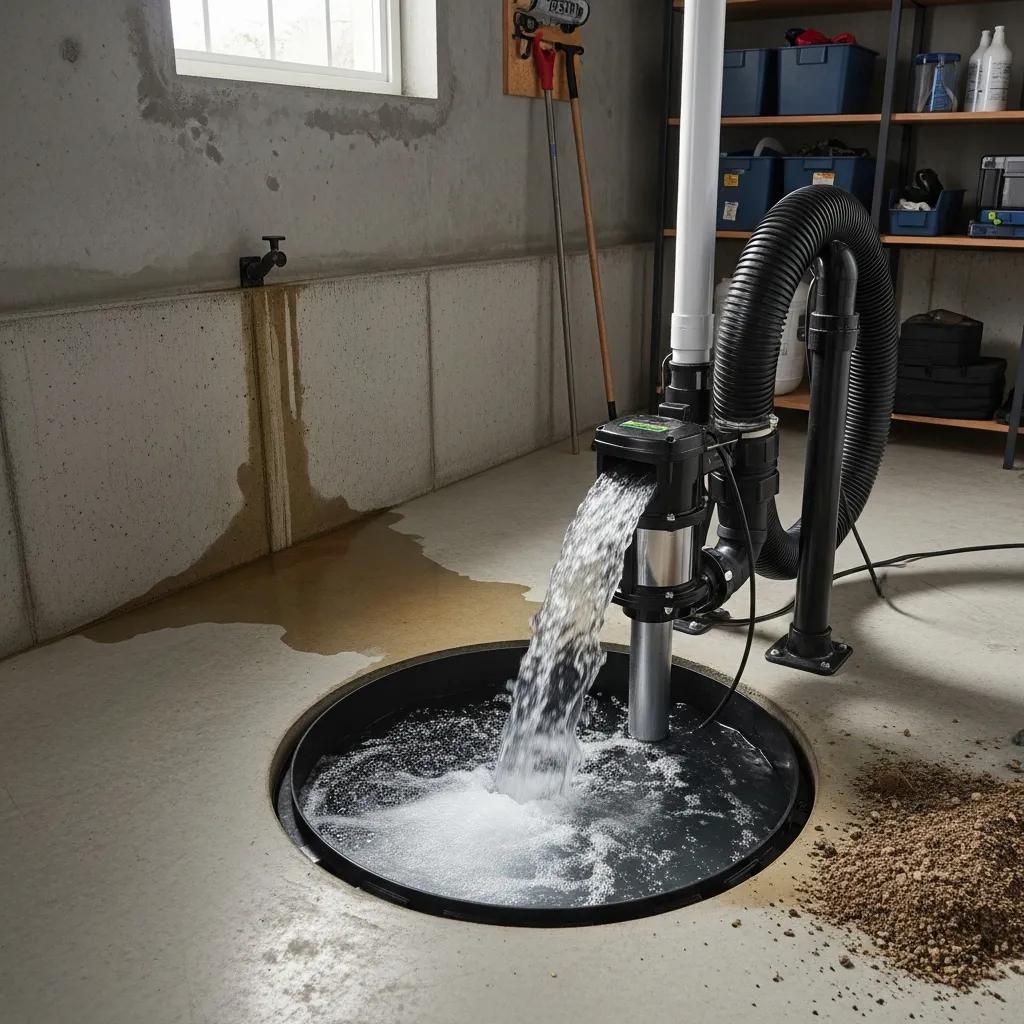
Sump pump maintenance is critical because a working pump (and a reliable backup) removes rising groundwater before it reaches living spaces. A functioning system prevents costly basement flooding, mold growth, and property loss. Routine checks confirm the float switch works, the discharge path is clear, and the check valve and motor run properly under load. Since storms often knock out power, testing battery backups and alarms ensures protection when you need it most. Regular maintenance lowers the risk of surprise failures and the severe consequences of standing water.
Below is a practical monthly and seasonal checklist homeowners can follow, plus guidance on when to call a professional.
What to include in a sump pump inspection checklist
A full sump pump inspection covers the pit condition, float movement, pump start/stop behavior, discharge piping, and check valve integrity—together these checks confirm the system will operate during high‑water events. Homeowners can clear debris from the pit, lift the float to simulate activation, and inspect the discharge line for blockages or freeze risk. Professionals perform load testing and battery checks to verify backup runtime and measure pump amperage under stress. Monthly checks during wet seasons plus an annual professional inspection give the best protection against sudden flooding.
- Inspect the pit and remove debris: Ensures the float and intake are unobstructed.
- Test float and motor operation: Confirms the pump starts and stops as it should.
- Check discharge line and check valve: Prevents discharged water from flowing back in.
This checklist explains why battery backups are vital for overall reliability.
Why a battery backup matters for sump pump reliability
Battery backups keep sump pumps running during power outages that often happen during storms—exactly when water levels are rising. Backup runtime depends on battery capacity and pump demand, so regular tests—monthly quick checks and annual full‑load tests—maintain confidence in the system. Backups often tie into alarms or remote alerts so homeowners know when activation occurs. Replacing batteries per manufacturer guidance ensures your backup will perform when it’s needed most.
If you prefer professional upkeep, Frost & Kretsch Plumbing provides sump pump testing and battery‑backup services and can offer a free estimate for installation or maintenance to keep your basement protected.
Warning signs that need immediate plumbing attention
Certain symptoms point to urgent plumbing problems that require immediate action to avoid major damage. The most critical signs are visible, spreading leaks; sewage backups; sudden loss of water pressure or hot water across multiple fixtures; discolored water that suggests contamination; and unusual noises like hissing or grinding from heaters or pumps. If you see any of these, isolate water sources if safe, assess electrical hazards, and call emergency professional service right away.
Below is a short emergency checklist of warning signs and quick homeowner actions to follow until help arrives.
Which symptoms indicate plumbing emergencies despite preventative care?
Even with regular maintenance, emergencies happen. Symptoms that demand immediate response include sewage smells or backups, continuous or rapidly enlarging leaks, and abrupt loss of hot water or pressure throughout the property. These issues can cause health hazards, structural damage in hours, or scalding risks—so act quickly. Isolating the water supply reduces additional damage and gives technicians a safer, clearer starting point for repairs.
How homeowners should respond to sudden plumbing issues
- Shut off the main water supply: Stops ongoing flooding and limits damage.
- Turn off power to flooded areas: Prevents electrical hazards and keeps you safe.
- Call emergency professional service: Get expert containment and repair as soon as possible.
For fast professional help, Frost & Kretsch Plumbing offers 24/7 emergency service with transparent pricing and a 100% satisfaction guarantee. That immediate availability complements preventive scheduling to reduce the chance of emergencies in the first place.
To schedule preventative work or request a free estimate for an inspection, sump pump test, battery‑backup installation, sewer camera survey, or routine drain cleaning, contact Frost & Kretsch Plumbing. Our preventative services, clear pricing, and advanced diagnostic tools—like sewer video cameras—help Grosse Pointe property owners make confident, preventive decisions.
Frequently Asked Questions
What should I do if I notice a small leak in my plumbing system?
If you spot a small leak, act quickly to limit damage. First, shut off the water supply to the affected area. If the leak is minor, a temporary patch or plumber’s tape can reduce flow until a professional can make a permanent repair. Schedule a licensed plumber as soon as possible so the issue doesn’t become a larger problem.
How often should I schedule plumbing inspections?
We recommend annual inspections for most homes. If your property is older or has a history of plumbing problems, consider inspections every six months. Regular checks catch early signs of leaks or corrosion and are especially helpful if scheduled before winter.
What are the signs that my sump pump needs maintenance?
Watch for unusual noises, a pump that won’t start or stop reliably, visible rust, or water pooling in the basement. A clogged sump pit is also a common issue. Regular checks before heavy rain seasons help ensure the pump is ready when you need it.
Can I perform plumbing maintenance tasks myself?
Yes—homeowners can do basic tasks like checking for leaks, cleaning faucet aerators, and flushing a water heater. For sewer camera inspections, hydro‑jetting, or complex repairs, hire a licensed plumber. When in doubt, call a pro to avoid creating bigger problems.
What should I include in my winterization checklist for plumbing?
Your winterization checklist should cover disconnecting and draining outdoor hoses, insulating exposed pipes with foam or wrap, and shutting off interior valves for exterior lines. Consider heat tape for vulnerable areas and check for drafts at plumbing penetrations. Do these steps before the first hard freeze to reduce the risk of burst pipes.
How can I improve the efficiency of my plumbing system?
Improve efficiency with regular inspections and drain cleaning, prompt leak repairs, and proper water‑heater maintenance. Installing low‑flow fixtures and upgrading older appliances also lowers water and energy use—resulting in lower utility bills over time.
Conclusion
Proactive plumbing maintenance is the best way to protect your property from costly emergencies and keep systems reliable over the long term. By scheduling regular inspections and targeted services, Grosse Pointe homeowners can reduce surprise failures and improve system performance. Don’t wait for a crisis—contact Frost & Kretsch Plumbing for a free estimate on preventative services and start protecting your home today.