Eco-Friendly Plumbing: Waste Reduction & Responsible Disposal for Grosse Pointe Homes and Businesses
Plumbing waste reduction means cutting back on harmful materials and the amount of waste sent to drains, sewers, and landfills — and making sure removed residues and parts are disposed of the right way. This guide walks Grosse Pointe homeowners and local businesses through why proper disposal matters, smart habits to prevent clogs, how to recycle common plumbing materials, and how to handle hazardous plumbing waste under Michigan rules. You’ll find practical tips for everyday grease disposal and composting, non-toxic alternatives to harsh cleaners, and water-saving upgrades like low-flow fixtures and greywater systems. We also cover recycling paths for copper and ceramics, compliant options for lead- or solvent-containing wastes, and energy-saving upgrades such as tankless heaters and pipe insulation. Throughout, the focus is on clear, actionable steps you can use locally — and when it’s best to call a licensed, insured pro who leaves the site clean.
Key Principles of Plumbing Waste Reduction and Responsible Disposal
At the heart of plumbing waste reduction are four simple principles: reduce, reuse, recycle, and comply. Reduce means cutting water and material waste at the source — for example, with low-flow fixtures and quick leak repairs. Reuse covers salvaging working valves or fittings for future projects. Recycle involves separating metals, plastics, and ceramics so they can be recovered properly. Comply means following state and local disposal rules to avoid contamination and fines.
Used together, these principles help prevent blockages, lower the load on wastewater systems, protect local waterways, and reduce long-term costs for homeowners and businesses. Practically, adopting them cuts emergency repairs and the environmental footprint of plumbing work. Below are simple, practical actions that put these principles to work for both homes and small commercial properties.
Immediate steps to apply the four principles:
- Reduce: Fit low-flow fixtures and repair leaks promptly to cut water and waste volumes.
- Reuse: Keep usable valves, fittings, and fixtures when remodeling for future use.
- Recycle: Separate copper, steel, and recyclable plastics and take them to scrap or recycling centers.
- Comply: Identify materials that contain hazardous substances and arrange licensed disposal.
These actions form a practical framework for daily routines and project planning that prevent common plumbing-waste problems and protect infrastructure over time. With this foundation, homeowners and businesses are ready to use the prevention and disposal methods explained next.
Frost & Kretsch Plumbing follows these same principles on every job. Our licensed, insured technicians focus on careful cleanup, sorting recyclables on-site, and documenting disposal for larger replacements. Grosse Pointe homeowners and nearby property managers can request waste-aware estimates that include salvage, recycling options, and compliant hazardous handling — giving you local, dependable service that supports both environmental goals and repair needs.
Understanding Plumbing Waste Types and Their Environmental Impact
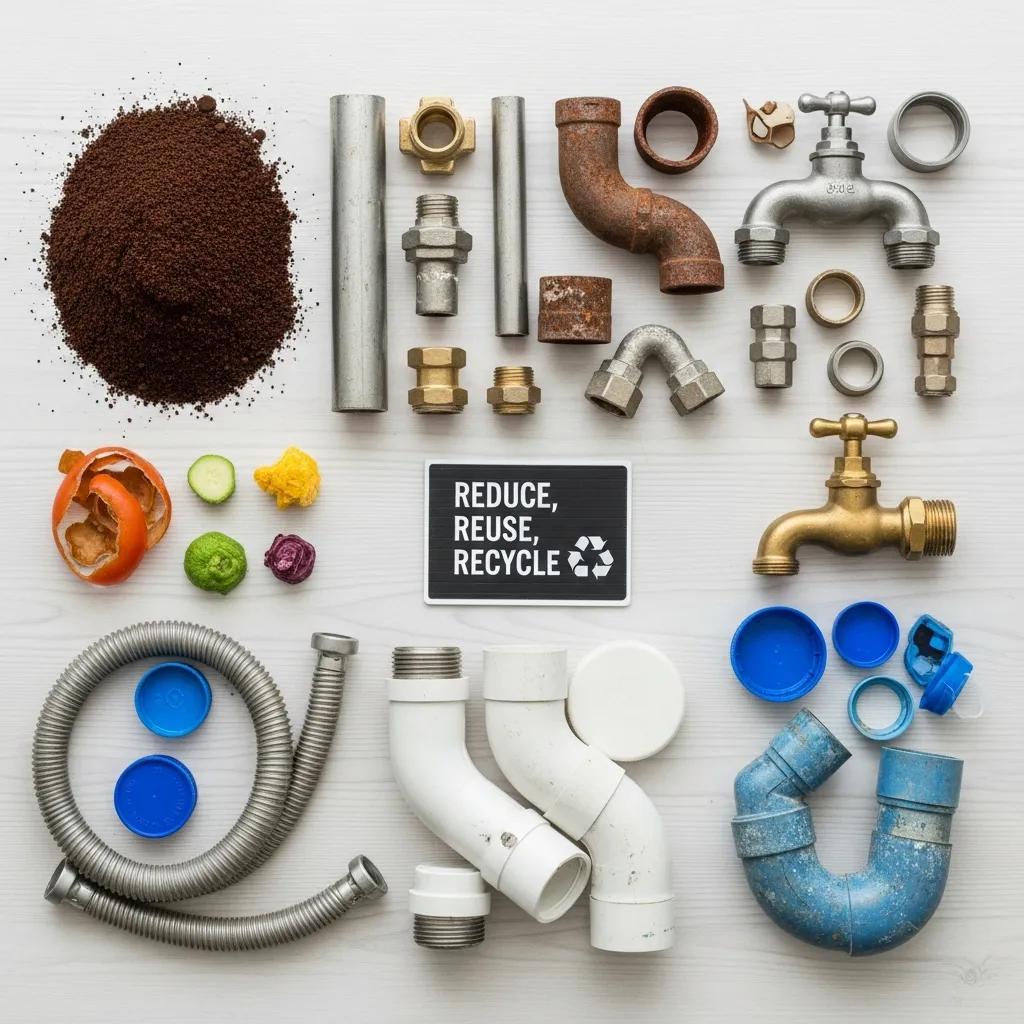
Typical plumbing wastes include organic kitchen scraps and drain grease, plastics (pipes and packaging), metal piping, ceramic fixtures, and chemical residues from solvents or cleaners. Grease and organic matter can clog pipes and cause sewer overflows; plastics and wipes create stubborn mechanical blockages and add microplastics to the system. Metal and ceramic fixtures from remodels can often be recycled, but they need to be separated and prepared to avoid contamination. These problems range from local sewer backups and higher municipal treatment costs to pollutant runoff that harms nearby waterways — knowing the differences helps target prevention and disposal choices.
Improper disposal speeds up system wear and increases emergency callouts, so proactive sorting and containment pay off. Recognizing specific waste types leads directly to practical prevention steps like grease capture and correct binning, which cut both clog risk and environmental harm. The next section explains why responsible disposal matters legally, financially, and for health.
Why Responsible Disposal Matters for Homeowners and Businesses
Handling plumbing waste responsibly reduces health risks, legal exposure, and repair expenses while protecting public infrastructure and local ecosystems. For homeowners, keeping grease and unsuitable items out of drains lowers the chance of costly basement backups and sewer surge damage. For businesses — especially restaurants — proper grease handling and documented disposal protect permits and reputation. Environmentally, correct disposal prevents contaminants such as lead or solvents from entering wastewater where they can harm aquatic life and complicate treatment. Keeping disposal records and following municipal guidance also reduces liability for commercial operators.
Responsible disposal is an investment in resilience: the small effort to separate materials and choose proper disposal paths prevents bigger problems later and helps keep our community cleaner and safer. With that in mind, the next section covers hands-on techniques for eco-friendly drain disposal and clog prevention.
How to Implement Eco-Friendly Drain Disposal and Prevent Clogs
Eco-friendly drain care combines good daily habits, the right tools, and safe maintenance methods to keep pipes flowing without relying on harsh chemicals. At home, that means managing grease, limiting what you put down garbage disposals, and using mechanical tools for small clogs. For businesses, properly sized grease traps and scheduled grease removal are essential to avoid sewer problems and meet local rules. A regular maintenance schedule — inspections, trap cleanings, and early mechanical fixes — reduces the need for repeated chemical treatments and keeps systems healthier long term.
Here’s a practical routine for homes and small businesses to prevent clogs and reduce drain-related waste:
- Capture grease: Let cooking fat cool, collect it in a sealed container, and dispose of it instead of pouring it down the sink.
- Limit disposables: Keep wipes, sanitary products, and diapers out of drains and disposals — put them in the trash.
- Use mechanical tools: Try a plunger or hand auger first; use enzyme cleaners for maintenance and avoid acids or lye.
- Schedule inspections: Book periodic professional checks for commercial lines or repeated clog issues.
These habits lower clog frequency and promote eco-friendly drain disposal that protects plumbing systems. If mechanical or enzymatic methods don’t work, the following subsection offers best practices for disposing food waste and grease in homes and businesses.
Frost & Kretsch Plumbing offers eco-friendly drain services that emphasize mechanical cleaning and pinpoint, non-corrosive solutions. Our licensed technicians evaluate persistent or deep-line blockages and recommend techniques like augering or hydro-mechanical cleaning to avoid repeated chemical damage. We provide clear, waste-aware estimates and thorough site cleanup, and we offer scheduled maintenance to support long-term clog prevention.
Best Practices for Food Waste, Grease, and Non‑Biodegradables
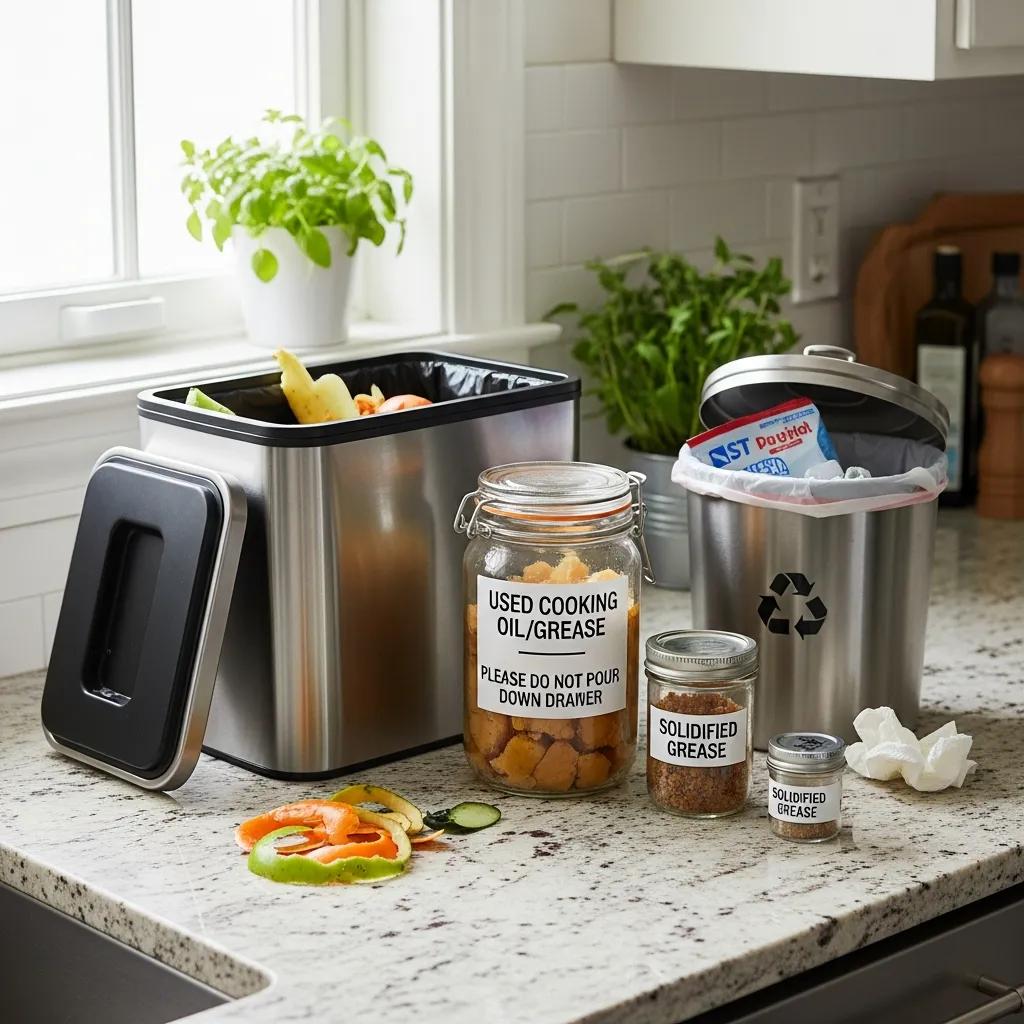
Proper disposal of food waste and grease prevents expensive blockages and eases pressure on sewers. Start by separating solids and fats at the source. At home, collect cooled cooking oil in a sealed container for curbside disposal where allowed, or bring it to municipal hazardous‑waste events if required; compost suitable food scraps instead of running them down the drain, and avoid putting fibrous or starchy items into garbage disposals. Businesses should install and maintain grease traps sized for their operation and schedule regular pump‑outs to prevent FOG buildup. Non‑biodegradable items like wipes, plastics, and sanitary products should be bagged and thrown away — never flushed or sent down drains.
Adopting these steps lowers emergency plumbing calls and reduces municipal sewer maintenance needs. Clear source separation and containment make recycling or proper disposal easier and cut environmental contamination. Next we cover sustainable alternatives to harsh chemical drain cleaners.
Eco-Friendly Alternatives to Harsh Chemical Drain Cleaners
Mechanical and biological approaches usually give better long‑term results than repeated chemical treatments because they protect pipe integrity and avoid toxic wastewater. Start with plungers, handheld augers, or drain snakes for localized clogs, and use enzyme-based cleaners for ongoing organic buildup — enzymes help microbes break down residues without corrosion. For deep or in‑line blockages, professional mechanical or hydro-mechanical cleaning removes obstructions safely and restores flow without the environmental damage from caustic chemicals. Repeated use of strong acids or lye can corrode pipes and seals, leading to more repairs.
Putting mechanical methods first and enzymes second supports waste reduction and proper disposal by keeping toxic byproducts out of wastewater. Knowing when to call a licensed professional for persistent clogs prevents chemical misuse and ensures safe, effective solutions — which also ties into correct handling and recycling when parts are replaced.
Plumbing Material Recycling and Responsible Waste Handling
Recycling plumbing materials reduces landfill use and recovers valuable metals while preventing hazardous residues from spreading. Start on-site: separate copper and steel pipes, sort plastics by type when you can (PVC vs. PEX), and keep ceramic fixtures isolated for reclamation or special disposal. Proper labeling, cleaning, and containment reduce contamination and improve acceptance at scrap yards and recycling centers. Commercial projects benefit from documented disposal chains and manifests that show responsible handling.
The table below compares common plumbing materials with recyclability, preparation steps, and typical local destinations to guide decisions during replacements and remodels.
| Material | Recyclability | Preparation & Typical Destination |
|---|---|---|
| Copper pipes | High | Drain fluids, remove fittings, clean and take to a scrap metal yard for recycling |
| Steel/iron pipes | High | Separate ferrous metals, bundle them, and deliver to a metal recycler or scrap facility |
| PVC pipes | Variable | Identify the type and remove contaminants; many curbside programs won’t accept PVC — check local centers |
| PEX tubing | Low/Variable | Often not accepted curbside; consider manufacturer take‑back programs or specialty recyclers |
| Ceramic fixtures | Low for curbside | Salvage for reclamation or bring to a construction‑debris facility per local rules |
That comparison helps owners decide what to salvage, recycle, or consign for proper disposal and leads into local resource options. Good on-site separation reduces mixed-waste contamination and improves recycling outcomes.
Frost & Kretsch Plumbing coordinates responsible material handling during replacements and can arrange drop‑offs or documented disposal for larger commercial projects. We outline salvage options for copper and usable fixtures and ensure careful cleanup to separate recyclable streams on the job. For commercial clients who need formal records, technicians can provide manifests or receipts showing where materials were taken, supporting environmental responsibilities and your paperwork needs.
Recycling Guidelines for Metal, Plastic, and Ceramic Plumbing Materials
Metals such as copper and steel are highly recyclable and often have scrap value, but they must be removed cleanly and kept separate to meet acceptance standards. Before transport, drain pipes of liquids, remove non‑metal attachments, and sort metals by type to avoid rejections. Plastic pipes need identification — PVC may be accepted at some centers if clean, while PEX is less commonly recycled and may require specialty handling. Ceramics are usually not accepted curbside and may be reclaimed by salvage yards or delivered to construction‑demolition facilities depending on local rules.
Following these guidelines increases recycling chances and can reduce disposal costs; good documentation keeps larger projects transparent. The next subsection explains how to locate local recycling resources and confirm acceptance rules.
Local Recycling Resources and Partnerships in Grosse Pointe
Recycling acceptance varies by facility, so start with municipal waste pages or county resource guides to confirm which items are accepted and how they should be prepared. Scrap yards commonly take clean copper and steel and may offer payment for salvageable material, while ceramics and mixed construction debris often need delivery to designated drop‑off sites. For hazardous or specialty wastes, county hazardous‑waste collection events are an important option for residents and businesses. When in doubt, call ahead and ask about preparation, acceptable contaminants, and any documentation they provide.
Checking acceptance rules before you go reduces wasted trips and ensures materials reach the right facilities. Building ongoing relationships with reliable recycling centers makes disposal smoother for repeat projects and supports broader plumbing waste reduction goals.
How to Safely Dispose of Hazardous Plumbing Waste Under Michigan Rules
Hazardous plumbing waste includes materials that present health or environmental risks — lead pipes or solder, solvent residues, asbestos‑containing insulation, and concentrated chemical cleaners. Safe handling starts with identification, containment, and engaging licensed waste carriers or municipal hazardous‑waste programs that follow Michigan EGLE guidance. Immediate protective steps — containment, minimizing dust, and using PPE — reduce exposure while you arrange compliant transport and disposal. For businesses and large jobs, manifests and chain‑of‑custody records are essential to prove lawful handling.
The table below links common hazardous plumbing items to their hazard category and suggested disposal methods to clarify next steps.
| Hazardous Item | Hazard Category | Disposal Method / Responsible Party |
|---|---|---|
| Lead pipes/fittings | Toxic heavy metal | Removal by a licensed contractor; deliver to a licensed hazardous recycler or follow EGLE guidance |
| Solvents/paint thinners | Flammable/chemical waste | Contain in approved containers; take to household or business hazardous waste collection or use a licensed carrier |
| Asbestos-containing materials | Carcinogenic friable material | Abatement by a licensed asbestos contractor and disposal at approved facilities per state rules |
| Concentrated acid/alkaline cleaners | Corrosive chemical waste | Do not pour down drains; use licensed hazardous-waste handling or municipal collection events |
This mapping gives straightforward steps: isolate the material, avoid casual handling, and work with licensed professionals for removal and disposal. The following subsection covers how to spot hazardous plumbing waste on site.
Frost & Kretsch Plumbing flags hazardous items we encounter and arranges licensed carriers when removal or disposal is beyond standard service scope. Our technicians are trained to stop work when suspect materials appear, secure the area, and recommend licensed abatement or hazardous-waste routes that meet Michigan guidance. Businesses can request hazardous‑aware service options to make sure disposal is compliant and documented.
Identifying Hazardous Plumbing Waste: Lead, Solvents, and Chemicals
Spotting hazardous plumbing waste starts with visual and historical clues: older homes may have lead pipes or lead‑based solder, discolored fittings, or tins that suggest lead. Solvent containers in mechanical rooms are a clear chemical hazard and usually carry labels such as flammable, corrosive, or toxic — those require immediate containment. If you suspect asbestos in insulation or mastic (common in older work), avoid disturbing it and call a licensed abatement professional for testing and removal. When hazardous materials are identified, stop non‑essential work, isolate the area, and follow PPE and containment guidance until a licensed disposal route is arranged.
These precautions protect occupants and workers and ensure the right disposal pathway is followed. The next subsection explains how to verify licensed carriers and the paperwork you should expect.
Compliant Disposal Methods and Licensed Waste Carriers in Grosse Pointe
For compliant disposal, verify that any carrier or abatement contractor holds the proper licenses and insurance for hazardous waste handling and transport. Ask for documentation such as manifests or disposal receipts that list waste type, quantity, and destination facility — these records matter for commercial compliance and sensible residential record‑keeping. Municipal hazardous‑waste events are a safe option for many household chemicals, while larger quantities or regulated materials typically require licensed hazardous‑waste carriers and permitted disposal facilities. If you’re unsure, consult EGLE resources or a licensed contractor to confirm the correct path.
Demanding documentation and checking licenses protects property owners from liability and keeps hazardous materials out of municipal treatment systems or unauthorized landfills. Up next: water‑conservation measures that reduce wastewater and support plumbing waste reduction goals.
Water‑Conservation Plumbing Solutions That Save Money and Resources
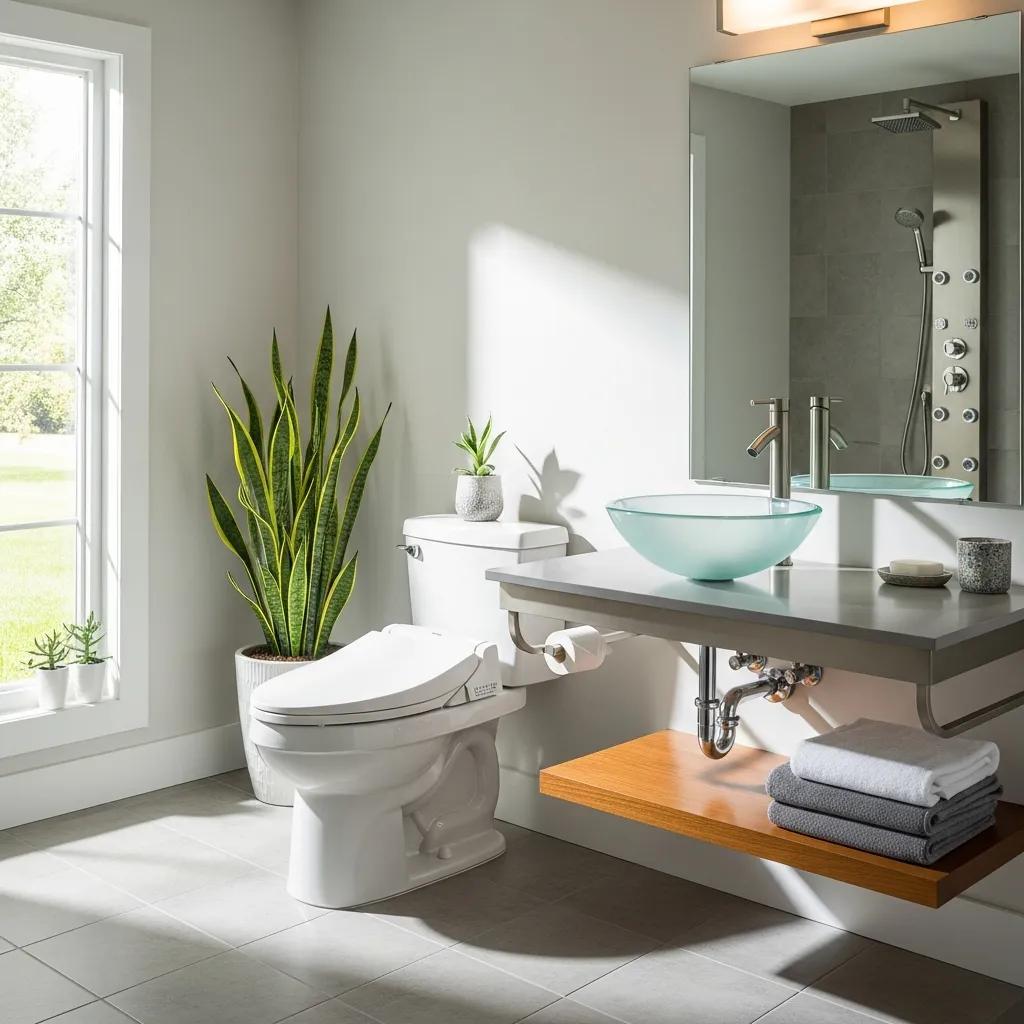
Water‑conservation upgrades cut potable water use and shrink the volume of wastewater needing treatment, delivering both environmental and cost benefits. Low‑flow fixtures, dual‑flush toilets, and faucet aerators reduce water per use without sacrificing performance. Greywater systems let you reuse gently soiled water for irrigation or toilet flushing where permitted. Leak detection and prompt repairs stop steady losses that waste water and energy. Together these measures lower water bills and ease the load on sewers, supporting plumbing waste reduction efforts.
The table below compares common solutions, their benefits, and notes to help you prioritize upgrades.
| Solution | Benefit | Typical Savings / Notes |
|---|---|---|
| Low-flow fixtures | Reduced water per use | Notable cut in indoor water use; easy retrofit option |
| Greywater system | Reuses water for non-potable uses | Can lower irrigation/wastewater volume; needs careful maintenance |
| Leak detection & repair | Prevents continuous loss | Early fixes avoid large cumulative waste; cost-effective |
| Rainwater harvesting | Supplies landscape irrigation | Reduces potable irrigation demand; use for non-potable purposes only |
Choosing the right mix depends on property size, usage patterns, and local permits — a professional evaluation helps size and site systems correctly. The following subsection goes into low‑flow and greywater details.
Frost & Kretsch Plumbing consults on water‑conservation upgrades and can install low‑flow fixtures, run leak detection, and recommend options tailored for Grosse Pointe homes and businesses. Our team evaluates retrofit suitability and recommends systems that meet your conservation goals while ensuring correct installation and cleanup. For bigger greywater or rainwater projects, we coordinate with owners and specialized trades as needed.
Benefits and Installation: Low‑Flow Fixtures and Greywater Systems
Low‑flow fixtures deliver the same user experience while cutting water per use through aerators and flow regulators — that translates to measurable bill savings. Greywater systems collect lightly used water from showers or laundries for irrigation or toilet flushing, reducing freshwater demand and wastewater when they’re properly designed and maintained. Fixture retrofits are often straightforward and budget‑friendly; greywater systems require careful siting, filtration, and ongoing maintenance to prevent odors or health issues. A professional assessment helps pick which fixtures to retrofit first and whether a greywater system fits your property.
Understanding these trade‑offs lets property owners prioritize upgrades that give the best water and cost returns. Next we cover leak detection and rainwater harvesting basics.
Leak Detection and Rainwater Harvesting for Efficient Water Use
Catching leaks early saves resources and prevents damage from slab leaks, pinhole corrosion, or slow drips. Professionals use inspection cameras and pressure testing to find hidden leaks, while simple DIY checks — watching your water meter for unexplained usage spikes — can help you spot issues fast. Rainwater harvesting captures roof runoff for landscape irrigation and other non‑potable uses; a system includes catchment, storage, filtration, and distribution. While rainwater systems reduce potable demand, they must be sized for local rainfall patterns and used only for approved non‑potable tasks.
Detecting leaks promptly and using harvested rainwater both cut overall water consumption and reduce wastewater generation. The final section looks at energy‑efficient heating and insulation upgrades that further cut waste.
Energy‑Efficient Plumbing Upgrades That Support Green Water Heating
Energy‑efficient water heating and insulation save energy and reduce the water wasted while waiting for hot water, reinforcing sustainability goals. Tankless water heaters provide on‑demand hot water and eliminate storage standby losses; solar water heating can supplement or replace conventional systems where climate and roof exposure allow. Insulating hot‑water pipes reduces heat loss along runs, so you wait less for hot water and use less energy. The right mix depends on your hot‑water needs, space, and long‑term maintenance plans.
Here are common upgrades to prioritize:
- Tankless water heaters: Cut standby energy loss and save space while providing on‑demand hot water.
- Solar water heating: Uses renewable heat to lower reliance on gas or electric water heating.
- Pipe insulation: Reduces heat loss and shortens hot‑water delivery times, saving water and energy.
- Routine maintenance: Regular servicing keeps systems efficient and extends their lifespan.
These measures shrink the environmental footprint of hot‑water systems and complement plumbing waste reduction by lowering unnecessary water use. The next subsections describe tankless and solar options and practical insulation tips.
Tankless and Solar Water Heating: Benefits and Trade‑Offs
Tankless heaters provide hot water on demand, eliminate tank standby losses, and save space — they work well where demand is intermittent. Solar water heating captures solar thermal energy to preheat or supply hot water and can significantly cut fossil‑fuel or electric use when roof exposure is favorable. Trade‑offs include higher upfront costs, possible need for auxiliary heating during peak demand, and site‑specific suitability checks. A professional can match system capacity to your household or business flow rates to avoid performance issues at peak times.
Balancing energy savings and operational needs — while accounting for maintenance and lifecycle costs — leads to the best long‑term choice. The final subsection covers pipe insulation and other practical energy‑saving practices.
Pipe Insulation and Practical Energy‑Saving Plumbing Tips
Insulating hot‑water lines cuts heat loss between the heater and fixtures, which shortens the time you run taps waiting for hot water and reduces energy used for reheating. Common insulation sleeves are simple to install on exposed piping and work well with temperature management and routine maintenance. Other useful steps include lowering water‑heater thermostat settings where safe, flushing tanks to remove sediment that lowers efficiency, and scheduling tune‑ups to keep systems running at peak performance. For major retrofits or system changes, a professional assessment ensures the best results.
These practical, cost‑sensitive measures reduce both energy and water waste and round out a set of strategies that support sustainable plumbing for residential and commercial properties.
Frequently Asked Questions
1. What are the benefits of using low-flow fixtures in plumbing?
Low‑flow fixtures cut water use without sacrificing performance. By using less water per flush or minute, they lower water bills and reduce the volume of wastewater the system handles. That helps conserve local water supplies and eases pressure on municipal sewage systems. Many low‑flow fixtures are easy to retrofit into existing plumbing, making them a practical first step for homes and businesses.
2. How can businesses ensure compliance with local plumbing waste disposal regulations?
Businesses can stay compliant by learning municipal and state rules for hazardous and special wastes, properly identifying hazardous materials, and arranging disposal with licensed waste carriers. Regular staff training on waste segregation and disposal practices is important, as is keeping records and manifests that document how waste was handled and where it went. Those practices protect licenses and reduce liability.
3. What are some eco-friendly alternatives to chemical drain cleaners?
Eco‑friendly options include mechanical tools like plungers and drain snakes for most clogs, and enzyme‑based cleaners for ongoing organic buildup. Simple maintenance — hot water, vinegar, and routine mechanical clearing — prevents many blockages. These approaches preserve pipe integrity and avoid sending toxic substances into the wastewater system.
4. How can homeowners properly dispose of hazardous plumbing materials?
Homeowners should first identify hazardous items — lead pipes, solvent cans, or concentrated cleaners — then contain them in approved containers and take them to local hazardous‑waste collection events or licensed disposal facilities. Never pour hazardous materials down drains or into regular trash. Contact your municipal waste authority for specific local options and requirements.
5. What steps can be taken to recycle plumbing materials effectively?
To recycle effectively, sort materials at the job site: separate copper, steel, plastics, and ceramics. Clean and decontaminate materials, remove non‑recyclable attachments, and take metals to scrap yards that accept them. Check local recycling guidelines for plastics — acceptance varies — and document the recycling process for larger projects when possible.
6. What are the advantages of implementing a greywater system?
Greywater systems reduce demand for potable water by reusing gently used water from showers and washers for irrigation or toilet flushing, cutting water bills and wastewater volumes when designed properly. They can ease pressure on municipal systems and offer meaningful conservation benefits, though they require correct design and maintenance to avoid issues.
7. How can regular maintenance contribute to plumbing waste reduction?
Regular maintenance helps spot leaks, clogs, and inefficiencies before they become big problems. Routine inspections and tune‑ups lower water and energy waste, reduce emergency repairs, and extend the life of plumbing fixtures and systems — all of which reduce waste over time and support sustainable plumbing practices.
Conclusion
Putting eco‑friendly plumbing waste reduction into practice saves resources, protects local waterways, and lowers long‑term costs for homeowners and businesses. By following the core principles of reduce, reuse, recycle, and comply — and by choosing sensible upgrades like low‑flow fixtures or working with licensed pros for hazardous materials — property owners can make practical, measurable improvements. Want help planning or installing sustainable plumbing solutions in Grosse Pointe? Contact us to learn how our team can support your goals with reliable, cleanup‑focused service.