Natural Drain Cleaners: Eco-Friendly Alternatives to Chemicals for Safe, Effective Drain Care
Natural drain cleaners remove or prevent clogs without harsh, corrosive chemicals — a safer choice for your family, your pipes, and the environment. This guide walks through trusted, low‑toxicity options: from easy baking soda and vinegar fixes to enzymatic products and professional, chemical‑free services like hydro‑jetting. You’ll learn when these approaches are appropriate, step‑by‑step DIY recipes, how to pick eco‑friendly commercial cleaners, mechanical and thermal alternatives, and a practical decision plan for when to call a plumber. We also compare product types in a clear table, share prevention habits that reduce future blockages, and explain how a local plumbing pro can perform chemical‑free diagnostics and cleaning when home remedies aren’t enough. Throughout, we connect hands‑on tips with longer‑term pipe health using terms like natural drain cleaner, homemade drain unclogger, enzymatic drain cleaner, and hydro‑jetting Grosse Pointe.
What Are the Best Natural Drain Cleaner Recipes Using Baking Soda and Vinegar?
The baking soda and vinegar approach uses a simple acid‑base reaction plus gentle abrasion to loosen soft organic deposits. When sodium bicarbonate meets acetic acid, carbon dioxide bubbles form, agitating residue so it’s easier to flush away; the baking soda also provides mild scrubbing action and helps cut light grease. This is a maintenance‑level method — ideal for slow drains or occasional buildup, not for thick hair clogs or compacted grease. Use it sparingly on older, corroded pipes and never mix it with commercial drain chemicals. Below we explain the science in plain terms and give clear, safe recipes you can try at home.
How Does the Baking Soda and Vinegar Reaction Unclog Drains Safely?
That fizz you see is carbon dioxide doing the heavy lifting: bubbles create gentle mechanical agitation while the baking soda’s mild abrasive action dislodges thin films of grease, soap scum, and loose organic matter. Because this reaction isn’t caustic, it’s far less likely to harm PVC or metal pipes than strong commercial chemicals. For older cast‑iron or visibly corroded sections, spot‑test or avoid frequent use — persistent or multi‑fixture slow‑drains usually need mechanical removal or a professional inspection.
What Are Step-by-Step Homemade Drain Unclogger Recipes?

Use these tested recipes and timings to get the most benefit with the least risk.
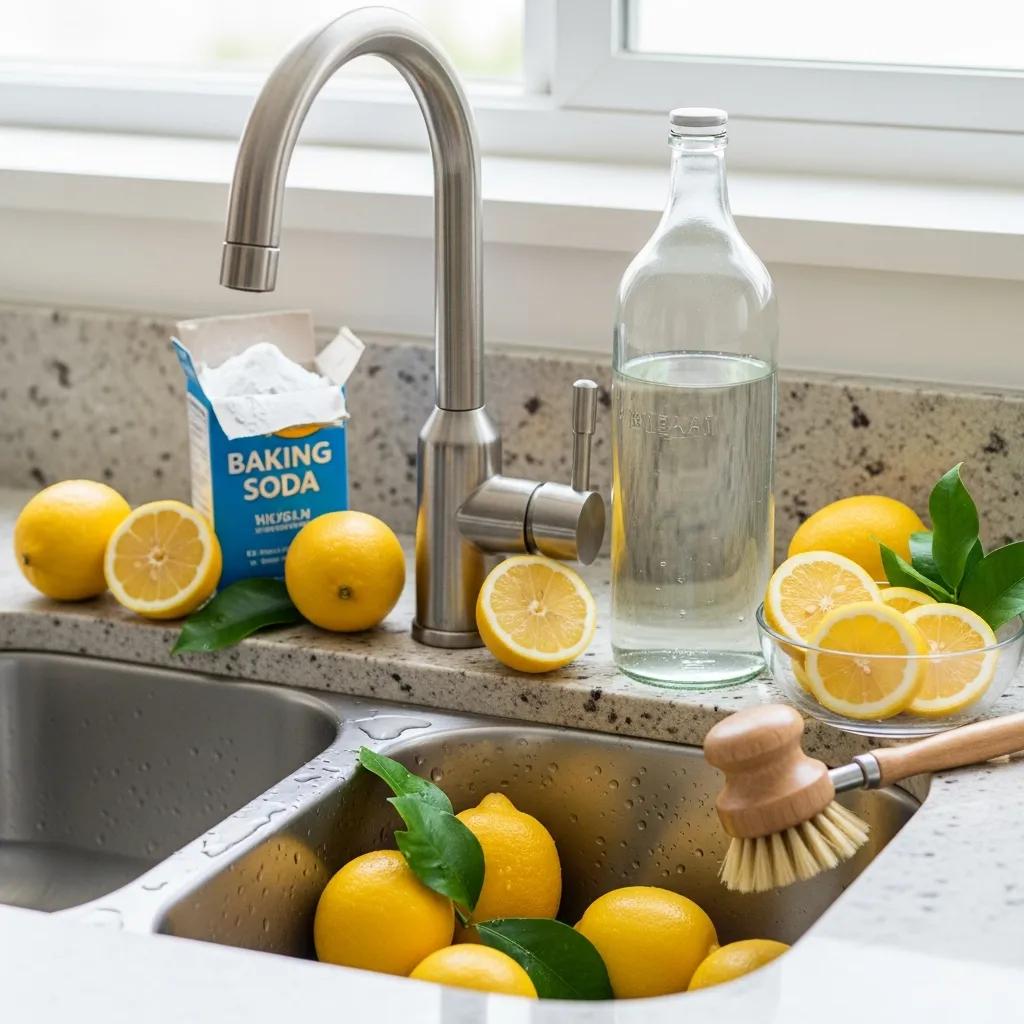
- Baking soda + vinegar method: Pour 1 cup baking soda down the drain, add 1 cup white vinegar, cover the drain and wait 10–15 minutes, then flush with 2–3 liters of hot water (not boiling if you have PVC).
- Hot water + dish soap for grease: Put 1/4 cup liquid dish soap into the drain, wait 5 minutes, then carefully pour two kettles (about 1.5–2 liters each) of very hot water to melt and carry away grease.
- Salt + baking soda abrasive mix: Combine 1/2 cup coarse salt with 1/2 cup baking soda, pour into the drain, wait 30 minutes, then flush with hot water to help scour minor buildup.
If the drain improves, repeat the same method once more. If there’s no meaningful change after two attempts, or multiple fixtures are slow, stop and move to mechanical tools or professional service to avoid pushing the clog deeper.
Which Eco-Friendly Drain Cleaning Products Are Safe for Plumbing and the Environment?

Eco‑friendly drain cleaners usually fall into two groups: enzymatic formulas and plant‑based surfactant blends. Both avoid strong caustics and biodegrade more readily than traditional lye or acid cleaners. Enzymatic products use enzymes or friendly bacteria to slowly digest organic matter (fats, proteins, starches) — great for routine maintenance. Plant‑based cleaners use botanical surfactants and mild solvents to lift grease and suspend debris; they act faster but vary by formula. Which you choose depends on the clog type, your pipe material, and environmental priorities. The table below makes the differences easy to compare.
Use this quick reference to match product type to the problem and your pipes.
| Product | Active Component / Mechanism | Best For (Type of Clog) / Pipe Safety / Environmental Impact |
|---|---|---|
| Enzymatic drain cleaner | Enzymes or benign bacteria that digest organic matter | Recurring organic buildup; safe on most pipes; high biodegradability |
| Plant-based surfactant cleaner | Botanical surfactants and mild solvents | Light grease and soap scum; generally safe—check label for stronger solvents |
| Baking soda + vinegar (DIY) | Acid‑base fizz plus mild abrasion | Light maintenance; safe for most pipes when used occasionally; low environmental impact |
| Hot water + dish soap | Thermal melting and surfactant emulsification | Effective for kitchen grease; avoid very hot/boiling water on older PVC joints |
In short: enzymatic cleaners are the gentlest long‑term choice, plant‑based products act faster on surface grease, and DIY recipes are low‑impact for routine upkeep. Always pick products with transparent ingredient lists, biodegradability claims, and instructions that suit your pipe materials.
What Are Enzymatic and Plant-Based Drain Cleaners?
Enzymatic cleaners contain enzymes like lipase, protease, and amylase — or live cultures — that slowly break down fats, proteins, and starches into soluble pieces. They work over hours or days and are safe for regular use because they don’t corrode metal or plastic and they limit harmful effluent. Plant‑based cleaners rely on surfactants and natural solvents from vegetable oils or fruit acids to lift grease and suspend debris for flushing; they’re faster but read labels because some formulas include stronger solvents. For mineral scale, metal debris, or collapsed pipes, neither class will clear the problem — call a pro for mechanical solutions.
How to Choose Safe and Effective Eco-Friendly Drain Cleaning Products?
Match the product mechanism to the clog: enzymatic for recurring organic films, plant‑based for light grease. Verify pipe compatibility, confirm biodegradability claims, and avoid anything listing harsh caustics or concentrated acids. In environmentally sensitive areas, enzyme‑based products minimize hazardous runoff. Test a new product on a small scale, follow manufacturer frequency guidance, and if clogs persist despite proper use, escalate to mechanical cleaning or a professional inspection to prevent repeated chemical exposure.
What Are Natural Ways to Clear Clogged Drains Without Chemicals?
Non‑chemical drain clearing uses mechanical tools, thermal methods, and mild household ingredients to remove blockages while protecting pipes and waterways. Plungers and manual drain snakes physically break or extract obstructions; hot water plus soap softens grease; and enzymatic treatments prevent steady buildup. Each method has its place: plungers for trap clogs, snakes for hair near the drain, and enzymes for recurring organic films. Keep safety in mind — don’t pour boiling water on PVC, don’t force snakes into fragile pipes, and watch for signs of a deeper sewer issue. The sections below give practical how‑tos and a simple rule for when to call a professional.
Know your DIY limits: if clogs keep coming back, affect multiple fixtures, smell like sewage, or cause backups, stop DIY escalation to avoid damage and call a licensed plumber. Frost and Kretsch Plumbing Inc. offers eco‑friendly, non‑chemical options — like hydro‑jetting and sewer camera inspection — plus 24/7 emergency support and transparent pricing for persistent or severe line problems.
How to Use Boiling Water, Salt, and Lemon Juice for Drain Maintenance?
Use thermal flushing and occasional mild acidic or abrasive treatments to keep drains flowing. For kitchen grease: add 1/4 cup dish soap, wait five minutes, then carefully pour two kettles (about 1.5–2 liters each) of very hot water to melt and carry away oil. For light scouring: mix 1/2 cup coarse salt with 1/2 cup baking soda, pour down the drain, wait 30 minutes, then flush with hot water. Lemon juice provides a mild acidic rinse and fresh scent — pour 1/2 cup lemon juice or white vinegar after a baking soda treatment — but avoid frequent acid exposure on vulnerable metal joints. Monthly use is a solid preventive cadence; adjust based on household habits and pipe age.
When Are Natural Methods Effective and When Should You Call a Professional?
Natural methods work well for single‑fixture slow drains, light grease, and early clogs. Call a professional when multiple fixtures are affected, there are sewage odors, water backs up into other drains, or clogs return after correct DIY attempts. Immediate attention is required for mainline or sewer backups to prevent health risks and property damage. Try a plunger and one safe DIY treatment once; if there’s little progress or the situation worsens, stop to avoid pushing obstructions deeper and arrange a professional inspection. Early escalation protects pipes and can save you from expensive repairs.
How Does Frost and Kretsch Plumbing Provide Eco-Friendly Drain Cleaning Services in Grosse Pointe?
Frost and Kretsch Plumbing Inc. delivers local, chemical‑free drain care across Grosse Pointe and nearby communities, focusing on pipe safety and environmental protection. Our services include sewer and drain cleaning, hydro‑jetting as a non‑chemical alternative, sewer camera inspection for precise diagnosis, excavation for severe damage, leak detection, and pipe repair. We emphasize licensed, experienced technicians, clear pricing, a 100% satisfaction guarantee, and 24/7 emergency support without extra weekend or holiday charges — often arriving within an hour and using modern diagnostic tools. When DIY steps don’t solve the issue, our chemical‑free options preserve pipes and reduce pollutant discharge to local waterways.
Below is a quick EAV map of our main chemical‑free services, the technology behind them, and when to use each.
| Service | Technology Used | Environmental Benefit / When to Use |
|---|---|---|
| Sewer camera inspection | High‑resolution sewer video camera | Pinpoints blockages without guesswork; use when the cause is unclear or recurring |
| Hydro‑jetting | High‑pressure water jetter | Mechanically removes grease and scale; a chemical‑free option for heavy buildup |
| Mechanical snaking and pipe repair | Drain snake / trenchless tools | Targets localized obstructions and repairs without toxins; ideal for hair and debris |
| Excavation for severe line issues | Targeted excavation | Last‑resort for collapsed or badly damaged lines; ensures proper remediation with minimal repeated chemicals |
What Advanced Chemical-Free Technologies Does Frost and Kretsch Use?
We rely on non‑chemical tools like sewer cameras and hydro‑jetting to solve problems without hazardous reagents. Camera inspections locate roots, cracks, collapses, and blockages so we can treat the issue accurately. Hydro‑jetting uses high‑pressure water to scour pipe interiors, flushing grease, scale, and tangled organics while avoiding corrosive chemicals. After a careful diagnostic assessment, our techs choose the least invasive, most environmentally responsible option for your line.
How Do Professional Eco-Friendly Services Protect Pipes and the Environment?
Chemical‑free services protect pipe integrity and nearby ecosystems by avoiding corrosive substances that speed metal degradation and by preventing toxic runoff. Mechanical and hydraulic cleaning preserve pipe walls and joints, reducing repair frequency and the need for disruptive excavations. Diagnosing root causes with camera inspection lets us fix underlying problems — like tree root intrusion or collapsed sections — that home chemical fixes simply can’t address, improving long‑term system performance and cutting pollutant discharge to local waterways.
What Preventative Measures Can You Take for Sustainable and Safe Drain Care?
Prevention reduces dependence on chemical cleaners and extends the life of your plumbing. Simple hardware like drain screens catch hair and solids, regular hot‑water flushes with mild surfactants prevent grease build‑up, and better disposal habits (no grease down the sink, compost coffee grounds) lower the organic load in pipes. Combine these with monthly enzymatic maintenance for a balanced routine that cuts the chance of aggressive interventions. The table below shows common prevention steps, how they work, and suggested frequency.
| Preventative Measure | Mechanism (how it prevents clogs) | Frequency / Ease of Implementation |
|---|---|---|
| Drain screens / hair traps | Catches solids before they enter the pipe | Daily/weekly emptying; very easy |
| Regular hot‑water flushing | Melts and moves grease films | Weekly for kitchens; easy |
| Enzymatic maintenance treatments | Biological digestion of organic buildup | Monthly; moderate ease |
| Proper disposal of fats/coffee grounds | Removes high‑clog‑risk inputs | Always; requires habit change |
How Do Drain Screens and Regular Flushing Help Prevent Clogs Naturally?
Drain screens and routine flushing stop debris and early buildup before it becomes a major problem. Screens in showers and sinks catch hair, soap, and food scraps for quick disposal. Regular hot‑water flushes — and the occasional dish‑soap rinse — dissolve light grease films in kitchen drains to keep pipes slippery and flowing. For busy fixtures, use these steps weekly; for rarely used drains, monthly maintenance is usually enough.
What Eco-Friendly Habits Support Long-Term Plumbing Health?
Long‑term plumbing health comes down to a few simple, consistent habits: don’t pour fats down the sink — collect them for the trash; compost coffee grounds and food scraps when possible; and limit paper products to the right fixtures. Couple these habits with periodic professional inspections if clogs recur so problems are caught early. These small changes reduce environmental impact and stretch the life of your pipes, saving money over time.
- Regularly remove visible debris: Empty drain screens after use to stop buildup before it starts.
- Avoid pouring grease down drains: Let fats cool and discard them with household waste.
- Use enzymatic treatments monthly: Keep organic buildup under control with low‑impact biological cleaners.
What Are Common Questions About Natural Drain Cleaners and Their Safety?
People often ask whether natural drain cleaners work on every pipe type and how often to use them. The short answer: enzyme‑based cleaners and mild DIY methods are safe for PVC, copper, and sound cast‑iron when used properly; however, repeated exposure to very hot water or acids can stress older or corroded pipes. A sensible maintenance plan is monthly enzymatic treatments and weekly hot‑water flushes in the kitchen, adjusted for household size and pipe condition. The sections below offer material‑specific advice and a cadence to keep pipes healthy without overdoing treatments.
Are Natural Drain Cleaners Safe for All Types of Pipes?
Generally yes for modern PVC, copper, and intact cast‑iron — especially with enzyme products that lack corrosive chemicals. But avoid repeated acidic rinses and boiling water on older metal or corroded joints, and be careful with mechanical snakes on brittle pipes. If your plumbing shows flaking, persistent leaks, or other signs of wear, test treatments in small doses or get a camera inspection before routine use.
How Often Should You Use Natural Drain Cleaners for Maintenance?
A practical schedule balances effectiveness with pipe safety: apply enzymatic treatments monthly for sinks prone to food or hair buildup, run hot‑water and dish‑soap flushes weekly in kitchen drains, and clear strainers daily or weekly depending on use. Increase frequency for large households or heavy cooking; reduce use and consult a pro for older, corroded, or damaged pipes. Watch for signs of overuse — worsened drainage or visible pipe damage — and adjust accordingly.
- Baselines: Monthly enzymatic treatment; weekly hot‑water flushing for kitchens; daily/weekly strainer cleaning.
- Increase frequency: For large households or heavy cooking.
- Decrease or consult pro: For older, corroded, or damaged pipes.
These guidelines help you keep drains flowing while protecting pipe integrity and local waterways.
Frequently Asked Questions
What are the benefits of using natural drain cleaners over chemical ones?
Natural cleaners are usually safer for plumbing and the environment because they avoid harsh caustics that corrode pipes or harm aquatic life. Many are biodegradable, lowering toxic runoff risk, and they effectively address common organic clogs — making them a smart choice for routine maintenance without the health hazards of strong chemicals.
Can natural drain cleaners effectively clear severe clogs?
They can clear minor clogs and help with routine maintenance, but severe blockages caused by dense hair bundles or compacted grease often need mechanical removal or professional service. If natural methods don’t work after a couple attempts, call a plumber to avoid making the problem worse.
How do I know which natural drain cleaner to use for my specific clog?
Match the cleaner to the clog: enzymatic products for organic buildup like hair and food; baking soda and vinegar for light grease and soap scum. Always consider pipe material — avoid frequent acidic treatments on older metal pipes — and pick a cleaner whose mechanism aligns with the clog’s makeup.
Are there any risks associated with using natural drain cleaners?
Risks are lower than with chemical cleaners but still exist. Repeated acidic rinses can stress older metal, and boiling water can damage PVC. Follow recommended guidelines, and consult a professional if you see signs of pipe damage or persistent clogs.
How can I prevent clogs from forming in the first place?
Use drain screens, avoid pouring grease down the sink, flush drains regularly with hot water and dish soap, and consider monthly enzymatic treatments. These habits drastically lower the chance of clogs and extend your plumbing’s life.
What should I do if natural methods fail to clear a clog?
If natural methods fail after a couple of safe attempts, get professional help. Persistent clogs may indicate deeper issues that require specialized tools. Avoid forcing plungers or snakes, and call a licensed plumber for a thorough inspection and the right fix.
Conclusion
Choosing natural drain cleaners helps protect your plumbing and the environment. Simple, low‑impact options — like baking soda and vinegar or enzymatic cleaners — work well for everyday maintenance, and preventative habits reduce the need for stronger measures. When DIY steps aren’t enough, local pros offer chemical‑free diagnostics and cleaning to keep your system healthy. Learn more about eco‑friendly drain care and take the next step toward sustainable plumbing for your home.