
Spring Plumbing Maintenance Checklist for Homeowners: Essential Steps to Protect Your Home
Spring’s thaw, heavier rains, and more outdoor water use increase the chance of plumbing trouble — and the water damage that follows can be expensive. This checklist walks homeowners through what to inspect, test, and repair so you can avoid basement flooding, boost water heater performance, and stop persistent leaks. You’ll learn how to spot winter damage at hose bibs, perform a safe sump pump test, flush your water heater, tackle slow drains, and check supply and irrigation systems before storm season. Each section gives clear, prioritized steps, safety notes, simple DIY fixes, and guidance on when to call a licensed plumber. Practical enough to finish in a weekend, this guide uses locally relevant terms like spring plumbing, spring plumbing maintenance, sump pump test spring, and water heater flush spring to help Grosse Pointe homeowners get ready for the season.
Why Is Spring Plumbing Maintenance Crucial for Homeowners?
Spring plumbing checks focus on systems that went through freeze-thaw cycles and extra moisture — conditions that speed up leaks, corrosion, and sediment buildup. A proactive walk-through catches small problems early (a dripping hose bib or a partially clogged discharge line) before they become emergencies. Getting sump pumps and drains ready before heavy rains protects basements and finished spaces from flooding and mold. Maintenance also restores efficiency in water heaters and irrigation systems, which saves energy and extends equipment life. Below we list the most common spring issues and link each one to clear checklist actions you can take right away.
Common spring plumbing risks and why they matter:
- Prevent water damage: catching leaks early stops mold and structural harm.
- Prepare for rain events: ensure sump pumps and drains can handle runoff and rising groundwater.
- Restore winter-stressed fixtures: freeze-thaw cycles can crack spigots and loosen mounts, increasing leaks.
- Improve appliance efficiency: flushing sediment and clearing drains reduces wear on pumps and heaters.
These seasonal checks translate into fewer emergency calls and lower long-term costs — which brings us to the practical inspections below.
What Common Plumbing Issues Arise During Spring?
Spring problems usually include damaged outdoor faucets, sump pump failures, slow drains, indoor leaks, and early signs of pipe corrosion. Most stem from winter stress, settled debris, or increased water use as the season changes.
Frozen spigots can develop hairline cracks or warped seals that leak, while sump pumps that sat idle may have stuck floats or clogged inlets. Indoors, slow drains often come from hair and grease buildup, and hidden leaks from frozen fittings may show as ceiling stains or a sudden rise in the water bill.
Spotting these issues early helps you prioritize inspections and decide whether a DIY fix is enough or a plumber is needed.
How Does Preventative Maintenance Save Costs and Prevent Damage?
Preventative maintenance saves money by avoiding emergency rates and costly repairs. Routine checks catch small faults — a corroded fitting, a worn washer — before they fail catastrophically. Clearing a slow kitchen drain or swapping a cheap hose washer is far less expensive than repairing a flooded lower level or replacing a damaged water heater. Regular flushing and mechanical checks also extend the life of pumps and tanks, reducing replacements and lowering energy use. A few hours each spring delivers real cost avoidance and peace of mind when storms arrive.
How to Inspect and Repair Outdoor Faucets and Hose Bibs in Spring
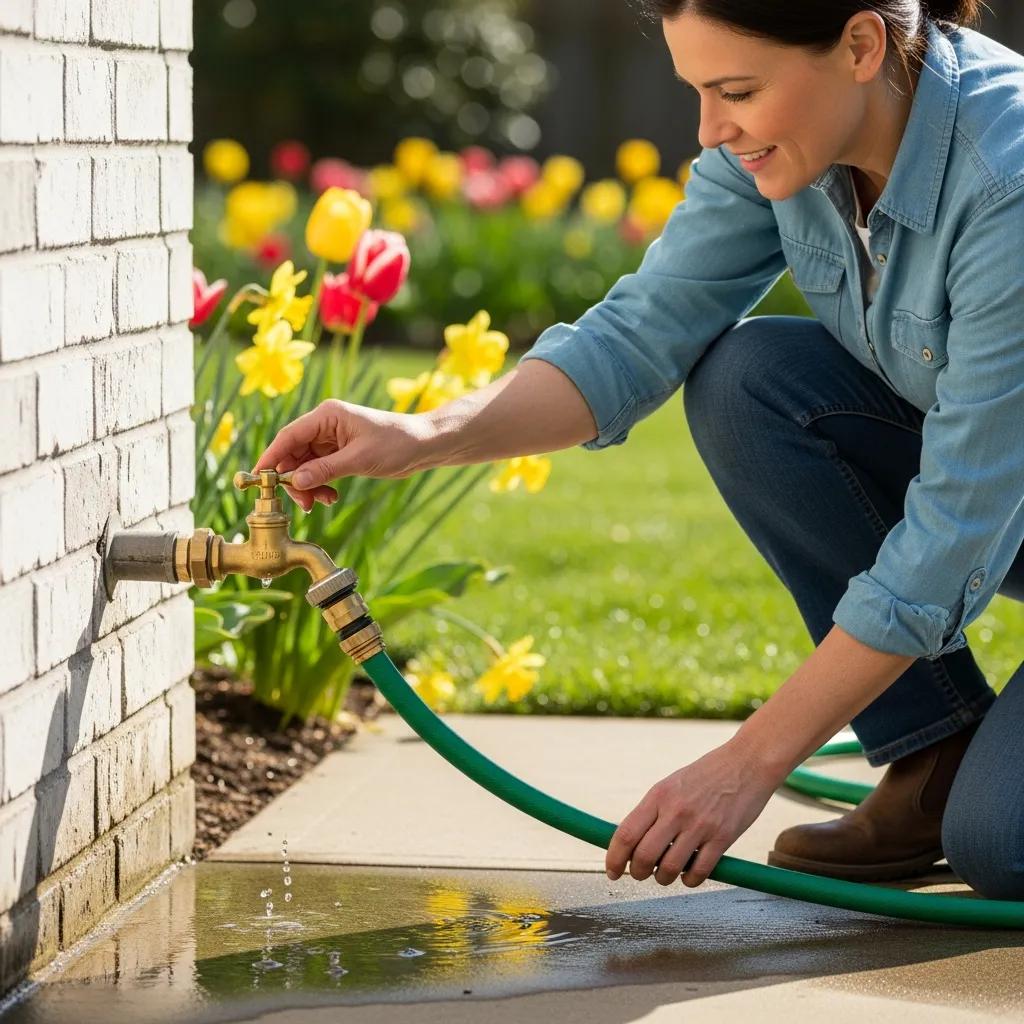
Start outdoor faucet checks with a visual and functional inspection: look for cracks, loose mounts, leaking threads, and briefly open the spigot to confirm steady flow and full shutoff. These steps tell you whether you need a simple washer or packing-nut adjustment or a full spigot/isolation-valve replacement. While you’re there, inspect hose connections and the wall penetration — a sealed entry point prevents hidden interior damage. If the spigot body is cracked or the supply pipe behind the wall is damp, treat it as a higher-risk job and call a pro.
Common winter-damage signs include visible cracks, leaks at the spout or wall, and difficulty shutting off the valve. Cracked spigot bodies or split threads point to freeze damage that compromises the fixture, while persistent drips after tightening usually mean a failed valve seat or worn washer. Loose mounting hardware can pull the spigot away from the wall, letting water into the sheathing and causing hidden rot; tightening fasteners or replacing the faucet and its backing stops further damage. Corrosion or active seepage at the supply pipe is a clear reason to involve a licensed plumber, since repairs may require opening the wall or replacing the supply run.
Intro to the outdoor faucet issues table: the table below pairs common faucet problems with homeowner and professional responses so you can quickly decide next steps during your inspection.
| Fixture | Sign | Homeowner Action |
|---|---|---|
| Outdoor faucet (hose bib) | Minor drip at handle | Tighten handle; replace washer or packing nut |
| Spigot body | Cracks, visible break | Replace spigot and inspect wall penetration |
| Mounting flange | Loose or pulled from wall | Tighten fasteners; add backing plate if needed |
Use this table to separate jobs you can handle with basic tools from those that need a pro. Address visible cracks and seal wall penetrations early to prevent interior moisture and bigger repairs.
What Are the Signs of Winter Damage on Outdoor Faucets?
Winter damage often appears as hairline cracks in the spigot body, leaking threads where hoses attach, or handles that won’t fully close — all signs of freeze stress. You might also see reduced flow from internal breakage or intermittent shutoff from a warped valve seat, which means disassembly and part replacement. Rust or white scaling around fittings shows corrosion that will worsen if left alone, and damp sheathing near the wall points to a compromised penetration that can hide mold. If you spot these signs, locate the indoor shutoff and consider isolating the outdoor line until repairs are done.
How to Perform Outdoor Faucet Repairs or When to Call a Plumber?
Simple fixes — replacing a washer, tightening a packing nut, or swapping a corroded hose connector — are usually doable with an adjustable wrench and plumber’s tape and will stop most small leaks fast.
Start by closing the indoor isolation valve, drain the line, then take the spigot apart to access the seat and washer. Reassemble carefully and test for leaks.
Call a licensed plumber if the spigot body is cracked, the supply pipe inside the wall is wet, or repeated repairs don’t stop the leak. Those signs point to hidden damage, a compromised supply, or the need to open the wall for a proper fix.
Professionals can also upgrade to frost-free fixtures or install isolation valves to make winterization easier.
What Are the Steps to Test and Maintain Your Sump Pump for Spring Rains?
Spring sump-pump checks confirm power, float movement, discharge path, and backup systems so the pump will run when runoff or groundwater rises. A proper test shows the pump turns on under load, the float moves freely, and the discharge line and check valve move water away from the foundation without leaks. Regular maintenance reduces the risk of motor failure, stuck floats, and clogged discharge lines that can render the system useless when you need it most. Below are safe, numbered steps you can follow to test your sump pump and what to expect at each stage.
- Confirm power and alarm: Make sure the pump is plugged into a dedicated outlet and any alarm works.
- Inspect the sump pit: Remove debris and check the intake screen for clogs that could stall the motor.
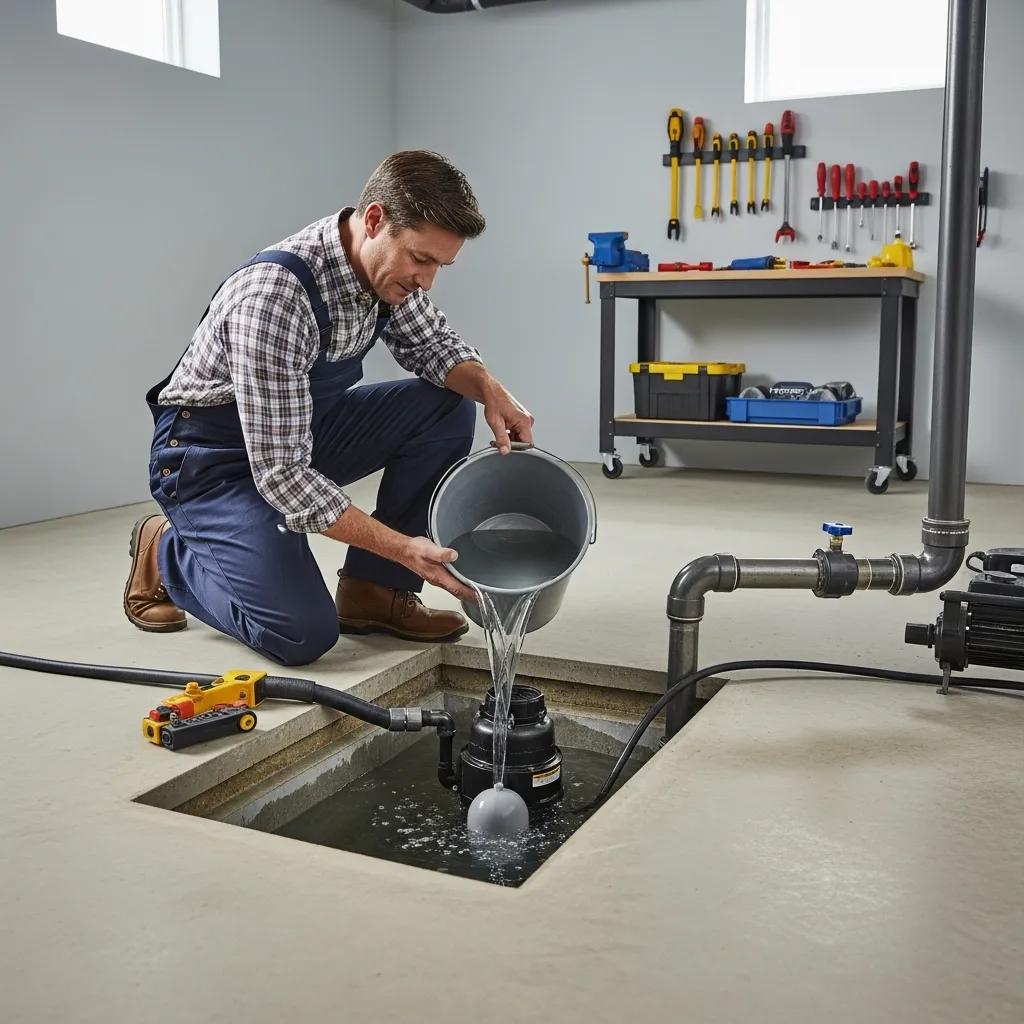
- Perform the pour test: Pour water into the pit until the float rises and watch the pump activate and discharge away from the foundation.
- Check discharge and check valve: Make sure water flows freely through the discharge line and the check valve prevents backflow into the pit.
- Test battery backup (if present): Simulate a power loss to confirm the backup engages and runs the pump for the expected time.
These steps show whether the pump can handle spring runoff and reveal common failure points like clogged intakes or stuck floats that homeowners can often fix quickly.
Intro to the sump pump checklist table: the following table turns the test steps into a simple checklist you can mark off, making it easy to track completed tasks and note items that need professional attention.
| Component | Test Steps | Expected Result |
|---|---|---|
| Power & alarm | Check outlet, test alarm | Power stable; alarm sounds if tripped |
| Float & motor | Pour water until float rises | Pump activates and empties pit |
| Discharge line | Inspect and run water | Clear flow; no leaks; check-valve closes |
Use this checklist to document issues like weak discharge flow or a non-responsive float — common reasons to schedule professional maintenance. A working sump system is your first line of defense against basement flooding in spring storms.
How Do You Test a Sump Pump’s Functionality?
To test a sump pump, verify steady power, confirm the float rises freely, and ensure the motor expels water through a clear discharge pipe. Start with a visual inspection, clear debris from the pit, then pour several gallons into the basin until the pump turns on. The expected result is an immediate motor start and full drainage of the added water. Watch the discharge point for steady flow and check that the check valve prevents water from returning to the pit after the pump stops. If the pump runs but doesn’t move water, or the float sticks, those symptoms point to mechanical or electrical failure that needs repair or replacement.
Why Is Professional Sump Pump Maintenance Important?
Professionals can test a pump under load, check motor health, and find issues like worn bearings, electrical faults, or undersized discharge lines that a basic DIY test won’t reveal. A technician can evaluate battery backups and alarms, measure amperage draw, clear obstructions safely, and recommend upgrades such as larger piping or a professionally installed check valve. Regular professional maintenance lowers the chance of failure during prolonged storms and provides a service record helpful for insurance or resale.
How to Flush and Maintain Your Water Heater for Optimal Spring Performance
Flushing your water heater in spring clears sediment, restores heating efficiency, and helps you spot leaks or corrosion that may have developed over winter — that’s why an annual flush is recommended.
Sediment settles at the tank’s bottom and reduces heat transfer, which forces burners or elements to run longer and increases energy use and wear. Flushing restores capacity and often reduces rumbling or popping noises.
The basic flush steps are: turn off power or gas, attach a hose to the drain valve, and flush until the water runs clear. Take safety precautions — allow the tank to cool slightly and avoid scalding when opening valves.
The table below compares maintenance frequency, common warning signs, and whether tasks are typically DIY or should be handled by a professional so you can prioritize inspections correctly.
Intro to water heater EAV table: this table outlines key maintenance items — how often to check them, signs of trouble, and recommended actions — to help you decide what you can do and when to call a licensed technician.
| Component | Frequency | Signs of Issue |
|---|---|---|
| Tank flush | Annually | Rumbling noises; reduced hot water; sediment at drain |
| Anode rod | Every 3-5 years | Rust-colored water; accelerated corrosion |
| Valves & fittings | Annually | Leaks; wet floor; dripping from T&P valve |
Tank flushing and valve checks are DIY-friendly for confident homeowners, but rust-colored water or persistent leaks should prompt a professional inspection. Timely water heater care preserves efficiency and reduces the chance of unexpected mid-season failures.
Why Should You Flush Your Water Heater in Spring?
Spring flushing removes sediment that accumulated over winter and restores efficiency ahead of summer demand, which can lower energy bills and reduce noise. Sediment insulates the tank bottom, forcing burners or elements to work harder and shortening component life; flushing removes that material and can reveal leaks at the drain valve or tank base. Spring is a good time because hot-water demand often drops, making it safer to do the work and ensuring the tank is ready before peak use.
What Are the Signs Your Water Heater Needs Professional Inspection?
Call a pro if you see rust-colored water, visible leaks from the tank or pressure-relief valve, loud rumbling noises, or persistent temperature swings that flushing doesn’t fix. Rust-colored or metallic-tasting hot water suggests tank corrosion or a spent anode rod. Rapid temperature changes or inability to maintain heat usually point to failing thermostats, elements, or gas controls that require proper diagnostics and repair. If you notice any of these signs, schedule a licensed plumber for a full assessment.
How to Detect and Repair Indoor Leaks and Clear Slow Drains This Spring
Start indoor leak checks room by room: look under sinks, behind appliances, around toilets, and near the water heater for dampness, staining, or loose fittings that suggest active or past leaks. Water stains on ceilings or soft flooring are high-priority signs of concealed leaks that can cause structural damage and mold; use a moisture meter if you have one, or watch the water meter for unexplained usage as a sign of hidden flow.
For slow drains, begin with mechanical methods: a plunger or hand auger and enzyme-based cleaners that break down organic buildup. Avoid harsh chemical drain cleaners, which can damage pipes. If slow drains show up across multiple fixtures, that often means a mainline or sewer problem that needs professional video inspection and mechanical cleaning.
Where to Check for Common Indoor Leaks?
Inspect under-sink cabinets, appliance supply lines, toilet bases, and around the water heater for moisture, corrosion, or mineral deposits that indicate slow leaks. Check ceilings and floors for discoloration or soft spots that signal upper-level leaks or plumbing inside walls — these can worsen before you notice them. Replace worn rubber appliance hoses with braided stainless hoses if you find kinks, bulges, or age-related wear. A steady rise in your water bill without a usage change is another red flag that calls for a focused leak search or a water-meter isolation test.
What Are Effective Methods for Clearing Slow Drains?
Start with safe, mechanical options: use a flange plunger for toilets and a cup plunger for sinks and tubs, then try a hand auger to remove hair and compacted debris. Enzyme-based cleaners digest organic residue over time without the corrosive effects of caustic chemicals and are safe for septic systems and older pipes. Avoid repeated use of caustic solvents — they can damage pipes and finishes — and never mix chemicals. If slow drains affect several fixtures or return quickly, professional video inspection and mechanical cleaning are typically the lasting solution.
DIY drain-clearing steps to try first:
- Plunge: Use a flange plunger for toilets and a cup plunger for sinks and tubs.
- Mechanical snake: Feed a hand auger to remove hair and debris.
- Enzyme cleaner: Apply per instructions and allow time to work overnight.
These steps resolve many common slow-drain causes. If they don’t, a professional can identify deeper issues like tree-root intrusion or damaged mainlines that may require mechanical cleaning or excavation.
How to Inspect Pipes, Test Water Pressure, and Check Irrigation Systems in Spring
Inspect exposed pipes for corrosion, discoloration, bulging, or evidence of past patching — signs that a section may be weakening. Check visible supply lines in basements, crawlspaces, and garages with a hands-on look and feel.
Pipe corrosion usually shows as rust-colored water, pitting on metal pipes, or recurring leaks at joints — signs that replacement, not repair, is likely the best long-term solution.
Use a simple pressure gauge on an outdoor spigot or laundry faucet to measure household PSI and determine whether pressure-reducing measures or repairs are needed; consult a pro if readings are well outside expected ranges.
For irrigation startup, check valves, backflow preventers, zone heads, and coverage to make sure your system waters efficiently and doesn’t waste water or harm landscaping.
What Are the Signs of Pipe Corrosion or Damage?
Corrosion shows as rust-colored or discolored water, visible pitting on pipes, or recurring small leaks around fittings. Bulging, sagging sections, patched areas, or frequent clamp repairs signal structural compromise and higher rupture risk. If you see discoloration plus reduced flow, that suggests internal scaling or blockage requiring professional review. Prioritize repairs in the worst sections to prevent sudden failures and limit emergency work.
How to Test Water Pressure and Why It Matters?
Water pressure affects fixture performance, appliance life, and can reveal problems like regulator failure or partial obstructions. Attach a pressure gauge to an outdoor spigot, open the valve fully, and note the steady-state PSI. Intermittent spikes or consistently low values mean further investigation is needed. If readings fall outside normal household ranges, contact a licensed plumber to test the pressure regulator and inspect piping for blockages or leaks. Keeping pressure in a healthy range protects fixtures and reduces stress-related leaks.
How to Inspect and Maintain Irrigation Systems for Spring?
Run each irrigation zone and inspect spray patterns and heads for breaks or misalignment, flush lateral lines to remove debris, and replace cracked heads or nozzles. Check the backflow preventer and schedule professional testing if your local code requires it — a faulty backflow device can contaminate potable water. Confirm controller schedules match seasonal needs to avoid overwatering.
If you find multiple leaks or controller electrical faults, hire a qualified irrigation technician to repair the system and reverse winterization correctly.
Irrigation startup checklist:
- Zone test: Run each zone and inspect spray patterns and heads.
- Backflow check: Visually inspect the backflow device and note any leaks.
- Controller review: Set appropriate schedules and test manual activation.
These steps get your irrigation ready for spring growth while preventing wasted water and hidden leaks that can stress your plumbing system.
For homeowners who prefer professional help with inspections, repairs, or upgrades, Frost & Kretsch Plumbing offers local residential services including sump pump maintenance, water heater service, drain cleaning, leak detection, and outdoor faucet repairs. Their team provides 24/7 emergency service, licensed and insured technicians, transparent pricing, and a 100 percent satisfaction guarantee for Grosse Pointe and nearby counties. Scheduling a professional inspection makes sense when checklists reveal electrical faults, rust-colored water, failed sump tests, or wall penetrations that need access and sealing beyond basic DIY scope.
Frequently Asked Questions
What should I do if I find a leak during my spring plumbing inspection?
First, find the leak’s source and judge its severity. Minor drips from faucets or hoses are often fixable by tightening fittings or replacing a washer. For significant leaks or ones inside walls or ceilings, shut off the water and call a licensed plumber. Acting quickly limits damage and repair costs.
How often should I perform plumbing maintenance beyond spring?
Besides a spring check, inspect key systems at least twice a year. That includes looking for leaks, testing your sump pump, and flushing the water heater. Seasonal checks catch issues before they grow. Consider a professional inspection every few years to ensure everything is in good shape.
What are the benefits of upgrading to frost-free outdoor faucets?
Frost-free faucets reduce the risk of freeze damage because they keep water away from the exposed part of the spigot. That lowers the chance of cracks and leaks from freezing and can improve long-term reliability. They’re a smart upgrade if your home sees cold winters.
How can I tell if my sump pump is working properly?
Pour water into the sump pit — the pump should activate and discharge the water away from the foundation. Check the power supply, float, and discharge line for blockages. Regular cleaning and backup testing keep the system reliable. If anything seems off, call a professional for a full inspection.
What are the signs that my water heater needs to be replaced?
Watch for rust-colored water, persistent leaks, loud rumbling or popping noises, and inconsistent water temperature. Those signs can mean corrosion, failing components, or a compromised tank. A licensed plumber can assess whether repairs will help or if replacement is the safer choice.
How can I prevent slow drains in my home?
Prevent slow drains by avoiding grease and food scraps down the sink, using strainers to catch hair and debris, and periodically flushing drains with hot water or a vinegar-and-baking-soda rinse. Enzyme cleaners help break down organic buildup. Annual professional cleanings catch buildup you can’t reach yourself.
What should I do if my irrigation system is leaking?
If your irrigation leaks, shut off the water to stop waste, then inspect for broken heads or cracked pipes. Simple head replacements you can do yourself, but extensive leaks or electrical problems call for a qualified irrigation technician to ensure reliable repairs and efficient operation.
Conclusion
Spring plumbing maintenance helps homeowners prevent costly water damage and keeps systems running efficiently. By inspecting sump pumps, outdoor faucets, water heaters, drains, and irrigation systems now, you’ll avoid emergency repairs and extend the life of your equipment. Start with the checklist above, and if you’d rather leave it to the pros, schedule a professional inspection with our trusted team for peace of mind all season long.