
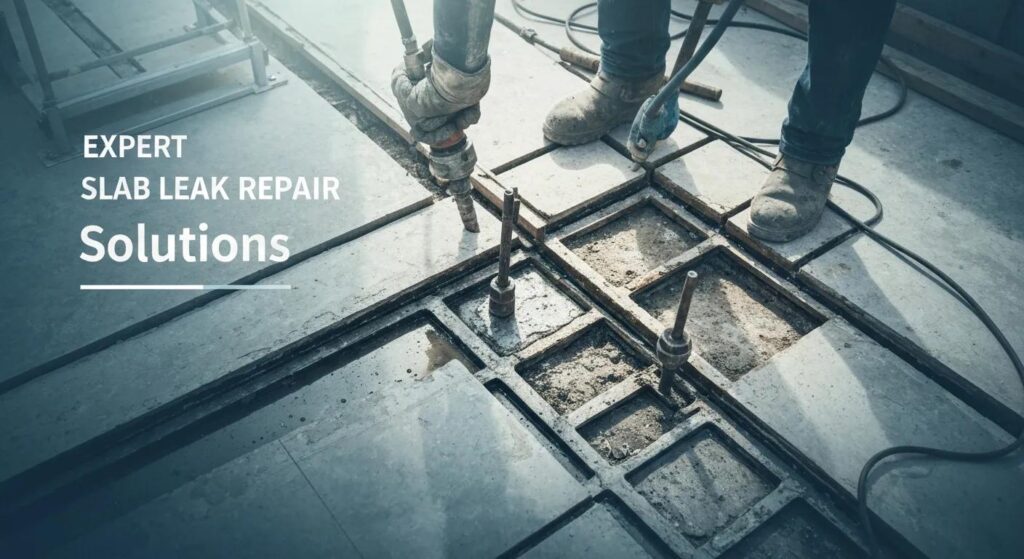
Expert Slab Leak Repair Solutions
A slab leak is a hidden water leak in the pipes that run beneath a concrete foundation slab, and left unchecked it can lead to foundation movement, mold growth, and costly water damage. This article explains how slab leaks form, how to spot early warning signs like unexplained high water bills or warm floor spots, and why timely detection and repair prevent escalating structural and moisture problems. You will learn practical detection methods—acoustic listening, infrared thermal imaging, pressure testing, and meter monitoring—along with the typical repair options such as spot repair, pipe rerouting, trenchless lining, and full repipe. The guide also compares costs and disruption levels to help you decide which approach fits your home and budget, and it outlines prevention steps to reduce recurrence. Throughout, the focus is on residential slab leak repair in Grosse Pointe, with clear guidance for homeowners and selective information about local service options from Frost & Kretsch Plumbing to help you get a free estimate and prompt help if needed. Read on to identify signs, understand detection tools, weigh repair choices, and prepare for efficient remediation.
What Are the Common Signs of a Slab Leak in Your Home?
A slab leak is most often detectable by indirect clues: unexplained water loss, temperature anomalies, sounds of running water with fixtures off, and localized damage to flooring or foundation materials. These signs occur because water escapes under the slab, raising soil moisture, transferring heat from hot lines to floor surfaces, or allowing continuous flow that registers on the meter; recognizing them early reduces the risk of foundation or mold damage. Below is a quick, scannable list of the highest-priority signs to watch for in your home; these are optimized for rapid recognition and next-step decisions. If several of these signs appear together, the probability of an under-slab leak rises and you should isolate water to the home and arrange professional leak detection. Understanding these common indicators sets up the next step: targeted detection using acoustic, thermal, and pressure-based methods that confirm and locate the leak.
Common signs of a slab leak include:
- Unexplained, sustained increase in your water bill despite no change in use.
- Warm or hot spots on concrete or tiled floors indicating a hot water line failure.
- Persistent sound of running water when all fixtures are off.
- Low water pressure or sputtering at taps sourced from the same line.
- New cracks in the foundation or mortar joints near plumbing runs.
- Musty odors or visible mold in lower-level rooms above the slab.
These signs provide an actionable checklist for homeowners to triage potential slab leaks and prioritize professional detection, which is discussed next.
How Do High Water Bills and Warm Floor Spots Indicate a Slab Leak?
High water bills occur when a hidden pipe under the slab allows continuous leakage, converting a small but constant flow into large cumulative volume that shows up on monthly utility statements. Warm floor spots indicate a hot water line breach: escaping hot water heats the concrete and floor coverings, producing noticeable temperature anomalies; this thermal transfer is why infrared imaging is useful to locate such leaks. To triage, first check the water meter for continuous flow when all fixtures are off, then isolate suspected hot fixtures and observe whether the floor anomaly changes; this narrows where technicians will focus acoustic and thermal scanning. Early homeowner checks reduce diagnostic time and can lower detection costs because they give technicians a starting zone to inspect. These practical meter and thermal checks naturally lead into professional detection tools that pinpoint leaks with minimal disruption.
What Foundation and Mold Issues Signal an Under Concrete Pipe Leak?
Moisture from a slab leak can migrate into foundation materials and interior cavities, producing hairline foundation cracks, softened mortar, or efflorescence on concrete surfaces that signal prolonged wetting. Mold and mildew develop in enclosed spaces with chronic dampness; typical signs include musty odors, visible discoloration at floor-wall junctions, and allergic symptoms among occupants, all of which point to a leak that has persisted long enough to raise indoor humidity. Because foundation movement and mold growth escalate repair complexity and cost, early detection and controlled remediation are essential to limit structural repairs and indoor air quality impacts. Recognizing these secondary effects prompts immediate professional evaluation that combines structural observation with targeted leak location methods described in the next section.
Preventing and Repairing Building Cracks and Water Leakage
Water leakage is one of the serious causes of common building defects. Water leakage leads to dampness, corrosion of metals, fungal growth and also affects the structural properties of concrete as well as damage the aesthetic view of the structures. It also has an adverse effect on human health by creating unpleasant condition. If water leakage is prevented, almost 80% building defects can be eliminated. In construction, a building or structure can be prevent water leakage with the use of membranes and coatings to protect contents and structural integrity. The strength parameter gets adversely affected because of water leakages. The objective of this study is to analyze the depreciation in strength caused because of water leakage. Further the study is to be focused on selecting an appropriate method to avoid the leakage. Various methods are to be critically examined and a most economical and most appropriate method is selected for repairing the leakage. Strength paramete
How Are Residential Slab Leaks Detected Using Advanced Methods?
Professional slab leak detection uses complementary technologies—acoustic listening, infrared thermal imaging, pressure testing, and water meter monitoring—to confirm a leak and narrow its location while minimizing excavation. Acoustic devices detect the sound signature of flowing water under concrete; infrared cameras reveal temperature anomalies from hot or cold lines; pressure testing isolates system sections to confirm loss of pressure consistent with a leak; and meter monitoring shows continuous flow when the house is idle. Each method has tradeoffs in accuracy, invasiveness, time, and cost, so technicians typically combine two or more to triangulate the leak before any repair begins. Using these advanced, minimally invasive approaches reduces unnecessary excavation and speeds repair planning, moving from detection into the repair options covered in the following section.
Below is a comparison of professional detection tools, showing typical accuracy, level of disruption, time to complete, and best-use scenarios to help homeowners understand why multiple methods are often deployed together.
| Detection Method | Typical Accuracy | Disruption Level | Typical Time | Best-Use Scenario |
|---|---|---|---|---|
| Acoustic Listening | High for steady flows | Low | 1–3 hours | Pinpointing continuous metallic or pressurized leaks |
| Infrared Thermal Imaging | Medium-High for hot/cold lines | Low | 30–90 minutes | Locating hot-water line anomalies and thermal leaks |
| Pressure Testing | High to confirm leak presence | Low-Medium | 30–120 minutes | Confirming leak in isolated house section or main line |
| Water Meter Monitoring | High to detect continuous loss | None | Ongoing/overnight | Verifying a leak when fixtures are off |
This comparison shows that combined-method workflows—starting with meter monitoring, then acoustic and thermal scanning, followed by pressure testing—deliver the fastest, least invasive path to accurate location. The next section lays out repair options and costs once the leak is located.
Frost & Kretsch Plumbing uses the same detection toolkit—acoustic listening, thermal imaging, pressure testing, and meter checks—and offers around-the-clock scheduling to respond quickly to confirmed slab leaks. Their 24/7 emergency availability, licensed technicians, and focus on minimal disruption help homeowners move from diagnosis to repair without unnecessary delay.
What Role Do Acoustic Listening Devices and Infrared Cameras Play in Leak Detection?
Acoustic listening devices translate sound patterns below concrete into audible signals technicians interpret to find running water or pressure leaks; these tools excel at detecting steady flows in metallic and some plastic pipes. Infrared cameras map temperature differentials across the slab surface, revealing warm or cool streaks where hot or cold lines leak into surrounding soil—this is particularly effective for hot-water line failures creating warm floor patches. Used together, acoustic and infrared methods reduce guesswork: acoustic narrows the linear location while thermal imaging verifies temperature-related anomalies, which increases confidence before excavation or targeted repair. After locating a suspect zone with these tools, technicians typically confirm with pressure testing, which is described next to complete the diagnostic sequence.
How Is Pressure Testing and Water Meter Monitoring Used to Find Slab Leaks?
Pressure testing isolates sections of the plumbing system and measures whether the pressurized segment holds over time; a drop in pressure indicates a leak within the tested zone and helps contractors determine whether the issue is under the slab or in an accessible chase. Water meter monitoring is a cost-effective homeowner check: record the meter reading, ensure all water is off in the house, and recheck after an hour—continuous movement strongly suggests a hidden leak. Together, these methods confirm the presence and approximate zone of a leak before invasive work begins: meter monitoring flags the problem, acoustic/thermal locates the spot, and pressure testing verifies the specific segment requiring repair. Confirming before repairing reduces unnecessary excavation and informs the repair method selection covered next.
What Are the Residential Slab Leak Repair Options and Their Costs in Grosse Pointe?
Once the leak is located, homeowners generally choose among spot repair, pipe rerouting, trenchless lining, or full repipe; each option balances cost, disruption, longevity, and suitability to pipe material and damage extent. Spot repair addresses a localized breach with minimal concrete removal and is ideal for small, accessible leaks; pipe rerouting replaces the problematic run with new piping routed above slab or through accessible chases; trenchless lining or epoxy lining rehabilitates the existing pipe interior without full excavation; and full repipe replaces major pipe runs when corrosion or widespread failures exist. Local cost ranges vary with accessibility, pipe material, and extent of water or foundation damage; the table below summarizes typical price bands, disruption levels, and best-use cases to help homeowners compare tradeoffs. Choosing the right method depends on a clear diagnosis—accurate detection minimizes the risk of selecting an inappropriate repair strategy.
| Repair Approach | Typical Cost Range | Disruption Level | Typical Timeline | Best-Use Case |
|---|---|---|---|---|
| Spot Repair | $600–$2,000 | Low | 1 day–3 days | Localized single leak with minimal damage |
| Pipe Rerouting | $1,200–$4,000 | Medium | 1–3 days | Corroded sections or inaccessible original runs |
| Trenchless Lining (epoxy) | $2,000–$6,000 | Low-Medium | 1–3 days | Seamless rehab when pipe interior is intact enough |
| Full Repipe | $3,000–$10,000+ | High | Several days | Extensive corrosion or multiple leak sites |
This comparison highlights that spot repairs and trenchless lining tend to minimize concrete work, while rerouting and full repipe require more disruption but may offer longer-term durability. The next subsection examines how to choose between these based on cost drivers and property specifics.
How Do Spot Repairs, Pipe Rerouting, and Trenchless Repairs Compare?
Spot repair is the least invasive hyponym of repair options: it targets a single defect and keeps disruption low, making it cost-effective when leaks are isolated. Pipe rerouting is a mid-level intervention that replaces a problematic run by creating a new path for water lines, trading moderate disruption for improved access and longevity when original lines are corroded. Trenchless pipe lining and epoxy pipe lining are trenchless alternatives that rehabilitate pipe interiors, offering lower surface disruption and quick timelines but requiring suitable existing pipe condition and diameter. Each option’s suitability depends on pipe material (copper, galvanized, PEX), leak location, and the presence of secondary damage; a combined approach is sometimes optimal, such as spot repair plus localized lining. Understanding these tradeoffs helps homeowners choose a repair that balances cost, expected lifespan, and acceptable disruption.
What Factors Influence the Cost of Slab Leak Repair Services?
Several cost drivers determine final pricing: the leak’s location under slab versus accessible chase, pipe material and age, extent of water or foundation damage, need for restoration of flooring or landscaping, and permitting or code-related requirements. Accessibility is paramount—deep, centrally located lines under thick slabs require more concrete removal and longer labor time, whereas leaks near edges or in accessible chases reduce excavation and cost. Pipe material affects both detectability and repair technique selection; for example, older galvanized systems may prompt a full repipe recommendation, increasing cost. Homeowners should gather basic info—visible pipe type, recent water bills, observed damage—to provide accurate context for estimates and to help contractors propose the least-disruptive, cost-effective solution. The following list helps homeowners prepare for a contractor’s estimate.
- Recent water bills: Show date range and unexplained increases.
- Visible floor or foundation anomalies: Describe warm spots, cracks, or mold.
- Known pipe materials: Note any accessible pipe (copper, PEX, galvanized).
- Accessibility constraints: Indicate furniture, landscaping, or finished flooring concerns.
Providing these details accelerates accurate quoting and helps avoid surprises during repair planning, which leads naturally into choosing a trusted local contractor discussed next.
Frost & Kretsch Plumbing provides free estimates with guaranteed pricing and emphasizes meticulous cleanup after repairs, offering licensed, insured technicians and 24/7 emergency service with no increased off-hours rates. That local support helps homeowners choose appropriate repair methods quickly and with predictable cost expectations.
Why Choose Frost & Kretsch Plumbing for Slab Leak Repair in Grosse Pointe?
Frost & Kretsch Plumbing is a local Grosse Pointe lead generation and information hub that emphasizes licensed and insured professionals, 24/7 emergency availability without higher off-hour rates, free estimates, guaranteed pricing, and meticulous cleanup after work. Choosing a team with local knowledge of typical soil conditions and foundation types reduces diagnostic time and avoids unnecessary excavation, while licensed technicians ensure repairs meet code and minimize long-term risks. Their emergency plumbing service model prioritizes rapid containment to reduce water and foundation damage, which often halves downstream repair costs compared with delayed responses. For homeowners evaluating vendors, Frost & Kretsch’s combination of technical detection services, clear pricing practices, and cleanup commitments streamlines the process from diagnosis to final testing and warranty checks.
Beyond residential solutions, Frost & Kretsch Plumbing also offers comprehensive commercial plumbing services, ensuring businesses in Grosse Pointe receive the same high standard of care for their unique needs.
How Do Licensed Experts and 24/7 Emergency Services Benefit Homeowners?
Licensed experts bring standardized protocols—proper pressure testing, validated acoustic interpretation, and authorized repair methods—that minimize misdiagnosis and rework, protecting both the home and the homeowner’s investment. Having 24/7 emergency response without inflated off-hour fees means leaks discovered at night or on weekends can be contained quickly, preventing continuous water loss that causes foundation settlement or mold spread. Rapid technician deployment shortens the time between detection and repair, reducing the total volume of lost water and limiting secondary damage. For homeowners, this combination translates into lower overall repair costs, reduced health risks from mold, and less disruption to daily life; the next subsection describes guarantees and cleanup standards that support these benefits.
What Guarantees and Cleanup Standards Does Frost & Kretsch Provide?
Frost & Kretsch advertises free estimates and guaranteed pricing, which gives homeowners a clear expectation of cost before work begins and reduces disputes over unexpected charges. Their cleanup standards focus on restoring the work area—removing debris, replacing disturbed soil or flooring finishes as agreed, and performing final pressure and leak tests to validate repair integrity. While explicit warranty durations are not included in the provided business data, the company’s emphasis on licensed workmanship and meticulous site restoration signals an operational standard aimed at minimizing post-repair issues. Asking the provider for documented guarantees and cleanup checklists during the estimate ensures clarity and sets expectations for final acceptance. Clear guarantees and cleanup commitments make the final handoff concise and reliable for property owners.
How Can Homeowners Prevent Future Slab Leaks and Foundation Damage?
Prevention centers on regular inspections, controlling soil moisture and drainage around the foundation, choosing durable pipe materials, and monitoring water usage for early anomaly detection. Routine professional inspections identify early corrosion, joint stress, and small pressure anomalies before they become slab-penetrating leaks; combining these inspections with homeowner meter checks yields the best early-warning system. Managing soil conditions—keeping gutters clear, ensuring proper grading away from the foundation, and avoiding excessive landscaping irrigation near the slab—reduces soil expansion and contraction that can stress pipes and joints. Choosing appropriate pipe materials and timely repiping when multiple failures occur further mitigates long-term leak risk. These preventive measures create a layered defense that reduces both the probability and severity of future slab leak events.
Introductory prevention checklist: The following practical list helps homeowners implement low-cost prevention steps and prioritize professional inspections.
- Schedule professional plumbing inspections at least every 2–4 years or when unexplained symptoms arise.
- Maintain proper exterior grading and gutter drainage to divert water away from the foundation.
- Monitor water meter readings monthly and investigate continuous flow when the house is idle.
- Avoid planting large-root vegetation near foundation lines that can shift soil or damage buried pipes.
Implementing these measures reduces the load on underlying plumbing systems and improves long-term foundation health, which leads into specific inspection points and material choices described next.
What Regular Inspections and Soil Conditions Affect Slab Leak Risks?
Inspections focus on pipe visible condition in accessible areas, pressure stability, minor moisture stains at floor perimeters, and any early thermal anomalies; technicians also assess soil moisture near the foundation and recommend drainage improvements when saturation risks are high. Soil types—particularly expansive clays common in parts of Michigan—can swell when wet and shrink when dry, imposing cyclical stresses on buried pipes and increasing the chance of joint separation or brittle fracture; managing this requires consistent surface drainage and careful irrigation practices. Regularly scheduled checks combined with seasonal reviews (spring thaw, fall rains) help detect trends that precede slab leaks, enabling preemptive repairs or repiping before major damage occurs. These inspection practices inform informed choices about repipe timing and methods described in the next subsection.
How Does Pipe Material Choice Impact Leak Prevention?
Pipe material selection affects corrosion resistance, flexibility, and compatibility with trenchless lining technologies: copper offers long-term durability but can corrode under certain soil chemistries, galvanized steel is prone to internal corrosion and often triggers full repipe decisions, and cross-linked polyethylene (PEX) offers flexibility and resistance to some corrosion modes. Trenchless lining methods like epoxy rehabilitation work best with pipes that are structurally sound internally but have localized defects; severely corroded or collapsed runs may require full repipe. Homeowners should weigh material longevity, local soil conditions, and the feasibility of minimally invasive rehab when deciding whether to repair or replace lines. Clear documentation of material condition from inspections guides whether spot repairs, trenchless lining, or repiping will provide the most durable prevention.
Frequently Asked Questions
What are the long-term effects of ignoring a slab leak?
Ignoring a slab leak can lead to severe long-term consequences, including significant structural damage to your home. Prolonged water exposure can weaken the foundation, causing cracks and shifting. Additionally, the persistent moisture creates an ideal environment for mold growth, which can pose health risks to occupants. Over time, the cost of repairs escalates as the damage spreads, making early detection and prompt repair essential to protect your home and health.
How can homeowners prepare for a slab leak inspection?
Homeowners can prepare for a slab leak inspection by gathering relevant information about their plumbing system. This includes noting any recent increases in water bills, visible signs of damage like cracks or mold, and the types of pipes used in the home. Clearing the work area of furniture and personal items can also facilitate the inspection process. Providing this information to the technician can help streamline the diagnosis and repair process.
What should I expect during the slab leak repair process?
During the slab leak repair process, homeowners can expect a systematic approach starting with leak detection methods such as acoustic listening and thermal imaging. Once the leak is confirmed, the technician will discuss repair options, which may include spot repairs or more extensive solutions like repiping. The repair work will involve targeted excavation or rehabilitation, followed by restoration of the affected areas. Homeowners should be prepared for some disruption, but the goal is to minimize impact while ensuring effective repairs.
Are there any DIY methods for detecting slab leaks?
While professional detection methods are most effective, homeowners can perform some basic checks to identify potential slab leaks. Monitoring water meter readings for unexplained increases when no water is in use can indicate a leak. Additionally, checking for warm spots on floors or listening for sounds of running water when fixtures are off can provide clues. However, for accurate detection and repair, it is advisable to consult a licensed professional.
What types of pipe materials are most prone to leaks?
Different pipe materials have varying susceptibilities to leaks. Galvanized steel pipes are particularly prone to internal corrosion, often leading to leaks and necessitating full repiping. Copper pipes can also corrode, especially in certain soil conditions. In contrast, cross-linked polyethylene (PEX) is more flexible and resistant to some corrosion types, making it a popular choice for new installations. Understanding the material used in your plumbing can help in assessing leak risks and planning for future repairs.
How often should homeowners schedule plumbing inspections?
Homeowners should schedule plumbing inspections at least every 2 to 4 years, or more frequently if they notice signs of potential issues, such as unexplained water bills or visible damage. Regular inspections help identify early signs of wear, corrosion, or pressure anomalies before they escalate into significant problems like slab leaks. Proactive maintenance can save homeowners money in the long run by preventing costly repairs and ensuring the longevity of their plumbing systems.
What are the best practices for preventing slab leaks?
Preventing slab leaks involves several best practices, including regular plumbing inspections, managing soil moisture around the foundation, and monitoring water usage. Homeowners should ensure proper drainage away from the foundation, maintain gutters, and avoid excessive irrigation near the slab. Additionally, choosing durable pipe materials and addressing any signs of wear promptly can significantly reduce the risk of future leaks. Implementing these measures creates a proactive defense against slab leaks and foundation damage.
How Much Does Slab Leak Repair Typically Cost in Grosse Pointe?
Typical 2025 cost ranges for slab leak work vary by scope: detection-only diagnostics commonly fall between $150 and $400, localized spot repairs often range from about $600 to $2,000, average repairs (including some excavation or trenchless lining) can fall between $630 and $4,400 with many projects clustering around $2,300, and full repipe or complex foundation repairs push costs higher. The table below organizes detection and repair cost anchors to assist homeowners in budgeting, noting that final estimates depend on access, pipe material, and any required foundation or flooring restoration. Use these ranges to evaluate quotes and ask contractors for itemized pricing during free estimates.
| Service Category | Typical Cost Range | Notes |
|---|---|---|
| Detection Only | $150–$400 | Meter checks, acoustic scan, thermal imaging |
| Spot Repair | $600–$2,000 | Localized concrete cutting and repair |
| Average Repair (mix) | $630–$4,400 | Including trenchless lining or small excavations |
| Full Repipe / Major Repair | $3,000–$10,000+ | Extensive access, multiple line replacement |
These figures give homeowners a realistic expectation of expenditures and highlight why accurate detection is cost-saving; the next subsection describes the repair process so homeowners know what to expect on site.
What Should Homeowners Expect During Slab Leak Repair Services?
The typical workflow begins with initial detection: meter checks, acoustic or thermal scanning, and pressure testing to confirm and locate the leak, followed by a written estimate outlining repair options and costs. Once a method is selected—spot repair, rerouting, trenchless lining, or repipe—the crew performs targeted excavation or rehabilitation, executes the plumbing repair, restores concrete and finish surfaces as agreed, and conducts final pressure and leak testing to confirm integrity. Homeowners should prepare by clearing the work area, documenting visible damage for insurance, and discussing cleanup and warranty terms with the contractor before work begins. Expect total times from a single-day spot repair to several days for repipe and restoration; clear communication with your chosen provider reduces uncertainty and accelerates final acceptance.
To provide useful information about plumbing services and common issues, establish trust and expertise, and lead users to contact for service appointments and free estimates.
Preventing and Repairing Building Cracks and Water Leakage
Water leakage is one of the serious causes of common building defects. Water leakage leads to dampness, corrosion of metals, fungal growth and also affects the structural properties of concrete as well as damage the aesthetic view of the structures. It also has an adverse effect on human health by creating unpleasant condition. If water leakage is prevented, almost 80% building defects can be eliminated. In construction, a building or structure can be prevent water leakage with the use of membranes and coatings to protect contents and structural integrity. The strength parameter gets adversely affected because of water leakages. The objective of this study is to analyze the depreciation in strength caused because of water leakage. Further the study is to be focused on selecting an appropriate method to avoid the leakage. Various methods are to be critically examined and a most economical and most appropriate method is selected for repairing the leakage. Strength paramete
Conclusion
Addressing slab leaks promptly is crucial to prevent extensive damage and costly repairs, ensuring the integrity of your home’s foundation. By understanding the signs and detection methods, homeowners can take proactive steps to mitigate risks and maintain their property’s value. For expert assistance and reliable solutions, consider reaching out to local professionals who specialize in slab leak repairs. Explore our services today to safeguard your home against future plumbing issues.