
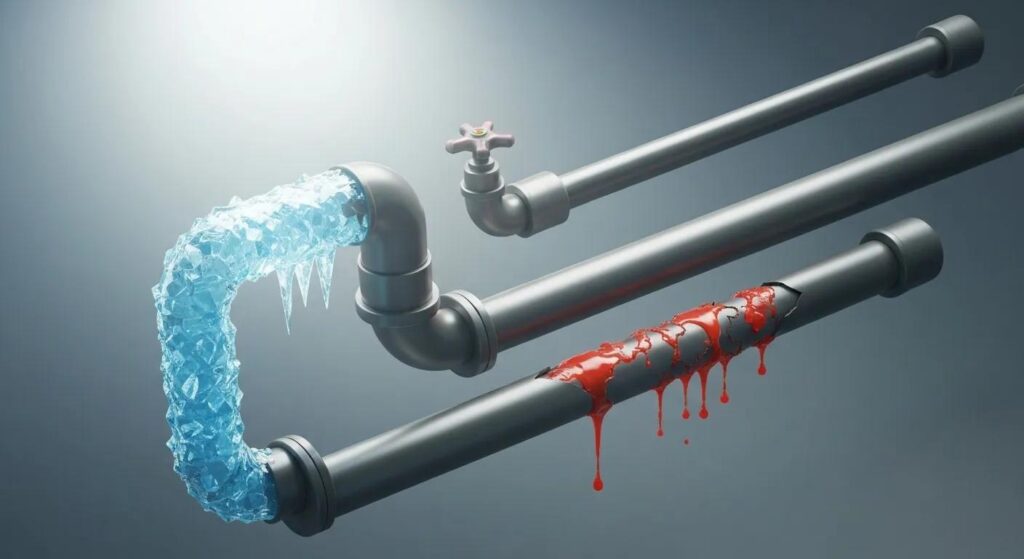
Diagnosing Frozen vs. Damaged Pipes
Introduction
Is that frigid winter morning leaving your faucets running dry or trickling weakly? Recognizing how do I know if a pipe is frozen or just needs to be repaired can save you thousands in water damage and emergency service fees. Frozen plumbing occurs when water solidifies inside a pipe, expanding and placing immense pressure on metal walls. Ignoring these signs invites bursts, leaks, and costly repairs. In this guide, you will learn:
- Key symptoms that distinguish a frozen pipe from general damage
- Simple DIY detection and thawing techniques
- Warning signals of burst and leaking pipes that require professional attention
- Timing strategies for calling licensed plumbers, including 24/7 emergency response in Grosse Pointe
- Proven prevention tips—winterization, insulation, heating cables—and the value of routine inspections
- Overview of specialized services—from rapid frozen-pipe repair to advanced leak detection and full repiping—with clear steps to request a free estimate
By following these expert insights and local service recommendations from Grosse Pointe Plumbing, you’ll diagnose plumbing issues accurately, protect your home against winter disasters, and know when to secure professional assistance under a 100 percent satisfaction guarantee.
What Are the Key Signs Your Pipe Is Frozen?
A frozen pipe is a section of plumbing where water has solidified into ice, creating a blockage that prevents normal flow. Because ice expands up to 9 percent of water’s original volume, this condition exerts immense pressure against pipe walls, risking cracks or bursts. For instance, an uninsulated exterior wall pipe can freeze overnight during a Michigan cold snap, halting water supply and setting the stage for sudden failure under pressure.
What Is a Frozen Pipe and Why Is It a Risk to Your Home?
A frozen pipe forms when ambient temperatures drop below freezing and unprotected piping lacks sufficient heat retention. The reason this scenario is dangerous is that expanding ice generates stress points inside the pipe, often invisible until a rupture occurs. A typical example involves a basement supply line at an exterior foundation that traps cold, causing gradual fracture development unseen until the ice thaws and water escapes suddenly. Early awareness of this risk helps prevent structural damage, mold growth, and high restoration costs.
Historically, electrical methods have been employed to thaw frozen pipes, with early discussions highlighting the specialized residential plumbing services and expertise required.
Thawing Service Pipes: Methods and Dangers
… method, and the dangers present when large currents are used, this review will deal, in the main, with this method. … costly digging of frozen ground and a specially trained crew to make …Thawing Service Pipes, Unknown Author, 1936
How Can You Identify Symptoms of a Frozen Pipe?
Before calling for service, observe these clear signs that indicate ice blockage rather than a simple clog or valve issue:
- No water flow or dribbling at faucets that once ran freely
- Significant drop in water pressure localized to one fixture
- Visible frost or condensation on exposed sections of pipe
- Unusual metallic or musty odors as trapped water stagnates
These symptoms contrast with typical clogs, which usually allow some water to trickle and often produce gurgling sounds. Rapid detection reduces the chance of a burst under winter pressure.
Comparative Table: Frozen Pipe vs. Burst Pipe Indicators
Below is a quick comparison of hallmark indicators that help you distinguish between frozen blockage and pipe rupture.
| Condition | Primary Indicator | Underlying Implication |
|---|---|---|
| Frozen Pipe | No water flow or very low pressure | Ice obstruction inside pipe |
| Burst Pipe | Sudden gush of water and rapid pressure drop | Pipe wall failure and active leak |
This comparison clarifies why immediate thawing is the first recourse for frozen pipes, whereas visible leaks demand urgent repair.
Where and How Do You Locate a Frozen Section in Your Plumbing?
Finding the ice-blocked segment is critical before thawing:
- Inspect exposed piping in basements, crawl spaces, garages and unheated closets.
- Follow the cold trail—run your hand along the pipe to detect an abrupt temperature drop.
- Listen for faint water trickles beyond the frost line when faucets are open.
- Use a flashlight to spot frost accumulation or bulging along the pipe surface.
Identifying the precise location lets you focus heat application safely and prevents unintentional warming of unaffected areas.
What Does a Frozen Pipe Sound Like?
A frozen pipe can emit a faint humming or glugging noise as residual water struggles to navigate around an ice plug. This sound often precedes complete blockage and signals trapped water beginning to thaw and contract. Recognizing this auditory cue helps you intervene early—preventing ice expansion from causing a fracture or burst once temperatures rebound.
How Can You Safely Thaw a Frozen Pipe Yourself?
When you’ve identified a frozen stretch, apply these safe methods to restore flow without risking burns or fire hazards:
- Wrap a hairdryer around the pipe on a low setting, moving slowly along the freeze zone
- Use electric heat tape or a heat lamp, ensuring cords remain dry and no flammable materials are nearby
- Place warm towels or cloths dipped in hot water around the pipe section, rewetting as necessary
- Open the faucet to allow water to flow as ice melts, relieving pressure
Avoid open flames or high-heat torches. If thawing progress stalls or signs of cracking appear, cease DIY efforts and secure professional assistance from a licensed plumber.
The use of electricity for thawing frozen pipes has been a recognized method for decades, with specific equipment designed for this purpose.
Thawing Frozen Water Mains and Service Pipes by Electricity
… The method of thawing frozen main or service connections with a special pipe thawing … This difference in responsibility may make a difference in the best method of thawing mains …THAWING FROZEN WATER MAINS AND SERVICE PIPES BY ELECTRICITY [with DISCUSSION], Unknown Author, 1917
How Do You Recognize When Your Pipe Needs Repair Instead of Thawing?
Repair needs arise when damage has already compromised pipe integrity. Recognizing these warnings prevents continued reliance on ineffective thawing efforts and limits water damage. For more information, check out our residential plumbing services.
What Are the Warning Signs of a Burst Pipe?
Burst pipes often reveal themselves through:
- Sudden, uncontrolled streams or sprays of water
- Immediate and pronounced drop in overall water pressure
- Dark water stains on walls, ceilings, or floors
- Structural dampness and pooling beneath pipe run
These signs demand calling a qualified plumber without delay to isolate the break, minimize flooding, and perform a durable pipe replacement or patch.
What Are the Subtle Signs of a Leaking Pipe?
Some leaks begin so gradually they evade notice until damage accumulates. Watch for:
- Persistent dripping or slow pooling under cabinets or behind walls
- Musty odors or mold growth near plumbing routes
- Unexplained spikes in monthly water bills
- Gurgling, banging, or hissing sounds in pressurized lines
Early leak detection and prompt repair preserve water efficiency and prevent mold or foundational issues.
What Other Common Pipe Problems Require Professional Repair?
Beyond freezing and bursting, these conditions benefit from expert attention:
- Corrosion or pinhole leaks in aging metal pipes
- Loose fittings and failing seals around joints
- Recurring clogs that resist chemical or mechanical clearing
- Noisy pipes that bang (water hammer) or vibrate under normal flow
A skilled technician can assess pipe material, identify hidden deterioration, and recommend patching, replacement, or repiping solutions.
How Are Hidden Leaks Diagnosed by Professionals?
Advanced diagnostics leverage technology rather than invasive demolition:
- Thermal imaging cameras to spot temperature anomalies behind walls
- Acoustic sensors that detect water escaping under pressure
- Tracer dye or gas introduced into the system to trace leak paths
- Video pipe inspection with mini-cameras navigating interior surfaces
These methods pinpoint leaks precisely, enabling targeted repairs that reduce repair cost and disruption.
When Should You Call a Plumber for Frozen or Damaged Pipes?
Knowing when DIY stops and expert care begins is essential to protect your home and budget.
What Are the Emergency Signs That Require Immediate Plumbing Help?
Emergency thresholds include:
- Active flooding from a burst section
- Rapidly spreading water stains or standing water indoors
- Significant structural damage risk (ceiling sag or floor warping)
- Loss of heat plus frozen pipes beyond reachable areas
At these stages, contacting a 24/7 emergency plumbing provider in Grosse Pointe ensures a rapid response that limits damage.
How Does 24/7 Emergency Plumbing Service Work in Grosse Pointe?
Licensed plumbers remain on call around the clock, ready to dispatch within the service radius. Upon your call, a certified technician assesses the issue by phone, then arrives equipped with thawing tools, repair parts, and safety gear. This rapid-response model minimizes downtime during cold snaps, preventing small issues from escalating into major disasters.
What Can Licensed Plumbers Do That DIY Cannot?
Professional plumbers deliver solutions beyond basic thawing:
- Pressure testing and pipe integrity assessment using calibrated gauges
- Trenchless repair and repiping that avoids extensive demolition
- Permanent patching or full pipe replacement with manufacturer-rated materials
- Warranty-backed workmanship and adherence to local codes
These specialized skills protect against future failures and qualify for service guarantees unavailable through DIY fixes.
How Can You Prevent Frozen Pipes and Avoid Costly Repairs?
Proactive measures safeguard your plumbing through winter’s harshest conditions, reducing emergency calls and repair bills.
What Are Essential Winterization Steps for Grosse Pointe Homes?
Follow these prioritized tasks before the first freeze:
- Drain and disconnect outdoor hoses and frost-free faucets
- Shut off and drain irrigation systems and exterior valves
- Seal gaps and cracks around foundation walls, vents, and crawl-space doors
- Open cabinet doors under sinks to allow warm air circulation
- Maintain consistent indoor temperature above 55 °F, even when away
This sequence minimizes residual water pockets and air leaks that accelerate pipe freezing.
Proper insulation is a critical component of winterizing plumbing systems to prevent freezing and other issues.
Winterizing Plumbing Systems and Installing Insulation
… Winterizing plumbing systems and installing insulation are … plumbing components and systems, and corrosion control. …Plumbing Technician (AFSC 55275), Unknown Author, 1984
How Does Pipe Insulation and Heating Cable Protect Your Plumbing?
Insulation and heating cables form a dual defense against freezing:
| Insulation Material | Thermal R-Value | Key Benefit |
|---|---|---|
| Foam Rubber Sleeve | 6.5 per inch | Blocks cold air, retains pipe warmth |
| Fiberglass Wrap | 4.0 per inch | Easy to install around irregular runs |
| Self-Regulating Cable | N/A | Automatically adjusts heat output |
Selecting the right material for interior and exterior runs ensures uniform temperature maintenance, preventing ice formation and associated burst risks.
Why Are Regular Plumbing Inspections Important for Prevention?
Routine inspections identify worn or corroded sections before they fail. A professional evaluation every 12–18 months uncovers hidden vulnerabilities such as thinning pipe walls, loose fittings, and inadequate insulation. Early intervention not only prevents freezing disasters but also extends the lifespan of your plumbing system and optimizes water efficiency.
What Professional Plumbing Services Are Available for Frozen and Damaged Pipes?
When prevention and DIY measures prove insufficient, comprehensive professional solutions stand ready.
How Does Emergency Frozen Pipe Repair Work?
Upon arrival, technicians isolate the frozen section, relieve pressure by opening downstream fixtures, then apply calibrated heat sources to thaw ice evenly. If cracking appears, they perform precision clipping and install rated repair clamps or replace the damaged segment. This targeted approach restores service quickly and prevents reoccurrence.
What Leak Detection and Repair Services Are Offered?
Expert teams deploy non-invasive methods—acoustic sensors, infrared imaging, and tracer technologies—to locate leaks within walls, under slabs, or behind ceilings. Once pinpointed, they execute durable repairs using epoxy injections, sleeve clamps, or full repiping, ensuring a permanent solution that conserves water and protects structural integrity.
When Is Full Pipe Replacement or Repiping Necessary?
Complete repiping becomes imperative when corrosion, multiple leaks, or outdated materials (such as galvanized steel) compromise system reliability. A licensed plumber assesses pipe age, failure history, and property value, then designs a repiping plan—often utilizing PEX or copper—to restore uniform performance and warranty coverage.
How Can You Request a Free Plumbing Estimate from Grosse Pointe Plumbing?
Contact our office by phone or email to schedule a no-cost, no-obligation estimate. A certified estimator will review your home’s plumbing layout, discuss preventative or repair options, and provide transparent pricing under our 100 percent satisfaction guarantee. Prompt scheduling ensures service within the next available window.
Conclusion
Accurately distinguishing between a frozen pipe and one that requires repair empowers homeowners to act swiftly and avoid cascading damage. By learning the diagnostic symptoms, applying safe thawing techniques, and recognizing urgent repair signs, you preserve water flow and safeguard your property. Proactive winterization—insulation, heating cables, and routine inspections—further reduces emergency risk. When advanced repair or repiping is needed, licensed plumbers deliver precision solutions under robust guarantees. For residents in Grosse Pointe and surrounding areas, Grosse Pointe Plumbing’s 24/7 emergency response, expert diagnostic tools, and free estimate service ensure your plumbing remains resilient through every winter season.
Make the call today to secure your home against frozen and damaged pipes with confidence.
Frequently Asked Questions
What should I do if I suspect a pipe is frozen?
If you suspect a pipe is frozen, first turn on the faucet connected to the affected pipe. This allows any melted water to escape and relieves pressure. Next, locate the frozen section by checking exposed pipes in unheated areas. Use a hairdryer, heat lamp, or warm towels to gently thaw the pipe, starting from the faucet end and moving toward the blockage. Avoid using open flames or high-heat devices, as they can damage the pipe. If you notice cracks or if thawing is ineffective, contact a licensed plumber for assistance.
How can I tell if my plumbing system is at risk of freezing?
To assess the risk of freezing in your plumbing system, check for uninsulated pipes in areas prone to cold, such as basements, attics, and exterior walls. Look for drafts or gaps around windows and doors that could lower indoor temperatures. Additionally, monitor your home’s heating system to ensure it maintains a consistent temperature above 55°F. Regular inspections can help identify vulnerable areas, allowing you to take preventive measures before winter sets in.
What are the long-term effects of a burst pipe?
A burst pipe can lead to significant long-term damage, including structural issues, mold growth, and water damage to walls, ceilings, and floors. The immediate flooding can compromise the integrity of your home’s foundation and lead to costly repairs. Additionally, prolonged exposure to moisture can create an environment conducive to mold and mildew, which can affect indoor air quality and pose health risks. It’s crucial to address any burst pipe situation promptly to mitigate these long-term effects.
Can I prevent my pipes from freezing in the first place?
Yes, you can prevent your pipes from freezing by taking several proactive measures. Insulate pipes in unheated areas, seal gaps around windows and doors, and maintain a consistent indoor temperature. During extreme cold, let faucets drip slightly to keep water moving. Additionally, disconnect and drain outdoor hoses and irrigation systems before winter. Regular plumbing inspections can also help identify vulnerabilities and ensure your plumbing system is well-prepared for cold weather.
What should I do if I notice a slow leak in my plumbing?
If you notice a slow leak, it’s important to address it promptly to prevent further damage. First, turn off the water supply to the affected area to minimize water loss. Then, assess the leak’s source—check for loose fittings, corroded pipes, or damaged seals. If the leak is minor, you may be able to tighten fittings or use plumbing tape as a temporary fix. However, for persistent or significant leaks, it’s best to contact a licensed plumber for a thorough inspection and professional repair.
How often should I have my plumbing inspected?
It is recommended to have your plumbing inspected every 12 to 18 months. Regular inspections help identify potential issues such as corrosion, leaks, or inadequate insulation before they escalate into major problems. A professional plumber can assess the condition of your pipes, fixtures, and overall system, ensuring everything is functioning properly. This proactive approach not only extends the lifespan of your plumbing but also enhances water efficiency and reduces the risk of emergencies.
What are the benefits of hiring a professional plumber for repairs?
Hiring a professional plumber for repairs offers numerous benefits, including expertise, efficiency, and access to specialized tools. Licensed plumbers can accurately diagnose issues, perform complex repairs, and ensure compliance with local codes. They also provide warranties on their work, giving you peace of mind. Additionally, professional plumbers can identify underlying problems that may not be visible, preventing future issues and saving you money in the long run. Their experience allows for quicker, more effective solutions compared to DIY attempts.
Conclusion
Accurately distinguishing between a frozen pipe and one that requires repair empowers homeowners to act swiftly and avoid cascading damage. By learning the diagnostic symptoms, applying safe thawing techniques, and recognizing urgent repair signs, you preserve water flow and safeguard your property. Proactive winterization—insulation, heating cables, and routine inspections—further reduces emergency risk. Make the call today to secure your home against frozen and damaged pipes with confidence.