Emergency Drain Cleaning Services for Rapid Relief in Grosse Pointe
When a blocked drain threatens your home or business, immediate action can prevent water damage, foul odors, and costly repairs. Emergency drain cleaning services deliver rapid relief by dispatching certified technicians within hours, using advanced methods like hydro jetting and camera inspection. In this article, you’ll discover what emergency drain cleaning entails, recognize warning signs, explore root causes, understand our step-by-step process, evaluate pricing factors, learn prevention strategies, and see why Grosse Pointe Plumbing stands out as the trusted local expert.
Our overview covers:
- Definition and urgency of emergency drain cleaning
- Typical warning signals and severe backup indicators
- Common clog causes from grease to tree roots
- Diagnostic methods and cleaning techniques
- Unique benefits of choosing Grosse Pointe Plumbing
- Cost transparency and free estimate options
- Long-term prevention tips
Begin by understanding why rapid relief matters for every clogged drain scenario.
What Is Emergency Drain Cleaning and Why Is Rapid Relief Crucial?
Emergency drain cleaning is a 24/7 service that clears severe blockages to restore proper flow and prevent water damage. By using high-pressure hydro jetting, mechanical snaking, and video inspection, it stops backups before they escalate into foundation leaks or mold growth. For instance, a commercial kitchen sink blocked by grease can overflow in minutes, making immediate cleaning the key to uninterrupted operation.
To illustrate core advantages:
- Rapid Response → Emergency dispatch within hours → Minimizes property damage
- Comprehensive Methods → Hydro jetting and snaking → Clears stubborn clogs
- Preventive Testing → Post-service camera inspection → Verifies full clearance
These benefits set the stage for how fast solutions tackle blocked drains.
How Does Emergency Drain Cleaning Provide Fast Solutions for Blocked Drains?
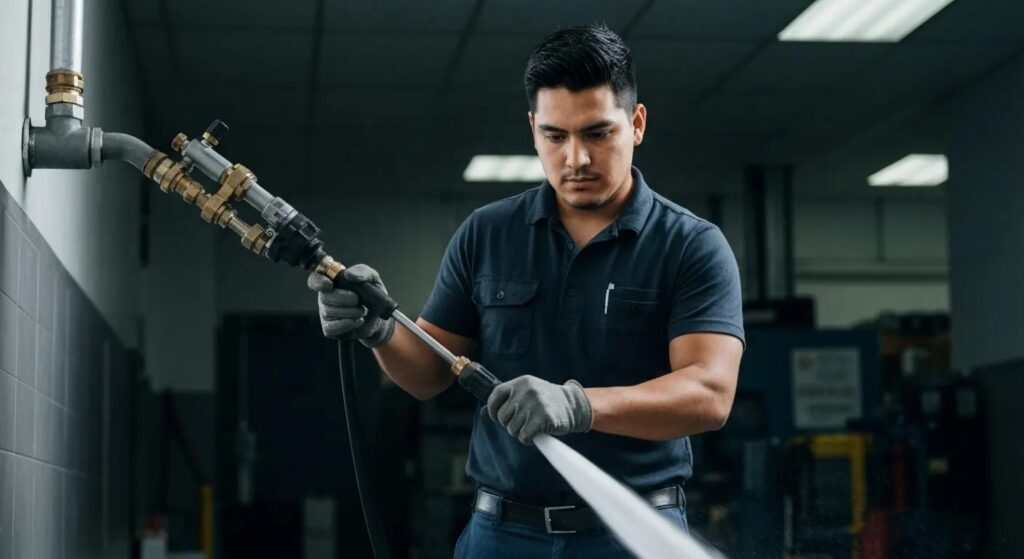
Emergency drain cleaning provides fast solutions by combining rapid dispatch with targeted techniques that dissolve or extract obstructions immediately. Technicians arrive equipped with motorized drain snakes to break through hair and debris, then deploy hydro jetters that shoot water at 4,000–5,000 PSI to scour pipe walls. Real-time camera footage confirms clearance, so you see results during service. This approach eliminates guesswork and leads directly into identifying the specific blockage types requiring emergency intervention.
What Types of Drain Problems Require Emergency Cleaning?
Emergency cleaning is triggered when regular methods fail and water begins to back up into fixtures or across floors. Typical urgent scenarios include:
- Kitchen sink clogs causing water to pool on counters
- Main sewer line blockages leading to multiple fixture backups
- Basement drain or floor-drain backups threatening structural damage
- Toilet overflow that won’t recede with standard plunging
- Shower and bathtub drains emitting foul odors and gurgling sounds
Recognizing these situations emphasizes the need for professional intervention and transitions to how we ensure reliable service.
How Does Frost & Kretsch Plumbing Ensure Reliable Emergency Service?
Frost & Kretsch Plumbing guarantees rapid relief through a combination of local presence, certified technicians, and streamlined dispatch protocols. Our team monitors incoming calls around the clock and maintains stocked service vehicles to respond within two hours. Every technician holds state plumbing licensure and completes ongoing safety training, ensuring both speed and reliability during emergency drain cleaning.
What Are the Common Signs You Need Emergency Drain Cleaning?
Clogged drains often start with subtle symptoms before escalating into critical backups. Identifying early warning signs—such as water pooling, foul smells, and persistent slow drainage—allows homeowners to call for emergency cleaning before extensive damage occurs. For example, water backing up into the shower when you flush the toilet signals a main line obstruction that demands immediate attention. Recognizing these indicators leads us to detailed symptom recognition.
How to Recognize Slow Drains, Gurgling Noises, and Foul Odors?
Slow draining sinks, gurgling sounds in pipes, and lingering odors are clear indicators of a developing clog. A slow drain means accumulated debris is constricting flow; gurgling shows air pockets from trapped water; and foul smells arise from trapped organic matter decomposing. Monitoring each symptom helps you decide when to call for emergency service rather than attempting DIY fixes.
| Symptom | Likely Cause | Recommended Action |
|---|---|---|
| Slow Drain | Hair, soap buildup | Schedule camera inspection |
| Gurgling Pipes | Air pocket formation | Request mechanical snaking |
| Foul Odors | Organic decomposition | Initiate hydro jetting |
These clues guide you to the next stage: spotting severe backup indicators.
What Are the Indicators of a Main Sewer Line Clog or Basement Drain Backup?
A main sewer line clog often shows multiple slow or backed-up fixtures, water pooling around basement floor drains, and raw sewage odors. Basement backups are especially dangerous due to potential flooding and structural damage. When you notice water emerging from sump pits or floor drains, immediate emergency cleaning and repair planning become essential. Recognizing these severe backups prepares you for specific emergency scenarios.
When Should You Call for Immediate Toilet Overflow or Kitchen Sink Clog Service?
If plunging fails and toilet water rises near the rim, or if kitchen sink water remains stagnant after multiple drain attempts, you need immediate professional intervention. Attempting further plunging can force wastewater into adjacent rooms, so calling for emergency service right away prevents cross-contamination and property damage. Understanding these urgent scenarios clarifies the root causes that often underlie emergency clogs.
What Causes Emergency Drain Clogs and Blockages?
Emergency drain blockages arise from both routine misuse and external factors. Household oils, hair, and foreign objects gradually tighten pipe diameters until flow stops entirely, while tree roots and collapsed pipes create sudden, severe obstructions. For instance, pouring cooking grease down the drain may seem harmless but solidifies and traps debris, leading to a hardened blockage within weeks. Recognizing these causes connects directly to how we diagnose and clear them.
How Do Grease, Hair, and Foreign Objects Lead to Drain Emergencies?
Grease coats pipe interiors, hair forms fibrous mats, and foreign objects like wipes or toys lodge mid-pipe, creating compounding blockages. When these materials accumulate, water flow drops and pressure builds, often resulting in a sudden, complete clog that demands high-pressure hydro jetting or snaking.
The Impact of Grease on Drain Clogs
Grease, a common culprit in drain clogs, solidifies as it cools, trapping other debris and gradually restricting water flow. This buildup can lead to complete blockages, requiring professional intervention to restore proper drainage and prevent further damage to plumbing systems. Sewer drain cleaning is essential in such situations.
Environmental Protection Agency (EPA), “Managing Fats, Oils, and Grease (FOG)”
This research supports the article’s claims about the causes of drain clogs and the importance of proper waste disposal.
What Role Do Tree Roots and Collapsed Pipes Play in Sewer Line Blockages?
Tree roots seek moisture and invade small cracks in sewer lines, growing into dense root masses that block flow. Collapsed or offset pipes—often due to shifting soil—create angled blockages that standard snaking cannot clear. Addressing these severe issues may require excavation and pipe replacement. Understanding external causes leads into the specifics of local code and environmental factors.
How Can Local Frost & Kretsch Plumbing Codes and Conditions Affect Drain Issues?
Local codes in Grosse Pointe dictate pipe materials, installation depths, and backflow prevention requirements. Older neighborhoods with clay or cast-iron lines are especially prone to root intrusion and corrosion. Seasonal freezing can shift soil, stressing underground pipes. Awareness of these local conditions ensures our repair methods comply with regulations and prevent future emergencies. This sets the stage for exploring our cleaning process.
How Does the Emergency Drain Cleaning Process Work?
The emergency drain cleaning process unfolds in clear, sequential steps: initial assessment, diagnostics, targeted cleaning, verification, and restoration. Technicians begin with a rapid visual inspection, then deploy a sewer camera to locate the blockage precisely. Next, they choose between hydro jetting or mechanical snaking based on clog type and severity, followed by a final camera run to confirm clearance. This systematic approach ensures no hidden debris remains, leading directly into the role of camera inspection.
What Is the Role of Sewer Camera Inspection in Diagnosing Drain Problems?
Sewer camera inspection provides real-time images of pipe interiors, revealing exact clog location, material type, and pipe condition. By pinpointing obstructions—from grease rings to root intrusions—camera diagnostics guide the choice of cleaning method and determine if pipe repair or excavation is required. Accurate diagnosis maximizes first-visit success and feeds into advanced cleaning techniques.
Sewer Camera Inspection Benefits
Sewer camera inspections provide real-time visual data of pipe interiors, allowing plumbers to pinpoint the exact location and nature of clogs. This diagnostic approach helps determine the most effective cleaning methods, such as hydro jetting or drain snaking, and assess the overall condition of the pipes. For more information, check out our sewer drain cleaning services.
International Association of Plumbing and Mechanical Officials (IAPMO), “Uniform Plumbing Code”
This citation supports the article’s discussion of diagnostic methods used in emergency drain cleaning.
How Are Hydro Jetting and Drain Snaking Used to Clear Blockages?
Hydro jetting uses pressurized water to scour pipe walls and flush debris downstream, while drain snaking mechanically breaks apart and extracts obstructions with flexible steel cables. Sewer drain cleaning or repair
| Cleaning Method | Mechanism | Primary Benefit |
|---|---|---|
| Hydro Jetting | High-pressure water stream | Removes grease and scale build-up |
| Drain Snaking | Mechanical cable rotation | Breaks hair and solid debris |
Combining these methods tackles most clogs efficiently before severe excavation becomes necessary.
When Is Excavation or Sewer Line Repair Necessary?
Excavation or sewer line repair becomes necessary when camera inspection reveals pipe collapses, offset sections, or root damage that cleaning cannot correct. In these cases, we excavate the affected zone, replace or realign the pipe, and restore ground surfaces. Coordinating excavation with local permitting ensures compliance and long-term performance, which leads to outlining what customers can expect.
What Can Customers Expect During and After Emergency Drain Cleaning?
During emergency service, expect a technician to arrive in a fully equipped truck, perform a brief on-site assessment, and explain the chosen cleaning method. After clearing the blockage, a follow-up camera run verifies success and a technician will demonstrate results and provide preventive care tips. You receive a detailed service report and recommendation summary before final billing. Clear communication and testing set up your property for lasting relief.
Why Choose Frost & Kretsch Plumbing for Emergency Drain Cleaning Services?
Choosing Frost & Kretsch Plumbing means partnering with a 24/7 local expert that offers rapid response, certified technicians, and transparent pricing. Our commitment to area-specific solutions and ongoing training keeps us ahead of emerging technologies like robotic pipe repair. We back every job with a satisfaction guarantee, ensuring you feel confident in our work’s quality. Next, see how local expertise amplifies results.
How Does Local Expertise Benefit Emergency Drain Cleaning?
Local expertise delivers faster arrival times and deep knowledge of Frost & Kretsch’s plumbing infrastructure. Our familiarity with neighborhood pipe ages, soil conditions, and seasonal challenges allows us to preempt complications and select the most effective cleaning strategies on the first visit. Leveraging this insight reduces repeat calls and accelerates service completion.
What Advanced Equipment and Techniques Does Frost & Kretsch Plumbing Use?
We employ high-pressure hydro jetters, variable-speed drain snakes, and HD sewer cameras with recording capabilities. These tools allow precise clog removal without damaging pipe walls. Our technicians also use wireless pipe locators to map underground lines before excavation. Advanced technology enhances effectiveness and protects property from unnecessary digging.
How Does Frost & Kretsch Plumbing Ensure Customer Satisfaction and Trust?
Frost & Kretsch Plumbing upholds professionalism through uniformed technicians, clear arrival windows, and digital invoices. We maintain an A+ Better Business Bureau rating and collect verified reviews from satisfied customers. Our team follows strict safety protocols, including full cleanup after each job, reinforcing trust and transparency from start to finish.
What Convenience Features Are Offered, Such as Free Estimates and 24/7 Availability?
We provide free over-the-phone and on-site estimates with no obligation, ensuring you budget accurately for emergency service. Our dispatch center operates 24/7, so you never wait for business hours to resolve a blockage. Flexible scheduling accommodates nights, weekends, and holidays, delivering the convenience you need during a crisis.
How Much Does Emergency Drain Cleaning Cost in Grosse Pointe?
Emergency drain cleaning costs depend on factors such as clog severity, access difficulty, time of day, and required methods. Standard snaking on weekdays may start at a base rate, while weekend or holiday hydro jetting can incur premium fees. Transparent pricing and free estimates eliminate surprises, letting you weigh options before authorizing service. Next, explore the key cost drivers.
What Factors Influence the Cost of Emergency Drain Cleaning Services?
- Clog Type & Location → Main line vs. fixture drain → Affects labor and equipment choice
- Access Complexity → Pipe depth and obstructions → Impacts excavation needs
- Service Timeframe → After-hours or same-day → Determines emergency surcharge
- Cleaning Method → Snaking vs. hydro jetting → Varies equipment and water usage
Understanding these factors prepares you for estimate discussions.
Are Free Estimates Available for Emergency Drain Cleaning?
Yes, Frost & Kretsch Plumbing offers free estimates both over the phone and during on-site evaluations. We outline all potential charges—base fees, method costs, and surcharges—before work begins. This transparent approach ensures you make informed decisions without hidden fees.
How Can Customers Prepare for Emergency Drain Cleaning Costs?
Gather information on clog location and symptoms before calling, clear access paths around drains, and arrange for vehicle parking near the work area. Having details ready helps technicians provide accurate estimates, accelerating service start times and minimizing additional fees. Proper preparation also streamlines the cleanup process.
How Can You Prevent Future Drain Emergencies?
Preventing drain emergencies relies on routine maintenance, early problem detection, and following best practices for waste disposal. Monthly flushing with hot water, avoiding grease down the sink, and scheduling professional inspections every 12–18 months keep pipes clear and extend their lifespan. Incorporating these habits reduces the risk of sudden, disruptive backups.
What Are Effective Drain Maintenance Tips to Avoid Clogs?
- Pour hot water down sinks weekly to dissolve minor grease
- Use hair-catching strainers in showers and tubs
- Never flush wipes, diapers, or other non-biodegradable items
- Install mesh screens over floor drains in basements
Consistent care prevents debris accumulation and prepares the way for timely professional services.
When Should You Schedule Preventative Drain Cleaning Services?
Schedule preventative cleaning every 12 months for residential lines and every 6 months for high-use commercial drains. Properties with older pipes or heavy grease loads may benefit from quarterly inspections and jetting to maintain full capacity and avoid emergency calls.
How Does Early Detection of Drain Problems Reduce Emergency Risks?
Catching slow drainage, minor odors, or unusual noises early allows technicians to clear developing clogs before they solidify. Early camera inspections can spot root intrusions or pipe corrosion that are easier and less costly to repair when minor. Proactive monitoring keeps small issues from becoming crises.
Can Home Insurance Cover Emergency Drain Cleaning Costs?
Homeowners insurance may cover sudden pipe bursts or overflow damage under certain water-damage policies, but rarely routine clogs. Review your policy’s water backup coverage and backflow rider; these often reimburse part of cleaning and repair costs. Understanding coverage details helps you budget for both maintenance and emergencies.
Frequently Asked Questions
What should I do if I notice a slow drain?
If you notice a slow drain, it’s essential to act quickly to prevent a complete blockage. Start by using a plunger or a drain snake to try and clear the obstruction. If these methods don’t work, avoid using chemical drain cleaners, as they can damage your pipes. Instead, contact a professional plumber for a thorough inspection and cleaning. Early intervention can save you from more severe issues and costly repairs down the line.
How often should I schedule preventative drain cleaning?
For residential properties, it’s advisable to schedule preventative drain cleaning every 12 months. However, if you have older pipes or high usage, consider scheduling it every 6 months. Commercial properties may require more frequent inspections, especially those with heavy grease loads. Regular maintenance helps identify potential issues early, ensuring your plumbing system remains in optimal condition and reducing the risk of emergency plumbing situations.
Can I perform my own drain cleaning?
While minor clogs can sometimes be addressed with DIY methods like plunging or using a drain snake, it’s best to leave significant blockages to professionals. Attempting to clear severe clogs without proper tools and expertise can lead to pipe damage or worsen the situation. Professional plumbers have access to advanced equipment and techniques, ensuring a thorough and safe cleaning process that minimizes the risk of future issues.
What are the risks of ignoring drain problems?
Ignoring drain problems can lead to severe consequences, including extensive water damage, mold growth, and costly repairs. A minor clog can escalate into a complete blockage, causing sewage backups that pose health risks. Additionally, persistent drainage issues can weaken your plumbing system, leading to pipe bursts or leaks. Addressing problems promptly not only protects your property but also saves you money in the long run.
How can I tell if my sewer line is clogged?
Signs of a clogged sewer line include multiple fixtures backing up simultaneously, gurgling sounds from drains, and unpleasant sewage odors. If you notice water pooling around basement drains or your toilet water rising unexpectedly, these are clear indicators of a sewer line issue. In such cases, it’s crucial to contact a professional plumber immediately to prevent further damage and ensure proper drainage.
What should I expect during an emergency drain cleaning service?
During an emergency drain cleaning service, a technician will arrive promptly to assess the situation. They will conduct a visual inspection and may use a camera to identify the blockage’s location and nature. After determining the best cleaning method, such as hydro jetting or snaking, they will clear the obstruction. Finally, a follow-up inspection will confirm that the drain is clear, and the technician will provide you with a detailed report and preventive care tips.
Are there any preventative measures I can take to avoid drain emergencies?
Yes, there are several preventative measures you can take to avoid drain emergencies. Regularly flush your drains with hot water to dissolve grease, use strainers to catch hair and debris, and avoid flushing non-biodegradable items. Additionally, schedule professional inspections every 12-18 months to catch potential issues early. By incorporating these habits, you can significantly reduce the risk of sudden clogs and maintain a healthy plumbing system.