Essential Emergency Plumbing Inspection Checklist for Homeowners in Grosse Pointe
Homeowners in Grosse Pointe face sudden plumbing failures that can flood basements, damage walls, and spike water bills without warning; studies show 80 percent of residents who maintain an emergency plumbing inspection checklist save time and money when crises strike. This guide delivers a step-by-step emergency plumbing inspection checklist, covering the most common emergencies, immediate action protocols, routine maintenance tasks, essential toolkit items, and local service recommendations. You will learn how to identify burst pipes, shut off your water supply, contain damage, schedule preventative inspections, assemble a home emergency kit, and partner with Grosse Pointe Plumbing: Frost & Kretsch Services for 24/7 support.
What Are the Most Common Plumbing Emergencies Homeowners Should Know?
Plumbing emergencies occur when key components of a home’s water supply or drainage system fail suddenly, leading to leaks, flooding, or backups that threaten structural integrity and health.
Which Plumbing Emergencies Require Immediate Attention?
Burst pipes, major leaks, and sewer backups constitute the most critical plumbing emergencies because they release large volumes of water, undermine building materials, and introduce health risks from contaminated waste.
| Emergency | Cause | Impact |
|---|---|---|
| Burst Pipe | Freezing, corrosion | Rapid flooding and structural damage |
| Major Leak | Joint failure, high pressure | Continuous water loss and mold growth |
| Sewer Backup | Blockage, root intrusion | Raw sewage infiltration and odor hazards |
Each emergency demands swift action to prevent escalating repair costs and health hazards.
Common Plumbing Emergencies
Burst pipes, major leaks, and sewer backups are among the most critical plumbing emergencies, often leading to significant property damage and health risks. Understanding these emergencies and their causes is essential for homeowners.
This source provides additional context to the article’s discussion of common plumbing emergencies and their potential impacts on homes and health.
How Do Frozen Pipes and Water Heater Failures Cause Emergencies?
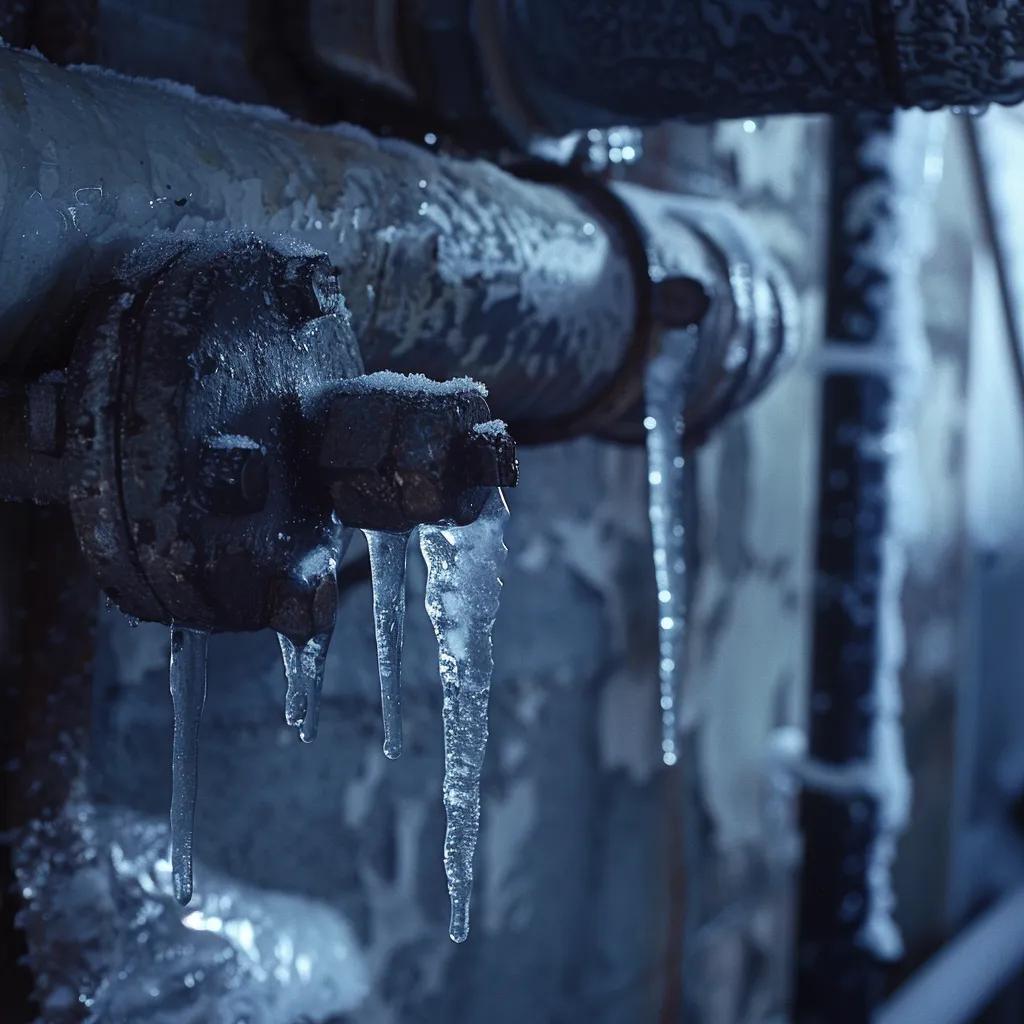
Frozen pipes expand under cold conditions, splitting walls and floors, while water heater failures—often from faulty valves or sediment buildup—release scalding water or cause sudden pressure surges that fracture plumbing lines. Insulating vulnerable pipes and flushing the heater annually reduces these risks.
What Signs Indicate a Plumbing Emergency in Your Home?
Visible water stains on ceilings, pooling around fixtures, gushing noises behind walls, sudden water meter spikes, and foul odors from drains all signal an urgent plumbing issue. Early recognition of these indicators enables faster containment and repair.
How Do You Perform an Emergency Plumbing Inspection Checklist?
An emergency plumbing inspection checklist equips homeowners to evaluate system health, stop water flow, and document damage before professional help arrives, minimizing downtime and out-of-pocket expenses in crisis situations.
How Do You Locate and Shut Off the Main Water Shut-off Valve?
- Trace the cold-water pipe entering your home, usually in the basement or utility area.
- Identify the valve handle or wheel—commonly near the water meter.
- Turn clockwise until it stops to halt water flow.
- Test a faucet to confirm shutdown before proceeding with repairs.
Completing this step prevents further flooding and preserves home safety while you implement additional measures.
What Are the Steps to Turn Off Your Water Heater Safely?
- Switch off the electric breaker or gas supply to the water heater.
- Close the cold-water inlet valve on top of the tank.
- Open a hot-water tap to relieve residual pressure.
- Drain a few gallons through the drain valve if needed to prevent leaks.
Securing the heater stops potential scalding incidents and readies the system for maintenance or replacement.
How Can You Contain Water Damage and Protect Your Home?
Place absorbent towels or dry sandbags around leak points, use plastic sheeting to direct water away from walls, and deploy buckets under dripping fixtures. Elevate furniture and valuables off wet floors to minimize salvage costs.
When Should You Document the Issue and Contact Your Insurance?
Capture clear date-stamped photos of damaged areas, collect repair estimates, and note any personal property loss immediately after containment. Reporting details within 48 hours often leads to faster claims processing and reimbursement.
When Is It Time to Call a Professional Emergency Plumber in Grosse Pointe?
Call a licensed emergency plumber if you encounter any of the following:
- Inability to stop water flow with the main valve
- Sewage backup in living areas
- Multiple simultaneous leaks
- Risk of burst from frozen lines
- Visible corrosion on critical supply pipes
For comprehensive support, rely on expert residential plumbing services that specialize in fast, reliable emergency response.
What Preventative Plumbing Inspection Tasks Should Homeowners Perform Regularly?
How Do You Inspect Faucets, Toilets, and Drains for Leaks and Clogs?
- Check faucet bases and handles for moisture or rust spots.
- Flush each toilet while observing the tank refill path for drips.
- Run water through each sink and tub, noting slow drainage or gurgling sounds.
Frequent checks maintain optimal flow and detect hidden leaks early.
How Can You Check Water Pressure and Pipes for Corrosion or Damage?
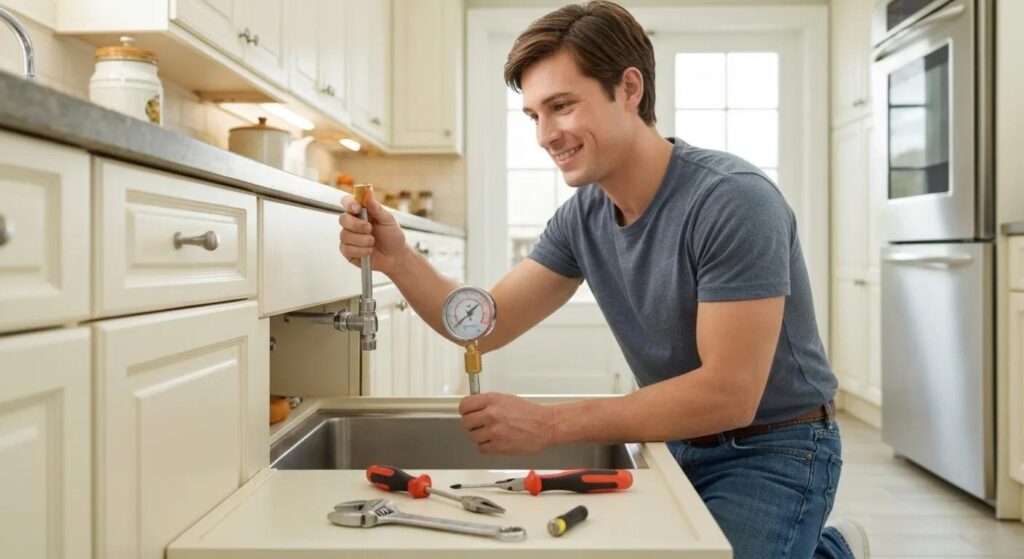
Use a pressure gauge on an outdoor spigot to ensure readings between 40–60 psi, then examine accessible pipes for flaking metal, green discoloration, or pinhole leaks. Address irregular pressure or corrosion promptly to prolong pipe life.
What Are the Best Practices for Water Heater Maintenance and Sediment Removal?
- Flush the heater annually to expel sediment that impairs efficiency.
- Inspect pressure relief valves for proper operation every six months.
- Adjust thermostat settings to 120 °F to balance comfort and energy savings.
Consistent upkeep prevents unexpected failures and extends tank lifespan.
How Do You Test Sump Pumps and Sewer Lines to Prevent Failures?
Before heavy rainfall season, pour five gallons of water into the sump basin to confirm prompt pump activation. Inspect sewer cleanouts by removing the cap (with gloves) and checking for standing water or root intrusion.
| Entity | Attribute | Value |
|---|---|---|
| Sump Pump | Activation Threshold | Triggers at 6–8 inches of water |
| Sewer Line | Cleanout Access | Exterior cap for blockage inspection |
Reliable sump and sewer checks avert basement floods and costly excavation work—trust excavation services when underground repairs are required.
What Tools and Supplies Belong in a Home Emergency Plumbing Kit?
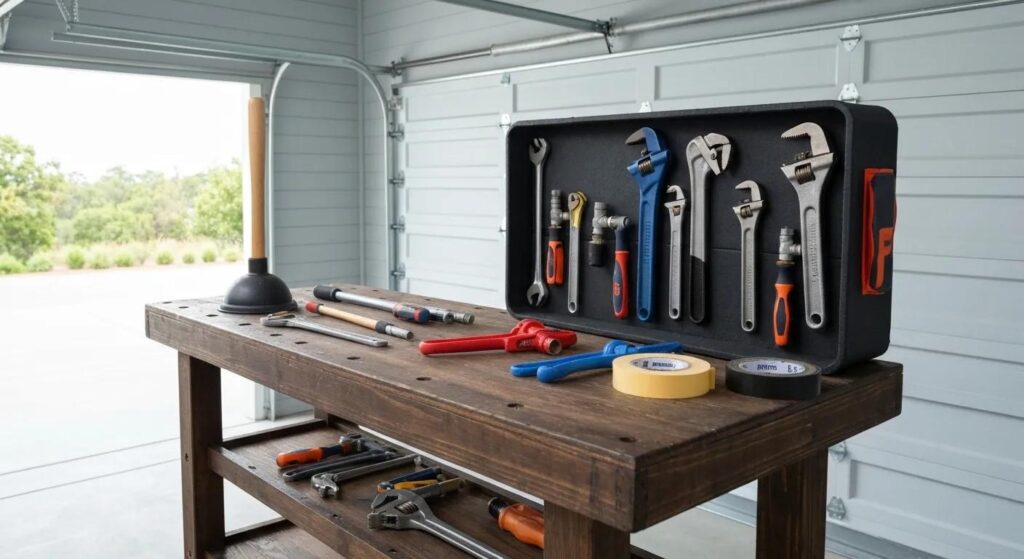
A well-stocked emergency plumbing kit empowers homeowners to perform basic repairs and contain damage until professional help arrives, reducing downtime and expense.
Which Plumbing Tools Should Every Homeowner Have?
- A heavy-duty plunger to clear minor clogs.
- An adjustable pipe wrench for tightening or loosening fittings.
- PTFE plumber’s tape for sealing threaded connections.
- A basin wrench for hard-to-reach sink nuts.
Equipping yourself with these tools improves response speed in critical situations.
What Emergency Supplies Help Manage Plumbing Issues Before Help Arrives?
- Several buckets to catch leaking water.
- Absorbent towels or rags for rapid cleanup.
- Waterproof sealants and putty for temporary leak patches.
- A flashlight and work gloves for safe operation.
These items stabilize conditions and reduce collateral damage.
How Do You Use These Tools Safely During an Emergency?
Always shut off the main water supply before any repair, wear protective gloves and eye protection, test pipe fittings gently to avoid hand injuries, and keep electrical sources clear of wet areas.
Why Choose Grosse Pointe Plumbing for Emergency Inspections and Repairs?
Grosse Pointe Plumbing combines local expertise, advanced diagnostics, and round-the-clock emergency support to safeguard your home and peace of mind.
What Makes Grosse Pointe Plumbing’s 24/7 Emergency Service Reliable?
Technicians arrive within the hour, carry fully stocked service vehicles, and employ advanced camera inspection tools that pinpoint leaks and blockages without unnecessary drilling.
How Does Professional Inspection Prevent Costly Repairs?
Certified plumbers perform comprehensive leak detection and pressure testing that uncovers hidden faults early, allowing targeted repairs that cost a fraction of full system replacements.
How Can Homeowners Get a Free Estimate and Schedule an Inspection?
Homeowners in Grosse Pointe can contact us for a free estimate online or by phone, then book a convenient inspection slot to ensure system readiness before emergencies arise.
How Often Should Homeowners Schedule Plumbing Inspections to Prevent Emergencies?
Importance of Regular Plumbing Inspections
Regular plumbing inspections are crucial for identifying minor issues before they escalate into costly emergencies and ensuring the longevity of plumbing systems.
This citation reinforces the article’s emphasis on the importance of routine inspections for maintaining plumbing system health and preventing costly repairs.
What Are the Recommended Inspection Intervals for Different Plumbing Components?
Below is a recommended schedule for routine plumbing checkups to avert crises.
| Component | Inspection Interval | Purpose |
|---|---|---|
| Faucets & Drains | Quarterly | Detect drips and slow drainage early |
| Water Heater | Annually | Flush sediment and test relief valves |
| Main Water Supply | Seasonally | Verify shut-off valve and pressure |
| Sump Pump & Sewer | Bi-annually | Confirm activation and clear obstruction |
Regular checkups extend component life and reduce emergency service calls.
How Does Regular Maintenance Reduce Emergency Plumbing Risks?
Proactive maintenance identifies corrosion, sediment buildup, and loose fittings before they escalate, which lowers the probability of sudden failures and unscheduled plumbing emergencies.
What Are the Most Frequently Asked Questions About Emergency Plumbing Inspections?
Homeowners often ask similar questions when preparing for plumbing crises; here are concise, expert answers to guide your readiness.
What Should Be Included in a Plumbing Emergency Checklist?
An effective checklist lists valve locations, tool and supply inventory, insurer contact details, emergency plumber phone numbers, and photo-documentation steps to streamline crisis response.
How Do I Prepare My Home for a Plumbing Emergency?
Inspect and label all shut-off valves, verify tool kit contents, store absorbent materials near vulnerable areas, and keep insurer and plumber contacts on a refrigerator magnet for instant access.
What Are the Signs That Indicate I Need an Emergency Plumber?
Persistent dripping despite valve closure, sewage odors indoors, water gushing from walls or ceilings, and sudden loss of water pressure all demand immediate professional intervention.
How Can I Detect Water Leaks Early in My Plumbing System?
Install leak detectors near appliances, monitor water meter usage overnight, inspect ceiling and floor stains monthly, and use food coloring in toilet tanks to reveal silent flush leaks.
What Are the Costs Associated with Emergency Plumbing Services in Grosse Pointe?
Emergency call-out fees typically range from $75 to $150 per hour, with flat-rate diagnostics often offered for no additional charge when full repairs are scheduled through Grosse Pointe Plumbing.
Homeownership brings rewards—and occasional plumbing challenges that demand swift, confident action. By following this emergency plumbing inspection checklist, you’ll reduce damage, control repair costs, and preserve home comfort. Trust local expertise from Grosse Pointe Plumbing to deliver prompt, professional care when you need it most. Ready to safeguard your home against the next plumbing crisis? Reach out today for expert inspection and 24/7 emergency support.